
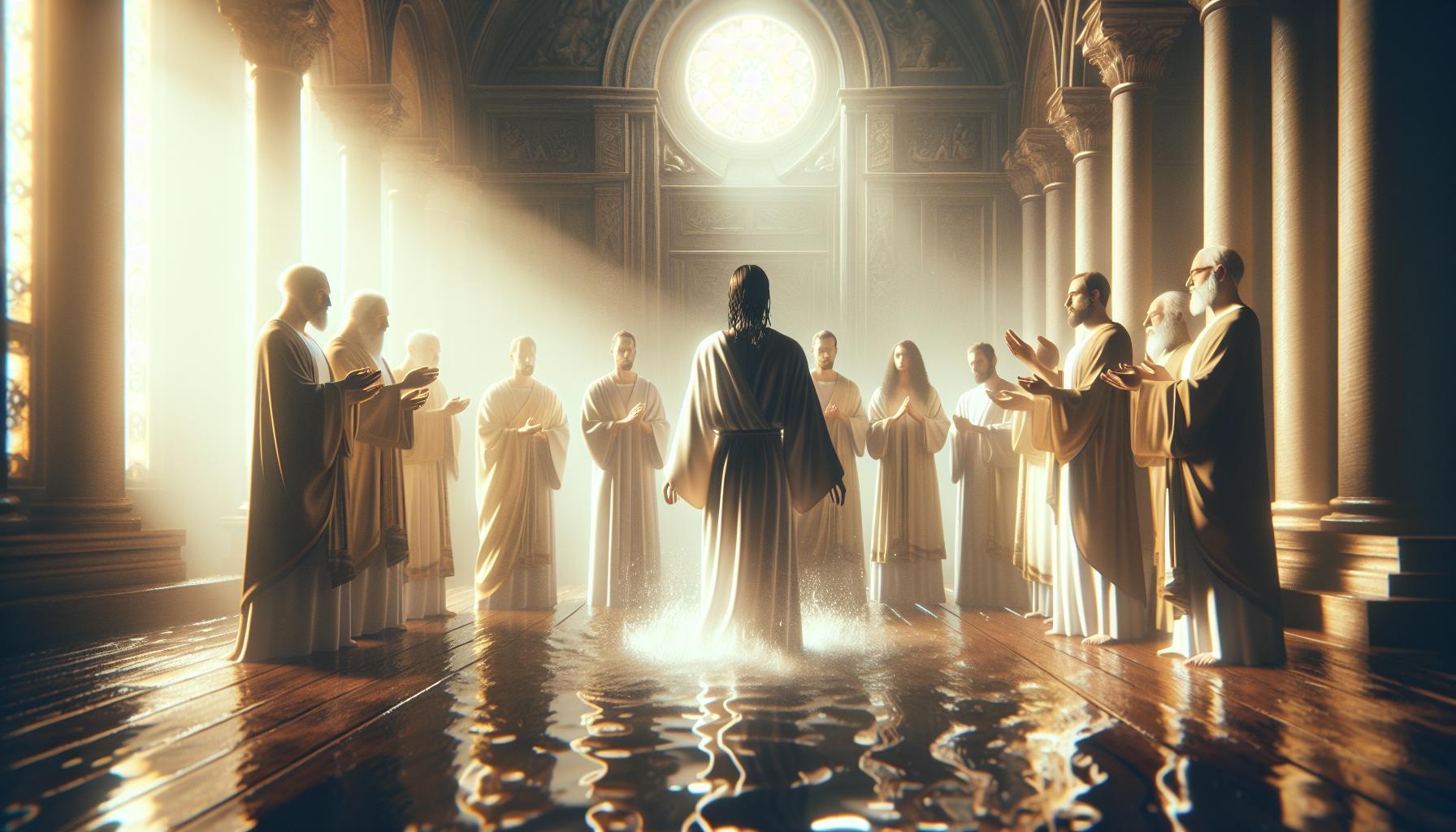

What lies beyond the physical act of baptism? Many people seek a deeper understanding of spiritual transformation beyond water immersion. Exploring the essence of spiritual baptism reveals its profound impact on personal growth and inner peace, making it a vital concept for anyone on a journey of self-discovery and faith.
Understanding Spiritual Baptism: The Essence of Inner Change
The concept of spiritual baptism transcends traditional notions of water, inviting individuals to embark on a profound journey of inner transformation. This sacred experience challenges the individual to reach beyond ceremonial practices and delve into the depths of their psyche and soul. It signifies a metamorphosis that reshapes beliefs and values, heralding a new chapter in one’s spiritual journey.
The Core of Inner Transformation
At its essence, spiritual baptism is about embracing change and shedding the old self to unveil a more enlightened version of oneself. This transformation can involve several key elements:
- Awareness: Recognizing the need for change is the first step. Inner reflection allows individuals to identify areas in their lives that require growth or healing.
- Release: Letting go of past grievances, fears, and limitations creates space for new beliefs and insights to emerge.
- Rebirth: This process symbolizes the beginning of a new spiritual life, characterized by a deeper connection to one’s purpose and values.
The transition experienced during spiritual baptism is often described with metaphors of awakening or illumination. For many, this journey is not solely personal but interconnected with a wider community. People might draw strength and inspiration from shared experiences or teachings found in various spiritual traditions. This communal aspect can amplify the transformational effects, making the journey even more meaningful.
Practical Steps for Inner Change
Engaging with spiritual baptism can be approached through various practices that facilitate inner change. Here are some actionable steps:
| Practice | Description | Benefits |
|---|---|---|
| Meditation | Quieting the mind to connect with inner truths and foster clarity. | Increased awareness and emotional stability. |
| Journaling | Writing thoughts and feelings to explore one’s inner landscape. | Enhanced self-discovery and reflection. |
| Community Engagement | Connecting with like-minded individuals for support and collective growth. | Shared insights and a sense of belonging. |
| Spiritual Reading | Exploring spiritual texts to gain wisdom and perspective. | Broadened understanding of spiritual principles. |
Each of these practices works synergistically to foster an environment conducive to spiritual awakening, allowing individuals to experience the essence of spiritual baptism fully. Embracing these elements encourages a deeper exploration of what spiritual baptism entails—more than just a symbolic act, but rather a significant, ongoing evolution of the spirit.
The Journey of Transformation: How Spiritual Baptism Empowers Us
In the journey of personal growth and self-discovery, many individuals find themselves longing for a transformative experience that goes beyond the ordinary. One such experience is the concept of spiritual baptism. This pivotal process signifies more than a mere ceremonial act; it serves as a profound catalyst for inner change, enabling individuals to unleash their true potential. By understanding the power of spiritual baptism, one can embark on a path of empowerment, fostering profound shifts in mindset and spiritual well-being.
Embracing Inner Change
Spiritual baptism invites individuals to recognize their inherent potential for transformation. This inner journey often begins with self-reflection, identifying areas of life that feel stagnant or unfulfilled. The process encourages participants to let go of limiting beliefs and past traumas that hinder personal growth. Through practices like meditation, prayer, or guided introspection, spiritual baptism helps individuals unlock deeper layers of consciousness, paving the way for a renewed sense of purpose.
- Self-Reflection: Take time to journal your thoughts and emotions. What patterns do you notice that require transformation?
- Meditation: Incorporate daily meditation practices to foster a deeper connection with your inner self.
- Seek Guidance: Connect with spiritual mentors or communities that resonate with your journey.
Real-World Applications of Spiritual Baptism
Understanding the transformative power of spiritual baptism can lead to actionable steps in everyday life. Individuals who have embraced this spiritual journey often report a heightened sense of clarity, peace, and connection with others. This new awareness can manifest in various forms—improved relationships, enhanced creativity, or a stronger sense of community. For instance, someone who has undergone this transformation may feel compelled to volunteer, thus contributing positively to society while still nurturing their spiritual growth.
| Aspect | Impact of Spiritual Baptism |
|---|---|
| Mindset | Shift from negativity to positivity |
| Relationships | Deepened connections with others |
| Purpose | Clearer sense of direction in life |
| Creativity | Increased inspiration and motivation |
As one delves deeper into the transformative powers of spiritual baptism, they may discover that the journey is ongoing. The empowerment derived from this inner change encourages lifelong learning and adaptation. By continually engaging with spiritual practices, individuals can maintain their sense of connectedness and purpose, embracing the flow of life with grace and resilience. Ultimately, spiritual baptism is not merely an end goal but a dynamic process that enables us to navigate our lives with newfound strength and clarity.
Symbols and Rituals: Exploring the Depths of Spiritual Baptism
The exploration of spiritual baptism unveils a rich tapestry woven with symbols and rituals that have profoundly influenced countless cultures and belief systems. While often associated with water, this transformative experience goes far beyond physical immersion, emphasizing an inner metamorphosis that resonates deeply within the human spirit. At the heart of this practice lies the understanding that spiritual baptism serves as a catalyst for profound personal change, and by tapping into its symbols and rituals, individuals can unlock their own potential for renewal.
Symbols of Inner Transformation
One of the most potent symbols of spiritual baptism is water itself. Water represents purification, renewal, and the flow of life. In many traditions, the act of being submerged in water or having water poured over oneself signifies the washing away of past sins or traumas, paving the way for a new beginning. Yet, it’s crucial to recognize that the symbolism of water isn’t limited to its physical form; it can also manifest through other elements, as illustrated here:
- Fire: Often used to represent transformation and the burning away of impurities, fire symbolizes the intensity of change and the strength needed to face one’s inner challenges.
- Air: Associated with breath and the essence of life, air embodies the spirit and intentions behind the transformative process, highlighting the importance of inner awareness.
- Earth: Represents stability and grounding, reminding individuals that while spiritual growth is vital, a solid foundation is equally necessary for lasting change.
Rituals That Facilitate Inner Change
Rituals play a significant role in spiritual baptism, serving not only as ancient practices but as modern tools for introspection and growth. Engaging in specific rituals can provide a framework for individuals seeking to navigate their spiritual journeys. Here are a few examples of rituals that can enhance one’s experience of spiritual baptism:
| Ritual | Description | Purpose |
|---|---|---|
| Intention Setting | Writing down personal goals or desires for change. | Clarifies focus and purpose for the transformation process. |
| Guided Meditation | A meditation practice focused on visualization of inner healing. | Encourages mindfulness and connection to one’s inner self. |
| Community Circles | Gathering in a group to share experiences and support one another. | Fosters connection, accountability, and encouragement. |
Engaging in these rituals exemplifies the essence of spiritual baptism: the commitment to personal growth and transformation. Each act serves as a reminder that the journey towards inner renewal is unique, and by embracing the associated symbols and rituals, individuals can navigate their paths with clarity and purpose. The voyage of spiritual baptism charts the course for an internal awakening, allowing participants to emerge renewed, empowered, and more in tune with their true selves.
The Role of Community: Supporting Each Other in Spiritual Growth
Creating a nurturing environment where individuals can share their spiritual journeys is vital for fostering genuine growth. Community offers a unique support system that not only holds individuals accountable but also inspires collective introspection and encouragement. When people come together, particularly in the context of understanding concepts like spiritual baptism and inner transformation, they amplify each other’s learning experiences, creating a vibrant atmosphere for personal and communal spiritual growth.
Shared Experiences Enhancing Understanding
The act of sharing personal insights and experiences related to spiritual transformation deepens the understanding for everyone involved. Participants in a community can exchange stories about their journeys, challenges, and triumphs, making abstract concepts more tangible. For instance, when individuals discuss their interpretations of spiritual baptism beyond water, they can uncover diverse meanings and applications that they might not have considered alone. Such interactions foster a richer understanding of how spiritual principles manifest in everyday life.
Accountability and Encouragement
Being part of a community provides a framework for accountability. When individuals openly communicate their spiritual goals, they are more likely to stay committed to them. This mutual responsibility encourages consistency in practices such as prayer, meditation, and studying spiritual texts. For example, a group can set collective goals around daily practices of mindfulness or community service that align with the teachings of inner transformation discussed in the broader context of spiritual baptism. This not only solidifies individual commitments but also strengthens the bonds within the community.
Creating a Safe Space for Vulnerability
Communities centered on spiritual growth often create a safe space for vulnerability, where members can express their doubts, fears, and questions without judgment. This openness is essential for inner transformation, as it allows individuals to confront and explore their challenges. Workshops, study groups, or spiritual retreats can serve as platforms for this exploration, wherein members delve deeper into theological concepts and their personal applications. Activities that prompt reflective discussions foster deeper connections and a shared sense of purpose.
- Encouragement through discussions: Weekly meetings to discuss progress and challenges in personal spiritual practices.
- Shared resources: Collaborative book studies focusing on spiritual texts that explore themes of baptism and transformation.
- Service projects: Opportunities for community service that reflect the values learned from spiritual teachings.
Ultimately, the role of community in spiritual growth cannot be underestimated. By supporting one another through shared experiences, accountability, and fostering safe spaces for discussion, community members can collectively explore the transformative journey of spiritual baptism, leading to profound personal and communal development. Building connections within such communities enriches the process of inner transformation, allowing individuals not only to grow spiritually but also to thrive as part of a supportive network.
Embracing Grace: The Theological Foundations of Spiritual Baptism
The notion of spiritual baptism transcends mere water immersion, delving into the profound transformation of the soul. This concept isn’t just a ritual; it embodies the essence of grace, calling individuals to a renewed relationship with the divine. At its core, spiritual baptism represents an inward change—an awakening that resonates deeply within the believer, leading them to experience the power of grace in tangible ways.
The Essence of Grace in Spiritual Baptism
Grace serves as the cornerstone of spiritual baptism, fundamentally altering how we understand our relationship with God. It is bestowed upon individuals not for their actions, but as a divine gift that prompts a deep spiritual awakening. This gift is indicative of God’s unwavering love, drawing believers away from the shackles of sin and toward a life marked by purpose and fulfillment. To fully appreciate the theological dimensions of this practice, consider these key aspects:
- Unmerited Favor: Spiritual baptism symbolizes the unearned grace offered by God, highlighting that salvation and transformation are gifts rather than rewards for good behavior.
- Inner Renewal: It illustrates a profound inner change, signaling a transition from self-centeredness to a life focused on love, service, and community.
- Unity in Christ: This act fosters a deep sense of belonging and connection among believers, emphasizing a shared identity in their faith journey.
The Theological Implications of Transformation
Understanding what spiritual baptism represents requires an exploration of its transformative implications. Through this inner change, individuals often find themselves shedding old habits and embracing new, life-giving practices. Imagine a person who once struggled with anger and bitterness—spiritual baptism empowers them to experience a profound sense of peace and forgiveness, both for themselves and others.
Consider the following framework to explore this transformation:
| Old Self | Spiritual Transformation |
|---|---|
| Rejection and isolation | Acceptance and community |
| Self-doubt and fear | Confidence and courage |
| Hatred and resentment | Love and compassion |
Each spiritual baptism narrative reveals how individuals are inspired to live a life reflecting these transformational qualities, reinforcing the concept that through grace, believers are not only changed but also empowered to impact the world around them positively. Through the lens of grace, the act of spiritual baptism becomes a life-altering journey, capturing the heart of what it means to live in accordance with divine will. Following this path opens up endless possibilities for personal and communal enrichment, further emphasizing the importance of this sacred experience beyond mere rituals.
Practical Steps: Nurturing Your Inner Transformation
Nurturing your inner transformation is a journey that requires intention and effort. This process, often described as a deeper awakening, involves aligning yourself with your true self and seeking a greater understanding of your life’s purpose. By embracing specific practices and mindset shifts, you can create a profound transformation within, one that transcends mere physical experiences and taps into the essence of spiritual baptism.
Develop a Mindful Practice
One of the most effective methods to facilitate inner transformation is through mindfulness. This involves dedicating time each day to reflect, meditate, or simply be present. Consider these actionable steps to establish a consistent practice:
- Morning Meditation: Start your day with 10-15 minutes of meditation focusing on your breath. This can help clear mental clutter and set a positive tone for the day.
- Journaling: Spend a few minutes each evening reflecting on your thoughts and feelings. This practice can help you identify patterns in your emotional responses and track your growth over time.
- Body Awareness: Engage in activities like yoga or tai chi, which emphasize the connection between body and spirit, enhancing your awareness of physical sensations and emotional states.
Embrace Change and Let Go
Change is an inevitable part of the journey toward inner transformation. A significant aspect of what is spiritual baptism involves shedding old beliefs and habits that no longer serve you. To effectively embrace change, consider these strategies:
- Identify Limiting Beliefs: Write down beliefs that hold you back. Challenge each belief by asking, “Is this true? What evidence do I have for and against this belief?”
- Practice Gratitude: Keep a gratitude journal to focus on the positives in your life. This can shift your perspective and make it easier to release what no longer fits your evolving self.
- Seek Feedback: Engage with trusted friends or mentors who can provide insight into your growth. Sometimes, external perspectives can illuminate areas for transformation that you might overlook.
Connect with Your Community
Surrounding yourself with supportive individuals can greatly enhance your spiritual journey. Communities that foster growth can provide encouragement and accountability. Here are a few ways to connect meaningfully:
- Join a Spiritual Group: Look for local or online communities that focus on personal development and spirituality. Sharing experiences with like-minded individuals can be incredibly validating.
- Attend Workshops: Participating in retreats or workshops focused on spiritual growth can provide tools and insights that enrich your transformational experience.
- Volunteer: Engaging in service to others helps cultivate empathy and compassion, creating a deeper connection to the world and your inner self.
By incorporating these practical steps into your daily life, you’ll begin to nurture your inner transformation effectively, paving the way for a more authentic representation of who you are and what you aspire to be. Embracing the essence of spiritual baptism can lead to a life filled with purpose, connection, and profound inner wisdom.
Addressing Misconceptions: Spiritual Baptism vs. Traditional Water Baptism
Understanding the difference between spiritual baptism and traditional water baptism can significantly impact one’s spiritual journey. Many individuals often conflate the two, believing that the act of being submerged in water is the pinnacle of one’s spiritual experience. However, a deeper exploration of what constitutes true spiritual transformation reveals a more nuanced understanding.
What Sets Spiritual Baptism Apart?
Spiritual baptism is not about the physical act of water immersion; rather, it is an internal experience that signifies a transformative event within one’s soul. The primary distinctions include:
- Focus on Inner Change: Spiritual baptism emphasizes a profound change in one’s inner self, reflecting a commitment to personal growth and ethical values. Unlike water baptism, which is often a public declaration, spiritual baptism is an intimate and personal journey.
- Sacred Relationship: This form of baptism fosters a deeper connection with the divine. It encourages individuals to cultivate their understanding of spirituality beyond ritualistic practices.
- Universal Access: Spiritual baptism is accessible to everyone, regardless of their cultural or religious background. It is less about tradition and more about personal experience and enlightenment.
Common Misconceptions Debunked
To clarify further, let’s address some common misconceptions surrounding both practices:
| Aspect | Spiritual Baptism | Traditional Water Baptism |
|---|---|---|
| Nature of Experience | Internal transformation | External ceremony |
| Symbolism | New life and spiritual awakening | Public declaration of faith |
| Inclusivity | Accessible to everyone | Often tied to specific religious traditions |
By recognizing the distinction between these two forms of baptism, individuals can better appreciate their spiritual journey. Instead of viewing water baptism as the ultimate benchmark for spirituality, consider embracing spiritual baptism as a critical aspect of personal evolution. This approach encourages a more profound exploration of one’s beliefs, values, and experiences that contribute to true inner transformation, as highlighted in the article ‘What is Spiritual Baptism: Beyond Water – Inner Transformation Explained.’
Living the Baptized Life: Integrating Spiritual Insights into Daily Practice
Immersing oneself in the concept of spiritual baptism offers a transformative journey that transcends mere rituals. It is an invitation to explore inner change and embody deeper spiritual insights in every facet of daily life. Whether through meditation, mindfulness, or intentional living, the essence of spiritual baptism—rooted in inner transformation—challenges believers to move beyond momentary practices and instill lasting change in their interactions, thoughts, and emotions.
Embracing Daily Rituals
To integrate the spiritual insights gained from understanding spiritual baptism into your everyday practices, consider adopting simple yet profound rituals that reinforce your commitment to growth and transformation. Here are some effective ways to weave these insights into your daily routine:
- Morning Intention Setting: Begin each day by defining your intentions. Reflect on how you want to embody the qualities associated with spiritual baptism—compassion, awareness, and love.
- Meditative Practices: Dedicate a few minutes daily to meditation. Focus on breathing deeply and visualizing the release of harmful patterns, welcoming in energies of positivity and healing.
- Mindful Interactions: Approach your conversations and interactions with heightened awareness. Strive to listen deeply and respond with empathy, reflecting the transformative qualities you’ve embraced.
- Gratitude Journaling: At the end of each day, jot down moments of gratitude. This practice fosters a positive mindset, aligning you with a spirit of abundance and joy.
Creating Community Connections
Part of living a life baptized in spirit involves nurturing connections within your community. Engaging with others who share similar values can amplify your transformation journey. This sense of community not only provides support but also serves as an opportunity for mutual growth and accountability. Consider the following approaches:
- Join Study Groups: Participate in groups that explore spiritual concepts, including the nuances of spiritual baptism. Sharing insights and experiences can deepen your understanding and commitment.
- Volunteer: Engage in altruistic activities that resonate with your values. This serves as a practical application of your spiritual insights while fostering a sense of belonging.
- Host Spiritual Gatherings: Create spaces for discussions and activities centered around spiritual insights. Invite friends to share their experiences and methods of integrating spirituality into their lives.
Practical Steps for Inner Transformation
After understanding what spiritual baptism signifies beyond water immersion, it is crucial to take actionable steps that align thoughts, actions, and spirituality. This could involve self-assessment and commitment to improvement. Here’s a simplified table of steps to guide your progress:
| Step | Action |
|---|---|
| Self-Reflection | Identify areas in your life where transformation is needed. Journal your thoughts and feelings. |
| Commitment to Change | Set specific, achievable goals for your spiritual and personal growth. |
| Seek Knowledge | Read books, attend workshops, or listen to talks that discuss spiritual growth and insights. |
| Practice Forgiveness | Let go of past grudges to cultivate peace and emotional freedom. |
By integrating these insights and practices into daily life, you can truly manifest the profound inner transformation that spiritual baptism suggests, moving toward a more fulfilling existence imbued with purpose and connection.
Faq
What is Spiritual Baptism: Beyond Water – Inner Transformation Explained?
Spiritual baptism refers to an inner transformation that occurs through faith, beyond the physical act of water baptism. It involves a deep, personal connection with the divine, leading to a renewal of the heart and mind.
While water baptism symbolizes the public declaration of faith, spiritual baptism emphasizes the internal changes that begin when one accepts spiritual teachings. This process can be seen as the setting apart of an individual for a sacred purpose, reflecting profound changes in their values, beliefs, and relationships.
For more insights into water baptism, you might find this article helpful.
How does Spiritual Baptism differ from traditional baptism?
While traditional baptism often involves water, spiritual baptism is an internal process focused on a believer’s relationship with the divine. It signifies an intense spiritual awakening and transformation.
Many view traditional baptism as an outward sign of faith, whereas spiritual baptism emphasizes the renewal of the spirit that accompanies a commitment to spiritual values and teachings. It’s about personal change rather than just ritual observance.
Why does Spiritual Baptism matter in a believer’s journey?
Spiritual baptism is crucial because it marks a moment of inner change, allowing believers to grow in their faith and live out their spiritual values authentically.
This inner transformation fosters a deeper understanding of one’s purpose and encourages a more meaningful connection with others and the world. It helps believers align their actions with their beliefs, nurturing a life rooted in love, compassion, and service.
Can I experience Spiritual Baptism without water baptism?
Yes, you can certainly experience spiritual baptism independently of water baptism. Spiritual change is a personal journey facilitated by faith and introspection.
While some faith traditions emphasize water baptism as a prerequisite, many recognize that the essence of spiritual baptism—such as an awakening of the spirit and dedication to a new life—is achievable through personal study, prayer, and community support.
What are the signs of Spiritual Baptism in someone’s life?
Signs of spiritual baptism include a profound sense of inner peace, increased love for others, and a commitment to spiritual growth. People often feel transformed in their perspective and interactions.
Believers may also exhibit a renewed enthusiasm for community and service, showing traits like patience, kindness, and a desire to help those around them. These changes reflect a life aligned with spiritually-driven values and goals.
Why is understanding Spiritual Baptism important for new believers?
Understanding spiritual baptism is vital for new believers as it lays the foundation for their faith journey. It helps them recognize the significance of personal transformation and ongoing growth.
New believers can appreciate that their relationship with the divine is active and evolving, thus encouraging them to seek deeper connections with both their spirituality and their community. This awareness can profoundly impact their faith journey.
The Conclusion
In conclusion, spiritual baptism transcends the mere act of water immersion, inviting individuals into a profound journey of inner transformation and renewal. As we have explored, this sacred practice serves as a powerful symbol of one’s faith, representing a deep commitment to a life aligned with spiritual principles. The transformative nature of spiritual baptism encourages each of us to embrace growth, both personally and within our communities.
We invite you to reflect on your own experiences and understanding of spiritual baptism. How can this perspective enrich your faith journey or ministry? Engaging with diverse theological insights allows us to appreciate the rich tapestry of beliefs surrounding this sacred rite.
As you continue to delve into the nuances of spiritual baptism, consider sharing your thoughts and experiences in the comments below. Join the conversation, and let’s explore together how this ancient practice can inspire renewed faith and actionable transformation in our lives. Your journey matters, and we’re here to walk alongside you in this exploration.


