Baptism
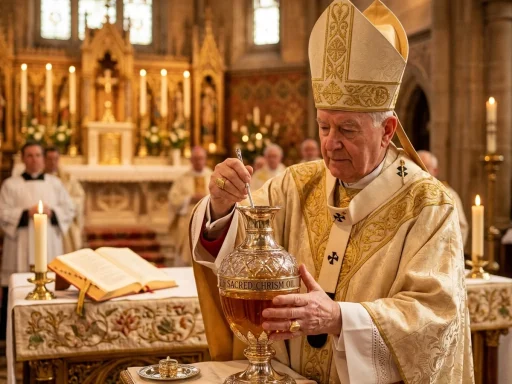
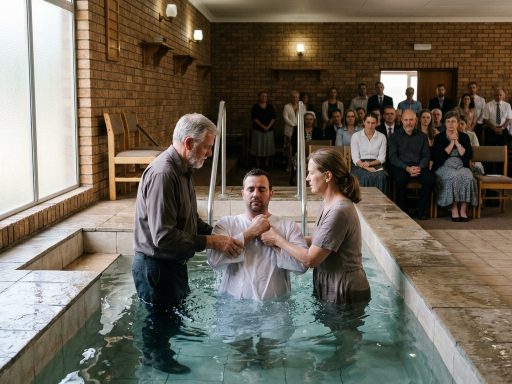
The theology and ritual anthropology of Christian baptism span millennia of doctrinal development, from Johannine immersion rites to the sacramental theology of patristic writers. The ritual’s efficacy is debated across traditions — differing on mode (immersion vs. sprinkling), subjects (infants vs. believers), and its ontological relationship to grace and salvation.
The Sacramental Theology & Ritual Anthropology of Baptism hub explores the intersection of scripture, tradition, and practice. Key attributes for understanding include the Greek etymology of ‘baptizo’ (to immerse/dip), the covenant theology framework underlying paedobaptism, and the credobaptist emphasis on conscious faith as a prerequisite. The scholarly value lies in tracing how early church practice crystallized into distinct confessional traditions.
Patristic Sources & Liturgical Development
We examine the Didache (c. 100 AD) as the earliest non-canonical baptismal instruction and trace how figures like Tertullian and Augustine shaped the doctrine of original sin and baptismal regeneration. Our theological guides focus on comparative analysis of Anglican, Reformed, Catholic, and Baptist positions. Understanding the historical development of baptism enriches both personal faith and ecumenical dialogue.
FAQ: Baptismal Theology
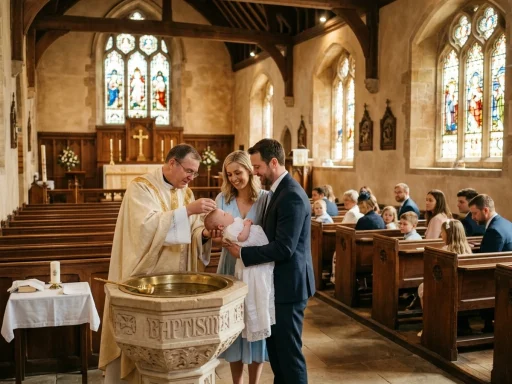
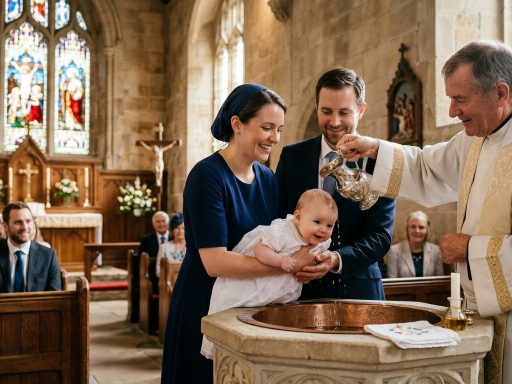
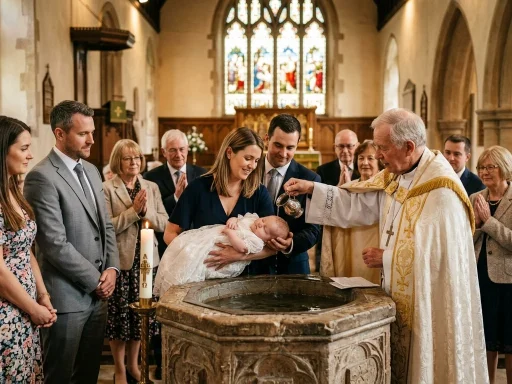
What is the difference between baptism and christening? Christening is often used interchangeably with infant baptism in Anglican and Catholic traditions, combining the sacramental act with the giving of a Christian name. Theologically, ‘baptism’ is the broader term covering all traditions.
Why do some churches practice immersion and others sprinkling? This reflects different interpretations of the New Testament Greek. Immersion advocates point to the meaning of ‘baptizo’ and Jesus’ own baptism in the Jordan. Affusion (pouring) and aspersion (sprinkling) traditions appeal to Old Testament purification rites and early church adaptations for practical contexts.
Community: Preparation Guides.