Preaching
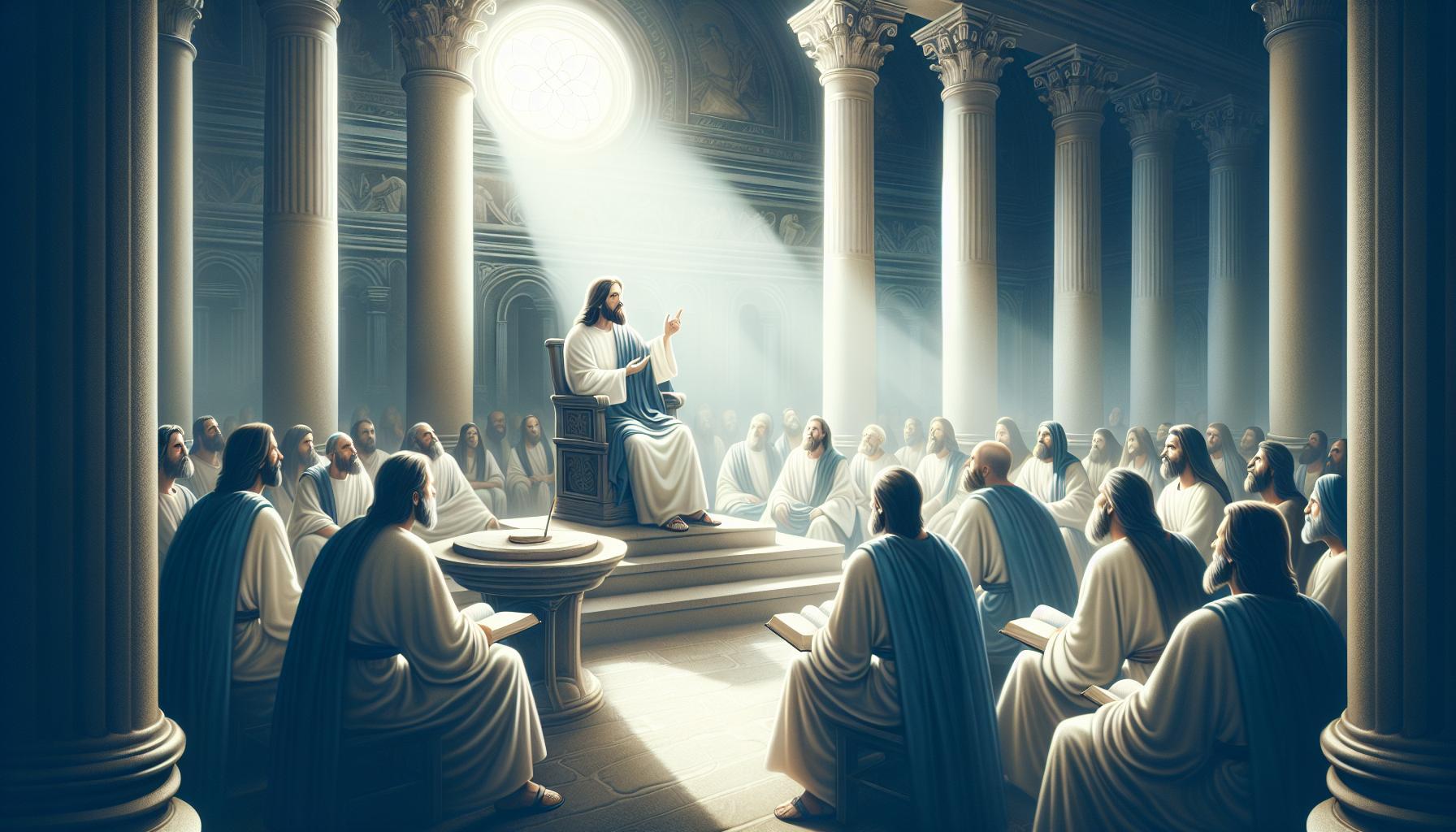
Christian Preaching is the verbal proclamation of divine revelation by a minister under the power of the Holy Spirit that aims to awaken saving faith, convict consciences, build up the church body, and glorify God through the authoritative declaration of sacred Scripture.
Foundational Pillars (Start Here)
Types of Preaching in the Bible: Full Guide
Examining prophetic proclamation, apostolic kerygma, and synagogue exposition throughout redemptive history.
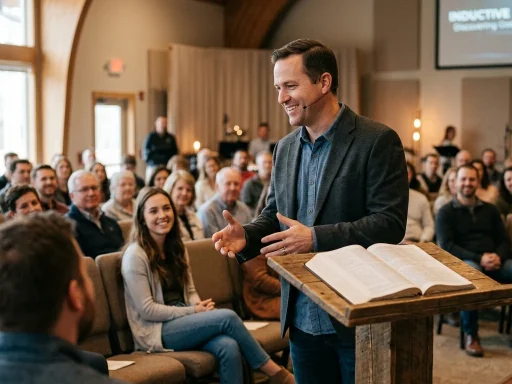
Inductive Sermon: Method & Structure | Brookside Church
How inductive sermon design guides listeners through narrative tension to biblical resolution.
Expository Bible Teaching: Method & Impact
The theological and transformative power of letting the scriptural text establish the sermon’s agenda.
What Is Apologetic Preaching? Defending Faith from the Pulpit
Equipping congregations to defend orthodox Christian truth against modern skepticism and secular philosophies.
Theology of the Word Proclaimed: Kerygma, Didache, and Pulpit Ministry
In historic Reformed and evangelical theology, the proclamation of the Word of God is considered a primary means of grace. As the Second Helvetic Confession famously declared, ‘Praedicatio verbi Dei est verbum Dei’ (The preaching of the Word of God is the Word of God). Biblical preaching is not human lecturing or psychological self-help; it is the heraldic declaration of Christ’s kingdom, wherein the preacher stands as an ambassador delivering the King’s urgent message.
Effective preaching balances kerygma (the foundational proclamation of the Gospel of salvation) with didache (systematic moral and doctrinal instruction). Whether addressing believers who have walked with Christ for decades or seekers investigating the faith, preaching must remain relentlessly anchored in Scripture, illuminated by the Holy Spirit, and directed toward heart transformation rather than mere intellectual curiosity.
| Homiletical Mode | Scriptural Focus | Primary Listener Dynamic | Homiletical Goal |
|---|---|---|---|
| Expository Preaching | Verse-by-verse continuous text | Systematic comprehension of scripture | Biblical literacy & progressive sanctification |
| Topical Preaching | Specific theme across multiple texts | Immediate practical application to life issue | Pastoral guidance & ethical clarity |
| Apologetic Preaching | Theological defense of Christian truth | Intellectual engagement & cultural challenge | Deconstructing doubts & establishing certainty |
| Evangelistic Preaching | Gospel call to repentance and faith | Unbelievers & lukewarm hearts | Regeneration & personal conversion to Christ |
Topic Directory & Resource Index
Exposition & Biblical Teaching
Frequently Asked Questions
What makes preaching distinct from teaching in the church?
While teaching (didache) focuses on instructing and explaining doctrinal truths, preaching (kerygma) is heraldic proclamation that passionately calls listeners to decision, repentance, and worship in light of God’s Word.
Why is verse-by-verse expository preaching widely recommended?
Expository preaching forces the preacher to address the whole counsel of God (Acts 20:27), prevents pastors from avoiding difficult texts, and keeps the sermon rooted in God’s authority rather than human opinion.
How does the Holy Spirit work in sermon proclamation?
The Holy Spirit illuminates the preacher during study, empowers their speech during delivery (1 Thessalonians 1:5), and convicts and opens the hearts of hearers to receive divine truth.