Preaching Delivery
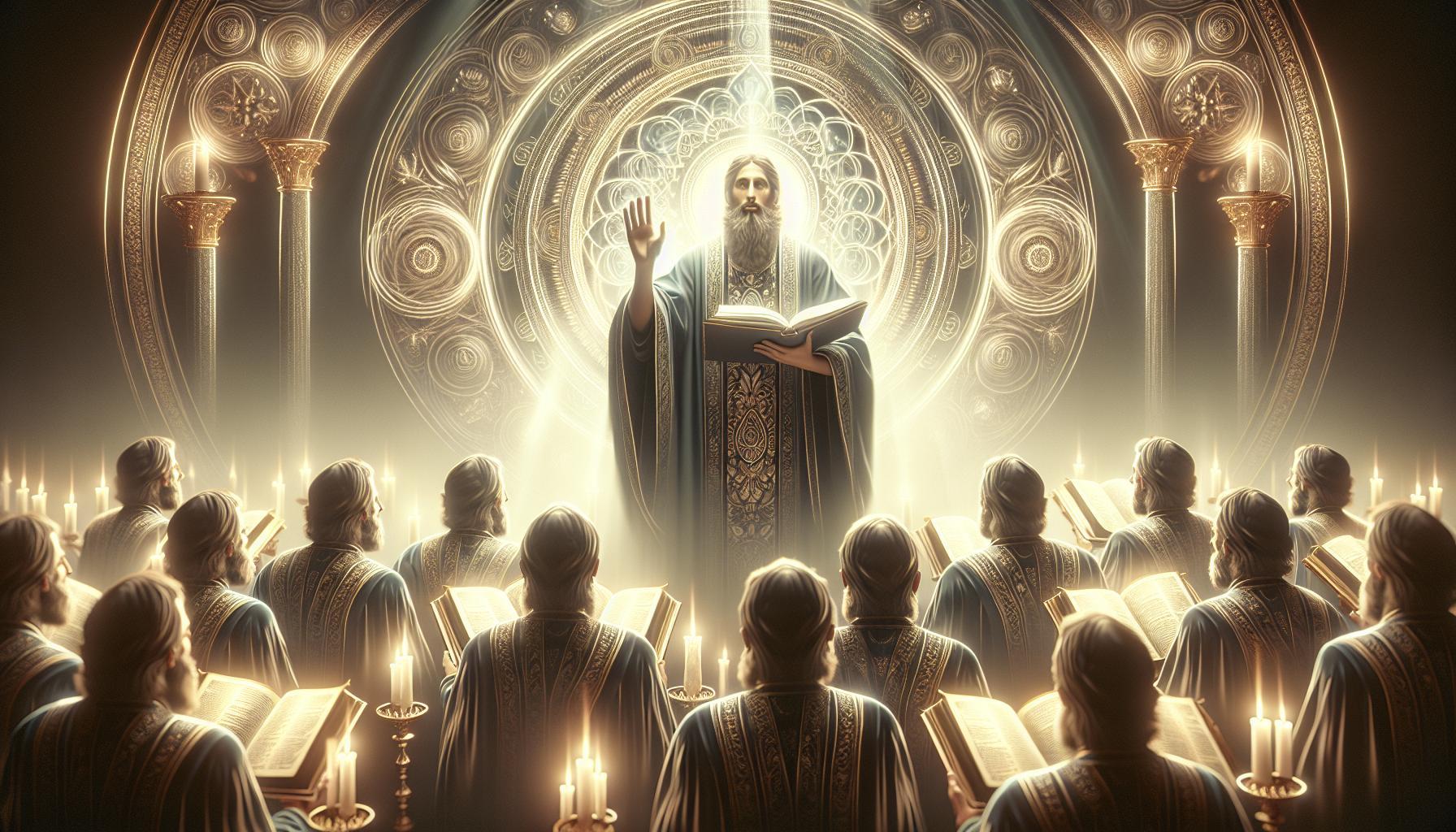
Preaching Delivery is the vocal, rhetorical, and physical embodiment of a sermon in the pulpit that combines vocal inflection, clear cadence, nonverbal presence, and pastoral warmth to communicate God’s Word with compelling clarity, authority, and authenticity.
Foundational Pillars (Start Here)
How to Improve Preaching Skills? Proven Techniques for Powerful Sermons
Actionable strategies for vocal stamina, sermon pacing, audience engagement, and manuscript discipline.
How to Greet the Church Before Preaching? Make a Lasting First Impression
Warm, pastoral pulpit greetings that establish rapport and prepare hearts for divine truth.
How to Pronounce Preaching? Perfect Your Delivery and Clarity
Phonetic articulation, diaphragm breath support, and vocal dynamics for clear pulpit communication.
What Is Homiletics of Preaching? Mastering the Art of Delivery
Unpacking classical and modern homiletic principles governing delivery, timing, and rhetorical appeal.
Rhetorical Mechanics: Vocal Dynamics, Body Language, and Spiritual Unction
Sermon delivery represents the incarnation of thought into spoken word. Even the most exegetically sound manuscript fails to convict if delivered in a lifeless, monotone whisper or an artificial, theatrical cadence. Great preachers throughout history—from John Chrysostom (‘the Golden-Mouthed’) to George Whitefield and Charles Spurgeon—understood that vocal modulation, eye contact, and sincere emotion are instruments in the hands of the Spirit to awaken slumbering hearts.
Effective delivery encompasses three interdependent domains: vocal acoustics (pitch, tempo, pause, and volume), physical presence (eye engagement, natural hand gestures, and pulpit posture), and spiritual unction (the palpable presence of the Holy Spirit accompanying humble conviction). Practicing silent pauses allows heavy biblical truths to settle upon the conscience before advancing to new points.
| Delivery Factor | Vocal / Physical Technique | Psychological Effect on Congregation | Common Pitfall to Avoid |
|---|---|---|---|
| Vocal Pacing & Pauses | Deliberate silence after key propositions | Permits reflection and emotional resonance | Rushing through notes; verbal fillers (um, ah) |
| Eye Engagement | Direct contact across all sanctuary sections | Creates personal intimacy and accountability | Fixating exclusively on manuscripts or ceiling |
| Dynamic Pitch & Volume | Modulating between solemn whispers & thunder | Maintains alert attention; accents urgency | Monotone flatness or unrelenting harsh shouting |
| Physical Posture | Open stance, relaxed shoulders, purposeful gestures | Communicates authentic authority and warmth | Pacing erratically or gripping pulpit in tension |
Topic Directory & Resource Index
Homiletics & Vocal Techniques
Frequently Asked Questions
How can a preacher overcome nervousness in the pulpit?
Adequate preparation, deep prayer, diaphragmatic breathing, and shifting focus from self-performance to delivering God’s life-giving message to beloved people helps conquer stage anxiety.
Should a preacher preach from a full manuscript or brief notes?
Both have historical precedent. Full manuscripts ensure doctrinal precision and eloquence, while outlines or note-free preaching allow greater spontaneous eye contact and freedom to follow the Spirit’s prompting.
How important is sermon pacing?
Pacing is crucial. A steady rate of 130-150 words per minute, interspersed with intentional pauses after pivotal scripture verses, allows congregations to absorb and process complex theological truths.