


Water baptism is often seen as a mere ritual, but its deep symbolism reflects a transformative spiritual journey. Understanding the significance of immersion helps believers appreciate its role in faith and community. Exploring this topic reveals why baptism matters and how it connects us to our spiritual roots, making it essential for anyone seeking a deeper relationship with their faith.
Understanding the Biblical Foundations of Water Baptism
Diving into the rich significance of water baptism reveals a profound journey of faith and identity for believers. Traditionally rooted in Jewish customs, the practice of baptism epitomizes a transition toward spiritual renewal and preparation for embracing one’s faith. John the Baptist introduced baptism as a symbol of repentance, urging individuals to cleanse themselves in anticipation of the coming Messiah. This ritual was not merely a physical act but a profound declaration of spiritual readiness and transformation.
The Symbolism of Water Baptism
Water baptism symbolizes several key elements of the Christian faith, notably the believer’s deep trust in Jesus Christ and their commitment to live according to His teachings. As believers submerge in water, it represents a metaphorical death to their old selves, paralleling Christ’s death, burial, and resurrection. This act of immersion signifies a fresh start—a cleansing of past sins and the embracing of a new life rooted in faith. It serves as a public declaration of faith and obedience, uniting the individual with the broader Christian community.
Each baptism not only signifies personal commitment but also illustrates membership in the Body of Christ. The unity among believers is highlighted in passages like Ephesians 2:19, where the act bonds them as one family under God. This connection reflects the essence of what it means to be Christian, transcending ethnic and cultural boundaries, making baptism a universal act of faith.
Practical Implications of Baptism
For many Christians, the act of water baptism is a pivotal moment in their spiritual journeys. Here are some actionable steps to consider:
- Reflect on Personal Faith: Before baptism, take time to understand your beliefs and the significance of the commitment you are making.
- Consult Spiritual Leaders: Speak with pastors or church leaders to gain insights into the baptism process and its implications for your life.
- Engage in Community: Participate in church discussions or small groups to foster connections with others who share your faith.
Engaging deeply with the concept of water baptism enriches one’s faith and builds a lasting foundation in the Christian community. Understanding its biblical roots and practical implications enhances not just personal faith, but also the collective strength of the church as a whole.
The Role of Immersion in Spiritual Transformation
The act of immersion in water baptism transcends a mere ritual; it serves as a powerful catalyst for spiritual transformation. This practice, richly laden with symbolism, embodies the profound journey of the soul seeking renewal and connection with the divine. Throughout history, many cultures and religions have utilized water as a symbol of purification and rebirth, making it a universal motif in spiritual narratives.
The Transformative Power of Immersion
When individuals undergo water baptism through immersion, they not only participate in a physical act but also engage in a deep, psychosocial transformation. This experience can evoke sensations of letting go of past burdens and emerging anew. Here are some ways immersion plays a critical role in spiritual transformation:
- Symbol of Death and Resurrection: Immersion symbolizes the death of the old self, paralleling the resurrection into new life. This fundamental concept represents the profound shift in one’s identity and purpose.
- Community Connection: The act of being immersed often takes place in the presence of a community, reinforcing social bonds and a sense of belonging. This collective experience amplifies the spiritual significance of the act.
- Emotional Release: Many individuals report intense emotional healing during and after water baptism. The act of being submerged can prompt feelings of relief and liberation, enabling participants to process and release inner turmoil.
- Spiritual Awakening: Immersion provides an occasion for deep reflection and can lead to heightened spiritual awareness. The sensory experience—feeling water enveloping the body—often facilitates a connection to the divine that may not be present in other forms of worship.
Practical Steps to Enhance the Immersion Experience
To truly harness the transformative power of immersion in water baptism, consider integrating the following practices into your experience:
| Practice | Description |
|---|---|
| Reflection Before Immersion | Spend time in meditation or prayer. Reflect on your spiritual journey, what you hope to release, and what you desire to embrace post-immersion. |
| Speak Your Intentions | Articulate your thoughts and feelings to a trusted mentor or fellow church member before the ceremony. Sharing your journey can deepen the significance of the immersion. |
| Visualize the Experience | During the immersion, visualize the water washing away negativity and illuminating your new path. This mental imagery can amplify the impact of the baptism. |
| Post-Baptism Reflection | Engage in personal reflection following the baptism. Consider writing in a journal about your emotions and any insights gained during the experience. |
By embracing these practices, individuals can enhance their experience of water baptism, leading to a more profound sense of spiritual transformation. In understanding the depths behind “What is the Meaning of Water Baptism? Immersion’s Powerful Symbolism,” it becomes evident that this ritual is not just about the physical act of being submerged but rather about the profound journey of the spirit toward renewal and rebirth. Each immersion serves as an invitation to engage more deeply with one’s faith and community, fostering an enduring commitment to personal and spiritual growth.
The Symbolism Behind Water and Its Connection to Faith
Water has always held profound significance across various cultures and religions, symbolizing not just physical sustenance but also spiritual depth and transformation. This element, often associated with baptism, reflects a powerful metaphysical connection that transcends the simple act of washing away physical impurities. The act of immersing oneself in water can signify a radical change, a rebirth into a new realm of faith and purpose. Understanding what lies beneath the surface of water baptism reveals a rich tapestry of meanings related to life, death, and spiritual renewal.
The Spiritual Significance of Water
In many religious traditions, water embodies a duality of destruction and renewal. It is frequently viewed as a cleansing agent, washing away sins and past transgressions. Baptism, in this context, serves as a rite of passage—transitioning individuals from a state of sinful existence into one of grace and holiness. This transformation is rooted deeply in the belief that water, with its ability to flow, change, and adapt, mirrors the journey of faith each believer undertakes. Individuals who partake in water baptism are not merely engaging in a ceremonial act; they are embracing a symbolic journey of rebirth and commitment to their faith.
The immersive experience of being submerged in water also holds additional layers of meaning. It symbolizes the vital act of surrender, where individuals must let go of their former selves and trust in a higher power. This theme of surrender is paramount in many spiritual practices, embodying the essence of faith. When a believer is fully immersed, they mimic the death and resurrection of faith—the act of going under represents dying to one’s old self, while emerging from the water signifies a new life filled with hope and spiritual vigor.
The Cultural Impact of Water Symbolism
Historical interpretations of water extend beyond individual faith practices; they interweave with community identity and collective beliefs. Across cultures, water has served as a backdrop for rituals that not only reflect personal belief but also strengthen communal bonds. In various religious gatherings, fairs, and festivals, water rituals often mark significant events, deepening participants’ connections to their heritage and to one another.
Prominent examples of this cultural impact include:
- Christianity: Water baptism symbolizes initiation into the community of believers as an outward sign of inward faith.
- Hinduism: The Ganga, or the sacred river, plays a crucial role in religious practices, where immersion in its waters is believed to purify the soul.
- Judaism: Mikveh, the ritual bath, signifies spiritual cleansing and is essential for various religious observances.
These diverse practices highlight how water serves as a universal symbol of cleansing, devotion, and renewal across faiths, bridging gaps between distinct cultures while fostering a sense of shared humanity in the journey of understanding life’s deeper meanings.
Practical Reflections on Water Baptism
Individuals contemplating baptism or deepening their faith may find inspiration from these reflections on water’s symbolism. Here are some actionable steps to engage with this powerful rite more meaningfully:
- Personal Reflection: Take time to meditate on what the act of baptism means to you personally. Consider writing down your thoughts to clarify your intentions.
- Engage with Your Community: Discuss the significance of baptism with fellow members of your faith community, sharing your insights and experiences.
- Explore Water’s Role in Nature: Spend time near a river, lake, or ocean to physically connect with the element of water, contemplating its movements and changes as a reflection of life’s transitions.
Embracing these practices can deepen one’s understanding of what it means to partake in water baptism, fostering a more profound appreciation for its rich symbolism and the transformative journey it represents.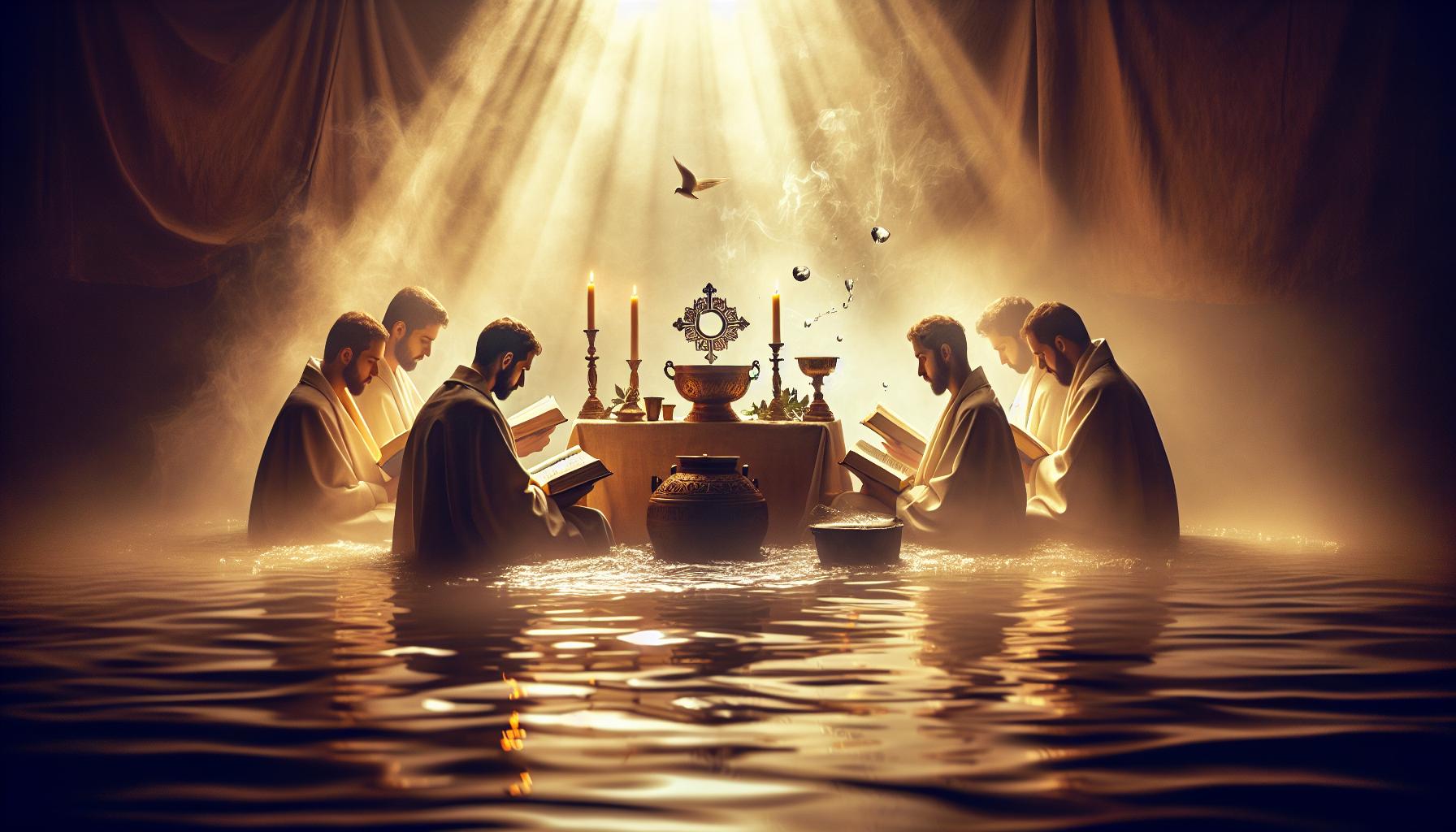
Historical Perspectives on Baptism Across Different Christian Denominations
Throughout history, baptism has served as one of the most profound and debated rituals within Christianity, symbolizing a believer’s public declaration of faith and commitment to Christ. From its ancient roots in the New Testament to its varied interpretations across denominations, the ritual of water baptism has evolved, reflecting diverse theological perspectives and cultural contexts. Understanding these historical perspectives not only enriches our comprehension of what baptism means today but also exposes the rich tapestry of practices and beliefs that have shaped this vital sacrament.
Early Church Practices
In the early Christian church, baptism was typically conducted through full immersion, symbolic of the believer’s identification with Jesus’ death, burial, and resurrection. The Didache, an early Christian text from the late first century, describes the practice of baptism in running water if possible, emphasizing the importance of the ritual’s integrity. This period marked a time when baptism was closely linked to the conversion experience, with new believers often undertaking this act immediately upon professing their faith.
Diversity of Interpretations
As Christianity spread and diversified, so too did the interpretations and practices surrounding baptism. Different denominations emerged, each with its distinct understanding of its significance:
- Catholicism: The Catholic Church views baptism as a sacrament of initiation, essential for salvation. It incorporates the use of holy water and the anointing with chrism, emphasizing both the cleansing of original sin and the induction into the Church.
- Orthodox Christianity: Similar to Catholicism, Orthodox traditions favor immersion, often baptizing infants. This act is accompanied by chrismation, seen as an essential part of the sacramental life.
- Baptist and Evangelical Traditions: These denominations typically advocate for *believer’s baptism*, practicing full immersion only after an individual has made a conscious decision to accept Christ. This highlights personal faith rather than generational faith.
- Methodism: While Methodists practice both infant and adult baptism, they emphasize the significance of grace received through the act, positing it as an invitation to a lifelong journey in faith.
Modern Perspectives and Ecumenical Movements
In today’s ecumenical climate, many churches are recognizing the importance of baptism as a unifying event among Christians. The World Council of Churches has initiated dialogues to promote a shared understanding of this sacrament across denominations. This movement demonstrates a growing desire to celebrate baptism’s rich history while respecting varied interpretations, facilitating a deeper sense of community among believers.
Each denomination’s approach to water baptism invites its followers into a deeper understanding of faith and community, revealing the powerful symbolism of immersion as it relates to individual transformation and spiritual rebirth.
Preparing for Baptism: What to Expect and How to Reflect
Preparing for baptism is a significant journey that can deepen your understanding of faith and strengthen your spiritual foundation. This momentous occasion not only signifies a personal commitment to your beliefs but also embodies the profound themes of renewal and immersion alluded to in discussions about water baptism. As you approach this important rite, it’s essential to recognize what to expect during the process and how to engage in meaningful reflection.
What to Expect Before Your Baptism
As you prepare for your baptism, consider what the experience will entail and how to approach it with an open heart and mind. Here are some aspects that you might encounter:
- Education: Many churches provide a pre-baptism class to help candidates understand the significance of water baptism. This may include discussions about its historical context and its powerful symbolism in the Christian faith.
- Spiritual Reflection: Take time to reflect on your personal faith journey. This could involve prayer, journaling, or discussing your beliefs with a mentor or pastor, enhancing your understanding of what baptism represents.
- Community Connection: Baptism often occurs in a communal setting, emphasizing the support of your faith community. Anticipate the joy of sharing this moment with family and friends who have played a pivotal role in your spiritual life.
How to Reflect on Your Spiritual Journey
Engaging in reflection as you prepare can enrich your baptism experience significantly. Here are a few actionable steps to guide your preparation:
- Create a Reflection Space: Designate a quiet space where you can meditate or pray. Consider incorporating symbols of your faith, such as candles or scripture, to inspire deeper contemplation.
- Write Your Testimony: Craft a personal testimony about your faith journey leading up to this point. This exercise not only helps clarify your beliefs but can also be shared during your baptism, making the moment more personal and impactful.
- Set Spiritual Goals: Reflect on your current spiritual life and set achievable goals for your growth post-baptism. Whether it’s committing to regular prayer, participating in church activities, or engaging in community service, having defined steps can encourage ongoing spiritual development.
- Explore Scripture: Delve into biblical passages that discuss the significance of baptism, such as Romans 6:4, which highlights the symbolism of being buried with Christ in baptism. Use this to deepen your understanding of immersion’s powerful symbolism.
| Aspect | Significance |
|---|---|
| Immersion | Represents the burial of old self and emergence as a new creation. |
| Community | Emphasizes the support of fellow believers and shared faith journeys. |
| Commitment | A public declaration of faith and a dedication to living according to Christian principles. |
By taking these steps to prepare for your baptism and engage in reflection, you not only honor the meaning of water baptism but also cultivate a deeper commitment to your faith. Each aspect of this preparation can enhance your understanding of immersion’s powerful symbolism and mark a significant step in your spiritual journey.
The Community Aspect of Baptism: Joining the Faith Family
Baptism is often celebrated as a pivotal rite of passage in the Christian faith, symbolizing an individual’s commitment to following Christ. Yet, beyond its personal significance, it also represents a powerful entry into a larger community—the faith family. This inclusion into a supportive spiritual community can be transformative, providing believers with a network of encouragement, accountability, and fellowship as they journey together in faith.
The Bonds of Faith
Upon undergoing water baptism, individuals experience a unique bond that connects them to fellow believers. This communal aspect serves several vital purposes:
- Shared Beliefs: Baptism signifies a shared acceptance of core Christian values and teachings, creating a deep sense of unity among the congregants.
- Support System: New believers find themselves surrounded by a network of mature Christians willing to guide them through the challenges of their spiritual journey.
- Common Mission: Baptism provides the impetus for believers to engage in collective ministries and outreach programs, promoting a sense of purpose and shared mission.
The Significance of Community in Baptism
Embracing the community aspect of baptism enriches the experience tremendously. Here’s how it plays a vital role:
- Mentorship Opportunities: Established church members often take on mentorship roles, assisting new believers in understanding the teachings of the faith. This guide leads to deeper biblical knowledge and enriches personal relationship with God.
- Celebration and Accountability: The act of baptism is often celebrated within the context of a church service, emphasizing the community’s joy. This public declaration fosters accountability, encouraging new members to remain steadfast in their spiritual growth.
- Community Rituals and Traditions: Many congregations incorporate traditions surrounding baptism, such as testimonies or baptismal classes, which deepen the sense of belonging. These rituals often allow the entire community to engage, reinforcing shared values and beliefs.
Practical Steps to Embrace Your Faith Family
To fully harness the community aspect of baptism, individuals can take actionable steps to integrate into their faith family:
- Participate Actively: Engage in church activities beyond the baptism ceremony, whether in service, study groups, or community outreach.
- Build Relationships: Seek out connections with other members. Regular participation in small groups or prayer meetings can foster deeper friendships and spiritual growth.
- Share Your Journey: Don’t hesitate to share your experiences and struggles with the community. Transparency often strengthens bonds and encourages others who may be on similar paths.
In embracing the community that accompanies baptism, individuals not only affirm their individual faith but also become part of a vibrant, supportive network that enriches their spiritual journey and deepens their relationship with God.
Practical Steps for Conducting a Meaningful Baptism Ceremony
The act of baptism, particularly water baptism through immersion, is laden with profound significance and rich symbolism within the Christian faith. Conducting a meaningful baptism ceremony requires careful preparation and an understanding of its deeper meaning. Here are some key steps to ensure the ceremony is not only reflective of the faith but also resonates with the participants and the congregation.
Preparation and Consultation
Engaging with religious leaders is a crucial first step. This consultation provides clarity on the specific customs and requirements of your denomination related to baptism. It’s essential to understand how these rituals reflect the symbolism of water baptism, emphasizing themes such as purification and rebirth. Discussing logistics such as the location, timing, and necessary materials (like baptismal robes and certificates) will also help in crafting a smoother experience.
Creating a Personal Connection
A baptism ceremony should feel personal and meaningful to those involved. Offering pre-baptism classes or sessions can foster understanding and deepen participants’ appreciation of their covenant with God. This is an opportunity to explain the significance of water baptism and immerse them in its powerful symbolism. Encourage families to share personal stories or testimonies that highlight their journey of faith, further enhancing the communal aspect of the ceremony.
Execution of the Ceremony
When conducting the baptism itself, the experience should be reverent and celebratory. Here are some elements to consider:
- Including Scripture: Select relevant Bible verses that resonate with the theme of renewal and acceptance. Sharing these verses during the ceremony can enhance its spiritual impact.
- Meaningful Rituals: Incorporate symbolic actions, such as anointing with oil or laying on of hands, to reflect the significance of the event.
- Celebration: After the immersion, consider having a celebration that includes family and friends, as baptism is a community event reflecting a shared journey of faith.
Follow-Up and Growth
After the baptism, it’s essential to continue nurturing the faith of those baptized. Organizing follow-up classes or fellowship groups can help them integrate into the church community and grow in their faith. This ongoing support not only emphasizes the powerful symbolism of water baptism—which signifies a new beginning—but also strengthens communal ties within the church.
By integrating these practical steps, the baptism ceremony can transcend a mere ritual to become a profound expression of faith and fellowship. As you prepare to celebrate this sacred rite, remember that each element contributes to its overall meaning, deepening the participants’ connection to their faith and community.
Frequently Overlooked Considerations in Water Baptism Practices
In exploring the profound significance of water baptism, particularly its symbolism of immersion, several crucial aspects often go unnoticed yet hold substantial importance for individuals and congregations alike. While many focus primarily on the visible act of baptism itself, the deeper implications and the context surrounding these practices can greatly enrich one’s understanding and experience of this sacred ritual.
Connection to Community and Identity
One frequently overlooked consideration in baptism practices is the sense of community and shared faith that baptism embodies. Water baptism goes beyond the personal declaration of faith; it is a powerful symbol of inclusion within the Body of Christ. When a believer is immersed in water, they are not only making a personal commitment but also publicly identifying themselves with the wider Christian community. This act symbolizes unity, acceptance, and collective identity among believers, fostering fellowship and mutual support.
- Public Declaration: The act of being baptized is a public affirmation that strengthens connections within a congregation.
- Shared Heritage: It links the individual with the historical tradition of Christian baptism seen throughout scripture, enhancing one’s spiritual heritage.
Symbolism Beyond Water
While the physical act of immersion is a defining characteristic of water baptism, its implications extend to the spiritual transformation it represents. Immersion in water symbolizes not only cleansing from sin but also the believer’s identification with Christ’s death, burial, and resurrection. This powerful analogy reflects the internal change occurring within a believer—moving from death to life, from the old self to a new creation.
| Symbolism | Scriptural References |
|---|---|
| Death to Sin | Romans 6:3-4 |
| New Life in Christ | 2 Corinthians 5:17 |
| Purification and Cleansing | Titus 3:5 |
Personal Reflection and Preparation
Another often neglected aspect prior to baptism is the significance of personal reflection and preparation. Engaging in self-examination helps individuals grasp the weight of their commitment. This thoughtful preparation not only deepens the individual’s appreciation for the act but also invites a richer spiritual experience during immersion.
- Meditation on Scriptures: Reflecting on relevant biblical passages about baptism can enhance understanding.
- Prayer for Guidance: Seeking divine guidance can help clarify one’s intentions and readiness.
Incorporating these overlooked considerations into baptism practices can provide a more holistic understanding of water baptism’s profound significance, reinforcing its role as an important step in a believer’s faith journey. By acknowledging the communal, symbolic, and personal dimensions of this ceremonial act, individuals can approach their baptism with a renewed sense of purpose and commitment.
FAQ
What is the Meaning of Water Baptism?
Water baptism symbolizes a person’s decision to publicly follow Christ and signifies spiritual cleansing. It represents both death to sin and new life in Christ.
When someone undergoes water baptism, they are immersed in water, which symbolizes the washing away of their past sins. This act is an important part of the Christian faith, signifying a profound inward transformation. In essence, water baptism is a commitment to live a life aligned with the teachings of Jesus.
How does immersion symbolize the Christian faith?
Immersion in baptism symbolizes the believer’s identification with Christ’s death, burial, and resurrection.
Being fully submerged in water represents dying to the old self, while rising from the water illustrates the new life in Christ. This powerful imagery reinforces the commitment to a Christian life, highlighting the significance of personal transformation and rebirth through faith.
Why is water baptism important?
Water baptism is important as it is a public declaration of faith and obedience to Jesus’ teachings.
Jesus himself was baptized, setting an example for his followers. It serves as an outward sign of inner faith, helping to build community among believers. Furthermore, it signifies dedication to living according to God’s will and marks the beginning of a new spiritual journey.
Can I be baptized more than once?
Yes, many individuals choose to be baptized more than once, especially after significant faith transformations.
Repeated baptisms can represent recommitment or a deeper understanding of one’s faith. It is often encouraged in situations when someone feels they’ve had a significant life change or spiritual renewal, symbolizing their renewed dedication to following Christ.
What does the phrase “born of water” mean?
The phrase “born of water” often refers to the initiation of baptism, which signifies spiritual rebirth.
This concept highlights the dual aspects of physical and spiritual birth, indicating that baptism is a necessary step in the journey of faith. Understanding this phrase helps believers comprehend the critical role of baptism in their spiritual lives.
Why do different denominations view baptism differently?
Differences in baptism practices stem from varying interpretations of the Bible and theological beliefs.
Some denominations practice infant baptism, believing it imparts grace, while others emphasize believer’s baptism, where the individual chooses to be baptized. These diverse perspectives underscore the rich theological discussions surrounding the meaning and implications of baptism within the Christian tradition.
How does baptism connect to the concept of salvation?
Baptism is often seen as a public affirmation of faith that follows an individual’s acceptance of Christ for salvation.
While perspectives vary, many believe that baptism symbolizes the cleansing of sin and acknowledgment of Jesus as Lord. It acts as a tangible expression of a believer’s faith journey, connecting the act of baptism with their commitment to salvation and a personal relationship with God.
Insights and Conclusions
In conclusion, water baptism is a profound ritual steeped in deep theological significance and rich symbolism. As we explore the meaning of immersion, we uncover the transformative journey it represents—one of repentance, renewal, and a commitment to a life enriched by faith. Whether you are familiar with baptism or are engaging with it for the first time, this sacred act invites individuals to reflect on their spiritual journey and embrace the grace offered through this powerful symbol.
We encourage you to further explore the diverse interpretations and practices surrounding baptism across various traditions. By doing so, you can gain deeper insights into its meaning and perhaps discover new ways to engage with this important aspect of spiritual life. Together, let us honor this sacred tradition while fostering an inclusive dialogue that enriches our shared understanding. As you delve deeper into the waters of faith, may your journey be filled with insights, encouragement, and a profound sense of belonging within the larger community of believers.


