Baptism is a significant milestone in many faiths, yet many wonder: how long does the ceremony actually take? Understanding the timeline and what to expect can ease apprehensions and enhance the experience. This guide will break down baptism durations and key elements, ensuring you feel prepared and informed for this important occasion.
Understanding the Significance of Baptism in Different Traditions
Baptism is a rite that transcends cultures and centuries, often serving as a pivotal moment in an individual’s spiritual journey. While the external aspects of the ceremony, such as duration and specific procedures, may vary widely, the underlying significance remains profound across different faiths. Understanding how baptism is perceived in various traditions can provide greater insight into its role and importance, helping individuals appreciate this sacred practice more deeply.
Christianity: The Foundation of Faith
In Christianity, baptism is traditionally seen as a sacrament that signifies the believer’s entrance into the faith community. It is often associated with foundational biblical narratives, such as Jesus’ own baptism by John the Baptist. This event emphasizes themes of repentance, new beginnings, and divine approval. The timeline of a baptism ceremony typically involves a significant commitment, including pre-baptismal classes or discussions to educate candidates about the vows they will undertake.
- Infant Baptism: Common in many denominations, infants are baptized to initiate them into the faith and to make a commitment on their behalf.
- Believer’s Baptism: Practiced by denominations such as Baptists, this form requires personal acknowledgment of faith before baptism, often occurring in a public setting.
Judaism: A Rite of Passage
In Judaism, while the concept of baptism as understood in Christianity is not practiced, there exists a parallel in the form of mikveh, a ritual immersion in water that symbolizes purification. This act is especially significant for women following menstruation or childbirth and for individuals converting to Judaism. The timeline for preparing for immersioncan involve learning about Jewish laws and customs, ensuring participants appreciate the gravity of the ritual.
| Ritual | Significance | Preparation Time |
|---|---|---|
| Mikveh | Purity and commitment to faith | Varies; typically involves learning and spiritual reflection |
Islam: The Importance of Purity
In Islam, while there is no direct equivalent to baptism, the concept of purification exists in the practice of Wudu, or ablution, performed before prayers. Though this is not a rite that signifies entry into the faith like baptism, it represents the importance of personal cleanliness and spiritual readiness. The “official” entry into the Muslim community occurs through a verbal declaration known as the Shahada, which can happen at any time and is often facilitated by family and community support, varying widely in its format and emotional significance.
Understanding these distinct yet rich interpretations of baptism across various traditions sheds light on its universal themes of community, commitment, and spiritual renewal. Whether through the ceremonial immersion in water, personal affirmations, or rituals of purification, the profound implications of these practices continue to shape the identities of individuals within their respective faiths.
Typical Duration of a Baptism Ceremony: What to Expect
Typically, a baptism ceremony unfolds with a beautifully crafted rhythm, allowing participants and guests to soak in the spiritual significance of the event. On average, the entire baptism experience lasts between 30 minutes to an hour, but this can vary based on a variety of factors including the specific religious tradition, the number of individuals being baptized, and the personal preferences of the family involved.
What to Expect During the Ceremony
Understanding how long a baptism can take helps in planning the day effectively. Here’s a general breakdown of the ceremony timeline:
| Segment | Duration |
|---|---|
| Welcome and Opening Prayer | 5-10 minutes |
| Reading of Scriptures | 5-10 minutes |
| Baptismal Rituals | 10-15 minutes |
| Closing Remarks and Blessing | 5-10 minutes |
| Photography Session (Optional) | 10-15 minutes |
Factors That Influence Duration
Several elements can extend or shorten the length of a baptism ceremony:
- Religious Denomination: Different faiths approach baptism with varying levels of formality and tradition, influencing overall duration.
- Personalized Elements: Family traditions or specific readings can add to the ceremony’s length.
- Number of Baptisms: Group baptisms can take longer if multiple individuals are participating.
- Additional Celebrations: If combined with other events like Communion, the timeline will naturally extend.
Being mindful of these factors helps in setting realistic expectations for your baptismal ceremony. Planning effectively can make the day not only smooth but also memorable, allowing everyone to embrace the significance of the occasion without feeling rushed or overwhelmed. Whether you’re asking, “How long is baptism?” or looking for ceremony timelines and expectations, understanding these elements will guide you in creating a fulfilling baptism event.
Elements of the Baptismal Ceremony: Key Rituals and Their Meanings
The baptismal ceremony is rich with symbolism and tradition, often leaving a lasting impact on both the individuals involved and the wider community. Central to the experience are several key rituals, each steeped in meaning and performing a significant role in the overall ceremony. Understanding these elements can enhance the appreciation of the baptism process, shedding light on how they contribute to the spiritual milestone that this rite of passage signifies.
Water: The Essence of Renewal
At the heart of the baptismal ceremony is water, symbolizing purification and rebirth. The act of immersion or pouring water over the individual represents the cleansing of sins and the start of a new life in faith. This ritual is often accompanied by specific words or prayers, invoking the significance of this transition. When discussing how long is baptism?, it’s worth noting that while the water ritual itself may only take moments, its spiritual significance can resonate for a lifetime.
The Baptismal Vows: A Commitment to Faith
Another essential component of the baptismal ceremony is the declaration of vows. These vows articulate the commitment of both the baptizer and the individual being baptized, often involving promises to uphold the faith and nurture the spiritual journey. Parents or guardians of infants typically make these vows on behalf of the child, recognizing their role in guiding the child’s religious upbringing. This is a moment of great importance, emphasizing community support in the spiritual journey.
- Infant Baptism: Parents and godparents profess their faith on behalf of the child.
- Adult Baptism: The individual makes a personal declaration of faith.
Community Involvement: A Shared Journey
The presence of the community—family, friends, and congregation—plays a crucial role in the baptismal ceremony. This gathering signifies the collective support for the individual taking this significant step. Rituals often include blessings and communal prayers, illustrating how the faith journey is not undertaken in isolation but as part of a larger spiritual family. This aspect reinforces the notion that faith is a shared experience, enhancing the depth of the ceremony.
The Sign of the Cross: Embodying Belief
Finally, the signing of the cross is a fundamental ritual in many baptismal ceremonies. This act serves as a powerful reminder of the individual’s new identity in Christ. It represents protection, grace, and the belief in the Holy Trinity. This symbolic gesture, along with others present in the ceremony, highlights the rich tradition behind baptism and contributes to the unique atmosphere each baptism brings.
The baptismal rituals, from the use of water to communal involvement, all serve a purpose in marking this pivotal moment. By understanding each element’s significance, those participating can better appreciate both the ceremony’s immediate impact and its lasting spiritual implications, while also addressing common inquiries about how long the various elements may take throughout the larger context of the baptism.
Preparing for Baptism: Steps for Candidates and Their Families
When preparing for baptism, the excitement is often palpable, whether it’s for a child taking their first significant step in faith or an adult making a profound commitment. Understanding the logistics surrounding the ceremony is crucial, as it not only enhances the experience for candidates but also for their families. This journey should feel meaningful and well-planned, ensuring every step aligns with the spiritual importance of the occasion.
Understanding the Ceremony’s Timeline
To facilitate a smooth experience, it’s helpful to familiarize yourself with the general timeline of baptism ceremonies, which typically involve various key moments. Knowing the schedule allows candidates and their families to prepare emotionally and practically. Here’s a general outline of what you can expect during the ceremony:
| Time Frame | Activity |
|---|---|
| 1-2 weeks before | Attending instructional classes and meeting with clergy. |
| 1-2 days before | Final preparations and confirmations of arrangements. |
| Day of the baptism | The ceremony, including the processional, prayers, and the baptism itself. |
| Post-ceremony | Celebration with family or a small gathering. |
Practical Steps for Candidates and Their Families
Preparation goes beyond just knowing the timeline; participants should focus on spiritual readiness and community involvement. Here are several actionable steps to help guide candidates and their families:
- Join Pre-baptism Classes: Many churches offer classes to help candidates and their families understand the significance of baptism. This is also an excellent opportunity to ask questions.
- Connect with Mentors: Engaging with a mentor or sponsor can provide support and guidance throughout the preparation process, ensuring candidates feel supported and excited.
- Plan the Celebration: Discuss options for post-baptism celebrations, whether it’s a simple family gathering or a more elaborate party. Involving the candidate in these discussions can make the event feel more personal.
- Gather Personal Items: Candidates should consider what they will wear during the ceremony, as well as any personal items significant to their faith journey, such as a special Bible or a family heirloom.
Preparing for baptism is not just about the day of the ceremony; it’s about nurturing faith, fostering community bonds, and creating lasting memories. Understanding how long baptism can take and what to expect in terms of ceremony timelines ensures a spiritually enriching experience for all involved.
The Role of the Minister in a Baptism Ceremony: Guidance and Support
The minister plays a pivotal role in the baptism ceremony, serving not only as a ceremonial figure but also as a source of guidance and support for the congregation. Their involvement encompasses a spectrum of responsibilities that highlight the significance of baptism as a spiritual milestone. During this sacred rite, the minister is tasked with explaining the ceremony’s meaning and importance, which deepens the understanding and appreciation of the event for both the candidates being baptized and the witnesses present.
One of the primary functions of the minister is to offer spiritual guidance leading up to the baptism. This often involves pre-baptismal classes or counseling sessions where the minister educates candidates about the symbolism of baptism, the expectations of their faith, and the commitment involved. Not only does this preparation assist individuals in grasping the spiritual implications of their choice, but it also fosters a sense of community among participants. The minister may encourage families to reflect on their roles as nurturers of faith in their children’s lives, emphasizing that baptism is the beginning of a lifelong journey.
During the baptism ceremony itself, the minister conducts the proceedings, ensuring that all rituals are performed according to liturgical guidelines and the specific traditions of the denomination. The minister leads prayers, offers blessings, and performs the actual baptism, which often involves immersing the candidate in water or sprinkling them, symbolizing purification and entry into the faith. Their presence reassures families and candidates alike, marking the occasion as both sacred and joyous.
Additionally, after the baptism, the minister frequently continues to provide support and encouragement. This can take the form of follow-up meetings or incorporation into church activities, helping baptized individuals to engage with their new faith community. By fostering connections within the church, the minister not only honors the commitment made during baptism but also enhances the overall experience, allowing the new members to feel welcomed and supported as they embark on this transformative spiritual journey. This comprehensive role illustrates how significant the minister’s guidance and support are in shaping a meaningful baptism ceremony.
Post-Baptism Expectations: Celebrations and Spiritual Growth
Baptism is often viewed as a significant milestone in a person’s spiritual journey, marking not only a cleansing of sins but also the beginning of active participation in a faith community. Following the ceremony, a wealth of experiences and responsibilities await the newly baptized. Understanding what to expect in the period after baptism can enrich this transformative experience and foster spiritual growth.
Celebrating the New Beginning
Post-baptism celebrations are a joyous time filled with family, friends, and faith. Typically, after the baptism ceremony, many congregations host a gathering to honor the newly baptized individual. These festivities can be as simple as a church potluck or as elaborate as a family banquet, offering a moment for reflection and community bonding. Here are some ideas to consider for celebrating this sacred event:
- Host a reception: Organize a gathering for those who attended the baptism to share stories, laughter, and joy.
- Ceremonial gifts: Consider gifts that reflect the spiritual commitment, such as a Bible, personalized keepsakes, or spiritual books.
- Encourage sharing: Allow the newly baptized to express their feelings about the journey and faith they are embracing.
Emphasizing the community aspect during celebrations not only deepens the connection between the newly baptized and fellow congregants but also signifies their commitment to a new faith-filled life.
Spiritual Growth and Continued Commitment
In the wake of the baptism, spiritual growth is paramount. This is a time for reflection and deepening one’s relationship with God, which can be nurtured through various engagements. Here are some suggested ways to support this spiritual journey:
- Join a study group: Engaging with others in faith-based discussions can provide insights that foster personal and communal growth.
- Regular attendance: Consistently participating in religious services helps maintain the momentum generated by the baptism.
- Volunteer opportunities: Getting involved in community service allows for practical application of one’s faith and promotes spiritual maturation.
Each of these actions serves to reinforce the commitments made during the baptism ceremony, enhancing the overall experience of this significant life event.
A Supportive Community
The role of a supportive community cannot be overstated. It is vital for the newly baptized to feel welcomed and encouraged within their congregation. Here’s how communities can help nurture spiritual growth post-baptism:
| Supportive Actions | Benefits |
|---|---|
| Mentorship programs | Provide guidance and insight from seasoned members. |
| Social gatherings | Foster relationships that encourage ongoing faith development. |
| Faith-based workshops | Equip individuals with tools for spiritual growth. |
These components create a vibrant ecosystem where faith can be practiced and lived, ensuring the spirit of the baptism is not just a one-time event but the beginning of a lifelong journey of faith and community. By setting realistic expectations for both celebrations and ongoing spiritual development, individuals can embrace their baptism with joy and purpose, shaping their spiritual identity for years to come.
Navigating Cultural Variations in Baptism Practices
When discussing the important milestone of baptism, it’s fascinating to note that this sacred rite varies significantly across cultures and denominations. Understanding these variations is essential for anyone looking to partake in or support a loved one through this meaningful ceremony. Just as How Long Is Baptism? Ceremony Timelines and Expectations highlights the logistics of these events, recognizing the cultural context can enhance the experience and ensure respectful observance of traditions.
Cultural Perspectives on Baptism
Different cultures infuse baptism with unique rituals, symbols, and durations. For instance:
- Western Christianity: In many Western denominations, such as Catholicism and Protestantism, baptism typically involves a brief ceremony that includes the sprinkling or immersion of water. This can last anywhere from a few minutes to half an hour, often conducted in a church setting with a focus on family and communal support.
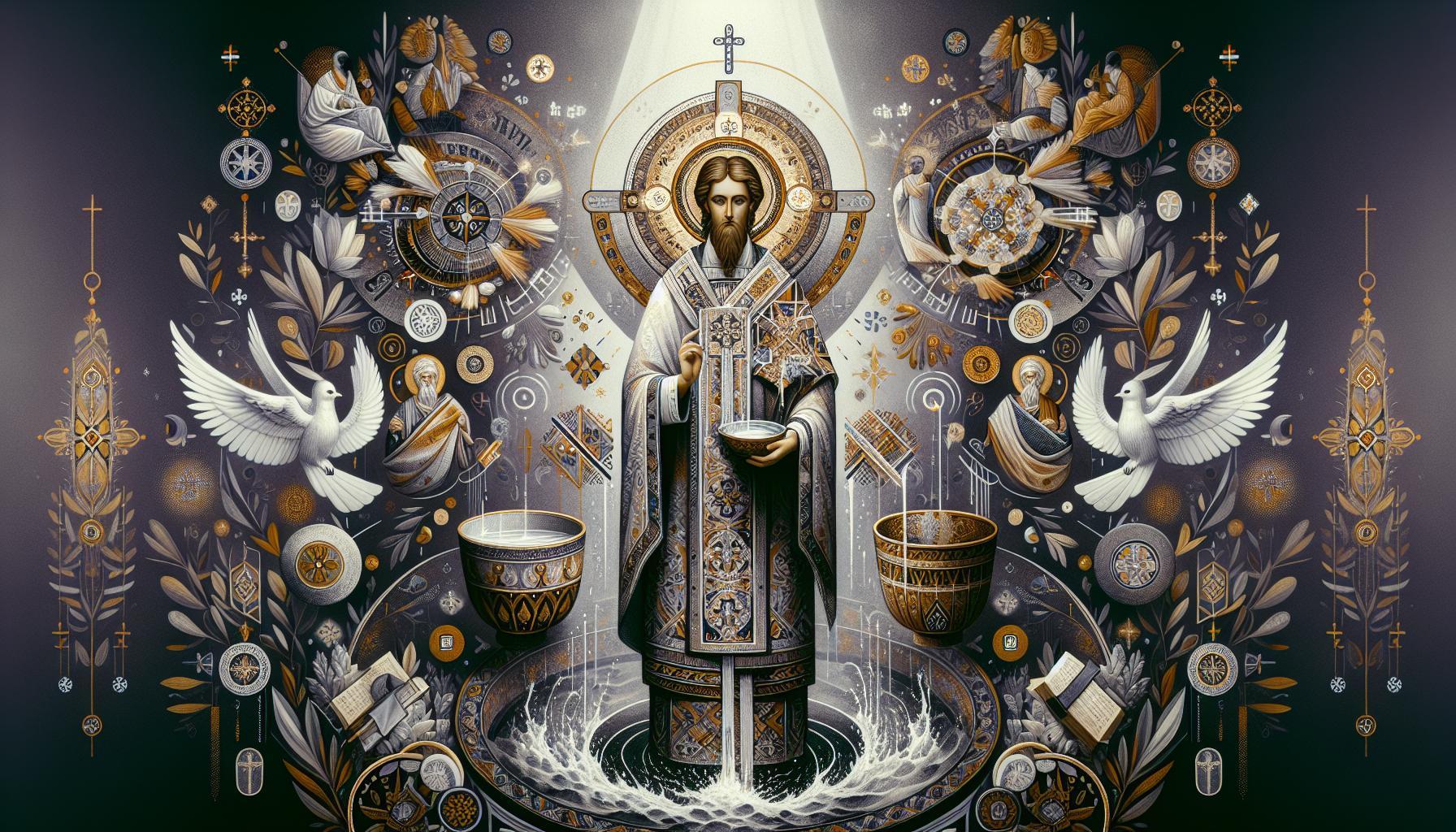
- Orthodox Christianity: For Orthodox Christians, the baptism ceremony is much more elaborate, often lasting about an hour. It includes multiple ritual actions, such as the anointing with oil and the lighting of candles, which symbolize the spiritual journey of the individual.
- Indigenous Practices: Many indigenous cultures have their own baptism-like ceremonies that can vary greatly in length and complexity. These often include elaborate rituals, communal gatherings, and sometimes last an entire day, emphasizing connection with nature and community.
Adjusting Expectations
When planning or participating in a baptism, it’s crucial to understand these varying traditions, especially when defining expectations regarding the ceremony’s duration and format. Here are several practical steps to take:
- Research the Tradition: Familiarize yourself with the specific rites associated with the baptism you’re attending. Understanding what to expect can alleviate anxiety and enhance participation.
- Communicate with the Officiant: Reach out to the person officiating the ceremony. They can provide clear guidance on what the service entails, how long it will last, and any special preparations you might need to undertake.
- Be Respectful of Cultural Nuances: If you’re attending a baptism in a culture different from your own, approach it with openness and respect. Even if certain practices seem unfamiliar, they are meaningful to those involved.
Creating a Timeline
To help manage expectations regarding the ceremony, it may be useful to create a simple timeline. This visual aid can include major components such as the welcome address, the actual baptism, and post-ceremony gatherings. Here is an example:
| Segment | Estimated Duration |
|---|---|
| Welcome and Opening Prayer | 5 minutes |
| Reading of Scriptures | 10 minutes |
| The Baptism Ceremony | 15-45 minutes (varies) |
| Closing Remarks | 5 minutes |
| Post-Ceremony Celebrations | 1-2 hours (if applicable) |
By being well-informed and prepared, participants can navigate the diverse cultural variations in baptism practices more effectively while cherishing the depth of this significant rite. Understanding the intricacies of how different cultures approach baptism helps to create a more enriching experience for all involved.
Common Questions About Baptism: Insights for Participants and Observers
Baptism is a significant milestone in the spiritual journey for many individuals and often raises a variety of questions for both participants and observers alike. Understanding the intricacies surrounding the ceremony can enhance the experience for everyone involved. Many seek clarity on the duration, the process, and its underlying significance. This is particularly important as different denominations and traditions may approach baptism in varied ways, influencing the expectations surrounding the event.
Duration and Structure of the Baptism Ceremony
Typically, the length of a baptism ceremony can range from a brief 15-minute service to a more detailed hour-long event, depending on the religious context and the number of participants. This often includes:
- Preparation and Welcome: The ceremony often begins with a welcoming message from the officiant, providing insight into what baptism signifies.
- The Declaration: Participants usually share their faith journey, affirming their dedication to their beliefs.
- The Act of Baptism: This is the actual moment of immersion or pouring, and it typically lasts just a few minutes per individual.
- Closing Remarks: The ceremony concludes with blessings and a call for support from the community.
Factors Influencing Ceremony Length
Several elements can affect the overall duration of baptism, such as:
| Factor | Description |
|---|---|
| Number of Participants | More individuals being baptized can extend the ceremony time due to multiple baptisms. |
| Type of Service | Traditional services may incorporate more rituals than contemporary ones, affecting length. |
| Location | An elaborate setting with musical or liturgical elements may add to the overall duration. |
Common Questions and Expectations
One common question among participants is, “What should I wear?” The attire for baptism often varies by tradition, with some opting for white garments symbolizing purity while others wear comfortable clothing suitable for immersion. Additionally, observers may wonder about how to support candidates during the ceremony.
Another frequent inquiry concerns the significance of baptism itself. Many view it as an important step in publicly declaring one’s faith and commitment to spiritual growth. For those attending in support, understanding the emotional and spiritual weight of the occasion can foster a more profound involvement and appreciation for the event.
By addressing these aspects, individuals can better prepare for the baptism ceremony, ensuring a memorable and spiritually enriching experience for everyone present. Whether you are preparing for your own baptism or supporting a loved one, recognizing the significance of this rite will enhance not only your understanding but also that of the entire community involved.
Frequently asked questions
How long is baptism?
Baptism typically takes between 20 to 60 minutes, depending on the specific traditions of the church and the number of candidates being baptized. This includes both the ceremony and any additional elements like worship or teaching.
Each church may have different procedures, so it’s wise to check with your pastor or coordinator for specific ceremony timelines. For instance, a small, private baptism might be quicker than a large, public service that includes multiple baptisms.
What is a baptism ceremony like?
A baptism ceremony generally includes prayers, scripture readings, and the actual act of baptism, where an individual is either immersed in water or has water poured over them, symbolizing their faith.
The ceremony often follows a structured format, beginning with worship music, followed by a message from the pastor about the significance of baptism. This prepares participants and attendees alike for the momentous occasion.
Why does baptism take place?
Baptism is significant as it symbolizes the believer’s public declaration of faith and commitment to following Jesus Christ. It represents spiritual cleansing and new life.
This act of faith connects believers with the larger community of faith. Understanding the deep theological implications of baptism can enrich one’s spiritual journey and foster a sense of belonging.
Can I choose the style of baptism?
It’s essential to discuss your options with church leaders to ensure the method aligns with the church’s doctrinal beliefs. They can guide you on what each style represents and which might be most suitable for your spiritual journey.
Is baptism necessary for salvation?
The necessity of baptism for salvation varies among Christian denominations. Some believe it is essential, while others view it as a significant act of obedience following faith.
Understanding these differences can enhance your appreciation for the diversity within Christianity. Engaging in discussions with your pastor or study groups can provide deeper insights into this crucial topic.
What happens after baptism?
After baptism, new believers often experience a sense of renewed faith and commitment to their spiritual journey. Many churches encourage participation in community activities and continued learning.
It’s a good opportunity to reflect on your spiritual goals and consider joining a bible study group or ministry. This further integrates you into the community and helps grow your faith.
Can children be baptized?
Many churches practice infant baptism, while others prefer child baptism after a profession of faith.
This practice often reflects different theological beliefs about salvation and grace. Parents interested in baptizing their children should consult their church to understand local customs and expectations regarding infant or child baptism.
The Conclusion
In conclusion, understanding the duration and structure of baptism ceremonies can significantly enhance the experience for both candidates and attendees. With Catholic baptisms typically lasting around 20 to 30 minutes, it’s essential to be aware of the steps involved, from the initial welcome by the priest to the final blessings that signify inclusion within the church community [1[1]. For those exploring various Christian traditions, recognizing the unique symbolism and rituals can provide a deeper appreciation of this sacred rite and its significance [2[2]. As you navigate this meaningful journey, we encourage you to reach out with questions, share your thoughts, and immerse yourself in a tradition that transcends denominations, offering a shared sense of faith and belonging. Keep exploring, and may your understanding of baptism continue to grow and inspire!