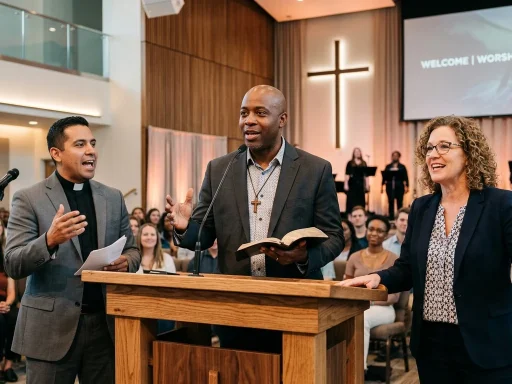
In an age where skepticism often overshadows faith, many congregations grapple with how to address challenging questions from their communities. Apologetic preaching emerges as a vital approach, equipping pastors to defend beliefs and engage seekers intellectually. This practice not only reinforces the faith of believers but also fosters meaningful dialogue in a diverse world.
Understanding the Foundations of Apologetic Preaching
In a world where doubts and skepticism about faith are increasingly common, the role of preachers has transformed dramatically. Engaging with apologetic preaching not only equips leaders to confront these challenges but also empowers congregations to deepen their understanding of their beliefs. This method transcends mere sermon delivery; it involves a thoughtful and strategic approach to addressing the questions and objections that arise in today’s society.
The Essence of Apologetic Preaching
Apologetic preaching serves as a bridge between the ancient truths of scripture and the contemporary challenges faced by believers. It encourages a reasoned defense of faith, rooted in scripture, reason, and evidence. This approach can be underpinned by several foundational elements:
- Scriptural Authority: Emphasizing the Bible as the ultimate source of truth, preachers harness its teachings to build a compelling case for faith.
- Cultural Awareness: Understanding current societal issues allows preachers to address specific doubts or misconceptions impacting their congregation.
- Engagement with Doubts: Acknowledging struggles and questions instead of ignoring them creates a safe space for exploration and reflection.
- Intellectual Preparedness: Preachers must be well-versed in both theological concepts and logical reasoning to effectively communicate their message.
Through these elements, apologetic preaching becomes a practice of not just defending the faith but also equipping believers with the tools they need to articulate their beliefs confidently.
Practical Application in Sermons
Effectively implementing apologetic preaching involves practical steps that preachers can take. Here’s how:
- Incorporate Q&A Sessions: Allow congregation members to submit questions beforehand and address them during sermons. This encourages engagement and makes the preaching relevant to their lives.
- Utilize Multimedia Resources: Enhance messages with videos, slides, or audio clips that present logical arguments or test cases relevant to faith challenges.
- Personal Testimonies: Sharing personal experiences and stories of faith challenges can help make abstract concepts relatable and tangible for listeners.
- Workshops on Defending Faith: Organize sessions apart from regular sermons that focus specifically on apologetic techniques and arguments to further empower church members.
By adopting these strategies, preachers can lead their congregations to not only understand their faith more deeply but also to actively articulate it in a world that often questions its validity.
The Role of Apologetics in Contemporary Sermons
Effective preaching today requires more than just inspiration; it demands a robust defense of faith that resonates with both the believer and the skeptic alike. In a world rife with skepticism and varying belief systems, the vital work of defending the Christian faith becomes increasingly important. This is where the intersection of apologetics and preaching comes into play. Understanding how to engage with challenging questions and doubts can fortify the congregation’s faith and provide a compelling case for Christianity.
Understanding the Landscape of Contemporary Challenges
Modern congregations face a myriad of issues that challenge their beliefs, from scientific questions to moral dilemmas, and societal changes to philosophical discussions. Within this context, apologetic preaching serves as a vital tool for addressing these challenges directly. Some of the key areas where apologetics intersects with preaching include:
- Intellectual Engagement: Many congregants struggle with the perceived conflict between faith and reason. Apologetic preaching helps bridge this gap by providing rational defenses of Christian beliefs.
- Cultural Relevance: Preachers can use apologetic methods to address contemporary moral and ethical issues, equipping their audience to engage with cultural debates while maintaining a Christian worldview.
- Encouraging Personal Faith: By presenting a well-reasoned faith, churches empower individuals to own their beliefs, moving them from passive acceptance to active conviction.
Strategies for Integrating Apologetics in Sermons
Integrating apologetics into preaching requires planning and an understanding of the audience’s needs. Here are some practical strategies:
- Incorporate Questions: Begin sermons by posing common objections or questions about faith. Address these directly within the message to engage listeners and demonstrate that their concerns are valid.
- Utilize Real-Life Examples: Share testimonies or historical events that showcase the transformative power of faith, reinforcing the significance of Christian teachings.
- Offer Resources: Provide recommended readings or videos on specific apologetic topics, allowing congregants to explore deeper discussions outside of the sermon.
| Apologetic Topic | Sermon Application |
|---|---|
| The Problem of Evil | Discuss how Christian theology provides hope and answers in suffering. |
| The Resurrection | Examine historical evidence supporting the resurrection as a cornerstone of faith. |
| Religious Pluralism | Offer insights on how Christianity uniquely addresses human longing for truth. |
By skillfully incorporating apologetics into sermons, pastors not only address the pressing questions of their congregations but also model a faith that is thoughtful, reasoned, and prepared to engage with the world around us. This dynamic approach to preaching not only reinforces the message of the gospel but also empowers the congregation to communicate their beliefs confidently in diverse settings.
Key Strategies for Effectively Defending Faith from the Pulpit
Engaging in apologetic preaching requires skillful navigation through complex theological conversations while remaining accessible to the congregation. It’s not merely about defending beliefs; it’s about fostering a deeper understanding of faith in a world filled with skepticism. The intersection of faith and reason calls for clear strategies that empower speakers from the pulpit to articulate their beliefs confidently and persuasively.
Emphasize Scriptural Foundations
The core of apologetic preaching is rooted in Scripture. This provides both authority and assurance to your message. Embrace passages that highlight the rationality of faith, such as 1 Peter 3:15, which encourages believers to “always be prepared to make a defense to anyone who asks you for a reason for the hope that is in you.” Incorporate the following practices:
- Use Scripture as a Foundation: Anchor your arguments in biblical texts, demonstrating their relevance and applicability to modern questions.
- Contextualize Biblical Accounts: Share stories that clarify how biblical figures faced opposition and doubt, helping your audience relate.
- Encourage Memorization: Encourage your congregation to memorize key verses and testimonies that bolster their understanding and confidence.
Engage with Cultural Context
Understanding the cultural landscape is crucial when defending faith from the pulpit. Apologetic preaching must address contemporary issues and challenges faced by believers today. Consider these strategies:
- Identify Common Doubts: Address prevalent questions about faith such as the problem of evil, the reliability of Scripture, or the existence of God, providing reasoned answers.
- Utilize Stories and Testimonies: Share personal stories and testimonies from both your life and the lives of others to illustrate how faith has transformed lives amidst doubts.
- Incorporate Multimedia: Use videos, podcasts, and articles to enrich your message and engage different learning styles.
Foster a Community of Inquiry
Apologetic preaching is most effective in a community that encourages questions and dialogue. Establishing an environment where congregation members feel safe discussing their doubts can greatly enhance their understanding of faith. Consider implementing:
| Strategy | Description |
|---|---|
| Open Q&A Sessions | Hold regular sessions where congregation members can ask questions about faith, enabling deeper exploration of topics. |
| Small Group Discussions | Create small groups focused on specific apologetic topics, fostering peer-to-peer learning and support. |
| Guest Speakers | Invite knowledgeable speakers who specialize in apologetics to discuss relevant topics, broadening the congregation’s perspective. |
By employing these strategies, you can create a robust framework for delivering apologetic preaching that not only defends faith but also invites deeper reflection and understanding within your congregation. This approach allows for a rich dialogue that strengthens belief and equips individuals with the knowledge they need to navigate complex spiritual landscapes.
Engaging Your Congregation: Making Apologetics Relatable
In an age where skepticism often overshadows faith, the need for engaging apologetics in the church has never been more critical. People, particularly younger generations, are searching for clarity and understanding about their beliefs. Apologetic preaching—essentially defending the faith from the pulpit—provides a platform for addressing doubts and misconceptions while reinforcing the core tenets of Christianity. To connect with your congregation effectively, apologists must make complex theological concepts relatable and applicable to everyday life.
Relating to Everyday Issues
One of the keys to effective apologetic preaching is connecting theological discussions to real-world issues that resonate with your congregation’s experiences. Consider the following strategy:
- Identify Common Concerns: Start by understanding what questions or doubts members of your congregation have. This could range from moral dilemmas in modern society to historical critiques of the Bible.
- Use Personal Stories: Share testimonies or anecdotes that illustrate how faith has impacted lives in practical ways. Personal stories can bridge the gap between doctrine and daily life, making teachings more accessible.
- Encourage Dialogue: Create an environment where congregation members feel safe to ask questions. Consider hosting Q&A sessions after sermons or providing anonymous question boxes to foster open communication.
Utilizing Technology and Multimedia
Today’s digital landscape offers various tools for making apologetic preaching more engaging. Integrating technology enhances the learning experience and can greatly improve retention of complex information.
- Visual Aids: Use PowerPoint presentations or infographics during sermons to illustrate key points. Visual representations can simplify complex concepts and keep the congregation engaged.
- Online Resources: Share articles, podcasts, or videos that delve deeper into apologetic topics, allowing congregants to explore subjects at their own pace.
- Social Media Engagement: Use platforms like Instagram and Facebook to post bite-sized apologetics content and stimulate discussions among members.
Building a Strong Community
Fostering a community that is grounded in apologetics not only strengthens individual faith but also serves as a collective defense of beliefs.
| Activity | Purpose | Frequency |
|---|---|---|
| Weekly Bible Study | Explore apologetic themes | Weekly |
| Guest Speakers | Introduce diverse perspectives | Monthly |
| Church Retreats | Encourage deep discussions | Annual |
By implementing these strategies, congregations can create a vibrant space for exploring faith, understanding apologetics, and ultimately building a stronger, more informed community. Remember, the goal is to illuminate the relevance of faith in everyday life, helping individuals to defend their beliefs with confidence and compassion.
Connecting Theology with Everyday Life in Apologetic Messages
When individuals hear the term “apologetic preaching,” they might envision eloquent arguments and scholarly debates meant for theological audiences. However, at its core, apologetic preaching is about weaving the tenets of Christian faith into the fabric of everyday life. This approach not only defends the faith but also makes it relatable and practical for believers and seekers alike. By applying theological concepts to real-world issues, we invite listeners to engage with faith on a personal level, fostering a deeper understanding of their beliefs.
Bridging the Gap between Theology and Daily Living
One effective method of is by addressing common societal concerns through a biblical lens. For example, when discussing the problem of suffering, a preacher might draw on the story of Job to illustrate resilience in faith while acknowledging real pain. This not only validates the struggles of the congregation but also demonstrates how Scripture can offer profound insights into contemporary issues.
Here are a few effective strategies for integrating theology into daily situations:
- Personal Testimonies: Sharing personal stories of faith can inspire others and create relatability. When preachers recount their challenges and how Scripture provides comfort, it transforms abstract doctrines into vivid realities.
- Real-World Applications: Preaching about forgiveness can resonate when tied to current events or inter-personal conflicts within the community. Discussing how Christ’s teachings on grace help in resolving conflicts can encourage practical implementation.
- Interactive Q&A Sessions: Engaging the congregation in discussions allows preachers to address pressing questions directly. This invites dialogue and emphasizes the relevance of theological discussions.
Moreover, leveraging apologetic messages to clarify misconceptions can strengthen faith and enhance understanding. For instance, presenting well-researched responses to common criticisms of Christianity can empower believers to articulate their faith. A table outlining common objections and corresponding doctrinal responses can serve as a quick reference for congregants:
| Common Objection | Response |
|---|---|
| Does God exist? | Explore philosophical and scientific arguments, such as the cosmological argument. |
| Is the Bible reliable? | Discuss historical evidence and the manuscript tradition supporting biblical texts. |
| Why is there suffering in the world? | Address the concept of free will and the role of suffering in the Christian journey. |
Thus, meaningful apologetic preaching transcends mere defense of the faith; it serves as a bridge connecting timeless theological truths with the challenges and joys of everyday life. By grounding discussions in relatable contexts, we not only defend our beliefs but also cultivate a vibrant faith community, ready to engage with the world around them.
Varieties of Apologetic Approaches: Finding Your Voice
Exploring the rich tapestry of apologetic approaches reveals that one size certainly does not fit all when it comes to defending faith from the pulpit. Different preachers possess unique communication styles, personalities, and theological insights that inform their methods of apologetics. This diversity is not only crucial for engaging different audiences but also enriches the overall landscape of apologetic preaching. Understanding the various approaches allows clergy and lay leaders alike to identify their voice in this vital ministry.
Identifying Your Approach to Apologetics
To effectively communicate the tenets of faith, it’s essential to consider how one naturally connects with others. Here are some prevalent styles of apologetic preaching:
- Conversational Apologetics: This approach emphasizes dialogue and relationship-building. Preachers using this style encourage questions and foster an atmosphere of trust, allowing congregations to explore doubts collaboratively.
- Intellectual Apologetics: This method leans heavily on philosophical arguments and logical reasoning. Preachers often present well-researched evidence and academic perspectives, adeptly addressing common objections to Christian faith.
- Experiential Apologetics: Here, personal testimony and real-life experiences take center stage. By sharing stories of faith and transformation, the preacher connects emotionally, demonstrating the power of faith through lived experiences.
- Cultural Apologetics: This style focuses on understanding and engaging with contemporary culture. Preachers analyze societal trends, using relevant pop culture references to illustrate spiritual truths and make the gospel relatable.
Practical Steps for Finding Your Voice
The task of narrowing down to a specific apologetic style can feel daunting. Here are actionable steps to help you articulate your unique voice in defending faith from the pulpit:
| Step | Description |
|---|---|
| Reflect on Your Strengths | Consider your communication style, interests, and areas of expertise. Do you thrive in one-on-one discussions, or are you more effective in group settings? |
| Engage with Diverse Audiences | Test different approaches in various contexts—youth groups, adult classes, or community events—to see what resonates best. |
| Learn from Others | Study successful apologists and preachers. Analyze their techniques and the responses they elicit, and consider how those elements can inspire your own style. |
| Solicit Feedback | After sharing your thoughts, encourage constructive feedback from peers to refine your delivery and effectiveness. |
As you journey through the landscape of apologetic preaching, remember that your authenticity is your most powerful tool. Embrace the approach that feels right for you, ensuring that your voice remains true to both your personality and the essential message you’re passionate about sharing. Through this exploration, you’ll find effective ways to present your faith confidently and convincingly, fostering deeper connections within your community and standing firm in your beliefs.
The Importance of Cultural Context in Apologetic Preaching
Understanding the cultural context in which apologetic preaching occurs is vital for effective communication and persuasion within congregations. Just as an artist must consider their audience’s cultural background to create resonant works, so too must pastors and church leaders tailor their messages to address the values, beliefs, and experiences of their listeners. This not only enhances the reception of the message but also demonstrates a deep respect for the congregation’s shared narratives and struggles.
One significant aspect of cultural context is acknowledging the diverse worldviews present within a congregation. For instance, in a multicultural setting, an apologetic message addressing the historicity of the Resurrection might draw upon various cultural perspectives regarding death and afterlife beliefs. By weaving these perspectives into the sermon, preachers can create a more inclusive dialogue that helps bridge the gap between faith and the diverse beliefs within the community. Engaging with cultural narratives allows congregants to see the relevance of their faith in their daily lives, leading to deeper connections and understanding.
Furthermore, the use of relatable language and examples is crucial in apologetic preaching. Preachers can enhance their effectiveness by incorporating local idioms, analogies, and cultural references that resonate with the audience’s experiences. By doing so, they not only clarify complex theological concepts but also demystify the faith, making it more accessible. For example, when addressing issues like morality or ethical dilemmas, preachers might reference local societal challenges or shared community values, thereby fostering a more personal and impactful connection.
In summary, navigating the cultural landscape of a congregation enriches apologetic preaching. By prioritizing cultural context, preachers can craft messages that are not only defended by scripture but also alive with relevance to the audience’s everyday lives. Engaging with cultural narratives and addressing personal experiences in sermons transforms preaching from merely informational to profoundly transformational, ultimately leading congregants to a deeper understanding and affirmation of their faith.
Building a Supportive Community for Apologetic Discourse
Creating an inviting environment for apologetic discourse is essential in nurturing a community where faith can be explored and defended passionately yet respectfully. Engaging in discussions about beliefs often brings about challenging questions; however, fostering a supportive atmosphere can encourage individuals to express their thoughts freely and deepen their understanding of their faith. Community members must feel valued and safe to voice questions, doubts, or even disagreements.
The Role of Open Dialogue
Encouraging open dialogue is vital in building a supportive community for apologetic discussions. When individuals are allowed to share their thoughts freely, they often discover new perspectives that challenge and strengthen their beliefs. Here are strategies to promote constructive conversation:
- Host Discussion Groups: Organize regular meet-ups where participants can engage in meaningful conversations surrounding various topics related to faith, allowing diverse viewpoints to be represented.
- Create Online Forums: Launch a dedicated online platform for community members to interact and discuss apologetic issues. This way, individuals can engage at their convenience and from any location.
- Invite Experts: Occasionally invite theologians or apologetic speakers to facilitate discussions, thus providing deeper insights and promoting thoughtful inquiry.
Establishing Ground Rules
To ensure respectful and thoughtful interactions, establishing ground rules that guide conversations can be beneficial. Here are key principles to consider:
| Guideline | Description |
|---|---|
| Respectful Listening | Everyone deserves the opportunity to speak without interruption and with the assurance that their opinions will be considered thoughtfully. |
| Avoid Personal Attacks | Focus on the ideas being discussed, not on the individuals presenting them. Promote a culture of kindness and understanding. |
| Stay on Topic | Encourage participants to keep discussions relevant to the subject at hand, preventing tangents that may dilute the main issue. |
Encouraging Vulnerability and Growth
A supportive community thrives on vulnerability, where individuals can share their struggles, uncertainties, and experiences without fear of judgment. By fostering trust, community members can explore their faith’s complexities together. This collective journey not only strengthens personal convictions but also enhances the overall apologetic discourse. Providing mentorship opportunities, prayer partnerships, or small study groups can facilitate deeper connections among members and encourage ongoing growth.
In essence, nurturing a supportive environment for apologetic conversations can equip community members with the tools to explore their faith genuinely. By fostering open dialogue, establishing guidelines, and encouraging vulnerability, communities can engage dynamically and edifyingly in discussions about faith, aligning with the broader aims of what apologetic preaching seeks to achieve.
Frequently asked questions
What Is Apologetic Preaching? Defending Faith from the Pulpit?
Apologetic preaching is the practice of defending and explaining the Christian faith through sermons. It aims to strengthen believers and provide answers to skeptics by addressing doubts, objections, and questions in a biblically anchored manner.
In this approach, preachers use scriptural evidence, historical context, and logical reasoning to articulate their beliefs. For instance, they might tackle issues such as the resurrection of Jesus or the problem of evil, helping the congregation to understand and articulate their faith more effectively.
Many churches incorporate apologetic preaching into their ministry, particularly in an increasingly secular society. If you’re interested in exploring this further, consider reading about apologetics as it provides deeper insights into defending the faith.
Why Does Apologetic Preaching Matter?
Apologetic preaching matters because it equips Christians to engage with doubts and questions about their faith. It promotes confidence among believers and fosters a deeper understanding of core doctrines.
This preaching approach encourages congregants to think critically about their beliefs and prepares them to respond thoughtfully to challenges. Moreover, it can be a powerful tool for outreach, drawing in listeners who may be questioning their faith or seeking answers.
Ultimately, its purpose aligns with the *Great Commission*, helping believers to fulfill their call to make disciples by articulating their faith effectively.
Can I Use Apologetic Preaching in My Sermons?
Yes, you can incorporate apologetic preaching into your sermons to address contemporary issues and questions. This approach can enrich your messages and engage your congregation.
When crafting sermons with an apologetic focus, consider the common objections or inquiries your audience might have. For example, discussing the validity of the Gospels or addressing modern moral dilemmas can be very effective. Using real-life examples and testimonies can also help illustrate your points.
For structured guidance, studying various types of sermons that incorporate apologetic elements may prove beneficial.
What Topics Are Common in Apologetic Preaching?
Common topics in apologetic preaching include the existence of God, the historical reliability of the Bible, and answers to ethical issues like suffering and morality.
Other frequent themes focus on the resurrection of Christ, the problem of evil, and challenges posed by science and secular philosophy. This breadth of topics allows preachers to address the diverse concerns of their audience, fostering a deeper engagement with the Christian faith.
Each of these topics not only affirms the credibility of faith but also provides practical applications for daily living, encouraging believers to reflect on how their faith informs their views and actions.
How Can Apologetic Preaching Strengthen My Faith?
Apologetic preaching can strengthen your faith by providing clarity and addressing doubts that you may encounter. Hearing well-reasoned arguments helps affirm your beliefs.
Through apologetic preaching, believers gain insight into the historical and theological foundations of their faith, leading to a more profound and unshakeable belief. Engaging with challenging questions also cultivates resilience in faith, helping individuals to discuss and defend their beliefs confidently.
Such experiences encourage personal growth and a more meaningful relationship with God, enabling believers to share their faith more authentically with others.
What Are Some Techniques for Effective Apologetic Preaching?
Effective apologetic preaching techniques include addressing specific questions directly, using storytelling, and incorporating Scripture to support your claims.
In addition, employing a conversational tone can help make complex ideas more accessible. Illustrating points with relatable examples or analogies can also effectively connect with the audience, making the truths of Scripture resonate deeply.
Moreover, engaging with current events and cultural trends can demonstrate the relevance of faith in today’s world, inviting listeners to see the importance of a solid grounding in their beliefs.
Is Apologetic Preaching Only for Theologians?
No, apologetic preaching is not just for theologians—it’s for anyone who wants to communicate their faith effectively. Laypeople can also utilize apologetic principles to share their beliefs.
Equipping congregants with foundational knowledge about their faith encourages them to engage in meaningful conversations with others. This can occur in various everyday contexts, from casual discussions to structured outreach programs.
Resources like workshops and community discussions can further enhance understanding, making apologetic preaching accessible to all believers eager to learn.
The Way Forward
In conclusion, apologetic preaching serves as a vital bridge between faith and understanding, equipping leaders to address the challenges of belief in an increasingly skeptical world. By grounding sermons in Scripture and engaging thoughtfully with contemporary questions, preachers can foster deeper faith and encourage congregants to explore the richness of their beliefs. This approach not only defends the faith but also invites dialogue, ensuring that everyone—regardless of their background—feels welcomed and valued in the conversation.
As you continue your journey in faith and ministry, consider how apologetic preaching can inspire meaningful connections and help others navigate their spiritual paths. We encourage you to delve deeper into the theological insights shared here and explore how they might inform your own preaching practices. Engage with your community, invite questions, and cultivate an atmosphere where doubt can coexist with faith. Together, let us champion a vision of preaching that embraces inquiry while steadfastly proclaiming the truth of the Gospel.
Get our latest guides, news, and insights highlighted in your Google Search & AI Overviews.