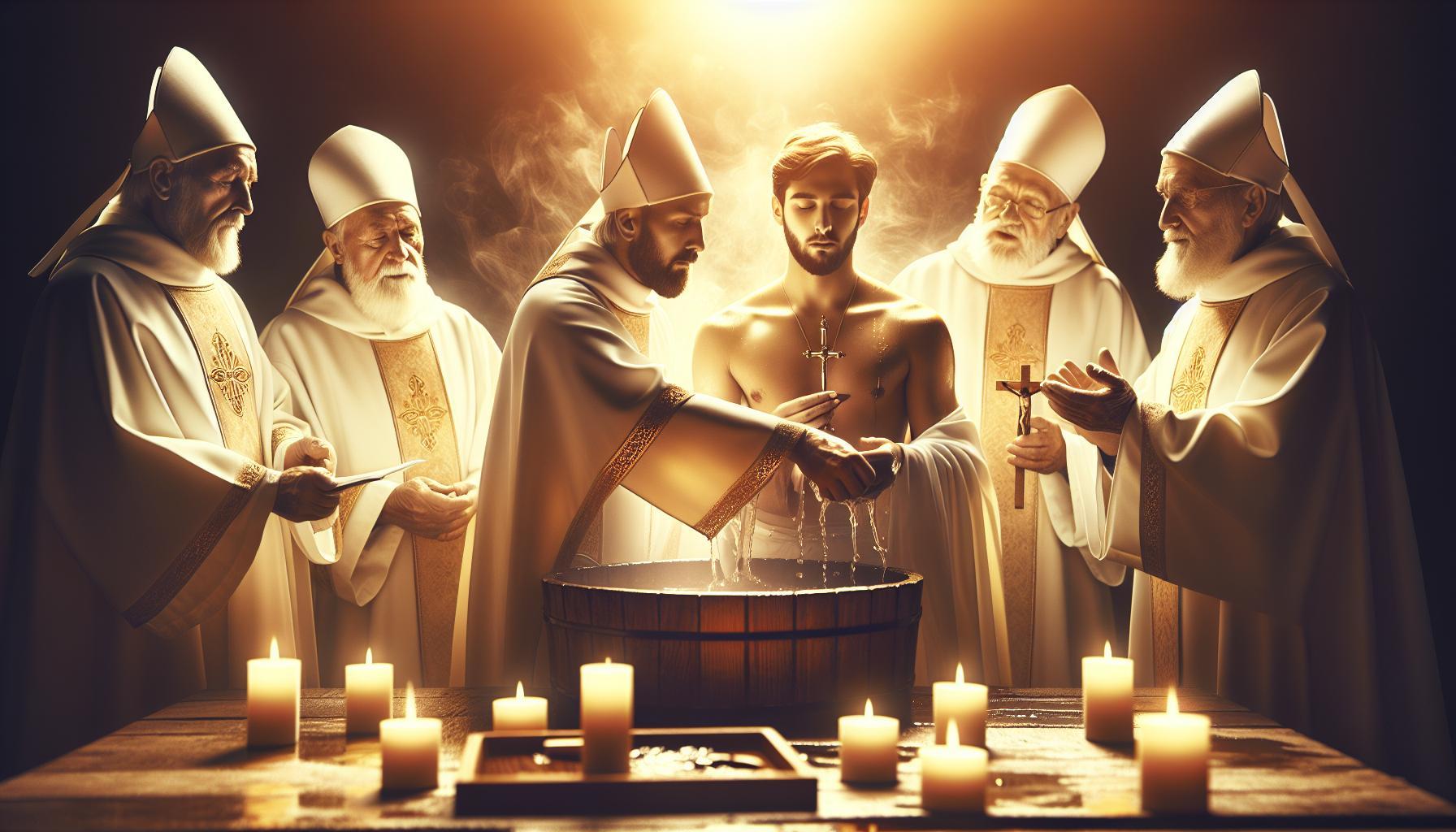
Christian baptism serves as a pivotal rite of passage, yet its meaning and practice vary widely among different denominations. Understanding these differences is essential for grasping the diverse expressions of faith within Christianity. This exploration highlights the core beliefs and rituals that define baptism, offering insight into its significance for millions around the world.
Understanding the Significance of Baptism in Christianity
In the rich tapestry of Christian practices, baptism stands out as a profound and transformative rite. Often considered a sacrament of initiation, it represents more than just a ritual; it is a declaration of faith deeply rooted in scripture and tradition. Spanning across various denominations, the significance of baptism is reflected in its role as both a personal commitment and a communal experience within the body of Christ.
The Symbolism of Baptism
At its core, baptism serves as a powerful symbol of purification and rebirth. In the New Testament, it is described as a means of publicly identifying with the death, burial, and resurrection of Jesus Christ. Here’s how different elements intertwine to enhance its meaning:
- Water: Signifying cleansing from sin and renewal of the spirit.
- Immersion vs. Sprinkling: Different denominations interpret the method of baptism, with some advocating full immersion as a symbol of being buried with Christ and rising anew.
- Community: It emphasizes the importance of community support and accountability, as the individual is welcomed into the faith family.
Denominational Differences and Common Ground
While the core practice remains consistent, the approach to baptism varies significantly across Christian traditions. Here are a few examples:
| Denomination | View on Baptism | Method |
|---|---|---|
| Baptist | Believer’s baptism; a conscious decision to follow Christ | Full immersion |
| Roman Catholic | Infant baptism; a means of grace and initiation into the church | Pouring or sprinkling |
| Lutheran | Infant baptism, acknowledging God’s promise | Pouring or sprinkling |
Despite these differences, a common thread remains: baptism is integral to the Christian faith as a tangible expression of one’s commitment to God. Understanding these diverse perspectives not only enriches individual knowledge but also promotes unity within the broader Christian community.
Baptism as a Lifelong Journey
The significance of baptism transcends the momentary act itself; it marks the beginning of a lifelong journey of faith. Through this sacred rite, individuals are called to engage in continual spiritual growth, actively participating in their faith and living out the teachings of Christ. As new believers are embraced by their faith communities, they are encouraged to deepen their understanding and practice of what it means to follow Jesus.
In conclusion, being aware of the nuances surrounding this important sacrament can strengthen one’s faith journey and foster a spirit of ecumenism among believers. Understanding the significance of baptism not only enriches personal spirituality but reinforces the collective identity of the Christian faith across all denominations.
Historical Roots: How Baptism Evolved Through Time
The practice of baptism is not merely a ritual but a profound act that has shaped the Christian faith for centuries. Archeological discoveries suggest that rituals akin to baptism date back to ancient cultures, with significant evidence found in the traditions of the Jewish faith. For Christians, however, the act has evolved dramatically from its roots, influenced by theological developments and cultural shifts throughout history.
Early Practices and the Jewish Influence
The origins of baptism can be traced to Jewish purification rites, where water was used as a symbol of cleansing from sin. These rituals prepared individuals for entry into the Temple and were closely associated with repentance and renewal. The concept of baptism took a definitive turn with the ministry of John the Baptist, who used water to symbolize repentance and the coming of the Messiah. This act set the stage for what would become a foundational element of Christian identity.
- John the Baptist introduced baptism as an essential step for repentance.
- Jesus’ Baptism: Marked the official endorsement of the practice in a new context, symbolizing identification with humanity’s sinfulness.
- Early Christians continued this tradition, recognizing baptism as integral to the faith.
Theological Developments and Institutionalization
As Christianity spread, various theological interpretations of baptism emerged. The early Church Fathers debated its significance, leading to diverse practices among different communities. By the 4th century, baptism became formalized with ritualistic elements such as the anointing with oil and the profession of faith, evolving into a sacrament—an outward sign of an inward grace.
This institutionalization allowed for differences that reflected deeper theological divides among denominations. For example, Catholics emphasize baptism as necessary for salvation, a belief rooted in their understanding of original sin. In contrast, many Protestant denominations see it more as an outward show of inward faith, aligning with the Reformation principles of personal faith and grace.
| Denomination | Baptism Viewpoint | Mode of Baptism |
|---|---|---|
| Roman Catholic | Essential for salvation; removes original sin | Infant baptism, using water |
| Protestant | Symbol of faith, not necessary for salvation | Varies (immersion or sprinkling) |
| Orthodox | Sacrament of initiation; includes confirmation | Triple immersion in water |
Modern Interpretations and Variability
Today, the significance and method of baptism vary widely among denominations, reflecting broader theological, cultural, and social contexts. Some communities advocate for total immersion as a return to early Christian practices, while others utilize sprinkling or pouring, emphasizing the symbolic nature of the act rather than the method itself.
The resurgence of interest in the origins of Christian baptism has sparked discussions among believers about the radical simplicity emphasized by the early Church. This pursuit has inspired many contemporary Christians to engage in deeper study into what constitutes a faithful expression of their commitment to their faith, urging a return to the essential question: What is Christian Baptism? Core Practices & Beliefs Across Denominations? Such exploration not only enriches individual understanding but strengthens the communal bond through shared convictions in faith practices.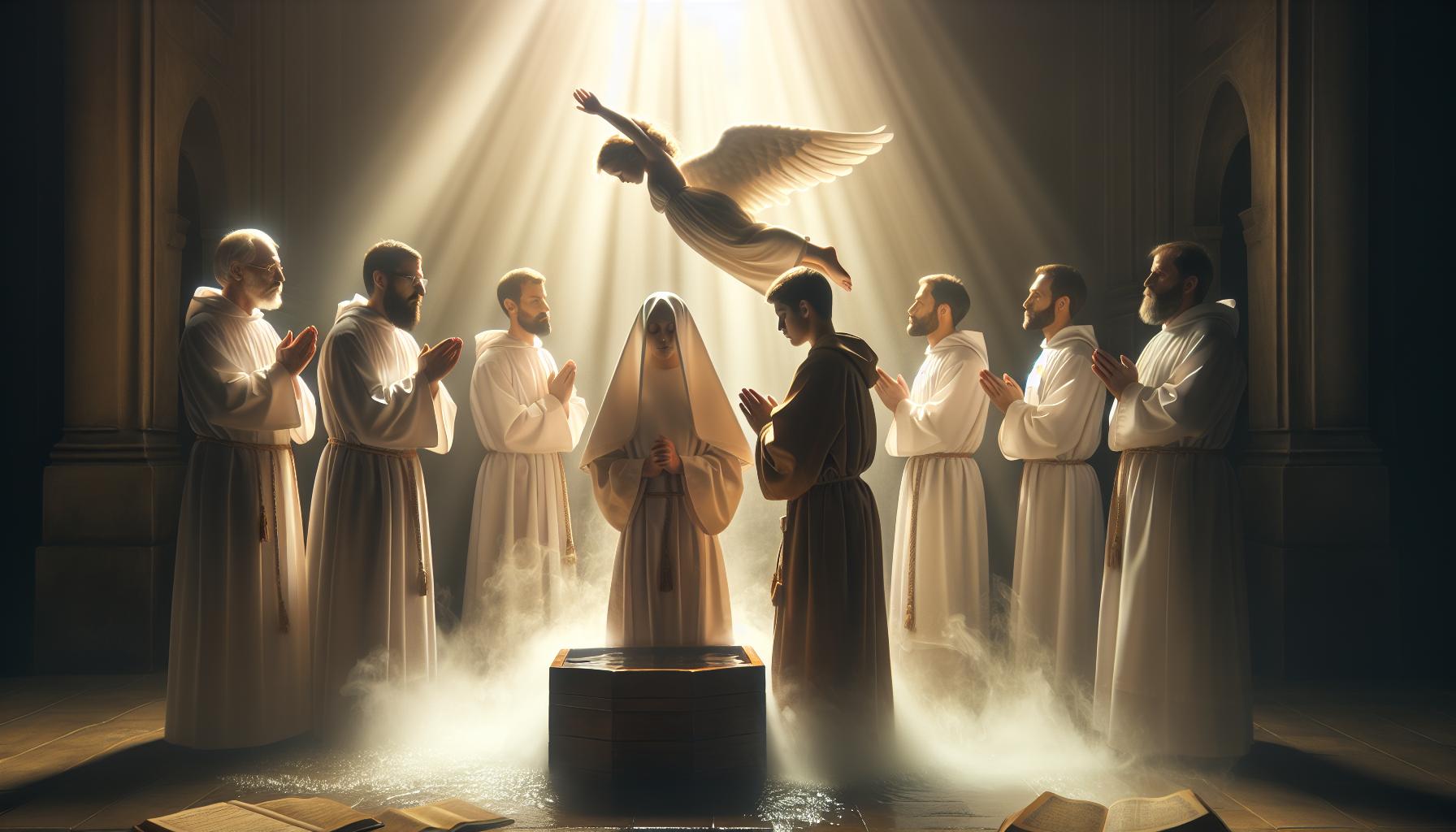
Core Beliefs Surrounding Baptism in Major Denominations
The practice of baptism stands as a cornerstone of Christian faith, yet its interpretation varies widely among different denominations. Understanding the core beliefs surrounding baptism can offer insight into not only the ritual itself but also the theological underpinnings that give it significance across the spectrum of Christianity.
Views on Baptism in Major Denominations
Christian denominations converge and diverge in their understanding of baptism, reflecting distinct theological emphases and traditions. Here’s a breakdown of some major beliefs:
- Roman Catholicism: Baptism is viewed as a sacrament essential for salvation. It removes original sin, incorporates the individual into the Church, and confers grace. Infants are typically baptized to cleanse them from sin and initiate them into the Christian community.
- Eastern Orthodoxy: Similar to Catholicism, baptism is considered a sacrament that conveys divine grace. It is usually performed on infants and is part of a broader rite, including anointing with chrism and communion, emphasizing the communal aspect of faith.
- Protestantism: Within Protestant denominations, views on baptism can differ greatly. Many, such as Baptists, practice believers’ baptism, which means only those who can make a conscious declaration of faith are baptized. This form emphasizes personal commitment to Christ.
- Methodism: Baptism can be performed on infants and adults alike, reflecting God’s grace and welcoming individuals into the community. Methodists teach that it symbolizes God’s grace but does not itself confer salvation.
- Lutheranism: Lutherans view baptism as vital for salvation, cleansing individuals from sin. They follow the practice of infant baptism and affirm that it bestows God’s grace, even before an individual can affirm faith for themselves.
Baptismal Practices Across Denominations
The methodologies and rituals associated with baptism also vary according to doctrinal beliefs. For example:
| Denomination | Baptism Age | Mode of Baptism | Significance |
|---|---|---|---|
| Roman Catholicism | Infants and adults | Affusion (pouring) | Original sin removal, initiation |
| Eastern Orthodoxy | Infants | Triple immersion | Grace, community inclusion |
| Baptist | Believers (typically age of understanding) | Immersion | Personal faith declaration |
| Methodist | Infants and adults | Affusion or sprinkling | God’s grace, community welcome |
| Lutheran | Infants | Affusion | Salvation, cleansing from sin |
This tapestry of beliefs shapes how each denomination views the rite of baptism and its influence on spiritual life. By exploring these core beliefs and practices, one can better appreciate the rich diversity within Christianity and the ways in which baptism serves as both a personal and communal declaration of faith. Understanding what Christian baptism signifies in various contexts not only enhances one’s own spiritual journey but also fosters respect for the beliefs of others.
The Ritual of Baptism: Practices from Immersion to Sprinkling
Baptism, one of the most sacred rituals in Christianity, serves as both a symbolic cleansing and a public declaration of faith. Across diverse denominations, the methods of baptism vary widely, yet all share the same essential purpose: to initiate the believer into a covenant relationship with God. From the total immersion in water to the gentle sprinkling of a few drops, the practices embody profound theological significance, reflecting each community’s understanding of grace, salvation, and the Holy Spirit.
Methods of Baptism
The primary forms of baptism can be categorized into three main methods, each with unique symbolism and theological implications:
- Immersion: This practice involves fully submerging the individual in water, symbolizing the death, burial, and resurrection of Jesus Christ. Immersion is commonly associated with denominations such as Baptists and Orthodox Christians, who view it as the most biblically accurate method.
- Affusion: Also known as pouring, this method involves pouring water over the head of the individual. It is often used in liturgical denominations such as Roman Catholicism and some Protestant traditions, representing the outpouring of the Holy Spirit.
- Sprinkling: Often referred to as aspersion, sprinkling entails the application of a few drops of water on the head of the individual. This practice is favored in several Reformed and Covenant traditions, emphasizing God’s grace extended through the act rather than the mode itself.
Each technique carries its own roots in biblical practice and community tradition, leading to differing interpretations of what constitutes an authentic experience of baptism. These variations serve to deepen the conversation around ‘What is Christian Baptism? Core Practices & Beliefs Across Denominations,’ inviting believers to reflect on their own convictions and community practices.
Understanding the Theological Implications
The choice of method can also reflect the theological beliefs central to the respective denomination. For instance, communities that practice immersion may emphasize the concept of “believer’s baptism,” suggesting that the act should be performed only after an individual has made a personal decision to follow Christ. Conversely, those who practice infant baptism through sprinkling often uphold the belief in “covenantal theology,” viewing baptism as a sign of grace bestowed regardless of an individual’s faith status at the time.
| Method | Denominations | Theological Focus |
|---|---|---|
| Immersion | Baptist, Orthodox | Believer’s Baptism |
| Affusion | Catholic, Lutheran | Outpouring of the Spirit |
| Sprinkling | Reformed, Anglican | Covenantal Theology |
In exploring the question of ‘What is Christian Baptism? Core Practices & Beliefs Across Denominations,’ it’s crucial to recognize how these diverse practices reflect underlying beliefs about community, grace, and divine relationship. Each approach offers profound lessons on faith and commitment, ultimately inviting individuals to engage deeply with their own spiritual journeys.
The Role of Faith and Community in the Baptism Experience
The significance of baptism transcends a mere ritual; it embodies a profound spiritual journey that intertwines individual faith with the support of a communal environment. As believers are submerged in water or sprinkled with it, they participate not only in an act of personal commitment to God but also in a communal celebration that reaffirms their connection to the Christian faith. This dual aspect highlights the essential role of both faith and community in the baptism experience, emphasizing the collective nature of spirituality.
The Spiritual Journey
Baptism serves as a pivotal moment in a believer’s life, symbolizing purification, rebirth, and the initiation into the body of Christ. Individuals often reflect on their personal beliefs and the transformative power of faith during this ceremony. However, it is equally important to acknowledge that baptism rarely occurs in isolation; it is typically conducted within the context of a church community. This communal aspect reinforces the idea that faith is not solely an individual pursuit but rather a shared journey.
- Community Support: The presence of family, friends, and fellow congregants provides a robust support system, reminding the baptized individual that they are not alone in their faith journey.
- Celebration of Faith: The community celebrates the occasion, reinforcing a sense of belonging and shared beliefs, which can be incredibly encouraging for new believers.
Traditions Across Denominations
Different Christian denominations have their unique approaches to baptism, each emphasizing the role of community in various ways. For instance, in many Protestant traditions, baptism is frequently accompanied by a congregation’s affirmation to support the new believer in their faith. This is not just a formality; it is a heartfelt commitment to nurture one another’s spiritual growth.
| Denomination | Community Role | Baptism Practices |
|---|---|---|
| Baptist | Congregation attends baptism services to support the individual. | Believer’s baptism by immersion. |
| Methodist | Congregation participates in confirmation and supports the baptized. | Infant baptism or believer’s baptism. |
| Catholic | Godparents play a key role in faith development. | Infant baptism with a focus on original sin. |
The interplay between faith and community during the baptism experience illustrates a core tenet of Christianity: that believers are called to live out their faith in relationship with others. By participating in baptism, individuals not only affirm their commitment to God but also acknowledge their place within a larger narrative of faith. Such moments create lasting bonds that extend beyond the ceremony, reinforcing the significance of community within the context of personal belief.
Preparing for Baptism: What Candidates and Families Should Know
As individuals prepare for the significant step of baptism, it is crucial to understand the depth of this practice within the Christian faith. Baptism is not simply a ritual; it is a profound declaration of faith, a commitment to a new way of life, and an entry into a community that celebrates shared beliefs. Each denomination may have its unique perspectives on baptism, yet the core principles remain universally significant across all branches of Christianity.
Understanding the Significance of Baptism
The act of baptism symbolizes purification, renewal, and the believer’s identification with the death and resurrection of Jesus Christ. Preparing for this sacred moment involves more than logistical arrangements; it requires a heartfelt understanding of its spiritual significance. Candidates, whether children or adults, should reflect on their personal beliefs and what baptism represents for them. Families can support this journey by engaging in discussions about faith, spirituality, and the meaning of being part of a church community.
Practical Steps for Candidates and Families
Preparation can be both a joyous and enlightening experience. Here are some practical steps to consider:
- Participate in Pre-Baptism Classes: Many churches offer instruction or classes designed for baptism candidates. These sessions provide insight into the beliefs, values, and commitments associated with baptism.
- Meet with Your Pastor or Minister: Engaging in an open dialogue can help clarify questions and expectations regarding the baptism process and ceremony.
- Reflect on Personal Faith: Candidates are encouraged to take time for personal reflection and prayer, contemplating their relationship with God and what baptism means to them.
- Consider the Role of Godparents: If applicable, selecting godparents or sponsors who will support the candidate in their faith journey can enhance the baptismal experience.
Family Involvement and Support
The role of family is often pivotal in the journey toward baptism. Families should communicate openly about expectations and responsibilities surrounding the ceremony.
| Family Involvement | Suggested Actions |
|---|---|
| Attending Services | Encourage regular participation in church services to build familiarity with the community and practices. |
| Discussing Faith | Engage in conversations about Christian teachings and the significance of baptism around family activities. |
| Planning a Celebration | Plan a gathering with family and friends post-baptism to celebrate the commitment made and the individual’s new journey. |
By actively preparing together with a sense of purpose and reflection, candidates and their families can ensure that the experience of baptism is not just a ceremonial act but a transformative milestone in their spiritual journey. This collective preparation lays a strong foundation for ongoing growth and involvement in the Christian faith, resonating with the teachings and practices underscored in articles such as “What is Christian Baptism? Core Practices & Beliefs Across Denominations.”
Theological Reflections: Sacrament or Ordinance?
One of the most profound discussions in the study of Christian baptism centers around whether this important rite should be viewed as a sacrament or an ordinance. This distinction is not merely academic; it has widespread implications for worship, community, and individual faith journeys across various denominations. Understanding this divergence illuminates the core practices and beliefs that shape Christian baptism and the theological nuances that contemporarily influence the Christian landscape.
Understanding Sacraments and Ordinances
In theological terms, a sacrament is often seen as a means of grace, a sacred act instituted by Christ that conveys spiritual grace to the participant. This perspective is held predominantly in sacramental traditions like Roman Catholicism and Orthodox Christianity, where baptism is considered a fundamental channel through which God’s grace is conferred. In contrast, an ordinance refers to a practice that signifies obedience to God’s commands, reflecting the believer’s faith. Many Protestant groups, such as Baptists and Methodists, categorize baptism as an ordinance, spotlighting the act’s role as a public declaration and a sign of a community’s faith practice rather than as a conduit of divine grace.
- Sacrament: Viewed as a means of grace.
- Ordinance: Perceived as an act of obedience to Christ.
- Denominational Differences: Catholic and Orthodox hold the sacramental view, while many Protestant denominations adopt the ordinance perspective.
Real-World Implications for Baptismal Practices
The distinction between sacrament and ordinance shapes how congregations approach the baptismal practice. In sacramental traditions, the process of baptism can incorporate elements such as infant baptism, where the emphasis lies on the communal faith of the family and the Church. For instance, in Catholic settings, baptism is often performed shortly after birth, emphasizing the belief in original sin and the need for spiritual cleansing.
Conversely, in many Protestant traditions, baptism typically emphasizes a believer’s baptism, highlighting the personal faith endorsement of the individual being baptized, often following a period of catechesis or instruction. These differences stake a claim on how faith is transmitted and experienced within the Christian community.
| Aspect | Sacramental View | Ordinance View |
|---|---|---|
| Nature | Means of grace | Act of obedience |
| Participants | Infant and adult | Believers |
| Baptism Timing | Often immediately after birth | After confession of faith |
| Theological Emphasis | Community and divine grace | Individual faith and commitment |
Ultimately, the ongoing debate between viewing baptism as a sacrament or an ordinance calls Christians not only to reflect on their own beliefs but also to engage thoughtfully with others from diverse traditions. Awareness of these differing perspectives enriches the overall understanding of what Christian baptism signifies, underlining its foundational role within the larger tapestry of core beliefs and practices in Christianity across denominations.
Welcoming New Members: The Celebration of Baptism Across Traditions
Baptism is not merely a ritual; it is a profound welcoming ceremony that transcends borders and cultures, uniting individuals within the body of faith. Spanning a spectrum of traditions and interpretations, the practice of baptism serves a pivotal role in marking spiritual initiation and community membership across various Christian denominations. Each tradition carries its own unique beliefs and practices, creating a rich tapestry of worship and engagement that invites believers into a deeper relationship with their faith and community.
Common Threads and Distinct Practices
Though the core significance of baptism remains consistent — being embraced as a new member of the faith — the specifics can vary widely. Below is an overview of how different denominations interpret this sacred rite:
| Denomination | Baptism Method | Age of Baptism | Key Beliefs |
|---|---|---|---|
| Roman Catholic | Affusion (pouring) | Infant | Original sin is washed away |
| Baptist | Immersion | Believer’s baptism | Profession of faith required |
| Orthodox | Triple immersion | Infant or adult | Incorporation into the Church as a new creation |
| Methodist | Affusion or immersion | Infant or adult | God’s grace is present even before conscious belief |
While some traditions such as the Roman Catholics and Orthodox, practice infant baptism to cleanse the original sin and bring the child into the Church, others like the Baptists emphasize a believer’s baptism, insisting that individuals must first profess their faith. A middle ground is often seen in Methodist practices, which embrace both infants and adults, recognizing a pre-awareness of Divine grace. Such variation emphasizes that baptism is not merely a rite but an expression of different theological understandings, providing opportunities for rich dialogue within the Christian community.
Global Perspectives
Beyond the denominations, baptism is experienced globally in culturally specific ways that reflect local traditions and values. For example:
- In some African communities, baptism may include vibrant celebrations with music and dance, showcasing the joyous spirit of welcoming new members.
- In Latin America, the act might be a communal event, where families and friends gather to support the newly baptized, emphasizing family ties alongside spiritual rebirth.
- Eastern traditions might incorporate unique rites, such as the anointing with oil and the giving of a Christian name, further embedding the individual into the faith community.
These cultural expressions highlight the universality and diversity of the baptismal celebration, creating a welcoming atmosphere that fosters community bonds and spiritual growth. Each ritual not only nurtures the individual’s faith journey but also reinforces the collective identity and mission of the church. In understanding the rich context of baptism across various denominations and cultures, individuals are invited both to celebrate their own rites and to honor the diverse expressions of faith present in the global Christian landscape.
FAQ
What is Christian Baptism?
Christian baptism is a sacred ritual that symbolizes the believer’s faith in Jesus Christ and their commitment to following Him. It serves as a public declaration of one’s faith and is often performed by immersion in water.
Baptism represents the washing away of sin and the beginning of a new life in Christ. Different denominations may have varying practices, such as infant baptism versus believer’s baptism, but all emphasize its spiritual significance. For more on this, see our section on baptism requirements.
Why does baptism matter in Christianity?
Baptism is essential in Christianity as it signifies obedience to Jesus’ teachings and represents entry into the Christian community. It symbolizes a believer’s identification with Christ’s death, burial, and resurrection.
Through baptism, individuals publicly affirm their decision to follow Christ and receive blessings of being part of a global brotherhood. This act of faith unites them with fellow believers and fosters spiritual growth.
How do different denominations practice baptism?
Various Christian denominations practice baptism differently, with methods including immersion, pouring, or sprinkling. Each tradition emphasizes unique interpretations of baptism’s meaning and significance.
For example, Baptists typically advocate for believer’s baptism, where individuals choose to be baptized upon professing their faith. In contrast, many Catholics practice infant baptism, viewing it as a means of initiating children into the Christian faith.
Can I be baptized more than once?
Yes, some individuals may choose to be baptized multiple times, especially if they feel a renewed commitment to their faith. However, many denominations view baptism as a once-in-a-lifetime event.
This practice can vary among traditions; for example, those who have strayed from the faith may undergo a second baptism as a sign of repentance and recommitment. It’s essential to discuss this with your pastor or spiritual leader to understand the implications within your faith community.
What is the biblical basis for baptism?
The biblical basis for baptism can be found in the New Testament, where Jesus commands His followers to baptize disciples (Matthew 28:19-20). This command highlights its importance in Christian practice.
Additionally, the Apostle Peter emphasized baptism for the forgiveness of sins (Acts 2:38), and Paul spoke of its significance in uniting believers with Christ (Romans 6:4). These scriptures affirm baptism’s central role in the Christian faith.
What should I know before getting baptized?
Before getting baptized, it’s crucial to understand its significance, including the commitments involved in being a follower of Christ. Reflecting on your faith journey and what baptism represents is essential.
You may also want to attend a baptism class or speak with a pastor to clarify any questions. This preparation can help reinforce your decision and ensure a meaningful experience.
Is baptism necessary for salvation?
Opinions vary among denominations regarding baptism’s necessity for salvation. While some traditions view it as essential, others believe that faith alone is sufficient.
For example, many Protestant denominations emphasize that salvation comes through faith in Jesus Christ, while viewing baptism as an important act of obedience. It’s essential to explore specific doctrinal beliefs within your community for clarity on this matter.
Concluding Remarks
In conclusion, Christian baptism stands as a profound expression of faith that transcends denominational differences while upholding core beliefs in Jesus Christ’s life, death, and resurrection. By exploring various practices—such as the significance of immersion versus sprinkling, the age of baptism, and the role of community—readers gain a clearer understanding of how these sacred traditions unite believers across diverse backgrounds. As you reflect on the theological concepts and practical applications associated with baptism, consider engaging with your local faith community to experience the spiritual depth this rite offers. Embrace this opportunity for personal growth and connection with others on a shared journey of faith. For those seeking to deepen their understanding or participate in baptism, we invite you to explore further and engage in the rich tapestry of Christian traditions surrounding this essential sacrament.
Get our latest guides, news, and insights highlighted in your Google Search & AI Overviews.