Is baptism merely a ritual, or does it hold a divine mandate for believers? Understanding whether this practice is a biblical commandment is crucial for many congregations and individuals navigating their faith. This exploration delves into scripture and varied denominational beliefs, revealing the significance and implications of baptism in the Christian journey.
Understanding the Biblical Foundations of Baptism

Understanding the significance of baptism is crucial for comprehending its role in the Christian faith. The act of baptism is not merely a celebratory ritual; it embodies profound biblical commands and teachings that have guided believers throughout history. In the Gospels, Jesus underscores the importance of baptism as a directive to His followers, emphasizing its integral connection to the faith. For instance, the Great Commission found in Matthew 28:19 states, “Go therefore and make disciples of all nations, baptizing them in the name of the Father and of the Son and of the Holy Spirit.” This command establishes baptism as a foundational practice in the journey of discipleship.
Theological Foundations
Baptism serves as a public declaration of faith and an essential step in the process of salvation. In Mark 16:16, the scripture affirms this connection: “Whoever believes and is baptized will be saved.” This verse not only indicates that belief and baptism are paired together, but it also highlights that baptism holds a vital role in the believer’s life. The theological significance of baptism extends beyond mere obedience; it reflects themes of repentance, forgiveness, and new life in Christ [[3]].
- Symbol of Repentance: Baptism symbolizes the washing away of sins and a commitment to living a new life in accordance with Christ’s teachings.
- Public Testimony: It serves as a public testimony of one’s faith, demonstrating the believer’s identification with Jesus’ death, burial, and resurrection.
- Community Integration: Baptism is often seen as the rite of initiation into the Christian community, affirming one’s place within the body of Christ.
Diverse Perspectives on Baptism
Different Christian denominations interpret the commandment of baptism in varied ways, which is discussed in detail in the exploration of its biblical foundations. While some see it as an essential sacrament necessary for salvation, others view it more as an outward expression of an inward faith. This diversity reflects the richness of Christian thought surrounding baptism, promoting discussions on its significance and practice. Denominations such as Baptists advocate for believers’ baptism, emphasizing the necessity of personal faith prior to baptism, while traditions like Catholicism view it as a sacrament that conveys grace, regardless of the individual’s prior faith status.
| Denomination | View on Baptism | Scriptural Basis |
|---|---|---|
| Baptist | Believer’s baptism as a necessity for salvation. | Mark 16:16 |
| Catholic | Baptism as a sacrament conveying God’s grace. | Matthew 28:19 |
| Anglican | Views baptism as essential but acknowledges varying interpretations. | 1 Peter 3:21 |
Incorporating these biblical teachings and diverse perspectives on baptism allows believers to engage deeply with the question: Is baptism a commandment? Examining the scriptural evidence and the varying denominational views fosters a richer understanding of the practice, inviting both believers and seekers to consider its significance in their faith journey.
The Great Commission: A Call to Baptize
Emphasizing the importance of baptism within the Christian faith, the directive provided in the Great Commission has profoundly shaped the approach to evangelism and discipleship. This command, issued by Jesus to His disciples after His resurrection, is not merely a suggestion but a foundational pillar of Christian practice. The call to baptize is intertwined with the mission of spreading the Gospel, making it an essential element for anyone dedicated to following Christ and fostering growth in the faith community.
The Commandment to Baptize
At the heart of the Great Commission lies the explicit instruction to baptize believers. Jesus said, “Go therefore and make disciples of all nations, baptizing them in the name of the Father and of the Son and of the Holy Spirit” (Matthew 28:19). This powerful command underscores the importance of baptism as an act of obedience and a vital step in the process of discipleship. The act of baptism symbolizes not only the individual’s faith in Christ but also their inclusion into the body of believers.
The significance of baptism can be further understood through its roles in various Christian traditions. Many denominations view baptism as a sacrament, an outward sign of an inward grace, while others may see it strictly as an act of obedience following salvation. Regardless, the common thread across these interpretations is the acknowledgment of baptism as a necessary response to the command of Jesus.
Practical Steps for Baptism
In considering how to fulfill the Great Commission effectively, here are several practical steps:
- Educate new believers: Provide teaching on the importance and meaning of baptism to cultivate a deeper understanding of this sacrament.
- Create a welcoming environment: Organize baptismal services that celebrate new faith journeys, encouraging community involvement and support.
- Utilize diverse ministry teams: Involve various church members in the baptism process, from counseling and teaching to conducting the baptism itself.
These steps not only emphasize the command of baptism but also enhance the community aspect of the church, reinforcing the idea that baptism is a collective celebration of faith.
Ultimately, exploring the question, “Is Baptism a Commandment? Biblical Evidence & Denominational Perspectives” can yield rich theological insights and practical applications. Reflecting on the Great Commission’s emphasis on baptism helps ensure that as believers, the call to baptize remains at the forefront of outreach efforts, fostering a culture that values and practices this foundational commandment.
Diverse Denominational Views on Baptism as a Commandment

The topic of baptism as a commandment reveals a rich tapestry of beliefs and practices across various Christian denominations. At its core, baptism is often viewed not just as a ritual, but as a crucial step in the faith journey that symbolizes repentance, faith, and entry into the community of believers. Different Christian traditions interpret the significance and necessity of baptism through diverse theological lenses, sparking ongoing discussions about its commandment status.
Variations in Understanding Baptism
Many denominations hold that baptism is an essential commandment of God, grounded in scriptural directives. For instance, passages like Mark 16:16 emphasize the connection between belief and baptism, stating, “He who believes and is baptized will be saved.” This perspective is particularly strong in traditions such as the Roman Catholic Church and Eastern Orthodox churches, where baptism is seen as a sacrament that conveys grace and initiation into the faith community. In these denominations, baptism is not merely a personal choice; it serves as an obedience to Christ’s command as well as a fundamental aspect of the Christian life.
Conversely, views among Protestant segments vary widely. Some denominations, like Baptists, view baptism primarily as an act of obedience that follows personal faith and repentance rather than a command with salvific implications. They interpret scriptures such as Acts 2:38 to support the belief that repentance should precede baptism, thus emphasizing a personal decision rather than a blanket command for all. This perspective fosters an environment where baptism is celebrated mainly as a public declaration of faith, distinct from any notion of it being a requisite for salvation.
Scriptural Basis and Doctrinal Debates
The New Testament offers numerous examples of baptism, often closely linked to repentance and faith. The process initiated by John the Baptist set a precedent, with many individuals being baptized as they confessed their sins (Matthew 3:6). This model is frequently cited in discussions surrounding the validity and commandment status of baptism across denominations. Furthermore, the debates often hinge on interpretations of scripture regarding whether these passages mandate baptism as a personal obligation for spiritual salvation or view it as a complementary act of faith.
To visualize the differences among denominations, the following table summarizes key beliefs regarding baptism:
| Denomination | Baptism as a Commandment | View of Baptism |
|---|---|---|
| Roman Catholic | Yes | Sacramental; necessary for salvation |
| Baptist | No | Ordinance; an act of obedience post-salvation |
| Evanglical | Yes (varies) | Sign of faith; some view it as essential, others not |
| Eastern Orthodox | Yes | Sacramental; necessary for inclusion in the Church |
As these differing viewpoints illustrate, the question of whether baptism is a commandment continues to provoke heartfelt discussions within the Christian community, highlighting the interplay between faith, tradition, and scriptural interpretation. Understanding these diverse perspectives is essential for engaging thoughtfully in discussions about the role of baptism in Christian life and its broader implications in faith practices.
The Role of Baptism in Salvation: A Complex Relationship
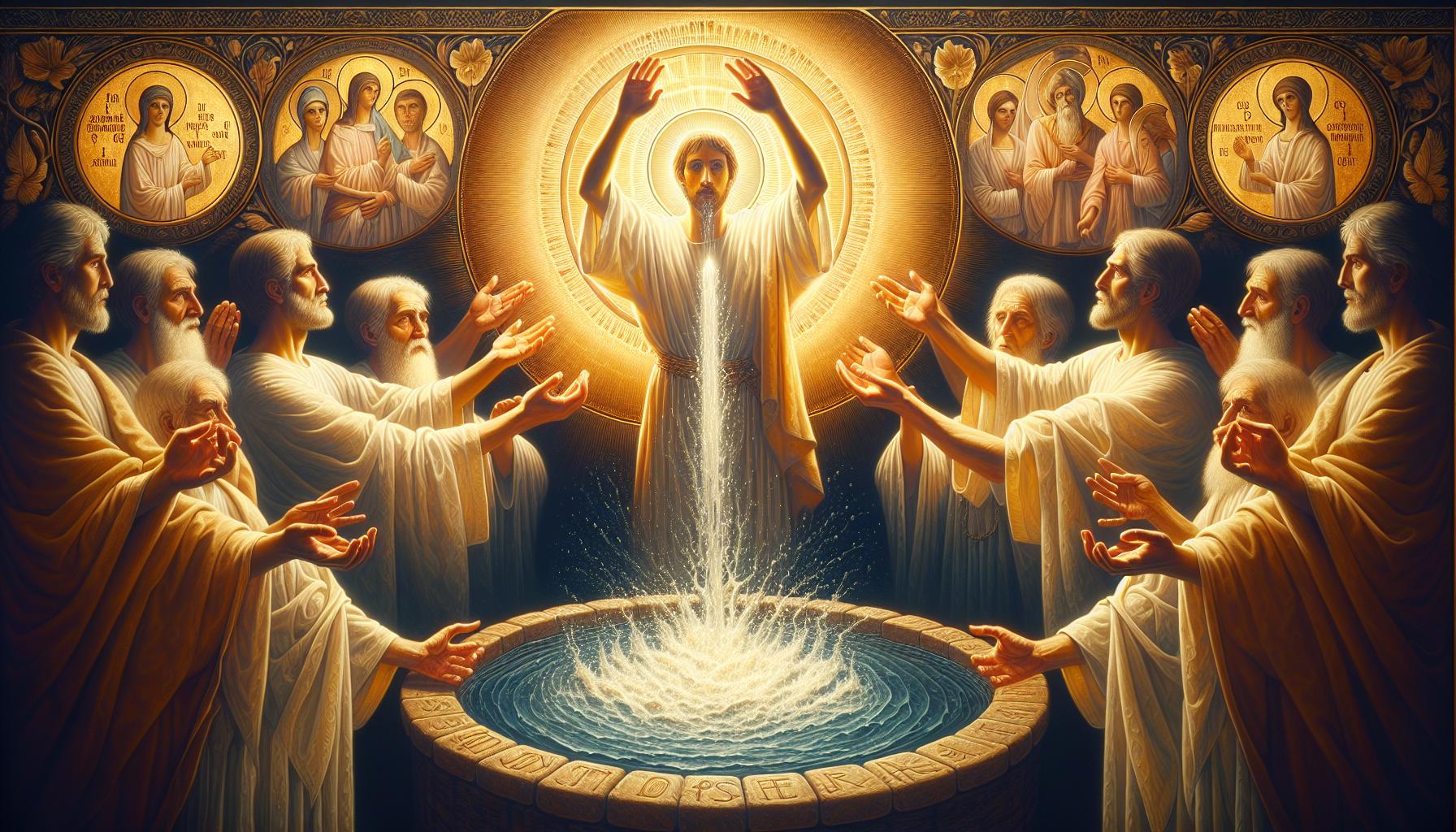
In the realm of Christian faith, the act of baptism occupies a pivotal yet often debated space. Many believers regard baptism as an essential step in their spiritual journey, while others see it as a meaningful, yet not necessarily salvific, ordinance. This complex relationship between baptism and salvation is steeped in biblical interpretation and denominational perspectives.
To begin, it is crucial to understand what baptism signifies in the New Testament. Baptism is more than just a ritual; it serves as a public declaration of one’s faith in Christ. Romans 6:3-4 emphasizes that through baptism, individuals are united with Jesus in His death and resurrection, symbolizing a transformative moment where an old life of sin is left behind in favor of a new life in Christ. This transformative aspect of baptism highlights its role as an outward manifestation of an inward faith. However, many theologians argue that while baptism is an important command, it is ultimately faith in Christ that secures salvation. For instance, Ephesians 2:8-9 underscores that salvation is a gift through faith, not a result of works that can include baptism.
Denominational Perspectives on Baptism
Different Christian denominations articulate varied positions on the necessity of baptism for salvation. For example, many Protestant groups emphasize faith alone (sola fide) as the means of salvation, viewing baptism as a significant act of obedience rather than a requisite for salvation. In contrast, some traditions, like the Catholic Church, teach that baptism is essential for the initial clean slate of sin, tracing its authority back to scripture and tradition. Here is a brief look at some denominational views:
| Denomination | View on Baptism |
|---|---|
| Protestant (General) | Baptism is an important act of obedience following faith; not required for salvation. |
| Catholic | Baptism is necessary for salvation as it removes original sin. |
| Baptist | Baptism is an ordinance for believers, symbolizing their faith; it does not confer salvation. |
| Orthodox | Baptism is a means of grace and necessary for salvation. |
In exploring the question, “Is Baptism a Commandment? Biblical Evidence & Denominational Perspectives,” it becomes evident that while baptism plays a crucial role in the lives of believers, its relationship to salvation remains complex and multifaceted. For many, the act of baptism symbolizes their commitment to Christ and acts as a powerful reminder of their faith journey, reflecting an obedient heart rather than a mere checklist item in the pathway to salvation. Understanding these nuances can enrich one’s spiritual experience and deepen faith, encouraging believers to engage with baptism meaningfully.
Infant Baptism vs. Believer’s Baptism: Exploring Different Practices
Baptism serves as a pivotal rite in Christianity, symbolizing purification and entry into the faith. Yet, the practice varies significantly across denominations, particularly concerning the age and condition of the individuals being baptized. The debate surrounding infant baptism versus believer’s baptism reflects deeper theological differences about the nature of faith, community, and grace.
Infant Baptism
Proponents of infant baptism argue that this practice is rooted in the early traditions of the Church and is supported by scriptural interpretations emphasizing God’s covenant with families. Early Church Fathers, including St. Irenaeus, affirmed that Christ’s mission extended to all, including infants, stating that He came to “save all who through Him are born again unto God”[1[1]. This perspective holds that baptism offers grace to children, cleansing them from original sin and integrating them into the Christian community even before they can make personal confessions of faith. As such, it embraces the belief that faith is not solely a personal choice but a communal journey supported by the family and church.
Believer’s Baptism
In contrast, advocates of believer’s baptism emphasize that only those who are able to understand and accept the gospel should be baptized. This practice, often referred to as credobaptism, maintains that baptism should follow an individual’s profession of faith, aligning with passages such as Matthew 28:19, which commissions believers to go forth and make disciples, baptizing them[2[2]. The rationale is that baptism represents an outward sign of an inward faith—thus, infants, incapable of understanding, should not partake until they can consciously affirm their beliefs. The emphasis on personal faith and decision-making fosters a sense of ownership over one’s spiritual journey.
| Aspect | Infant Baptism | Believer’s Baptism |
|---|---|---|
| Age of Baptism | Typically performed on infants | Performed on individuals who can consciously profess faith |
| Theological Basis | Covenantal theology focusing on God’s promise to families | Faith-based theology emphasizing personal conviction |
| Scriptural Support | Includes interpretations of early church practices and Jesus’s inclusivity | Based on Great Commission (Matthew 28:19) and Acts |
Understanding these differing practices is crucial for anyone exploring the question, “Is Baptism a Commandment? Biblical Evidence & Denominational Perspectives.” Each perspective offers unique insights into the nature of faith, grace, and community, allowing followers to choose a baptismal tradition that best aligns with their beliefs and spiritual understanding.
Theological Significance of Baptism in Christian Life
In Christian theology, baptism represents a profound commitment and an essential rite of passage that marks the believer’s entry into the faith. This sacrament serves as a foundational act that encapsulates the core tenets of Christian belief, including repentance, faith in Jesus Christ, and the transformative power of grace. Notably, the act of baptism is more than mere symbolism; it embodies a commitment to live a life reflective of Christ’s teachings and a step towards a deeper relationship with God.
The Symbolism of Baptism
Baptism is rich in symbolism, representing a journey from death to life. It signifies Christ’s death, burial, and resurrection, providing believers with a visual and tactile reminder of the gospel message. Immersing into water illustrates the washing away of sin and the believer’s identification with Christ’s sacrificial death. As noted in various theological discussions, including those found in Hillsong, this act emphasizes the believer’s commitment to following Jesus and embracing the new life offered through faith.
Theological discussions surrounding baptism highlight its dual significance—both as a commandment from Jesus and as an expression of personal faith. In Matthew 28:19-20, often referred to as the Great Commission, Jesus instructs His followers to baptize in the name of the Father, Son, and Holy Spirit. This command underlines the importance of baptism in the Christian journey, affirming both its communal and individual dimensions. It serves as a public declaration of faith, reinforcing the idea that baptism is not an isolated event but part of communal worship and the larger body of Christ.
Denominational Perspectives on Baptism
Different denominations within Christianity interpret the significance and the execution of baptism in various ways. For instance, some traditions view baptism as essential for salvation, intertwining it closely with the concept of grace and regeneration. Others see it primarily as an outward sign of an inward change, emphasizing personal faith over ritual. This diversity reflects the varying theological emphases across Christianity, which is explored in depth in many scholarly and religious studies on the topic of baptism, including the article on “Is Baptism a Commandment? Biblical Evidence & Denominational Perspectives.”
Regardless of specific interpretations, the common thread among these beliefs is the recognition of baptism as a vital aspect of Christian identity. Believers are encouraged to reflect upon their baptism, understanding it not merely as a ritualistic formality but as a lifelong commitment to living out the teachings of Christ. This understanding propels individuals toward a life characterized by service, faith, and community.
In conclusion, the extends beyond tradition; it is a vibrant expression of faith that connects believers to the life, death, and resurrection of Christ. Engaging with baptism in all its dimensions can provide both individuals and communities with a profound sense of purpose and belonging within the body of Christ.
Practical Considerations for Baptism in Today’s Church
In today’s diverse Christian landscape, baptism continues to hold significant meaning across various denominations. For many, it’s not just a ritual; it’s a deeply personal declaration of faith and a vital step in the journey of discipleship. Understanding the practical considerations involved in baptism can help ensure that the experience is both meaningful and memorable for the individual being baptized, as well as their community.
Preparing for Baptism
Preparation is key to a successful baptism ceremony. Here are some practical steps to consider:
- Spiritual Preparation: Engage in personal reflection and prayer to ensure the individual fully understands the significance of baptism as described in Scripture, particularly referencing Matthew 28:19, which emphasizes the act of baptizing as part of making disciples.
- Church Involvement: Discuss the baptism with church leaders to understand the specific denominational views and requirements, as perspectives on baptism can vary widely among different groups.
- Community Support: Involve family and friends in the preparation process. Their presence at the baptism can provide emotional support and reinforce the collective commitment of the congregational community.
Planning the Ceremony
The actual baptism ceremony can be tailored to reflect the values of the individual and the church community. Here are some considerations:
- Location: Choose a meaningful setting for the baptism, whether it’s in a church, a natural body of water, or even a private home for a more intimate gathering.
- Type of Baptism: Determine whether the baptism will be through immersion, pouring, or sprinkling, aligning with the theological beliefs of the denomination.
- Instructions for Participants: Clearly communicate to all involved what to expect during the ceremony, including any specific actions they will need to take, such as the congregation’s participation in affirmations.
Post-Baptism Considerations
After the baptism, continuing to support the individual in their faith journey is crucial. This can include:
- Follow-Up: Encourage regular follow-up sessions or meetings with church leaders or mentors to discuss spiritual growth and integration into the church community.
- Baptism Reception: Consider hosting a reception post-baptism for family and friends to celebrate this important milestone, fostering community and offering a moment of fellowship.
- Ongoing Discipleship: Encourage participation in discipleship programs or small groups to help the newly baptized deepen their understanding of faith and Scripture in line with various denominational perspectives on discipleship.
By addressing these practical considerations, churches can create a welcoming and spiritually enriching environment for baptism, aligning with the core message of the article discussing whether baptism is a commandment and how various denominations interpret its significance.
Nurturing a Community of Faith Through Baptismal Practices
Baptism serves as a profound rite that not only marks the personal commitment of an individual to their faith but also reinforces the collective identity and accountability of a faith community. The act of baptism, deeply rooted in scriptural commands and diverse denominational interpretations, provides a unique opportunity to nurture relationships within the church. Through this shared experience, new believers find themselves enveloped in a web of support, mentorship, and encouragement that is crucial for their spiritual development.
Community Engagement in Baptism
The process of baptism transcends mere ritual; it fosters a community-oriented mindset. As outlined in various denominational perspectives, baptism is seen as a covenant that invites both personal faith and communal responsibility. Participants in baptismal services, whether new or seasoned believers, engage in vows that echo a commitment to support one another in their spiritual journeys. This mutual promise cultivates a robust community, where individuals can actively engage in discussions about faith, service, and justice, thereby living out the implications of questions like “Is Baptism a Commandment?” in their everyday lives.
- Building mentorship relationships: Pairing new converts with seasoned members can create lasting bonds that encourage deeper understanding of faith.
- Creating inclusive celebrations: Designing baptismal rituals that involve the congregation enhances the sense of belonging.
- Fostering service projects: Encourage newly baptized members to participate in community outreach programs, connecting faith with action.
The Role of Ritual in Community Building
Rituals surrounding baptism can greatly influence how a community perceives and embraces newcomers. The incorporation of traditions, such as sharing personal testimonies or blessings from the congregation, helps establish an environment where new believers feel important and valued. These practices not only signify acceptance but also provide a platform for communal engagement, making the question of baptism’s commandment status relevant to the community’s mission and identity.
Participating in baptismal practices allows congregations to articulate their values and beliefs collectively. Churches can also harness these opportunities to promote ongoing theological education, ensuring that all members, regardless of their stage in faith, understand the significance of baptism within their tradition. This approach safeguards against complacency and encourages continuous spiritual growth in a vibrant community setting.
By engaging depthfully with the question “Is Baptism a Commandment? Biblical Evidence & Denominational Perspectives,” church communities can ensure that their baptismal practices not only fulfill a doctrinal mandate but also enhance the nurturing of faith and connection among all members.
Frequently asked questions
Is Baptism a Commandment? Biblical Evidence & Denominational Perspectives
What does the Bible say about baptism as a commandment?
The Bible addresses baptism as a significant act of obedience rather than a formal commandment. Jesus’ instructions in Matthew 28:19 promote baptism as essential for discipleship.
Although not explicitly labeled as a commandment, some denominations view baptism as a necessary practice for believers, reflecting the example set by Jesus Himself during His ministry (Matthew 3:13-17) [[2]].
How do different denominations view baptism?
Views on baptism vary significantly among Christian denominations. Some regard it as a necessary sacrament, while others see it as an important but non-essential practice.
Catholics and Orthodox Christians typically consider baptism necessary for salvation, whereas many Protestants emphasize faith as the primary requirement, with baptism being an outward sign of inward faith [[3]].
Why is baptism important in Christianity?
Baptism is vital for Christians because it symbolizes a person’s commitment to Christ and their entry into the Christian community.
This rite is viewed as a public declaration of faith, demonstrating obedience to Jesus’ teachings. Many consider it essential for spiritual growth and accountability in one’s walk with God.
Can I be baptized more than once?
Yes, individuals may choose to be baptized more than once, especially if their initial baptism did not align with their beliefs or understanding.
Some denominations support re-baptism for those who have undergone significant spiritual changes, while others emphasize the need for one baptism as an unchangeable commitment to faith in Christ.
How can I prepare for baptism?
Preparation for baptism typically involves spiritual reflection, prayer, and learning about the significance of the act itself.
Most churches offer classes or discussions that cover the theology and implications of baptism. Participating in these sessions can provide a deeper understanding and strengthen commitment to the faith.
Is there a specific age for baptism?
Many denominations suggest that baptism should occur when an individual can understand and profess their faith, often around the age of accountability.
Some traditions hold that infants should be baptized to cleanse original sin, while others argue for a believer’s baptism, which emphasizes personal declaration and understanding.
What are the key symbols associated with baptism?
Key symbols associated with baptism include water, which signifies purification, and the act of immersion or pouring, representing death and resurrection with Christ.
These symbols reflect core Christian beliefs about spiritual rebirth and the significance of being cleansed from sin. Understanding these can enrich one’s experience of the baptism ceremony.
In Retrospect
As we reflect on the question of whether baptism is a commandment, we’ve seen the clear scriptural evidence highlighting its significance in the Christian faith. From Jesus’ own baptism as recorded in Matthew 3:13-17, to the compelling directives given in Mark 16:16, it’s evident that baptism is intricately woven into the fabric of the Christian experience. Various denominations interpret these scriptures differently, leading to rich theological discussions about the nature of baptism—whether as a means of grace, a symbolic act, or a necessary step in salvation.
We encourage you to continue exploring these perspectives, perhaps by engaging with your local faith community, seeking counsel from church leaders, or diving into further scripture study. Understanding baptism not only enriches your faith but also fosters deeper connections within the body of Christ. Whether you are preparing for baptism or seeking to share its meaning with others, may this journey strengthen your relationship with God and deepen your commitment to living out the teachings of Christ.
Get our latest guides, news, and insights highlighted in your Google Search & AI Overviews.