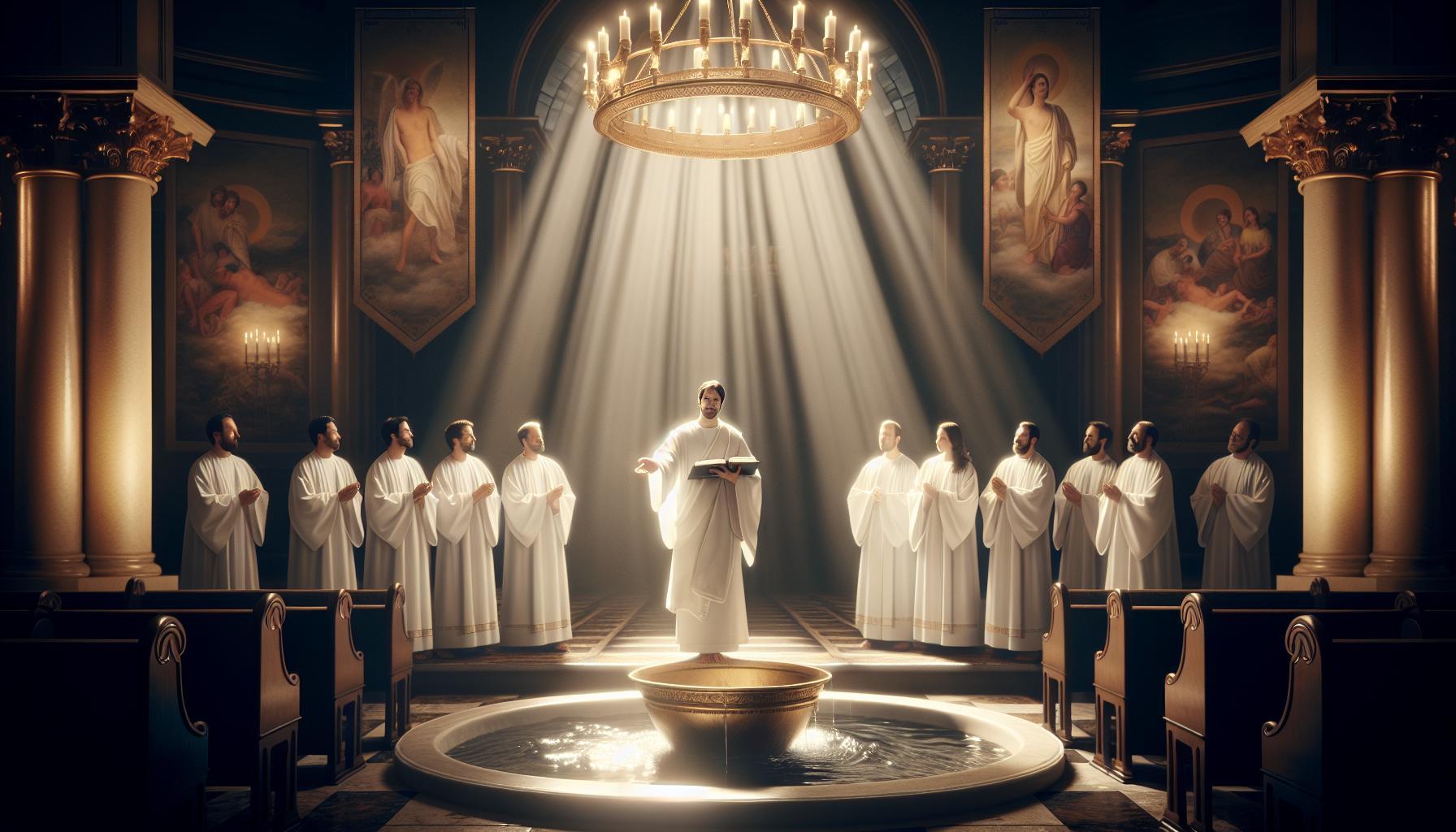

Baptism holds profound significance in the Christian faith, yet many still grapple with its true meaning and purpose. This sacred act symbolizes a believer’s commitment to Jesus and marks the beginning of a transformative journey. Understanding its biblical foundations not only enriches spiritual lives but also strengthens community bonds among believers, reinforcing the core message of God’s love and redemption.
The Biblical Significance of Baptism: Understanding Its Spiritual Meaning
Baptism holds profound significance within Christian faith, acting as a cornerstone of spiritual identity and communal belonging. This sacred act is rooted in biblical narratives, serving not merely as a ritual but as a transformative experience marking a believer’s entry into the faith. As depicted in Romans 6:4, baptism symbolizes our identification with Christ’s death and resurrection, inviting believers into a new life filled with hope and purpose. The act of immersing or sprinkling reflects a deeper spiritual meaning, representing cleansing, rebirth, and the powerful grace of God.
One of the vital aspects of baptism according to scripture is its role as a public declaration of faith. In Acts 8:12, individuals are baptized upon believing in the gospel preached by Philip, illustrating that baptism follows faith as an affirmation of one’s commitment to Christ. This act signifies not only personal transformation but also incorporates an individual into the body of Christ, reinforcing the teaching found in Ephesians 4:5 about the unity of faith. A believer’s baptism is therefore not an isolated event; it embodies a pledge of allegiance to Jesus and reinforces the communal experience of Christian faith.
Symbolism and Purpose
The symbolism tied to baptism encompasses several key elements:
- Cleansing: The immersion in water serves as a powerful metaphor for the cleansing of sin, reflecting the promise in 1 John 1:9 that if we confess our sins, He is faithful and just to forgive us.
- Identification: Baptism signifies the believer’s identification with Christ’s death, burial, and resurrection, gloriously depicted in 1 Corinthians 15:3-4, reinforcing the narrative of salvation history.
- New Life: Just as Jesus was raised from the dead, believers emerge from baptism symbolizing their new life in Christ (Romans 6:4).
Understanding these elements transforms baptism from a mere ritual into a transformative experience aligned with the essence of one’s faith journey. This depth of meaning underlines why baptism is celebrated as a sacrament in many denominations, highlighting its theological significance and emotional impact on personal and communal levels.
Practical Applications
When approaching the act of baptism, it is essential for believers and congregations to recognize its weighty implications. Here are some actionable steps to consider:
- Engage in pre-baptismal counseling to explore its meaning, allowing candidates to articulate their faith journeys.
- Encourage testimonies during the baptism service to emphasize personal stories of transformation, illustrating the impact of faith on individual lives.
- Incorporate baptism into church life by celebrating it regularly, reinforcing the collective identity of believers, as seen in Acts 2:41-42.
Baptism remains a powerful expression of faith, deeply rooted in biblical foundations. As believers partake in this vital sacrament, they join a long-standing tradition that marks the journey of faith—an act of obedience, joy, and commitment to the teachings of Christ.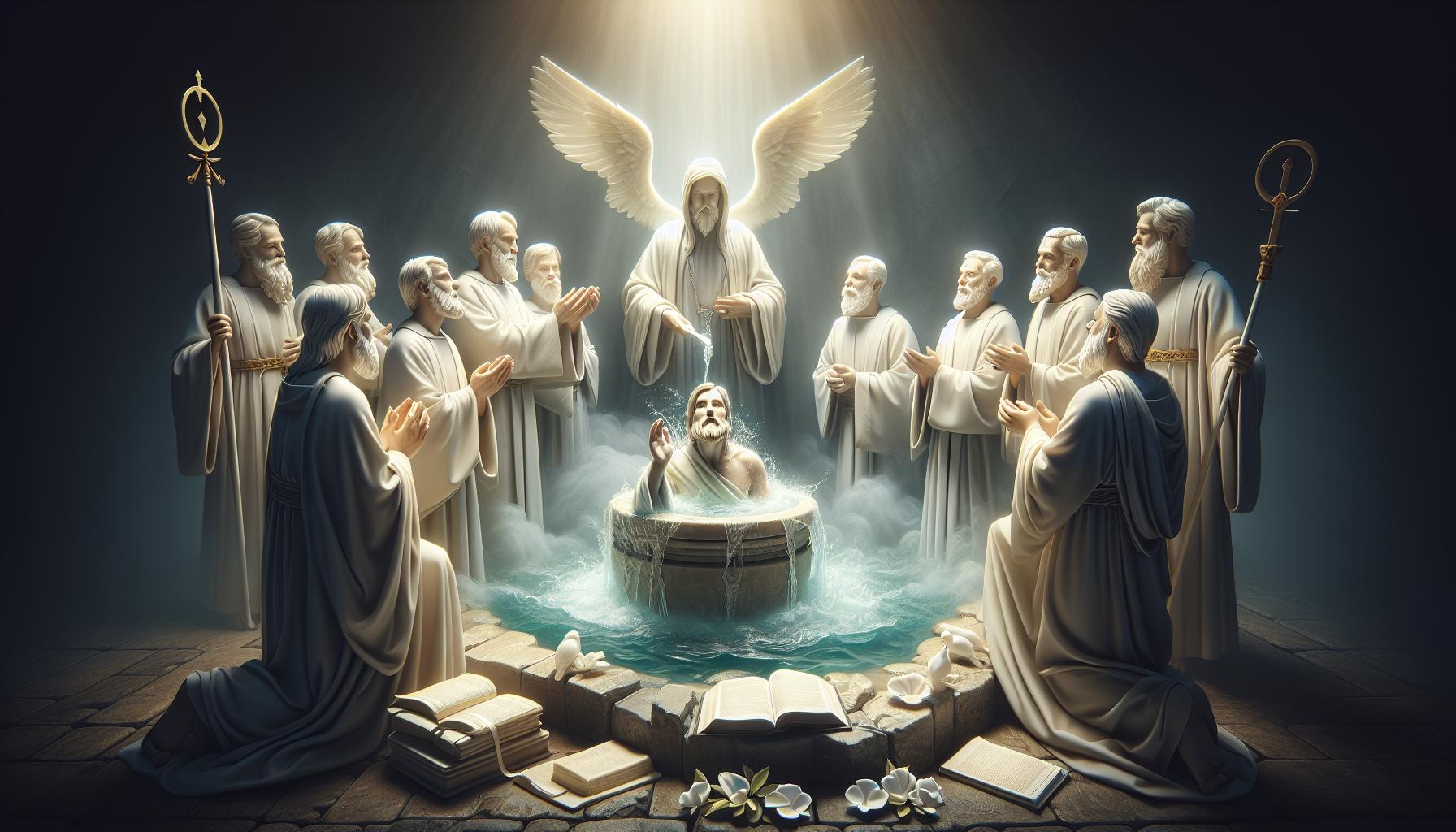
Historical Context: Baptism in the Early Church
Baptism has held a profound significance within Christianity since its inception, serving as a rite of initiation that symbolizes faith and purification. In the early Church, this practice evolved in response to cultural, theological, and communal needs, establishing foundational principles that resonate through Christian traditions today. The complexities of early baptism practices reflect the burgeoning Christian identity and the desire to distinguish believers from the surrounding pagan cultures.
Ritual Practices and Symbolism
In the earliest Christian communities, baptism was typically preceded by a series of preparatory rites. Catechumens underwent what were known as minor exorcisms, where prayers were offered to free them from all attachments to sin before entering the waters of baptism. This act of cleansing highlighted the importance of repentance and spiritual readiness, aligning with the biblical context of baptism as a means of cleansing (Acts 2:38). The use of two types of holy oil during baptism further emphasized this theme; the first, “oil of exorcism,” was used to symbolize the removal of evil, while the second anointed the baptized as they were brought into the community of faith, imbued with the roles of priest, prophet, and king, as reflected in the baptismal formula used today [[2]](https://aleteia.org/2019/04/26/how-was-baptism-practiced-in-the-early-church).
Evolution of Infant Baptism
While the practice of adult baptism was prevalent in the early Church, the concept of infant baptism began to emerge around the latter part of the second century. Historians generally agree that there is no definitive evidence of infant baptism in the first century; rather, it became a response to the theological understanding of original sin and the desire to incorporate children into the Christian community from an early age [[3]](https://www.thegospelcoalition.org/blogs/evangelical-history/baptism-early-church). Initially, adult converts who had undergone rigorous instruction and spiritual preparation were the primary recipients of baptism, establishing a model of informed consent and personal faith commitment.
Communal and Theological Significance
The communal aspect of baptism in the early Church cannot be overstated, as it served to unite believers and affirm their shared faith in Christ. Baptism not only represented individual cleansing but also signified entry into a community defined by love, fellowship, and support. This transformation is illustrated in the actions of early Christians gathering together for worship, breaking bread, and living out their faith in unity (Acts 2:42-47). As such, understanding baptism through the lens of community highlights its role as a foundational sacrament that continues to foster communal identity and faith expression among Christians today.
In conclusion, the historical context of baptism in the early Church reveals a rich tapestry woven from ritual, community, and evolving theological understanding. This foundational practice informs many modern expressions of Christian faith, illustrating the enduring significance of baptism as a central tenet in the ongoing narrative of Christianity. By exploring these early complexities, one gains a deeper appreciation for what baptism symbolizes, its scriptural foundations, and its relevance in contemporary faith practices.
Different Perspectives: How Various Denominations Interpret Baptism
The understanding of baptism among various Christian denominations offers a fascinating glimpse into how interpretations of this rite shape beliefs and practices. Each denomination brings its unique perspective, influenced by scriptural interpretations and theological foundations, highlighting the rich diversity within Christianity.
Distinguishing Features of Baptism Practices
Many churches believe baptism is not merely a religious formality but an essential act of faith. For instance, Baptists practice believer’s baptism, emphasizing that only those who consciously affirm their faith in Jesus Christ should be baptized. This practice entails complete immersion, symbolizing a profound commitment to follow Christ, representing both a personal declaration of faith and obedience to the teachings of the Bible [[3](https://en.wikipedia.org/wiki/Baptists)].
In contrast, denominations such as the United Church of Christ view baptism more as an outward sign of inward grace. They may employ various methods of baptism, including immersion, affusion (pouring), or aspersion (sprinkling), and often practice infant baptism as part of initiation into church membership [[2](https://discover.hubpages.com/religion-philosophy/Which-Religions-Practice-Baptism-Which-Do-Not)]. This divergence reflects differing theological priorities—while Baptists prioritize individual belief and a personal relationship with God, others acknowledge community and tradition as central to their understanding of baptism.
- Baptist Perspective: Believer’s baptism through full immersion; emphasizes faith and personal confession.
- United Church of Christ: Flexible methods (immersion, affusion, aspersion); baptism as an initiation symbol.
- Church of Christ: Views baptism as essential for salvation; practices immersion only for believers [[2](https://discover.hubpages.com/religion-philosophy/Which-Religions-Practice-Baptism-Which-Do-Not)].
Infant Baptism and Its Significance
The practice of infant baptism is another significant point of divergence. In traditions that support this rite, it is often seen as a means of welcoming the child into the faith community, despite the infant’s inability to profess personal belief. Theologically, this practice emphasizes God’s grace extending to all, regardless of age, which aligns with views held by denominations like the Roman Catholic Church and certain Protestant groups.
While not universally accepted, infant baptism remains a poignant expression of faith and community in many Christian settings. Ultimately, these various interpretations and practices of baptism underscore a rich tapestry of belief that influences congregational life and individual spirituality across Christianity. Each denomination’s understanding can offer insights into their broader theological views and community values, making the study of baptism an enlightening endeavor for anyone interested in the foundations of Christian practice.
The Process of Baptism: What the Scriptures Say About Preparation and Practice
Baptism is not merely a ritual but a profound spiritual experience that prepares individuals for a life of faith and sanctification. According to scriptural foundations, the process of baptism encompasses several vital aspects that foster a deeper understanding of its significance within the Christian faith. Preparation for baptism involves both spiritual readiness and practical steps that individuals should consider before undergoing this important rite.
Spiritual Preparation
To truly grasp the meaning of baptism, individuals must first engage in an introspective journey. This includes recognizing their need for repentance and understanding the commitment they are making. Key scriptures indicate that baptism is a public declaration of one’s faith in Jesus Christ and the acceptance of His grace. For instance, in Mark 1:4-5, John the Baptist preached a baptism of repentance for the forgiveness of sins, calling the people to turn away from their old ways and embrace a new life in Christ. This preparatory step can involve personal prayer, seeking guidance from church leaders, and studying biblical teachings about baptism, as it signifies a transformative commitment to follow Christ.
Practical Steps
Engaging in the practical aspects of baptism helps ensure that candidates are adequately prepared. Here are some essential steps to consider:
- Attend Baptism Classes: Many churches offer sessions to educate potential candidates about the significance of baptism and what it entails.
- Meet with a Spiritual Mentor: Speaking with someone who has experience in the faith can provide valuable insights and personal encouragement.
- Choose a Date and Venue: Planning the logistics is crucial; this can involve the church’s baptismal pool, a river, or another suitable location.
- Invite Family and Friends: Since baptism is a significant event, sharing this moment with loved ones can enhance the experience.
Practice and Participation
On the day of baptism, participants often experience a blend of anticipation and reverence. The actual practice usually involves immersion in water, symbolizing the death of the old self and the emergence of a new life in Christ, as detailed in Romans 6:3-4. This act is often accompanied by prayers, scripture readings, and sometimes testimonies, reinforcing the communal aspect of this ritual.
By understanding the preparation and practice outlined in scripture, individuals can approach baptism with a heart prepared for transformation. Through this sacred act, they embrace a public declaration of faith, aligning with the biblical foundation of what baptism represents in the journey of faith.
The Role of Faith: Connecting Belief and Baptism in the New Testament
Baptism in the New Testament is intricately tied to the concept of faith, acting as both a declaration and a manifestation of belief. The process of baptism signifies a profound transformation, marking the believer’s commitment to a new life in Christ. This sacrament is not merely a ritual; it serves as a public affirmation of faith, where the act of being baptized symbolizes an inner belief and acceptance of Jesus as Lord and Savior.
In Matthew 28:19, Jesus commands His disciples to baptize in the name of the Father, the Son, and the Holy Spirit, highlighting baptism as an essential step for all believers. This directive underscores the belief that baptism is deeply interconnected with faith; it is not just the act of immersion in water but also a powerful statement of faith that believers make when they unite with Christ’s death and resurrection. Romans 6:4 illustrates this connection, stating, “We were therefore buried with him through baptism into death in order that, just as Christ was raised from the dead… we too may live a new life.” Through this passage, it becomes clear that faith is the driving force behind the act of baptism, bridging the believer’s prior existence and their new identity in Christ.
Moreover, throughout the New Testament, instances of baptism often occur in conjunction with personal belief. For example, in Acts 8:12, those who believed in Philip’s preaching were baptized, reinforcing the principle that faith precedes the act of baptizing. This pattern of belief leading to baptism emphasizes the importance of personal conviction and commitment to the faith community. New believers are encouraged to express their faith outwardly through baptism, which serves as both a personal testimony and an invitation for others to witness their commitment.
In essence, the synergy between belief and baptism in the New Testament demonstrates that one cannot exist fully without the other. Baptism becomes a vital aspect of the faith journey, inviting individuals to publicly declare their faith, embrace a new identity, and step into a community that nurtures their spiritual growth. This intimate connection between belief and baptism reflects a cornerstone of Christian practice, as seen throughout various scriptural foundations, guiding believers in their walk of faith.
Symbolism and Ritual: The Deeper Meanings Behind the Waters of Baptism
Baptism stands as one of the most profound rituals in Christianity, steeped in rich symbolism and ancient tradition. The act of being immersed in water signifies more than a mere rite of passage; it embodies a transformative experience of faith, renewal, and salvation. As believers step into the waters of baptism, they are not only declaring their commitment to Christ but also partaking in a divine narrative that has been shared across generations. This deeply spiritual practice draws on various symbols that carry significant meaning, reflecting the core beliefs outlined in the Bible.
Significance of Water in Baptism
Water is the central element in the baptismal process, representing purification and the washing away of sin. In biblical terms, water signifies both a new beginning and the necessary cleansing required for spiritual rebirth. As seen in multiple passages, such as in Acts 2:38, the baptismal waters serve as a symbol of repentance and a fresh start in one’s journey of faith. Immersion in water also reflects the death and resurrection of Jesus Christ, paralleling believers’ own death to sin and birth into a new life through Him.
Rituals and Symbols Associated with Baptism
In addition to water, several other symbols reinforce the significance of baptism, each enhancing the understanding of what it signifies for individuals and the community. Notably:
- White Garments: Symbolizing purity and a new identity in Christ, the donning of white garments during baptism represents the individual’s acceptance into the body of Christ.
- Lighted Candles: Often included in baptism ceremonies, candles symbolize the light of Christ, illuminating the path for the newly baptized as they embark on their spiritual journey.
- Oil: Anointing with oil in some traditions signifies the Holy Spirit’s presence, marking the baptized as chosen and empowered for service in God’s kingdom.
The communal aspect of baptism cannot be overlooked. As individuals enter the water, they are welcomed into a broader Christian fellowship. This reflection is articulated in the biblical teaching that highlights the importance of the church as the body of Christ, where every individual role contributes to the larger mission of spreading the gospel (Colossians 1:18). Through these rituals and symbols, baptism becomes a celebration of both personal faith and community unity, echoing the core teachings of Scripture found in the overview of what baptism represents.
By embracing these deeper meanings, individuals participating in baptism not only honor their personal commitments to Christ but also reaffirm their place within the Christian community, embracing the transformative power of this sacred rite as outlined throughout the Bible.
Practical Guidance for Candidates: What to Expect Before, During, and After Baptism
Taking the step to get baptized is a significant journey in a believer’s faith, representing a profound transformation through Christ. As you prepare for this public declaration, it’s important to understand what to anticipate at each phase—before, during, and after the baptism. This understanding will help you embrace the experience fully and reflect on its spiritual depth as outlined in the context of biblical teachings.
Preparation Before Baptism
As you approach your baptism, consider the following practical steps:
- Spiritual Reflection: Engage in self-examination and prayer, focusing on your faith journey. Reflect on questions such as: “What does baptism mean to me?” and “How has my relationship with Christ changed?”
- Informational Sessions: Attend any classes or sessions offered by your church to understand the biblical foundations of baptism. This aligns with what is expressed in scriptures, highlighting that baptism symbolizes being born anew in Christ (Romans 6:3-4).
- Communicate with Your Pastor: Discuss any doubts or questions you may have with your pastor or church leaders. They can provide guidance and reassurance as you take this important step.
Experience During Baptism
On the day of your baptism, the ceremony will typically follow a structured format. Here’s what you can expect:
- Public Declaration: You will participate in a moment of affirmation, where you’ll verbally express your faith. This step signifies your commitment to following Christ and is often witnessed by the congregation, emphasizing the communal aspect of your faith.
- Immersion or Water Application: Depending on your church’s practices, you may be fully immersed in water or have water poured over you. This act symbolizes the death and resurrection of Jesus, representing your own new life in Him.
- Community Support: Baptisms often include supportive prayers and encouragement from the church community. Embrace this moment of fellowship, as it reflects the body of Christ celebrating your commitment.
Reflection After Baptism
Post-baptism, it’s crucial to continue nurturing your spiritual growth:
- Engage in Community: Stay connected with your church community. Participate in gatherings, ministries, and small groups to foster your faith and support others in their journeys.
- Personal Study: Continue to read the Bible and seek understanding of scriptures related to your faith. Consider verses that discuss the significance of baptism and living a transformed life.
- Share Your Story: Use your experience to encourage others. Testifying about your baptism can inspire others in their faith journeys and spark meaningful conversations about the role of baptism as taught in the scripture.
In summary, preparing for baptism is a holistic experience that involves spiritual readiness, public commitment, and ongoing personal growth. Each phase offers opportunities for reflection, community engagement, and deepening your understanding of what baptism signifies according to biblical teachings. Embrace this transformative journey with joy and anticipation as you affirm your faith.
Q&A
What is Baptism According to the Bible?
Baptism, as described in the Bible, is an outward sign of an inner transformation and commitment to Jesus Christ. It symbolizes the believer’s identification with Christ’s death, burial, and resurrection.
In the New Testament, baptism is often performed after a person expresses faith in Jesus, highlighting its role as a public declaration of that faith. By being baptized, believers openly acknowledge their relationship with Christ and the forgiveness of sins, fulfilling the command found in Matthew 28:19.
Why is Baptism important in Christianity?
Baptism is significant in Christianity as it represents the initiation into the faith and obedience to Jesus’ teachings. It publicly signifies a believer’s commitment to following Christ.
Historically, baptism serves as a foundational practice within the Church, enhancing community and fellowship among believers. It also exemplifies the profound change that occurs in a person’s heart, marking their entrance into the Christian community.
How is Baptism performed according to the Bible?
In the Bible, baptism is typically performed by immersion in water, symbolizing death to sin and new life in Christ. This practice mirrors Jesus’ own baptism in the Jordan River.
Acts 8:38 illustrates the immersion method when Philip baptized the Ethiopian eunuch. While various methods are accepted across denominations, immersion is often viewed as the most biblically accurate representation of baptism’s significance.
What does baptism symbolize?
Baptism symbolizes several key concepts, including repentance, faith, and new birth. It signifies the washing away of sins and a fresh start in a believer’s life.
The act serves both as a personal and communal affirmation of faith, reflecting the transformation and covenant relationship between the believer and God. It’s also an important step in discipleship, aligning with the Great Commission to teach and baptize all nations.
Can I be baptized more than once?
Many Christians believe that baptism is a one-time event that cannot be repeated. However, some denominations allow for re-baptism in cases of recommitment or when a person feels their original baptism was done without understanding or sincerity.
This perspective emphasizes the importance of one’s heart condition and intention over mere physical practice. Reflecting on your spiritual journey may help you decide if re-baptism is appropriate for you.
What are the prerequisites for baptism?
Generally, the primary prerequisite for baptism is a personal faith in Jesus Christ. Many churches also require a period of instruction or discipleship before the baptism ceremony.
This preparatory phase helps individuals understand the significance of baptism, covering essential tenets of the faith. In some traditions, believers are also encouraged to demonstrate a lifestyle of faith in the preceding months leading up to their baptism.
Why do different denominations have different views on baptism?
Different Christian denominations have various interpretations of baptism due to differing theological beliefs and scriptural interpretations. These divergences can relate to the meaning of baptism, the age of participants, and the method used.
For example, some denominations practice infant baptism based on the belief in covenant theology, while others advocate for believer’s baptism, emphasizing individual faith as a prerequisite for the act.
In Conclusion
In conclusion, baptism serves as a profound expression of faith and commitment within the Christian tradition, rooted in scriptural doctrine and reflecting a transformative relationship with God. As we’ve explored, this sacred practice symbolizes new life, repentance, and the believer’s identification with Christ’s death and resurrection. Engaging with the biblical foundations of baptism invites individuals to deepen their understanding of its significance and encourages authentic participation in this communal act of worship. We invite you to further explore the richness of baptism in your faith journey, reflecting on its meaning and implications in your life and community. Embrace the opportunity to connect with others in dialogue about this essential aspect of Christian belief and practice, fostering a spirit of unity and growth across diverse backgrounds.