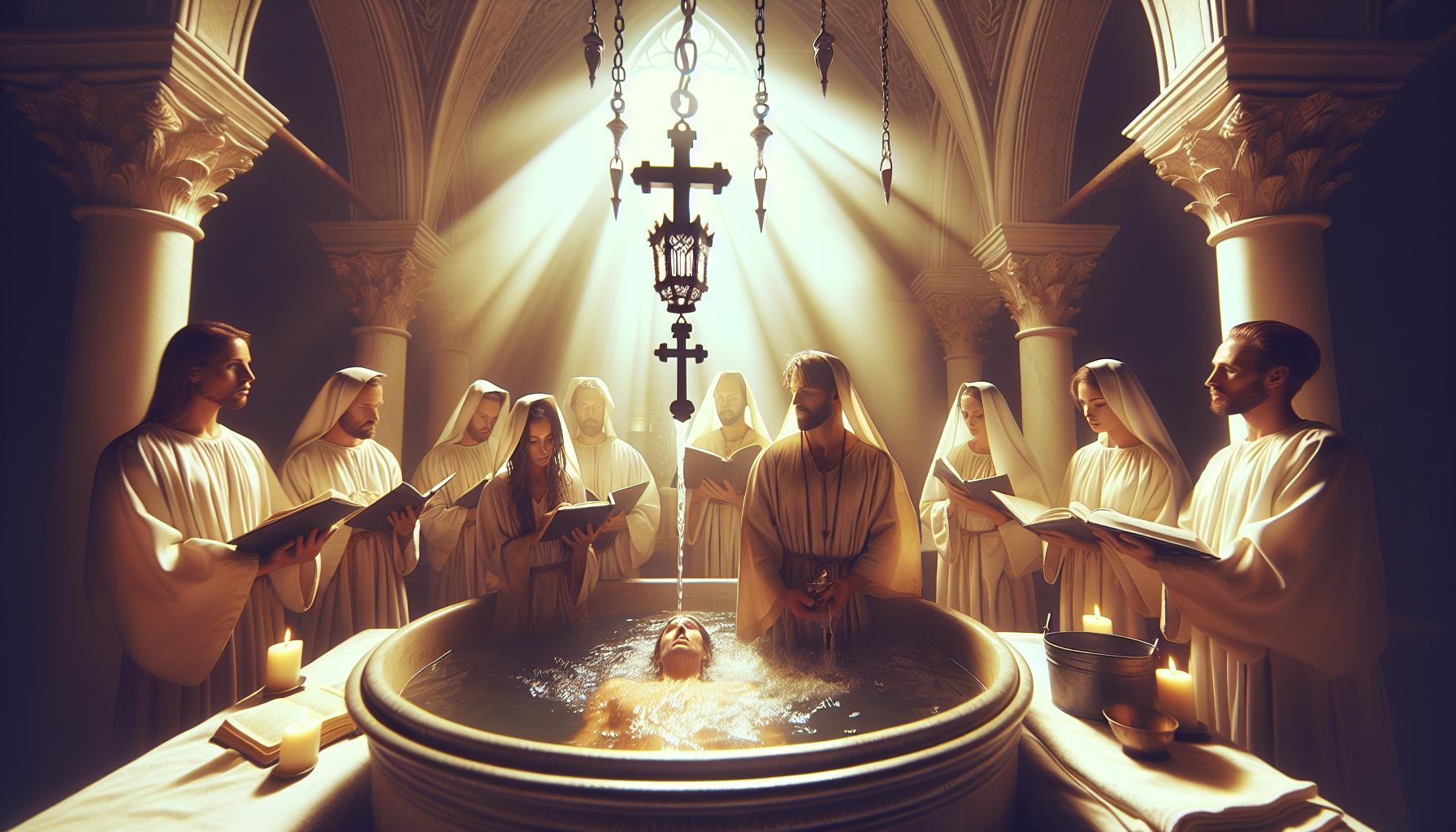
Baptism evokes rich traditions and profound meanings across cultures, yet its origins and implications often remain misunderstood. This article explores the significance of baptism—from its etymology to its spiritual impact—highlighting why understanding this practice is essential for fostering deeper connections within faith communities and appreciating its role in individual journeys of belief.
Understanding the Theological Significance of Baptism

The practice of baptism transcends mere ritual; it is a profound declaration of faith steeped in theological significance. Rooted in the meaning behind water immersion, baptism embodies transformation, renewal, and the embrace of a spiritual identity that dates back to early Christian traditions. By delving into its origins, cultural practices, and symbolic meanings, we gain a deeper appreciation for how this sacrament operates within various denominations and personal faith journeys.
Symbolism of Water in Baptism
At its core, baptism employs water as a potent symbol representing various theological concepts:
- Purification: Water serves as a cleansing agent, symbolizing the washing away of sin and the start of a new spiritual life.
- Death and Resurrection: Immersion in water signifies dying to one’s old self, while emerging from it represents rebirth in Christ, paralleling Jesus’ own death and resurrection.
- Community and Belonging: Baptism integrates individuals into the body of Christ, fostering a sense of community within the church and global Christianity.
These elements highlight baptism’s role as a threshold to spiritual renewal, reflecting how the act signifies deeper truths about human existence and divine relationships.
Historical Context and Theological Implications
Understanding baptism also requires an exploration of its historical context. The term itself derives from the Greek word “baptizo,” meaning to immerse or dip. Its usage evolved from ancient Jewish purification rites, such as *mikvah*, to the baptism established by John the Baptist, and ultimately to the sacramental practice adopted in Christianity.
Theological implications emerge from this backdrop, revealing baptism as an essential component of faith about Salvation. Various Christian traditions interpret the act differently:
| Denomination | View on Baptism |
|---|---|
| Roman Catholic | Believes in baptism as a necessary sacrament for Salvation; emphasizes infant baptism to initiate them into the faith. |
| Protestant | Views baptism more as an outward sign of inward faith; practices vary widely from infant baptism to believer’s baptism. |
| Orthodox | Sees baptism as a fundamental sacrament essential for the believer’s entry into the Church and relationship with Christ. |
These diverse interpretations underscore baptism’s rich theological significance and adaptability across cultures and eras. Each perspective illuminates how individuals and communities understand their relationship with the divine and mark transitions in spiritual life.
Practical Reflections on Baptism
For those engaged in their faith journey, reflecting on the significance of baptism invites a personal examination of one’s beliefs and commitments. It can also push individuals to consider participation in baptism not simply as a rite of passage, but as a profound expression of faith. If you’re contemplating baptism or its meaning, ask yourself:
- What does being baptized mean for my personal faith?
- How can I share this experience with my community?
- What commitments will I make following my baptism?
Embracing baptism means recognizing it as a pivotal step in faith—whether you’re affirming beliefs, celebrating community, or committing to a lifelong spiritual journey shaped by its profound theological implications. Through understanding these elements, participants can experience baptism not merely as a tradition, but as a life-altering event imbued with deep meaning and purpose.
The Historical Roots of Baptism: From Ancient Traditions to Modern Practices
The practice of baptism stretches back thousands of years, weaving through various cultures and religions, thereby embodying a rich tapestry of meaning and significance. While contemporary views often associate baptism exclusively with Christian faith, its roots run deep into the soil of ancient traditions that employed water in symbolic ways to signify purity, renewal, and a transition into a new life or belief system. Understanding these historical precedents not only sheds light on the evolution of the practice but also enhances our appreciation of its significance today.
Ancestral Influences on Baptism
Baptism’s origins can be traced to ancient rituals across multiple civilizations. Here are a few key influences that shaped the early forms of this practice:
- Jewish Ritual Cleansing: In Judaism, rituals involving immersion in water (known as mikveh) were common for purification, signifying a person’s readiness for worship or participation in sacred activities.
- Greek and Roman Traditions: Various Greco-Roman practices involved the use of water for cleansing and initiation rites, often seen as a way to appease deities or signify a fresh start.
- Pagan Rites: Water was central to many pagan rituals; it symbolized fertility and life, often used in rites that celebrated harvests or seasonal changes.
These ancient practices laid the groundwork that evolved into the Christian sacrament of baptism. With the advent of Christianity, the act took on deeper theological meanings, symbolizing the death, burial, and resurrection of Jesus Christ and serving as an essential rite for believers to enter the faith.
The Transformation into Christian Baptism
Early Christians adapted the existing concept of purification rituals but infused it with new significance related to faith and salvation. The ceremonial act found in the New Testament illustrates Jesus’ own baptism as both an example and a sacrament, establishing it as a central component of Christian worship. Over time, church fathers and theologians elaborated on its meaning, framing baptism as not just an outward sign of an inward grace, but also as a vital entry point into the life of the church, thus shaping contemporary practices.
| Historical Context | Baptismal Significance |
|---|---|
| Ancient Judaism | Purity and readiness for worship |
| Greco-Roman Religion | Ritual cleansing and initiation |
| Early Christianity | Symbol of faith and community |
As the centuries progressed, baptism evolved further with various denominations interpreting its practice differently, yet all maintaining the importance of water as a fundamental element of the rite. Whether through full immersion or aspersion, the core essence of baptism remains a profound declaration of faith, community belonging, and spiritual renewal. Through understanding what the word baptism means and its origins, we can better appreciate its enduring impact in contemporary religious practices.
Different Denominational Perspectives on Baptism

Different Christian denominations hold various interpretations and practices regarding baptism, each shaped by theological beliefs, historical contexts, and pastoral traditions. Understanding these distinct perspectives can enhance interdenominational dialogue and provide deeper insight into the significance of baptism in the Christian faith.
Infant vs. Believer’s Baptism
One of the prominent distinctions in baptism practices is the debate between infant baptism and believer’s baptism. Many mainline churches such as Catholics, Lutherans, and Anglicans advocate for infant baptism, viewing it as a means of grace that incorporates children into the faith community from an early age. This practice stems from the belief that baptism cleanses original sin and initiates a lifelong relationship with God.
Conversely, believer’s baptism is championed by many Evangelical and Baptist denominations. They argue that baptism should be reserved for individuals who can consciously profess their faith in Jesus Christ. This perspective emphasizes personal decision-making and faith as prerequisites for baptism, supporting the practice with examples from the New Testament where individuals were baptized after making a personal declaration of faith.
Symbolism and Theology
Beyond the method of baptism, the symbolism attached to the act varies as well. Many denominations recognize baptism as a profound declaration of faith and an outward symbol of an inner transformation. In many Pentecostal traditions, baptism is seen as a public testimony of a transformative experience with the Holy Spirit.
| Denomination | Baptism Type | Theological Emphasis |
|---|---|---|
| Catholic | Infant Baptism | Grace and Community Inclusion |
| Baptist | Believer’s Baptism | Personal Faith and Proclamation |
| Lutheran | Infant Baptism | Grace and Covenant |
| Penscostal | Believer’s Baptism | Public Testimony of Faith |
Concluding Thoughts
As with any theological issue, the nuances of baptism can lead to fruitful discussions and explorations of faith. For those looking to dive deeper into understanding the role of baptism across various Christian traditions, consider engaging with individuals from different denominations or exploring denominational literature. This approach fosters respect and appreciation for the diversity within the Christian faith while discovering the shared values and beliefs that unite all believers.
The Rituals and Symbols Involved in the Baptism Experience

The act of baptism transcends mere symbolism, intertwining deep spiritual significance with ancient traditions that have shaped religious practices for centuries. While the word “baptism” originates from the Greek “baptizo,” meaning “to immerse,” its execution and rituals contextualize its profound importance across various faiths. These rituals and symbols not only mark the transition into a new spiritual life but also echo the beliefs and values inherent in the communities that perform them.
The Water Element
Water is the quintessential symbol of baptism, representing cleansing, rebirth, and the Holy Spirit. The immersion in or sprinkling of water signifies the washing away of sins and the renewal of spirit. Different denominations interpret this rite in varied ways:
- Full immersion: Predominantly practiced in Baptist and Orthodox traditions, full immersion symbolizes a complete surrender to faith and the total cleansing of the past.
- Affusion: In certain denominations, water is poured over the head of the individual, representing grace and the Holy Spirit’s descent.
- Sprinkling: Common in some Protestant traditions, sprinkling signifies the initiation into the faith community while acknowledging the inner transformation of the individual.
Additional Symbols and Their Meanings
Beyond water, several other symbols play crucial roles in the baptismal experience, enhancing the ritual’s richness.
| Symbol | Meaning |
|---|---|
| White Garment | Representing purity and the new identity in Christ, a white garment is often presented to the baptized individual. |
| Candle | A lit candle symbolizes the light of Christ and the responsibility to spread that light in the world. |
| Oil | Used in anointing, oil signifies the Holy Spirit’s presence and empowerment for a faithful life. |
These symbols, interwoven with the water’s transformative power, create a rich tapestry of meaning that shapes both personal and communal experiences. They invite the baptized into a covenant with the divine, encouraging ongoing growth and service within their faith community. Through understanding the various elements of baptism, one not only grasps its historical context but also its enduring impact on personal spiritual journeys and collective religious identities.
The Impact of Baptism on Personal Faith Journeys

The practice of baptism has deep roots and significant implications for individuals navigating their spiritual journeys. Traditionally viewed as a rite of passage, baptism symbolizes a commitment to faith that marks a transformative moment in a believer’s life. Many individuals report a profound sense of renewal and purpose following their baptism, as it represents not only a personal declaration but also an entry into a broader community of believers.
The Symbolism Behind Baptism
Baptism is rich with meaning, echoing themes of cleansing, rebirth, and initiation. This act often induces a reflection on one’s life choices and spiritual growth. Here are some vital aspects of how baptism influences personal faith journeys:
- Spiritual Cleansing: Many view baptism as an act that signifies the washing away of past sins, offering a fresh start.
- Identity Formation: Baptism provides individuals with a newfound identity in their faith community, which can foster a deeper sense of belonging.
- Witness to Faith: Being baptized is a public affirmation that encourages others to explore similar paths, inspiring collective growth.
- Commitment to Growth: The moment of baptism signifies the intent to grow spiritually, motivating ongoing engagement with one’s faith.
Real-World Examples of Transformation
The stories of those who have embraced baptism often illustrate the profound impact this step can have. For instance, individuals emerging from difficult life circumstances—such as addiction or personal loss—frequently share how baptism catalyzed a new outlook on life. The ritual emboldens them to leave behind negative behaviors and step into a framework of hope and renewal.
Additionally, baptism serves as an opportunity to join small groups or congregations, which provide critical support systems. This community aspect enriches personal faith journeys as believers share experiences, challenges, and victories, further reinforcing their commitments.
Actionable Steps Post-Baptism
For those newly baptized, the journey does not end at the baptismal font; rather, it opens doors to deeper engagement in their faith. Consider these practical steps:
- Join a Faith Community: Engage in small groups or church activities to cultivate relationships and continue spiritual growth.
- Participate in Faith-Building Activities: Attend workshops or seminars that dive deeper into the meanings of faith and spiritual practices.
- Set Personal Goals for Spiritual Growth: Identify aspects of your faith walk you wish to explore, whether through reading scripture, volunteering, or prayer.
| Step | Description |
|---|---|
| Engage Regularly | Participate in weekly services or community meetings to strengthen your faith ties. |
| Education | Commit to learning more about your beliefs through books, seminars, or online resources. |
| Service | Find ways to serve within your community, reflecting the principles of your faith in real-world applications. |
Through these steps, individuals not only deepen their personal faith but also contribute to their community, fostering an environment of support and shared growth that resonates with the essence of what baptism instills in believers.
Practical Guidance for Preparing for Baptism: What You Need to Know
Baptism is more than just a ceremonial act; it symbolizes a profound spiritual journey and commitment within the faith community. Understanding the nuances of baptism can transform the experience, making it even more meaningful. If you’re preparing for baptism, here’s what you need to know to ensure you’re ready both spiritually and practically.
Understanding the Significance
Before diving into the logistics of baptism, take a moment to reflect on its significance in the context of your faith. Baptism represents not just a personal commitment to follow a spiritual path, but also a public declaration of faith and an entry into a broader community. Recognize that this act has historical roots, as discussed in “What Does the Word Baptism Mean? Origins, Usage, and Impact,” and it continues to hold deep meaning for many today.
Practical Preparations
To embark on your baptism journey, consider these vital preparations:
- Choose Your Ceremony Format: Decide if you’ll participate in an immersion, affusion (pouring), or aspersion (sprinkling) ceremony, based on your religious beliefs and practices.
- Select a Date and Venue: Coordinate with your local church or faith community to set a date and ensure availability of the space.
- Engage with Your Community: Discuss your intention to be baptized with your pastor or spiritual leader for guidance. This may include pre-baptism classes or discussions that help deepen your understanding.
Spiritual Readiness
Beyond logistical considerations, spiritual readiness is paramount. Here are essential steps you can take:
- Reflect on Your Faith: Take time to meditate on your personal beliefs and relationship with your faith. Journaling can be a helpful tool to articulate your thoughts and feelings.
- Seek Guidance: Speak with mentors or friends within your faith community who have experienced baptism. Their insights can provide comfort and clarity.
- Pray for Guidance: Engage in prayer to seek divine guidance and assurance as you move toward this important event.
What to Expect on Baptism Day
The day of your baptism can be filled with emotions ranging from excitement to nerves. Here’s a brief overview of what typically occurs:
| Aspect | Description |
|---|---|
| Arrival | Arrive early to settle in and greet family or friends who may have come to support you. |
| Ceremony Structure | Expect a brief service that may include readings, hymns, and the actual baptism performed by the clergy. |
| Post-Baptism Celebration | Some communities hold a gathering afterward, creating a joyful atmosphere to celebrate your new commitment. |
With thorough preparation, both practically and spiritually, your baptism will hold lasting significance in your life’s journey. Embrace this pivotal moment as a profound expression of your faith, rooted in the rich history of baptism and its enduring impact on individuals and communities alike.
Exploring the Role of Baptism in Community and Belonging
Baptism is not just a ritual; it serves as a profound cornerstone in the formation of community and belonging among diverse religious traditions. It embodies a transformative experience, often welcoming individuals into a wider family, both spiritual and communal. The origins of this practice reveal much about its enduring significance today, as many congregations harness the power of baptism to strengthen their bonds and create a sense of identity among their members.
The Symbol of Welcome and Acceptance
When individuals undergo baptism, it is often seen as a public declaration of faith, marking their entry into a community that shares common beliefs and values. This act of baptism can foster connection among congregants, providing a sense of unity and collective belonging. The ritual emphasizes themes of renewal and belonging that resonate deeply within the shared community, laying the groundwork for support, friendship, and collaboration.
- Case Study: Community Churches – Many community churches host baptism days that coincide with gatherings, potlucks, or local outreach events. This not only celebrates the new members but also brings together existing members, enhancing communal bonds.
- Intergenerational Connections – Baptism ceremonies often involve family and friends, bridging generations within the community. This inclusion fosters a rich tapestry of relationships, enriching the communal experience.
Baptism as a Catalyst for Service
Moreover, the act of baptism often propels individuals into active service within their communities. The commitment generated through this rite may inspire newly baptized individuals to engage in volunteering, mentorship, or leadership roles. Communities derive strength from this service-oriented mindset, establishing a culture where members not only support each other but also extend help beyond their church walls.
| Benefits of Baptism in Community | Description |
|---|---|
| Stronger Identity | Baptism creates a distinct sense of belonging among members, defining their shared spiritual identity. |
| Support Networks | As new members join, established congregants often rally to create a network of support, enhancing social outreach and assistance. |
| Opportunity for Growth | Participation in church activities post-baptism encourages spiritual, personal, and communal growth. |
In summary, the rich historical context and layered meanings behind baptism significantly contribute to fostering community and a sense of belonging among congregants. Understanding the impact and usage of this sacred rite provides insights not only into the religious landscape but also into the intricate fabric of human relationships that such rituals help to weave.
Navigating Conversations About Baptism Across Diverse Religious Backgrounds
Navigating the nuanced terrain of baptism conversations can be both enriching and challenging, especially when engaging with individuals from diverse religious backgrounds. The word “baptism” itself encompasses a wide array of meanings and practices that are deeply rooted in different spiritual traditions. Understanding these variations not only fosters respectful dialogue but also enriches one’s own perspective on this significant ritual.
The Diversity of Baptism Practices
Different religious traditions interpret and practice baptism in unique ways. For instance, Christianity sees baptism as a sacrament that symbolizes a believer’s faith and commitment to Christ, varying between denominations in method and significance. In contrast, some faiths view baptism merely as a welcoming ritual. Here’s a brief overview:
| Tradition | View on Baptism | Common Practices |
|---|---|---|
| Christianity | Symbol of faith and spiritual rebirth | Immersion, pouring, or sprinkling |
| Judaism | Ritual purification | Tevilah (immersion in water) |
| Islam | Not a requirement, but recognizes ritual washing (wudu) | Wudu before prayer |
| Hinduism | Purification ritual | Snana (bathing) in sacred rivers |
Understanding these diverse perspectives is crucial when discussing baptism with individuals from different faith backgrounds. It opens pathways to deeper connections, as each tradition carries historical significance and personal significance for its adherents.
Practical Approaches to Conversation
When engaging in conversations about baptism, consider these practical tips to ensure respectful and fruitful dialogue:
- Listen Attentively: Show genuine interest in the other person’s beliefs and experiences. Ask open-ended questions about their views on baptism and its significance in their faith.
- Share Experiences: Offer your perspectives and experiences related to baptism thoughtfully, highlighting how it has impacted your life without diminishing others’ beliefs.
- Stay Informed: Familiarize yourself with the origins, usage, and overall impact of baptism within various religious contexts. This knowledge equips you to address common misconceptions and appreciate the depth of the ritual.
- Remain Respectful: Understand that for many, baptism is a deeply personal experience tied to identity and community. Approach discussions with sensitivity and respect for differing views.
Through this understanding and approach, individuals can build connections across spiritual divides, fostering a sense of community rooted in respect and mutual growth. By embracing the diverse meanings and practices associated with baptism, conversations can become a platform for learning and understanding, demonstrating how rituals can bridge gaps in belief and experience.
Faq
What Does the Word Baptism Mean?
Baptism refers to a ceremonial act of ritual purification, often involving water. The term originates from the Greek word baptizo, meaning ‘to immerse’ or ‘to dip.’ It signifies a person’s initiation into a community of faith and symbolizes spiritual awakening.
In many traditions, baptism represents one’s commitment to a faith, cleansing of sins, and receiving the Holy Spirit. Different denominations, including Catholicism, Eastern Orthodoxy, and Protestantism, interpret its significance and practice it in various ways. For detailed insights on these differences, explore our article on Understanding Baptism Practices.
Why Does Baptism Hold Significance in Christianity?
Baptism is significant in Christianity as it symbolizes a believer’s faith in Jesus Christ and an acknowledgment of their commitment to the teachings of the Church. It serves as an outward demonstration of inner transformation.
Baptism reflects the teachings of Jesus, who was himself baptized and instructed his disciples to do the same, making it a central practice in the Christian faith. It’s not only a rite of passage but also a welcome into the community of believers, symbolizing rebirth and renewal.
Can I Be Baptized If I’m Not From a Christian Background?
Yes, non-Christians can be baptized if they choose to embrace Christianity. Many churches welcome individuals who express genuine interest and a desire to follow Christ.
Different denominations might have varying requirements before baptism, such as attending classes or undergoing a period of instruction. Ultimately, the decision is personal and rooted in a heartfelt commitment to faith, and those considering baptism are encouraged to connect with a mentor or church leader for guidance.
What Are the Different Baptism Practices Across Denominations?
Baptism practices vary significantly among Christian denominations. For instance, some practice infant baptism, while others focus on believer’s baptism, where individuals are baptized upon expressing personal faith.
Additionally, the method of baptism can differ: some utilize full immersion, whereas others employ sprinkling or pouring of water. Understanding these various practices can enrich one’s appreciation for diverse interpretations of the baptism sacrament.
How Does Baptism Impact a Believer’s Life?
Baptism profoundly impacts a believer’s life by marking a public declaration of faith and commitment to follow Christ. It symbolizes spiritual rebirth and is often considered the beginning of a new journey in life.
Post-baptism, individuals often experience a strengthened connection with their faith community and a deeper understanding of their purpose in life. Many find it to be a pivotal moment that inspires them to grow spiritually and engage more actively in their church.
What Should I Expect During a Baptism Ceremony?
During a baptism ceremony, expect a blend of spiritual significance and communal celebration. The experience typically includes readings from scripture, prayer, and the actual act of baptism, whether through immersion or other methods.
The atmosphere is often a combination of solemnity and joy, emphasizing the importance of the moment. It typically culminates in welcoming the baptized into the faith community, reinforcing a sense of belonging and support.
Why Do Some Cultures Incorporate Baptism Beyond Christianity?
Baptism rituals exist in various cultures beyond Christianity as symbols of purification and new beginnings. Other religions and traditions may mirror the significance of baptism through similar water-related rituals.
For instance, some Hindu and ancient cultural practices invoke the use of water for cleansing and renewal. These practices highlight the universal human desire for spiritual purification and connection with the divine, albeit expressed differently across belief systems.
The Way Forward
In conclusion, the exploration of baptism reveals its profound significance as both a spiritual rite and a rich historical practice. From its origins in ancient traditions to its contemporary interpretations, baptism serves as a powerful symbol of faith, community, and commitment. Understanding the diverse meanings and practices surrounding baptism encourages deeper reflection and appreciation of this sacred tradition. Whether you are considering baptism for yourself or seeking to support others in their spiritual journey, the insights gleaned from this discussion can guide you. We invite you to delve deeper into this topic, engage with your community, and explore how baptism can impact individual lives and congregational faith. Your journey in understanding and participating in this transformative sacrament is just beginning—continue to seek knowledge and foster connections within your faith community.