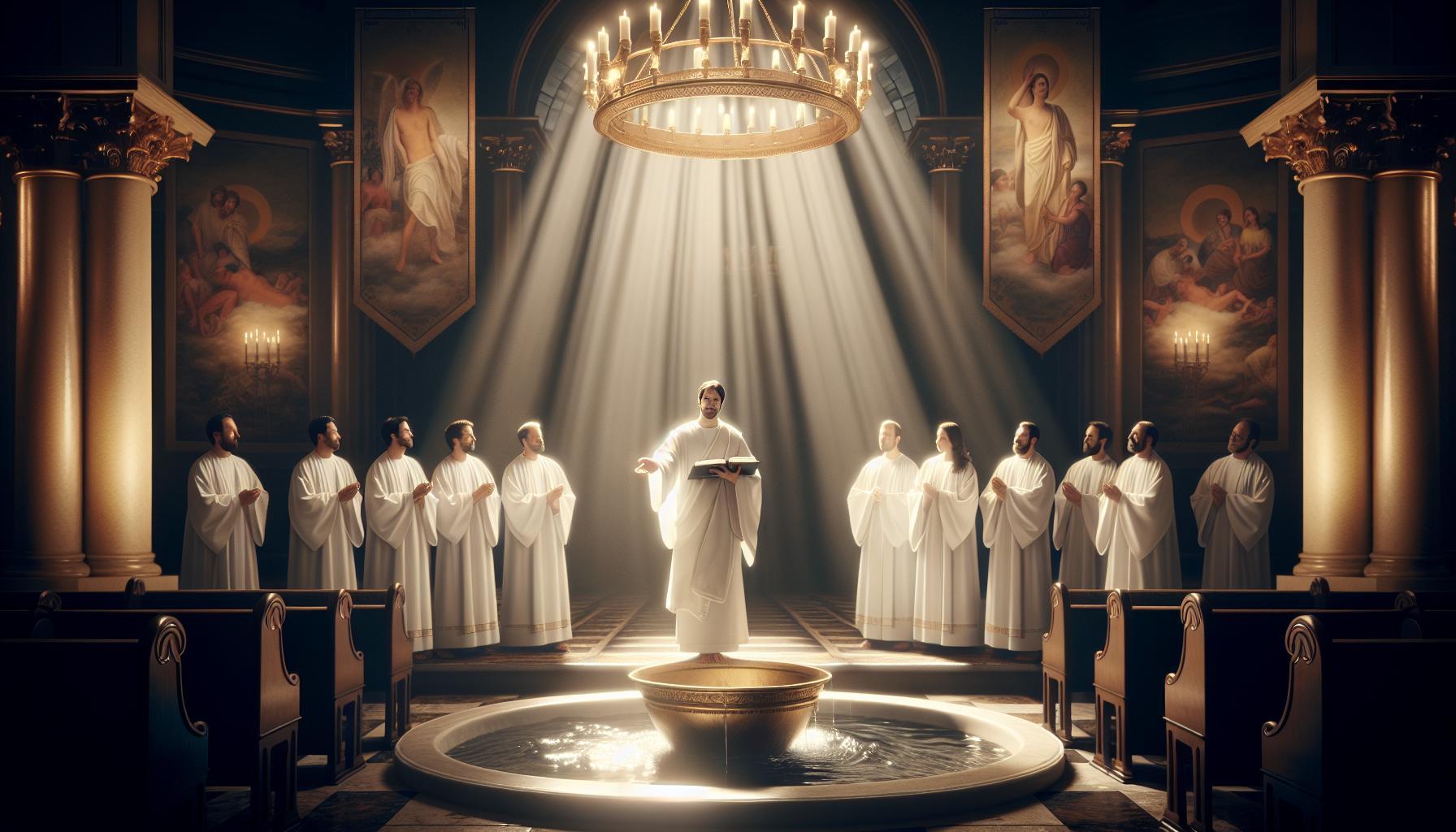
Why do countless individuals around the world choose to undergo this profound ritual? Understanding baptism’s spiritual symbolism and sacred meanings is crucial for grasping its significance in various faiths. This article explores how baptism represents new beginnings, purification, and the deep connection between believers and the divine, shedding light on its enduring relevance in today’s spiritual landscape.
Understanding the Essence of Baptism: A Spiritual Rite of Passage
Throughout history, baptism has served as a profound initiation into the Christian faith, representing a pivotal moment of transformation and commitment. This ritual encapsulates deep spiritual meanings that vary across different traditions but generally symbolizes purification, rebirth, and an entry into a faith community. Understanding what baptism represents can illuminate the spiritual journey of the individual and the community at large, marking it as both a personal and collective rite of passage.
Symbolic Elements of Baptism
At its core, baptism embodies several essential themes and symbols that resonate universally among Christians:
- Water: A fundamental element in the baptismal rite, water signifies cleansing and renewal. It serves as a metaphor for the washing away of sins and the commencement of a new life in faith.
- Light: Often represented through candles or the invocation of Christ as the “light of the world,” this symbol conveys enlightenment and the illuminating power of faith.
- Oil: Frequently used in baptismal ceremonies, oil signifies consecration and the presence of the Holy Spirit, marking the individual as chosen and set apart for a sacred purpose.
- Community: Baptism is not merely an individual act; it takes place within the context of the faith community, emphasizing the support and fellowship of fellow believers.
Understanding these symbols allows individuals to appreciate the depth of the experience. For example, a person being baptized may reflect on their personal journey and the new commitments they are making. Drawing on these symbolic elements can help one engage more profoundly with the ritual.
Spiritual Transformation through Baptism
The act of baptism is more than a ceremonial event; it signifies a deep, transformative experience. It represents the believer’s choice to embrace a life dedicated to spiritual growth, fostering a connection with the divine. This transition can often be likened to a birth, facilitating a rebirth into a path of faith. This spiritual reawakening often involves:
- Accepting the teachings of Jesus Christ.
- Recognizing one’s identity as part of a global Christian community.
- Embracing a lifestyle reflective of faith through actions and choices.
As individuals prepare for baptism, they might engage in a journey of self-examination, prayer, and study of Scripture, aligning their lives with the tenets of their faith. This preparation underscores the personal significance of what baptism represents, reinforcing its role as a sacred rite of passage.
Ultimately, understanding the essence of baptism extends beyond mere ritual to embrace a profound commitment to a life of faith and community. Organizing meaningful discussions or classes about the significance of this ceremony can further enrich the spiritual understanding of prospective candidates and the larger congregation, ensuring that the sacred meanings of baptism resonate deeply within hearts and minds.
Theological Insights: Exploring the Symbolism Behind Water and Spirit
Water and spirit are powerful symbols intricately woven into the tapestry of spiritual traditions across the globe. They serve not only as elements to facilitate physical acts of baptism but also embody deeper meanings that resonate on emotional and spiritual levels. Understanding these symbols can enrich one’s experience with baptism, shedding light on the transformative nature of this sacred rite.
The Symbolism of Water
Water is often regarded as a purifying element, found throughout various religious texts and practices. In baptism, it signifies several profound concepts:
- Purification: The act of immersion in water symbolizes the cleansing of sins and impurities, allowing individuals to approach the sacred with a renewed spirit.
- Life: Water is essential for life, representing fertility, growth, and the birth of new beginnings. It emphasizes the transition from an old way of life to a new one.
- Connection: Whether it is the flowing stream or the still pond, water connects individuals with their communities and the divine. It serves as a reminder of collective faith and shared spiritual journeys.
The Essence of Spirit
In addition to the physical aspect represented by water, the spirit component symbolizes the intangible and transcendent qualities associated with baptism. The spirit’s involvement is pivotal in conveying these deeper meanings:
- Transformation: Baptism by the Holy Spirit is often seen as a catalyst for inner change, marking the beginning of one’s spiritual journey and communion with the divine.
- Empowerment: The Holy Spirit imparts strength and guidance, enabling new believers to embody and live out their faith in practical ways.
- Unity: The spirit fosters a sense of belonging within the community of believers, emphasizing that baptism is not only an individual commitment but also an invitation to partake in the greater body of faith.
Bringing It All Together
When considering what baptism represents, the interplay between water and spirit becomes central to understanding its sacred meanings. Water acts as a tangible element that initiates the process of purification and renewal, while spirit encompasses the metaphysical transformation that accompanies this rite. Together, they illustrate a holistic experience of faith that transcends the mere physical act, inviting individuals into a profound relationship with the divine and their community.
Should you wish to delve deeper into the theological implications and historical contexts of baptism, a structured study or conversation with a spiritual leader can yield rich insights that enhance your understanding of both water and spirit. Embrace these symbols in your journey, and witness how they can illuminate your path, guide your actions, and deepen your connection to the sacred.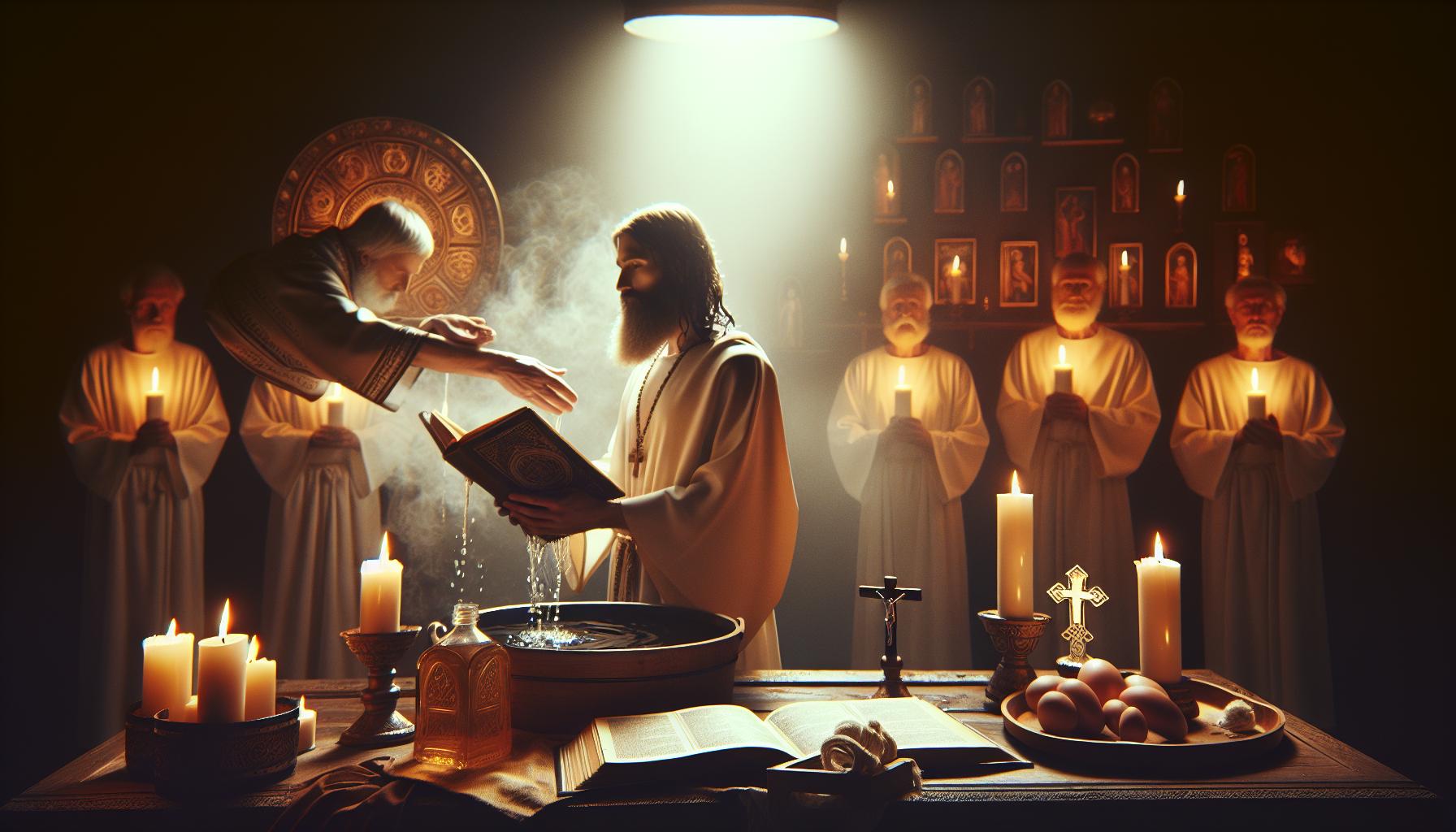
The Role of Community: Baptism as an Expression of Faith and Belonging
In the rich tapestry of religious traditions, baptism stands out as a profound ritual that encapsulates the essence of community, faith, and belonging. As individuals partake in this sacred act, they are not merely engaging in a personal rite; they are stepping into a larger narrative that binds them to a community of believers. The connection forged through baptism extends beyond the act itself—it symbolizes a shared commitment, an affirmation of faith, and an invitation to join a collective journey towards spiritual growth.
The Power of Community in Baptism
When examining *What Does a Baptism Represent? Spiritual Symbolism & Sacred Meanings*, it becomes evident that community plays a vital role in this sacred rite. Baptism is not only about the individual; it is a communal celebration where fellowship and support are paramount. The presence of family, friends, and fellow congregants transforms the baptismal moment into a collective experience. It serves as a reminder that faith thrives in relationship and unity.
Key Aspects of Community in Baptism:
- Shared Faith: The act is a public declaration of faith, witnessed by loved ones who share similar beliefs.
- Support Network: The baptized individual gains a network of spiritual mentors and friends ready to guide them in their journey.
- Ritual Participation: Many congregations encourage community involvement in the baptism process, from preparation to the actual ceremony, fostering deeper bonds.
The Symbolism of Belonging
Baptism inherently symbolizes belonging—not only to God but also to a wider faith community. Those who are baptized become integral parts of a communal identity, affirming their relationship not just with the church but also with its mission and values. As members are welcomed and celebrated, they are reminded of the significance of loving one another, serving together, and growing in faith side by side.
An often-cited example is the joyous occasion of a baptism service, where members of the congregation come together in a spirited atmosphere, singing, praying, and celebrating the transformative act. This shared experience weaves the spiritual journey of the individual into the collective journey of the church, illustrating how faith is both personal and communal.
| Element | Significance |
|---|---|
| Ritual | Marks the beginning of a life lived in faith. |
| Community | Provides support throughout the spiritual journey. |
| Celebration | Affirms connections with both God and fellow believers. |
In summary, understanding *What Does a Baptism Represent? Spiritual Symbolism & Sacred Meanings* emphasizes that baptism transcends individual significance; it is a rite that evokes the essence of community—an intimate expression of faith that binds believers together in mutual support and shared purpose.
Unpacking the Historical Roots: How Baptism Tradition Has Evolved
The tradition of baptism has a rich and diverse history, deeply embedded in the cultural and religious landscapes around the world. From its earliest forms as a ritual of purification to its establishment as a sacred rite within various faiths, baptism represents a vital intersection of spirituality, community identity, and personal transformation. Understanding the evolution of this practice sheds light on its profound significance, reflecting the values and beliefs of different societies throughout the ages.
The Early Roots of Baptism
In ancient cultures, water held transformative power, often associated with purification and renewal. Among the earliest instances of baptism-like practices are those in the Egyptian and Babylonian civilizations, where rituals involved water for cleansing and symbolic rebirth. These customs laid the groundwork for what would later evolve into more structured spiritual practices.
– In Judaism, the concept of ritual washing (Tevilah) was significant in maintaining spiritual purity. It set the stage for Jesus’ baptism in the River Jordan, marking a critical moment in Christian theology that emphasized repentance and divine grace.
As Christianity emerged, so too did distinct interpretations of baptism. The act became a public declaration of faith, an essential initiation rite for believers, symbolizing the death, burial, and resurrection of Christ.
Evolution Through the Ages
Over the centuries, the meaning and practice of baptism have varied widely among Christian denominations and other faiths.
- Infant Baptism vs. Believer’s Baptism: Some traditions embrace infant baptism, viewing it as a means of incorporating children into the faith community. Others advocate for believer’s baptism, emphasizing personal commitment and conscious choice.
- Ritual Variations: While most baptisms involve water—whether by immersion, pouring, or sprinkling—the theological significance often changes. For instance, in Orthodox Christianity, baptism is part of a sacramental process that includes chrismation (anointing with oil), symbolizing the Holy Spirit’s presence.
- Ecumenical Perspectives: Modern movements within Christianity emphasize unity rather than division, prompting a reevaluation of baptism’s role across traditions. Many congregations now focus on shared values surrounding faith rather than strict adherence to specific practices.
The historical context of baptism reveals layers of meaning and intention, showcasing how the ritual reflects evolving beliefs about community, identity, and spirituality across different ages and cultures.
Current Interpretations and Practices
Today, baptism remains a vital rite, often accompanied by community celebrations and meaningful rituals. Each denomination continues to bring its unique understanding to the act, emphasizing themes of love, acceptance, and spiritual rebirth. For example, in contemporary services, many congregations choose to incorporate testimonies from those being baptized, sharing stories of faith and transformation.
The table below summarizes the varying interpretations of what baptism represents across different Christian traditions:
| Tradition | View on Baptism | Liturgical Practice |
|---|---|---|
| Roman Catholic | Sacrament of initiation, grace conferred | Infant baptism, immersion/pouring |
| Protestant | Symbolic act of faith and obedience | Varies; often believer’s baptism by immersion |
| Orthodox | Integral sacrament; union with Christ | Infant baptism, triple immersion, followed by chrismation |
As this sacred tradition continues to evolve, it retains profound significance, with each baptism representing a unique narrative of faith, community connection, and personal commitment, echoing the enduring question: “What does a baptism represent?” This ongoing dialogue enriches the shared spiritual heritage and fosters a deeper understanding of the sacred meanings embedded within the practice.
The Transformative Power of Baptism: Personal Renewal and Commitment
One of the most profound aspects of baptism lies not just in its ritualistic practices but in its ability to serve as a catalyst for personal renewal and commitment. This sacred act, rich in spiritual symbolism, is often experienced as a transformative journey—ushering individuals into a deeper relationship with their faith and community. Through the imagery of water, believers experience a sense of cleansing and rebirth, effectively marking a new chapter in their spiritual lives.
The Spiritual Significance of Renewal
For many, the act of baptism represents much more than a mere tradition; it embodies a pledge to embrace a life aligned with spiritual and moral values. Here are some key elements that highlight this transformative power:
- Cleansing of Sin: Baptism symbolizes the washing away of past wrongdoings, offering a fresh start.
- Commitment to Faith: It is an outward expression of an inward commitment to follow the teachings of one’s faith.
- Community Acceptance: Being baptized signifies acceptance into a community of believers, fostering a sense of belonging and support.
Real-World Impact and Commitment
The personal commitment made during baptism can lead to significant life changes. Individuals often report feeling more empowered to make decisions that align with their newfound beliefs. For instance, after being baptized, one may choose to volunteer more in their community, engage in charitable work, or even pursue further education in their faith. This personal renewal is frequently accompanied by a desire to inspire others, creating a ripple effect of positive change.
| Post-Baptism Changes | Emotional Impact | Community Engagement |
|---|---|---|
| Increased spiritual practices | Heightened sense of peace | Active involvement in local charities |
| Improved relationships | Stronger faith-based connections | Joining community groups |
| Pursuit of further knowledge | Greater clarity in life’s purpose | Mentoring others in faith |
Through these transformative experiences, baptism serves as a robust symbol of renewal and steadfast commitment. Engaging in this sacred rite allows individuals to not only reflect on their spiritual journey but also encourages ongoing growth and engagement within their community, embodying the essence of what baptism represents—spiritual symbolism and sacred meanings deeply intertwined with personal and communal transformation.
Practical Steps for Preparation: Navigating the Baptism Journey
Preparing for a baptism is a meaningful journey that intertwines spiritual significance with personal reflection. Whether you are getting baptized yourself or preparing a loved one, understanding the core aspects of this sacred tradition can enhance the experience immensely. The steps outlined below will help navigate this journey with intention and reverence, emphasizing what baptism represents: a profound commitment to faith and community.
Understanding the Spiritual Significance
Before delving into the logistics of a baptism, it is vital to grasp the spiritual symbolism behind the act. A baptism signifies purification, rebirth, and the welcoming of the individual into a faith community. To deepen this understanding, consider engaging in discussions with spiritual leaders or mentors. They can provide valuable insights into the teachings and meanings behind the sacrament.
- Research Religious Texts: Delve into scriptures or religious texts that highlight the importance of baptism. Not only does this enrich your knowledge, but it also prepares you to articulate the significance to others.
- Reflect on Personal Beliefs: Take time to journal your thoughts and feelings about faith. This personal reflection can guide you in understanding your own spiritual journey leading up to the baptism.
Planning the Ceremony
Once the spiritual groundwork has been laid, the next step involves organizing the logistics of the baptism ceremony. This can include choosing the venue, date, and who will officiate the event.
| Planning Elements | Considerations |
|---|---|
| Venue | Choose a sacred space, such as a church or a natural setting like a river, that resonates with your beliefs. |
| Date and Time | Select a date that holds significance for you or aligns with a religious calendar. |
| Officiant | Decide who will perform the baptism; this could be a local clergy member, a family member, or a spiritual guide. |
| Guests | Make a list of those who will witness this important moment, and consider their roles. |
Choosing Godparents or Sponsors
Another critical aspect of baptism preparation involves selecting godparents or sponsors, individuals who will support the spiritual growth of the baptized. This choice is not merely ceremonial; it should reflect mutual respect and shared values in faith.
- Character Assessment: Choose individuals who embody the values and teachings you wish to instill.
- Open Dialogue: Discuss expectations and commitments with potential sponsors to ensure their readiness for this role.
By immersing yourself in the spiritual meanings and practical preparations for baptism, you can navigate this sacred journey with depth and clarity. This balance of meaningful reflection and proactive planning will not only enrich the experience but also deepen your connection to the faith community and what baptism truly represents: a significant milestone on the path of spirituality.
Embracing Diversity: Different Baptism Practices Across Faith Traditions
The act of baptism transcends mere ritual; it embodies deep spiritual significance unique to various religious traditions. Across faiths, the manner and meaning of this sacred act vary dramatically, revealing a rich tapestry of beliefs, customs, and interpretations surrounding spiritual rebirth and community inclusion. This diversity not only enhances the cultural fabric of societies but also invites individuals to understand the broader implications of what baptism represents in their own lives and communities.
Christian Baptism
In Christianity, baptism is primarily viewed as a sacrament, symbolizing purification and the individual’s entry into the faith. There are notable distinctions among different denominations:
- Infant Baptism: Common in denominations like Catholicism and Anglicanism, this practice emphasizes the grace of God imparted to children, welcoming them into the church’s communal faith.
- Believer’s Baptism: Primarily practiced by Baptists and Pentecostals, it involves individuals making a conscious decision to follow Christ, often symbolized through full immersion in water.
- Affusion and Aspersion: Some denominations, such as Methodists, utilize pouring water or sprinkling, focusing on the spiritual significance rather than the method itself.
Each of these practices carries profound meanings that align with the beliefs of the respective denominations, reinforcing community bonds and affirming personal faith.
Jewish Mikvah
In Judaism, the concept of ritual purity is crucial, and the mikvah serves as a form of baptism, though it is distinct from Christian practices. Converts to Judaism often undergo a mikvah, which involves immersion in a natural body of water or a specially designed pool. This ritual symbolizes spiritual rebirth and commitment to Jewish laws and customs. Crucially, it highlights a return to an original state of purity, reflecting the deep connection between identity and faith.
Islamic Aqiqah
While not a baptism in the traditional sense, the Islamic aqiqah ceremony follows the birth of a child, embodying community, gratitude, and identity. Families often perform this ritual by sacrificing an animal, symbolizing the child’s entry into the Muslim community. This act signifies a spiritual protection over the newborn, and though it does not involve water, it reflects similar principles of blessing and inclusion seen across other traditions.
| Faith Tradition | Baptism Type | Main Symbolism |
|---|---|---|
| Christianity | Infant or Believer’s Baptism | Faith Entry, Purification |
| Judaism | Mikvah | Spiritual Rebirth, Purity |
| Islam | Aqiqah | Community Inclusion, Protection |
Reflecting on the diversity of baptism practices across faith traditions not only fosters a greater understanding of what baptism represents—spiritual symbolism and sacred meanings—but also emphasizes the significance of community and individual commitment inherent in these rituals. As individuals engage in these various practices, they enrich their spiritual journeys while deepening their connections to their respective faith communities.
Living Out Your Baptism: Integrating Spiritual Significance into Daily Life
Embracing the profound meaning of baptism can significantly enrich your everyday life. This sacred rite is more than just a ritual; it symbolizes a commitment to spiritual growth, renewal, and community engagement. However, the question remains: how do we translate this rich symbolism into practical action in our daily routines? Understanding the deeper layers of what baptism represents encourages us to live out our faith actively and intentionally.
Daily Practices to Reflect Your Baptism
To integrate the spiritual essence of baptism into your daily life, consider adopting practices that underline your commitment to the principles it represents. Here are some actionable steps:
- Daily Reflection: Carve out a few minutes each day to contemplate the meaning of your baptism. Journaling your thoughts can deepen your understanding of its impact on your life and spiritual journey.
- Acts of Service: Baptism represents a new beginning and washing away of the past. Engage in community service or random acts of kindness to embody this renewal, showing love and compassion to others.
- Prayer and Meditation: Incorporate prayer or meditation into your daily routine. This practice allows for a personal connection with your faith and reinforces the significance of your baptism.
- Participate in Community Worship: Gather with your faith community regularly. Sharing your experiences and celebrating collective growth strengthens your sense of belonging and commitment.
The Role of Community
Living out the symbolism of baptism also involves acknowledging the importance of community support. Engaging with others who share your beliefs amplifies the shared commitment to spiritual growth. Creating bonds in your community provides accountability and encouragement, fostering an environment where everyone can thrive.
| Community Activity | Spiritual Benefits |
|---|---|
| Group Bible Studies | Deepens understanding of Scripture, encourages discussion, and fosters faith development. |
| Volunteer Initiatives | Strengthens communal ties while practicing the love and service central to baptism’s meaning. |
| Prayer Circles | Builds a supportive network, allowing members to share concerns and celebrate joys in their spiritual journeys. |
By embracing these practices and fostering community ties, you can authentically integrate the sacred meanings associated with your baptism into all aspects of your life. This continual reflection and action not only honor the commitment you made during your baptism but also propel you toward greater spiritual fulfillment.
FAQ
What Does a Baptism Represent? Spiritual Symbolism & Sacred Meanings?
Baptism represents a spiritual rebirth and cleansing. It symbolizes the believer’s identification with the death and resurrection of Jesus Christ, signifying the start of a new life in faith.
Through baptism, individuals publicly declare their commitment to following Christ. The act goes beyond physical immersion in water; it embodies profound theological meanings evident in various Christian traditions.
Various denominations emphasize different aspects of baptism, such as the importance of faith or community. For a deeper understanding, explore our article on the importance of baptism.
Why Does Baptism Hold Such Significant Spiritual Meanings?
Baptism holds significant spiritual meanings as it represents purification and initiation. It serves as an essential rite of passage into the Christian community, marking a person’s commitment to live a life of faith.
The symbolism of water emphasizes the washing away of sin and the beginning of a new, spiritual journey. Many Christians view it as an outward sign of inward grace, illustrating their personal transformation.
Also intertwined with the Holy Spirit’s work, baptism symbolizes receiving divine guidance. Understanding these layers can enrich your faith journey.
Can I Be Baptized More Than Once?
While many traditions acknowledge one baptism, others permit re-baptism depending on personal faith experiences. This is particularly true for those who feel they have recommitted their lives to Christ.
In some cases, individuals may seek baptism again if they feel their first was not meaningful or appropriate. Ultimately, the decision often depends on one’s denominational beliefs.
It may be valuable to discuss your reasons with your pastor or spiritual leader to explore the implications and significance of being baptized again.
What Is the Difference Between Infant and Adult Baptism?
The primary difference between infant and adult baptism lies in the understanding and ability of the individual to make a conscious faith commitment. Infant baptism is a practice based on the belief that children can be brought into the faith community through the sacrament.
In contrast, adult baptism typically involves a personal affirmation of faith, usually following a period of instruction. This distinction highlights varying theological views on grace and belief initiation.
Each tradition supports its practice with scriptural backing, reflecting its understanding of God’s grace. Understanding these differences can help you appreciate the diversity of Christian practices regarding baptism.
How Does Baptism Connect with Salvation?
Baptism is often viewed as a pivotal step in the process of salvation. While interpretations vary, many see baptism as an external act representing an internal transformation initiated by faith in Christ.
For some denominations, baptism is considered necessary for salvation, whereas others emphasize faith alone as the primary means. This divergence highlights differing theological interpretations of scripture and grace.
Communicating with your faith community about their teachings on baptism can provide greater clarity regarding its role in salvation.
What Role Does Community Play in Baptism?
Community plays a vital role in baptism as it signifies the individual’s entry into the faith family. It represents a collective commitment to support the newly baptized in their spiritual journey.
The presence of the faith community during baptism reinforces the idea that it is not just a personal act but a shared celebration of faith. This communal aspect emphasizes accountability and support.
Through involvement in community activities post-baptism, individuals can deepen their faith and help others grow spiritually, creating a cycle of mutual support within the body of Christ.
What Should I Expect During a Baptism Ceremony?
During a baptism ceremony, you can expect a traditional worship service that emphasizes the significance of the act. The ceremony often includes prayers, scripture readings, and sometimes congregational participation.
Typically, the pastor or officiant will explain the meaning of baptism and may ask the candidate a series of questions regarding their faith. Then, the actual baptism involves immersion, pouring, or sprinkling of water.
Finally, a celebration often follows the ceremony, filled with joy and fellowship, highlighting the new member’s welcome into the church community.
To Wrap It Up
As we conclude our exploration of the profound significance of baptism, we’ve uncovered a tapestry of spiritual symbolism and sacred meanings that transcend individual denominations. From its roots in purification and new beginnings to its role in the community of faith, baptism embodies a journey marked by grace, acceptance, and transformation.
This sacred act invites us into deeper reflections on our own spiritual paths, encouraging both personal and communal growth. Whether you are preparing for baptism, participating in a ministry, or simply curious about this important ritual, remember that it is not just a ceremony; it is a profound declaration of faith and a cherished tradition that unites believers across the world.
We invite you to continue your journey of exploration. Delve into the rich theological insights, share your thoughts with your faith community, or engage in discussions that deepen your understanding of this cherished rite. Your journey is uniquely yours, and by embracing the diverse meanings of baptism, you can foster a more inclusive dialogue that honors all perspectives. As you move forward, may the spirit of discovery guide you, illuminating your path towards greater faith and connection in this sacred journey.