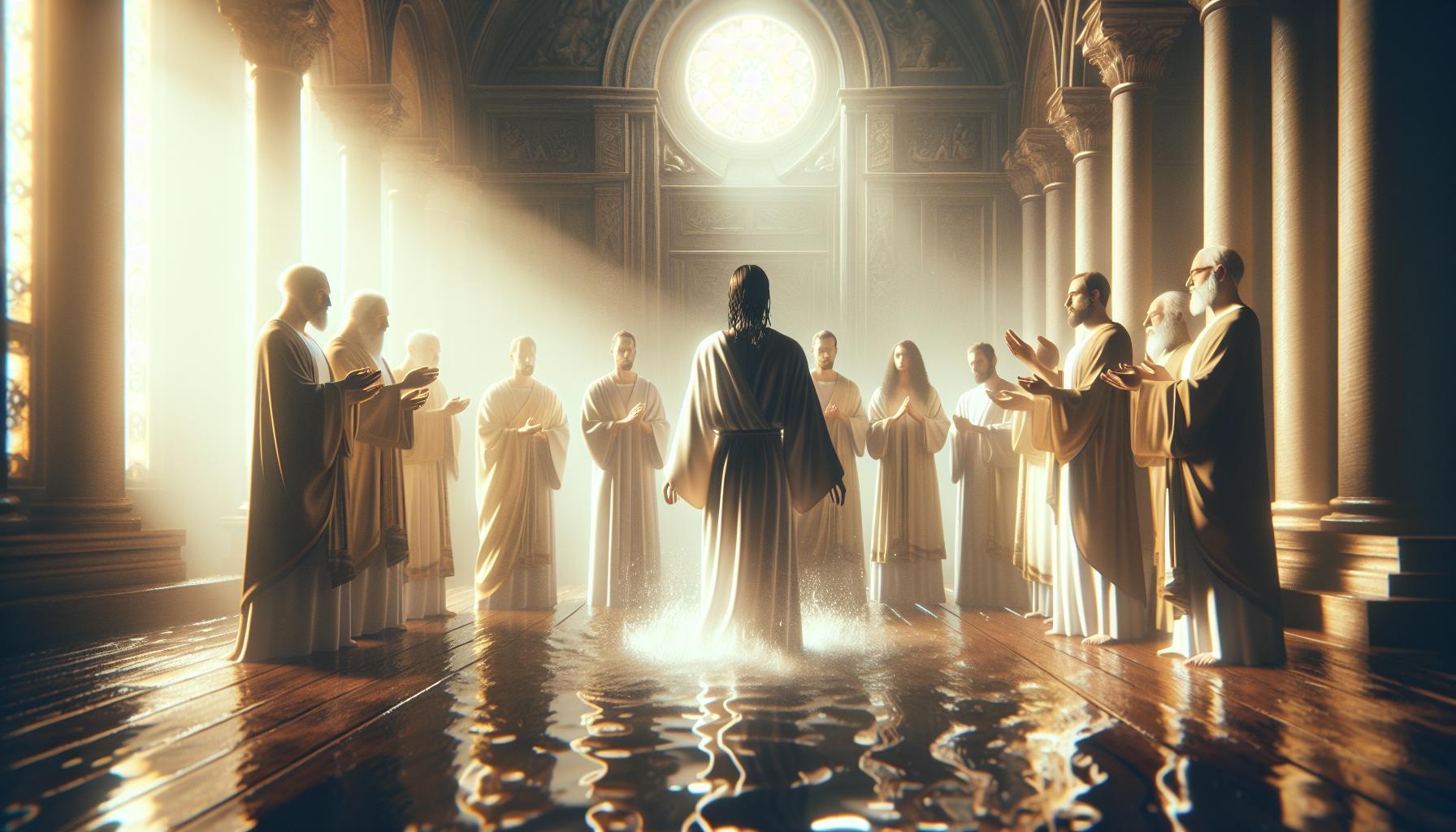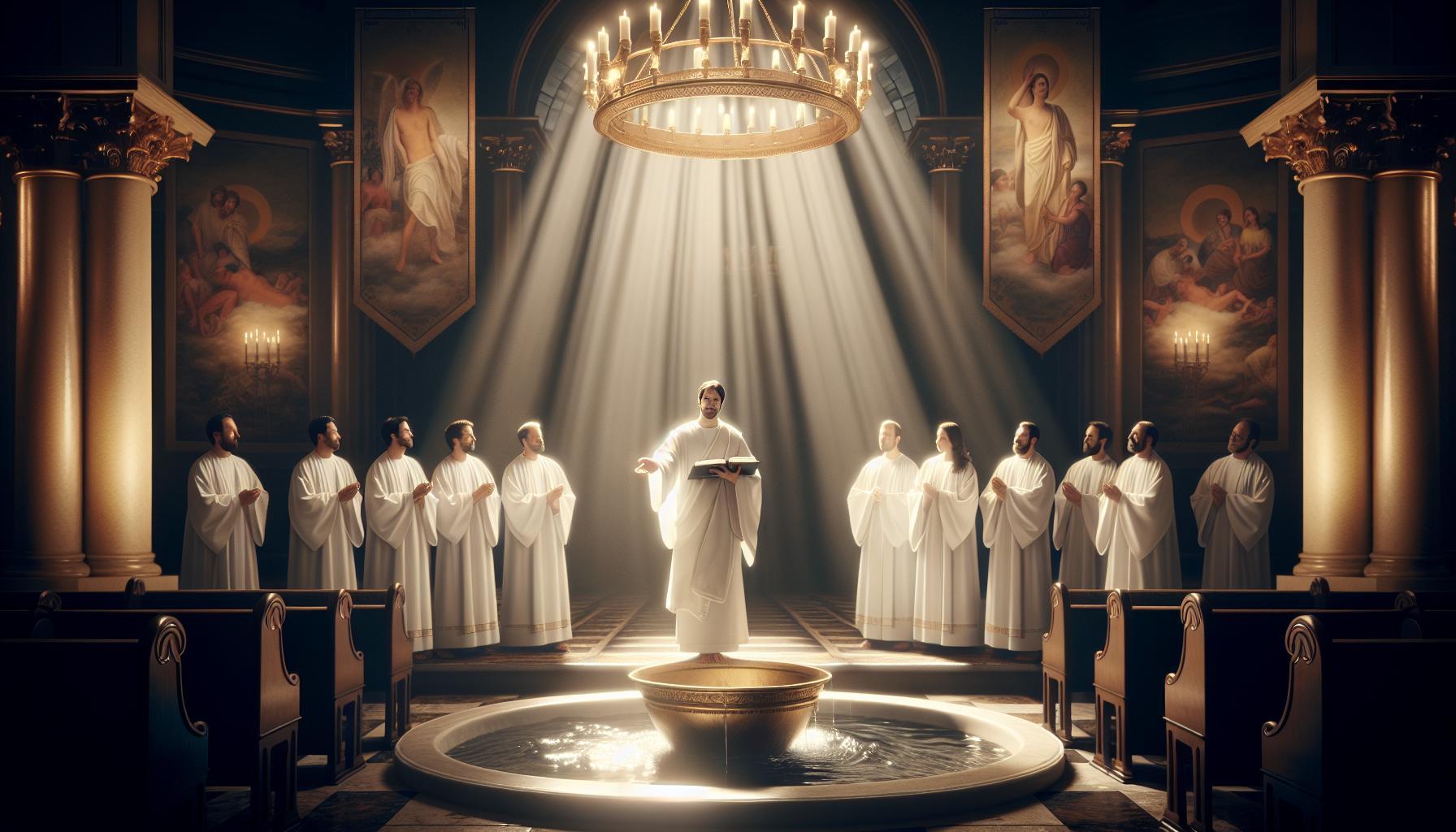

What does it mean to experience Holy Ghost Baptism, and why is it a cornerstone of Pentecostal spirituality? This transformative encounter empowers believers, igniting their faith and equipping them for service. Understanding its biblical roots and significance can deepen your spiritual journey, making this exploration essential for anyone seeking a vibrant relationship with God.
Understanding the Concept of Holy Ghost Baptism
The experience of Holy Ghost Baptism represents a pivotal moment in the spiritual journey of many believers, particularly within Pentecostal circles. This event is not merely a ritual; it embodies a profound spiritual awakening and empowerment that transforms an individual’s relationship with God, as well as their ability to serve within the church and community. Understanding this concept involves delving into both its biblical foundation and the personal experiences shared by those who have undergone this transformative encounter.
Scriptural Foundation of Holy Ghost Baptism
Holy Ghost Baptism is closely linked to key passages in the New Testament, where the promise of the Holy Spirit is a central theme.
- Acts 2:4: This verse vividly describes the day of Pentecost when the Holy Spirit descended upon the apostles, enabling them to speak in tongues and boldly proclaim their faith.
- Acts 19:1-7: The encounter with followers of John the Baptist illustrates the importance of receiving the Holy Spirit as an essential continuation of their faith journey.
- 1 Corinthians 12:13: This verse emphasizes how all believers are baptized into one body by the Spirit, highlighting unity and community within the body of Christ.
These passages form the backbone of the theology surrounding Holy Ghost Baptism, affirming that this experience is fundamentally about receiving power for ministry, intimacy with God, and a deeper understanding of one’s spiritual gifts.
The Experience of Holy Ghost Baptism
For many, the experience of Holy Ghost Baptism can manifest in various forms—ranging from an overwhelming sense of peace and joy to physical manifestations such as speaking in tongues or prophetic abilities.
| Common Manifestations | Description |
|---|---|
| Speaking in Tongues | A phenomenon where individuals speak in languages unknown to them, often interpreted as a divine prayer language. |
| Prophecy | The ability to convey messages from God, often involving insight into the future or encouragement for the community. |
| Healing | Instances where individuals experience miraculous physical or emotional healing as a result of prayer and faith. |
| Increased Boldness | A newfound courage to share faith and witness about God’s goodness publicly. |
These experiences not only increase personal faith but also serve to edify the church and reach out to non-believers, demonstrating the transformative power of the Holy Spirit in action.
Ultimately, Holy Ghost Baptism can be understood as a significant work of grace that enhances the believer’s faith and equips them for service, echoing the teachings found throughout the Bible. Through this divine encounter, individuals can expect to deepen their understanding of scripture, grow in character, and actively participate in God’s mission on Earth, thus marking a crucial step in their spiritual life.
The Significance of Baptism in the Pentecostal Tradition
The act of baptism holds profound importance in the Pentecostal tradition, serving as a vital tenet of faith that reflects the believer’s relationship with God and their commitment to a new way of living. For Pentecostals, baptism is not merely a ritual but a significant spiritual experience that symbolizes a transformative journey, often linked with the experience of Holy Ghost Baptism. This connection emphasizes that baptism goes beyond water; it encompasses a profound immersion into the life of the Spirit, aligning with the principles outlined in the article on Holy Ghost Baptism.
Spiritual Cleansing and Renewal
Baptism in the Pentecostal context signifies a spiritual cleansing, an essential precursor to experiencing the fullness of God’s presence. It is believed that through baptism, individuals publicly declare their faith in Jesus Christ and their intent to turn away from sin. This act of obedience is not seen merely as an outward show but as a moment of deep spiritual renewal. Pentecostals often reference scriptures, such as Romans 6:4, to illustrate that just as Christ was raised from the dead, so too are believers raised to a new life through baptism.
- Symbol of Death and Resurrection: Baptism symbolizes dying to the old self and being born anew in Christ.
- Public Confession: It represents an outward declaration of an inner faith transformation.
- Community Integration: Joining the church community and affirming shared beliefs.
The Role of the Holy Spirit
In Pentecostalism, the significance of baptism is deeply intertwined with the work of the Holy Spirit. As outlined in the article on Holy Ghost Baptism, believers expect that the Holy Spirit will not only empower them during the baptism experience but also continually guide their lives thereafter. This expectation is pivotal; it underscores that baptism is not an end point but the beginning of a dynamic relationship filled with spiritual growth and empowerment.
Real-World Application of Holy Ghost Baptism
Examples from the lives of Pentecostals reveal how the experience of Holy Ghost Baptism transforms ordinary lives into extraordinary testimonies of faith. For instance, individuals claim that after their baptism, they have felt an increased sense of purpose, boldness in sharing their faith, or even miraculous experiences such as healing or prophetic insights. Such testimonies affirm the belief that a deeper encounter with the Holy Spirit is possible through baptism and is crucial for effective Christian living.
By embracing the significance of baptism, Pentecostals believe they lay the foundation for a vibrant and ongoing relationship with God, enhanced by the empowering presence of the Holy Spirit, as discussed in the broader context of Holy Ghost Baptism—the lifeblood of the Pentecostal tradition.
Biblical Foundations: Scripture and Holy Ghost Baptism
The concept of Holy Ghost baptism is richly interwoven into the fabric of Christian theology, especially within Pentecostal circles, where it serves as a vital experience that marks a believer’s empowerment for service and witness. Rooted in biblical scripture, this experience is not merely an emotional encounter but a foundational aspect of Christian discipleship that resonates with the promises of both the Old and New Testaments.
Scriptural Basis for Holy Ghost Baptism
At the heart of the Pentecostal understanding of Holy Ghost baptism is a plethora of scripture that underscores its significance. Key passages include:
- Acts 1:4-5 – Jesus instructed His followers to wait for the “promise of the Father,” which was the baptism with the Holy Spirit.
- Acts 2:1-4 – On the Day of Pentecost, the Holy Spirit descended upon the disciples, resulting in speaking in tongues, fulfilling Jesus’ promise.
- Acts 10:44-47 – The Holy Spirit fell upon Gentiles, highlighting that this experience transcends ethnic boundaries and is available to all believers.
- 1 Corinthians 12:13 – This verse explains that all believers, regardless of their background, are baptized into one body by the Spirit.
These verses illustrate not only the promise and fulfillment of the Holy Ghost baptism but also its inclusivity, establishing it as an accessible experience for everyone who believes.
The Role of the Holy Spirit
Understanding the role of the Holy Spirit is crucial for grasping the fullness of Holy Ghost baptism. The Holy Spirit serves multiple functions in the life of a believer:
- Empowerment – Acts 1:8 emphasizes that believers will receive power when the Holy Spirit comes upon them, enabling them to witness effectively.
- Guidance – John 16:13 describes the Spirit as the “Spirit of truth,” who guides believers into all truth.
- Sanctification – Romans 8:26-27 highlights how the Holy Spirit intercedes for believers, helping to shape their character into the likeness of Christ.
These functions not only complement the experience of being baptized in the Holy Ghost but also provide practical applications for daily living, inviting believers to engage actively with the Spirit in their spiritual journey.
Living Out the Experience
To fully embrace the experience of Holy Ghost baptism, individuals are encouraged to seek an intimate relationship with the Holy Spirit through prayer and scripture. Here are some practical steps to facilitate this encounter:
| Step | Description |
|---|---|
| Commit to Prayer | Allocate time each day to pray, inviting the Holy Spirit to fill and guide you. |
| Study Scripture | Focus on passages related to the Holy Spirit to understand His work and promises. |
| Join a Community | Engage with a local church or group that emphasizes the work of the Holy Spirit. |
| Act in Faith | Trust in the Holy Spirit’s empowerment, stepping out in acts of faith in daily life. |
By committing to these actions, believers can cultivate a deeper understanding and experience of Holy Ghost baptism, staying aligned with the teachings found in scripture. Embracing this transformational encounter is essential to living a Spirit-filled life, reflective of the early Church’s fervor and commitment to spreading the Gospel.
Experiencing the Holy Spirit: Testimonies from the Pentecostal Community
The experience of the Holy Spirit is pivotal in the lives of many Pentecostals, often described as a life-transforming event that brings profound joy, strength, and purpose. Countless testimonies within the Pentecostal community highlight how the baptism of the Holy Ghost impacts believers’ lives, lifting them beyond mundane existence to a vibrant relationship with God. These personal stories reflect not just spiritual moments, but also tangible changes in behavior, outlook, and community involvement.
Transformative Encounters
Many believers recount their initial encounters with the Holy Spirit during moments of sincere prayer or worship. For instance, a common narrative shared involves individuals who sought deeper intimacy with God, often feeling a void despite their existing faith. When they earnestly prayed for the baptism of the Holy Ghost, many experienced an overwhelming sense of peace and joy. One testimony comes from Sarah, who described herself as weary and uncertain in her faith journey. “After I prayed for the Holy Spirit to fill me, I felt an indescribable wave of warmth and love wash over me. I knew in that moment I was not alone,” she shared. This transformative experience encouraged her to participate actively in her church community and share her faith with others.
Empowered for Service
Receiving the Holy Spirit is often connected to empowerment for service within the community. From preaching to helping others, many believers report receiving specific gifts that they attribute to this divine encounter. In a survey of Pentecostal attendees, around 70% noted an increase in their willingness to volunteer for church activities and outreach programs following their baptism in the Holy Spirit. For example, Kevin, a former introvert who struggled with public speaking, described how his confidence skyrocketed after his experience. “I found myself not only speaking in tongues but also being able to share God’s word publicly without fear. It was beyond anything I had imagined.”
| Before Holy Ghost Baptism | After Holy Ghost Baptism |
|---|---|
| Struggle with confidence | Increased boldness in sharing faith |
| Lack of spiritual fulfillment | Deepened relationship with God |
| Limited community involvement | Active participation in outreach programs |
The outpouring of the Holy Spirit in various Pentecostal gatherings has been witnessed through remarkable signs and wonders. Many recount miracles occurring – healings, prophetic utterances, and signs that seem to transcend natural understanding. The testimonies collected reflect a community that believes in the active and dynamic presence of the Holy Spirit, reinforcing the biblical basis for their experiences and spiritual fervor. Each story underscores a common thread: the Holy Ghost baptism is not merely a one-time event but an ongoing journey toward a fuller life in Christ.
Distinguishing Between Water Baptism and Holy Ghost Baptism
Understanding the distinction between water baptism and Holy Ghost baptism is crucial for many believers seeking a deeper spiritual experience. While both are significant in the Christian faith, they serve different purposes and symbolize varying aspects of one’s relationship with God. Water baptism, often a rite of passage, signifies the outward manifestation of an inward faith. In contrast, Holy Ghost baptism represents a profound, transformative experience that brings believers into a closer communion with the Holy Spirit.
Water Baptism
Water baptism is typically performed as a public declaration of one’s faith in Jesus Christ. It symbolizes the believer’s identification with the death, burial, and resurrection of Christ. Many see it as an essential step in the faith journey, encouraging both the individual and the community to recognize the commitment being made. The act of immersion in water represents the washing away of sins and the new life that begins through faith.
Key aspects of water baptism include:
- It is an outward expression of inward faith.
- It often involves the use of water as a physical element.
- It is usually performed shortly after an individual accepts Christ.
Holy Ghost Baptism
In contrast, Holy Ghost baptism is understood as an empowering experience where the believer receives the Holy Spirit. This act is often characterized by a heightened sense of divine presence, spiritual gifts, and an increased ability to live a spirit-led life. It is described in various scriptures, including Acts 2, where the apostles received the Holy Spirit during Pentecost, marking a significant moment in Christian history.
Highlights of Holy Ghost baptism include:
- It is an internal and spiritual experience.
- It empowers believers for ministry and service.
- It facilitates a deeper relationship with God through the Holy Spirit.
| Aspect | Water Baptism | Holy Ghost Baptism |
|---|---|---|
| Symbolism | Outward declaration of faith | Spiritual empowerment |
| Element Used | Water | Holy Spirit |
| Timing | After belief in Christ | Subsequent to salvation, often in pursuit of deeper experience |
Embracing both forms of baptism can enrich a believer’s spiritual walk, highlighting their commitment and inviting the Holy Spirit’s divine influence into their lives. Acknowledging the unique roles of each helps individuals grow in faith and experience the fullness of what being a follower of Christ can entail.
The Role of the Holy Ghost in Spiritual Empowerment
The transformative influence of the Holy Ghost is a cornerstone in the lives of Pentecostal believers, often marking the transition from a mere knowledge of faith to an active, empowered experience. Those who undergo Holy Ghost baptism frequently report profound personal changes, reflecting a shift in purpose and an explosion of spiritual fervor. This empowerment not only ignites a passion for ministry but also manifests through tangible signs and gifts, propelling individuals into a deeper relationship with God and a mission to spread His love.
The Empowering Gifts of the Holy Ghost
One of the most notable aspects of the Holy Ghost’s role in spiritual empowerment is the allotment of spiritual gifts. These gifts vary widely and are often cited in the New Testament, particularly in 1 Corinthians 12. They serve to edify the church and promote unity among believers. Here’s a brief overview of some gifts commonly associated with Holy Ghost baptism:
| Spiritual Gift | Description |
|---|---|
| Gift of Prophecy | Speaking forth the mind and counsel of God, often foretelling future events or revealing spiritual truths. |
| Gift of Tongues | Speaking in unlearned languages, a sign of the Holy Spirit’s presence and a tool for prayer and ministry. |
| Gift of Healing | Divinely empowered ability to restore health, reassuring believers of God’s grace and power. |
These gifts not only build up the individual believer but also foster a spirit of collaboration and community within the church as members use their unique abilities to support one another.
Equipping for Ministry
Additionally, the Holy Ghost equips believers for effective ministry. Those filled with the Holy Spirit often find themselves directed toward specific callings and passionate about outreach initiatives. This empowerment is not limited to traditional forms of ministry but can also manifest in daily activities, encouraging believers to share their faith in various spheres of life—whether at work, within families, or in the community.
For instance, a common testimony among those who have experienced Holy Ghost baptism is an increased boldness in sharing their faith. This newfound courage can lead to spontaneous opportunities for evangelism, such as engaging in deeper conversations about spirituality or inviting others to church events.
In practice, individuals seeking to harness the power of the Holy Ghost can engage in prayer, community fellowship, and scriptural study to invite the Holy Spirit’s presence into their lives. Participating in prayer groups or seeking mentorship from spiritually mature believers can also amplify one’s experience, fostering both personal growth and communal empowerment.
Practical Guidance for Receiving the Holy Spirit
To truly understand how to receive the Holy Spirit, it’s essential to grasp the nature of the Pentecostal experience as outlined in the Scriptures. Believers throughout history have testified to transformative encounters with the Holy Ghost, often marked by profound joy, empowerment, and a deep sense of purpose. Each individual’s journey may vary, but certain universal practices and attitudes can facilitate this divine encounter.
Preparing Your Heart
A sincere heart is fundamental when seeking the Holy Spirit. Begin by examining your spiritual walk—confession and repentance are vital. This cleansing process opens the door to a closer relationship with God. Here are a few steps to consider:
- Prayer: Dedicate specific time each day for prayer. Ask God with intention to fill you with His Spirit.
- Fasting: Engaging in fasting can intensify your focus and devotion, creating space for spiritual clarity.
- Scripture Study: Immersing yourself in the Word helps build faith and understanding of God’s promises regarding the Holy Spirit.
By actively seeking to align your life with God’s will, you create an inviting atmosphere for His Spirit to move.
Faith in Action
Receiving the Holy Spirit requires faith—not just in the existence of the Holy Spirit but also in the promises laid out in the Bible. Acts 2:38 emphasizes repentance and baptism in the name of Jesus as prerequisites to receiving the Holy Spirit. Take actionable steps:
| Action Step | Biblical Reference |
|---|---|
| Repentance | Acts 2:38 |
| Water Baptism | Matthew 28:19 |
| Expectation | Luke 11:13 |
Approach this experience with a heart full of expectation. The promise of the Holy Spirit is for every believer, and approaching God with expectancy opens your spirit to receive.
Community and Support
Engaging with a community of faith can provide the encouragement and support necessary as you seek to experience the Holy Spirit. Surround yourself with believers who share your desire for spiritual growth. Joining a Pentecostal church or study group can be incredibly beneficial. Here’s how to connect effectively:
- Participate in Worship: Engage in collective worship where the presence of the Holy Spirit is often most palpable.
- Small Groups: Join a small group focused on the Holy Spirit to share experiences and pray together.
- Mentorship: Seek guidance from more experienced believers who have cultivated a relationship with the Holy Spirit.
Together, these practical steps create an environment conducive to receiving the Holy Ghost baptism. It’s important to remain open, attentive, and perseverant as you navigate this deeply personal and spiritual journey.
Embracing Diversity: Perspectives on Holy Ghost Baptism Across Denominations
Many believers consider the baptism of the Holy Spirit a transformative experience that can deepen their faith and relationship with God. However, interpretations and practices surrounding Holy Ghost Baptism vary significantly across different Christian denominations. This variation not only highlights the rich tapestry of Christian beliefs but also reflects the unique theological frameworks that shape how spiritual gifts, empowerment, and experiences are understood.
Pentecostal Tradition
In the Pentecostal tradition, Holy Ghost Baptism is often viewed as an essential second experience following conversion. This group emphasizes a profound, personal encounter with God, typically accompanied by the evidence of speaking in tongues. For Pentecostals, the experience is not just about receiving the Holy Spirit but also about the empowerment for ministry, as reflected in their active engagement in signs and wonders. This approach fosters a vibrant community where faith manifests through energetic worship, healing, and prophecy.
Evangelical Perspectives
On the other hand, many Evangelical denominations acknowledge the Holy Spirit’s role in a believer’s life but may not emphasize a distinct baptism experience separate from salvation. For them, the focus lies primarily on the transformation that occurs upon accepting Christ, where the Holy Spirit works in believers equipping them for a life of faith and service. As such, speaking in tongues or other charismatic manifestations might be considered secondary, or even unnecessary, to one’s spiritual journey. This perspective creates a traditional understanding of the Holy Spirit, prioritizing scripture and personal relationship over charismatic expressions.
Catholic and Orthodox Views
In Catholicism and many Orthodox churches, the understanding of the Holy Spirit’s work is often linked closely to sacraments, particularly Confirmation. Here, Holy Ghost Baptism is not about a separate experience but rather a completion of the baptismal grace received in infancy or adulthood. Believers are anointed with chrism, inviting them into a deeper relationship with the Holy Spirit, signifying their mission in the church. This sacramental approach places importance on tradition and communal church life, framing the baptism not just as an individual experience but as a pivotal moment in the collective life of the church.
- Pentecostal: Emphasizes a distinct, powerful experience, often evidenced by speaking in tongues.
- Evangelical: Views Holy Ghost Baptism as part of the initial conversion, focusing on inner transformation.
- Catholic/Orthodox: Connects the Holy Spirit’s work with sacraments, emphasizing community over individual experience.
Each of these perspectives emphasizes the significance of the Holy Spirit in the life of the believer, yet they express their essence through varying practices and theological interpretations. Understanding these diverse approaches can foster dialogue and mutual respect among different denominations, illuminating how the core experience of Holy Ghost Baptism can unite believers while celebrating the distinct ways in which faith is expressed.
Faq
What is Holy Ghost Baptism: Pentecostal Experience & Biblical Basis?
Holy Ghost Baptism refers to the experience of receiving the Holy Spirit, often marked by speaking in tongues and heightened spiritual empowerment. It is a significant moment in many Pentecostal communities and is rooted in biblical teachings, especially in the Book of Acts.
This baptism is considered distinct from water baptism and is viewed as a necessity for living a fully empowered Christian life. The experience is typically characterized by an infilling of the Holy Spirit, enabling believers to serve in various spiritual gifts. You can learn more about its implications in the Biblical Basis section of this article.
Why does Holy Ghost Baptism matter in Pentecostal belief?
Holy Ghost Baptism is essential as it signifies the initiation of a deeper relationship with God. It empowers believers to live out their faith with passion and purpose, aligning them with the mission of spreading the Gospel.
In Pentecostal theology, this baptism is seen as both a personal and communal experience, equipping individuals for ministry and church growth. The aftermath of this experience often leads to transformations that contribute positively to communities of faith, igniting a collective zeal for service and outreach.
How to prepare for Holy Ghost Baptism?
Preparing for Holy Ghost Baptism involves prayer, seeking a deeper relationship with Jesus, and being open to the work of the Holy Spirit. Engaging in spiritual practices can help to create a conducive environment for this life-changing experience.
It’s vital to approach this preparation with an open heart, participating in community worship, and studying the Scriptures. This openness not only deepens your understanding but fosters a willingness to receive the gifts the Holy Spirit offers. For more on communal aspects, refer to our section on the role of community.
Can I experience Holy Ghost Baptism without prior Water Baptism?
Yes, one can experience Holy Ghost Baptism without being water baptized first. Though many traditions align these two experiences, they are understood as separate, with Holy Ghost Baptism being a direct encounter with the Holy Spirit.
The Bible presents instances where individuals received the Holy Spirit prior to water baptism. Each believer’s journey is unique, and God’s timing for such experiences varies. This underscores the importance of personal faith and readiness in the pursuit of a devoted spiritual life.
What are the signs of Holy Ghost Baptism?
Common signs of Holy Ghost Baptism include speaking in tongues, prophetic utterances, and a profound sense of peace or joy. These signs are believed to manifest as evidence of the Holy Spirit’s active presence in a believer’s life.
Additionally, recipients may experience heightened spiritual gifts, such as wisdom, healing, and discernment. Such manifestations not only enrich individual faith but also contribute to the edification of the entire church body, making understanding these signs essential for new believers.
Why do some Christians doubt Holy Ghost Baptism?
Doubts about Holy Ghost Baptism often stem from varying denominational teachings and differing interpretations of Scripture. Some Christian communities emphasize different aspects of the faith experience, leading to skepticism regarding charismatic expressions.
It is essential to approach these differences with respect and understanding. Acknowledging that spiritual experiences vary among believers can foster dialogue and unity. Ultimately, the goal remains a closer walk with God and a commitment to living out His purpose for each life.
What is the Biblical basis for Holy Ghost Baptism?
The Biblical basis for Holy Ghost Baptism is primarily found in the Book of Acts, where the Holy Spirit is poured out upon believers, marking the birth of the Church. Key passages include Acts 2:4 and Acts 10:44-46, highlighting the significance of this experience.
These scriptures demonstrate that Holy Ghost Baptism is not only for the early apostles but extends to all who believe. Through these foundational texts, Pentecostal believers affirm their experiences and seek to follow the model set in early Christianity.
In Summary
In conclusion, understanding Holy Ghost Baptism is a journey that merges profound theological insights with experiential spirituality. We have explored its biblical foundations, highlighted its significance within the Pentecostal tradition, and examined its transformative impact on believers’ lives. Whether you are deepening your own faith, seeking to enrich your ministry, or simply curious about this sacred experience, we invite you to continue exploring the rich tapestry of beliefs and practices surrounding Holy Ghost Baptism. Engage with your local faith community, study the Scriptures, and reflect on personal experiences to uncover the beauty and depth of this divine encounter. As you delve deeper, remember that this journey is not just about doctrine, but about cultivating an intimate relationship with the Holy Spirit that empowers, guides, and transforms. Embrace the discussion, and let’s celebrate the diverse expressions of faith that enrich our understanding of this sacred tradition.
Get our latest guides, news, and insights highlighted in your Google Search & AI Overviews.