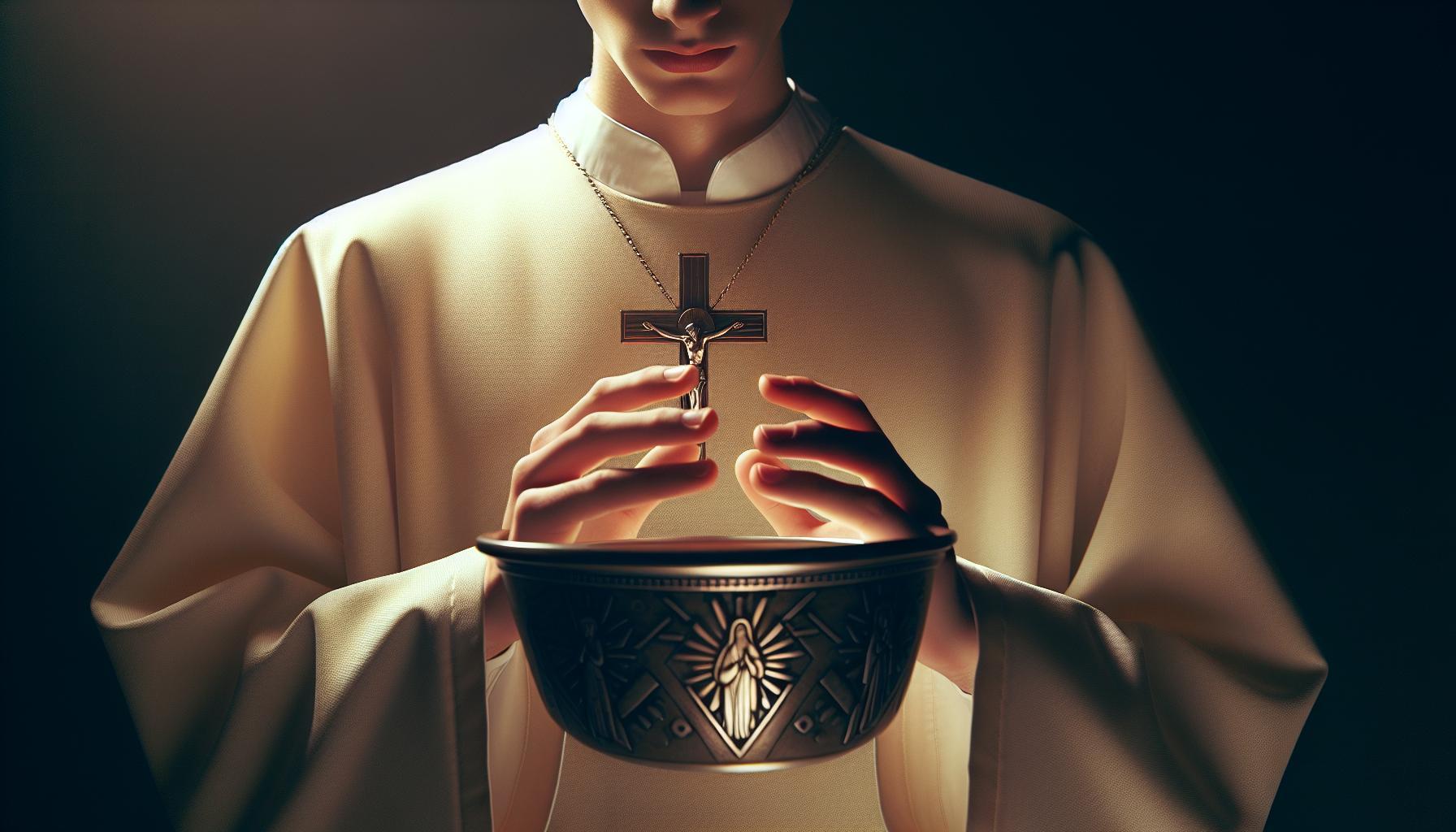

What does it truly mean to be baptized? This sacred rite serves as a cornerstone of faith for many, but understanding its elements and significance is essential for both believers and those curious about spiritual practices. Explore the profound symbols and meanings behind the sacrament of baptism to grasp its transformative power in the journey of faith.
Understanding the Significance of Baptism in Christian Tradition

Baptism stands as one of the most pivotal rites in Christian practice, symbolizing a profound transformation and the cleansing of sins. For many believers and congregations around the world, it represents not just a personal commitment, but also the entry point into a rich tapestry of faith and community. Understanding its importance is essential for both individuals contemplating baptism and those guiding them in this significant spiritual journey.
The Roots of Baptism in Christian Doctrine
From its biblical origins, baptism has been steeped in spiritual significance. The act of immersion or pouring water over an individual signifies more than physical cleanliness; it embodies a spiritual rebirth, echoing the words of Jesus in John 3:5, where He speaks of being “born of water and the Spirit.” In essence, baptism is often viewed through these key lenses:
- Symbol of Purity: Water serves as a powerful symbol of purification, washing away the stain of original sin.
- Initiation into the Faith: Baptism marks an individual’s formal entrance into the Christian community, often celebrated in congregation settings.
- Identification with Christ: The act draws a parallel to Jesus’ own baptism and His death and resurrection, uniting believers with His sacrifice.
Baptism as a Comprehensive Sacrament
In contemplating the sacramental aspects of baptism, it’s essential to recognize its multifaceted nature. It encompasses various sacred elements that each carry their unique meanings. This understanding not only enriches the ritual itself but also deepens the participant’s relationship with their faith.
| Sacred Element | Meaning |
|---|---|
| Water | Represents cleansing, renewal, and the beginning of a new life in Christ. |
| Oil | Sacred unction that signifies the sealing of the Holy Spirit and spiritual strength. |
| Candle | Symbolizes the light of Christ entering the individual’s life, guiding them on their spiritual journey. |
| White Garment | Represents purity and the new identity embraced by the baptized, indicating their rebirth. |
By engaged participation in this sacrament, individuals not only affirm their faith but also connect with a long tradition that spans centuries. This rich historical context is crucial for anyone seeking to understand what the sacraments of baptism mean within the Christian tradition, as it emphasizes community support, divine grace, and personal commitment. Whether viewed as a life-altering experience or a simple act of obedience, the significance of baptism resonates well beyond the moment itself, shaping the believer’s faith journey for years to come.
The Sacred Elements of Baptism: Water, Oil, and More

The significance of baptism extends beyond the act itself, entwining sacred symbols and elements that enrich the spiritual experience. Central to this rite are the elements of water and oil, each holding profound meanings and implications. Understanding these components not only enhances the comprehension of the sacrament but also deepens one’s connection to the traditions and beliefs surrounding baptism.
Water: The Essence of Purification
Water is perhaps the most recognized element in the baptismal rite, symbolizing purification, new life, and the washing away of sin. In many Christian traditions, water represents the cleansing of the soul, allowing the baptized to emerge renewed and innocent.
- Symbol of Life: Water is essential for physical survival, making it a powerful metaphor for spiritual life.
- Biblical References: The act of immersion into water can be likened to the baptism of Jesus in the Jordan River, a pivotal moment that underscores water’s sanctity in religious practice.
- Ritual Practices: Various denominations employ different methods of applying water, from full immersion to sprinkling, each rich with symbolism.
Oil: Anointing of the Holy Spirit
In the context of baptism, oil is used to symbolize the anointing by the Holy Spirit. This sacramental oil, often called chrism, is usually composed of olive oil mixed with fragrant balsam, representing joy and strength.
- Spiritual Empowerment: The anointing with oil signifies the individual’s empowerment by the Holy Spirit, marking them as members of Christ’s body.
- Ritualistic Importance: After being baptized, the faithful are often anointed as a means of sealing the grace they have received, reinforcing their connection to God.
Coining Additional Sacred Elements
While water and oil hold prominent places in baptism, other elements are often included to create a more enriching ceremony:
- White Garment: Symbolizing purity and newness of life.
- Candle: Representing the light of Christ, often given to signify the new life the baptized is invited to lead.
- Community Participation: The presence of family and congregation underscores the communal aspect of faith and support for the newly baptized.
These sacred elements come together to create a meaningful experience during baptism. Their rich symbolism fosters a deeper understanding of the sacrament’s role in one’s spiritual journey. By exploring the foundational components of these traditions, one can appreciate the full depth and impact of the sacrament, enhancing personal faith and communal bonds.
The Symbolic Meanings Behind Baptismal Practices
Baptism, a rite observed in numerous faiths, serves as more than just a traditional ceremony; it embodies profound spiritual truths and sacred connections. Through the lens of what are the sacraments of baptism, we unravel the myriad symbols that accompany these practices, each carrying a unique significance that deepens the believer’s understanding of faith and community.
The Elements of Baptism and Their Symbolic Meanings
Water, oil, and the invocation of names are the fundamental elements associated with baptism, each element steeped in rich symbolism:
- Water: Represents purification and rebirth, symbolizing the washing away of sin and the emergence into a new life in faith. It is often said that just as water is essential for physical life, it is also vital for spiritual renewal.
- Oil: Used in anointing, oil signifies strength and healing. In many traditions, it is seen as the mark of the Holy Spirit, imparting grace and the sealing of belonging to the community of believers.
- Invocation of Names: The invocation of the Trinity during baptism represents the entrance into a relationship with God. It emphasizes community and belonging, as the baptized is welcomed not only into faith but also into the body of the church.
Deepening Understanding with Educational Tools
To fully grasp the significance behind baptismal practices, it can be helpful to use visual aids or structured information formats. The following table provides a quick reference to the sacred elements, their meanings, and the corresponding significance in the practice of baptism.
| Element | Meaning | Significance in Practice |
|---|---|---|
| Water | Purification and Rebirth | Washing away sins, representing new life in Christ |
| Oil | Strength and Healing | Sealing of the Holy Spirit and the empowerment of the believer |
| Invocation of Names | Relationship and Community | Welcoming the individual into the faith community |
These elements, intertwined with the teachings found in “What Are the Sacraments of Baptism? Sacred Elements & Their Meanings,” illustrate the multi-dimensionality of baptism. By understanding these practices at a deeper level, believers can appreciate their faith journey and recognize the transformative power of this sacred sacrament in their lives and communities. Embracing the meanings behind these rituals can inspire a more intentional approach to spirituality, forging stronger connections with both God and fellow believers.
Variations in Baptism: Denominational Perspectives and Practices

Baptism serves as a cornerstone of Christian faith, but its practice varies widely across denominations, each with its own interpretations and rituals. Understanding these differences not only enriches one’s knowledge of Christian traditions but also highlights the diverse expressions of faith within the universal Church. From the sprinkling of water to full immersion, the methods of baptism can reveal much about the theological beliefs of each community.
Catholic Perspectives
In the Roman Catholic Church, baptism is considered one of the sacraments essential for salvation, marking the entry of the individual into the Church. The sacramental nature of baptism signifies the washing away of original sin, with water being a vital element. The typical practice involves the use of holy water, in which the priest sprinkles or immerses the individual, while pronouncing the Trinitarian formula: “I baptize you in the name of the Father, and of the Son, and of the Holy Spirit.”
Protestant Variations
Among Protestant denominations, baptism practices reflect their theological diversity. Here are some notable approaches:
- Baptist: Believers’ baptism is emphasized, where individuals are fully immersed in water, symbolizing their personal faith in Christ and commitment to Him.
- Lutheran: Similar to Catholicism, Lutherans practice both infant baptism and believer’s baptism, using water poured or sprinkled upon the individual.
- Methodist: Methodists may use immersion, pouring, or sprinkling, signifying God’s grace and the covenant relationship established through baptism.
- Quaker: Quakers often refuse traditional baptism, seeing their lives and actions as a reflection of their spiritual commitment rather than an outward sacrament.
Orthodox Traditions
Eastern Orthodox churches practice baptism as a profoundly communal and spiritual event. The process often involves full immersion three times, accompanied by the chanting of hymns, prayers, and sometimes the anointing with chrism (holy oil). This practice reflects the Orthodox view of baptism as both a cleansing ritual and a sacrament of initiation into the Church.
| Denomination | Baptism Type | Key Elements |
|---|---|---|
| Catholic | Infant/Believer’s | Holy Water, Trinitarian Formula |
| Baptist | Believer’s | Full Immersion |
| Lutheran | Infant/Believer’s | Water Sprinkling or Immersion |
| Orthodox | Infant/Believer’s | Full Immersion, Chrismation |
| Methodist | Infant/Believer’s | Immersion, Pouring, Sprinkling |
| Quaker | N/A | Focus on Inner Faith |
By exploring the variations in baptism across different denominations, one can appreciate not only the sacred elements and their meanings but also the rich tapestry of beliefs that bind and differentiate these faith communities. Each tradition contributes to a deeper understanding of the significance of baptism as a sacred rite, signaling both a personal commitment to faith and a shared identity within the broader Christian family.
Preparing for Baptism: A Guide for Candidates and Families
Preparing for baptism is a transformative experience that marks a significant milestone in a believer’s spiritual journey. For candidates and their families, understanding the sacred elements involved can deepen the significance of the ceremony and strengthen their faith. Baptism serves as a public declaration of belief, symbolizing the death, burial, and resurrection of Jesus Christ. As families prepare for this momentous occasion, it can be beneficial to explore the various aspects that contribute to a meaningful baptism experience.
Understanding the Significance
Baptism, rooted in Christian tradition, is not merely a ritual; it represents a covenant relationship with God. This sacred act symbolizes the washing away of sin and the beginning of a new life in Christ. Candidates should reflect on this profound commitment, recognizing that baptism is a declaration of faith and an invitation into a community of believers. Families should foster discussions around the meaning of baptism, allowing candidates to embrace the importance of the sacrament fully.
Practical Steps for Preparation
To prepare for baptism effectively, consider the following actionable steps:
- Educational Sessions: Participate in baptism classes or informational sessions offered by your church. These gatherings provide insights into the sacrament’s meanings and logistics.
- Personal Reflection: Encourage candidates to spend time in prayer and reflection, pondering their personal relationship with God and the reasons for their baptism.
- Choosing a Sponsor: Select a godparent or sponsor who will support the candidate in their faith journey. This person should embody the principles of faith and be a positive role model.
- Family Involvement: Involve family members in the process, discussing the significance of baptism and creating a sense of community around this event.
Logistical Considerations
When preparing for the sacrament of baptism, families should also take into account the practical details surrounding the event. These can include:
| Consideration | Details |
|---|---|
| Date and Time | Coordinate with the church to select a date that accommodates family and friends. |
| Attire | Choose appropriate clothing for the candidate, often white to symbolize purity, and consider outfit coordination with family. |
| Post-Ceremony Celebration | Plan for a celebration, such as a gathering or meal, to honor the occasion and reflect on its significance together. |
Embarking on the journey of baptism invites both candidates and their families to engage deeply with their faith. By understanding the significance of the sacrament and taking actionable, practical steps, this preparation can become a cherished experience, fostering lasting memories and spiritual growth.
The Role of Community in the Baptismal Journey
The journey of baptism is rarely a solitary experience; it is deeply embedded in a community that nurtures spiritual growth and celebrates the sacred transition. This communal aspect emphasizes that baptism is not just an individual act, but a significant entry into a larger fabric of faith where relationships with others play a critical role in the sacrament’s meaning. Families, friends, and congregations unite to support the baptized, ensuring that the journey toward spiritual maturity continues well beyond the baptismal font.
The Supportive Role of Family and Friends
During the preparation for baptism, family and friends are often the first line of support. Their involvement can take many forms, from attending informational sessions on the sacrament to participating in the ceremony itself. This collective engagement allows for shared learning and fosters discussions about the responsibilities that come with this holy sacrament. By encouraging active dialogue and involvement, loved ones help to deepen the understanding of baptism’s significance and its implications in daily life.
- Cultivating an Environment of Faith: Families can create a home environment where discussions about faith and values take center stage, reinforcing the teachings associated with baptism.
- Modeling Spiritual Practices: Parents and guardians can model spiritual behaviors, such as prayer and participation in church activities, instilling a sense of belonging within the faith community.
The Church Community’s Role in Baptism
The church community serves as a welcoming body, embracing the newly baptized and providing a continuous source of support. A parish often celebrates the joyous occasion of baptism with communal rituals and welcomes, reinforcing the idea that the baptized are now active members of a faith community. Church leaders typically play a pivotal role, offering guidance and mentorship that help navigate the spiritual journey post-baptism.
| Aspect of Community Support | Example |
|---|---|
| Mentorship Programs | Assigning a sponsor who guides the newly baptized in their faith journey. |
| Group Activities | Organizing youth groups or Bible study sessions for continued learning. |
| Celebratory Events | Planning a community potluck or gathering to celebrate the baptism. |
In addition to the individual support from family and friends, the actions taken by the church community serve to manifest the core values of belonging and commitment to faith. By participating collectively in the baptismal journey, both the baptized and the community can reflect on the sacred elements of baptism and their meanings, such as water signifying cleansing and renewal. This interconnectedness ensures that every baptism becomes a vibrant testimony of faith, hope, and love within the larger context of a supportive community.
Lifelong Reflections: How Baptism Shapes Spiritual Identity
The act of baptism stands as one of the most profound experiences within the Christian faith, marking a transformative moment in a believer’s spiritual journey. As a sacrament, it represents not just an initiation into the community of faith but also a deepening of one’s identity in relation to God, forming a foundational aspect of how individuals perceive themselves within the wider tapestry of spirituality. The sacred elements associated with baptism, each possessing distinct meanings, play a pivotal role in shaping this identity.
The Symbolism Behind Sacred Elements
Each element involved in the baptismal ceremony carries rich symbolism that contributes to an individual’s spiritual identity. These sacred elements are meant to resonate throughout a lifetime, influencing how believers understand their relationship with the divine. Here are some key components:
- Water: Represents cleansing, renewal, and the washing away of sins. It serves as a reminder of the continual need for spiritual refreshment.
- Oil: Often used in the anointing, symbolizes the Holy Spirit’s presence and empowerment, encouraging believers to embody their faith actively.
- White Garments: Signify purity and being clothed in Christ, highlighting the transformation and new identity one receives after baptism.
- Candle: Represents the light of Christ, guiding the believer’s path and encouraging them to share this light with others.
By internalizing the significance of these elements, individuals can foster a deeper understanding of their spiritual identity, leading to a more committed and fulfilling faith journey.
Life After Baptism: Ongoing Reflection and Growth
The impact of baptism reaches far beyond the moment of immersion; it invites ongoing reflection and spiritual growth. Here are actionable steps individuals can take to cultivate this reflective journey:
- Engage in Regular Prayer: Establish a prayer routine that incorporates reflections on one’s baptism, fostering a continual dialogue with God.
- Participate in Community Life: Get involved in the church community through service, fellowship, and study groups. This reinforces the sense of belonging and shared identity.
- Study Scripture: Delve deeper into biblical passages that discuss baptism and its implications for living a faith-centered life. This promotes a greater understanding of its importance.
- Celebrate Milestones: Acknowledge anniversaries of baptism through personal celebrations or church services, reinforcing the commitment to spiritual growth.
Incorporating these practices allows the essence of baptism to resonate throughout one’s life, continually shaping and enriching spiritual identity. The lifelong reflections prompted by this sacrament not only affirm personal faith but also encourage believers to embody love, compassion, and service—a living testament to the transformative power of their baptism.
Embracing the Call: The Minister’s Role in Baptismal Ceremonies
When it comes to baptismal ceremonies, the presence and influence of the minister are pivotal in shaping the spiritual journey of candidates. The minister not only performs a sacred ritual but also acts as a spiritual guide, bridging the divine promises with the personal commitment of the individuals being baptized. The significance of this role goes beyond the mere act of immersion or sprinkling water; it is a profound moment in the life of the church community and the individual.
The Spiritual Guide in Action
A minister’s responsibility during baptism extends into several essential areas, ensuring that the experience is meaningful for all involved. This includes:
- Preparation: The minister often plays a critical role in preparing candidates for baptism, providing them with a deeper understanding of the sacrament’s significance. This preparation may include classes, counseling sessions, or discussions about faith, allowing participants to grasp the elements of baptism and their meanings.
- Ceremony Leadership: On the day of the baptism, the minister leads the service with dignity and reverence. They articulate the theological foundations of baptism, highlighting its role as a symbol of rebirth and initiation into the Christian faith.
- Community Engagement: The minister emphasizes the communal aspect of baptism, reminding the congregation that they are also part of this sacred act. This connection is vital, as baptism is not only an individual commitment but also a communal celebration.
Connecting Sacred Elements to Personal Faith
Throughout the baptismal ceremony, the minister ensures that the sacred elements—water, oil, and the words of blessing—are integrated into the spiritual narrative of the individual. Each element carries profound significance:
| Element | Meaning |
|---|---|
| Water | Symbolizes purity, renewal, and the washing away of sins. |
| Oil | Represents the anointing of the Holy Spirit and the empowerment of the baptized. |
| Words of Blessing | Affirm the individual’s new identity in Christ and their membership in the Church. |
This careful weaving together of sacred elements and personal faith helps the candidates and witnesses recognize the profound implications of baptism within the broader context of their spiritual lives. By embracing the call to serve in this capacity, a minister not only facilitates a rite of passage but also nurtures a transformative journey towards deeper faith and community belonging.
Frequently asked questions
What Are the Sacraments of Baptism? Sacred Elements & Their Meanings?
Baptism is a sacred Christian sacrament symbolizing the cleansing of sin and initiation into the church. The primary elements include water, oil, and in some traditions, a candle. Each of these elements holds rich spiritual significance and embodies key concepts of rebirth and purification.
The water in baptism represents cleansing and new life, reflecting Christ’s own baptism. Oil may signify the Holy Spirit’s presence and empowerment. Meanwhile, a candle often symbolizes the light of Christ illuminating the newly baptized’s life. Understanding these sacred elements can deepen one’s appreciation of the baptismal rite.
How does baptism signify spiritual rebirth?
Baptism signifies spiritual rebirth by washing away sin and initiating the individual into the Christian fellowship. Through the act of immersion or pouring of water, one is symbolically resurrected to a new life in Christ, fully embraced by God’s love and grace.
This transformation is often referenced in scriptures, such as Romans 6:4, which illustrates how believers are raised to live a new life. Embracing this spiritual renewal is essential for those participating in baptism, as it marks a significant milestone in their faith journey.
Why is water important in baptism?
Water is crucial in baptism because it symbolizes cleansing, purification, and the beginning of new life. It represents the washing away of sins and is a powerful visual of the transformation that occurs when one devotes their life to following Christ.
Through examples in the Bible, such as the baptism of Jesus in the Jordan River, the act of baptism utilizes water as a primary element to express God’s saving grace. This significance adds depth to the understanding of the sacrament and its role in the spiritual journey of believers.
Can I be baptized more than once?
Traditionally, baptism is understood to be a once-in-a-lifetime sacrament. However, some denominations allow for rebaptism if a person has undergone significant spiritual change or has come to a different theological understanding.
It’s important to consult with church leaders about the implications and importance of such an action, ensuring that the experience aligns with one’s personal beliefs. Regardless, the sacrament’s meaning remains deeply rooted in God’s grace and transformative power throughout an individual’s faith journey.
What is the role of godparents in baptism?
Godparents, often chosen by the parents, play a vital role in a child’s spiritual upbringing during baptism. They support the child and family, offering guidance and faith-based mentorship throughout life.
This commitment signifies the broader community’s involvement in the individual’s spiritual development. Godparents are expected to ensure that the baptized embraces their faith, which is fundamental in maintaining the essence of the baptismal covenant within the church community.
What does the oil used in baptism represent?
The oil in baptism represents the Holy Spirit and God’s blessing upon the individual. It signifies an anointing meant to empower and equip the baptized for service in the church and the world.
This ancient tradition, including references from the Bible, emphasizes the importance of the Holy Spirit in guiding one’s faith journey. Understanding the symbolism of oil in baptism reinforces the connection between anointing and divine empowerment, leading to a fulfilled life of service.
How do sacraments differ among Christian denominations?
Sacraments can differ significantly among Christian denominations, with variations in the number and interpretation. While most traditions recognize baptism and communion, the understanding of their significance and practice can vary widely.
For example, the Catholic Church views baptism as essential for salvation, while many Protestant groups view it primarily as a public declaration of faith. This diversity reflects the richness of Christian traditions and emphasizes the importance of understanding individual belief systems within the broader scope of Christianity.
In Conclusion
In wrapping up our exploration of the sacraments of baptism, we’ve journeyed through the sacred elements and their profound meanings. From the cleansing nature of water to the anointing of the Holy Spirit, each aspect reflects a rich tapestry of faith and tradition that transcends denominational boundaries.
Understanding these elements not only enhances our appreciation of the ritual but also invites deeper engagement with our spiritual communities. Whether you’re preparing for baptism, mentoring others in their faith journey, or simply seeking to enrich your own understanding, these insights can foster meaningful conversations and connections.
We encourage you to reflect on how these sacred traditions manifest in your own life and community. Dive deeper into the practices that resonate with you, participate actively in discussions, and explore resources that expand your theological understanding. Embrace the call to nurture your faith and share it generously with others. Together, may we all grow in grace and understanding as we honor these sacred rites.
Get our latest guides, news, and insights highlighted in your Google Search & AI Overviews.