In a world rich with diverse religious beliefs, the question of whether baptism is essential can lead to profound reflection and debate. Understanding its significance helps clarify faith, community, and personal commitment. This exploration delves into the core beliefs surrounding baptism, its role in spiritual life, and what it truly means for believers today.
Understanding the Significance of Baptism in Christian Faith
In the heart of Christian belief lies a practice that has shaped the spiritual journey of millions: baptism. This sacred rite, often seen as an initiation into the faith, carries profound significance and has sparked discussions about its necessity and impact on salvation. For many believers, baptism is not merely a ritual; it serves as a powerful testament to one’s faith, symbolizing purification, renewal, and a commitment to follow Christ.
The Symbolism Behind Baptism
Baptism serves multiple roles within the Christian community, and understanding its deep-rooted symbolism can enhance one’s appreciation for this essential rite. Here are some key aspects of baptism:
- Identification with Christ: Immersion in water is reminiscent of Jesus’ own baptism and His sacrificial death. It signifies the believer’s identification with Christ in His death and resurrection.
- Repentance and Forgiveness: Baptism represents a decisive act of repentance, symbolizing the washing away of sins and the beginning of a new life in Christ.
- Admission into the Church: It is often viewed as a rite of passage that welcomes individuals into the Christian community, affirming their commitment to live in accordance with God’s teachings.
Theological Perspectives on Necessity
The question of whether baptism is necessary for salvation varies widely among different Christian denominations. While some argue that baptism is an essential step in the journey of faith as outlined in passages like Matthew 28:19-20, others believe that it is not the act of baptism itself that saves, but rather one’s faith in Jesus Christ. Below is a simplified comparison of views from various traditions:
| Denomination | View on Baptism |
|---|---|
| Roman Catholic | Baptism is necessary for salvation, believed to cleanse original sin. |
| Baptist | Baptism is an important act of obedience but not essential for salvation. |
| Methodist | Sees baptism as a means of grace, important but not the sole requirement for salvation. |
| Evangelical | Emphasizes faith over ritual; baptism is an important public declaration of faith. |
The Personal and Community Impact
Going beyond the theological debates, baptism holds immense personal and communal significance. For many, it marks a transformative moment in their spiritual journey, providing a sense of belonging within the church. Participating in baptisms can strengthen community bonds, as congregations come together to witness and celebrate a new member’s commitment. This shared experience fosters a supportive environment, encouraging both the newly baptized and the congregation to grow in their faith.
Engaging in the rite of baptism is not just a tradition; it serves as a reminder of the ongoing journey of transformation that every believer is invited to embark upon. By recognizing the richness of this sacrament, individuals can deepen their understanding of their faith and their relationship with the community, ultimately asking themselves: “Is baptism necessary in my own spiritual walk?”
Historical Perspectives: How Baptism Has Evolved Over Centuries
The practice of baptism is steeped in centuries of tradition, bubbling with significance and the weight of cultural evolution. From its roots in ancient rituals of purification to its current forms within diverse Christian denominations, baptism illustrates the complex interplay between faith, community, and societal values. Understanding how baptism has evolved can provide insights into the essential beliefs surrounding it, particularly the question of whether baptism is necessary for spiritual life.
Early Interpretations
In the early days of Christianity, baptism emerged as a profound symbol of initiation into the faith. It was modeled after the Jewish practice of ritual washing, representing purification and a fresh start. John the Baptist famously baptized Jesus in the Jordan River, which signified not just a personal renewal but the beginning of a new covenant with God. This act laid down the foundational belief that through baptism, individuals could publicly declare their faith and signify their acceptance into the Christian community.
As Christianity spread across the Roman Empire, different interpretations and practices evolved. The emergence of infant baptism during the 2nd century represented a significant shift, as families began to initiate their children into the faith at birth. This practice was grounded in the belief that original sin could be washed away through the sacrament, hence emphasizing the necessity of baptism as a path to salvation.
The Middle Ages to the Reformation
During the Middle Ages, baptism became deeply intertwined with cultural and ritualistic practices, serving not only as a religious act but also as a social event.
- Medieval Theology: Scholars such as Augustine of Hippo argued for the theological necessity of baptism, stating it was essential for salvation.
- Ritual Practices: The ceremony involved multiple components, including anointing with oil, white garments, and the candle lighting, further emphasizing its importance.
- Church Authority: The Church held significant authority in dictating baptismal practices, leading to various local traditions.
The Reformation in the 16th century spurred a critical reassessment of baptism. Reformers like Martin Luther advocated for a return to biblical principles, emphasizing faith over ritual. This period introduced significant debates over the meaning and necessity of baptism, leading to the emergence of different beliefs. While some denominations reaffirmed infant baptism as essential, others, such as the Baptists, argued for believer’s baptism, contending that one must consciously accept faith before undergoing the sacrament.
Modern Perspectives and Variations
In contemporary times, the practice and understanding of baptism have diversified even further. Various denominations interpret its significance differently, leading to a patchwork of beliefs:
| Denomination | Baptism Practice | View on Necessity |
|---|---|---|
| Roman Catholic | Infant baptism | Necessary for salvation |
| Orthodox | Infant baptism with chrismation | Essential for initiation into the Church |
| Protestant (Lutheran) | Infant baptism | Important but faith-driven |
| Baptist | Believer’s baptism | Not necessary for salvation, but an act of obedience |
Each of these perspectives reflects deeper theological principles and cultural contexts, showing that the question of *Is Baptism Necessary? Exploring Essential Beliefs* remains complex and nuanced. As scholars continue to explore these varying interpretations, baptism serves as a reminder of the ongoing dialogue within Christianity about faith, identity, and community belonging. As believers navigate these discussions, they are encouraged to reflect on the significance of baptism in their own spiritual journeys.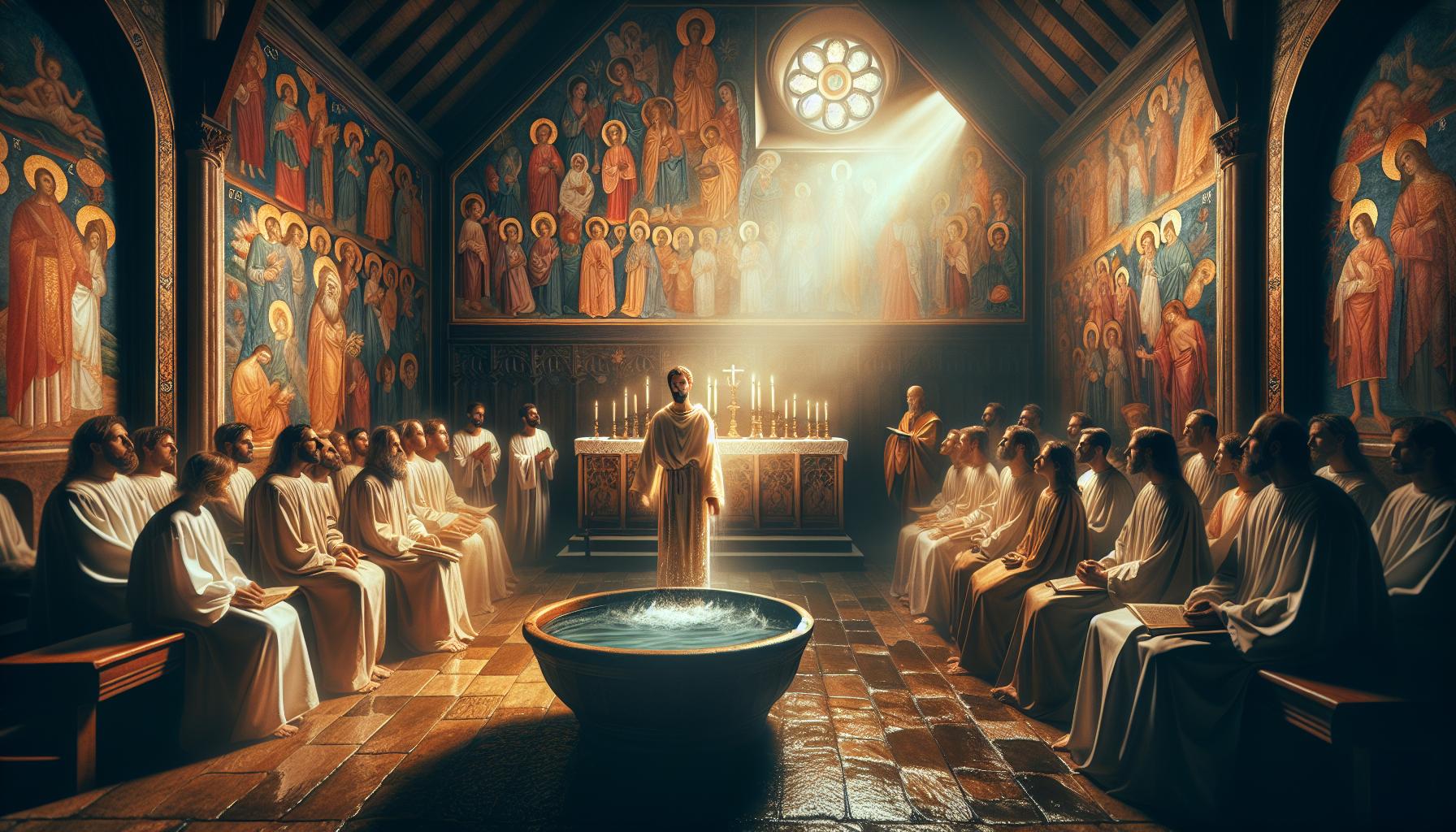
Theological Insights: The Role of Baptism in Salvation
Understanding the theological significance of baptism as an integral aspect of salvation can profoundly influence one’s spiritual journey. While many believers across various denominations adhere to different views on the necessity of baptism, a common thread intertwines most Christian teachings: its vital role in the journey of faith. This sacred act is not merely a ritual but a profound statement of identity and transformation.
Significance of Baptism in Various Christian Traditions
Baptism’s role in salvation is viewed diversely across Christian denominations, leading to rich discussions and theological inquiries. Here are some essential insights:
- Symbol of Obedience: For many, baptism is an act of obedience to the command of Jesus Christ, fulfilling His directive described in Matthew 28:19-20, known as the Great Commission.
- Public Declaration: It serves as a public proclamation of one’s faith, symbolizing a believer’s commitment to a new life in Christ, as referenced in Romans 6:4, which speaks about being buried and raised with Jesus.
- Cleansing of Sin: Various interpretations suggest that baptism signifies the washing away of sins, drawing on texts like Acts 2:38, which emphasizes repentance and baptism for the forgiveness of sins.
Baptism as Part of the Salvation Process
While different faith communities may place varying emphasis on baptism, the underlying consensus is that it plays a significant role within the larger framework of salvation. This can be summarized in the following key points:
| Belief | Description |
|---|---|
| Faith and Repentance | Baptism is not the sole means of salvation but is inextricably linked to faith and repentance, reinforcing the need for a genuine heart transformation. |
| Community and Identity | Baptism incorporates the believer into the larger body of Christ, establishing a community connection that nurtures spiritual growth. |
| God’s Grace | Many traditions see baptism as a means of receiving God’s grace, acknowledging the importance of divine assistance in the journey of faith. |
In contemplating the question, “Is Baptism Necessary? Exploring Essential Beliefs,” it becomes apparent that while the act of baptism is saturated with theological significance, it is ultimately part of a broader narrative of grace, faith, and community that shapes a believer’s relationship with God. This understanding invites individuals to not only explore the concept of baptism but also to embrace its transformative power in the context of their personal faith journeys.
Different Denominational Views on Baptism’s Necessity
In the world of Christianity, baptism represents more than just a ritual; it signifies a believer’s initiation into faith and community. However, there are significant differences among various denominations regarding whether baptism is essential for salvation. This diversity reflects the broader theological perspectives that shape each tradition’s beliefs and practices. As we explore these different denominational views, we can understand how each interprets the pivotal question: Is baptism necessary?
Roman Catholicism
In Roman Catholic doctrine, baptism holds a crucial place as the sacrament that marks the beginning of a person’s life in Christ. According to Catholic belief, baptism is necessary for salvation as it removes original sin and incorporates the individual into the Church. The Catechism of the Catholic Church emphasizes that while God’s mercy can reach those who, through no fault of their own, are unaware of the gospel, the normative teaching remains that baptism is the ordinary means of salvation.
Protestant Views
Protestant denominations exhibit a broad spectrum of beliefs regarding baptism’s necessity:
- Baptist Churches: Most Baptist congregations assert that baptism is an important act of obedience that follows one’s personal decision to accept Christ. They believe it symbolizes a public declaration of faith rather than a prerequisite for salvation.
- Lutheran Churches: Lutherans view baptism as essential for salvation, echoing the Catholic position, but emphasize God’s grace rather than human action in the process of salvation.
Methodists see baptism as a significant step in the journey of faith but maintain that salvation is ultimately a matter of grace through faith; therefore, like Baptists, they do not consider it strictly necessary for salvation.
Non-Denominational and Evangelical Perspectives
Many non-denominational and evangelical groups tend to emphasize a personal relationship with Jesus as the core of salvation. Here, baptism is often taught as an important form of obedience that follows faith but is not labeled as necessary for salvation. This perspective aligns more closely with the belief in faith alone (sola fide) for salvation, suggesting that while baptism is strongly encouraged, it does not determine one’s eternal destiny.
Comparison Table of Denominational Views on Baptism
| Denomination | View on Baptism’s Necessity | Key Focus |
|---|---|---|
| Roman Catholic | Essential for salvation | Removes original sin |
| Baptist | Not necessary for salvation | Symbol of faith |
| Lutheran | Necessary for salvation | God’s grace |
| Methodist | Not strictly necessary | Grace through faith |
| Non-Denominational | Not necessary for salvation | Personal faith |
Each of these denominational stances offers a lens through which believers view the act of baptism. Whether seen as essential, significant, or symbolic, baptism remains a deeply meaningful practice, rooted in scripture and tradition, fostering a sense of identity and belonging within the Christian community. Understanding these perspectives not only enriches one’s knowledge of Christian beliefs but also sheds light on the diverse ways that faith is expressed across the global Church.
Examining Scriptural Foundations for Baptism Practices
To explore the rich tapestry of beliefs surrounding baptism, one must first delve into the scriptural foundations that inform diverse practices across various Christian communities. The question of whether baptism is necessary has sparked lively discussions for centuries, with each denomination offering unique interpretations rooted in biblical texts. Understanding these foundations is key to contemplating the importance of baptism in one’s spiritual journey.
Key Scriptural References
The New Testament alone provides a plethora of verses that underscore the significance of baptism. Here are some pivotal scriptures often cited in discussions about the necessity of this rite:
- Matthew 28:19-20: In what is known as the Great Commission, Jesus commands His disciples to “go therefore and make disciples of all nations, baptizing them in the name of the Father and of the Son and of the Holy Spirit.” This mandate underscores the importance of baptism as an initiation into the Christian faith.
- Acts 2:38: Peter’s exhortation to “repent and be baptized every one of you in the name of Jesus Christ for the forgiveness of your sins” connects baptism explicitly with repentance and forgiveness, suggesting its critical role in the believer’s journey.
- Romans 6:4: Paul writes about being buried with Christ through baptism, emphasizing its symbolic function in representing death to sin and rebirth in a new life—a transformative act that is both physical and spiritual.
Each of these passages contributes to the mosaic of beliefs about baptism, illustrating its multifaceted nature and the diverse interpretations that arise from them.
Diverse Practices and Beliefs
Baptism practices vary widely among denominations, influenced by these foundational scriptures. For instance:
| Denomination | View on Baptism | Method of Baptism |
|---|---|---|
| Roman Catholic | Sacramental and necessary for salvation | Infant baptism (pouring or sprinkling) |
| Baptist | Symbolic and for believers only | Adult baptism (full immersion) |
| Methodist | Grace-infused; can be performed on infants or adults | Sprinkling or pouring |
| Pentecostal | Important for spiritual empowerment, often following an emotional conversion | Full immersion |
This table clearly illustrates the distinctive beliefs and practices around baptism, reflecting how interpretations from scripture have shaped community traditions and theological stances.
In navigating these scriptural foundations, it’s essential for individuals to reflect on their own beliefs about baptism and consider how these scriptures resonate with their faith journey. Engaging with the Bible personally and participating in communal discussions can deepen one’s understanding of this crucial sacrament, aiding in the discernment of its necessity in their life and spiritual growth.
Practical Implications: Preparing for Baptism in Today’s Context
In a world where spiritual beliefs and practices often intertwine with cultural identity, baptism remains a significant rite of passage for many faith traditions. Understanding the nuances of preparing for baptism today requires individuals to examine their own spiritual journeys and the implications of this important sacrament. As the question of “Is Baptism Necessary? Exploring Essential Beliefs” resonates within congregations and families alike, here are practical ways to approach the baptism process in today’s context.
Understanding the Significance of Baptism
Before embarking on the journey toward baptism, it is crucial to grasp its deeper meaning. For many, baptism signifies a public acknowledgment of faith, a commitment to live according to spiritual principles, and a desire to be welcomed into a community of like-minded believers. To prepare adequately, consider:
- Personal Reflection: Spend time in prayer and meditation to clarify your beliefs and intentions regarding baptism.
- Study Scripture: Engage with biblical texts that discuss baptism, such as Acts 2:38-41 or Romans 6:3-4, and how they shape your understanding.
- Community Involvement: Attend church services or group discussions to experience the community aspect of faith and what baptism means to others.
Involve Family and Mentors
Baptism is often not just an individual decision but also a family and community event. It’s beneficial to involve those who have played significant roles in your spiritual development. Here’s how you can engage them in the process:
- Discuss with Family: Share your baptism plans with family members to gauge their thoughts and feelings, ensuring a supportive environment.
- Seek Guidance from Mentors: Identify a trusted spiritual mentor or pastor who can provide insight and counsel as you prepare for baptism.
- Plan a Celebration: Consider organizing a post-baptism celebration with loved ones to honor this milestone, reinforcing community ties.
Logistical Considerations for the Ceremony
Preparing for the baptism ceremony itself involves various logistical elements that should not be overlooked. Here’s a straightforward checklist to keep in mind:
| Logistical Aspect | Action Steps |
|---|---|
| Choose a Date | Coordinate with your church to set a date for the baptism service. |
| Select a Venue | Whether at a church, a river, or a pool, make arrangements for the location. |
| Prepare Attire | Pick suitable clothing—traditional gowns, swimwear, or beach attire, depending on the style of baptism. |
| Invite Attendees | Create invitations for family and friends to join in your sacred commitment. |
By embracing the layers of meaning behind baptism and preparing practically for the event, individuals can approach this rite of passage with confidence and clarity. In doing so, they not only answer the reflective query of “Is Baptism Necessary? Exploring Essential Beliefs” through a personal lens but also strengthen their spiritual foundation in a supportive community.
Beyond the Water: The Transformative Power of Baptism
In many faith traditions, baptism stands as a pivotal rite of passage, symbolizing a profound transformation that goes far beyond water immersion. This sacred act represents a believer’s commitment to their faith and initiates them into a community enriched by shared beliefs and values. The question that arises, particularly for those exploring core beliefs about faith, is: why is baptism so essential in spiritual journeys?
Layered Meanings and Spiritual Significance
At its heart, baptism serves as a powerful metaphor for rebirth and renewal. Here are some profound meanings attached to this transformative act:
- Symbol of Cleansing: Water is a universal symbol of purification, representing the washing away of sins and a fresh start in life.
- Public Declaration: It allows individuals to publicly declare their faith, marking a significant commitment that can encourage and inspire others.
- Community Connection: Through baptism, individuals are welcomed into a community of believers, fostering connections that support personal growth in faith.
These layered meanings underline why baptism transcends its physical act, signifying a multidimensional transformation in an individual’s spiritual walk.
Real-World Impact of Baptism
The transformational power of baptism is evident not just in religious contexts but also in personal lives, fostering a sense of belonging and identity within communities. For instance, many people recount how their baptism marked a turning point in their life, providing them with renewed purpose and clarity. Here are some ways baptism can leave an indelible mark:
| Impact of Baptism | Examples |
|---|---|
| Increased Faith | Many report stronger connections with their beliefs post-baptism. |
| Enhanced Community Sense | Baptism often leads to deeper social bonds and support networks. |
| Empowerment and Confidence | Participants often feel emboldened to share their faith with others. |
Embracing baptism can facilitate a transformative journey, enabling individuals to step into a new identity imbued with purpose and community spirit.
Taking the Next Steps
For those contemplating the significance of baptism in their own lives, consider these actionable steps:
- Reflect: Take time to contemplate what baptism means to you personally. How do you view faith, belonging, and commitment?
- Engage with Your Community: Talk to members of your faith community about their experiences and insights regarding baptism.
- Seek Guidance: If you are unsure, reaching out to a pastor or spiritual leader can provide clarity and support.
Exploring the essential beliefs surrounding baptism can lead to a deeper understanding of its transformative power. It not only marks a new beginning but fosters connections that encourage ongoing spiritual growth and community support.
Supporting Others: Guiding Friends and Family Through Baptism
Supporting loved ones during significant spiritual milestones can foster deeper bonds and understanding. Baptism, while a deeply personal experience, often generates questions and emotions among friends and family. Many wonder, “Is baptism necessary?” as they seek to navigate the essential beliefs surrounding this rite of passage. Your role in guiding them can make a lasting impact, providing support that aligns with their beliefs and values.
Understanding Their Journey
The first step in supporting someone through the baptism process is to understand their motivations and beliefs. Each individual’s relationship with faith is unique; therefore, having open discussions about why they view baptism as important or necessary can help you provide tailored support. Here are some aspects to consider:
- Spiritual Significance: Learn what baptism signifies for them, such as a commitment to faith or a desire for spiritual growth.
- Religious Background: Understand their religious traditions and how baptism fits into their belief system.
- Personal Stories: Encourage them to share personal experiences or influences that have led to their decision to be baptized.
By listening and engaging in these conversations, you create a safe space for them to express their thoughts and feelings, ultimately helping them solidify their decision.
Providing Practical Support
Once you comprehend their journey, practical support becomes essential. Helping with logistics, preparation, or even emotional encouragement can make the baptism experience more meaningful. Here are actionable steps to consider:
- Assist with Preparations: Participate in planning the baptism ceremony, such as helping to choose a venue, selecting godparents, or organizing the reception.
- Understand the Ritual: Familiarize yourself with the specific practices associated with their baptism. This knowledge can be valuable during family discussions and ceremonies.
- Celebrate Their Commitment: Create a memorable celebration, whether it’s a small gathering or a larger event, to honor their commitment to faith.
This involvement not only alleviates stress but also reinforces your relationship and shows that you value their spiritual journey.
Encouraging Ongoing Faith Engagement
Support doesn’t stop at the baptism ceremony; it’s important to encourage continuous engagement with their faith afterward. Here are ways to help your loved one maintain their spiritual growth:
- Join Them in Worship: Attend religious services together, fostering community and shared experience.
- Offer Resources: Share books, articles, or podcasts that discuss essential beliefs related to baptism and faith development.
- Participate in Study Groups: Encourage joining study groups or community services that align with their spiritual journey, promoting deeper learning and connection.
Supporting someone through their baptism is about more than just the event itself; it’s about walking alongside them on their spiritual path, reinforcing the idea that baptism is a significant step in a lifelong journey of faith and exploration.
Q&A
Is Baptism Necessary? Exploring Essential Beliefs?
Baptism is often viewed as a critical sacrament in many Christian denominations, symbolizing faith commitment and spiritual rebirth. However, interpretations vary—some see it as essential for salvation, while others believe it’s a significant but not mandatory practice.
Understanding the role of baptism involves delving into various theological perspectives. For some faith communities, it serves as an outward sign of an inward change, while for others, it is necessary for entering into a covenant with God. Explore more about baptism’s theological implications in our detailed article.
What does the Bible say about baptism?
The Bible emphasizes baptism as an important step in the Christian faith, as seen in scriptures like Matthew 28:19-20 and Acts 2:38. These passages highlight its significance in the believer’s journey and obediently fulfilling Christ’s command.
Many Christians view baptism as an act of obedience that reflects a personal decision to follow Jesus. Different denominations interpret its relevance for salvation diverse slightly, but all recognize its importance as a public declaration of faith.
Can I be saved without baptism?
Many theologians argue that while baptism is vital, salvation ultimately comes through faith in Jesus Christ. This debate often centers around beliefs in grace, with some asserting that faith alone can lead to salvation, independent of baptism.
For example, the thief on the cross exemplified this in Luke 23:39-43, receiving Jesus’ promise of paradise without being baptized. This suggests that while baptism enriches one’s faith journey, it is not the singular gateway to salvation.
Why is baptism considered a sacrament?
Baptism is termed a sacrament to signify its role as a sacred ritual that embodies God’s grace and reflects a community’s commitment to faith. It serves as a vital spiritual milestone for believers.
In many Christian traditions, sacraments are outward signs of inward grace. Baptism symbolizes the washing away of sins and entry into the Christian community. This act fosters a sense of belonging, cementing the individual’s relationship with God and the church.
What are the different types of baptism?
There are primarily three types of baptism practiced within Christianity: infant baptism, believer’s baptism, and spirit baptism. Each holds distinct meanings and reflects different theological interpretations.
Infant baptism, commonly practiced in denominations like Catholicism, signifies God’s grace bestowed upon children. In contrast, believer’s baptism—performed by immersion—emphasizes a conscious decision to follow Christ. Spirit baptism refers to receiving the Holy Spirit, evident in the life of a believer post-baptism.
How should I prepare for baptism?
Preparation for baptism often involves spiritual reflection and discussions with church leaders regarding its significance and implications. Many churches encourage candidates to understand the meaning of their commitment through teachings and personal study.
Additionally, prayer and a desire for spiritual growth are crucial during this process. Engaging in community study or pre-baptism classes often provides greater insight and support as individuals consider this important step in their faith journey.
Is baptism necessary for children?
The necessity of baptism for children is a point of discussion among various churches. Some traditions believe in infant baptism as a means of grace, while others advocate for only baptizing individuals who can comprehend and declare their faith.
For those who support infant baptism, it signifies inclusion in the covenant community. Conversely, proponents of believer’s baptism argue that it should follow personal faith and understanding. This debate encourages parents to reflect on their beliefs and engage in important discussions with their faith community.
In Summary
As we conclude our exploration of the essential beliefs surrounding baptism, we’ve journeyed through its rich theological significance and diverse interpretations across denominations. We’ve examined biblical foundations, the symbolism of new life, and the communal aspect of this sacred tradition. It is clear that baptism, whether viewed as a necessary rite or a powerful symbolic act, holds profound meaning within the fabric of faith communities.
We encourage you to reflect on the insights shared and consider how they resonate with your own beliefs and practices. For those engaged in baptism and preaching ministries, these discussions can serve as a valuable resource for fostering understanding and inclusivity among congregants.
We invite you to delve deeper into this topic—whether through personal study, dialogue with fellow believers, or further exploration of theological resources. Engaging with the diverse perspectives on baptism can enrich your faith journey and deepen your connections within the broader faith community. Thank you for joining us in this meaningful conversation; may it inspire you to continuously seek understanding and growth in your spiritual life.
Get our latest guides, news, and insights highlighted in your Google Search & AI Overviews.