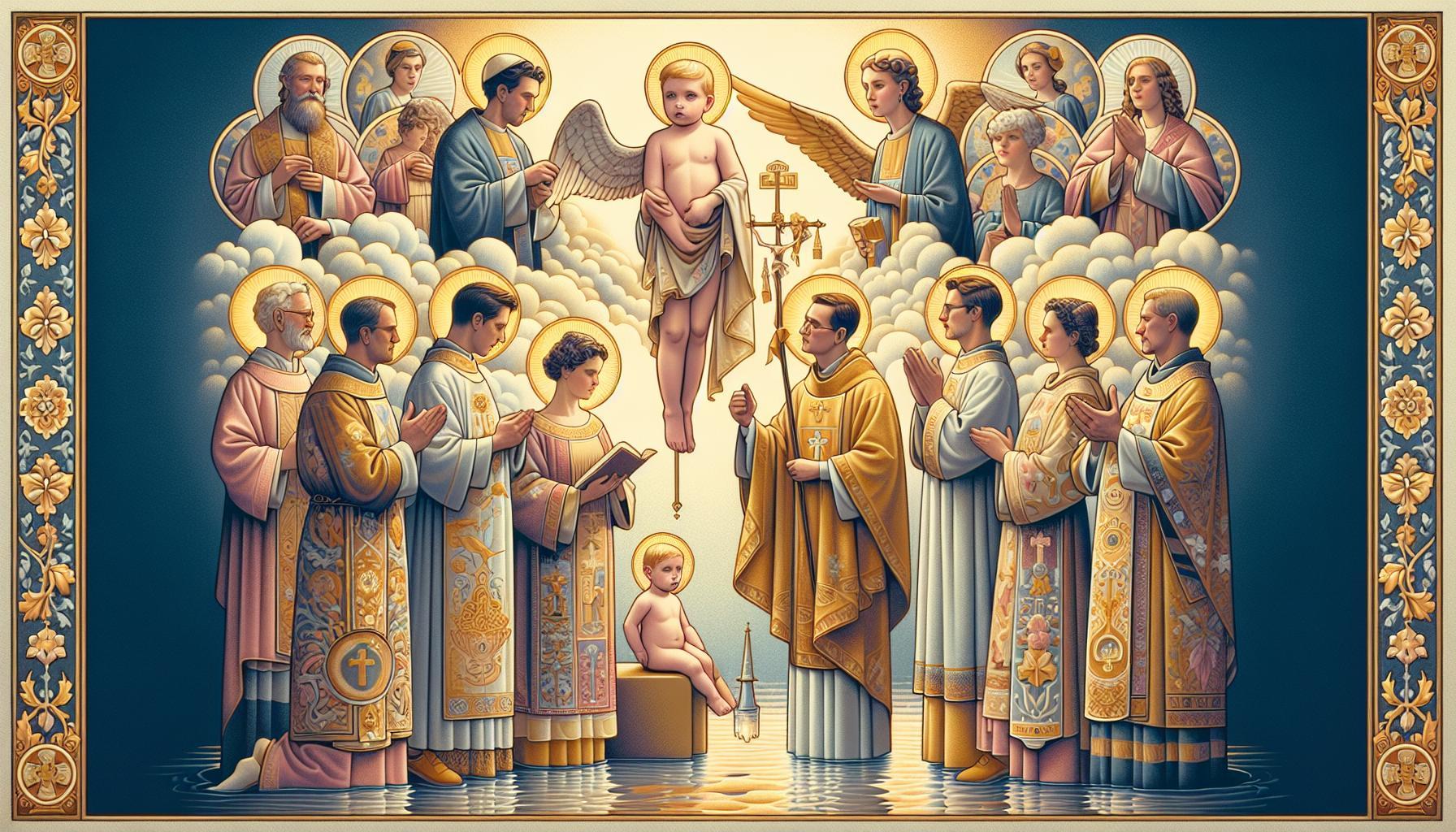
What role does a godmother play during a baptism? This cherished position comes with specific duties and heartfelt expectations that go beyond mere tradition. Understanding these responsibilities not only honors the sanctity of the occasion but also strengthens the bond between godparent and child, making it a vital aspect of the spiritual journey.
Understanding the Role of a Godmother in the Baptism Ceremony
The role of a godmother in a baptism ceremony is steeped in tradition and significance, acting as a spiritual guiding force in the child’s life. Serving as a mentor and an advocate for the child’s religious upbringing, a godmother’s responsibilities extend far beyond the day of the baptism itself. During this sacred event, she assumes a pivotal role that not only emphasizes her commitment to the child’s faith journey but also highlights the deep-rooted cultural significance of this chosen relationship.
Emotional Support and Guidance
A godmother’s primary duty involves offering emotional support to both the child and their family. This can manifest as:
- Spiritual Guidance: She assists in nurturing the child’s faith, encouraging participation in religious activities such as attending church and daily prayers.
- Role Model: By exemplifying strong moral character and faith, she serves as a model for the child to emulate throughout their life.
- Listening Ear: A godmother is always there to listen and offer advice during significant life transitions or challenges the child may encounter.
Participation in the Ceremony
On the day of the baptism, a godmother has specific responsibilities that enhance the significance of this moment. These may include:
- Lighting the Candle: In many traditions, she lights a baptismal candle, symbolizing the light of Christ entering the child’s life.
- Answering Questions: She often stands with the parents during the ceremony to affirm the promises made on behalf of the child, a commitment to guide the child in their faith.
- Gift-Giving: It is customary for the godmother to present a meaningful gift, often a religious token such as a cross or a personalized keepsake that the child can cherish as they grow.
Long-Term Engagement
The expectations of a godmother extend well beyond the baptism ceremony, encompassing a lifelong commitment to the child’s religious development and personal growth. Here are some key aspects where her involvement is crucial:
| Key Aspects | Description |
|---|---|
| Regular Check-ins | Consistent communication to foster a bond and spiritually nurture the child through their formative years. |
| Celebration of Milestones | Participating in significant religious events like First Communions or Confirmations, reinforcing her role as a spiritual mentor. |
| Support During Challenges | Being present during difficult times, offering support rooted in faith, which can help the child navigate life’s hurdles. |
The duties and expectations of a godmother at a baptism are profound, encapsulating a lifetime of guidance, love, and commitment. By understanding her role, families can foster richer spiritual relationships that extend well beyond the baptismal font, shaping the next generation’s faith journey.
Key Responsibilities of a Godmother: A Deep Dive

As a cherished figure in religious ceremonies, a godmother carries profound significance that extends well beyond the baptismal font. This role is steeped in tradition and expectation, reflecting genuine support and commitment to a child’s spiritual upbringing. Understanding the key responsibilities of a godmother is essential for anyone stepping into this influential position, ensuring they fulfill both their duties and the expectations of the role.
Spiritual Guidance
One of the primary responsibilities of a godmother is to provide spiritual guidance throughout the child’s life. This involves nurturing the child’s faith, teaching them about their beliefs, and instilling values that will help them navigate life’s challenges. A godmother might do this through regular conversations about spirituality, sharing personal experiences, and being a consistent presence in the child’s religious education.
Supportive Figure
Another critical aspect of the godmother’s role is to serve as a supportive figure for both the child and their parents. This includes actively participating in the child’s religious events, such as confirmations or first communions, and offering emotional support to the family during significant life changes. A godmother can also help foster a meaningful relationship with the child by attending school events, celebrations, and playdates, creating a loving bond that lasts a lifetime.
Mentorship
Providing mentorship is also a crucial duty. The godmother should act as a role model, demonstrating how to live a life aligned with faith and personal values. This mentorship can evolve as the child grows, adapting to their changing needs and circumstances. By sharing wisdom and experience, a godmother can significantly contribute to shaping the child’s worldview and character.
Practical Contributions
In addition to emotional and spiritual support, a godmother may have practical responsibilities that include:
- Assisting family members in planning the baptism, from selecting a venue to coordinating the guest list.
- Choosing appropriate gifts for significant religious events.
- Participating in discussions about the child’s education, especially regarding religious instruction and community involvement.
| Responsibility | Description |
|---|---|
| Spiritual Guidance | Teaching and nurturing the child’s faith and values. |
| Supportive Figure | Being a consistent presence at religious and family events. |
| Mentorship | Serving as a positive role model for the child. |
| Practical Contributions | Helping plan events and making important decisions. |
Embracing these responsibilities offers the chance to foster deep bonds and create lasting memories centered around faith and family. A godmother’s role is not just ceremonial; it is an ongoing commitment to being an integral part of a child’s spiritual journey and life experience.
The Spiritual Significance of a Godmother’s Involvement

The role of a godmother transcends mere ceremonial duties; it embodies a profound spiritual companionship that serves as a beacon of support and guidance in a child’s life. Through their involvement in rituals such as baptism, a godmother solidifies her commitment to nurturing the spiritual growth of her godchild. This connection not only reinforces the family’s spiritual beliefs but also strengthens the bonds within a community, as the godmother takes on the mantle of a spiritual mentor.
The Role of a Godmother in Spiritual Guidance
A godmother’s primary duty goes well beyond attending the baptism and presenting gifts; she is entrusted with the significant role of spiritual guide. This can include:
- Active Participation in Religious Education: Assisting in teaching the child about their faith, attending classes, and engaging in discussions about spiritual beliefs.
- Modeling a Faithful Life: Acting as a role model in living out her faith through her daily actions and choices, inspiring the godchild to lead a life aligned with spiritual values.
- Developing a Lasting Relationship: Building a strong bond that encourages open communication about life’s challenges and spiritual questions as the child grows.
By forming a personal connection, godmothers can effectively guide their godchildren through the various life stages by offering wisdom grounded in spiritual teachings.
Fostering Community and Tradition
The spiritual significance of having a godmother extends into the collective experience of a faith community. Her involvement in the baptism acts as a bridge between the family and their religious practices, reinforcing traditions, and values. This connection leads to:
- Strengthening Family Ties: The godmother’s commitment enhances family unity by sharing rituals and participating in faith-related events together.
- Community Integration: By taking an active role in church activities, a godmother helps her godchild feel more included and engaged in their faith community.
- Encouraging Lifelong Faith Practices: The ongoing relationship encourages the godchild to partake in communal worship and service, fostering a sense of belonging to their faith.
These traditions and community practices not only solidify spiritual beliefs but also create cherished memories that last a lifetime.
Actionable Steps for Godmothers
To effectively fulfill her spiritual duties, a godmother can take several actionable steps, such as:
| Action | Description |
|---|---|
| Engage Regularly | Schedule regular gatherings to discuss faith and life challenges, fostering an open dialog. |
| Participate in Liturgical Events | Be present at significant church events to model active faith participation. |
| Create Spiritual Rituals | Develop personalized traditions such as prayer evenings or reading scripture together. |
Through these actions, a godmother can ensure her involvement remains impactful and encourages a deep-rooted commitment to fostering spiritual growth in her godchild. Emphasizing love and understanding in her approach, she helps lay a robust spiritual foundation that will support her godchild throughout their life journey.
Preparing for the Baptism: What Every Godmother Should Know
Understanding your role in the baptism ceremony can help you shine as a supportive and active godmother. The expectations that surround this special occasion extend beyond mere attendance or being a symbolic figure. Instead, they encompass a commitment to the spiritual growth of your godchild as well as practical responsibilities on the day of the baptism. Here are some essential points to prepare effectively for the occasion.
Initial Responsibilities
As a godmother, your first responsibilities begin well before the baptism day. Engaging with the parents to understand their vision for the event is crucial. Here are some key tasks you should consider:
- Communicate with the Parents: Discuss the format of the baptism, including religious aspects and any special traditions that might be incorporated.
- Understand Your Duties: Familiarize yourself with specific responsibilities you will have during the ceremony, such as holding the child or lighting a candle.
- Attend Pre-Baptism Classes: Some churches require you to attend classes or meetings to better understand the sacrament’s significance.
Choosing Meaningful Gifts
Gift-giving is another important aspect of a godmother’s role. Selecting a thoughtful gift for your godchild can symbolize your lifelong commitment to their spiritual journey. Consider these options:
| Gift Ideas | Description |
|---|---|
| Baptismal Blanket | A soft, personalized blanket that can be used during the ceremony and kept as a keepsake. |
| Children’s Bible | A beautifully illustrated edition to introduce them to spiritual stories from an early age. |
| Custom Jewelry | Engraved items like bracelets or necklaces that reflect their faith and can grow with them. |
| Memory Book | A journal where you can write letters to your godchild about faith, life lessons, and memories. |
Preparing for the Ceremony
When it comes to the day of the baptism, preparation is key to fulfilling your role successfully. Make sure to:
- Arrive Early: This gives you time to settle in, calm any nerves, and be part of the moment before it officially starts.
- Dress Appropriately: Choose an outfit that is respectful of the religious setting. Light colors are often preferred, but be sure to check if any specific guidelines are provided by the parents or the church.
- Practice Your Role: If you have a specific duty, such as holding the child during the blessing, practice beforehand to feel comfortable.
Being a godmother at a baptism is an honor laden with responsibilities. By understanding the context of your role and preparing thoroughly, you will not only fulfill your duties but also create meaningful memories for your godchild and their family. This unique opportunity allows you to bond and acts as a foundation for guiding your godchild through their spiritual path.
Celebrating Personal Faith: The Godmother’s Commitment
A godmother plays an invaluable role in a child’s spiritual journey, particularly during significant rites like baptism. Beyond the ceremonial responsibilities, the essence of a godmother’s commitment lies in her unwavering support of the child’s faith. Understanding what a godmother does at a baptism goes hand-in-hand with recognizing her lifelong dedication to nurturing the child’s spiritual growth.
The Spiritual Nurturer
At the heart of the godmother’s role is her dedication to fostering a relationship with God for the child. This commitment manifests in several meaningful ways:
- Guiding Faith Practices: The godmother can introduce the child to prayer, scripture, and community worship, creating a strong foundation for their spiritual life.
- Modeling Values: She embodies the values of love, compassion, and service, setting an example that the child can emulate throughout their life.
- Celebrating Milestones: From first communions to confirmations, the godmother plays an active role in all spiritual milestones, reinforcing her commitment to the child’s faith journey.
Building Lasting Connections
A godmother’s influence stretches far beyond the baptismal ceremony, as her role evolves into a lifelong partnership rooted in faith. For example, she can maintain regular contact, checking in on the child’s spiritual development, and even participating in family activities that emphasize religious traditions.
| Activity | Impact |
|---|---|
| Sharing stories from scripture | Enhances understanding and appreciation of faith |
| Encouraging participation in church events | Builds a sense of community and belonging |
| Offering guidance during challenging times | Reinforces trust and reliance on faith |
By actively engaging in the child’s life and spiritual endeavors, a godmother not only fulfills her duties and expectations but also solidifies her role as a key figure in their religious upbringing. Her commitment is a promise that resonates through the formative years and beyond, offering a guiding light as the child navigates their spiritual path.
Supporting the Family: Guidance for Godmothers
Navigating the responsibilities of a godmother goes beyond the ceremonial aspects of a baptism, as this role also encompasses ongoing support for the family. Godmothers are often seen as key figures in the spiritual upbringing of their godchild, and their presence can provide vital encouragement and guidance to the parents. Here’s how godmothers can effectively support the family, ensuring a harmonious and nurturing environment for the child’s development while fulfilling the expectations often associated with their role.
Be a Reliable Source of Support
First and foremost, a godmother should establish herself as a dependable figure in the family’s life. This means being available for emotional and practical support as the parents navigate the challenges of childcare. Consider offering help with tasks such as:
- Running errands: Picking up groceries or baby supplies to lighten the load for busy parents.
- Childcare: Offering to babysit or take care of the child for short periods so parents get a chance to rest.
- Listening ear: Being there to listen and provide guidance when parents feel overwhelmed.
Supporting the family doesn’t end with the baptism; instead, it is a journey that evolves over time. Regularly reaching out to check on the family can go a long way in fostering a strong bond.
Engage in the Child’s Spiritual Life
As a godmother, taking an active role in your godchild’s spiritual journey is essential. You can approach this responsibility by:
- Participating in religious education: Attend classes or family worship services together, reinforcing the importance of faith.
- Encouraging prayer: Help instill a habit of prayer in the family by initiating conversations or activities that focus on spirituality.
- Celebrating milestones: Acknowledge significant spiritual events, such as First Communion or Confirmation, by giving thoughtful gifts or hosting small celebrations.
This involvement not only enriches the child’s spiritual life but also strengthens your relationship with the family as they see your commitment to their values.
Foster Close Family Relationships
Building a close-knit relationship with the family is one of the most rewarding aspects of being a godmother. To nurture these connections, you can:
- Organize gatherings: Host family get-togethers and create opportunities for bonding, ensuring that everyone feels included and connected.
- Celebrate traditions: Participate in existing family traditions or help create new ones that incorporate the child, reinforcing their sense of belonging.
- Provide gifts with meaning: Give personalized gifts that reflect the child’s personality or milestones, making your role more memorable.
By investing time and effort into creating a loving environment, godmothers can truly become pillars of support for families, ensuring they feel cherished and connected in their spiritual journey.
| Support Type | Description | Example |
|---|---|---|
| Emotional Support | Being a listening ear during challenging times. | Regular phone calls or text check-ins. |
| Practical Help | Assisting with daily chores or childcare. | Offering to babysit for a date night. |
| Spiritual Guidance | Engaging in religious activities with the child. | Taking the child to church or prayer meetings. |
Each action reinforces the spirit of the godmother’s role, ensuring that she is not only a participant during the baptism but a lifelong guide and supporter of the family. By understanding and embracing these duties, godmothers can significantly impact both their godchild’s life and the family they support.
Navigating Traditions: Godmother Expectations Across Denominations
Understanding the role of a godmother in various denominations reveals a rich tapestry of expectations and responsibilities that can vary significantly. At its core, this role is fundamentally about guidance, support, and spiritual mentorship. However, the specific duties can differ across religious traditions, reflecting the unique values and theological understandings of each denomination.
Catholic Traditions
In the Catholic Church, the role of the godmother is particularly significant. A godmother assists in the spiritual upbringing of the child, pledging to guide them in their faith journey. Key expectations typically include:
- Spiritual Guidance: Providing support in the child’s religious education, including preparation for sacraments like First Communion.
- Active Participation: Attending the baptism ceremony and often participating in the liturgy, sometimes holding the child during the sacrament.
- Ongoing Relationship: Maintaining a meaningful relationship with the child throughout their life, serving as a mentor and confidant.
The bond formed is intended to last a lifetime, often fostering a close connection that goes beyond the baptismal ceremony itself.
Protestant Interpretations
In Protestant denominations, the expectations for godmothers can range widely. While some churches hold to traditional practices similar to Catholicism, others emphasize a more individualized approach to the role. Common themes include:
- Supportive Role: Being a source of encouragement and guidance in matters of faith, while fostering a deep, personal relationship with the child.
- Practical Involvement: Participation in church activities and events that engage the child in their spiritual community.
- Flexibility in Duties: Godmothers may also take on specific roles depending on the church’s teachings, from prayer partners to community mentors.
This diversity highlights how each Protestant denomination interprets the godmother’s role uniquely, often focusing on personal support rather than structured obligations.
Orthodox Christianity
In Orthodox traditions, the duties of a godmother are closely aligned with the sacraments and commitments made during the baptism process. The expectations may include:
- Witness to the Sacrament: Serving as a vital witness to the child’s baptism, which is considered a significant rite of passage.
- Encouraging Faith Development: Fostering the child’s spiritual growth by teaching them the tenets of the Orthodox faith and engaging them in church life.
- Long-term Commitment: Similar to other denominations, the role is viewed as a lifetime commitment, with the godmother playing a crucial part in the child’s spiritual nurture.
Table: Comparison of Godmother Roles by Denomination
| Denomination | Primary Roles | Expectations |
|---|---|---|
| Catholic | Spiritual guide, participant in sacraments | Lifetime relationship, active involvement in the child’s faith journey |
| Protestant | Mentor, community supporter | Variable; more personalized approaches to guidance |
| Orthodox | Witness, faith nurturer | Long-term commitment to spiritual education |
The responsibilities associated with being a godmother can be both fulfilling and demanding, depending on the specific practices of each faith tradition. Regardless of denomination, the essence of the role remains centered on love, support, and the deep commitment to nurture the child’s faith journey. Adapting to the expectations of a godmother—whether it’s guiding through Catholic sacraments, supporting Protestant individuality, or witnessing Orthodox rites—requires a heartfelt commitment to the child’s spiritual development.
Building a Lasting Bond: The Relationship Between Godmother and Godchild
The connection between a godmother and her godchild is one often steeped in love, tradition, and a deep sense of responsibility. This unique relationship is not merely defined by the ceremonial duties performed during significant events, such as a baptism, but also by the enduring support and guidance provided throughout the child’s life. Understanding what a godmother does at a baptism can enhance the appreciation of this bond, and it’s vital to recognize the lasting implications of this role.
The Significance of the Godmother’s Role
A godmother steps into a pivotal position that blends spiritual significance with emotional ties. At a baptism, her duties may include:
- Ensuring that the infant is presented for baptism and participating in the ceremony.
- Offering prayers and support to the child’s parents, reiterating the commitment to provide spiritual guidance.
- Providing a small gift or keepsake that symbolizes the special bond formed during the baptism.
However, these initial roles extend far beyond the baptism day. A godmother becomes a guiding light, offering wisdom during life’s milestones. This relationship can serve as a nurturing influence, where the godmother acts as a mentor, friend, and confidant, assisting the child in navigating both spiritual and mundane aspects of life.
Building a Deep Connection
Creating a robust relationship with a godchild involves more than fulfilling the duties expected during significant events. Here are some actionable steps to foster a lasting connection:
- Regular Communication: Make it a habit to reach out regularly through phone calls, messages, or in-person visits. Discussing everyday activities can create a comfortable dialogue.
- Shared Experiences: Engage in activities that foster bonding, such as attending church events, going for walks, or celebrating milestones together.
- Rituals and Traditions: Establish personal rituals that honor the relationship, such as a yearly birthday letter or a special outing on significant dates.
By maintaining open channels of communication and shared interests, the godmother-godchild relationship can thrive well beyond the confines of the baptism ceremony, enriching both lives significantly.
Positive Impact on the Godchild’s Development
The influence of a godmother can have a profound impact on a child’s development. This relationship provides:
| Influence | Description |
|---|---|
| Emotional Support | A reliable source of comfort during challenging times, helping the child build resilience. |
| Spiritual Guidance | Encourages conversations about faith, fostering a deeper understanding and connection to spirituality. |
| Role Modeling | Acting as a positive example in moral and ethical decisions, steering the child toward a strong character. |
Ultimately, the relationship a godmother cultivates with her godchild can guide the child as they navigate life’s complexities, forming a bond that lasts a lifetime. Embracing the full scope of what a godmother does at a baptism and integrating this into daily life lays the groundwork for a meaningful and enduring partnership.
Frequently Asked Questions
What Does a Godmother Do at a Baptism? Duties and Expectations?
A godmother plays a crucial role in a baptism, primarily serving as a spiritual mentor and guide for the child. Her duties include presenting the child during the ceremony, helping to ensure the child is raised in faith, and supporting the family throughout their spiritual journey.
The responsibilities of a godmother vary by tradition but generally involve making commitments to support the child’s religious upbringing. This includes participating in prayers, attending religious education sessions, and sometimes even being involved in significant milestones in the child’s faith life. Ultimately, a godmother’s role is to foster a strong spiritual foundation.
Why Does a Godmother Matter in Baptism?
A godmother is significant in baptism as she symbolizes a supportive role in the child’s spiritual upbringing. Her presence is a reminder of the community’s commitment to nurture the child’s faith journey.
The role underscores the idea of community and accountability in religious practices. By choosing a godmother, parents express their wish for their child to have a mentor, which can lead to a lifelong relationship fostering religious values and ethics. This relationship can help the child feel more connected to their faith community.
Can I Choose Anyone to Be My Child’s Godmother?
While you can choose anyone to be your child’s godmother, it is often recommended to select someone who shares your faith and values. This ensures that the godmother can fulfill her duties effectively and support the child’s spiritual growth.
Many parents opt for close family members or friends who are active in their faith community. Moreover, many denominations have specific guidelines regarding eligibility, particularly regarding baptismal status and commitment to the church. It’s essential to discuss any guidelines with your local church when selecting a godmother.
What Responsibilities Does a Godmother Have After the Baptism?
After the baptism, a godmother’s responsibilities include actively participating in the child’s life and supporting their religious education. This can involve mentoring the child spiritually, attending religious events, and maintaining communication with the family.
Being a godmother is a long-term commitment. She should be available for significant milestones in the child’s life, such as first communions or confirmations. This enduring presence helps establish a strong faith foundation while reinforcing the importance of community and guidance in the child’s spiritual journey.
How Can a Godmother Prepare for the Baptism Ceremony?
A godmother can prepare for the baptism ceremony by communicating with the family and the church. She should understand her role, the ceremony’s structure, and any specific tasks she needs to perform during the service.
Additionally, the godmother can enhance her preparation by reflecting on her commitment to support the child’s spiritual growth and understanding the importance of her role. Attending pre-baptism meetings organized by the church can also provide valuable insights into the expectations and practices involved.
What Should a Godmother Wear to a Baptism?
A godmother should wear attire that is respectful and appropriate for a religious ceremony. Typically, this could be a modest dress or suit that aligns with the solemnity of the occasion.
Colors often vary, but many opt for lighter shades to symbolize purity and renewal. It’s important to discuss clothing choices with the family to ensure a cohesive appearance during the ceremony and that any cultural or religious traditions regarding dress are honored.
Can a Godmother Be a Male Figure?
While traditionally a godmother is female, some faith traditions allow for male figures, such as godfathers, to take on similar responsibilities. The essential aspect is the commitment to provide spiritual guidance and support.
In some denominations, it is common to have both a godmother and a godfather, symbolizing a balanced support system for the child’s faith development. Regardless of gender, the focus remains on the role of mentorship and spiritual nurturing that the individual commits to undertake.
What Is the Emotional Role of a Godmother During Baptism?
The emotional role of a godmother during baptism is significant, as she provides support to both the child and the family. Her presence represents a deep commitment to the child’s faith journey, which fosters a nurturing atmosphere.
Beyond her duties, the godmother often becomes a source of encouragement and love throughout the child’s life. Her involvement at such a critical moment helps to form lasting emotional bonds that resonate within the family and congregation, enhancing the sense of community in faith.
Insights and Conclusions
In conclusion, the role of a godmother at a baptism is rich with meaningful duties and heartfelt expectations that extend far beyond the ceremony itself. From providing spiritual support and guidance to fostering a nurturing relationship with the baptized child, a godmother embodies a commitment to their faith journey. It’s a role filled with joy, responsibility, and lifelong dedication—a sacred partnership that highlights the importance of community and shared beliefs.
As you reflect on the insights shared in this article, we encourage you to explore further the various ways you can contribute to the spiritual life of a child, regardless of your denominational background. Whether you’re a godmother, a parent, or simply someone interested in the traditions of baptism, the conversations and connections formed during these sacred moments are invaluable. Engage with your community, seek out resources, and embrace the beautiful journey of faith that baptism represents. Your involvement and dedication can have a profound impact on those you support—so step forward with an open heart and a willingness to nurture, guide, and grow in faith together.