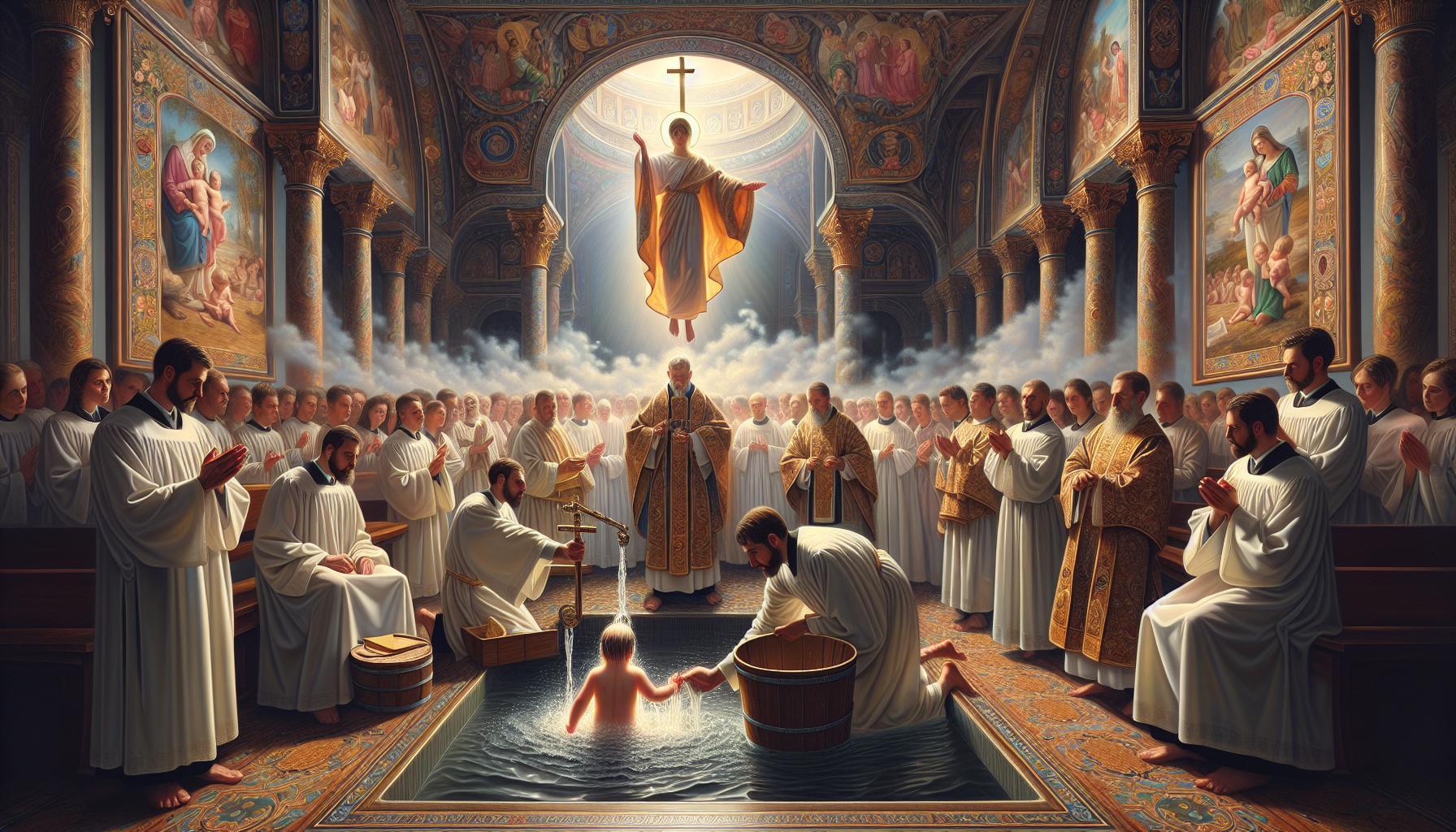
Planning a baptism can raise many questions, especially regarding its duration and the associated traditions. Understanding how long this sacred ceremony lasts is essential for families to ensure a meaningful experience. Here, we’ll explore the typical timing of baptisms, key rituals, and cultural variations, helping you navigate this significant milestone with ease.
Understanding the Importance of Baptism: A Sacred Tradition
The sacrament of baptism has held immense significance across various cultures and religions for centuries. This sacred rite serves as a formal entry point into the faith, marking a profound commitment to spiritual growth and community. Understanding baptism’s importance goes beyond just recognizing the ceremony itself; it delves into the rich traditions, the depth of spiritual meaning, and the social and communal connections it fosters among believers.
The Spiritual Significance of Baptism
Baptism is often viewed as a divine rite of passage that symbolizes purification and rebirth. In many Christian traditions, it is believed that through baptism, individuals receive grace and are welcomed into the Christian community. Here are some core elements that highlight its importance:
- Symbol of New Life: Baptism represents a fresh start, akin to being born again, which is a foundational concept in Christianity.
- Community Connection: It acts as a bridge between the individual and the faith community, creating strong bonds among fellow believers and supporting them in their spiritual journey.
- Obedience to Faith: By participating in baptism, individuals follow Christ’s example and commands, showcasing their commitment to their beliefs.
Timing and Traditions: A Deep Dive into Baptismal Practices
When pondering the question, “How long does a baptism last?” it’s essential to consider that the duration of the ceremony may vary significantly based on cultural and denominational customs. Baptism can be a brief yet poignant moment or extend into a more elaborate celebration. Here’s a simple breakdown of common practices that shape the baptismal experience:
| Denomination | Typical Length | Key Traditions |
|---|---|---|
| Roman Catholic | 30-60 minutes | Holy Water, Godparents, Chrisms |
| Baptist | 15-30 minutes | Full Immersion, Testimony |
| Orthodox | 60-90 minutes | Triple Immersion, Names of Saints |
Regardless of the time frame, what remains constant is the emotional weight of the moment—an occasion often filled with joy, hope, and reflection. Families may gather for anointing, prayers, and celebrations that extend past the baptismal font, signifying the broad tapestry of community, family, and faith woven throughout the ceremony.
In essence, baptism is not just a fleeting event in time but a lifetime commitment, setting the stage for a journey filled with spirituality, belonging, and communal love. Understanding its significance aids not only in appreciating the ritual itself but in embracing the broader spectrum of one’s faith journey.
Typical Length of a Baptism Service: What to Expect
When planning for a baptism, understanding how long the service typically lasts can help alleviate any concerns about timing and scheduling. On average, a baptism service usually spans between 30 minutes to an hour. However, the actual length may vary depending on several factors, including the denomination, the number of candidates being baptized, and any additional elements such as music or prayers that may be included in the ceremony.
Factors Influencing Service Length
Several components can affect the overall duration of a baptism. Here are some key aspects to consider:
- Denominational Differences: Different faiths have unique rituals that may extend or shorten the service. For example, a Catholic baptism often includes a mass, which can increase the total time to approximately 1 to 1.5 hours.
- Additional Rituals: Some families opt for more elaborate ceremonies that may include readings, prayers, or speeches, thus extending the service length.
- Number of Candidates: If multiple individuals are being baptized together, the service may take longer due to the need for each to have their moment during the ceremony.
- The Venue: An outdoor baptism or a specially organized event with additional music and festivities may also contribute to a longer duration.
Sample Baptism Service Timeline
To provide potential attendees with a clearer picture, here’s a general timeline of what one might expect during a standard baptism service:
| Segment | Approximate Duration |
|---|---|
| Welcome and Opening Prayer | 5 minutes |
| Scriptural Readings | 10 minutes |
| Baptism Ritual | 15 minutes |
| Closing Remarks and Prayer | 5 minutes |
| Total | 35 minutes |
This timeline can serve as a guide, helping those in attendance to know what to expect. It’s also worth noting that some churches may have their own sets of traditions and practices, so it’s advisable to consult with the officiant or the church’s administrative staff for specific details tailored to a particular ceremony. By understanding the typical structure and length of baptism services, families can better prepare for this significant and joyous occasion.
Different Denominational Practices: How Timing Varies
Different Christian denominations have unique traditions surrounding baptism, and one of the most notable differences relates to the duration and timing of the ceremony. Understanding these variations can enhance one’s appreciation for the diverse expressions of faith within Christianity and help attendees know what to expect. Whether it’s a quick service or a more elaborate affair, the length of a baptism can be influenced by theological beliefs, cultural practices, and the specific type of service being held.
Timing Variations Across Denominations
Different denominations often allocate varying lengths of time for baptism, influenced by their theological emphasis and liturgical practices. Here’s a closer look at how some major Christian traditions approach the timing of this sacred ritual:
- Roman Catholicism: In the Catholic Church, baptisms typically take place during a regular Mass or as part of a dedicated baptismal ceremony. The entire process may last anywhere from 30 minutes to an hour, encompassing readings, prayers, and rituals specific to the sacrament.
- Orthodox Churches: In Orthodox Christianity, the baptism service can be lengthy, often lasting up to an hour or more. This includes the full anointing with chrism, immersion in water multiple times, and the celebration of the Eucharist.
- Protestant Traditions: Many Protestant denominations, such as Baptists, typically conduct baptisms during worship services or special events. These ceremonies can range from 15 to 45 minutes, depending on the church’s practices and the inclusion of sermons or testimonials from the baptized.
- Non-Denominational Churches: Baptisms in non-denominational settings can vary widely, with some services lasting only 10-20 minutes. They often focus on personal testimonies and celebratory elements, reflecting a more contemporary worship style.
Factors That Influence Baptism Timing
Several factors contribute to how long a baptism lasts, including:
| Factor | Description |
|---|---|
| Theological Emphasis | Denominations may emphasize different aspects of baptism, such as its sacramental nature or its symbolic significance, affecting the ceremony’s depth and duration. |
| Cultural Traditions | Communities may incorporate local customs, which can lengthen the service with added rituals and celebrations. |
| Age of the Candidate | Baptisms of infants often include additional ceremonies for the families, while adult baptisms may include a longer teaching or sharing session. |
| Setting of the Baptism | The context—whether in a church building, at the beach, or in a home—can influence how the baptism is performed and its overall length. |
By understanding these diverse practices and their timing, individuals can navigate the rich tapestry of Christian baptismal traditions. Whether one is planning to attend or partake in a baptism, having knowledge of the ceremony can lead to a more meaningful experience. As you explore the question of how long does a baptism last, consider the values and practices specific to the denomination involved to fully appreciate its significance.
Key Elements of the Baptism Ceremony: Rituals and Symbolism
Baptism serves as a significant rite of passage in many Christian communities, symbolizing a person’s commitment to their faith and their entry into the religious community. Each element of the baptism ceremony is rich with symbolism, providing a deeper understanding of the beliefs and traditions associated with this sacred event. From the moment the baptism begins until it concludes, participants are engaged in a powerful experience that is meant to be reflective and transformative.
A central aspect of the baptism ceremony is the use of water, which symbolizes purification and rebirth. This ritual often includes the candidate being fully immersed in water or having water poured over their head, depending on denominational practices. The act of submerging represents the washing away of sin and the beginning of a new life in Christ. It is not uncommon for the minister to offer a brief explanation of the significance of this act, reinforcing the spiritual journey the individual is embarking on.
Throughout the ceremony, specific prayers and biblical readings may be incorporated. These elements serve to root the ceremony in scripture and tradition, often including references from the New Testament that highlight Jesus’ own baptism. The presence of family and friends further enhances the personal nature of baptism, as they support the candidate’s commitment to their faith. The communal aspect is emphasized as the congregation often participates by affirming their support, often through responses or shared vows.
Key Rituals Involved
- Invocation: A moment where the minister calls upon God, setting the spiritual tone for the ceremony.
- Confession of Faith: The candidate professes their beliefs, signifying their readiness to be baptized.
- Water Ceremony: The core act where the individual is blessed with water, marking their entry into the faith.
- Anointing: Some traditions include the anointing with oil, symbolizing the Holy Spirit’s presence.
Understanding the timing of these rituals can enhance the overall experience of the ceremony. Typically, a baptism lasts anywhere from 30 minutes to an hour, with the length varying based on the inclusivity of additional elements such as worship songs or testimonies preceding the baptism itself. By appreciating the key elements of the ceremony, participants can better grasp the significance behind each ritual and how they contribute to the larger story of faith being conveyed.
Preparing for a Baptism: Practical Tips for Families
Preparing for a baptism can be a moment filled with joy and excitement, but it can also bring a flurry of questions and planning. Understanding how long a baptism lasts and the various traditions surrounding it can help families create a meaningful experience. Ultimately, thoughtful preparation sets the stage for a ceremony that honors faith while celebrating the family’s bond.
Plan the Ceremony Details
First and foremost, selecting the right date and time for the baptism is crucial. Consider scheduling the ceremony during a time when family and friends can attend. Many families choose weekends or special religious holidays. When contemplating how long a baptism lasts, keep in mind that the actual ceremony may take around 30 to 60 minutes, but additional time should be allocated for greetings and celebrations afterward.
Consider the following elements:
- Venue: Choose a place that holds significance for your family, whether it’s a church, chapel, or even a family home for a smaller gathering.
- Guests: Make a list of those you would like to invite, taking into account the space limitations of your venue.
- Sponsors: For many baptisms, choosing godparents is a tradition. Discuss this choice with your partner to ensure alignment with your faith practices.
Dress Code and Preparations
Selecting appropriate attire is another important aspect of baptism planning. Traditional choices often include white garments, symbolizing purity and new beginnings, but families can personalize these according to their tastes. Don’t forget that the child may be wearing special clothing, so dressing them comfortably is essential, especially during a ceremony that might last over an hour when you factor in celebrations.
| Item | Considerations |
|---|---|
| Child’s Outfit | Comfort is key; choose breathable fabrics. |
| Parents’ Attire | Dress modestly; consider the church’s dress code. |
| Accessories | Consider special items like a cross or rosary. |
Communicating with the Church
Finally, communicating your needs and expectations with the church is vital for a smooth baptism experience. Inquire about any specific timelines, traditions, or requirements they may have. For example, some churches have pre-baptism classes or meetings that should be scheduled in advance. Understanding these guidelines will help you gauge how long the baptism lasts and create a timeline that accommodates all essentials—ensuring your day is both memorable and joyful.
By crafting a thoughtful and considerate plan, families can ensure their baptism day embodies their traditions and joyfully marks this significant milestone in their faith journey.
The Role of Godparents: Responsibilities and Involvement
In the context of a baptism, godparents play a pivotal role that extends far beyond the ceremonial duties. Traditionally viewed as spiritual mentors, their responsibilities are deeply rooted in faith and commitment. As families gather to celebrate this sacred occasion, understanding the involvement of godparents is essential to grasping the full significance of the baptismal rite.
Spiritual Guidance and Support
Being a godparent means stepping into a role that embodies spiritual mentorship. The connection established during the baptism is intended to last throughout the child’s life. This connection comes with responsibilities such as:
- Guiding Religious Education: Godparents often take an active role in fostering the child’s religious upbringing, attending church services, and supporting them in learning about their faith.
- Providing Moral Support: As a trusted figure, a godparent is expected to offer guidance in navigating life’s challenges, instilling strong moral values and ethical behavior.
- Being a Role Model: By exemplifying a life aligned with the principles of their faith, godparents influence the child’s spiritual development and understanding.
Involvement in Ceremonial Traditions
At the baptism itself, godparents undertake significant duties that exemplify their commitment. Their participation can vary based on cultural customs, but typically includes:
- Presenting the Child: Godparents are responsible for bringing the child to the altar and presenting them to the officiant, marking the beginning of this sacred journey.
- Assisting in the Ritual: Many ceremonies involve the godparents holding the child during the baptism, symbolically representing their protective role in the child’s spiritual life.
- Lighting the Christening Candle: In some traditions, godparents light a candle during the ceremony, symbolizing the light of Christ and the guiding presence they are meant to provide.
Building Long-lasting Relationships
As the child grows, the relationship between them and their godparents should evolve into a strong bond of friendship and mentorship. Regular check-ins and involvement in significant life events, such as confirmations, graduations, and even casual family gatherings, help solidify this relationship. Godparents are encouraged to maintain open lines of communication, ensuring that they remain a steady presence throughout the child’s formative years.
In considering the importance of godparents, families should reflect on who they wish to choose for this pivotal role based on these responsibilities and the level of involvement expected. Understanding these traditions can deepen one’s appreciation for the baptismal ceremony, fostering a sense of community and commitment that resonates well beyond the moment the ceremony concludes.
Celebrating After the Ceremony: Tips for a Memorable Reception
Following the spiritual significance of the baptism ceremony, it’s time to transition into the joyful celebration that follows. This reception is not just a party; it’s an opportunity to honor the ritual and gather loved ones to create lasting memories. Many hosts often wonder about how to successfully plan this event, ensuring it complements the sacred moments that have just taken place. By focusing on personal touches and memorable experiences, you can transform a simple gathering into a heartwarming celebration.
Set the Atmosphere
Creating an inviting ambiance is crucial for setting the right tone at your reception. Consider these elements:
- Decorations: Incorporate themes that resonate with the baptism’s spiritual significance. White linens, floral arrangements, and soft lighting can create a serene environment.
- Music: Curate a playlist that includes light instrumental or hymnal music to maintain the uplifting mood.
- Photography: Hire a professional or assign a trusted friend to capture candid moments throughout the reception.
Personal Touches
Adding personal touches can enhance the sense of connection among guests and make them feel more involved. Consider the following:
- Customized Favors: Hand out small tokens, such as candles or prayer cards, that guests can take home as a reminder of the day.
- Memory Table: Create a dedicated space showcasing photos or messages from family members who couldn’t attend, honoring their presence in spirit.
- Interactive Guest Book: Instead of a traditional guest book, set up a station where guests can leave notes or video messages for the child.
Engage Guests with Activities
Keeping the guests entertained can enhance their overall experience. Here are some ideas:
- Sharing Stories: Allocate time for friends and family to share their thoughts or memories related to the child. This could spark laughs and tears, creating deeper connections.
- Craft Station: For a more hands-on approach, set up a craft table where guests can make personalized keepsakes or cards.
- Group Games: Plan simple games or quizzes related to the child’s life or the baptismal traditions to engage everyone and foster interaction.
Food and Drink Planning
A well-curated menu can be the highlight of any reception. Aim for a mix of traditional elements that celebrate the cultural significance of the baptism while also providing modern twists to appeal to diverse palates.
| Course | Options |
|---|---|
| Appetizers | Mini quiches, cheese platters, vegetable skewers |
| Main Dishes | Roast chicken, vegetarian pasta, or local specialties |
| Desserts | Cupcakes decorated with the child’s name, fruit tarts, cookies |
| Beverages | Mocktails, lemonade, coffee station |
By implementing these thoughtful ideas into your celebration, you can ensure that your reception after the baptism ceremony is a memorable event, perfectly blending festivity with the solemnity of the occasion. Planning with attention to detail will not only honor the sacred act of baptism but will also cultivate an atmosphere of love and community among family and friends.
Reflections on the Spiritual Significance of Baptism: Beyond the Moment
When contemplating the ritual of baptism, it is essential to recognize that its significance extends far beyond the brief moment of immersion or anointing. This sacred rite, often perceived as merely a ceremonial act, embodies deep spiritual implications that resonate throughout a believer’s life journey. Understanding these implications encourages a holistic view of the baptism experience, shedding light on its lasting impact on faith and community.
Transformative Moments
The act of baptism is traditionally viewed as a passage into a new spiritual existence, marking the transition from the old to the new. It symbolizes a believer’s commitment to faith, often serving as an individual’s first conscious choice to embrace their spiritual journey. This commitment can be reflected in various ways, including:
- Personal Relationships with God: The act represents a deepening relationship with the divine, often leading to a more profound understanding of personal faith.
- Community Integration: Baptism serves as a welcoming entry point into a faith community, allowing individuals to connect with others who share similar beliefs and values.
- Continued Spiritual Growth: Following baptism, individuals are often encouraged to engage in further spiritual practices, such as prayer, study, and community service, fostering an environment of ongoing growth.
Echoes in Daily Life
The effects of baptism are not confined to the church; they ripple out into everyday life, shaping moral and ethical decisions. For example, many who undergo baptism claim to experience a heightened sense of purpose in their actions, guided by the principles and teachings of their faith. This influence can manifest in various scenarios, such as:
| Area of Influence | Real-world Application |
|---|---|
| Personal Conduct | Making ethical choices in personal and professional relationships. |
| Community Service | Participating in local outreach programs to help those in need. |
| Advocacy for Justice | Engaging in discussions about social justice issues aligned with faith values. |
Ultimately, these reflections on the spiritual significance of baptism prompt believers to contemplate the impact of their faith beyond that pivotal moment. Instead of viewing baptism strictly as a procedural event, it is more fruitful to embrace it as an ongoing journey—one filled with opportunities for growth, connection, and deepened spiritual understanding. Such an approach can transform the question, “How long does a baptism last?” into a more profound inquiry about how long the transformational journey begun in baptism continues to resonate in one’s life.
Frequently asked questions
How Long Does a Baptism Last?
A baptism typically lasts between 20 to 30 minutes, depending on the denomination and the specific traditions involved. This includes the ritual itself along with introductory and concluding remarks from the officiant.
Different denominations may incorporate various elements, such as scripture readings, hymns, or congregational participation, which can influence the overall duration. Understanding these timing factors can help you prepare for a meaningful experience. For more details on the elements of a baptism, visit our article on baptism traditions.
What is the significance of baptism?
Baptism is a sacred rite that symbolizes spiritual cleansing and the initiation of a believer into the faith community. It represents a commitment to follow one’s faith and often serves as a public declaration of faith.
This sacrament varies in meaning across different traditions, from a vital step toward membership in the church to a symbol of divine grace. Understanding its significance can enrich the experience for both participants and witnesses.
Can I participate in a baptism if I’m not part of the church?
Yes, many churches welcome friends and family members to participate in a baptism even if they do not belong to the congregation. However, it’s often recommended to discuss your involvement with the church leader beforehand.
Being part of a baptism, regardless of your church membership, can be a beautiful way to share in the joy of the occasion. Respectful engagement with the tradition is usually appreciated, enhancing the experience for everyone involved.
Why does the timing of baptism vary by denomination?
The timing of baptism can vary significantly based on theological beliefs and denominational traditions. For example, some groups practice infant baptism, while others wait for adulthood or a personal profession of faith.
This difference in timing reflects underlying theological views about the nature of faith, salvation, and the role of baptism. This diversity adds richness to the practice and offers various ways for communities to express their devotion and beliefs.
What happens during a baptism ceremony?
During a baptism ceremony, typically, candidates are either immersed in water, sprinkled, or poured upon, accompanied by prayers and blessings. The role of the officiant is crucial in guiding this sacred moment.
Each tradition incorporates different ritual elements, such as scripture readings, anointing with oil, or communal singing. These elements not only enhance the personal significance but also foster a sense of community and shared faith among those present.
Do I need to prepare anything for a baptism ceremony?
Preparation for a baptism ceremony often includes selecting appropriate clothing, such as a white garment signifying purity. Additionally, families may wish to choose godparents or sponsors who will help guide the baptized one in faith.
It’s also wise to consult with the church regarding any specific requirements or customs, ensuring that the experience is meaningful. Taking the time to prepare thoughtfully can elevate this sacred moment, making it memorable for all involved.
Why is baptism considered a tradition in many religions?
Baptism is considered a tradition in many religions as it marks a significant transition in a believer’s spiritual journey. It often serves as an initiation rite into a religious community, emphasizing its importance.
The universal themes of rebirth and renewal found in baptism resonate across different faiths, allowing adherents to express their commitment to a life of faith and community. Understanding these traditions can foster appreciation for the diverse ways spirituality is celebrated.
Wrapping Up
In conclusion, understanding the duration and rituals of baptism is essential for anyone participating in or witnessing this sacred event. As we’ve explored, the length of a baptism can vary significantly depending on denominational traditions and local customs, typically ranging from 20 to 60 minutes. Beyond the clock, each baptism embodies profound theological significance and community involvement.
Whether you’re considering baptism for yourself or a loved one, or simply seeking to appreciate the rich tapestry of this tradition, we encourage you to engage deeply with these practices and their meanings.
Explore further by connecting with local faith communities or studying the diverse interpretations across denominations. Embrace this opportunity to learn and share in the joy and reverence that accompany these sacred moments. Your journey through these waters will not only enrich your understanding but also foster a sense of belonging within a broader spiritual family.
Get our latest guides, news, and insights highlighted in your Google Search & AI Overviews.