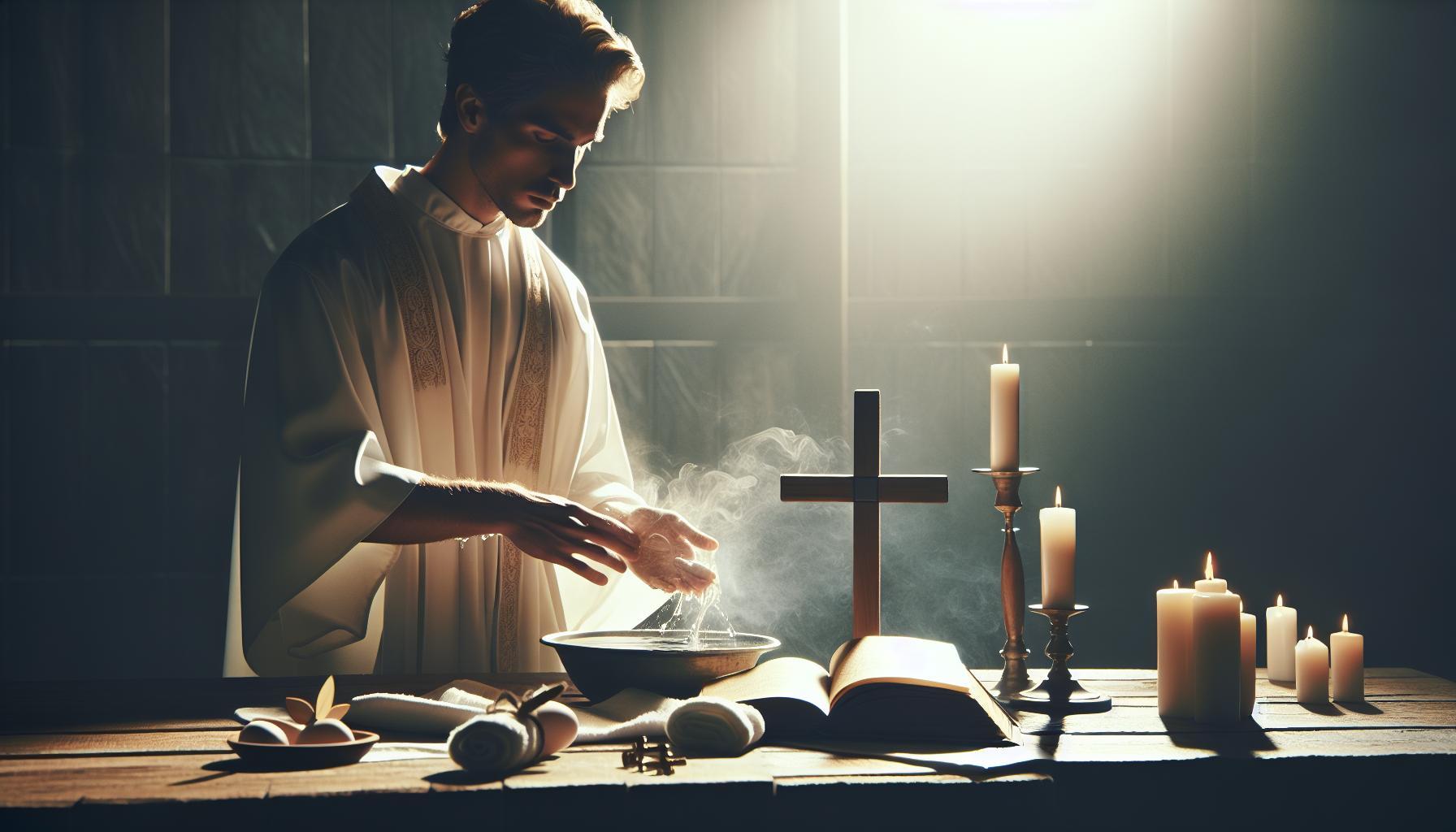
What significance does water hold in the practice of baptism? As a powerful symbol of cleansing and rebirth, water represents spiritual renewal and the washing away of sins. Understanding its profound meaning enriches our appreciation of this sacred tradition, offering insight into the transformative journey of faith and identity that baptism embodies.
The Historical Roots of Water in Baptism: From Ancient Traditions to Modern Practices

Throughout history, water has held profound significance in various cultural and spiritual contexts, acting as a powerful medium for transformation and renewal. In many ancient traditions, the act of purification through water can be traced back to rituals aimed at cleansing the spirit, marking a fresh start, and seeking divine favor. This understanding of water and its multifaceted meanings has woven its way into the fabric of baptism, where the element serves as a symbol of cleansing and rebirth, as explored in the article ‘What Does Water Mean in Baptism? Powerful Symbolism of Cleansing & Rebirth.’
Ancient Rituals and Water Symbolism
Many ancient civilizations recognized the life-giving and purifying properties of water, which played a central role in their religious practices. Here are some notable examples:
- Ancestral Traditions: In Hinduism, the Ganges River is revered as a sacred body of water. Pilgrims bathe in its waters, believing the act purifies them of sins and grants spiritual liberation.
- Egyptian Practices: The ancient Egyptians incorporated water into rituals aimed at honoring the gods, often using water from the Nile for consecration and purification.
- Greek and Roman Customs: Both cultures used water in ceremonies to honor deities, symbolizing spring, renewal, and fertility.
These traditions illustrate how water served as a vital element in the journey of spiritual awakening, influencing the later development of baptismal practices in Christianity.
Baptism: The Evolution of Water as a Symbol
The adoption of water in baptism reflects a synthesis of these ancient practices, emphasizing its role in spiritual rebirth. Early Christians viewed baptism as an initiation rite, rooted in the belief that immersion in water symbolizes the death of the old self and the emergence of new life. This profound transformation is beautifully encapsulated in the words of Paul the Apostle: “We were therefore buried with him through baptism into death in order that, just as Christ was raised from the dead, we too may live a new life” (Romans 6:4).
As the Christian tradition evolved, various denominations began to interpret and practice baptism differently, yet the essence of water as a symbol of cleansing and rebirth remained intact. Today, whether through full immersion, pouring, or sprinkling, the use of water in baptism communicates a message of hope and renewal that transcends time and culture.
Modern Practices and Their Significance
In contemporary religious practice, the ritual of baptism continues to carry the weight of these historical roots. Different denominations have developed their distinct methodologies, while still recognizing the underlying symbolism associated with the act. Here’s a quick overview of how water is utilized in modern baptism ceremonies:
| Denomination | Method of Baptism | Symbolism Emphasized |
|---|---|---|
| Roman Catholic | Pouring or sprinkling | Grace and new birth |
| Baptist | Full immersion | Death and resurrection with Christ |
| Orthodox | Triple immersion | Trinitarian invocation |
| Methodist | Sprinkling or pouring | God’s promises |
Through these diverse practices, believers continue to experience the transformative power of baptism. Whether being fully submerged or gently sprinkled, water remains a sacred symbol of cleansing and spiritual rebirth, echoing the age-old traditions that have shaped humanity’s understanding of the divine connection with the natural world. As explored in ‘What Does Water Mean in Baptism? Powerful Symbolism of Cleansing & Rebirth,’ the journey from ancient rituals to modern practices illustrates the enduring significance of water as a powerful element of faith and renewal.
Theological Significance: Understanding Cleansing and Spiritual Renewal

Water has been a vital symbol across cultures and religions, embodying the dual concepts of cleansing and rebirth. In Christian theology, it becomes particularly poignant within the context of baptism, serving as a powerful representation of not just physical purification but also spiritual renewal. Understanding the theological significance of water in baptism invites believers to explore the profound depths of their faith and the transformative power of divine grace.
The Role of Water as a Cleansing Agent
Water symbolizes purity and the washing away of sin. Just as water refreshes and revitalizes the physical body, it represents the spiritual cleansing that comes through baptism. This is rooted in biblical references, such as in Acts 22:16, where Paul recounts Ananias instructing him to “get up, be baptized and wash your sins away.” The act of baptism reflects a commitment to leaving one’s past behind and embracing a new life in Christ.
- Symbol of Forgiveness: Water, both as an element and a sacrament, is a symbol of God’s forgiveness. As believers are immersed or sprinkled with water, they metaphorically experience the cleansing of their soul.
- Renewal of Faith: This purification transforms the individual, providing a fresh start and a recommitment to faith. The process signifies a literal and metaphorical renewal of the heart and spirit.
- Community Reflection: Baptism not only reflects personal cleansing but also symbolizes initiation into the faith community, embodying both personal renewal and collective identity.
The Significance of Rebirth
Beyond mere cleansing, baptism represents a powerful rebirth. This is encapsulated in John 3:5, where Jesus emphasizes that “no one can enter the kingdom of God unless they are born of water and the Spirit.” This further illustrates that water serves as a conduit not only for the washing away of sins but also for the impartation of new spiritual life. The act of being submerged in water parallels the death of the old self and the emergence of a new creation, as articulated in 2 Corinthians 5:17: “Therefore, if anyone is in Christ, the new creation has come: The old has gone, the new is here!”
| Scriptural Reference | Theme of Cleansing | Theme of Rebirth |
|---|---|---|
| Acts 22:16 | Washing away sins | N/A |
| John 3:5 | N/A | Born of water and the Spirit |
| 2 Corinthians 5:17 | N/A | New creation in Christ |
Through this sacred ritual, individuals are invited to step into the transformative waters of faith—a process that is both deeply personal and profoundly communal. Each baptism not only stands as a testament to an individual’s faith journey but also reverberates through the community, reinforcing shared beliefs and commitments. For anyone seeking deeper understanding around the powerful symbolism of cleansing and rebirth, engaging with baptism’s rich theological implications provides a pathway for spiritual exploration and growth.
Water as a Symbol of Rebirth: Exploring New Life in Faith

Water, in many faith traditions, is not just a physical substance but a profound symbol of spiritual transformation and renewal. Its presence in rituals, particularly in baptism, signifies a powerful movement from one state of existence to another, mirroring the cycle of life itself. This act of immersion or sprinkling serves as a corporeal reminder of the spiritual cleansing that believers undergo, washing away past sins and ushering in a new life in faith. The symbolism of water in baptism resonates deeply with the themes of rebirth, mirroring nature’s cycles: just as water nourishes and sustains life, so does its representation in sacred rites offer spiritual rejuvenation.
Symbolic Meanings of Water in Baptism
Water embodies several key themes in the context of baptism, particularly highlighting:
- Cleansing: Water is essential for physical and spiritual purification, cleansing the body and the soul.
- Rebirth: Immersion in water symbolizes the death of the old self and the rebirth into a new spiritual life.
- Connection: Water serves as a link between the believer and divine grace, promoting a sense of community within the faith.
In baptism, believers often experience a tangible representation of their inner transformation. As they are submerged or sprinkled with water, it evokes the imagery of being borne anew. This ritual is reminiscent of various natural phenomena—such as rain nurturing the soil or rivers carving new paths through the landscape—which inspire hope and signify growth.
Practical Steps for Embracing the Symbolism of Water
For individuals looking to deepen their understanding of this symbolism, here are some practical steps:
- Reflect on Personal Experiences: Consider times when you felt a sense of renewal in your life. How did these experiences parallel the concepts of cleansing and rebirth?
- Engage in Spiritual Rituals: Participate in water-themed rituals, whether in formal church settings or personal practices, to feel connected to the symbolism of water.
- Study Natural Waters: Spend time near rivers, lakes, or oceans, contemplating how water flows and changes while still retaining its essence.
Through these practices, believers can reconnect with and fully embrace the profound meanings of water in baptism, enhancing their faith journey. The act itself serves as a potent reminder that, like water, one can adapt, renew, and flourish within the embrace of a loving and forgiving faith.
The Role of Water in Different Denominations: A Spectrum of Beliefs
Water has been a powerful symbol across various religious practices and denominations, serving as a means of connection between the physical and the spiritual realms. In baptism, water embodies profound meanings of cleansing, rebirth, and initiation into a spiritual community. Its significance can vary greatly, illustrating a rich spectrum of beliefs that reflect each tradition’s understanding of sanctity, purity, and transformation.
Christian Denominations
In Christianity, water is central to the sacrament of baptism, representing the purification of sin and the initiation into the faith. Different denominations interpret its role with varying emphases:
- Roman Catholicism: Water is used in baptism as a sacramental means of grace. The ritual signifies the washing away of original sin and the believer’s incorporation into the Church.
- Protestantism: Many Protestant denominations view baptism as a public declaration of faith. While some practice full immersion to symbolize dying and rising with Christ, others sprinkle water, which reflects the theme of cleansing.
- Eastern Orthodoxy: In this tradition, baptism involves complete immersion, usually three times, to represent the Trinity and emphasizes the rebirth of the baptized person into new life.
Other Religious Perspectives
Beyond Christianity, various religions also recognize the significance of water in their rituals. For instance, in Hinduism, water is considered sacred and is used in purifying rituals (shuddhi) and offerings. The Ganges River is highly revered; many Hindus undertake pilgrimages to bathe in its waters, believing it cleanses the soul and absolves sin.
In Islam, while not used in baptism, the act of washing (wudu) before prayer symbolizes spiritual cleanliness and mindfulness. It aligns with the overarching theme of purification present in many faiths.
Summary of Beliefs
To illustrate the varying beliefs regarding water’s significance in baptism and similar rituals, the following table summarizes different perspectives:
| Denomination/Religion | Water’s Role | Symbolism |
|---|---|---|
| Roman Catholicism | Sacramental baptism | Washing away of sin |
| Protestantism | Public declaration | Cleansing and faith affirmation |
| Eastern Orthodoxy | Trinitarian immersion | Rebirth and new life |
| Hinduism | Purification rituals | Spiritual cleansing |
| Islam | Wudu before prayer | Mental and physical purity |
The various interpretations of water illustrate its universal importance as a means of purification and transformation, echoing the fundamental human desire for spiritual renewal. Understanding these diverse expressions of water’s symbolism enriches one’s appreciation for its place in religious practices, particularly in the context of baptism, where it signifies a profound journey of faith and connection.
Practical Insights: Preparing for a Meaningful Baptism Ceremony

A baptism ceremony is a deeply significant event that often marks a pivotal moment in one’s spiritual journey. The symbolism of water in baptism carries profound meanings of cleansing, rebirth, and renewal. To prepare for an impactful and meaningful ceremony, it is essential to focus on several key aspects that frame this sacred tradition and enhance the experience for all involved.
Understanding the Symbolism
Before diving into the planning process, it is crucial to grasp the spiritual significance of baptism and what water represents within this sacred rite. It is not merely about water; it’s about the transformation it signifies in one’s life. Acknowledging this aspect can elevate the ceremony from a mere tradition to a powerful personal experience. The cleansing aspect of water symbolizes the washing away of past sins and impurities, while rebirth signifies a fresh start within a community of faith.
Planning the Ceremony
When preparing for a baptism, consider the following actionable steps that will create a memorable and significant event:
- Select a Location: Choose a place that holds meaning for you and your family—this could be a church, a natural body of water, or even a home setting.
- Choose a Date: Make sure the date is convenient for family and friends, and reflect on the significance of the date within your tradition.
- Baptismal Attire: Identify suitable clothing for the person being baptized. Traditionally, white garments symbolize purity and the new life being embraced.
- Invite Meaningful Participants: Consider who will be part of the ceremony, including spiritual leaders, family members, and godparents, as their presence adds depth to the experience.
- Personal Reflections: Encourage the person being baptized to reflect on their journey and what this moment means to them.
- Plan for Celebrations: Think about how to celebrate after the baptism—whether through a simple gathering or a larger community celebration, food, and fellowship can enhance the sense of rebirth.
Creating a Spiritual Atmosphere
To create a truly enriching baptism ceremony, incorporate elements that reflect the powerful symbolism of cleansing and rebirth. Here are some tangible ideas:
| Element | Purpose |
|---|---|
| Candles | Representing light and guidance on one’s spiritual journey. |
| Flowers | Symbolizing new life and beauty, adding a vibrant touch to the ceremony. |
| Water Basin | A focal point for the baptism, enhancing the importance of water in the ritual. |
| Music | Setting the mood and reflecting the joy of this sacred occasion. |
By thoughtfully preparing for the ceremonial aspects of baptism, you not only honor the powerful symbolism of water as cleansing and rebirth but also create a space for meaningful reflections and experiences that will resonate for years to come. As you bring together friends and family, remember that every detail plays a part in celebrating this significant milestone in spiritual life.
Nurturing Spiritual Growth: The Continued Impact of Baptism Beyond the Waters
The moment a person emerges from the baptismal waters, they are not only symbolically cleansed but also enveloped in a transformative journey that goes far beyond that singular event. Baptism often marks the beginning of a deeper exploration into faith, community, and personal development. The act itself serves as a powerful catalyst for spiritual growth—a commitment to a lifelong relationship with the divine, as well as a call to lead a life that mirrors the teachings of those fundamental religious beliefs.
Embracing New Identity and Purpose
In many traditions, the waters of baptism signify not only a cleansing from sin but also a new identity in a spiritual community. This new sense of self can foster a profound sense of purpose. Baptized individuals may find themselves more inclined to serve others, engage in communal worship, or deepen their understanding through theological study. The impact of this newfound identity is often echoed in various day-to-day actions, such as:
- Volunteering for community service projects
- Participating in study groups focused on scriptural teachings
- Mentoring others who are new to faith
As one reflects on the question of what water means in baptism, they begin to see it not merely as an act of cleansing but as a pivotal, life-changing event that steers their path toward living a purpose-driven life.
Communal Connection and Accountability
The effects of baptism transcend the individual experience and extend into the vibrancy of community life. Newly baptized members often join congregations that become extensions of their support systems, providing opportunities for fellowship, learning, and mutual encouragement. These communities become vital in sustaining spiritual growth, paving the way for ongoing discussions about faith and spirituality.
Engaging in community life allows individuals to:
- Build meaningful relationships that can challenge and inspire spiritual journeys.
- Participate in rites like communion and confirmation that reaffirm their commitment.
- Contribute to outreach programs that embody the love and teachings of their faith.
This collaborative aspect reflects the communal nature of spirituality, further solidifying the importance of baptism as a gateway to enriched relationships and collective worship.
Continued Reflection and Growth
Baptism is not a one-time event but rather an ongoing process of reflection and spiritual development. Post-baptism, individuals are encouraged to engage in practices such as prayer, meditation, and scriptural study. These activities form crucial elements of personal growth, allowing for a continual re-examination of what it means to live out one’s faith in everyday life and what water symbolizes in baptism.
Practicing daily reflection can involve:
- Keeping a journal to document spiritual insights and growth.
- Setting aside time for personal meditation to foster a deeper connection with spiritual teachings.
- Regularly participating in discussions or classes to delve deeper into theological concepts.
These actions not only enhance one’s personal journey but also create opportunities for sharing insights with others, ensuring that the impact of baptism continues to resonate well beyond the actual moment of immersion.
Community and Connection: How Baptism Strengthens Faith Communities
The act of baptism is much more than a ceremonial moment. It represents a profound journey of personal discovery and transformation. As individuals embark on this sacred path, they invite not only spiritual significance into their lives but also a sense of belonging within their faith communities.
The Role of Baptism in Community Building
When individuals undergo baptism, they are publicly affirming their faith and commitment to a shared belief system. This public declaration serves as a key moment in building stronger connections within the community. Here are a few ways baptism fosters community ties:
- Shared Experience: Baptism creates a memorable occasion that the baptized and the congregation can celebrate together, strengthening their bond.
- Support Systems: The act encourages existing members to support the newly baptized, fostering mentorship and friendship, which are vital in nurturing a unified community.
- Inclusion: It serves as a welcoming event for newcomers, illustrating the church’s commitment to creating a diverse and inclusive environment.
Strengthening Collective Identity
Baptism symbolizes a rite of passage, not just for the individual, but also for the community at large. Each baptism represents a living expression of faith, with water serving as a powerful metaphor for both cleansing and rebirth. The water signifies the washing away of the old self, embracing a new identity not only in the eyes of God, but also within the context of the community. This transformation enhances a sense of collective identity based on shared values and beliefs.
Real-World Examples
In many churches, baptism services are often integrated within larger community activities, such as picnics or fellowship gatherings, that allow members to connect and share their journeys. For instance, after a baptism is performed, the congregation might join together for a meal, fostering deeper relationships and discussions about faith and personal experiences.
| Benefits of Baptism for Community | Examples of Manifestation |
|---|---|
| Strengthened Bonds | Shared celebrations and events following baptisms. |
| Mentorship Opportunities | Existing members guiding the newly baptized. |
| Enhanced Inclusivity | Newcomers welcomed with open arms during baptism services. |
In conclusion, baptism is not simply an individual act, but a powerful communal event. It breathes life into faith communities, creating intricate webs of connection and support that foster spiritual growth and collective identity. The symbolism of water in baptism encapsulates a transformative journey that unites individuals, affirming that they are never alone as they walk their spiritual path.
Reflecting on Personal Experiences: Stories of Transformation Through Baptism
In a world that often feels chaotic, many individuals have found profound solace and renewal through the transformative power of baptism. This sacred ritual, rich with symbolism, offers not only a fresh start but also a tangible experience that highlights the meaning of water as a cleansing force. Stories abound of people who have emerged from the baptismal waters feeling lighter, liberated, and ready to embrace a new chapter of their lives.
Personal Journeys: Embracing Change
Consider the journey of Rebecca, who struggled for years with feelings of inadequacy and loss. After facing the tumult of a divorce, she sought refuge in her faith community. The decision to be baptized became a pivotal moment in her life. As she entered the water, the weight of her past began to fade away, replaced by a sense of hope and renewal. For Rebecca, this act symbolized not just purification but also a promise of rebirth—she was shedding the remnants of her former self and stepping into a new identity grounded in faith and strength.
Another powerful story comes from Peter, a man who battled addiction for most of his adult life. After hitting rock bottom, he was introduced to a recovery program intertwined with spiritual teachings. The moment he was baptized marked a significant turning point; he described the water as a cleansing river that washed away years of pain and regret. This metaphorical rebirth fueled his journey towards sobriety and self-healing, allowing him to embrace life anew and share his story with others.
The Symbolism of Water in Transformation
The symbolism of water in baptism transcends mere tradition; it illustrates the human experiences of despair and triumph. Here are a few highlights of how baptism signifies both cleansing and rebirth:
- Cleansing of Sin: The act of immersing in water represents the washing away of past mistakes and guilt.
- New Identity: Baptism creates a new self, encouraging individuals to align their lives with their spiritual beliefs.
- Community Connection: Being baptized immerses one in a community of believers, fostering strong ties and shared growth.
- Spiritual Awakening: Many feel a profound spiritual awakening, igniting a deeper relationship with their faith.
For anyone contemplating baptism, reflect on your journey. Whether you are seeking to heal from past wounds, unify with a community, or mark a new chapter, consider the powerful symbolism inherent in this sacred ritual. Engaging with personal stories of transformation can deeply inspire one’s decision to partake in baptism, resonating with the essence of what it means to truly cleanse and be reborn in spirit.
Frequently asked questions
What Does Water Mean in Baptism? Powerful Symbolism of Cleansing & Rebirth?
The phrase “What does water mean in baptism?” relates to the profound symbolism of cleansing and spiritual rebirth. Water is used to signify the purification of sin and the beginning of a new life in faith.
Baptism has roots in various traditions, symbolizing a literal and metaphorical cleansing. Water represents the grace of God, washing away past transgressions and welcoming the individual into a new spiritual family. This act is not just a ritual but a profound commitment to living a life aligned with their faith.
How does water symbolize cleansing in baptism?
Water symbolizes cleansing in baptism by representing the washing away of sin and spiritual impurities. In many Christian traditions, the act of immersion or pouring of water signifies God’s grace that purifies the heart.
The symbolism of water can be traced back to scriptures such as Acts 22:16, which encourages believers to arise and be baptized, washing away their sins. This cleansing is both physical and spiritual, marking a transformative moment in a believer’s journey of faith.
Why is baptism referred to as a rebirth?
Baptism is referred to as a rebirth because it signifies the start of a new life in Christ. Through the waters of baptism, individuals are seen as being born anew, leaving behind old ways and embracing a fresh beginning.
This concept of rebirth is echoed in John 3:5, where Jesus speaks of being born of water and the Spirit. The baptismal act is often seen as the beginning of a profound relationship with God, offering believers a chance to redefine their lives and purpose in the world.
Can I baptize someone without using water?
No, baptism traditionally requires water as a key element. The use of water signifies the washing away of sins and is central to the meaning of the ritual.
While some may explore alternative non-water-based ceremonies, these do not fulfill the traditional understanding as indicated in Matthew 28:19, which commands baptizing in the name of the Father, Son, and Holy Spirit. Emphasizing the necessity of water ties the act to its historic and sacred roots.
What are the different types of baptism involving water?
There are various types of baptism, including immersion, pouring, and splashing. Immersion entails fully submerging the individual in water, while pouring involves shedding water over the head, and splashing denotes droplets of water used to bless.
Each method carries its significance, with immersion often viewed as a powerful representation of death and resurrection with Jesus. The choice of baptism type can vary based on denominational beliefs and individual preferences, but all methods embrace the sacred symbol of water.
How does water in baptism relate to the Holy Spirit?
Water in baptism closely relates to the Holy Spirit, as it symbolizes the outpouring of the Spirit upon the believer. This signifies the transformative power that the Holy Spirit brings into their life.
In Acts 2:38, Peter encourages repentance and baptism in Jesus’ name, promising the gift of the Holy Spirit. Through baptism, believers enter into a spirit-filled life, guided by the wonder of God’s presence and empowerment for their faith journey.
Is there a biblical basis for the use of water in baptism?
Yes, the biblical basis for using water in baptism is firmly established in the New Testament. Scriptures like Matthew 3:16 document Jesus’ baptism, highlighting the act of immersion in water as an essential ritual.
The practice continued through the early church, as illustrated in Acts 8:36-38, where the Ethiopian eunuch is baptized in water. This scriptural foundation underscores the enduring significance of water in baptism as a vital element of Christian faith.
Key Takeaways
As we journey through the rich symbolism of water in baptism, we uncover profound meanings that resonate across faith traditions. Water serves not only as a cleansing agent, purging the soul of sin, but also as a vital medium of rebirth, inviting us into a new life imbued with hope and renewal. This sacred rite encapsulates themes of community, identity, and divine grace, transcending denominational divides and fostering a deeper understanding of our shared spiritual heritage.
We encourage you to reflect on these elements in your own life and ministry. Consider how the act of baptism plays a pivotal role in nurturing faith, building community, and embracing the transformative power of God’s love. Whether you are preparing for your own baptism, guiding others through the process, or simply seeking to deepen your understanding, engaging with these concepts can be a profound and enriching experience.
We invite you to explore further—share your thoughts, experiences, or questions in the comments. Together, let’s celebrate the gift of baptism and the incredible journey of faith it symbolizes.