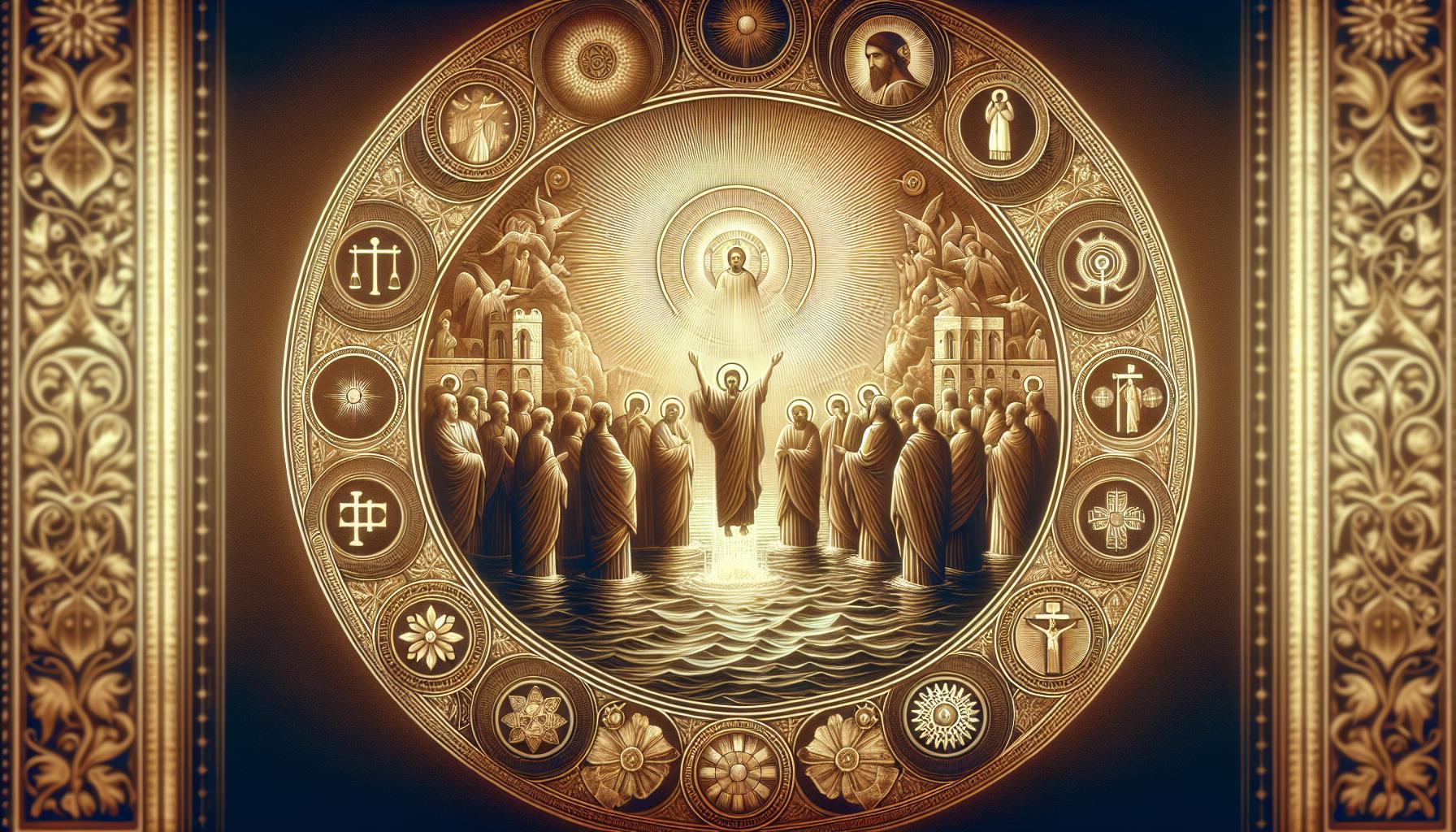
Baptism stands as one of the most significant rituals in various faiths, yet its true purpose often sparks deep questions. This sacred covenant symbolizes entry into a spiritual community, the cleansing of sin, and a commitment to a life of faith. Understanding its profound meaning can illuminate personal beliefs and enhance spiritual journeys for many.
The Significance of Baptism in Christian Faith
Baptism is one of the most profound and transformative practices within Christianity, symbolizing both the initiation into faith and the profound commitment to a life dedicated to Christ. For many believers, the act of being baptized serves as a pivotal moment, often marked by personal testimonies of renewal and hope. The practice is not merely a ritual; it holds deep theological significance that resonates across various denominations, uniting Christians in their understanding of the sacred covenant with God.
Theological Foundations of Baptism
At its core, baptism is an outward demonstration of an inward change. It signifies the believer’s faith in Jesus Christ, symbolizing their death to sin and resurrection to new life. This concept draws heavily from passages such as Romans 6:4, which states, “We were therefore buried with him through baptism into death in order that, just as Christ was raised from the dead through the glory of the Father, we too may live a new life.” Here are a few key theological aspects:
- Symbol of Cleansing: Baptism is seen as a purification of the soul, where the believer is cleansed of their sins, echoing the biblical metaphor of washing away impurities.
- Public Declaration: It serves as a public profession of faith, demonstrating the baptismal candidate’s commitment to following Christ and inviting others into their journey of faith.
- Spiritual Rebirth: Many Christians view baptism as a rite of passage, marking the transition from a life of sin to one of grace.
Community and Identity
Baptism also plays a critical role in fostering community within the Church. By participating in this sacred ritual, individuals not only affirm their personal faith but also connect with the larger Christian body. It becomes an essential aspect of church identity, reinforcing the idea that believers are part of something greater than themselves. This sense of belonging is vital for spiritual growth and accountability.
| Aspect of Community | Significance |
|---|---|
| Welcoming New Members | Celebrates the addition of new believers into the church family. |
| Encouraging Accountability | Promotes support and fellowship among believers to encourage spiritual growth. |
| Communal Worship | Unites the congregation in the worship of God, strengthening communal bonds. |
In conclusion, understanding the purpose of baptism helps believers appreciate its significance in their spiritual journey. It is more than a mere ceremonial act; it is a commitment—an acknowledgment of faith, a call to community, and a declaration of allegiance to the teachings of Jesus Christ. Ultimately, baptism embodies the essence of the Christian faith, as it heralds new beginnings, communal identity, and a steadfast connection to God.
Exploring the Biblical Foundations of Baptism
The roots of baptism trace back to profound biblical narratives, where the act symbolizes both physical purification and spiritual transformation. Throughout the Scriptures, the significance of baptism reveals layers of meaning and purpose that resonate through the ages. Understanding these biblical foundations not only enhances our appreciation for baptism as a sacred covenant but also affirms its enduring role in the lives of believers today.
Scriptural Precedents for Baptism
The Biblical foundation for baptism is primarily illustrated in several key passages. The Gospel accounts document Jesus’ own baptism in the Jordan River by John the Baptist, which is pivotal in understanding its importance. This act served as an endorsement of John’s ministry, demonstrating that Jesus identified with humanity and its need for repentance. Matthew 3:16-17 captures this moment poignantly, signifying the divine approval of Jesus as the Son of God, stating, “And when Jesus was baptized, immediately he went up from the water, and behold, the heavens were opened to him.”
Furthermore, the book of Acts recounts the early church’s practice of baptizing new believers, emphasizing the transformative power of this sacred rite. For example, in Acts 2:38, Peter’s message on the day of Pentecost reflects the call to repentance and baptism, indicating that it is both an outward expression of inward change and a necessary step for those seeking salvation.
The Symbolism of Baptism
Baptism serves as a multifaceted symbol within the Christian faith, encapsulating several key themes:
- Purification: Water is frequently associated with cleansing, indicating the washing away of sins.
- Identification: It signifies the believer’s identification with Jesus’ death, burial, and resurrection, paralleling Paul’s teaching in Romans 6:3-4.
- Membership: Baptism is a rite of initiation that welcomes individuals into the community of faith, marking the transition from an individual to a member of the body of Christ.
- Obedience: It fulfills Christ’s command to baptize as expressed in Matthew 28:19-20, reinforcing the need for follow-through in the journey of faith.
This rich tapestry of symbolism not only conveys the profound spiritual realities at play but also invites believers to reflect upon their personal experiences and commitments.
Baptism as a Covenant
In essence, baptism encapsulates a sacred covenant between the individual and God. It represents a solemn promise that the believer enters into, marked by their acceptance of Christ and commitment to live in accordance with His teachings. This covenantal aspect can be seen through the lens of the Old Testament and the promises made by God to His people, establishing a continuity that christens the new covenant in Christ through baptism.
| Biblical References | Significance |
|---|---|
| Matthew 28:19-20 | The Great Commission emphasizes the command to baptize as part of disciple-making. |
| Acts 2:38 | Peter underscores repentance and baptism as essential for receiving the Holy Spirit. |
| Romans 6:3-4 | Baptism symbolizes the believer’s union with Christ in His death and resurrection. |
As believers delve into the Scriptures, they uncover how baptism is not just a ritual but a profound declaration of faith, echoing through generations. Understanding these biblical foundations allows one to fully grasp the purpose of baptism, recognizing its pivotal role not only as an act of obedience but as an integral part of the Christian journey towards spiritual maturity and communal unity.
The Role of Baptism in Personal Spiritual Journey
Baptism serves as a pivotal milestone in the personal spiritual journey of many individuals, often marking a transformative moment that deepens their relationship with the divine. This sacred ritual is more than a mere ceremony; it embodies a profound commitment and signifies a believer’s intention to embrace a new path rooted in faith. As one immerses themselves in the waters of baptism, they embark on a significant phase of spiritual renewal, often accompanied by a sense of community support and divine presence.
Understanding the multifaceted role of baptism can illuminate its essential purpose in personal growth and spiritual development. For many believers, baptism represents a public declaration of faith, reflecting their internal commitment to live according to spiritual principles. This act not only serves as a purification rite but also acts as a binding covenant between the individual and a higher power. The transformative effect of baptism can be likened to planting a seed in fertile ground—the individual nurtures their faith, which flourishes over time through various spiritual practices, communal gatherings, and personal reflections.
While the immediate experience of baptism brings an exhilarating sense of belonging and divine grace, its long-lasting impact is often felt through ongoing spiritual disciplines and community engagement. Here are some vital aspects of how baptism influences personal spiritual journeys:
- Identity Formation: Baptism shapes the believer’s identity as part of a faith community, fostering a sense of belonging and purpose.
- Spiritual Growth: Many individuals find that their baptism acts as a catalyst for further exploration of faith, prompting deeper studies of sacred texts and doctrines.
- Community Connection: Baptism often brings individuals into a supportive network where they can share experiences, nurture their faith, and engage in service together.
- Personal Reflection: The ritual encourages ongoing self-examination and a commitment to living in alignment with one’s beliefs.
| Aspect of Baptism | Description |
|---|---|
| Spiritual Awakening | Initiates a deeper spiritual awareness and connection with the divine. |
| Renewal | Represents a fresh start and cleansing from past grievances or burdens. |
| Commitment | Serves as a pledge to live a life reflective of spiritual teachings. |
| Community Engagement | Integrates the individual into a broader community of faith, fostering mutual support. |
Taking the step of baptism can lead to a series of transformative actions, including engaging in regular worship, participating in study groups, and volunteering within the community. Each of these activities not only strengthens personal faith but also nurtures a greater understanding of what it means to live in accordance with spiritual values. Ultimately, the act of baptism bridges the gap between a solitary journey of faith and a collective experience within a vibrant religious community, illustrating clearly the purpose of baptism as a foundational covenant in one’s spiritual walk.
Understanding the Symbolism Behind Water and Spirit
The interplay of water and spirit in the context of baptism serves as a profound symbol deeply rooted in various religious traditions. This sacred rite goes beyond mere ritual; it encapsulates themes of cleansing, rebirth, and the indwelling of the divine. Understanding this symbolism can enrich one’s appreciation of baptism as a covenant that transcends generations and geographical boundaries.
The Element of Water
Water is often regarded as a universal symbol of life. In many cultures, it represents fertility, wisdom, and the source of all creation. In the context of baptism, water signifies spiritual cleansing and renewal. It is the element through which individuals publicly demonstrate their commitment to a faith tradition and signify their intent to leave behind a life of sin. The act of immersion, pouring, or sprinkling symbolizes the washing away of past transgressions and the beginning of a new journey in faith.
- Life and Nourishment: Water sustains life, paralleling the belief that through baptism, individuals receive spiritual sustenance.
- Purification: Just as water cleanses the body, it represents the purification of the soul, allowing individuals to emerge renewed.
- Connection to Nature: Water’s presence in nature serves as a reminder of divine creation, linking baptism to the broader narrative of salvation found in scripture.
The Significance of Spirit
The concept of spirit in baptism embodies the presence and guidance of the divine. This aspect highlights the transformative power of baptism; it is not only about being washed but also about being filled with the Holy Spirit. This duality captures the essence of the sacred covenant, illustrating that along with purification comes empowerment and motivation to walk in alignment with one’s faith.
The connection between water and spirit can be broken down as follows:
| Symbol | Meaning |
|---|---|
| Water | Represents cleansing, renewal, and the washing away of sin. |
| Spirit | Embodies divine presence, empowerment, and illumination. |
By embracing the rich symbolism of water and spirit in baptism, individuals commit themselves to a transformative journey that goes beyond the act itself. This sacred ceremony invites believers to explore their faith more deeply, encouraging personal growth and a sense of belonging within their spiritual communities. Recognizing the significance of these symbols allows individuals to better understand What is the Purpose of Baptism: Understanding This Sacred Covenant, and the implications it has for their lives and relationships with the divine.
The Sacred Covenant: What It Means for Individuals and Communities
The concept of a sacred covenant resonates deeply within many spiritual traditions, often seen as a bedrock for both individual identity and collective unity. For those contemplating baptism, this ceremony symbolizes more than just an initiation; it represents a profound promise between the individual, their faith community, and the divine. Understanding this covenant can spark transformative changes in both personal lives and broader communities.
The Personal Journey of Commitment
Through the lens of baptism, individuals embark on a journey marked by personal commitment and spiritual renewal. This sacred act serves as a powerful declaration of faith, where participants acknowledge not only their beliefs but also their willingness to embrace a new path of righteousness. Reflecting on what this covenant means can lead to a deeper understanding of one’s values and purpose.
Key aspects of this personal journey include:
- Self-Reflection: Individuals are encouraged to evaluate their beliefs and the reasons behind their desire for baptism.
- Acceptance of Responsibility: Embracing the covenant means taking on the responsibilities that come with being part of a faith community.
- Spiritual Growth: Individuals often find that the commitment fosters an ongoing journey of learning and spiritual development.
The Collective Impact on Communities
Beyond individual transformations, baptism also carries significant weight for faith communities. It reinforces a sense of belonging and shared values, creating bonds among members. As individuals publicly affirm their commitment, they inspire others and contribute to a vibrant tapestry of faith that enriches communal life. In this context, the sacred covenant becomes a catalyst for positive change, unity, and support within the community.
Communities benefit through:
- Strengthened Relationships: Baptism serves as a communal celebration, bringing individuals together and reinforcing vital connections.
- Shared Mission: It emboldens community members to work collaboratively towards common goals grounded in their faith.
- Cultural Continuity: The tradition of baptism acts as a bridge between generations, passing down core beliefs and values.
The impact of understanding the sacred covenant of baptism resonates far beyond the moment of immersion; it shapes the ongoing narrative of lives intertwined through faith. This reflection on the personal and communal dimensions of baptism inspires individuals and communities alike to embrace their promises with passion and purpose.
Different Traditions: How Baptism is Practiced Across Denominations
When exploring the sacred rite of baptism, one quickly discovers that its expression varies remarkably across different Christian denominations. Each tradition brings its own unique beliefs and practices, shaping not only the experience of the individuals being baptized but also the community that surrounds them. Understanding these differences can deepen one’s appreciation for what baptism truly represents in the broader context of faith.
Varieties of Baptismal Practice
Baptism serves as a crucial covenant within Christianity, and its practice is often influenced by theological interpretations and historical contexts. Here are some key denominations and their distinct approaches to this sacred act:
- Roman Catholicism: Catholics believe in baptism as a sacrament essential for salvation, typically performed on infants. Water is poured over the head thrice in the name of the Father, the Son, and the Holy Spirit, and the ceremony often includes confirmation of faith by godparents.
- Orthodox Christianity: Similarly valuing infant baptism, the Orthodox churches baptize by full immersion three times. This signifies the death, burial, and resurrection of Christ. The baptized individuals are also immediately anointed with holy chrism as a sign of the Holy Spirit’s presence.
- Protestantism: Among Protestants, practices can vary significantly. For example, Baptists advocate for believer’s baptism, where individuals are fully immersed after confessing faith in Christ, emphasizing personal choice and commitment. Conversely, Methodists may practice both infant and believer’s baptism, usually through sprinkling or pouring.
- Non-Denominational Churches: These congregations often adopt flexible baptism practices, focusing on personal faith journeys. They typically perform full immersion for believers, encouraging unique expressions tailored to their community’s values.
A Comparative View of Baptism Across Denominations
To further illustrate the differences in baptismal practices, here’s a comparison chart:
| Denomination | Type of Baptism | Age of Baptism | Method |
|---|---|---|---|
| Roman Catholic | Infant Baptism | Infants | Poured |
| Orthodox | Infant Baptism | Infants | Immersion |
| Baptist | Believers’ Baptism | Age of Understanding | Immersion |
| Methodist | Infants/Believers | Infants or Age of Understanding | Sprinkled or Poured |
| Non-Denominational | Believers’ Baptism | Age of Understanding | Immersion |
Implications of These Differences
These variations reflect deeper theological beliefs regarding the nature of faith, community, and the role of rituals in spiritual life. While some denominations emphasize the necessity of baptism for salvation—viewing it as a grace-filled act—others focus on it as an outward sign of an already existing faith. Understanding these perspectives not only enriches one’s personal faith journey but also fosters greater ecumenical dialogue, demonstrating how diverse traditions can hold a common reverence for this sacred covenant.
Preparing for Baptism: A Guide for Individuals and Families
Preparing for baptism is an exciting journey, steeped in personal reflection and communal celebration. As individuals and families approach this sacred act, understanding its deeper significance can enhance the experience and foster a stronger connection to the faith. Baptism symbolizes the commitment to embrace a new life in Christ, marking a pivotal moment of spiritual rebirth. For many, it is not just a personal event but a joyous occasion shared with loved ones and the wider community.
To begin the preparation process, consider these actionable steps:
- Engage in Spiritual Reflection: Spend time in prayer and meditation to discern the significance of baptism in your life. Reflect on what it means to you as an individual or family.
- Educate Yourself and Others: Familiarize yourself with the teachings and meanings behind baptism as a sacred covenant. Reading resources such as What is Baptism? A Complete Guide for Beginners can provide valuable insights.
- Involve the Family: Discuss the baptism with family members, especially younger ones, to help them understand its importance. Creating a shared narrative can enhance the collective experience.
- Attend a Class or Session: Many churches offer baptism preparation classes. Participating in these can help clarify any questions and build a sense of community among other candidates.
Spiritual and Practical Preparations
As part of your preparation, practical considerations are also important. Coordinating the logistics of the baptism can ensure a smooth experience on the day itself.
| Preparation Task | Details |
|---|---|
| Choose a Date | Coordinate with your church to select a suitable date that works for you and allows family to attend. |
| Select a Sponsor | Determine who will act as your or your child’s sponsor, a critical role in the baptism process. |
| Plan the Celebration | Consider hosting a reception after the baptism to commemorate the occasion with family and friends. |
| Order Baptismal Garments | Choose and customize attire for the baptism; traditionally, white garments symbolize purity. |
Ensuring that both spiritual and practical elements are addressed will lead to a meaningful baptism experience. This sacred covenant is not just a moment of immersion but a profound commitment to a new life intertwined with community faith. Embracing this preparation process aligns perfectly with the purpose of baptism, reinforcing the values of love, renewal, and dedication to a faith-filled journey ahead.
The Ongoing Journey: Living Out the Commitment Made in Baptism
Baptism represents a pivotal moment in a person’s spiritual journey, symbolizing not just an initiation into faith, but also a lifelong commitment to living in accordance with those beliefs. However, understanding what baptism means is only the beginning; it sets the stage for an ongoing journey that requires active engagement and reflection. Embracing this sacred covenant involves tangible actions and a conscious effort to integrate core principles into daily life.
Embracing the Call to Spiritual Growth
Once baptized, individuals are called to deepen their relationship with their faith and explore what that means in practical terms. Here are some ways to honor the commitment made during baptism:
- Daily Reflection: Set aside time each day for prayer or meditation. This can help cultivate a sense of inner peace and connection to one’s faith.
- Community Engagement: Participate in your faith community’s activities, such as service projects or small groups, which foster a sense of belonging and collective support.
- Study and Learning: Engage with sacred texts and spiritual literature to gain deeper insights into the teachings that guide your faith.
In nurturing the bonds of faith and community, baptized individuals are more likely to experience growth and transformation, reinforcing the significance of their baptismal vows.
Living Out the Values of Baptism
Baptism is not merely a ceremony; it is an invitation to embody the qualities that reflect one’s faith. The virtues that should characterize this commitment include love, service, and justice. Here are some practical actions to incorporate these values into everyday life:
- Acts of Kindness: Small gestures can have a profound impact. From volunteering to lending an ear, acts of kindness reinforce the essence of one’s baptism.
- Advocacy for Justice: Engaging in social issues, standing up for those marginalized, and advocating for systemic change reflect the call to justice that comes with baptism.
- Building Relationships: Foster authentic relationships that exhibit love and respect. This is essential in creating a nurturing environment where faith can thrive.
By actively participating in these aspects of life, the commitment made during baptism transforms into a catalyst for both personal and communal growth.
Reflecting on the Journey
Like any significant undertaking, the journey post-baptism requires ongoing reflection and assessment. Setting goals tied to one’s spiritual growth can be beneficial. Consider creating a simple table to track these goals and reflections:
| Goal | Actions Steps | Progress |
|---|---|---|
| Daily Prayer | Set a morning and evening routine | Weekly review |
| Community Service | Volunteer once a month | Log hours volunteered |
| Faith Study | Join a study group | Track insights gained |
By regularly revisiting these goals and adjusting as necessary, baptized individuals can ensure they remain aligned with the sacred commitment made during their baptism. This strategic reflection allows for growth and a richer understanding of the purpose behind baptism—a journey that is as dynamic and evolving as faith itself.
Frequently Asked Questions
What is the Purpose of Baptism: Understanding This Sacred Covenant?
The purpose of baptism is to signify a believer’s commitment to faith in Christ, symbolizing the washing away of sins and the initiation into the Christian community. It’s more than a ritual; it represents a sacred covenant with God.
Baptism is often viewed as a physical demonstration of one’s inner transformation. The act of immersion or sprinkling with water symbolizes purification and the beginning of a new life in Christ. This sacred ceremony is foundational in many Christian denominations as it fulfills Jesus’ command in Matthew 28:19.
To explore the different meanings of baptism across various denominations, check out our article on Baptism Meanings in Christianity.
Why does baptism hold significance in Christianity?
Baptism is significant because it represents both obedience to Christ’s teachings and the believer’s identification with the death, burial, and resurrection of Jesus. It marks a transformative experience in one’s faith journey.
The act serves as a public declaration of faith, allowing the community to witness and affirm the individual’s commitment to following Christ. In Romans 6:4, the Apostle Paul explains how baptism connects believers to Christ’s redemptive work. This underscores the importance of baptism in the Christian faith.
Can I be baptized more than once?
Yes, you can be baptized more than once, particularly if a person feels they have drifted away from their faith or wishes to reaffirm their commitment. However, this varies among different denominations.
Many churches encourage believers to experience baptism once as a symbol of their initial faith commitment. Yet, some traditions embrace a second baptism as an opportunity for renewal or personal significance. It’s essential to discuss specific denominational views with local church leaders.
What does the Bible say about baptism?
The Bible emphasizes baptism as an essential step following faith in Jesus Christ. Scriptures like Acts 2:38 highlight baptism as a response to repentance and salvation, demonstrating its pivotal role in the Christian life.
Throughout the New Testament, baptism is referenced as an act of obedience and an outward expression of inward faith. Jesus’ own baptism in Matthew 3 serves as a model for believers. Understanding the Biblical foundations of baptism can enrich one’s personal faith journey.
How is baptism performed in various church traditions?
Baptism is performed differently across Christian denominations, with variations in method, timing, and meaning. Common practices include immersion, pouring, and sprinkling of water.
While some traditions insist on full immersion as a reflection of Jesus’ baptism, others may opt for sprinkling, especially for infants. Each denomination holds specific theological views on the significance of baptism, influencing how they perform this sacred rite.
What should I know before getting baptized?
Before getting baptized, it is crucial to understand the meaning behind the act, as well as what it signifies in your faith community. Engaging in premarital or baptismal counseling can provide valuable insights.
Consider discussing your faith journey, any doubts you may have, and your commitment to follow Christ with a pastor or spiritual leader. This preparation fosters a deeper appreciation of the baptism experience, guiding you in your spiritual growth.
Is baptism necessary for salvation?
The necessity of baptism for salvation is debated among different Christian traditions. Some believe it is essential, while others see it as an important, but not mandatory act.
For many, baptism is a public affirmation of one’s faith in Jesus and the grace received through His sacrifice. Ephesians 2:8-9 highlights salvation through faith alone, typically leading to diverse perspectives on the relationship between faith and baptism across denominations.
Wrapping Up
In conclusion, understanding the purpose of baptism invites us into a deeper exploration of our faith and communal identity. This sacred covenant serves as a powerful symbol of new beginnings, marking our commitment to live in alignment with spiritual teachings and the community of believers. It not only represents personal transformation but also emphasizes the collective journey we share as individuals and congregations.
As you reflect on the multifaceted significance of baptism—its roots, meanings, and practical implications—consider how it shapes your own spiritual path and relationship with those around you. We encourage you to engage with your community, discuss these insights with fellow believers, and explore further how baptism can enrich your understanding of faith and belonging. May this exploration lead you to a greater appreciation of the sacred traditions that unite us across diverse backgrounds, and may it inspire you to participate with purpose in this profound act of worship.
Get our latest guides, news, and insights highlighted in your Google Search & AI Overviews.