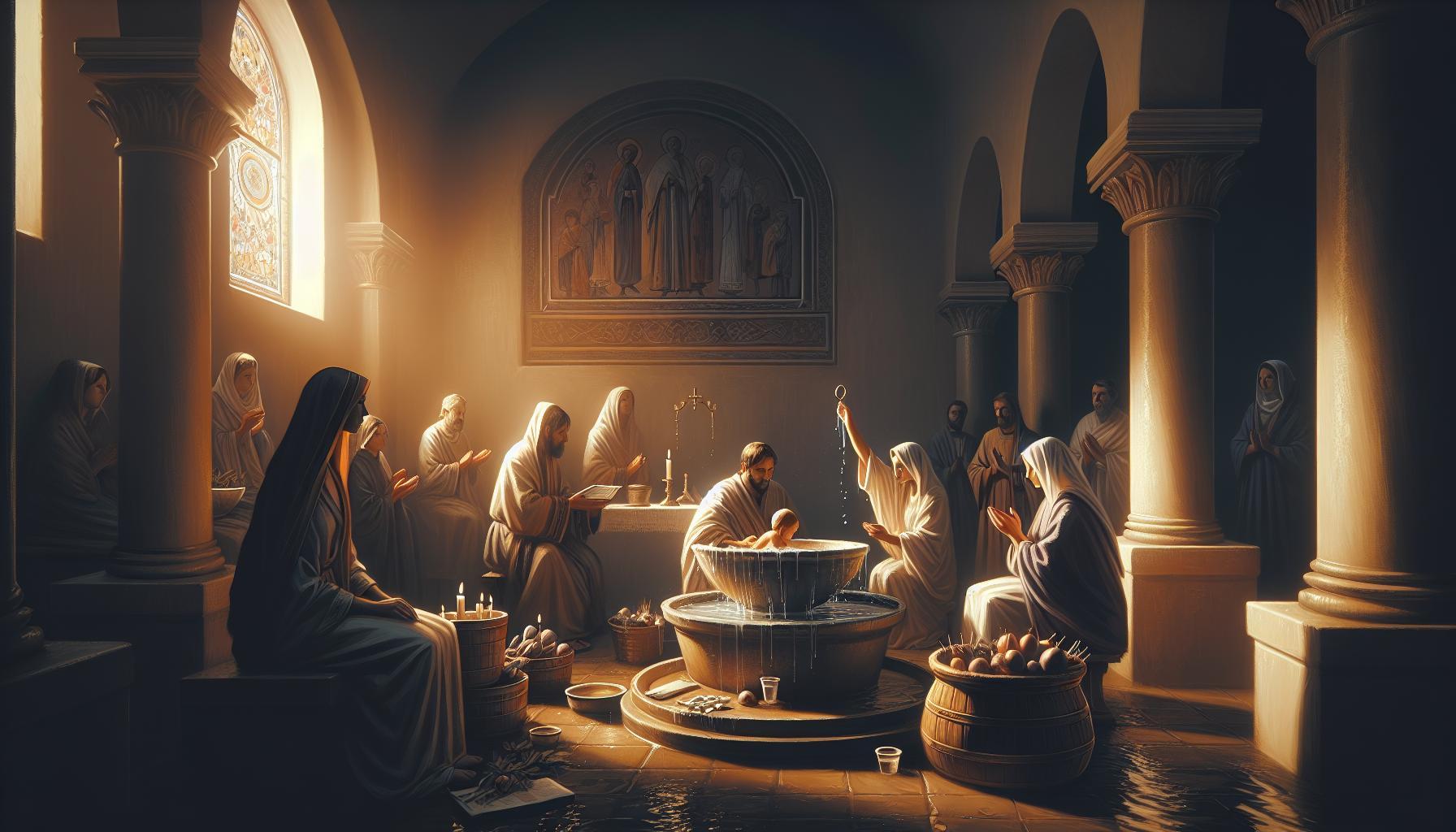
What’s the right age for baptism? This question sparks diverse opinions among various Christian denominations, each with its own traditions and interpretations. Understanding when and why baptism is performed helps clarify these practices and their significance, shedding light on a vital aspect of faith that shapes believers’ spiritual journeys across cultures.
Understanding the Significance of Baptism Across Christian Faiths
The act of baptism is a profound and transformative ritual observed across various Christian denominations, symbolizing a believer’s public declaration of faith and commitment to Christ. Understanding its significance reveals not only the theological underpinnings of the ritual but also the diverse practices and beliefs associated with it. While some denominations practice infant baptism as a means of inclusion within the Christian community, others advocate for a conscious decision to be made by the individual, often leading to differing views on what age baptism should occur.
Symbolism of Baptism
Baptism is often described as a rite of passage, marking the transition from a state of sin to one of grace. In many traditions, it signifies purification and rebirth—a public signal of an individual’s faith journey. This engagement with water embodies several themes such as:
- Death and Resurrection: Immersion in water symbolizes the death of the old self, while emerging from the water represents new life in Christ.
- Community Engagement: Baptism serves as a communal event, reinforcing bonds within the church and demonstrating a collective journey of faith.
- Spiritual Cleansing: It acts as a symbolic cleaning of past sins, emphasizing the importance of repentance and renewal.
Such meanings underscore why discerning *what age is baptism* occurs within each denomination involves not only doctrinal beliefs but also cultural practices.
Variations Among Denominations
Different Christian traditions approach the timing and significance of baptism in unique ways. The following table outlines the primary baptismal practices among various denominations:
| Denomination | Typical Age for Baptism | Key Beliefs |
|---|---|---|
| Roman Catholic | Infancy | Baptism grants grace and inclusion in the Church. |
| Protestant (varies) | Varies; often from 12-14 years | Believer’s baptism emphasizes personal faith. |
| Orthodox | Infancy (with chrismation) | Signifies entry into the faith and community. |
| Baptist | Typically 8-12 years (after conversion) | Only for those who consciously choose to follow Christ. |
This table not only highlights the diverse practices surrounding baptism but also sheds light on the different theological perspectives that influence when and how baptism occurs. For instance, while the Catholic approach leans heavily on the belief that baptism is essential for salvation, many evangelical denominations focus more on the individual’s understanding and acceptance of faith before the baptism can take place.
Each denomination’s unique interpretation of baptism reflects broader beliefs about faith, childhood, and community. Through understanding these varied practices and beliefs, individuals can appreciate the rich tapestry of Christian traditions and recognize their importance in shaping personal faith journey. The question of *what age is baptism* is not just a matter of tradition, but rather one that invites deeper reflection on commitment, belonging, and spiritual growth within the diverse landscape of Christianity.
Exploring Infant Baptism: A Tradition Rooted in Grace
In many Christian traditions, the practice of baptizing infants speaks to a profound theological understanding of grace and community. This ritual, often performed shortly after birth, symbolizes not only the cleansing of original sin but also the welcoming of newborns into the faith community. Infant baptism emphasizes that God’s grace is available to all, irrespective of age or understanding, reflecting the belief that faith is primarily a gift from God rather than something that must be earned.
This tradition is deeply rooted in the historical practices of the early Church, where references to the baptism of entire households—including children—are found in scriptural texts (Acts 16:15; 1 Corinthians 1:16). Many scholars and theologians argue that this practice underscores the communal aspect of faith, where parents and the church community play pivotal roles in nurturing the child’s spiritual journey. Indeed, infant baptism acts as a declaration that the sacrament is not solely dependent on the child’s ability to profess faith, but rather on God’s sovereignty and the promises made by the parents and the congregation to raise the child in the Christian faith.
The Significance of Infant Baptism
Infant baptism holds several key significances within denominational practices:
- Covenant Theology: In many traditions, infant baptism is seen as a continuation of the Old Covenant sign, akin to circumcision, marking the child as part of God’s covenant people.
- Grace Over Works: This practice emphasizes grace, highlighting that spiritual standing before God is not contingent on individual merit or understanding but is a result of divine mercy.
- Community Responsibility: The act reaffirms the commitment of the church community to support and guide the child’s spiritual upbringing.
Moreover, while there are varying views on the timing of baptism across different denominations, the shared belief in nurturing faith from an early age remains central. In contrast to traditions that advocate for believer’s baptism—where individuals are baptized upon making a personal confession of faith—infant baptism assures that God’s love and grace encompass even the most vulnerable members of society, affirming that every life is valued within the church.
Practical Steps for Parents Considering Infant Baptism
For parents contemplating this sacrament, here are several practical steps to consider:
| Step | Description |
|---|---|
| 1. Understand Your Tradition | Research the beliefs and practices of your specific denomination regarding infant baptism. |
| 2. Meet with Church Leaders | Schedule a meeting with your pastor or church leaders to discuss the significance and implications of baptism for your family. |
| 3. Prepare for the Ceremony | Participate in any preparatory classes offered by the church to familiarize yourself with the baptismal promises and responsibilities. |
| 4. Involve the Community | Invite family and friends to witness the baptism, reinforcing the communal aspect of raising your child in faith. |
Engaging in infant baptism not only marks an important spiritual milestone for the child but also strengthens the bonds of faith within families and communities. Each tradition offers distinct views on the age and reasons for baptism, but the overarching theme celebrates the inclusive nature of God’s grace, inviting all to participate in the journey of faith from their very first moments.
The Case for Believer’s Baptism: Choosing Faith at an Age of Understanding
When discussing the importance of baptism within Christian communities, the concept of *believer’s baptism* emerges as a powerful testament to personal faith. This practice, which emphasizes the necessity of individual comprehension and commitment to one’s beliefs before undergoing baptism, invites deeper exploration. The question “What Age is Baptism?” is often addressed in various denominations, but the essence of choosing faith at an age of understanding transcends mere timing; it is about recognizing and embracing one’s relationship with God.
The Significance of Age and Understanding
Believer’s baptism typically advocates for individuals to engage in the rite only after they have reached an age where they can discern their faith’s implications. This moment of understanding is vital, as it symbolizes not just a ritual but a personal covenant with God. Here are some compelling reasons for supporting an age-based approach to baptism:
- Personal Commitment: At an age of understanding, individuals can make an informed decision that reflects their true beliefs. This personal commitment transforms baptism from a tradition into a heartfelt declaration of faith.
- Biblical Precedent: References to baptism in the Bible often imply that individuals made their choice consciously, such as in the account of Jesus’ baptism by John the Baptist, where He affirmed His mission through understanding.
- Community Support: Engaging in baptism at an age of comprehension fosters a supportive community approach. Churches can better assist those making this significant decision, providing them with guidance and mentorship in their faith journey.
Real-World Examples of Believer’s Baptism
Take, for instance, the practice observed in many Baptist churches, where children and teens are encouraged to attend baptism classes. These sessions often cover the meaning of faith and the commitment they will be making, allowing candidates to discuss their beliefs openly. Participants might be asked about their experiences with prayer, scripture, and how they perceive their relationship with God. This dialogue ensures that candidates can articulate their faith clearly before taking the plunge.
Another notable example can be seen in various evangelical denominations, where the focus on personal faith is paramount. Many churches conduct a series of meetings leading up to the baptism ceremony, enabling candidates to reflect on their beliefs and prepare spiritually. This preparatory phase not only empowers candidates but also strengthens the congregation’s role in nurturing faith.
| Denomination | Typical Age for Believer’s Baptism |
|---|---|
| Baptist | Age 8 and above |
| Evangelical Free Church | Age 10 and above |
| Pentecostal | Varies: Often 12 and up |
| Methodist | Varies but generally around adolescence |
By creating an environment where those considering baptism can reflect on their faith journey, churches emphasize the importance of choosing faith intentionally. The commitment made at this age carries profound implications not just for the individual, but for the community as a whole, serving as a powerful reminder of the transformative impact of believer’s baptism.
Timing Traditions: Key Milestones in Baptism Across Denominations
The practice of baptism holds a poignant place in numerous religious traditions, each with its own set of timelines and significances. When asking the question of *what age is baptism*, it’s essential to recognize that this ancient ritual is steeped in diverse customs that vary widely across denominations. Understanding these differences not only enriches one’s perspective on the ritual but also helps families make informed decisions about their baptism choices.
Infant Baptism: A Tradition of Acceptance
In many Christian denominations, particularly Roman Catholicism and some branches of Orthodoxy, infant baptism is a deeply rooted tradition. This practice is based on the belief that baptism removes original sin and initiates the child into the Christian community. Infants can be baptized shortly after birth, often within the first few weeks or months, following the precedent set by scripture in Acts 2:38-39, emphasizing the importance of community in faith.
- Roman Catholic: Typically performed within the first few weeks after birth.
- Orthodox: Often conducted at about 8 days old to coincide with the naming ceremony.
- Lutheran: Similar to Roman Catholic, with a focus on the child’s inclusion in the faith community.
Believer’s Baptism: A Step of Faith
Contrarily, many Protestant denominations practice believer’s baptism, asserting that individuals should only be baptized after they have made a personal declaration of faith. This approach usually sees baptisms occurring around the ages of 12 or older, coinciding with the onset of personal accountability and the ability to comprehend the faith.
| Denomination | Typical Age for Baptism |
|---|---|
| Baptist | 12 years and older |
| Methodist | Usually around ages 12-14 |
| Evangelical Free Church | Upon personal confession, often at age 12+ |
Variations and Nuances
Some denominations have adopted a hybrid approach, blending the beliefs of infant baptism with conditional believer’s baptism, allowing for both practices based on individual conviction. This can lead to variations within community practices, where timing is less rigid and more dependent on personal and familial beliefs.
For families navigating the question of *what age is baptism*, it’s advisable to engage with local church leaders, understand the theological foundations behind the variations, and consider what aligns best with their faith journey. By exploring these rich traditions, parents and guardians can foster a meaningful conversation about baptism’s significance for their children within their chosen spiritual community. Understanding these timing traditions ensures that the sacredness of baptism is honored in alignment with the unique beliefs of each denomination.
The Role of Parents and Godparents in Baptism: Responsibilities and Expectations
In many faith traditions, the celebration of baptism signifies a pivotal moment in a child’s spiritual journey. Yet, the meaningfulness of this rite goes beyond mere ritual; it encompasses the profound roles that parents and godparents undertake in guiding and nurturing the child’s relationship with faith. Their involvement is not only a matter of ceremonial duty but also a commitment to the child’s spiritual upbringing, which can begin as early as infancy, as highlighted in the exploration of baptismal age and traditions across different denominations.
Responsibilities of Parents
When considering the question of “What Age is Baptism?” parents often play a crucial role in the decision-making process. Their responsibilities include:
- Educating the Child: Parents are typically the primary educators of their child’s faith. This begins with the teachings imparted during the baptism ceremony and continues throughout the child’s early years.
- Setting an Example: A child learns most from observing their parents. By practicing the principles of their faith – whether through prayer, attending services, or engaging in community outreach – parents model the values and beliefs they wish to instill.
- Choosing Godparents: The selection of godparents is significant. Parents are encouraged to choose individuals who will support both the spiritual and emotional development of their child. This includes sharing their own faith journey and being present in the child’s life.
Expectations of Godparents
Godparents hold an honorary but pivotal role in a child’s baptism, often seen as spiritual mentors or guardians. Their expectations are carefully defined across different denominations, including:
- Supporting the Family: Godparents are often called upon to provide support to the parents, especially as the child grows. This may include offering guidance during significant milestones, fostering discussions about faith, and even stepping in during times of need.
- Participating in Faith Formation: Many traditions expect godparents to take an active role in the child’s spiritual formation. This involvement can manifest in helping with religious education, attending confirmation classes, and engaging in faith-based activities.
- Being a Role Model: Like parents, godparents are expected to live out the values and teachings of the faith. Their presence at church and in the community reinforces the commitment made during the baptism ceremony.
Practical Steps for Parents and Godparents
To foster a meaningful baptismal experience and subsequent relationship between the child, parents, and godparents, consider the following actionable steps:
| Step | Details |
|---|---|
| Communication: | Regularly discuss faith values and expectations with your child’s godparents to ensure everyone is on the same page regarding the child’s spiritual upbringing. |
| Shared Activities: | Plan faith-based activities, such as attending services together or participating in community service, to reinforce the child’s learning and relationship with both sets of parental figures. |
| Celebration of Milestones: | Involve godparents in significant religious milestones, such as First Communion or Confirmation, to strengthen their influence and connection to the child’s faith journey. |
By recognizing the vital roles that parents and godparents play in the baptismal journey, families can create a robust foundation for the child’s spiritual growth. Whether the decision to baptize occurs at infancy or a later age, establishing clear expectations and responsibilities ensures that this sacred tradition is celebrated with the commitment and reverence it deserves.
Navigating Cultural Differences: How Various Communities Approach Baptism
The rich tapestry of baptism practices across various communities showcases the deep cultural significance attached to this sacred rite. Each denomination has its unique customs and beliefs, often influenced by historical, theological, and social factors that shape their approach to the question, “What age is baptism?” This exploration illustrates not only the differences but also the connections that unite diverse faith traditions.
Infant Baptism vs. Believer’s Baptism
The two main approaches to baptism can be categorized into infant baptism and believer’s baptism. In many Christian traditions, particularly within the Roman Catholic, Orthodox, and some Protestant denominations, infant baptism is a common practice. This custom is rooted in the belief that baptism cleanses original sin and incorporates the child into the faith community even before they are capable of making a personal commitment to their beliefs.
Conversely, traditions such as Baptist and Pentecostal churches advocate for believer’s baptism, where individuals are baptized only when they have reached an age where they can understand and accept their faith. This often leads to baptism being performed on teenagers or adults who have made a personal declaration of faith.
- Infant Baptism: Seen in Roman Catholics, Orthodox, Anglicans. Acknowledges the community’s responsibility to nurture the child in faith.
- Believer’s Baptism: Seen in Baptists, Pentecostals, and others. Emphasizes personal faith and comprehension of the baptismal vow.
Regional Variations in Baptism Traditions
Baptism practices also vary significantly across geographical regions, influenced by cultural nuances and local traditions. For instance, in some African communities, baptism is often preceded or accompanied by elaborate ceremonies that celebrate community and familial ties, emphasizing the role of clan and kinship in the individual’s spiritual journey. In contrast, some European denominations may conduct baptism as a simpler affair, focusing predominantly on its theological implications rather than cultural festivities.
| Region | Common Practice | Cultural Influence |
|---|---|---|
| Africa | Community-centered ceremonies | Emphasis on kinship and communal support |
| North America | Diverse practices (infant and believer’s) | Individualism alongside traditional values |
| Europe | Simpler religious ceremonies | Theological focus, reduced cultural embellishment |
Understanding these cultural distinctions allows for greater respect and appreciation of the traditions surrounding baptism. Engaging in discussions about baptism within your community can foster deeper connections with individuals from different backgrounds and encourage an inclusive atmosphere that values diverse practices. Recognizing “What Age is Baptism?” transcends mere age considerations; it’s about understanding the diverse meanings and implications that this sacred practice holds across various traditions.
The Spiritual Journey: Preparing for Baptism in Different Faith Contexts
In a world bustling with diversity, the act of baptism remains a universally significant ritual across various faiths, symbolizing a transformative passage and a commitment to spiritual beliefs. As people prepare for this profound milestone, it is essential to understand how different denominations approach the age and timing of baptism. Whether it is in a traditional Christian context or in the broader scope of spiritual practices, the preparations often reflect the unique values and doctrines of each faith community.
Exploring Differences in Baptism Preparation
In many Christian denominations, the preparation for baptism entails a period of learning and spiritual growth. The age at which individuals are baptized varies significantly; some faiths practice infant baptism, while others advocate for baptism at an age when the individual can make an informed choice. This distinction can affect how families and individuals prepare for the rite. Here, we summarize the varied approaches to baptism across major denominations:
| Denomination | Preferred Age for Baptism | Preparation Process |
|---|---|---|
| Roman Catholic | Infant to early childhood | Parents participate in baptismal classes |
| Protestant (e.g., Baptist) | Age of accountability (usually 12-14) | Candidates undergo catechism classes |
| Orthodox | Infant | Family prepares through prayer and community support |
| Methodist | Infants to adults | All candidates participate in confirmation classes |
These preparatory measures often emphasize the importance of community and personal reflection. For instance, in Roman Catholicism, preparation usually includes family participation in the sacraments and a commitment to raising the child within the faith. In contrast, denominations like the Baptists prioritize individual choice, which leads to a more involved preparation process where candidates learn about their faith before taking the plunge.
The Role of Personal Choice and Community
The spiritual journey surrounding baptism doesn’t solely rest on age; the act of baptism itself is deeply intertwined with community connections and personal faith. Many traditions encourage ongoing involvement in the church and its activities as part of readiness for the rite.
In some Protestant churches, for instance, the decision to be baptized is often preceded by a “testimony” phase, where individuals articulate their faith journey to their congregation. This communal aspect not only reinforces personal beliefs but also fosters a supportive environment where one’s journey is celebrated collectively. Active participation in community worship and events can also be beneficial, enabling candidates to forge deeper connections with their faith community, paving the way for a spiritually enriched baptism experience.
While the question of “What Age is Baptism?” serves as a foundation for understanding these practices, it’s the preparation that ultimately transforms the act into a meaningful spiritual milestone, fostering a lasting commitment to one’s faith journey.
Insights from Church Leaders: Perspectives on the Right Age for Baptism
When it comes to the question of baptism, age holds significant meaning across various Christian denominations. Church leaders frequently share insights reflecting their theological perspectives and personal experiences that shed light on this vital sacrament. Understanding these viewpoints not only enriches one’s appreciation for baptism but also helps prospective candidates and their families make informed decisions regarding timing traditions.
Varied Perspectives on Age
The stance on the appropriate age for baptism varies widely among denominations, influenced by interpretations of scripture and theological doctrines. Here are some key insights from church leaders:
- Infant Baptism Advocates: Leaders from traditions such as Methodism and Roman Catholicism often argue for infant baptism, emphasizing the grace imparted by the sacrament itself. They believe that baptism initiates children into the faith community and reflects God’s unconditional love.
- Believer’s Baptism Proponents: Conversely, churches like Baptists and Pentecostals typically advocate for baptism at the age of accountability—when a person is capable of making a conscious decision to accept faith. Leaders from these communities stress the importance of understanding and personal commitment, highlighting the narrative of Jesus’ own baptism at around thirty years of age as a model for adult candidates.
- Age of Confirmation: Some denominations, such as Lutherans, rehearse the concept of confirmation following baptism. Leaders in these communities may suggest baptism during infancy paired with a formal affirmation of faith in adolescence, thus creating a transitional rite that balances grace with personal commitment.
Understanding the Cultural Context
Another vital aspect affecting baptism practices is the cultural context of the church community. For instance, leaders from churches in regions with a strong emphasis on family and communal identity might advocate for infant baptism as a rite of passage that integrates children into the fabric of the church early on. In contrast, in areas where individualism prevails, the prevailing trend often inclines toward delayed baptism until sufficient faith and understanding are cultivated.
| Denomination | Typical Age for Baptism | Key Focus |
|---|---|---|
| Roman Catholic | Infant | Grace and entry into the faith community |
| Baptist | Age of Accountability (typically 8-12) | Personal faith and understanding |
| Lutheran | Infant with Confirmation around age 14 | Grace followed by personal commitment |
To navigate the complexities surrounding baptism timing, church leaders often recommend open discussions with fellow clergy and members of the congregation. These conversations can provide guidance tailored to individual circumstances, emphasizing the importance of faith in forming one’s understanding of baptism. In doing so, families can make choices that align with their beliefs while honoring their spiritual heritage.
Q&A
What Age is Baptism? Timing Traditions Across Denominations Explained?
The appropriate age for baptism varies by denomination, ranging from infant baptism to a more mature age, often between 12-14 years. Each tradition interprets the meaning of baptism differently, influencing their timing.
For instance, in Roman Catholic and Orthodox traditions, infants are baptized shortly after birth, signifying entry into the faith community. In contrast, denominations like Baptists and Methodists typically practice “believer’s baptism,” emphasizing personal faith, often after the age of 12.
For a comprehensive understanding of various practices, consult our article on baptism timing traditions.
Why do some denominations baptize infants?
Infant baptism is practiced to affirm God’s grace and the belief that baptism initiates a lifelong journey of faith within a supportive community.
Traditions such as Catholicism and Anglicanism view infant baptism as a covenant, akin to the Old Testament practice of circumcision, representing God’s promise to the child and the community’s commitment to nurturing their faith.
This practice highlights the concept of grace and the belief that faith can grow over time, differing markedly from traditions that emphasize personal confession before baptism.
Can I choose to be baptized at any age?
Yes, you can choose to be baptized at any age, though specific denominations may have guidelines or requirements regarding age and understanding.
Many Protestant denominations allow individuals to be baptized once they can articulate their faith, often around age 12 or later. This process may include a formal confirmation class or some personal reflection.
Interested individuals are encouraged to speak with their pastor or church leaders to determine the best timing for their baptism.
What if I wasn’t baptized as an infant?
If you weren’t baptized as an infant, many denominations offer opportunities for baptism later in life, often presenting it as a significant step in personal faith.
In Baptist and other faith traditions, adult baptism is both common and celebrated, recognizing a personal declaration of faith. Adult believers can choose to undergo baptism when they feel ready, affirming their commitment to their spiritual journey.
If you have questions about the process, consider speaking with your local church community.
Why does baptism timing vary across denominations?
Baptism timing varies across denominations due to differing theological interpretations of sacraments and the concept of original sin.
For example, while Catholics view baptism as necessary for salvation from birth, other denominations see it as an expression of faith that should occur only after an individual can understand and accept their faith.
This divergence illustrates the rich tapestry of Christian beliefs and practices regarding baptism, emphasizing community and personal faith differently.
How can I prepare for baptism?
Preparation for baptism typically includes educational classes, discussions with spiritual leaders, and personal reflection on your faith journey.
Most churches require candidates to undergo a period of catechesis, designed to explore the meaning of baptism and the responsibilities it entails, such as participating in the church community and living out one’s faith.
If you’re considering baptism, reach out to your pastor or church for details on available preparation resources.
What are the symbolic meanings of baptism?
Baptism symbolizes purification, spiritual rebirth, and initiation into the faith community, holding varied significance across Christian traditions.
In many denominations, it represents the washing away of sin and the beginning of a new life in Christ. This profound act serves as a public affirmation of one’s faith and dedication to following Jesus.
Understanding these symbols can deepen the personal significance of baptism for you and your community.
To Conclude
As we conclude this exploration of the age of baptism and the rich tapestry of traditions across different denominations, we invite you to reflect on the profound significance of this sacred rite. From infant baptism to the age of accountability, each practice is rooted in deep theological meaning and community values. Remember that whether you are considering baptism for a child or contemplating your own, the decision is deeply personal and should be approached with prayerful consideration and an open heart.
We encourage you to reach out to your local faith community for guidance, engage in conversations with your clergy, or delve deeper into your denomination’s teachings. Understanding the timing and traditions of baptism not only enriches your faith journey but also strengthens your connection to a wider community of believers. We hope this article has provided valuable insights and inspires you to explore further the divine implications of baptism in your life and the lives of those around you. Thank you for joining us on this journey, and may your path be illuminated with grace and understanding.