When navigating the world of religious ceremonies, many wonder whether christening is synonymous with baptism. Understanding the nuances between these two rites is essential for parents seeking spiritual guidance for their children. This article explores the key differences and similarities, shedding light on their significance within various faiths.
Understanding the Foundations: What Christening and Baptism Really Mean
Understanding the deep-rooted traditions and practices surrounding Christening and Baptism can unveil a fascinating glimpse into the significance of each ceremony. These rituals, often confused with one another, hold distinctive meanings in different Christian denominations. While both involve the act of welcoming individuals—often infants—into the faith community and are rooted in the teachings of Jesus Christ, the nuances of their practices underscore the rich tapestry of Christian beliefs.
Defining the Rituals
At their core, Christening and Baptism serve to initiate a person into the Christian faith, yet they are marked by distinct rituals and theological implications:
- Baptism is derived from the Greek word *baptizo*, meaning “to immerse” or “to dip.” It symbolizes the cleansing of sin and the believer’s public declaration of faith. In many traditions, particularly within Protestant communities, Baptism is performed as an act of obedience following a personal declaration of faith, and it often occurs for both infants and adults.
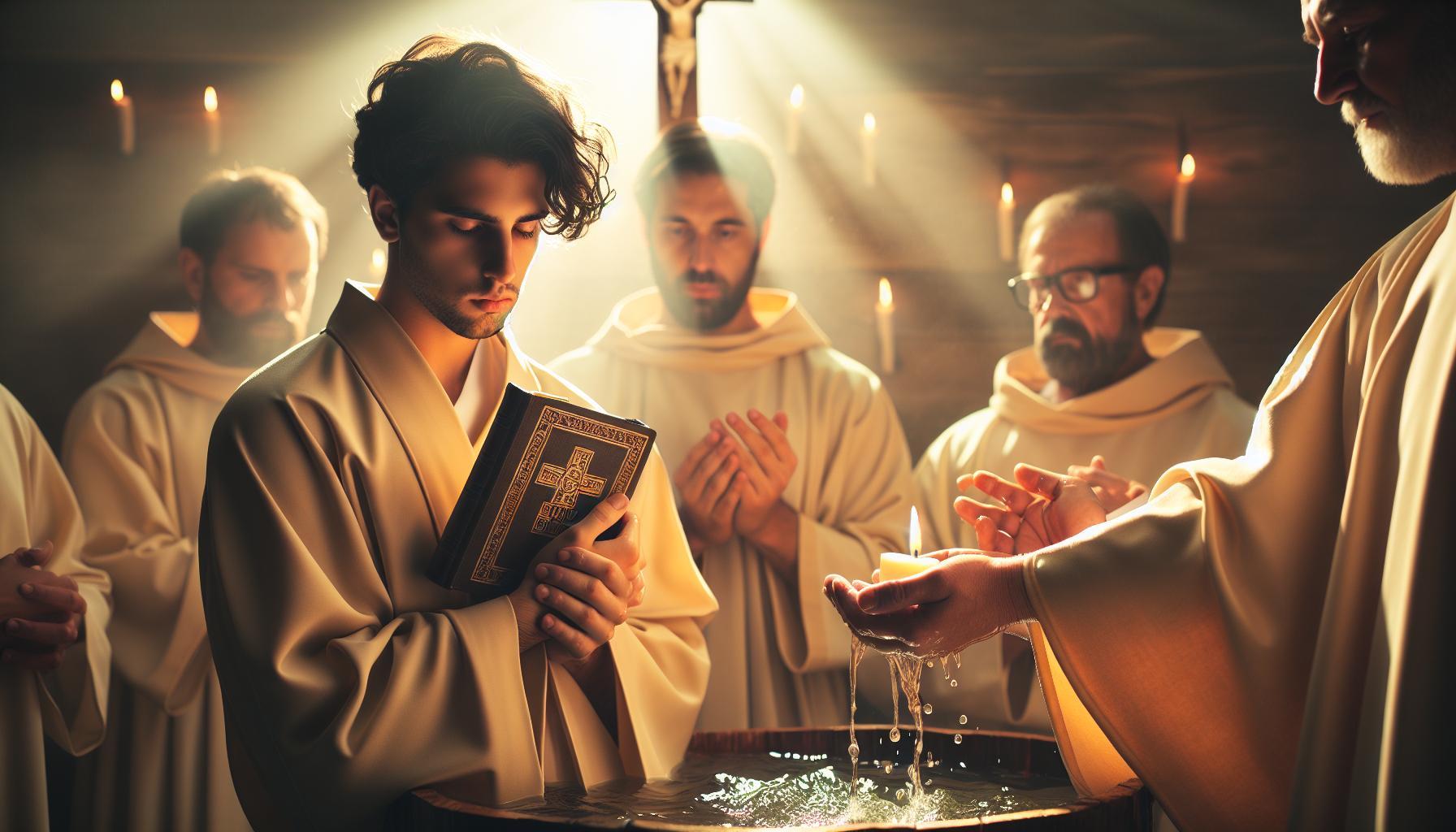
- Christening, on the other hand, typically refers specifically to the ceremony where a child is named and welcomed into the church. This practice is most commonly associated with Anglican and Catholic traditions. Christening usually involves the sprinkling of water, which signifies the parents’ promise to raise the child within the faith.
Key Differences and Similarities
To understand how Christening differs from and resembles Baptism, it can be helpful to visualize their essential components. The following table highlights these aspects:
| Aspect | Christening | Baptism |
|---|---|---|
| Primary Focus | Name and dedication of the child | Repentance and faith |
| Age Group | Primarily infants | Infants, children, and adults |
| Typical Ritual | Water is sprinkled on the forehead | Full immersion or pouring of water |
| Denominations | Common in Anglican and Catholic | Widely practiced in most Christian denominations |
Understanding these foundational differences can empower parents to make informed decisions regarding their child’s spiritual journey. They should consider both personal and denominational beliefs to determine whether Christening or Baptism aligns best with their family’s values. Exploring the significance of these ceremonies is not just an academic endeavor; it can create deeper connections within the faith community and foster a supportive environment for spiritual growth.
Historical Roots: The Evolution of Christening and Baptism Through the Ages
Throughout history, the rituals of christening and baptism have served as pivotal rites of passage within various cultures and religious traditions. These ceremonies are often imbued with profound meaning, marking significant transitions in one’s spiritual journey. While many modern believers may view christening and baptism as synonymous, a deeper exploration into their historical roots reveals a rich tapestry of evolution, reflecting both theological shifts and cultural adaptations.
The Origins of Baptism
Baptism, drawing from the Greek word baptizo, meaning “to immerse,” has its origins in ancient Jewish purification rituals. Before the advent of Christianity, water was used symbolically for cleansing and purification, rooted in the significance of being made spiritually clean before God. As Christianity emerged, John the Baptist played a crucial role in establishing baptism as a means of repentance, preparing the way for Jesus’ ministry. The New Testament passages articulate a clear link between Jesus and baptism, solidifying its status as a fundamental sacrament in Christian faith.
- Key Historical Milestones in Baptism:
- John the Baptist begins the practice of water baptism as a symbol of repentance.
- Jesus undergoes baptism, affirming its spiritual significance.
- The Great Commission instructs the apostles to baptize as a fundamental part of discipleship.
- Development of theological interpretations, such as infant baptism versus believer’s baptism.
Christening in Historical Context
While baptism has deep roots in the early Christian community, the concept of christening as a distinct practice emerged significantly later, particularly in medieval Europe. The term “christening” refers to the naming and dedication of a child to God, typically performed in conjunction with baptism. This practice became especially popular in the Catholic Church and among Protestant denominations, emphasizing both the act of initiation and the communal acknowledgment of the child’s spiritual journey.
In many cultures, christening ceremonies often incorporate various traditions that reflect local customs, such as unique prayers, the selection of godparents, and celebratory feasts post-ceremony. These rituals serve not only to mark a child’s entry into the Christian faith but also to forge connections within the community and foster prayerful support from family and friends.
Comparative Aspects of Baptism and Christening
Understanding the distinctions and similarities between baptism and christening offers valuable insights for parents and individuals considering these rites. Here’s a simplified comparison of the two practices:
| Aspect | Baptism | Christening |
|---|---|---|
| Purpose | Spiritual purification and initiation into faith. | Dedication of a child and naming. |
| Age of Participants | Can be administered to infants or adults. | Primarily performed on infants. |
| Ritual Elements | Involves immersion or pouring of water with specific prayers. | Combines baptism with naming and additional cultural elements. |
| Religious Context | Commonly recognized across many Christian denominations. | More prevalent in certain traditions, particularly in Catholicism and some Protestant denominations. |
Exploring the historical evolution of christening and baptism provides a richer understanding of their significance in contemporary practice. Recognizing their origins helps us appreciate the diverse ways in which communities express faith, family, and spirituality today, serving as a foundation for future generations to build upon.
Theological Perspectives: Comparing the Significance of Christening and Baptism
The debate surrounding the significance of Christening versus Baptism captivates both scholars and laypersons alike. In various Christian traditions, these two practices are often conflated, leading to confusion and differing theological interpretations. While both rituals signal initiation into the Christian faith, their meanings and implications diverge significantly, revealing a spectrum of beliefs within Christianity.
The Nature of the Rituals
Both Christening and Baptism involve the use of water as a symbol of purification and spiritual rebirth, yet they serve distinct purposes depending on the denomination. Generally:
- Christening: Primarily associated with infants, this ceremony typically symbolizes a commitment by the parents and godparents to raise the child in the Christian faith. It often includes naming the child, reflecting the belief that one’s name carries divine importance.
- Baptism: This can involve individuals of any age, focusing on the believer’s personal decision to follow Christ. It is viewed as an outward sign of an individual’s faith and acceptance of Jesus as Lord and Savior.
A comparative analysis of these acts reveals how different theological perspectives shape their significance. In denominations such as the Anglican Church, Christening is viewed as a necessary stepping stone towards spiritual maturity, whereas Baptism, as practiced in Baptist traditions, mandates a conscious declaration of faith. This fundamental difference raises questions about the nature of faith itself and whether it can be genuinely expressed by infants or must be a personal acknowledgment.
Theological Implications
The theological ramifications of choosing either Christening or Baptism are profound. For instance, in a Baptist context, the belief in “believer’s baptism” suggests that faith must precede the act of Baptism, emphasizing personal accountability and conscious belief. Conversely, the practice of Christening, especially in Catholicism, underscores the concept of original sin and the necessity for divine grace through initiation, even before an individual can make personal decisions regarding faith.
| Aspect | Christening | Baptism |
|---|---|---|
| Age | Infants | Any age, usually older children or adults |
| Focus | Parental commitment and community involvement | Personal faith and acceptance of Christ |
| Acknowledgment of Sin | Original sin; initiation into the faith community | Personal recognition of sin and repentance |
| Theological Emphasis | Grace and community support | Faith, obedience, and individual commitment |
Understanding these distinctions not only clarifies the practices themselves but also enriches the dialogue within Christian communities. Engaging with various interpretations encourages deeper spiritual reflection and a more profound appreciation for the diverse ways through which faith is expressed and nurtured. The question of whether Christening is the same as Baptism ultimately leads to an exploration of identity, community, and personal conviction in one’s spiritual journey.
Rituals and Practices: How Christening and Baptism Differ in Ceremony and Meaning
In the rich tapestry of Christian traditions, two ceremonies often spark intrigue and confusion: Christening and Baptism. While these rites both signify significant spiritual milestones, they embody distinct meanings and practices that can vary widely across denominations and cultures. Understanding these differences is essential for families seeking to navigate their spiritual journeys.
Defining the Ceremonies
Baptism is primarily a sacrament viewed in various Christian denominations as a means of grace. It signifies the initiation of an individual into the Christian faith and symbolizes the cleansing of sin and rebirth in Christ. Typically, Baptism is performed with water and can involve procedures like full immersion or pouring water over the head. Here, the focus is on the individual’s commitment to faith and their new life as a member of the Christian community.
On the other hand, a Christening usually refers to a specific type of Baptism, focusing on the naming of the child, generally an infant. In many traditions, the term is synonymous with the ritualistic process of dedicating a child, often incorporating a blessing, prayers, and a communal acknowledgment of the child’s identity within the faith. While Christening emphasizes the child’s introduction to the faith community, Baptism centers on the individual’s personal faith.
Key Differences in Rituals
Understanding the rituals themselves can further clarify how Christening and Baptism differ. Here are the primary elements that set them apart:
- Participants: Baptism can involve individuals of any age, while Christening typically focuses on infants or young children.
- Ritual Components: Baptism may include full immersion and personal vows, whereas Christening usually features naming and blessings.
- Church Involvement: Baptism often requires a formal ceremony with clergy, while Christening can happen in various contexts, including private family gatherings.
- Denominational Practices: Different denominations may have their own interpretations of these ceremonies. For instance, Catholic and Protestant traditions can differ widely in how they perceive and execute both rites.
Symbolism and Meaning
The symbolism behind each ceremony remains an essential topic of discussion. In Baptism, the water represents purification and the washing away of sin, invoking the idea of a fresh start in one’s spiritual life. Christening, alternately, emphasizes community and familial bonds; it is a public affirmation of support for the child’s spiritual upbringing.
| Aspect | Baptism | Christening |
|---|---|---|
| Focus | Personal Faith | Child’s Naming |
| Age Group | Any Age | Infants/Young Children |
| Ritual Type | Sacrament | Dedicatory Ceremony |
| Common Practices | Water Immersion, Vows | Blessings, Naming |
Whether families are deciding on a Baptism or a Christening, clarity on the significance and practices associated with each can aid in making informed choices that resonate with their beliefs and traditions. By recognizing the nuances in these sacred ceremonies, parents can create meaningful experiences that honor both their faith and their children.
Who’s in the Water? Exploring Eligibility and Intent Behind Christening and Baptism
When it comes to the sacred rituals of welcoming new life into the community of faith, understanding the differences and similarities between christening and baptism can be quite enlightening. Both practices hold rich traditions and deeply rooted significance in Christianity, but they cater to different demographics and purposes. Knowing who participates in these rituals and their intentions can provide clarity for those considering them.
Understanding Who Participates
Typically, christening is associated with infants and young children, acting as a ceremony to welcome them into the Christian faith. In contrast, baptism is often performed on individuals of any age, including adults who wish to affirm their faith or convert to Christianity. This difference may explain why many people question, “Is Christening the Same as Baptism: Key Differences & Similarities?” Here’s a quick overview of eligibility:
| Ritual | Typical Participants |
|---|---|
| Christening | Infants & young children |
| Baptism | Infants, children (with understanding of faith), and adults |
Intent Behind the Rituals
Understanding the intent behind christening and baptism can illuminate why these practices are so cherished. For many families, christening serves as a public declaration of their commitment to nurture their child’s spiritual upbringing. This ritual serves to invoke God’s blessings upon the child, often accompanied by the selection of godparents who will support the child’s faith journey.
On the other hand, baptism signifies a personal commitment to faith, often accompanied by an understanding of the Christian doctrines. It represents a believer’s identification with the death, burial, and resurrection of Jesus Christ, often accompanied by a moment of deep spiritual connection. Adults choosing baptism may reflect on their journey and affirm their decision to follow Christ, making this occasion deeply personal and transformative.
Many argue about the overlap between these practices, leading to the question of whether christening and baptism serve the same purpose. While both rituals hold significant weight in the Christian community, the intentions and participants involved highlight distinct paths within the spiritual journey that each individual chooses to embark upon.
A Family Affair: The Role of Community and Tradition in Christening and Baptism
Every christening and baptism brings together families, communities, and generations, creating a rich tapestry of cultural and spiritual significance. These rites of passage are not simply individual ceremonies; they serve as powerful affirmations of faith and unity within a community. While many people often ponder whether christening is the same as baptism, the differences and similarities between the two can illuminate the vital role of tradition and community ties in these celebratory events.
The Significance of Community
At the heart of christenings and baptisms is the involvement of family and friends. These gatherings often feature a supportive network forming a protective circle around the child and their parents. Celebrations can vary widely, from intimate family events to large communal gatherings, showcasing the unique characteristics of each culture or denomination. The communal aspect emphasizes the idea that faith is not a solitary journey but one enriched by shared beliefs and experiences.
- Godparents’ Role: In many traditions, godparents are chosen to take an active role in the child’s spiritual upbringing, further intertwining family and community connections.
- Rituals and Symbols: Community rituals, such as the lighting of candles or sharing of meals, reinforce the bonds within a community, emphasizing collective commitment to the spiritual development of the child.
- Shared Responsibility: The presence of friends and family symbolizes a collective commitment to nurturing and guiding the child’s faith journey.
Tradition as a Foundation
Traditions surrounding christening and baptism often reflect deep-rooted values and beliefs that have been handed down through generations. For instance, the choice of water—whether it’s from a sacred source, a local river, or simply tap water—can vary, but all signify purification and renewal. Exploring the differences in rituals helps to appreciate how they cater to the needs and customs of specific communities.
| Aspect | Christening | Baptism |
|---|---|---|
| Participants | Primarily family | Wider community |
| Age of Recipient | Infants or young children | Can include older children and adults |
| Ritual Purpose | Welcoming into the Christian community | Symbolizes a public declaration of faith |
| Water Usage | May use sprinkling | Typically involves immersion |
In essence, both christening and baptism are more than mere ceremonial acts; they are vital expressions of community identity and familial bonding. Traditions, such as communal prayers, singing hymns, and the sharing of stories, amplify the event’s importance, ensuring that the child growing up understands their role within a larger narrative. As families break bread and share blessings, they fortify their connections, serve as role models, and create an enduring legacy of faith and community involvement that can echo across generations.
Navigating Different Denominations: Christening and Baptism Across Religious Sects
Throughout history, religious rituals have evolved, taking on various meanings and significance within different cultures. As families seek to celebrate new life, the ceremonies surrounding it can vary not only by personal belief but also across religious denominations. While both christening and baptism are fundamental to the Christian faith, they are observed differently across various sects, highlighting a rich tapestry of traditions and practices.
Understanding the Rituals
Within Christianity, the understanding and practice of baptism can differ widely. Here are some key distinctions between denominations:
- Roman Catholicism: In Roman Catholic tradition, baptism is seen as a sacrament essential for salvation. Infants are typically baptized to cleanse original sin and initiate them into the church. This is often referred to as christening, especially when it includes naming the child.
- Orthodox Christianity: Similarly, Orthodox branches practice infant baptism but perform a series of rituals that include anointing that emphasizes the child’s entry into the faith community.
- Protestant Faiths: Many Protestant denominations view baptism as a public declaration of faith, often reserved for those who are old enough to understand its implications. Some Protestant groups may practice infant baptism similar to Catholics, while others, like Baptists, emphasize believer’s baptism, where individuals are baptized after making a personal commitment to faith.
- Anglican/Episcopal Tradition: In this tradition, christening is often the term used for infant baptism, but both terms can be used interchangeably. The ritual includes godparents and a blessing, underscoring community support in raising the child within the faith.
Significance in Different Contexts
The overall significance attributed to these rituals also varies across contexts. While christening is often viewed more as a naming ceremony in some traditions, in others, it represents a covenant with God. Understanding these nuances can help families choose the most meaningful path for their child.
| Denomination | Type of Baptism | Age of Baptism |
|---|---|---|
| Roman Catholic | Infant Baptism | Typically performed shortly after birth |
| Orthodox | Infant Baptism | Shortly after birth |
| Baptist | Believer’s Baptism | Age of understanding (varies) |
| Anglican | Infant Baptism/Christening | Shortly after birth |
In approaching the question of whether christening is the same as baptism, examining the different practices across denominations provides clarity. Each tradition offers a unique perspective, informed by theological beliefs and cultural backgrounds, allowing for rich, personalized ceremonies that resonate deeply with the families involved. Understanding these differences and similarities can help guide decisions for those standing on the threshold of faith and family, creating meaningful experiences filled with grace and intention.
Personal Reflections: Finding Meaning and Purpose in Your Christening or Baptism Journey
Reflecting on the significance of your Christening or Baptism journey can be a deeply personal and transformative experience. Regardless of whether you view it through the lens of religious tradition or as a ceremonial rite of passage, understanding the nuances between these practices—explored in the contrasting aspects of Is Christening the Same as Baptism: Key Differences & Similarities—can enhance your experience.
Understanding the Personal Significance
Many individuals take part in these sacred rituals not just for tradition’s sake, but to mark a pivotal moment in their spiritual lives. The process of Christening often emphasizes welcoming a child into a faith community, while Baptism signifies a personal commitment to faith and concerted belief in spiritual teachings. Reflecting on these distinctions can foster a deeper connection to the faith you choose to embrace. Consider the following:
- Family Involvement: Engaging with family during these ceremonies can spark meaningful conversations about beliefs and values.
- Personal Commitments: For adults, Baptism serves as a powerful declaration of faith. Reflect on what this commitment means to you personally.
- Cultural Traditions: Whether it’s a Christening or Baptism, each ceremony is steeped in cultural significance—exploring this can enhance your appreciation for the event.
Creating Lasting Memories
The rituals surrounding both Christening and Baptism often create lasting memories that bond families and communities. Many people find that incorporating personal elements into the ceremony can make the experience even more meaningful.
Actionable Steps for a Meaningful Experience
- Choose Personal Symbols: Many families incorporate specific symbols—such as a candle, a piece of jewelry, or a prayer card—that hold personal significance. These can serve as a lasting reminder of the day.
- Write a Reflection Letter: Consider writing a letter to yourself or your child that encapsulates your thoughts, beliefs, and hopes tied to this experience. This can be revisited over the years as a reminder of your faith journey.
- Community Involvement: Involve your community in the ceremony, whether it’s through prayers, songs, or shared meals after the event. This connection reinforces the sense of belonging that both rituals are designed to create.
In essence, regardless of how you label your journey—whether it’s a Christening or Baptism—allow yourself to immerse in the process. The exploration of meanings connects you to a broader community and creates a shared understanding, enriching both your spiritual and personal growth.
FAQ
What is the difference between Christening and Baptism?
Christening often refers to the naming ceremony held in some Christian traditions, while Baptism is the act of immersing or sprinkling water on a person as a sign of initiation into the faith. Both ceremonies mark significant spiritual milestones.
In many denominations, Baptism is considered a sacrament that signifies the individual’s commitment to faith and the community. In contrast, Christening typically incorporates a naming aspect, often intended for infants or young children. The terminology and specific rituals can vary greatly across different faith traditions.
How do Baptism and Christening relate to infant faith?
The question of infant faith is foundational in discussions about Christening and Baptism. Many traditions practice infant baptism to welcome children into the faith community, even before they can express their beliefs.
In denominations that practice infant baptism, such as Catholicism and some Protestant groups, it symbolizes the belief in God’s grace that works independently of the individual’s understanding. This contrasts with denominations like Baptists, where baptism is reserved for those who can consciously accept Jesus Christ as their savior, emphasizing the need for personal faith.
Why does the terminology differ between denominations?
Different religious traditions use varying terms due to historical, cultural, and theological factors. While Baptism is a sacrosanct religious act found in most Christian contexts, the term Christening is particularly prevalent in Anglican and Catholic rites.
This variation in terminology reflects deeper theological beliefs regarding the significance of the ceremony. For example, Christians who view baptism as a strict requirement for salvation may emphasize the act of Baptism, leaving out the terminology of Christening, which they may view as less formal or even optional.
Can I have a Christening if I have already been baptized?
Yes, individuals can have a Christening even if they have previously received Baptism. This often occurs in families wishing to include the child in their specific faith tradition’s rituals.
For instance, a child baptized in one tradition may be christened in another tradition for ceremonial recognition and family reasons. However, it’s essential to check with the specific faith community about their practices and beliefs regarding the significance of such an event.
What are the main similarities between Christening and Baptism?
Both Christening and Baptism serve to initiate individuals into the Christian faith and community. They often involve water as a symbol of purification and renewal.
Additionally, both ceremonies typically include prayers and sometimes the signing of a cross, emphasizing the unity of believers. They signify a commitment both from the individual and the community to support their spiritual growth.
Is Christening the Same as Baptism: Key Differences & Similarities?
No, they are not the same. While Christening typically refers to the naming ceremony within an act of baptism, Baptism itself is the ritual of water that signifies one’s entry into the faith.
To dive deeper into this topic, we encourage you to explore our detailed
article on baptism significance.
Why is understanding these terms important?
Understanding the differences and similarities between Christening and Baptism is important for individuals navigating their spiritual journeys. It provides clarity on the rites and rituals they participate in or choose for their children.
Such knowledge enriches individuals’ spiritual experiences and encourages informed decisions regarding participation in these sacred rituals, celebrating both their faith and community.”
Closing Remarks
In exploring the question of whether christening is the same as baptism, we uncover rich traditions and practices that echo the sacred significance of these rites across various Christian denominations. While often used interchangeably, the terms hold distinct meanings. Baptism is fundamentally a sacrament of initiation into the Christian faith, symbolizing spiritual cleansing and rebirth, often accompanied by the washing away of sins (source: This vs. That) [[2]].
Conversely, christening is typically associated with the naming ceremony, particularly for infants, and emphasizes the act of giving a name in the context of faith (source: Diffen) [[3]]. This distinction highlights varying practices and interpretations among Christian communities, reflecting diverse theological understandings.
For those navigating the waters of these traditions, it is vital to appreciate both the shared significance and the unique expressions they embody. Whether you are planning a ceremony, partaking in a service, or simply exploring these concepts, recognizing their nuances can deepen your engagement with these sacred practices.
We encourage you to continue your journey of exploration, delving into the theological richness and community implications of baptism and christening. As you engage with these important rituals, consider how they resonate with your own beliefs and practices, fostering a deeper connection to your faith.
Get our latest guides, news, and insights highlighted in your Google Search & AI Overviews.