Wondering how long a Catholic baptism takes? Understanding the timeline can ease your planning and ensure a smooth experience for you and your family. This step-by-step guide demystifies the process, highlighting key elements like preparation, the ceremony, and the celebrations that follow, making it a valuable resource for parents and sponsors alike.
Understanding the Significance of Catholic Baptism
Baptism serves as a profound gateway into the Catholic faith, embodying the initiation, cleansing, and strengthening of individuals within the Christian community. The sacrament marks a transformative beginning, where believers are welcomed into a life of faith as adopted children of God, symbolizing a spiritual rebirth. Throughout the process of baptism, participants not only affirm their commitment to Christ but also embrace the new responsibilities that come with being part of the Church. This initiation is essential for understanding the broader journey of faith, emphasizing that baptism is not merely a ceremonial act but a pivotal moment of personal and communal significance.
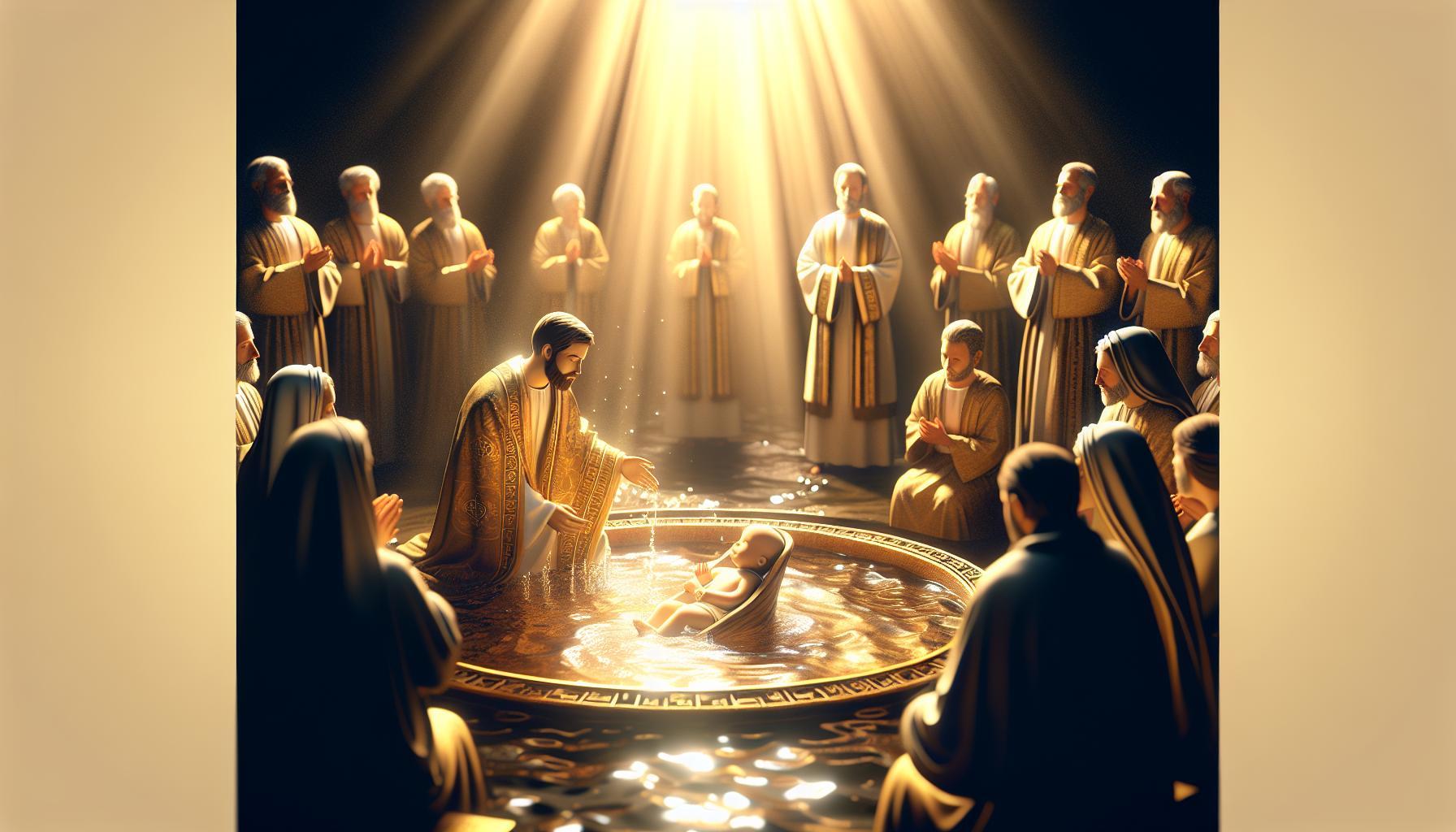
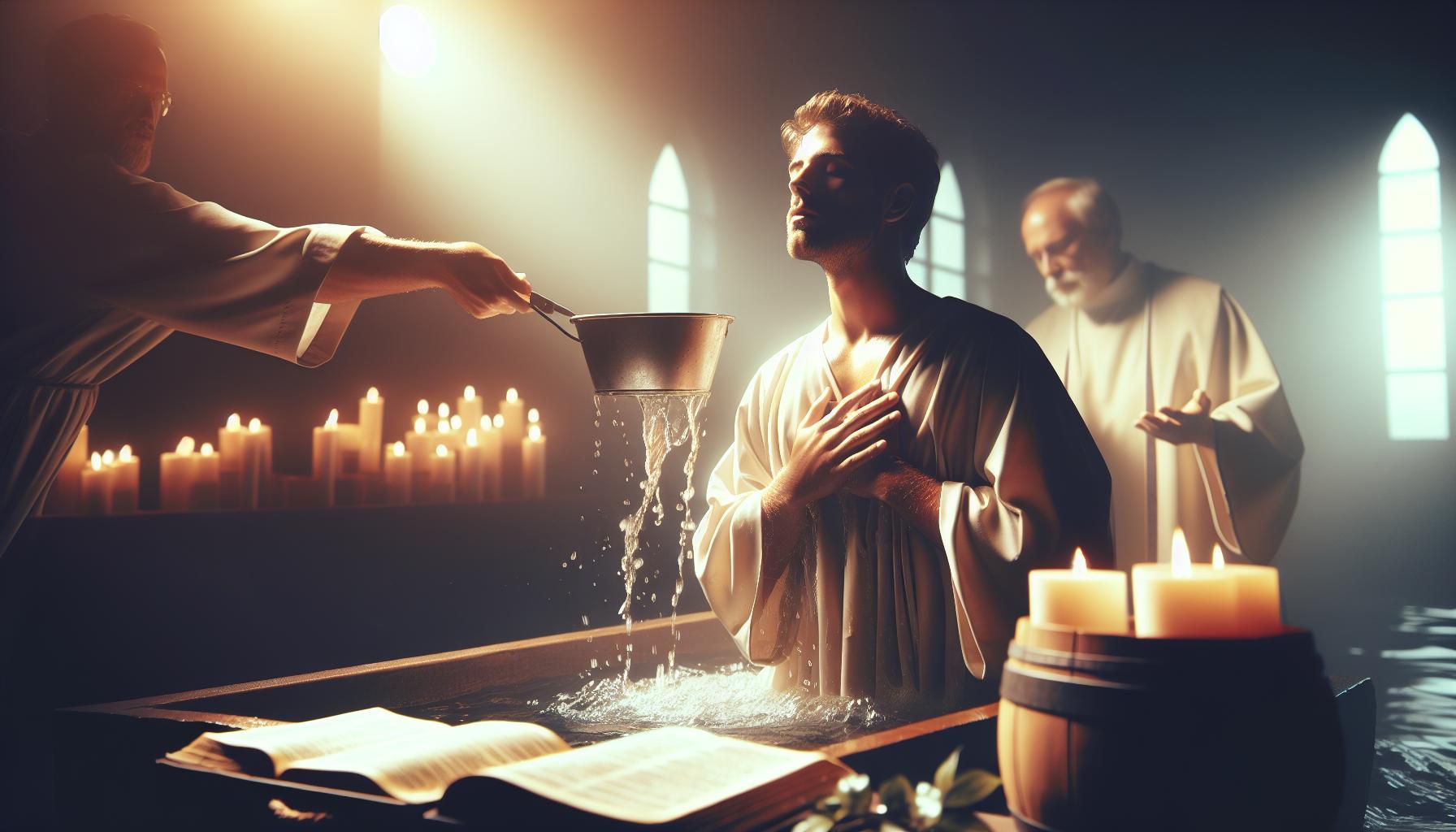
During the baptismal ceremony, several key elements highlight the sacrament’s meaning. Water is the most identifiable symbol, representing purification and new life. As the priest blesses the water and immerses or pours it over the individual, it signifies the washing away of original sin and the rebirth into a life of holiness. The use of oil, the light of the baptismal candle, and the clothing in a white garment further enhance this symbolism, each representing different aspects of the Christian calling, such as the sealing of the Holy Spirit and the call to spread the light of Christ in the world.
In understanding how long a Catholic baptism takes, it’s crucial to recognize the various components of the ceremony. Typically, the duration can range from 30 minutes to an hour, depending on whether it occurs during a regular Mass or as a standalone event. Some of the key steps involved include the welcoming of the child, the readings from Scripture, the renunciation of sin, the baptismal promises, the actual baptism with water, the anointing with chrism, and the presentation of the baptismal candle. Each part is meaningful and serves to reinforce the significance of the sacrament, making the timing an essential aspect of the experience.
Ultimately, preparation for baptism extends beyond the actual event itself. It involves catechesis for parents and godparents to grasp their roles in nurturing the child’s faith, illustrating that the significance of this sacrament resonates long after the ceremony concludes. Understanding these elements not only enriches the baptismal experience but also fosters a deeper appreciation of the lifelong journey of faith that followers are invited to embark upon after this sacred initiation.
Preparing for the Ceremony: Key Steps and Considerations
As families prepare to welcome their little ones into the Christian community, the significance of baptism cannot be overstated. This sacred ceremony not only marks the beginning of a child’s spiritual journey but also fosters a sense of belonging within the Church. However, the question often arises: how long does a Catholic baptism take? Understanding the key steps and considerations involved in the preparations can greatly enhance the experience for both the family and the guests.
Scheduling the Baptism
The first step in preparation is to schedule the baptism with your parish. Each church may have its own guidelines and availability, so it’s crucial to confirm details as soon as possible. When contacting the parish office, keep in mind the following:
- Availability: Baptisms often take place on specific days or during particular Masses; be sure to check when these occur.
- Required Documentation: Most parishes will require a copy of the child’s birth certificate, so have it ready to facilitate the process.
- Pre-Baptism Classes: Some parishes mandate preparation classes for parents and godparents, which may take place prior to the baptism date.
Selecting Godparents
Choosing godparents is a significant decision, as these individuals will play a pivotal role in the child’s spiritual upbringing. It’s important to ensure that the selected candidates meet the Church’s requirements:
- Age and Faith: Godparents must be at least 16 years old and confirmed in the Catholic Church.
- Active Participation: Ideally, they should be active members of the Church who can guide the child in their faith journey.
- Documentation: Some parishes may require a letter of eligibility from the godparents’ parish.
Preparing the Ceremony
Preparation also includes considering the details of the ceremony itself. Knowing how long a Catholic baptism takes helps in planning logistics effectively. Typically, the baptism ceremony lasts about 30 to 60 minutes. Here are a few factors to manage:
| Aspect | Details |
|---|---|
| Liturgical Elements | Includes readings, prayers, and the anointing with oil. |
| Water Ritual | The actual baptism, in which water is poured over the head while invoking the Holy Trinity. |
| Reception | Consider hosting a small gathering afterward to celebrate with family and friends. |
Remember to also have a plan for attire, such as a baptism gown for the child, and to consider the inclusion of music during the ceremony. Each element contributes to the spiritual significance of the occasion, weaving together faith, family, and community into an unforgettable experience. Taking these steps to prepare adequately will help ensure that the baptism is meaningful, smooth, and filled with joy for all involved.
The Baptism Timeline: What to Expect on the Big Day
When it comes to one of the most special days in a family’s life, understanding the journey of a Catholic baptism can help alleviate any nerves and set the tone for a memorable ceremony. The baptism timeline typically unfolds in a structured yet meaningful way, ensuring that every moment contributes to the celebration of faith and community. Knowing what to expect on the big day allows families to embrace the ritual fully, allowing the sacred air of the church to envelop them as they embark on this spiritual milestone.
Preparation Before the Ceremony
Prior to the actual baptism, there are several important rituals and gatherings that lay the groundwork for this significant event. Families often meet with the parish priest for a preparatory class, which can last about an hour. During this time, they will discuss the responsibilities of godparents, the significance of baptism, and what to expect during the ceremony itself.
Here’s what to anticipate in the preparation phase:
- Registration: Ensuring your child is registered for the baptism with the church.
- Choosing Godparents: Selecting individuals who will guide your child in their faith journey.
- Planning the Ceremony: Discussing any specific requests like readings, songs, or special rites with the priest.
These steps set the stage for a spiritually enriching baptism and ensure that everything runs smoothly on the big day.
Diving Into the Ceremony
On the day of the baptism, families usually arrive at the church about 15-30 minutes ahead of the scheduled time to settle in and prepare. The actual baptism ceremony generally takes 30 to 60 minutes, depending on the parish’s traditions and the number of candidates being baptized. As families gather, a sense of community devotion fills the air, highlighting the importance of this sacrament.
During the ceremony, you can expect the following elements:
| Element | Description |
|---|---|
| Welcome & Introduction | The priest welcomes everyone and introduces the significance of baptism. |
| Reading of Scriptures | Relevant scripture passages are read, emphasizing the importance of this holy sacrament. |
| Baptismal Rite | The actual baptism occurs, involving the pouring of water and the proclamation of the child’s name. |
| Holy Chrism Anointing | The priest anoints the child with holy oil, symbolizing their new life in Christ. |
| Closing Prayers & Blessings | Final prayers are said, asking for blessings upon the newly baptized and their family. |
These components culminate in a beautiful celebration, encapsulating the solemnity and joy of welcoming a new member into the Church.
Understanding the step-by-step timeline of a Catholic baptism on that special day not only helps families prepare logistically but also enriches the experience, making for a profoundly moving spiritual occasion.
Roles of the Family and Godparents in the Baptism Process
The baptism of a child in the Catholic Church is not just a ceremony; it represents a pivotal moment for both the individual being baptized and their family. During this special occasion, families and godparents take on significant roles that serve to underscore the spiritual importance of the event. Understanding these roles can enhance the overall experience, making it meaningful not only for the child but also for the entire community involved.
Family Responsibilities
The immediate family plays a central role in the baptism process. Parents are entrusted with the foundational responsibility of ensuring that their child is raised in the faith, a commitment that extends far beyond the ceremony itself. This includes participating in pre-baptismal classes offered by the church, which often focus on the meaning of baptism and its implications within the Catholic faith. Additionally, it is common for families to prepare their homes and hearts, fostering an environment conducive to spiritual growth.
Other family members, such as grandparents and siblings, are also encouraged to be involved. They can share their faith journey, providing support and guidance as the child grows. The family’s active role symbolizes not only their support for the child but also a communal commitment to the values instilled during the baptismal rite.
The Role of Godparents
Godparents hold a uniquely significant position during the baptism ceremony. Typically, two godparents, one male and one female, are chosen to stand as spiritual mentors for the child. According to Catholic tradition, their primary duty is to nurture the child’s faith and guide them on their spiritual journey. To fulfill this role, godparents must be confirmed Catholics in good standing with the church, demonstrating a sincere commitment to their faith.
- Spiritual Guidance: Godparents are expected to foster a close relationship with the child, participating in their spiritual milestones and nurturing their religious development.
- Role Models: As spiritual figures, godparents act as role models, embodying the principles of the faith that they will impart to the child.
- Support for Parents: Godparents often provide emotional and spiritual support to the parents, reassuring them of their commitment to the child’s upbringing within the Catholic tradition.
The moments shared during baptism—such as the anointing with oil and the lighting of the baptismal candle—serve to reinforce the bond between the child, their family, and godparents. These rituals illustrate the collective promise to guide the child in their faith journey, creating a sense of unity that is vital to the meaning of baptism.
In summary, the baptism process is a collaborative effort that deeply intertwines the family and godparents in nurturing a child’s faith. Their roles are not merely ceremonial; they embody a profound commitment to spiritual development that impacts the child’s lifelong religious journey. Understanding and embracing these responsibilities can significantly enrich the baptismal experience, ensuring it remains a cherished moment in the family’s spiritual narrative.
The Liturgical Elements: A Closer Look at the Rituals
The ritual of baptism is rich with symbolism and meaning, marking a profound transition in the lives of the individuals involved. As families prepare for the sacred event, understanding the various liturgical elements helps enrich the experience. Typically, a Catholic baptism follows a well-structured ceremony, incorporating specific rites that reflect both spiritual significance and community involvement.
Invoking the Presence of God
The baptism ceremony begins with the gathering of the community, emphasizing the collective responsibility of the church in nurturing the child’s faith. The priest or minister welcomes all present, creating an atmosphere of reverence and mutual support. This introduction often includes a brief exhortation, inviting participants to partake in the journey ahead. This communal aspect underscores that baptism is not just an individual act but a welcome into a larger family of believers.
Significance of the Water
Central to the baptism ritual is the use of water, symbolizing purification and the new life in Christ. The priest blesses the water, invoking the Holy Spirit to transform it into a means of grace. When the infant or candidate is baptized, water is poured over their head or they are immersed, accompanied by the words, “I baptize you in the name of the Father, and of the Son, and of the Holy Spirit.” This act not only cleanses the individual from original sin but also signifies their membership in the Church, connecting them to the larger Body of Christ [[3]].
Additional Rituals to Enrich the Ceremony
After the baptismal act, several additional rituals enhance the ceremony:
- Anointing with Oil: The newly baptized is often anointed with chrism, a holy oil, to symbolize the sealing of the Holy Spirit.
- Presentation of a Candle: A lit candle, representing the light of Christ, is given to the parents and godparents, signifying the responsibility of guiding the child in their faith journey.
- Prayers and Blessings: The priest leads the congregation in specific prayers, invoking God’s blessings over the baptised and their family.
These liturgical elements not only mark the significance of the moment but also create a memorable occasion for families, laying the foundation for the child’s future religious education and community involvement. As families reflect on how long does a Catholic baptism take? it’s important to know that while the ritual may take about an hour, the spiritual journey that begins in this ceremony lasts a lifetime, making each element truly meaningful.
Post-Baptism: Celebrating and Continuing the Journey of Faith
Once the sacred rite of baptism is completed, the joyous celebration that follows marks not only a pivotal moment in a believer’s life but also the commencement of a lifelong journey of faith. This transformative experience is deeply enriching, extending beyond the confines of the baptism ceremony itself. Families and church communities come together to support and nurture the newly baptized, ensuring that the spiritual growth initiated at the font continues to flourish.
Celebrate the Occasion
Celebrating baptism is often as important as the rite itself. It serves as an opportunity for loved ones to come together, share in the joy of the moment, and reinforce the bonds of faith and community. Here are some ideas to help you plan a meaningful celebration after the baptism:
- Host a Baptism Reception: Consider organizing a gathering at your home or a local venue, where family and friends can share meals, stories, and blessings.
- Personalized Keepsakes: Gift guests with mementos like candles or prayer cards that commemorate the day, symbolizing the light of faith in the child’s life.
- Incorporate Faith into Celebrations: Use this time to share the significance of baptism and faith, perhaps by reading scripture or sharing blessings during the celebration.
Nurturing Faith After Baptism
The journey of faith is not a one-time event but a continuous process. Here are a few steps parents and godparents can take to ensure that the spirit of baptism is upheld in daily life:
- Engage in Regular Worship: Attend Mass regularly as a family, reinforcing the community aspect of faith.
- Implement Family Prayer Time: Establish routines that encourage prayer at home, helping children learn the value of communication with God.
- Religious Education: Enroll your child in faith formation programs that teach about the sacraments, Bible stories, and the teachings of the Church.
By creating a supportive environment rooted in faith and spirituality, families can enrich the baptism experience and integrate its significance into everyday life.
Supporting Growth Through Community
The role of the church community is crucial in nurturing the faith of newly baptized individuals. Here’s how you can engage with your local parish:
- Participate in Church Activities: Join groups like youth ministries, Bible study sessions, or volunteer opportunities, which promote socialization and faith development.
- Connect with Sponsors: Encourage godparents to take an active role in the child’s spiritual growth, guiding them through their first years in faith.
- Celebrate Milestones: Recognize sacramental milestones such as First Communion and Confirmation, which help deepen a child’s connection to the church.
Ultimately, the baptism ceremony is just the beginning. By actively participating in these celebrations and nurturing the faith journey, families can ensure that the seeds planted during baptism grow into a rich, abiding relationship with God and the wider community.
Frequently Asked Questions About Catholic Baptism Duration
One of the most common concerns for families preparing for a Catholic baptism is understanding how long the ceremony will take. It is often the case that parents, godparents, and guests have busy schedules and want to ensure they can fully participate in this sacred event. While the duration can vary based on several factors, having a clearer picture can help you plan accordingly and enjoy the occasion without feeling rushed.
What Factors Influence the Duration of a Catholic Baptism?
The length of a Catholic baptism can depend on several elements. Here are some of the key factors that might affect the ceremony’s time:
- Type of Baptism: Private baptisms typically last less than 30 minutes, while group baptisms may extend to about an hour if multiple children are being baptized.
- Parish Customs: Each parish may have its own traditions and additional rites that can add to the overall time.
- Preparation and Rehearsal: If a rehearsal is scheduled prior to the baptism, it will add to the total time commitment, often requiring an hour or more based on the size of the group and complexity of the ceremony.
- Homily Length: The priest’s homily or reflection during the ceremony can also vary, affecting the overall duration.
Typical Timeline for a Catholic Baptism
Understanding a general timeline can be beneficial for families planning for the event. Here’s a typical timeline for a Catholic baptism, which may help you gauge how long the ceremony might take:
| Stage | Approximate Duration |
|---|---|
| Arrival and Welcome | 5 minutes |
| Introductory Rites | 5-10 minutes |
| Homily | 5-10 minutes |
| Baptismal Rite | 10-15 minutes |
| Closing Rites | 5-10 minutes |
| Total Estimated Time | 30-60 minutes |
As you can see, a well-planned baptism can be succinct yet spiritually enriching. By being aware of these elements, you can approach this significant day with confidence and joy, knowing exactly what to expect. Whether you’re attending or hosting, a little forethought will ensure that the baptism is a memorable occasion for everyone involved.
Tips for a Smooth Baptism Experience: Practical Insights for Families
Preparing for a baptism can be both an exciting and daunting experience for families. With so many elements to consider, from choosing godparents to coordinating the ceremony timing, it’s essential to have a well-thought-out plan. Understanding the timeline and structure of a Catholic baptism can alleviate stress and ensure a smooth experience for everyone involved. Here are some practical insights to help families navigate the baptism process effortlessly.
Planning Ahead
To ensure everything goes off without a hitch, early planning is crucial. Here are some tips to streamline your preparations:
- Book the Church Early: Popular parishes often have a busy schedule, especially during peak baptism seasons. Reserve your chosen date and time as early as possible.
- Confirm the Ceremony Duration: Familiarize yourself with the timeline outlined in “How Long Does a Catholic Baptism Take? Step-by-Step Timeline” to better manage your day.
- Gather Necessary Documents: Ensure you have all required paperwork, such as your child’s birth certificate and any forms needed by the parish.
Preparing Your Child
The baptism day is significant; making your child comfortable and calm can create a positive atmosphere. Consider the following:
- Dress Comfortably: Choose attire for your child that looks lovely but is also comfortable for them to wear during the ceremony.
- Practice the Rituals: If your child is a bit older, explain what will happen during the baptism. Using simple terms can alleviate their anxiety.
Involving Family and Friends
A baptism is a communal event, and involving family can enhance the experience. Here’s how to engage your loved ones:
- Choose Meaningful Godparents: Select individuals who will take an active role in your child’s spiritual life. Discuss their commitment with them beforehand.
- Invite Guests Early: Send invitations out well in advance. This allows guests to keep the date free and plan any travel arrangements if necessary.
Finally, consider hosting a small gathering post-baptism. A simple celebration can provide an opportunity for family and friends to share their blessings and joy together. By following these actionable steps, your family can create a meaningful and memorable baptism experience, ensuring the day flows smoothly from start to finish.
Q&A
How Long Does a Catholic Baptism Take?
A typical Catholic baptism lasts about 30 minutes to an hour. This includes the ceremony itself as well as any preparatory steps before the event.
The duration can vary depending on several factors, including the number of baptized individuals and specific church traditions. Time factors such as family involvement and additional rituals (like confirmations) may extend the process.
For a more detailed timeline, visit our article on Catholic Baptism Procedures.
What is the process of a Catholic baptism?
The process of a Catholic baptism typically includes a baptism preparation session, the baptism ceremony, and a post-baptismal blessing.
Preparation often involves attending a class where families learn about the significance of baptism, including its role in the Catholic faith. On the day of the baptism, the ceremony encompasses oral vows, anointing, and immersion or pouring of water.
To understand more about specific elements of the ceremony, explore our detailed guide on Baptism Ceremony Elements.
Why does baptism take place in a church?
Baptism in a church symbolizes the community’s role in welcoming the baptized into the faith.
The church acts as a sacred space where rituals can be conducted with reverence and support from the congregation. This setting reinforces the communal aspect of faith and the individual’s relationship with the community and God.
Catholic teachings emphasize the importance of community in faith practices, making church baptisms significant for both the individual and the congregation.
Can I baptize my child outside of a church?
In emergency situations, anyone can perform a baptism, but it must be confirmed with a church baptism later.
The Catholic Church teaches that the sacrament of baptism is ideally performed by a priest or deacon within the church setting. An emergency baptism doesn’t replace the formal sacrament but ensures the child’s spiritual wellbeing.
For thorough guidelines, check our post on Emergency Baptism Practices.
What should I prepare for a Catholic baptism?
Preparation for a Catholic baptism includes selecting godparents, attending formation classes, and choosing appropriate baptismal attire.
Godparents play a vital role in the child’s spiritual journey, so selecting individuals who can provide guidance is essential. Additionally, many families opt for traditional attire, which may include a white gown symbolizing purity.
For more insights on godparent responsibilities, read our article about Godparent Guidelines.
How can I find a priest to perform a baptism?
To find a priest to perform a baptism, contact your local parish to inquire about scheduling and requirements.
Churches usually have established protocols for baptisms, and parish staff can guide you through the process. They may also inform you about upcoming baptism preparation programs.
Consider attending Mass at your local parish to build relationships and gain familiarity with your community’s faith practices.
What happens during the baptism ceremony?
During a baptism ceremony, the child is welcomed into the Catholic Church through water and anointment.
The ceremony typically includes the invocation of the Holy Trinity, the pouring of water, anointing with oil, and the presenting of a baptismal candle. These actions emphasize spiritual rebirth and commitment to the faith.
For detailed descriptions of each ritual, refer to our guide on Baptism Rituals.
Concluding Remarks
In conclusion, understanding the timeline of a Catholic baptism not only honors this sacred tradition but also provides clarity and structure for families and individuals journeying through this significant rite. By exploring the detailed steps—from preparation, through the ceremony, to the joyful celebration—you’re equipped to embrace the richness of this experience. Remember, each baptism reflects unique community and family dynamics, inviting personal reflection and connection to a greater faith narrative. We encourage you to delve deeper into the meaning behind each step, engage with your local parish, and consider how these practices resonate with your own spiritual journey. Whether you’re preparing for a baptism or simply seeking a deeper understanding, may you find grace, joy, and a sense of belonging in this beautiful sacrament. Celebrate, reflect, and let the journey continue!
Get our latest guides, news, and insights highlighted in your Google Search & AI Overviews.