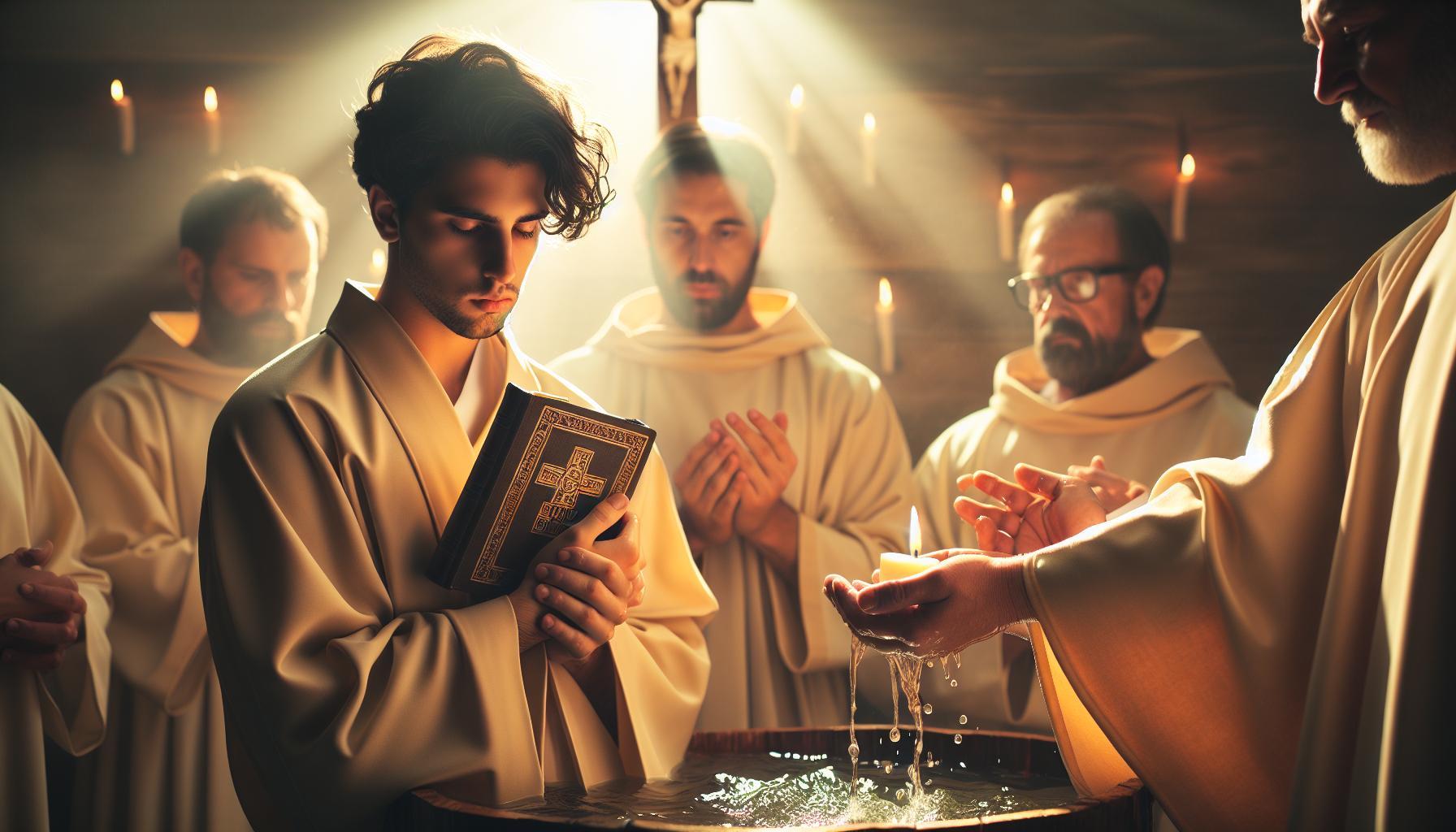
Curious about the significance of baptism and what it truly entails? This sacred rite marks a pivotal moment in one’s faith journey, symbolizing purification and rebirth. Understanding the baptism process, its profound meaning, and what to expect can greatly enhance your spiritual experience and connection to the community. Dive in to explore!
Understanding the Symbolism of Baptism: A Pathway to Spiritual Renewal
The act of baptism holds profound significance across various spiritual traditions, serving as both a ritual of initiation and as a symbol of spiritual renewal. It is a process that encapsulates the transformation of the individual, marking a conscious decision to embrace a life guided by faith and purpose. Understanding the symbolism of baptism reveals how this sacred rite operates as a deeply personal journey, fostering a connection with the divine while encouraging the community to witness and support this pivotal moment.
Importance of Water in Baptism
Central to the experience of baptism is the element of water, which conveys various layers of meaning. Water represents purification, life, and death in many cultures and religious practices. This duality is vital, as it underscores the belief that through baptism, an individual is not only cleansed of past impurities but also reborn into a new spiritual existence.
- Purification: The immersion or sprinkling of water signifies the washing away of sins, drawing parallels with the ancient traditions of ritual cleansing.
- Rebirth: Just as water nourishes life, baptism symbolizes the start of a new spiritual journey, allowing the individual to emerge renewed and transformed.
- Community: The shared experience of baptism often happens in the presence of a faith community, reinforcing the notion that spiritual renewal is both a personal and collective journey.
The Act of Immersion: A Deeper Meaning
In many Christian denominations, the act of immersion—submerging the individual in water—serves as the most vivid representation of the death, burial, and resurrection of Jesus Christ. This practice not only marks a pivotal point in the initiate’s spiritual life but also connects them to the broader narrative of sacrifice and renewal found within the faith. The moment of submersion symbolizes the believer’s willingness to surrender their former life, while emerging from the water signifies resurrection and the promise of a new beginning.
Table: Key Symbolic Meanings of Baptism
| Symbol | Meaning |
|---|---|
| Water | Purity, cleansing, and the gift of life. |
| Immersion | Death of the old self and rebirth into a new life in faith. |
| Community | Witnessing and supporting the spiritual journey of the baptized. |
| Oil | Strengthening and empowering the individual for their new life. |
In sum, the symbolism woven into the ritual of baptism encapsulates both personal transformation and communal support. As individuals undergo this sacred rite, they find a pathway leading to spiritual renewal and a deeper relationship with their faith, community, and themselves. Understanding how baptism works beyond its surface can inspire and enrich one’s spiritual journey, making the experience not just a ritual but a defining moment of faith.
The Different Types of Baptism: Exploring Denominational Practices
Understanding the various practices of baptism across different Christian denominations offers a fascinating glimpse into the diverse interpretations of this ancient sacrament. Each tradition not only emphasizes different theological aspects of baptism but also tailors the practice to meet the spiritual needs of its followers. In fact, baptism is often a pivotal rite of passage that marks significant milestones in a believer’s spiritual journey.
Catholicism
In the Roman Catholic Church, baptism is regarded as a sacrament essential for salvation, believed to erase original sin and incorporate the individual into the Church. Typically performed on infants, Catholic baptism involves pouring water over the child’s head or immersing them. Godparents are chosen to assist in the child’s spiritual upbringing, and the process often includes anointing with chrism oil and lighting a baptismal candle as symbols of the Holy Spirit and the light of Christ.
Protestant Practices
Protestant denominations exhibit a wide spectrum of beliefs and practices regarding baptism.
- Baptist: Emphasizing believer’s baptism, Baptists advocate for immersion only when a person consciously decides to follow Christ. This practice signifies the individual’s personal commitment to their faith and is often performed in a church setting or natural body of water.
- Lutheran: In Lutheran traditions, baptism includes both infants and adults. It involves either sprinkling or pouring water over the head while invoking the Holy Trinity. Lutherans believe that baptism is a means of grace, bringing both faith and salvation.
- Methodist: Methodists practice baptism for all ages and utilize a combination of sprinkling, pouring, and immersion. Similar to Lutherans, they view baptism as a sign of God’s grace, and they typically follow up with confirmation practices for baptized infants when they reach maturity.
- Anglican/Episcopal: Baptism in the Anglican tradition is performed with water — either through immersion or pouring. This ritual serves as an initiation into the Church and emphasizes the importance of communal faith and support throughout an individual’s life.
Orthodox Christianity
For Eastern Orthodox Christians, baptism is a deeply sacred sacrament often involving full immersion. The Orthodox Church considers baptism a holistic process that includes other sacraments such as chrismation (anointing with holy oil) immediately following the baptism. This rite is typically performed for infants, signifying entrance into both the church community and the life of Christ.
| Denomination | Baptism Type | Age of Participants | Key Beliefs |
|---|---|---|---|
| Catholic | Pour or Immersion | Infants | Erases original sin; sacrament of initiation |
| Baptist | Immersion | Believers only | Personal decision; act of obedience |
| Lutheran | Sprinkle, Pour, or Immersion | All ages | Means of grace; faith in God’s promises |
| Methodist | Sprinkle, Pour, or Immersion | All ages | Sign of grace; importance of community |
| Orthodox | Immersion | Infants | Complete initiation into Church life |
By exploring these varied practices, one can appreciate the rich tapestry of beliefs surrounding baptism within the Christian faith. Each denomination not only has unique rituals but also important theological foundations that offer distinct perspectives on how baptism serves to shape the Christian experience.
Step-by-Step: What to Expect During a Baptism Ceremony
A baptism ceremony is a profound spiritual milestone that marks the initiation of an individual into a faith community, symbolizing purity, new life, and acceptance. Understanding what occurs during this sacred ritual can ease the nerves of families preparing for this momentous occasion, especially in the context of Christianity, where steps may vary based on denominational traditions. Each element of the ceremony carries rich significance and is infused with deep historical and spiritual meanings.
The Ceremony Begins
The baptism ceremony typically starts with a welcome and opening prayer led by the officiant, which sets the spiritual tone for the event. This is followed by the introduction of the candidates being baptized—often infants or young children who are presented by their parents and godparents. The officiant may ask the parents some questions regarding their commitment to raising the child in the faith, emphasizing their role in guiding their spiritual journey.
- Sign of the Cross: The officiant makes the sign of the cross on the forehead of the child, symbolizing initiation into the Church.
- Reading from Scripture: Passages that emphasize the significance of baptism are read, reminding attendees of the biblical foundation of the ritual.
The Actual Baptism
As the ceremony progresses, the most crucial moment arrives: the baptism itself. The officiant either immerses the candidate in water, pours water over their head, or sprinkles it, depending on the tradition. This act symbolizes the washing away of sin and the beginning of a new life in Christ. Throughout this moment, the congregation may offer words of encouragement and affirmation.
| Denomination | Method of Baptism |
|---|---|
| Catholic | Affusion (pouring or sprinkling) |
| Baptist | Immersion |
| Orthodox | Triple immersion |
Post-Baptism Rituals
After the baptism, additional ceremonies often occur. The child may receive an anointing with holy oil, symbolizing the sealing of the Holy Spirit. The officiant will then present the newly baptized individual with a baptismal candle, which represents the light of Christ and the call to live in faith. Finally, the ceremony typically concludes with a community prayer and blessings, reinforcing the support of the church community in the journey ahead.
Celebrating a baptism is not only a moment for family and friends to witness but also an integral part of a larger faith journey. Whether experiencing this event as a participant, parent, or godparent, understanding the process can deepen the appreciation for its spiritual and communal significance as outlined in the broader teachings on how baptism works, the process, and what to expect.
The Role of Community: How Baptism Connects You to Others
Baptism is so much more than a personal rite; it serves as a significant communal event that brings together individuals within a faith community. As soon as someone steps into the waters of baptism, they step into a larger family—one that spans generations and geographical boundaries. This powerful connection is foundational as each person shares in the experience of faith, growth, and support.
The Symbolic Connection
Baptism symbolizes not only an individual’s commitment to their beliefs but also their integration into a community of like-minded believers. It fosters a sense of belonging and mutual support that is vital in spiritual journeys. Key aspects of this communal connection include:
- Shared Purpose: Each baptism reflects a collective journey of faith, reminding the community of their shared mission and values.
- Accountability: Members of the community often take on roles in guiding and supporting the newly baptized as they navigate their faith.
- Celebration: Baptism is an occasion for the community to gather and rejoice, reinforcing relationships and collective spiritual growth.
Transformative Relationships
When someone undergoes baptism, they are not just making a personal declaration; they are establishing new relationships that can transform their life. The ritual encourages newcomers to cultivate friendships with others in the faith community, sharing their stories and challenges. These connections can often lead to mentorship opportunities, where more experienced members help guide new believers through their spiritual journey.
| Benefits of Community in Baptism | Individual Impact |
|---|---|
| Emotional Support | Helps individuals cope with personal struggles and joys. |
| Spiritual Growth | Facilitates deeper understanding of faith through communal study. |
| Networking Opportunities | Encourages connections for personal and spiritual enrichment. |
Embracing the role of the community during baptism not only enhances the experience for the individual but also strengthens the fabric of the community itself. Together, they create an environment rich in love, support, and shared faith, essential to the ethos of “How Does Baptism Work? Process, Meaning, and What to Expect.” When individuals commit to their spiritual journey through baptism, they inadvertently reaffirm the bonds that unite them with their fellow believers, enriching their faith and theirs communities alike.
Preparing for Baptism: Spiritual and Practical Considerations
Preparing for baptism is a transformative journey, linking the individual to a rich tapestry of faith, community, and personal commitment. Understanding the significance of this religious rite can make the experience more meaningful and impactful, whether you are preparing for your own baptism or supporting someone else on their journey. It’s essential to approach the spiritual and practical aspects with a sincere heart and an open mind.
Spiritual Considerations
The act of baptism is more than just a ceremonial event; it signifies a personal declaration of faith and acceptance into the community of believers. Before taking this step, consider the following spiritual aspects:
- Reflect on Personal Beliefs: Spend time in prayer or meditation, exploring what faith means to you. Acknowledge the reasons guiding your decision for baptism, whether it’s a new commitment to faith or a renewal of a long-held belief.
- Understand the Symbolism: Baptism represents the washing away of past sins and the beginning of a new life. Grasping this significance can enhance your understanding of what it means to be baptized.
- Talk to a Spiritual Leader: Engaging in conversations with a pastor or mentor can provide clarity and insight about what to expect in the baptism process, helping you articulate your faith journey.
Practical Steps to Prepare
While the spiritual preparation is vital, practical considerations are equally important to ensure a smooth and fulfilling baptism experience. Here are some key actions to take:
| Step | Description |
|---|---|
| Attend Preparation Classes | Many churches offer classes that discuss baptism’s significance, beliefs, and expectations. This can also be a great opportunity to bond with other candidates. |
| Choose a Sponsor or Godparent | Choosing someone who embodies the faith and values you aspire to can offer you guidance and support throughout your spiritual journey. |
| Communicate with Family and Friends | Invite loved ones to participate in this special moment. Engaging your community can provide a sense of belonging and endorsement as you embrace this new chapter. |
| Plan for the Ceremony | Discuss logistics with your church such as the location, attire, and any other ceremonial aspects. Being prepared can alleviate stress on the day of the baptism. |
Embracing both the spiritual and practical considerations can enrich your baptism experience, transforming it into a celebration of faith. Much like the journey outlined in ‘How Does Baptism Work? Process, Meaning, and What to Expect,’ each step you take fosters a deeper connection to your beliefs and the community you are joining.
The Journey Beyond Baptism: Living Out Your New Faith
Embracing a new faith through baptism is a profound journey that transcends the moment of immersion. This sacred rite is not merely an ending, but the beginning of a transformative path filled with opportunities for spiritual growth, community engagement, and personal development. Understanding how to live out this new faith can be just as significant as the baptismal ceremony itself.
Embracing Your New Identity
Once baptized, individuals often experience a shift in how they view themselves and their relationship with the world. This new spiritual identity can influence daily decisions, interactions with others, and personal goals. Here are some ways to strengthen this newfound identity:
- Daily Devotional Practices: Set aside time each day for prayer, meditation, or reading scripture. This helps anchor your faith and nurtures your relationship with God.
- Joining a Faith Community: Connect with a local church or group that resonates with your beliefs. Engaging with others on a similar journey fosters support and encouragement.
- Participate in Service Projects: Help those in need through volunteering opportunities in your community. This allows you to live out your faith through action, demonstrating compassion and love.
Navigating Challenges
Embarking on this spiritual journey can present challenges. Doubts, setbacks, and societal pressures may arise. It is crucial to remain steadfast in your faith and remind yourself of the meaning behind your baptism. Here are some tips to navigate through difficult times:
- Seek Guidance: Don’t hesitate to approach a pastor or a mentor within your faith community. They can provide wisdom and support during challenging moments.
- Reflect Regularly: Journaling about your faith journey can help clarify thoughts and feelings, making it easier to process experiences.
- Practice Forgiveness: Embrace the values taught by your faith, including the importance of forgiveness for yourself and others. This can relieve burdens and help you move forward.
Living Out Your Mission
With a deepened sense of purpose, individuals who have recently been baptized often feel called to share their faith with others. Here are ways to effectively live out this mission:
| Action Steps | Description |
|---|---|
| Share Your Testimony | Talk about your faith journey with friends and family. Your story can inspire others and spark meaningful conversations. |
| Engage in Dialogue | Be open to discussing your beliefs with those interested. Respectful conversation can promote understanding and connection. |
| Live with Integrity | Represent your faith through your actions. Treat others with kindness and make ethical choices that reflect your values. |
By immersing oneself in the communal aspects of faith and taking active steps to embody the teachings received during baptism, newly baptized individuals can ensure that their spiritual journey continues to thrive. Each action reinforces the commitment made during the baptism ceremony and paves the way for a vibrant and engaging life of faith. This is an ongoing adventure filled with learning, growth, and the joy of sharing God’s love with the world.
Personal Stories: Transformative Experiences Through Baptism
Every baptism has the potential to be a life-changing event, marked by deep personal meaning and profound spiritual transformation. For many individuals, this sacred act serves not only as a rite of passage but also as a pivotal moment that deepens their relationship with faith and community. The stories of those who have undergone baptism often reflect significant turning points, showcasing how this process can transcend mere tradition and become an intimate experience rich with personal significance.
Journey to Faith
Many find themselves on an emotional journey leading up to their baptism, often driven by a quest for belonging or a desire to redefine their life purpose. For Anna, a 28-year-old artist, her baptism marked a transition from a chaotic life filled with uncertainty to a renewed sense of clarity and direction. After spending years feeling disconnected, she decided to explore the meaning behind baptism and its role in faith communities. The experience did not just symbolize her commitment to her beliefs; it also reinforced her connections to family, friends, and her community. As she recounted, “The moment I stepped into the water, I felt like I was shedding my past and emerging as someone new.”
- Spiritual Renewal: Many individuals report feelings of rejuvenation and hope following their baptism.
- Community Connection: Participants often express that they feel a stronger bond with their faith community after the experience.
- Life Transformation: Many share stories of personal growth and changes in their worldview as a result of the deep significance they attach to their baptism.
A Symbol of New Beginnings
For others, baptism serves as a beautiful symbol of new beginnings. John, who struggled with addiction for years, found that the act of baptism was not just about washing away sin, but about embracing a fresh start. His preparation involved counseling and support from his church community, which provided both accountability and encouragement. “Baptism was my public declaration that I was ready to change,” he shared, emphasizing the importance of communal support in his transformative journey. The water, for him, was a profound representation of cleansing and rebirth, allowing him to forge ahead into a life grounded in his new values.
| Testimonial | Type of Transformation | Key Outcome |
|---|---|---|
| Anna’s journey to faith | Spiritual clarity | Higher engagement with community |
| John’s recovery | Overcoming addiction | New life trajectory |
| Sarah’s family legacy | Bonding through tradition | Strengthened family ties |
Bridging Generations
Many individuals cherish the familial aspect of baptism as well, often viewing it as a ritual that bridges generations. Sarah describes her baptism experience as a culmination of her family’s faith journey. Having witnessed her parents and grandparents participate in the same rite, she felt a sense of continuity and belonging. “Being baptized was like stepping into a long line of faith,” Sarah noted, emphasizing how the ritual allowed her to honor her heritage while stepping into her own faith journey. Such stories reveal how baptism acts as both a personal milestone and a shared experience, uniting families in purpose and belief across generations.
Through these personal narratives, it becomes evident that the significance of baptism often extends far beyond the immediate ceremony. As individuals come to understand the process and meaning behind this sacred act, they find themselves transformed—strengthened in faith, connected to a wider community, and ready to embrace the new beginnings that lie ahead.
Answers from Leaders: Insights from Faith Communities on Baptism
Baptism is a significant ritual transcending individual beliefs, often serving as a pivotal moment for faith communities. Many religious leaders emphasize that baptism is not merely a ceremonial washing but a profound spiritual experience that symbolizes a believer’s commitment to their faith. As diverse as the interpretations of baptism are, the core elements remain similar across various faiths: initiation, purification, and the spiritual journey ahead.
Perspectives from Various Faith Leaders
The understanding of baptism varies widely among different religions and denominations, but leaders within these communities offer invaluable insights into its significance.
- Christianity: For many Christian denominations, baptism is considered an essential sacrament that marks the entrance into the Christian community. Pastors often highlight that through baptism, one’s sins are washed away, echoing the sentiments expressed in the New Testament. They encourage candidates to understand their faith deeply as they prepare for this initiation ritual.
- Judaism: In Jewish tradition, the practice of ritual immersion, or mikvah, symbolizes spiritual purification. Rabbis emphasize that this act connects individuals with their heritage and collective memory while inviting them into a renewed covenant with God.
- Islam: While not a formalized practice like in Christianity, many Muslim scholars discuss the importance of ritual ablution (wudu) before prayers as a form of spiritual cleansing. Imams often counsel followers on the significance of purity in every aspect of life, reflecting Islam’s holistic approach to spirituality.
What to Expect During the Ceremony
Understanding the ritual process can relieve anxiety for those preparing to undergo baptism. Faith leaders commonly provide candidates with an overview of what to expect, helping to foster a sense of community and belonging.
| Step | Description |
|---|---|
| 1. Instruction | Candidates usually engage in preparatory sessions to delve into the meaning of the sacrament and what it signifies to their faith community. |
| 2. Confession of Faith | Many communities require a verbal declaration of faith, affirming the individual’s commitment before the congregation. |
| 3. The Act of Baptism | Depending on the faith, this can involve full immersion in water, pouring, or sprinkling, symbolizing purification and renewal. |
| 4. Community Welcome | Post-ceremony, the new member is often welcomed into the community with affirmations and fellowship, reinforcing their new identity. |
By understanding diverse perspectives and what the process entails, individuals can approach baptism not just as a tradition but as a transformative milestone in their spiritual journey. Faith leaders play a crucial role in guiding their communities through this meaningful experience, ensuring that candidates feel supported and informed every step of the way.
Frequently Asked Questions
How does baptism work?
Baptism is a Christian sacrament that symbolizes the washing away of sin and initiation into the faith. Typically, it involves the individual being immersed in water or having water poured or sprinkled on them as a sign of their commitment to following Jesus Christ.
In different traditions, baptism can be performed on infants or adults, and the method can vary significantly. Most frequently, the act represents both a public declaration of faith and a spiritual cleansing, making it a pivotal step in one’s spiritual journey. For more information on the history and significance of baptism, visit our detailed exploration on the significance of baptism.
What is the meaning of baptism?
The primary meaning of baptism lies in its representation of spiritual rebirth and community inclusion within the Church. It serves as a visible sign of an inward transformation and commitment to living a Christian life.
Baptism reflects the believer’s faith in Jesus’ death and resurrection and marks an individual’s formal entry into the Christian community. In many denominations, it is also believed to convey God’s grace, making it a sacred and essential practice in the faith journey.
Why does baptism involve water?
Water is used in baptism as a symbol of purification, reflecting the idea of washing away sin. This practice is rooted in biblical traditions, where water often represents life, cleansing, and the Holy Spirit.
In addition to its symbolic meaning, water acts as a physical medium through which the baptismal rite is performed, making the spiritual realities of renewal and cleansing accessible to the believer. Thus, water serves as a rich and meaningful connection to the divine narrative.
Can I be baptized more than once?
While many traditions baptize individuals only once, some churches permit additional baptisms if there is a significant spiritual renewal or commitment to faith. It often depends on the specific beliefs of the denomination and personal circumstances.
For instance, individuals may seek re-baptism after a period of doubt, a change in faith, or a profound personal conversion experience. It’s important to discuss any desires for re-baptism with a pastor or church leader for guidance on the appropriate steps.
What can I expect during the baptism ceremony?
During a baptism ceremony, you can expect a heartfelt service featuring prayers, scripture readings, and the actual act of baptism itself, which may involve immersion, pouring, or sprinkling of water. The ceremony is often very solemn and joyous.
This sacred event usually includes friends and family, and it may take place during a church service. Expect a warm atmosphere where the congregation welcomes the newly baptized into the community, celebrating their commitment to faith.
How do I prepare for baptism?
Preparing for baptism typically involves a period of spiritual instruction and reflection. You may meet with a pastor or attend classes to understand what baptism signifies and how it relates to your faith journey.
Prayer and personal reflection are also essential parts of preparation. It’s an opportunity to examine your beliefs and commitment to following Christ. Afterward, you’ll feel more equipped to embrace this significant step in your spiritual life.
Do I have to be a member of the church to get baptized?
In most cases, churches prefer that individuals seeking baptism are members or at least actively participating in the community. However, some denominations welcome any seeker of faith regardless of church membership.
Membership requirements can vary widely, so it’s advisable to check with your local church. Ultimately, baptism is about your commitment to Christ rather than your official status within a congregation.
Closing Remarks
As we conclude our exploration of baptism—the profound journey through its processes, meanings, and what to expect—we invite you to reflect on the rich tapestry of this sacred tradition. Whether you are considering baptism for yourself or a loved one, or perhaps guiding others in their faith journey, understanding its significance can deepen your spiritual life.
Remember, baptism serves as both a public declaration of faith and a personal commitment to walk in God’s grace. Each denomination may offer unique insights, yet the core essence remains rooted in love and community.
We encourage you to engage further with your local faith community, seek wisdom from spiritual leaders, and continue exploring the theological underpinnings that enrich your understanding. Your journey does not end here; rather, it unfolds in conversations, teachings, and the shared experiences of fellow believers. May your path be filled with discovery, fellowship, and the abiding presence of hope.