What role does a godparent play during a baptism, and why is this involvement significant? As a spiritual guide and mentor, a godparent’s responsibilities extend beyond the ceremony, shaping the child’s faith journey. This article explores the vital contributions of godparents, ensuring they understand their meaningful impact on both the child and the community.
Understanding the Role of a Godparent in Baptism: A Sacred Responsibility
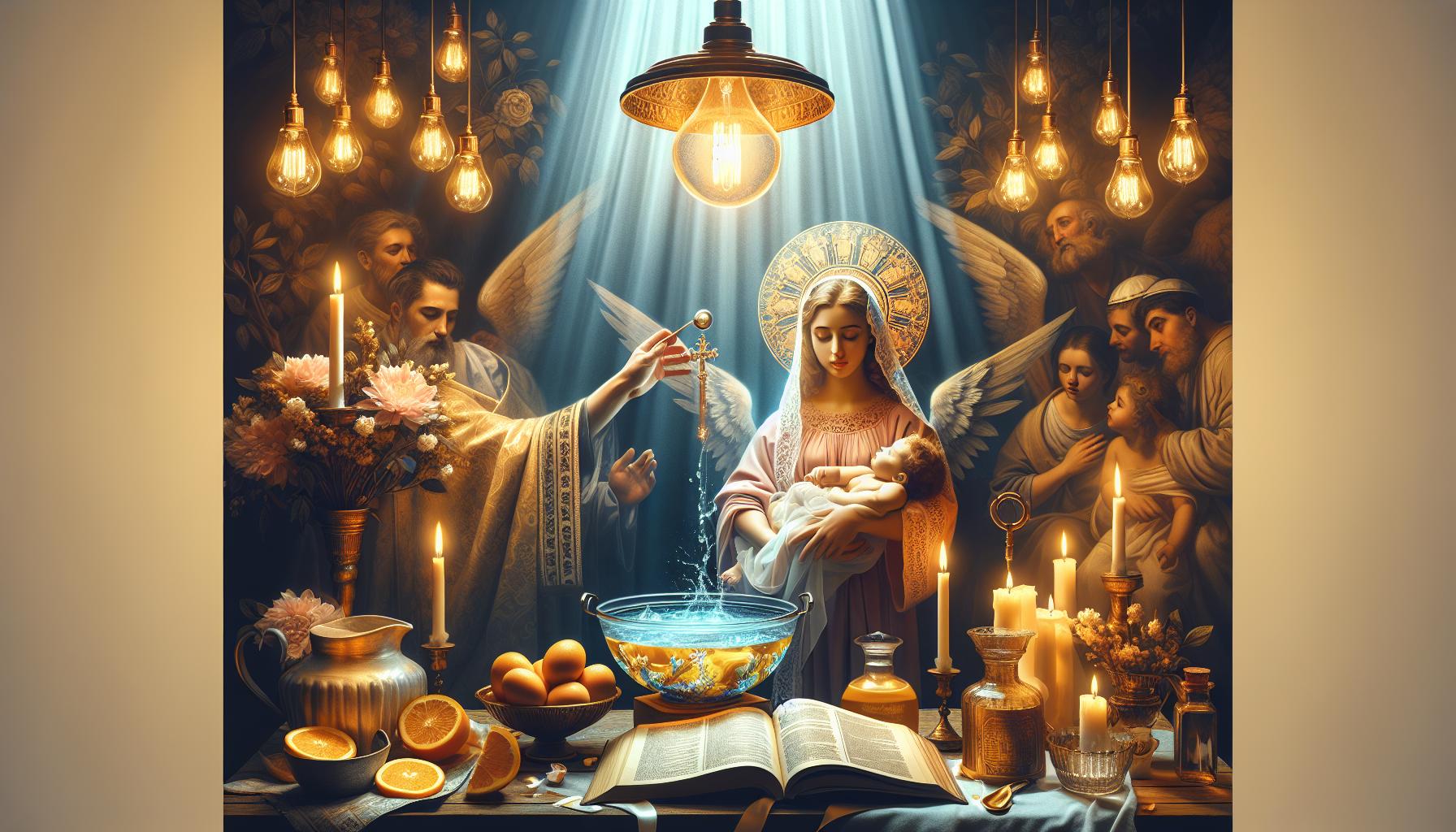
A baptism is not just a ceremonial act; it is a profound initiation into a faith community, and the role of a godparent is a cornerstone of that experience. The responsibility encompasses guidance, support, and nurturing the spiritual growth of the child. This sacred duty transcends mere participation; it establishes a lasting bond between the godparent, the child, and the family, highlighting the significance of mentorship in the journey of faith.
Core Responsibilities of a Godparent
Being a godparent is an honor that comes with specific expectations and responsibilities. Understanding these can help ensure that you fulfill your role meaningfully. Here are some of the vital duties a godparent undertakes:
- Spiritual Guidance: A primary responsibility is to assist in the spiritual upbringing of the child, providing love, support, and encouragement as they grow in their faith.
- Mentorship: Serving as a role model, godparents should exemplify the values and principles of their faith in everyday life.
- Presence in Key Life Events: Godparents are often expected to participate actively in significant milestones, such as first communions, confirmations, and religious celebrations.
- Support for the Parents: Offering emotional and spiritual support to the child’s parents, assisting them in fulfilling their duties, and ensuring alignment in raising the child with religious values.
Nurturing the Bond
Establishing a strong relationship with the child is crucial for a godparent. This bond is nurtured through consistent involvement and engagement in the child’s life, ensuring they feel valued and loved. Here are some practical ways to build that relationship:
- Regular Communication: Stay in touch, whether through phone calls, texts, or visits. Share thoughts and experiences related to faith to inspire the child.
- Participate in Community: Attend church services, youth programs, or faith-related activities together, reinforcing a sense of belonging.
- Celebrate Milestones: Be present for important events in the child’s life, creating memories that reflect your commitment as a godparent.
- Gift of Faith: Consider giving meaningful religious gifts that strengthen their identity in faith, such as prayer books or age-appropriate Bible stories.
As you navigate these responsibilities, remember that the essence of being a godparent is rooted in love and commitment. Your involvement and dedication will shape the spiritual journey of the child, making the role not only a privilege but also a lasting legacy. Engaging actively with the child and their family can lead to a profound and enriching experience for all.
The Theological Significance of Godparenthood in the Church

The role of a godparent, often seen merely as ceremonial, holds profound theological significance in the life of the Church and the spiritual journeys of the individuals involved. Godparenthood is not just about attending a baptism; it is a commitment to guide the child in faith, making it an enduring spiritual relationship characterized by mentorship and support. The responsibilities of godparents extend far beyond the baptism ceremony, as they embody the Church’s call to nurture and cultivate the faith of future generations.
Spiritual Guidance and Mentorship
One of the primary duties of a godparent is to serve as a spiritual mentor. This guidance can take various forms, such as:
- Engaging in regular discussions about faith and spirituality.
- Encouraging the child to participate in church-related activities.
- Modeling a life committed to Christian values.
Each of these elements fosters a deepening relationship anchored in faith. For instance, hosting regular family gatherings that include discussions on Bible stories or prayers can help the child develop a dynamic understanding of their beliefs. This ongoing relationship reflects a commitment not just during the baptism but throughout the child’s life, encouraging continual growth in faith.
A Community Within the Church
Godparents also play a crucial role in integrating the baptized child into the broader community of the Church. They act as representatives of the Church’s commitment to mentoring and fostering faith, helping to bridge the gap between the church community and the family.
Consider a situation where a child is struggling with their faith or facing challenges in life. A godparent can be a source of comfort and wisdom, providing advice grounded in their own experience as a member of the Church. This not only reinforces the child’s connection to the Church but also helps them navigate life’s complexities with a support system that reflects Christian teachings.
| Aspect | Significance |
|---|---|
| Role in Baptism | To profess the Catholic faith and support the child’s spiritual journey. |
| Ongoing Support | To provide mentorship throughout the child’s life, fostering faith and ethical living. |
| Integration into Community | To connect the child with the wider Church community and activities. |
In this way, the theological significance of godparenthood emphasizes the interconnectedness of individuals, families, and the larger community of faith. It underscores that being a godparent is a lifelong responsibility filled with opportunities for personal and communal growth in faith. The role is not merely a title but a sacred bond that contributes profoundly to the spiritual tapestry of the Church.
Preparing for the Ceremony: What Godparents Should Know
As the big day approaches, becoming a godparent is a significant honor filled with joy, responsibility, and sometimes, a touch of nervousness. Understanding how to prepare can ensure that you contribute meaningfully to the baptism ceremony and the spiritual journey of your godchild. This role is not only about being present during the event but also about embracing a lifelong commitment to support the child in their faith journey.
Understand the Significance of Your Role
Before diving into preparation, it’s essential to grasp what being a godparent entails. Traditionally, godparents are spiritual guides for their godchildren, taking on the responsibility to help them grow in faith and moral values. This means being prepared not just for the ceremony, but also for ongoing mentorship. Consider these aspects:
- Be Informed: Familiarize yourself with the religious significance of baptism within the faith tradition of your godchild, as this will ground your involvement.
- Communicate with the Parents: Understand their expectations and any specific customs they would like to integrate into the ceremony.
- Prepare Spiritually: Take time for personal reflection and prayer leading up to the baptism to ensure you are in the right mindset for your role.
Logistical Preparations
Once you grasp the role’s spiritual dimensions, it’s time to turn your attention to the logistical aspects of the ceremony. Being organized can help alleviate stress on the day of the baptism, allowing you to focus on your godchild and the occasion.
- Discuss the Ceremony Details: Confirm with the parents the date, time, and location of the baptism, and whether there are any special rituals or traditions involved.
- Dress Appropriately: Choose attire that aligns with the ceremonial context; modest and respectful clothing is generally preferred.
- Practice Your Reading: If you have been asked to read a passage or express words of commitment, practice beforehand to ensure smooth delivery.
| Preparation Activity | Purpose |
|---|---|
| Spiritual Guidance Discussion | To understand your ongoing role as a mentor. |
| Meet with the Officiant | To clarify your responsibilities during the ceremony. |
| Prepare a Gift | To symbolize your commitment to your godchild’s faith and upbringing. |
The preparation process is much more than just the day of the baptism; it’s about laying down a foundation for a lifelong relationship grounded in faith. By being diligent in your preparations, you’ll be more equipped to fulfill the important question, “What does a godparent do at a baptism?” and ensure your involvement is not only meaningful but a true blessing to both the child and the family.
Guiding the Spiritual Journey: Supporting the Child and Family

Supporting a child’s spiritual journey is a profound responsibility that extends beyond the baptism ceremony. It involves nurturing and guiding the child and their family through their faith journey, helping to lay a strong foundation for spiritual growth. Godparents play a vital role in this support system, acting as mentors and examples of faith and values. Their involvement can enrich the child’s understanding of spirituality, foster a sense of community, and instill core beliefs that guide them throughout life.
One effective way for godparents to support the child is through regular engagement in spiritual practices. This could include participating in family prayers, reading religious texts together, or attending services as a family. Such shared experiences not only reinforce the teachings of the faith but also create lasting memories that strengthen familial bonds. Godparents can also encourage open discussions about faith, allowing the child to ask questions and express their thoughts, which is crucial for developing their understanding and personal beliefs.
Additionally, godparents can support families by organizing or participating in community events that emphasize spiritual growth. These activities might include volunteering opportunities, family retreats, or spiritual workshops. Engaging in these events fosters a sense of belonging and helps the child understand the importance of community in their spiritual journey. It is also an ideal way for families to connect with others who share similar faith values, thereby enriching their overall spiritual experience.
To further illustrate the varied ways a godparent can be involved, consider creating a simple table that outlines practical actions for godparents:
| Action | Description |
|---|---|
| Regular Communication | Establish a routine of texting, calling, or visiting to discuss faith and share experiences. |
| Participate in Spiritual Activities | Join in on prayers, readings, or services to model faith practices. |
| Encourage Questions | Create a safe space for the child to explore their beliefs and express curiosity about faith. |
| Community Engagement | Involve the child in service opportunities or social events to enhance community ties. |
In summary, the role of a godparent extends far beyond the baptism ceremony itself. Through consistent support, active participation in faith practices, and fostering community connections, godparents can effectively guide the spiritual journey of the child and their family, ensuring a meaningful and enriching experience that lasts a lifetime.
Celebrating Community: The Godparent’s Role Beyond the Baptism

In a world that often emphasizes individual achievement, the role of a godparent at a baptism serves as a beautiful reminder of the importance of community and lasting relationships. While the ceremonial aspect of a baptism is crucial, the responsibilities of a godparent extend far beyond that sacred day. They become a vital bridge connecting the child to their faith, community, and family, embodying the support system that nurtures spiritual growth throughout life.
The Ongoing Commitment of a Godparent
The role of a godparent evolves over time into a long-term commitment that entails a variety of responsibilities. Here are some key ways godparents can actively engage in their responsibility:
- Spiritual Guidance: Beyond the baptism, it is essential for godparents to offer spiritual mentorship. This can involve sharing religious teachings, engaging in discussions about faith, and encouraging the child to embrace their spiritual identity.
- Emotional Support: Life is filled with ups and downs, and a godparent can provide a listening ear and a shoulder to lean on. Celebrating milestones, offering encouragement during challenges, and being present for important events in the child’s life can make a significant impact.
- Active Participation in the Faith Community: Godparents should strive to maintain an active role within the religious community. This can mean attending church together, participating in community service, or even being involved in youth groups, which help reinforce the child’s connections to their faith.
- Family Connection: Building a relationship with the child’s family fosters a supportive environment. Regular communication, family gatherings, and shared experiences contribute to a strong bond that reinforces the community aspect of the child’s upbringing.
Celebrating Life’s Milestones Together
A godparent’s involvement does not cease at baptism; rather, it is a continuous journey of shared experiences. For instance, attending First Communions, Confirmation ceremonies, and birthdays not only solidifies their bond but also allows the godparent to celebrate the child’s spiritual and personal milestones. These events act as reminders of the promises made at baptism and offer further opportunities for guidance and witness to the importance of faith.
To better illustrate the enduring impact of a godparent, consider the following table of milestones where their participation is crucial:
| Milestone | Godparent’s Role |
|---|---|
| First Communion | Support and attend the ceremony; provide a meaningful gift (e.g., a religious book) |
| Confirmation | Serve as a mentor; pray for guidance during this important decision-making |
| Graduations | Celebrate academically; encourage aspirations and future goals |
| Marriage | Offer advice on preparing for married life; be a witness at the ceremony if asked |
The responsibilities godparents take on after the baptism profoundly influence the child’s spiritual and personal development. By embracing their role with intention and dedication, they help weave a strong fabric of community, faith, and lifelong relationships that enrich not only the lives of the children but also their own.
Nurturing Growth: How Godparents Can Foster Faith Development
One of the most profound roles within the Christian tradition is that of a godparent, who is entrusted with nurturing a child’s spiritual growth from the moment of baptism. This commitment extends far beyond a ceremonial day, grounding the godparent’s role in ongoing support and involvement in the child’s journey of faith. Many wonder, *what does a godparent do at a baptism? meaningful involvement* involves a promise to guide the child through life’s challenges while helping them deepen their connection to the faith community.
Building a Strong Faith Foundation
A godparent’s influence begins with the promises made during baptism. These vows signify a commitment to:
- Help the child grow in their faith.
- Encourage them to embrace the teachings of the Church.
- Be a spiritual mentor and role model.
These commitments are not merely symbolic; they are actionable responsibilities that set the tone for the child’s understanding of faith. A godparent can start by establishing a relationship with the child that allows for open dialogue about beliefs, doubts, and curiosities. Regular discussions can range from simple conversations about God and Jesus to exploring Bible stories or discussing moral dilemmas, thereby reinforcing their faith understanding and developing critical thinking skills as they grow.
Active Participation in Religious Activities
In addition to nurturing faith conversations, godparents should actively engage in their godchild’s religious life. This can be achieved through:
- Attending church services together.
- Participating in religious education classes or family catechesis.
- Celebrating significant liturgical events, like First Communion or Confirmation.
By embedding themselves in these activities, godparents can model a lifestyle of faith that encourages children to develop their own personal relationship with God. This involvement also enables godparents to share their own faith experiences, allowing for richer discussions and reflections that can resonate deeply with their godchildren.
Providing Support and Encouragement
The role of a godparent is not only to guide spiritual practices but also to provide emotional support. Recognizing the challenges of growing up in a faith tradition, godparents can serve as trusted confidants for their godchildren. Here are some practical ways to provide support:
| Action | Purpose |
|---|---|
| Listening and validating their feelings | Builds trust and encourages openness. |
| Encouraging participation in youth groups | Strengthens community ties and faith exploration. |
| Sharing personal testimonies of faith | Offers relatable insights and encouragement. |
By being present during both joyful and challenging moments, godparents demonstrate that faith is a continual journey, reinforcing the notion that they are a steadfast part of their godchild’s spiritual path.
In essence, the role of a godparent transcends the initial baptism ceremony. Through ongoing engagement, mentorship, and unwavering support, they help foster a life enriched by faith, serving as invaluable companions on their godchild’s spiritual journey.
Embracing Diversity: Godparenting Across Different Christian Traditions
In the rich tapestry of Christian traditions, the role of a godparent at a baptism is not only a solemn commitment but also a celebration of community, love, and faith. Each denomination brings its unique rituals and expectations, yet the core purpose remains profoundly similar: to guide and support the spiritual development of the child. Embracing this diversity can illuminate what it truly means to be meaningfully involved in the life of a baptized child, no matter the tradition.
Understanding Variations Among Traditions
The responsibilities and expectations of godparents can differ significantly among various Christian denominations. Here’s a closer look at how different traditions interpret the godparent’s role:
| Denomination | Godparent Role | Typical Expectations |
|---|---|---|
| Roman Catholic | Spiritual guide and mentor |
|
| Anglican | Custodian of faith |
|
| Orthodox | Spiritual mentor |
|
| Protestant | Support and guidance |
|
The Heart of the Godparenting Commitment
Regardless of these differences, the essence of godparenting lies in a shared commitment to the spiritual journey of the child. A godparent should strive to develop a meaningful relationship with their godchild by being actively involved in their life, attending key religious milestones, and supporting the family in matters of faith. Understanding the nuances of their role within their specific tradition can enrich the godparent’s approach and enhance their effectiveness.
Additionally, godparents can extend their involvement beyond the baptism ceremony. Simple but impactful actions—such as engaging in prayer together, sharing faith stories, or participating in church events—can create lasting bonds. Each interaction provides an opportunity for the godparent to instill Christian values naturally and authentically, reinforcing the idea that they are a trusted figure in the child’s life.
Embracing the diversity in godparenting across different Christian traditions truly enhances the experience, allowing for a richer understanding of how faith shapes our lives. Whether a godparent is drawn into their role through tradition or personal conviction, their meaningful involvement can leave a profound imprint on the spiritual path of both the child and their family.
Blessings and Responsibilities: The Commitments of a Godparent
The role of a godparent extends far beyond the ceremonial aspects of a baptism; it is a profound commitment that intertwines spiritual and practical responsibilities. For many who take on this honor, the moment is not just about attending a service; instead, it is about forging a lasting bond with the child and their family. A godparent is often seen as a spiritual guide and mentor, expected to support the child’s faith journey throughout their life.
Core Responsibilities
Being a godparent involves fulfilling certain duties that emphasize the importance of this role within the family and community. Some key responsibilities include:
- Spiritual Guidance: Godparents are expected to help nurture the child’s spiritual development, ensuring they understand the significance of their faith.
- Regular Interaction: Engaging with the child through regular visits, conversations about life and faith, and participation in family events fosters a deeper bond.
- Role Model: As a moral compass, a godparent should embody the values and principles they hope to instill in the child.
- Supportive Network: Being present during key life events – such as confirmations, graduations, and other milestones – reinforces the supportive nature of this relationship.
A Lasting Relationship
The influence of a godparent can be substantial. For instance, consider a godparent who actively participates in a child’s educational and extracurricular activities. Not only does this involvement help the child feel supported, but it also strengthens the bond between the godparent and the family. This commitment creates a framework in which both the child and the godparent can grow together spiritually and emotionally.
Another real-world example might involve a godparent who takes the time to facilitate meaningful discussions about faith and values during family gatherings. This can be an open dialogue that encourages the child to ask questions about belief systems, ethics, and moral choices, fostering a sense of curiosity and understanding while assuring them they have a confidant in their spiritual journey.
| Responsibility | Action |
|---|---|
| Spiritual Guidance | Engage in conversations about faith and tradition. |
| Regular Interaction | Plan monthly activities or calls to check in. |
| Role Model | Exemplify faith through daily actions and decisions. |
| Supportive Network | Attend significant events and milestones. |
In understanding these commitments, prospective godparents should reflect deeply on the meaning of being a guiding force in a child’s life. Recognizing this honor as both a blessing and a responsibility elevates the involvement of a godparent from a mere formality to a pivotal role in shaping the faith and character of a young person.
Frequently Asked Questions
What Does a Godparent Do at a Baptism? Meaningful Involvement?
A godparent’s primary role at a baptism is to support the spiritual upbringing of the child. This includes affirming the child’s faith journey and guiding the family in religious practices.
In the context of baptism, godparents play a significant role not just during the ceremony, but throughout the child’s life. They are often viewed as mentors who help nurture the child’s spiritual growth and provide a model of faith. Their participation can range from making promises during the baptism to attending church events and supporting the family in religious education.
Understanding the responsibilities of a godparent can vary with different religious traditions, but their commitment generally reinforces the bond of faith within the community.
Why does a godparent’s presence matter at a baptism?
A godparent’s presence at a baptism is important as it symbolizes the community’s support in raising the child in faith and reinforces the commitment to their spiritual development.
The role of a godparent is further underscored by their ability to provide guidance and support as the child grows. Participating in this sacred ceremony signifies a promise not only to the child but also to the parents, ensuring ongoing engagement in the child’s spiritual life.
Moreover, the meaningful involvement of a godparent fosters a sense of community and shared faith, connecting families to broader religious traditions.
What are the responsibilities of a godparent during the baptism ceremony?
During the baptism ceremony, a godparent is responsible for making significant promises on behalf of the child, affirming their intention to support the child’s faith journey.
Specifically, godparents often vow to guide the child in understanding their faith and living according to its teachings. They may participate in rituals, such as holding the child or providing the baptismal candle. Being actively present during this significant moment emphasizes their commitment to the child’s spiritual life.
Ultimately, their role extends beyond the church; they are expected to remain engaged in the child’s development well into adulthood.
Can I choose someone outside my faith tradition to be a godparent?
Yes, you can choose someone outside your faith tradition as a godparent, provided they meet the requirements of your religious denomination.
Choosing a godparent from a different faith can broaden the child’s understanding of various beliefs and foster respect for diversity. However, it’s important to discuss this decision with your pastor or religious leader to ensure it aligns with your faith’s guidelines.
In many cases, denominations value commitment and the character of the individual over strict adherence to the same faith tradition.
How can a godparent stay involved after the baptism?
A godparent can stay involved after the baptism by regularly participating in the child’s spiritual milestones and offering ongoing support in their faith journey.
This involvement may include attending church together, being present for other sacraments, and engaging in discussions about faith-related topics. By maintaining this relationship, godparents fulfill their promise of guidance and act as integral figures in the child’s life.
Staying active in the child’s spiritual education strengthens their bond and demonstrates a lifelong commitment to nurturing their faith.
What should I consider when choosing a godparent?
When choosing a godparent, consider their faith commitment, values, and willingness to guide the child spiritually throughout their life.
It’s essential to select someone who understands the responsibilities involved and is ready to play an active role in the child’s life. Look for qualities such as reliability, a supportive nature, and a strong grounding in their belief system, as they should align with your own family values.
In addition to religious qualities, consider how this person can contribute emotionally and socially to your child’s growth.
What if I can’t find a suitable godparent?
If you can’t find a suitable godparent, consider discussing the situation with your spiritual leader, who may provide guidance or alternative arrangements.
It’s essential to remember that the role of a godparent is critical, but if suitable candidates are lacking, you might look at family members or friends who share your values but are not traditionally seen as godparents.
Ultimately, the focus should remain on providing the child with strong spiritual support, regardless of the strict title. There are many different ways to ensure meaningful involvement in their faith journey.
Final Thoughts
In conclusion, the role of a godparent during a baptism transcends mere ceremonial participation; it embodies a profound commitment to spiritual guidance and community support. By actively engaging in the baptismal process, godparents not only affirm their dedication to nurturing the child’s faith but also foster a sense of belonging within the broader faith community. This sacred tradition invites a deeper understanding of one’s responsibilities, encouraging meaningful connections that extend beyond the baptismal font.
We invite you to further explore the rich tapestry of theological insights and practical applications surrounding this beautiful rite. Consider how these principles resonate within your own faith journey or community, and reflect on the unique ways you can contribute to the spiritual growth of those around you. Whether you are a seasoned participant or new to these traditions, your journey as a godparent can be both fulfilling and transformative. Engage, discuss, and deepen your understanding — the exploration of this sacred commitment awaits!