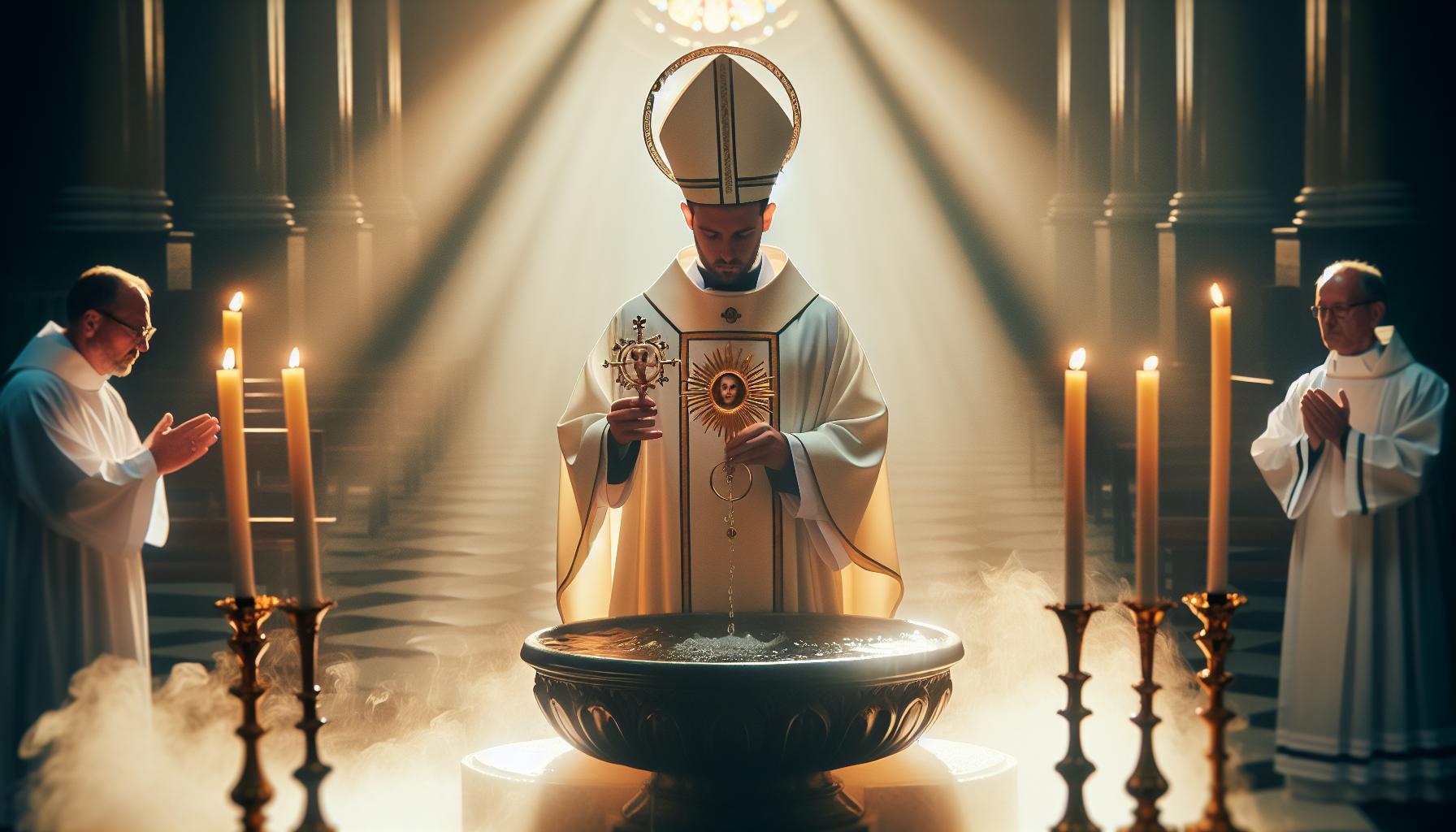
Many wonder if baptism and christening refer to the same religious ceremony, leading to confusion among parents and congregations alike. Understanding these differences is crucial for making informed decisions about faith, traditions, and personal beliefs. While christening often involves naming a child, baptism signifies a deeper commitment to the Christian faith, marking the entry into a spiritual community.
Understanding the Basics: What Are Baptism and Christening?

The rich traditions surrounding baptism and christening are often sources of confusion, yet they each hold special significance within Christian communities. Understanding their purposes and differences can deepen one’s appreciation for these sacred ceremonies. While baptism is widely recognized as a rite of initiation and purification, christening is typically associated with the naming of a child and their formal admission into the faith.
Baptism: A Deeper Spiritual Commitment
Baptism is more than just a ceremonial act; it symbolizes the spiritual rebirth and commitment of the individual to their faith. This ritual, often performed through the immersion in or sprinkling of water, signifies the cleansing of sin and incorporation into the body of Christ. Adult baptisms often involve conscious declarations of faith, while infant baptisms can serve as a representation of the parents’ vows to raise their child within the church community. The emphasis on baptism highlights its theological weight, serving as a key milestone on a believer’s spiritual journey [[1]].
Christening: The Naming Ceremony
In contrast, christening is primarily viewed as a naming ceremony, marking the public acknowledgment of a child’s entry into the Christian faith. This event is particularly prominent in Anglican and Catholic traditions, where the child is given a Christian name as part of the ceremony. While christening often occurs simultaneously with baptism, it is focused on the identity of the child in relation to the church community [[3]]. For many parents, this moment is not only a personal decision but also a communal event that strengthens family ties and creates lasting memories.
Key Differences to Remember
- Baptism: A spiritually significant rite encompassing the cleansing of sins and commitment to faith.
- Christening: Primarily a naming ceremony that celebrates the child’s induction into the Christian faith.
- Participants: Baptism can involve adults or older children making personal commitments, while christening typically pertains to infants.
- Ceremonial Elements: Baptism usually involves water, either through immersion or sprinkling, whereas christening emphasizes the naming aspect.
Each tradition plays a crucial role in the faith journey of believers and the integration of individuals into the church community. Understanding the nuances of baptism and christening can lead to a more informed and meaningful participation in these important rituals.
Theological Significance: Why Do We Baptize?
Baptism is a ritual steeped in profound significance, acting as a rite of passage for many within the Christian faith. This age-old practice not only symbolizes purification and the washing away of sin but also marks the initiation of an individual into the Christian community. Understanding why baptism is essential goes beyond its basic definition and touches on theological beliefs, cultural practices, and community inclusion.
The Symbolism of Water
Water is a powerful symbol in various religious traditions; in Christianity, it represents life, renewal, and cleansing. During baptism, the act of immersing or pouring water over an individual is not merely a physical act; it signifies the participant’s personal commitment to faith. This ritual embodies Jesus’ own baptism in the Jordan River, bridging the gap between humanity and divinity. As stated in scriptures like Matthew 3:13-17, Jesus’ baptism marks the beginning of His ministry, encouraging believers to embrace baptism as a vital step in their spiritual journeys.
Inclusion in the Faith Community
Baptism also signifies symbolic entry into the Christian community, uniting individuals with other believers and reinforcing shared values and beliefs. Whether performed as an infant or an adult, this rite underscores the idea of belonging and support within a faith community. This inclusion can be illustrated through community celebrations, where baptismal candidates are often surrounded by family and friends, symbolically welcoming them into a larger spiritual family.
For example, churches often hold special services dedicated to baptism, where congregants are encouraged to participate and witness this important moment. This type of communal support can be vital for ongoing spiritual growth and connection, reinforcing the notion that while the baptism may be an individual event, it is celebrated collectively within the faith.
Grace and Faith
From a theological standpoint, baptism is integral to the concept of grace in Christianity. Many denominations emphasize that through baptism, believers receive God’s grace, which is essential for salvation. This idea connects directly to discussions on whether a baptism and a christening are the same, as the latter often implies specific traditions that might not encompass the fully realized theological implications of baptism alone.
Understanding the differences and theological underpinnings between baptism and christening is vital for potential parents deciding how to approach this important milestone for their children. Engaging with church leaders and exploring denominational teachings can provide clarity, enabling families to make informed choices that resonate with their spiritual beliefs.
In summary, the practice of baptism serves multiple theological purposes: it symbolizes cleansing and renewal, fosters community belonging, and signifies God’s grace. Engaging with these meanings can often lead to deeper faith and understanding.
Different Traditions: How Various Denominations Approach Baptism and Christening
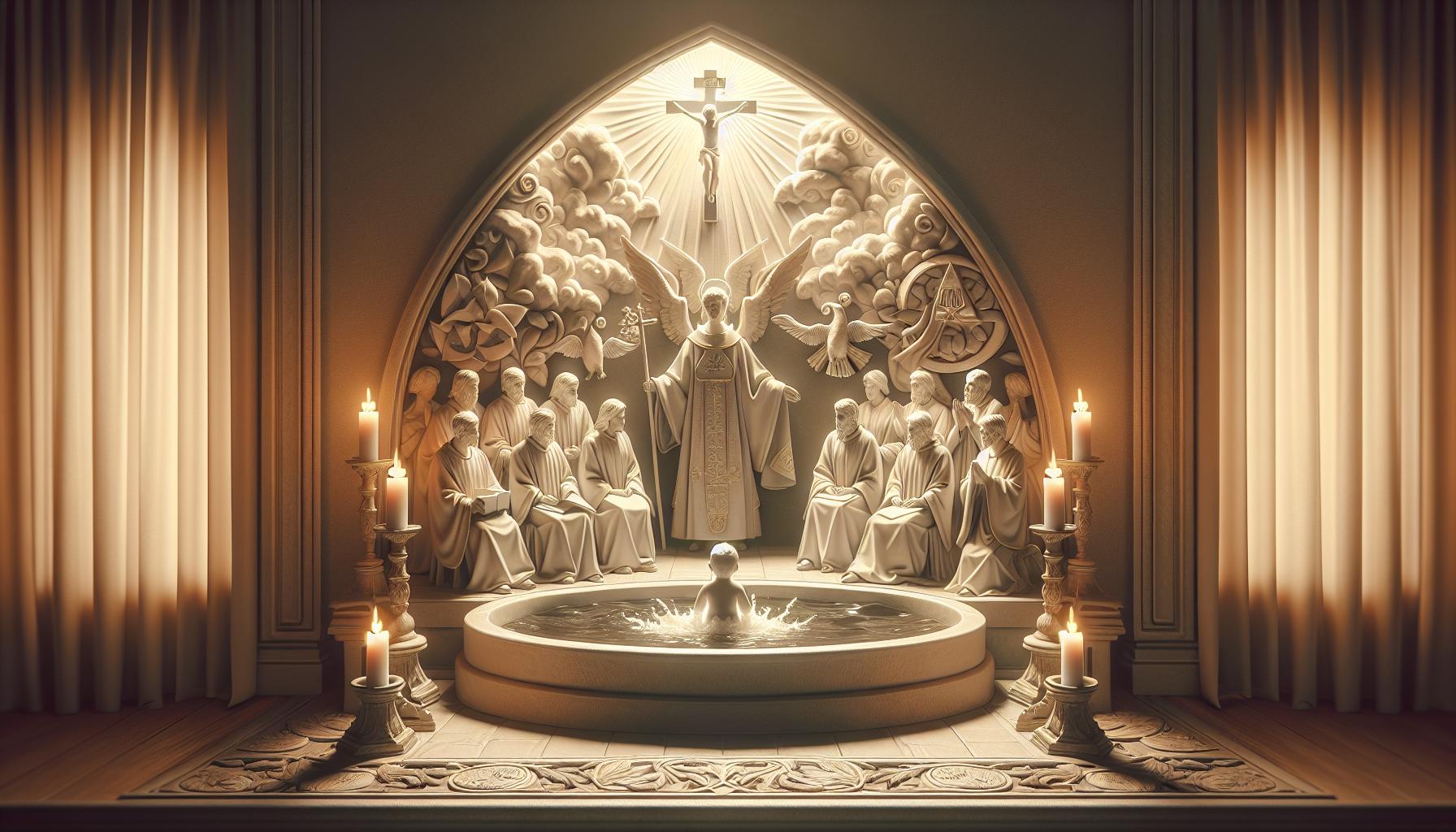
The significance of baptism and christening is celebrated across various Christian denominations, each embracing unique traditions rooted in their theological beliefs and cultural practices. While some may wonder, “Are a Baptism and Christening the Same Thing? Differences Explained,” an exploration of how different denominations approach these rites reveals distinct interpretations and customs that highlight the rich tapestry of Christianity.
Methodist Traditions
For Methodists, baptism is a sacrament viewed as a means of grace. The practice can take place at any age, emphasizing God’s love and mercy. It involves water, signifying purification and a new beginning. Methodists believe that baptism serves as a public confirmation of one’s faith, and while infant baptism is common, it’s not exclusive. Adults may seek baptism upon formal acceptance of faith.
Catholic Understanding
In Catholicism, a baptism is typically performed shortly after birth. This sacrament is considered necessary for salvation, cleansing the individual from original sin. The ceremony includes the anointing with chrism oil and the lighting of a baptismal candle, symbolizing the light of Christ. Both infants and adults can be baptized, but the church emphasizes the importance of the child’s godparents, who play a crucial role in spiritual guidance.
Anglican Perspective
Anglicans often use the term “christening” interchangeably with baptism, particularly when referring to the baptism of infants. The service includes a public declaration of faith by the parents and godparents on behalf of the child, accentuating the communal aspect of faith. In Anglican tradition, christening is viewed as a rite of passage into the Christian community, where the child is welcomed not only into the church but also into the nurturing arms of its members.
Evangelical Approach
In many evangelical denominations, baptism is seen primarily as a public affirmation of faith, typically performed for individuals who have made a conscious decision to follow Christ. This practice aligns with the belief in “believer’s baptism,” where individuals are submerged in water, symbolizing death to sin and rebirth in Christ. Evangelicals may view infant baptism as lacking biblical foundation, advocating instead for the person’s personal testimony of faith as a prerequisite for baptism.
| Denomination | Term Used | Key Beliefs About Baptism |
|---|---|---|
| Methodist | Baptism | Means of grace, performed at any age, public confirmation of faith |
| Catholic | Baptism | Necessary for salvation, originally cleansing from sin |
| Anglican | Christening | Rite of passage, communal faith declaration |
| Evangelical | Baptism | Public affirmation of faith, believer’s baptism |
These differences in terminology and practice reflect deeper theological convictions and cultural values within each tradition. Thus, understanding how denominations approach baptism and christening not only clarifies the question of whether they are the same but also enriches our comprehension of the diverse expressions of faith within Christianity.
Key Elements of the Ceremony: What to Expect

When planning a baptism or christening, many people are often surprised to learn about the intricacies involved in these spiritual ceremonies. Both rites hold significant importance in the Christian faith and herald a child’s introduction into the church community. Understanding the essential components can help ensure a meaningful and memorable occasion for families and attendees alike.
Essential Components of the Ceremony
The structure of a baptism or christening typically entails several key elements that create a sacred atmosphere. Each aspect serves to emphasize the event’s spiritual significance and the welcoming of the child into the faith. Here’s what you can expect:
- Welcome and Opening Prayers: Typically, the ceremony begins with a warm welcome from the officiant, followed by prayers that set a reverent tone. This part may include hymns or scripture readings that resonate with the congregation.
- Presentation of the Child: Families are often asked to present the child to the congregation. This is a significant moment, as it symbolizes the intent of the family to raise the child within the faith.
- Affirmation of Faith: Parents and godparents may be required to make a vow or affirmation of their faith, committing to guiding the child in their spiritual journey. This is a crucial component that highlights the family’s commitment to the teachings of the church.
- Water Blessing: The ceremonial use of water is central, symbolizing purification and rebirth. This can be done through immersion, pouring, or sprinkling, depending on the denomination’s traditions.
- Sign of the Cross: The officiant usually makes the Sign of the Cross on the child’s forehead, a gesture steeped in deep theological meaning that signifies the child’s belonging to Christ.
- Anointing with Oil: In some traditions, the officiant may anoint the child with oil to represent being set apart and filled with the Holy Spirit.
Family Involvement and Community Support
One distinguishing aspect of baptism and christening is the involvement of family and community. These ceremonies function not only as personal milestones but also as community events where the congregation pledges to support the family in the child’s upbringing within the faith.
Families might choose to include their own traditions, such as selecting a special outfit for the child or having a protective godparent who serves as a mentor throughout the child’s spiritual growth. Following the ceremony, it’s common to host a gathering, which allows for deeper connections among family and friends, reinforcing the support network that surrounds the child.
By understanding the various elements involved in baptism and christening, families can tailor the ceremony to reflect their beliefs and traditions, ensuring a fulfilling experience that resonates far beyond the day itself.
The Role of Godparents: Their Importance in Christening Ceremonies
When a family decides to initiate a child into the faith through a christening, the roles and responsibilities of godparents come into sharp focus. These individuals are not merely ceremonial figures; they are integral to the spiritual journey of the child, symbolizing a profound commitment to guiding and nurturing their faith. In understanding the nuances between baptism and christening, it is essential to acknowledge how these roles shape the significance of the ceremony itself, ensuring the child is welcomed into the community of believers.
The Spiritual Guardianship of Godparents
Godparents are often seen as spiritual mentors, tasked with providing support and guidance as the child grows in their faith. This bond is more than a title; it represents a lifelong commitment. Traditionally, they assist parents in raising the child with moral and ethical values aligned with their faith, embodying the essence of what it means to be a leader in spiritual matters.
- Support during Significant Life Events: Godparents often step in during important milestones, whether it be confirmation, first communion, or personal challenges, reinforcing their role as trusted advisors.
- Modeling Faith Practices: By actively participating in religious practices such as attending services or family prayers, godparents set an example for the child.
- Cultural Transmission: In many cultures, godparents help pass down traditions and values, bridging the gap between generations within a faith community.
Choosing the Right Godparents
Selecting godparents is both a personal and intentional decision that blends friendship, familial ties, and spiritual alignment. Ideally, these individuals embody the qualities and values that parents wish to cultivate within their child.
| Criteria for Choosing Godparents | Description |
|---|---|
| Spiritual Commitment | They should have a strong understanding of and commitment to the faith. |
| Emotional Availability | Being present and engaged in the child’s life is crucial. |
| Positive Influence | Choose individuals who uphold values that align with your family’s beliefs. |
In summary, godparents play a pivotal role in christening ceremonies, extending their influence beyond the event itself. Their engagement fosters a supportive and loving environment for the child, reinforcing the faith community’s values. As families contemplate the differences between baptism and christening, recognizing the substantial responsibilities placed upon godparents becomes essential in nurturing a robust spiritual foundation.
Choosing Between Baptism and Christening: Guidance for Families
Understanding the nuances between baptism and christening can significantly impact a family’s decision-making process regarding their religious or spiritual journey. While often used interchangeably, these terms carry different meanings and implications within various Christian traditions. Families should consider the intentions behind each ceremony and how they align with their beliefs and values.
Key Considerations for Families
Before deciding between baptism and christening, families should clarify the purpose of the ceremony. Baptism traditionally signifies a commitment to faith and often marks the individual’s entry into the Christian community, typically reserved for those old enough to understand and embrace the faith. In contrast, a christening primarily serves as a naming ceremony, aimed at welcoming infants into the Christian faith and often involving the practice of sprinkling water on the child’s head. This distinction can influence choices regarding the timing and nature of the celebration [[2]].
Families might also consider the implications of each ceremony on the individual’s spiritual journey. For instance, some denominations emphasize the importance of baptism as a sacrament that imparts grace and marks a pivotal spiritual transformation. Others focus on christening as a moment to invoke blessings and set the child apart from original sin, which may resonate more with traditional or family-oriented ceremonies. Understanding these theological foundations can help families make informed decisions [[3]].
Practical Steps in the Decision-Making Process
Here are some actionable steps families can take when choosing between baptism and christening:
- Consult with Religious Leaders: Speak with a pastor or priest to gain insights into the significance of each ceremony within your faith tradition.
- Discuss with Family: Involve relatives in the conversation, as they may have specific traditions or expectations that could influence your choice.
- Consider Personal Beliefs: Reflect on what resonates more with your family’s spiritual beliefs—commitment to faith or a blessing for a child.
- Look into Ceremony Details: Research the different elements involved in baptism and christening, including rituals, locations, and community involvement.
Remember, the decision is deeply personal and should resonate with your family’s spiritual beliefs and practices. Understanding the differences highlighted in “Are a Baptism and Christening the Same Thing? Differences Explained” can empower families to choose a path that honors their faith and values.
Spiritual Implications: What Each Ceremony Represents in Faith Journeys
Ceremonies of faith are more than mere traditions; they serve as pivotal moments in the spiritual journeys of individuals and communities. Both baptism and christening, while often confused with each other, embody significant spiritual implications that resonate deeply within the lives of those who participate. Understanding the unique aspects of these rites can illuminate the paths of faith that families choose to embark upon, shaping their beliefs, values, and connections with the divine.
Baptism: A Rite of Initiation
Baptism is primarily recognized as a rite of initiation into the Christian faith. This ceremony symbolizes the individual’s acceptance of Christ and signifies their commitment to a life aligned with Christian values. The act of baptism involves the use of water, which holds deep spiritual meaning as a representation of purification and renewal.
Some key spiritual implications of baptism include:
- Forgiveness of Sin: Baptism is seen as a means to wash away sins, marking a fresh start in one’s spiritual journey.
- Unification with Christ: Participants experience a symbolic death and rebirth, echoing the resurrection of Jesus, fostering a deeper connection with Him.
- Community Acceptance: Through baptism, individuals are embraced by the broader faith community, highlighting the importance of belonging within religious practices.
This immersion into faith not only signifies personal growth but also a formal recognition of an individual’s place within the body of believers, making it a cornerstone of Christian life.
Christening: A Blessing and Dedication
In contrast, christening is often viewed as a ceremonial event focused on blessing a child rather than marking a personal commitment to faith. While it may involve the same water element as baptism, christening typically emphasizes dedication to God and the promise of parental guidance in the spiritual upbringing of the child.
Key aspects of christening that reflect its spiritual implications include:
- Dedicating a Child to God: Parents commit to raising their child within the faith, seeking divine guidance and support for their spiritual growth.
- Community Support: The gathering of friends and family during a christening signifies the shared responsibility of nurturing the child’s faith journey.
- Cultural Traditions: Many families incorporate specific customs during a christening, which reinforce familial and community ties, enriching their faith experience.
While some view baptism and christening as synonymous, the subtle distinctions carry profound meanings in the lives of those involved. Understanding these differences can enrich one’s spiritual exploration and ensure that families are intentional about their faith practices.
| Ceremony | Primary Focus | Spiritual Symbolism |
|---|---|---|
| Baptism | Individual commitment to faith | Forgiveness and new life in Christ |
| Christening | Dedication of a child | Parental commitment and community support |
Recognizing the differences between baptism and christening not only clarifies their spiritual implications but also highlights their significance in individual faith journeys. Whether you are preparing for a baptism or christening, consider how these ceremonies align with your beliefs and how they can shape the faith narrative for you and your family.
Common Misconceptions: Debunking Myths About Baptism and Christening
While many people often interchangeably use the terms *baptism* and *christening*, their meanings and implications can differ significantly, leading to a host of misconceptions. Understanding these differences is crucial for anyone looking to engage meaningfully in religious events or discussions surrounding them. For instance, a common belief is that both terms refer to the same religious ceremony performed in a Christian context; however, a deeper dive reveals a more nuanced reality.
Myth 1: Baptism and Christening are Identical
This is perhaps the most widespread misconception. In fact, while *baptism* generally refers to the act of performing the sacrament of initiation into the Christian faith, *christening* specifically refers to the naming ceremony often performed in conjunction with baptism, particularly in certain denominations such as Anglicanism. This distinction plays a critical role in understanding the spiritual significance and the individual practices associated with each event.
Myth 2: Baptism is Only for Infants
Another common fallacy is that baptism is exclusively for infants. While many Christian traditions, particularly Catholicism and some Protestant denominations, practice infant baptism, it’s important to recognize that baptism can also be administered to individuals of any age making a personal declaration of faith. Adult baptisms are prevalent and often symbolize a conscious choice to embrace the faith, countering the notion that baptism is solely a rite of passage for the very young.
Myth 3: The Rituals are Universally Practiced Across All Denominations
Religious traditions vary widely, and so do the practices surrounding baptism and christening. While some churches have formal rituals requiring specific components—such as the presence of a sponsor or godparent—others may embrace a more flexible approach. Furthermore, understanding these differences requires awareness of how theology influences practice; for example, in some denominations, full immersion is essential, while others may opt for sprinkling as a valid form.
| Denomination | Baptism Type | Age of Candidate |
|---|---|---|
| Catholic | Infant Baptism | Infant |
| Baptist | Believer’s Baptism | Typically age 12+ |
| Anglican | Infant Christening | Infant (and adults) |
| Methodist | Both | Any age |
Understanding these variations and dispelling myths about baptism and christening can promote deeper conversations about faith and traditions. By recognizing that both practices serve different purposes and follow distinct guidelines within various religious frameworks, congregational members and interested individuals alike can partake in these significant events with greater awareness and respect.
Faq
What is the difference between baptism and christening?
The main difference is that baptism is a sacrament for believers signifying their initiation into the Christian faith, while christening specifically refers to the baptism of infants, often involving the naming of the child.
Baptism typically occurs when individuals are ready to make a commitment to their faith, usually for older children or adults. In contrast, the ceremony of christening may include rituals such as naming the child and is steeped in cultural significance.
Are a baptism and christening the same thing? Differences Explained
No, a baptism and a christening are not the same. While they share similarities, christening is often a term used specifically for the baptism of infants, combining the act of baptism with naming.
Baptism serves as an important rite of passage in many Christian traditions, marking the believer’s entrance into the faith community. Meanwhile, christenings may involve additional celebrations, reflecting the significance of the family and community.
Why do people have their children christened?
People choose to have their children christened to formally welcome them into the Christian community and to seek blessings for their spiritual journey. It often reflects a desire to acknowledge and convey faith to the next generation.
Christenings are commonly seen as a means of protection from original sin and as a way to connect the child with their family’s religious heritage. This communal aspect is important, as it emphasizes the role of family in nurturing spiritual growth.
Can adults be christened?
Typically, the term “christening” is reserved for infants or young children. However, adults may undergo baptism, which serves the same spiritual purpose but without the specific naming ritual associated with christenings.
In many denominations, adult baptism often involves a conscious profession of faith, symbolizing a personal commitment to following Jesus. It is an important moment that marks their entry into the Christian faith.
Is baptism necessary for salvation?
The necessity of baptism for salvation varies by denomination. Many Christians believe it is an essential step in following Jesus, while others view it as symbolic rather than a requirement for spiritual life.
According to various interpretations of scripture, one’s faith and relationship with God hold greater weight than the act of baptism itself. Some denominations focus on belief in Jesus as the primary factor for salvation, with baptism as a public declaration of that faith.
What are the typical practices during a baptism or christening?
Practices can differ among denominations, but generally, baptisms involve water, either through immersion, pouring, or sprinkling, along with prayers and blessings aimed at welcoming the individual into the Christian community.
During a christening, the officiant often performs the naming of the child, usually alongside a community gathering to celebrate the individual’s spiritual journey. These practices serve to strengthen bonds within the community and emphasize the importance of faith.
How do cultural practices influence christenings?
Cultural practices significantly shape christening ceremonies, often incorporating traditions that reflect the family’s background and beliefs. These may include specific music, attire, and rituals unique to their heritage.
The blending of cultural elements with religious significance can create a richer, more meaningful experience for the family and community, reinforcing their shared values and connections. This highlights the importance of recognizing and honoring diverse expressions of faith.
To Wrap It Up
In conclusion, while the terms “baptism” and “christening” are often used interchangeably, they embody distinct practices and significances within Christian traditions. Baptism refers to the spiritual rite involving water as a symbol of cleansing and rebirth, applicable to all ages, while christening specifically denotes the naming ceremony typically performed for infants, especially within Anglican and Catholic contexts[[1]](https://oracioncristiana.org/en/baptism-vs-christening/)[[2]](https://thepuregift.com/christening-vs-baptism/). This nuanced understanding invites us to appreciate the rich theological foundations underlying these sacred rituals and their applications across diverse congregations[[3]](https://www.wikihow.com/Christened-vs-Baptized). We encourage you to reflect on your own experiences or beliefs about these practices and to explore further the depths of their meanings within your faith community. Engaging with these concepts not only deepens one’s understanding but also enriches the spiritual journey.
Get our latest guides, news, and insights highlighted in your Google Search & AI Overviews.