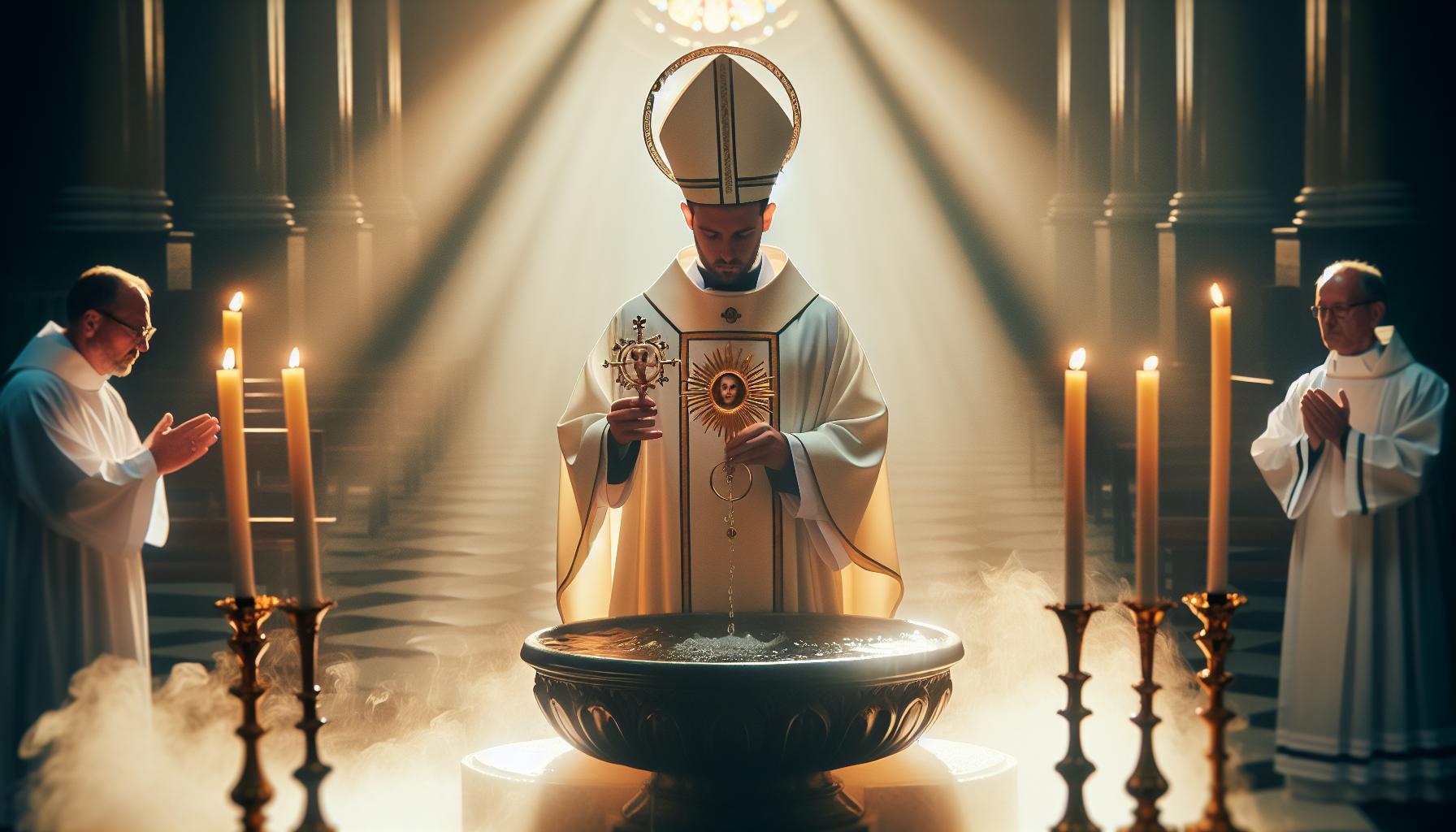
Why do millions around the world partake in the sacred act of baptism? This age-old ritual serves more than just a ceremonial purpose; it marks profound spiritual transitions and offers numerous practical benefits. Understanding its significance can deepen one’s faith and connection to a broader community, making the exploration of baptism’s purpose both timely and essential.
Understanding the Spiritual Significance of Baptism
The act of baptism has long fascinated individuals and sparked meaningful discussions across different cultures and faiths. It’s not merely a ceremonial practice; it holds profound spiritual significance that extends beyond the surface of the waters. Understanding the spiritual importance of baptism can lead to a deeper appreciation and a more enriching experience for those participating in this sacred rite.
Symbolism of Cleansing and Renewal
At its core, baptism represents a powerful symbol of cleansing and renewal. The act of immersion or pouring water signifies the washing away of sins and the rebirth into a new life. This concept resonates deeply within various religious traditions, as it embodies the idea of starting afresh. For believers, undergoing baptism symbolizes stepping away from one’s past and embracing a purified state.
- Water as a cleansing agent: In many religions, water is seen as a sacred element that purifies. It is frequently associated with life, fertility, and healing.
- Rebirth: Baptism serves as a rite of passage, marking the transition from an old life to a new one. This rebirth is essential for spiritual growth and development.
A Public Declaration of Faith
Baptism also serves as a public declaration of faith and commitment to spiritual beliefs. It creates a profound bond between the individual and the community, reinforcing the sense of belonging within a faith-based family. When someone undergoes baptism, they are not only reaffirming their faith but also inviting others to witness their journey. This communal aspect strengthens the support network, enabling individuals to thrive in their spiritual paths.
Relating to Community
Being baptized can also offer various practical benefits that align with its spiritual foundations. Many individuals find their faith communities to be a source of strength and support. In essence, baptism opens doors to:
| Benefit | Description |
|---|---|
| Increased Support | Joining a faith community provides emotional and spiritual support, fostering relationships grounded in shared values. |
| Structured Guidance | Baptism can lead to mentorship opportunities, with more experienced members guiding newcomers in their faith journey. |
| Opportunities for Service | Many churches offer opportunities for volunteer work and community services that foster personal growth and engagement. |
In essence, baptism is more than a ritual; it embodies a deep spiritual commitment and community engagement. Understanding these dimensions can enhance one’s appreciation for this sacred practice, opening avenues for growth, reflection, and connection within the faith community.
The Historical Roots of Baptism in Christian Tradition
The practice of baptism is steeped in rich historical significance, tracing back to ancient rituals that have been adapted within Christian tradition. Understanding these roots not only highlights the ritual’s spiritual depth but also unveils its transformative power in the lives of believers. Early Christians adopted and adapted baptism to signify a public declaration of faith, rooted in the teachings and practices of Jesus Christ.
Ancient Baptismal Practices
From a historical perspective, water had long been symbolically linked to purification in various cultures. In Judaism, ritual washing, known as *mikveh*, was performed for spiritual cleansing. This context set the stage for the emergence of baptism as a significant Christian rite. John the Baptist, regarded as a forerunner to Christ, practiced a form of baptism in the River Jordan, inviting people to repent for their sins. His method was not merely a ceremonial act but a calling to moral accountability, setting a precedent for what would become a cornerstone of Christian practice.
The Influence of Jesus’ Teachings
The intentionality behind baptism gained further clarity in the ministry of Jesus, who, despite being sinless, chose to be baptized as an act of humility and to fulfill righteousness. This event is foundational, marking an invitation for believers to partake in a shared commitment to faith. The Great Commission, where Jesus commands his disciples to baptize “in the name of the Father, and of the Son, and of the Holy Spirit” (Matthew 28:19), solidifies baptism as a critical component of Christian identity.
Evolution Through the Early Church
As Christianity spread, baptism evolved, reflecting the community’s changing dynamics and theological understandings. The early church established baptism not only as a personal confession of faith but also as a communal rite, fostering a sense of belonging among believers. The catechumenate process, which involved a period of education and moral guidance before baptism, emphasized the seriousness and spiritual foundations of the act.
| Historical Context | Significance in Baptism |
|---|---|
| Jewish Rituals | Established the use of water for ceremonial cleansing. |
| John the Baptist | Introduced baptism as a call to repentance. |
| Jesus’ Baptism | Demonstrated humility and confirmed the importance of the rite. |
| Early Church Practices | Formulated baptism as a communal and educational process. |
Understanding these historical roots allows modern believers to appreciate the profound spiritual foundations and practical benefits of baptism within Christianity. It’s not merely a ritual; it is a lifelong commitment that connects the past with the present, empowering individuals to live out their faith in community and service.
Theological Perspectives: What Baptism Represents
In many faith traditions, baptism transcends its physical act, embodying profound theological significance that shapes the beliefs and practices of communities. The ritual of baptism is not merely a symbolic washing away of sins; it serves as a deep, multifaceted representation of faith, commitment, and transformed identity. This sacred rite varies across denominations but often converges on fundamental themes that reflect the spiritual foundations of Christianity and its practical benefits.
Symbol of New Life
Through baptism, individuals publicly declare their faith, marking the moment of spiritual rebirth. This transformation is eloquently echoed in biblical passages, such as John 3:5, where Jesus teaches that one must be “born of water and the Spirit” to enter the kingdom of God. Thus, the act symbolizes:
- Purification: It represents the cleansing of sin, acknowledging the believer’s need for God’s grace.
- Identification: Baptism links the individual to the life, death, and resurrection of Jesus Christ.
- Community: It serves as a rite of passage that welcomes the baptized into the faith community, fostering unity among believers.
Commitment to Faith
Baptism symbolizes an individual’s commitment to a life of faith and discipleship. For many, it marks the beginning of a lifelong journey of learning and growth within the teachings of Jesus. The Apostle Paul profoundly articulates this commitment in Romans 6:4, where he states, “We were therefore buried with him through baptism into death in order that, just as Christ was raised from the dead, we too may live a new life.” This metaphorical death to one’s old self and resurrection into new life demonstrates the transformative power of faith.
Practical Benefits
The theological implications of baptism also manifest in practical benefits for individuals and their communities. Engaging in this rite can enhance a believer’s sense of purpose and belonging. By participating in baptism, individuals often experience:
- Increased Spiritual Awareness: The ritual acts as a marker, leading to greater introspection about one’s faith and values.
- Connection with Others: Baptism fosters relationships within the church community, creating bonds that support spiritual growth.
- Empowerment: Many who have experienced baptism describe a renewed energy and commitment to engaging in service, outreach, and deeper learning about their faith.
In essence, understanding what baptism represents extends beyond its surface. This sacred act serves as a profound affirmation of faith, a commitment to a transformed life, and a means of fostering community, illustrating the deep spiritual and practical significance that lies within this cherished tradition. Understanding these perspectives can provide clarity and direction for those exploring the purpose of baptism in their spiritual lives.
Baptism as a Community and Family Celebration
Baptism is often regarded as a vital milestone not only in an individual’s spiritual journey but also as a significant community and family event. As a powerful rite of passage, it brings together friends, family, and faith communities to celebrate the personal commitment being made by the individual. The communal aspect of baptism is deeply rooted in Christian tradition, where the act signifies not just the individual’s relationship with God but also their integration into the larger body of believers.
The celebration surrounding baptism can foster a sense of unity and support among participants. Family members often gather to witness and support their loved one, while friends participate in festivities that reaffirm their shared beliefs and values. These gatherings can take different forms, from intimate family dinners to larger church functions, creating diverse opportunities for connection. For many, it serves as a time to reflect together on the shared faith that binds them, making it a crucial moment not just for the individual being baptized but also for the entire community.
Creating a Meaningful Celebration
To create a memorable baptism celebration, incorporating traditions can enhance the significance of the occasion. Here are some ideas to consider:
- Family Involvement: Encourage family members to share their thoughts on what baptism means to them, fostering a dialogue that enriches the experience.
- Shared Traditions: Include religious customs such as a special meal that reflects the family’s heritage, or music that has meaning within the faith community.
- Community Participation: Invite church members or close friends to contribute to the celebration through readings, prayers, or personal testimonies about faith journeys.
Creating personalized touches can make the celebration unique and special. Items like custom decorations, themed party favors, or a photo album capturing moments from the baptism can deepen the emotional resonance of the event while celebrating the individual’s spiritual commitment.
Ultimately, the purpose of such a communal and familial celebration of baptism extends beyond the individual experience; it strengthens communal bonds, reinforces shared beliefs, and ensures that the journey of faith continues to be celebrated within the supportive circle of loved ones. This aligns perfectly with the spiritual foundations outlined in discussions surrounding the purpose of baptism, encapsulating both personal and collective dimensions of faith.
The Role of Baptism in Personal Spiritual Journeys
Throughout history, baptism has served as a pivotal milestone in the spiritual lives of believers across various faiths. This sacred ritual often marks a transformative moment, representing a significant shift in an individual’s spiritual journey. It’s more than just a ceremonial act; it embodies the heart of personal faith development, showcasing both spiritual foundations and practical benefits that resonate deeply within individual lives.
Many people view baptism as a rite of passage, a public declaration of their faith. This aspect is crucial, as it establishes a community connection and commitment to a higher purpose. When individuals take the step to be baptized, they often experience a profound sense of belonging and identity, linking their personal narratives to a greater story within their faith community. The spiritual foundations of baptism encompass various elements, including:
- Cleansing from Sin: One of the primary purposes of baptism, symbolizing the washing away of sins and a fresh start in one’s spiritual life.
- Receiving the Holy Spirit: Many traditions believe that baptism initiates an individual into a deeper relationship with the Holy Spirit, providing guidance and comfort along their spiritual path.
- Commitment to Faith: It signifies a personal commitment to live according to the teachings of one’s faith, often encouraging individuals to reflect on their values and beliefs.
In addition to spiritual ramifications, the practical benefits of baptism can significantly enhance one’s journey. By participating in a communal rite, individuals often solidify their relationships with fellow believers, nurturing a support network that encourages spiritual growth. The act itself can serve as an opportunity for reflection, facilitating a deeper understanding of one’s life purpose and goals. Engaging with the community post-baptism may involve:
| Activity | Description |
|---|---|
| Joining Small Groups | Participating in small, supportive gatherings that foster discussion and deepen understanding of faith. |
| Volunteering | Contributing time and skills to community service initiatives, reinforcing the values tied to the faith. |
| Mentorship | Seeking guidance from spiritual leaders or more experienced members can provide invaluable support as one navigates their spiritual journey. |
Ultimately, baptism serves not just as a ritual but as a gateway to a deeper spiritual engagement and a commitment to living one’s values more fully. The journey doesn’t end with the act of baptism; rather, it opens a new chapter filled with opportunities for personal growth, community involvement, and a closer walk with the divine.
Practical Steps for Preparing for Baptism
Understanding the significance of baptism is essential for anyone considering this sacred practice. It represents not only a personal commitment to faith but also a profound connection with a community and a deepened relationship with a higher power. Preparing for baptism involves both spiritual and practical steps that can greatly enrich the experience and understanding of its purpose.
Spiritual Preparation
To begin with, one of the most vital steps in preparing for baptism is spiritual introspection. Reflect on why you seek baptism and what it means to you. This might include:
- Seeking Guidance: Spend time in prayer or meditation, inviting insights that clarify your motivations.
- Studying Scriptures: Engage with biblical texts that pertain to baptism, such as Matthew 28:19-20, which emphasizes the significance of being baptized in the name of the Father, the Son, and the Holy Spirit.
- Having Conversations: Discuss your thoughts and feelings about baptism with a trusted mentor, pastor, or spiritual advisor who can provide valuable perspective.
Practical Steps
Beyond spiritual preparations, there are essential practical steps that one should follow, particularly if you are part of a church community. Starting with basic logistics ensures a smooth process:
| Step | Details |
|---|---|
| Choosing a Date: | Coordinate with your church to select a date for the baptism service that aligns with the church calendar. |
| Participating in Classes: | Attend any baptism preparation classes offered by your church. These classes often cover the theological significance of baptism and what to expect. |
| Understanding Your Role: | Discuss with your pastor the role you will play during the baptism service, including any personal testimonies if applicable. |
| Inviting Family and Friends: | Consider inviting loved ones to witness this important step in your faith journey, reinforcing the communal aspect of baptism. |
Emotional Readiness
It’s also crucial to address the emotional aspects of preparing for baptism. Embracing the emotions that come with this new commitment can greatly enhance your experience. Reflect upon how you feel about publicly declaring your faith and what this new chapter means for your personal growth. Consider journaling your thoughts or participating in a support group to share experiences with others preparing for baptism.
By thoughtfully working through these spiritual, practical, and emotional preparations, individuals can fully engage with the rich purpose of baptism, embracing its spiritual foundations and practical benefits in a profound way.
The Ongoing Impact of Baptism in Daily Life
Baptism is often seen as a single event in a person’s faith journey, but its effects resonate far beyond the immediate ceremony. This sacred rite serves not just as a ceremonial initiation but as a profound commitment that influences numerous aspects of daily living. Understanding the ongoing impact of baptism can empower individuals to live out their faith more authentically and purposefully.
One of the most significant impacts of baptism is the establishment of a community connection. When individuals are baptized, they effectively join a broader spiritual family, providing them with a robust support system. This community plays a vital role in helping them navigate life’s challenges while encouraging their spiritual growth. Engaging with fellow members in activities such as study groups, service projects, and worship not only strengthens personal faith but also fosters a sense of belonging. Some common elements that enhance this community connection include:
- Regular Worship Services: Attending church services cultivates a rhythm of faith and connection with God.
- Small Group Gatherings: Participating in small groups offers opportunities for more intimate discussions and shared experiences.
- Service Opportunities: Engaging in community service helps individuals apply their faith in practical ways, strengthening bonds within the community.
Another crucial area impacted by baptism is personal identity. For many, this sacred act signifies the beginning of a transformative journey, establishing a new self-perception aligned with their faith. Embracing this identity can foster resilience and a moral compass to guide personal decision-making, thereby influencing everyday choices. Below is a brief table highlighting some aspects of personal identity influenced by baptism:
| Aspect of Identity | Impact of Baptism |
|---|---|
| Spiritual Identity | Develops a deeper relationship with God, encouraging regular prayer and worship. |
| Moral Compass | Shapes values and ethics, influencing everyday decisions and actions. |
| Community Role | Instills a sense of responsibility towards others, motivating community involvement. |
Lastly, baptism fosters a continual journey of spiritual growth. It serves as both a starting point and a catalyst for deepening one’s faith through various practices such as prayer, scripture study, and meditation. Individuals are often encouraged to revisit their baptismal vows and reflect upon their spiritual progress, which can lead to profound transformations over time. This consistent self-reflection can inspire individuals to enact their values in daily life, manifesting the principles of their baptism in tangible acts of kindness and service.
In conclusion, the effects of baptism extend well beyond the initial celebration; they persistently influence community connections, shape personal identity, and drive continuous spiritual growth. Embracing these aspects can help individuals lead more fulfilling lives aligned with their faith, embodying the core purposes and benefits outlined in discussions about baptism.
Embracing Diversity: Baptism Across Different Denominations
Exploring the varying practices of baptism across denominations unveils a rich tapestry of beliefs and traditions, reflecting the unique spiritual pathways that different Christian communities embark upon. Each denomination approaches baptism not only as a ritual act but also as a profound manifestation of faith and belonging. Understanding these differences can enhance our appreciation for the diverse ways in which people experience and understand their connection to spirituality.
Distinct Approaches to Baptism
In various Christian traditions, baptism may serve different purposes and hold unique meanings. Here are some key distinctions:
- Infant Baptism: Common in denominations such as Catholicism, Orthodoxy, and some Protestant groups, this practice symbolizes the belief in original sin and the importance of welcoming children into the faith community from an early age.
- Believer’s Baptism: Primarily observed in Baptist and evangelical churches, this approach emphasizes personal faith and the decision to follow Christ. Individuals undergo baptism as a public declaration of their faith, typically after reaching an age of accountability.
- Sprinkling vs. Immersion: In addition to the age of the individual being baptized, the methods can vary widely. While many practitioners of believer’s baptism favor full immersion—symbolizing the death and resurrection of Jesus—others, particularly in traditions that practice infant baptism, may use sprinkling or pouring.
- Baptism of the Holy Spirit: Some charismatic movements highlight the baptism of the Holy Spirit as a separate experience that complements water baptism, showcasing the diversity within Pentecostal practices.
Shared Values Amidst Differences
Despite these differences, many denominations converge on several fundamental principles regarding baptism. It is largely viewed as a rite of initiation, a means of expressing a commitment to the faith community, and a symbol of spiritual cleansing. For instance:
| Denomination | Purpose of Baptism | Method |
|---|---|---|
| Catholic | Initiation into the Church, removal of original sin | Sprinkling |
| Baptist | Public declaration of faith | Full immersion |
| Orthodox | Spiritual rebirth, incorporation into the Body of Christ | Full immersion and chrismation |
| Pentecostal | Symbol of personal faith and Holy Spirit baptism | Full immersion |
This variation in practices and beliefs surrounding baptism reflects the deeper theological convictions held by different denominations. Ultimately, embracing this diversity enriches our understanding of what baptism signifies—not merely as a rite of passage but as a profound expression of faith that resonates with the unique values and traditions of each Christian community. Understanding these differences allows individuals to navigate their spiritual journeys more thoughtfully, inviting deeper reflection on the significance of baptism in their lives.
FAQ
What is the Purpose of a Baptism?
The purpose of a baptism is to symbolize a person’s commitment to their faith, acting as a public declaration of belief and a rite of initiation into the Christian community.
Baptism serves as a spiritual milestone, representing the washing away of sin and the beginning of a new life in Christ. It’s essential for many denominations as it embodies obedience to Christ’s teachings.
The act not only strengthens individual faith but also fosters community among believers. For more on baptism’s significance, you can explore our article on the significance of baptism.
Why Does Baptism Hold Importance in Christianity?
Baptism is significant in Christianity as it signifies purification, acceptance into the faith, and adherence to the teachings of Jesus.
Within the Christian faith, baptism is seen as a command from Jesus (Matthew 28:19), making it a crucial practice for believers. It’s a moment of profound spiritual transformation that connects the individual more deeply to their faith.
Baptism not only acknowledges one’s sinfulness but also celebrates the new relationship with God and community, providing a sense of belonging and support among other believers.
Can I Be Baptized Multiple Times?
Generally, baptism is performed once as a sign of faith; however, some may choose to be re-baptized due to personal spiritual transformations.
Many Christian denominations teach that baptism is a one-time sacrament that signifies entry into the faith. However, others might feel the need to reaffirm their faith through re-baptism, especially after a significant spiritual experience.
It’s often encouraged to discuss these feelings with a pastor or spiritual leader who can provide guidance tailored to individual beliefs and denominational practices.
How Does Baptism Reflect Spiritual Foundations?
Baptism reflects spiritual foundations by symbolizing death to sin and new life in Christ, illustrating core Christian beliefs.
The act of baptism represents a spiritual rebirth, paralleling Jesus’ own death and resurrection. This connection underscores the profound truth of Christian salvation and the transformative power of faith.
Baptism serves as a reminder of God’s grace and the calling for all believers to live in alignment with their faith, making it a central aspect of the Christian experience.
What Are the Practical Benefits of Baptism?
Practical benefits of baptism include fostering a sense of community, encouraging spiritual growth, and providing a milestone for faith journeys.
By participating in baptism, individuals often feel a stronger connection to their faith community, gaining support and encouragement from fellow believers. It can also facilitate personal spiritual growth as one publicly affirms their commitment.
Baptism can lead to greater involvement in church activities, nurturing fellowship and service, illustrating how faith is lived out in everyday life.
What Are Common Misconceptions About Baptism?
Common misconceptions about baptism include the beliefs that it guarantees salvation or that it is merely a tradition without spiritual significance.
Some people think baptism alone secures a place in heaven, but most Christian teachings emphasize that salvation comes through faith in Jesus Christ, with baptism as an important but not exclusive act of faith.
Another misconception is viewing baptism solely as a cultural ritual. In reality, it holds deep spiritual meaning and should be approached with respect and genuine belief in its significance.
Is Baptism Necessary for Salvation?
Opinions on the necessity of baptism for salvation vary among denominations; many believe that faith is the primary factor.
While some traditions view baptism as essential for salvation, others hold that it is a public declaration of faith that follows an individual’s acceptance of Christ. This aligns with the belief that personal faith is crucial in the journey towards salvation.
It’s important to engage in open dialogue with spiritual leaders to understand the distinct teachings of various denominations concerning the role of baptism in the salvation experience.
Future Outlook
In wrapping up our exploration of the purpose of baptism, we have unveiled its rich spiritual foundations and practical benefits that resonate across various traditions. Baptism serves as a profound symbol of faith, marking a believer’s initiation into a community of faith and their personal journey toward spiritual renewal. Beyond its theological significance, it offers practical benefits such as fostering community bonds and providing a moment of reflection for individuals seeking deeper connections with their beliefs.
As you continue your journey, take time to reflect on your own experiences with baptism—whether you are considering it for yourself, a loved one, or your community. Engage with local faith leaders, participate in discussions, and delve into the scriptures to deepen your understanding. Remember, baptism is not just a ritual; it’s a celebration of faith that invites you to explore the depths of spirituality and extends a welcoming hand to all seekers. We encourage you to embrace this journey with an open heart and a spirit of inquiry. Your exploration doesn’t have to end here—there’s much more to learn and discover in this sacred tradition!
Get our latest guides, news, and insights highlighted in your Google Search & AI Overviews.