Baptism holds profound significance in the Catholic faith as the first step in a lifelong journey of faith and community belonging. This sacred rite not only cleanses original sin but also initiates individuals into the Church, fostering spiritual growth. Understanding its traditions and teachings can deepen one’s appreciation of this transformative sacrament and its lasting impact on believers.
Understanding the Sacrament of Baptism in Catholicism

Baptism holds a pivotal role in Catholicism, serving not only as a rite of passage but also as a profound spiritual transformation. It is often referred to as the sacrament of initiation, marking the entry of an individual into the Christian community and symbolizing the washing away of original sin. As new believers are submerged or have water poured over them, they are regenerated through the Holy Spirit, opening the door to a life of grace and the other sacraments.
The Meaning and Importance of Baptism
At its core, baptism represents a commitment to faith and the beginning of a lifelong journey with God. In the Catholic tradition, it is essential for salvation and is a sacrament that Jesus Himself underwent as described in the Gospels. Here are some fundamental aspects of the sacrament:
- Regeneration: Baptism is often called the “sacrament of regeneration” as it signifies a spiritual rebirth.
- Community Entry: It formally integrates the baptized into the Church, making them members of the Body of Christ.
- Grace and Protection: Receiving baptism also grants divine grace, aiding in the protection against sin.
Catholic teaching emphasizes that baptism is necessary for all people, including infants, who are baptized to cleanse them from original sin and to initiate their place within the Church community. This practice underscores the Church’s belief in the communal nature of faith, where families are encouraged to raise their children in the light of Christian values following baptism.
Rituals and Symbols
The rituals surrounding baptism are rich with symbolism, each element carefully chosen to convey deeper meanings. The use of water is the most obvious symbol, representing both purification and new life. Other important symbols include:
| Symbol | Meaning |
|---|---|
| Water | Signifies cleansing and rebirth. |
| Oil | Represents strength, health, and the Holy Spirit. |
| Candle | Represents the light of Christ and the calling to spread that light in the world. |
These symbols enhance the experience and deepen the understanding of what baptism signifies both personally and within the larger church community. The act of baptism is not merely a tradition but a profound commitment to a faith journey recognized by the entire Church, guiding individuals towards a life rooted in Christ.
This comprehensive look into “What Is Baptism Catholic? A Complete Guide to Catholic Baptism Traditions” illustrates the rich heritage and essential role this sacrament plays in fostering a devout Catholic life and an enduring connection to the Christian community.
The Significance of Water: Symbolism and Rituals in Baptism
Water holds profound significance within the context of baptism, serving as a powerful symbol of purification, renewal, and the initiation into the Christian faith. In the Catholic tradition, the act of baptism is deeply rooted in scripture, reflecting the essential role that water plays not only physically but also spiritually. The immersion or pouring of water signifies a transformative experience, where the individual is cleansed of sin and reborn as a member of the Church.
Symbolism of Water in Baptism
At its core, water symbolizes life and spiritual cleansing. This aligns with the broader meanings of water found in various cultural and religious contexts, where it is often associated with flow, transformation, and emotional depth. In baptism, water serves as a medium for God’s grace, facilitating a connection between the physical and spiritual realms. Through this sacred rite, participants are reminded of their commitment to faith and the sacrificial love of Christ, who underwent baptism himself as a testament to his humanity.
- Purification: Water represents the washing away of original sin, offering a fresh start and a new life in Christ.
- Transformation: The transformative power of water signifies the spiritual rebirth, as the individual emerges from the water renewed and revitalized.
- Unity: Water’s essential nature highlights the interconnectedness of the Christian community, as individuals are baptized into one body—the Church.
Ritual Practices Involving Water
Catholic baptism rituals vary, but they often involve several key elements that emphasize the sacred significance of water. The most common practice is full immersion, where the individual is submerged completely, symbolizing death to sin and rebirth in faith. However, pouring water over the head, known as aspersion, is also widely accepted, especially for infants. Regardless of the method, the ritual typically includes the following:
| Ritual Element | Description |
|---|---|
| Invocation of the Trinity | Reciting the Father, Son, and Holy Spirit while performing the baptism. |
| Use of Sacred Water | Water blessed by a priest, enhancing its spiritual efficacy. |
| Renewal of Promises | Participants renew their baptismal vows, affirming their commitment to the faith. |
This clear ceremonial structure underscores how vital water is to the experience of baptism, making it not just a ritual act but a profound spiritual journey. It embodies a vital moment that connects individuals with the ancient traditions of the Church, reaffirming the essential tenets outlined in guides such as *What Is Baptism Catholic? A Complete Guide to Catholic Baptism Traditions*. Through understanding these beliefs and practices, one can appreciate the deeper meanings attached to this foundational sacrament.
The Role of Godparents: Choosing Spiritual Mentors for Your Child

Choosing the right godparents for your child is a significant decision that can have lasting spiritual implications. Godparents serve not just as ceremonial figures but as vital mentors in the child’s faith journey. They are entrusted with the responsibility of guiding the child in their spiritual life, demonstrating what it means to live as a practicing member of the Church. Understanding the requirements and roles of godparents is essential for fostering a nurturing environment for your child’s faith development.
The Requirements for Godparents
In the Catholic tradition, there are specific criteria that one must meet to be eligible as a godparent. A godparent must be:
- Baptized and Confirmed: The godparent must be a fully initiated Catholic, having received Baptism, First Holy Communion, and Confirmation.
- Age Requirement: Typically, godparents should be at least 16 years old, ensuring they possess sufficient maturity and understanding of their role.
- Active Participation: Ideally, they should be active, practicing Catholics who attend Mass regularly and lead lives in accordance with Church teachings.
These requirements ensure that godparents can truly fulfill their role as spiritual guides. Engaging in a child’s spiritual development requires dedication and commitment, which is why selecting someone who exemplifies a strong faith life is crucial.
The Spiritual Role of a Godparent
Beyond the formal requirements, the spiritual role of godparents extends into everyday life. They are tasked with offering support and guidance not just during the baptism but throughout the child’s religious education and growth. Godparents should be present during important milestones such as First Communion and Confirmation, reinforcing their commitment to the child’s spiritual upbringing. This relationship can provide a different layer of support from parents, offering encouragement, character building, and spiritual mentorship.
A godparent’s influence can be profound. For instance, children who have active and engaged godparents often feel a stronger connection to their faith and the Church. By regularly participating in Church events, family gatherings, and serving as a role model, godparents can help instill the values and teachings of the Catholic faith.
Embracing the role of a godparent is both an honor and a responsibility. As you select godparents for your child, consider those who embody the principles outlined in the broader traditions of Catholic Baptism. This careful selection ensures that your child’s spiritual mentors are equipped to guide them on their journey of faith.
Preparation for Baptism: Essential Steps for Families
Baptism is a significant milestone in a Catholic family’s spiritual journey, serving as an essential rite of initiation into the Christian faith. As families prepare for this momentous occasion, understanding the essential steps involved can enhance not only the experience but also the spiritual foundation for the baptized individual. Engaging with the rituals and traditions helps families connect more deeply with their faith and the community of believers.
To begin with, families should engage in preparation sessions offered by their local parish. These classes, often led by priests or catechists, provide an opportunity to explore the importance and meaning of baptism within the Catholic Church. Parents and godparents will learn about the responsibilities that accompany the sacrament, including the ongoing commitment to guide the newly baptized in their faith journey. Attendance at such sessions lays a solid groundwork for the understanding of what baptism fulfills, in line with insights gained from resources like “What Is Baptism Catholic? A Complete Guide to Catholic Baptism Traditions.”
Additionally, choosing a date and venue for the baptism is crucial. Typically held in a church setting, coordination with clergy is vital to ensure availability. It’s common for families to plan the baptism during a liturgical season that holds significance, such as Easter, which embodies themes of rebirth and renewal. Once the details are set, families can start thinking about the ceremony specifics:
- Choosing Godparents: Selecting godparents who will help guide the child spiritually is an important decision. Godparents must be confirmed Catholics, fostering a supportive network for the child’s faith upbringing.
- Dressing the Child: Traditionally, children are dressed in white to symbolize purity and new life. Families should consider personal touches that reflect their unique heritage and family history.
- Securing a Rosary or Baptismal Candle: Items such as a rosary or a baptismal candle are often utilized during the ceremony, serving as symbols of the light of Christ and the faith commitment being made.
Post-Baptismal Commitment
Beyond the ceremony, embracing the post-baptismal commitment is critical. Families are encouraged to continue nurturing the spiritual growth of their child through regular participation in Mass, involvement in parish activities, and religious education programs. Incorporating faith-based traditions into daily life, such as prayer and reading Scripture, can reinforce the significance of baptism and its lasting impact.
By taking these essential steps, families not only prepare for a joyous celebration but also establish a framework that supports their child’s lifelong journey in faith, embodying the teachings and traditions highlighted in “What Is Baptism Catholic? A Complete Guide to Catholic Baptism Traditions.”
Infant Baptism vs. Adult Baptism: What You Need to Know
In the rich tapestry of Christian belief, baptism stands out as a fundamental rite of passage, deeply woven into the fabric of faith traditions. While the practice may vary significantly between denominations, understanding the differences between infant baptism and adult baptism is crucial for comprehending the broader significance of this sacrament. Both approaches serve as expressions of faith, yet they highlight different theological understandings and implications of the act itself.
Infant Baptism
Infant baptism is rooted in the belief that grace is a gift freely given by God, independent of an individual’s ability to comprehend or accept it. This practice emphasizes the communal aspect of faith, inviting infants into the Church from the very beginning of life. Supporters argue that such baptism reflects God’s unconditional love and membership within the Christian community. In essence, it symbolizes initiation into faith, with the understanding that the child will later confirm this commitment through personal faith as they mature.
Adult Baptism
Conversely, adult baptism is often seen as a conscious act of faith, requiring an individual to make a personal commitment to Christ. This practice underscores personal belief and the opportunity for a public declaration of one’s faith journey. Advocates argue that adult baptism, or believer’s baptism, aligns closely with scriptural examples, where individuals choose to express their faith through the waters of baptism after a period of reflection and conversion. This form also acts as a powerful testimony to the transformative experience of accepting Christ, celebrated within a community of fellow believers.
Common Ground and Differences
While both forms of baptism differ in practice and intention, they share key theological principles, including:
- Grace: Both infant and adult baptism are viewed as means of grace, a moment where God’s love is made manifest.
- Community: Each form emphasizes community, with the Church playing a vital role in a believer’s spiritual journey.
- Identification with Christ: Both practices symbolize the believer’s identification with the life, death, and resurrection of Jesus.
Understanding these distinctions allows for a richer appreciation of what baptism signifies in Catholic traditions. It bridges personal faith and communal identity, spelling out a narrative where each believer, whether baptized as an infant or as an adult, participates in the body of Christ’s ongoing story. As faith communities engage in this conversation, it becomes clear that both pathways are valid within their contexts, deeply reflecting the diverse expressions of faith found within Christianity.
The Liturgy of Baptism: An Overview of the Ceremony
The ceremony of baptism is a profound and multifaceted event steeped in meaning and tradition within the Catholic Church. At the heart of the ritual is the sacred act of water being poured over the candidate, symbolizing the washing away of sin and the initiation into the Christian community. This essential act is accompanied by specific words of baptism, highlighting the commitment being made between the individual, and God and the Church. The presence of godparents is also crucial; they serve as spiritual guides for the baptized, echoing the belief that baptism is not just a personal milestone but a communal celebration of faith.
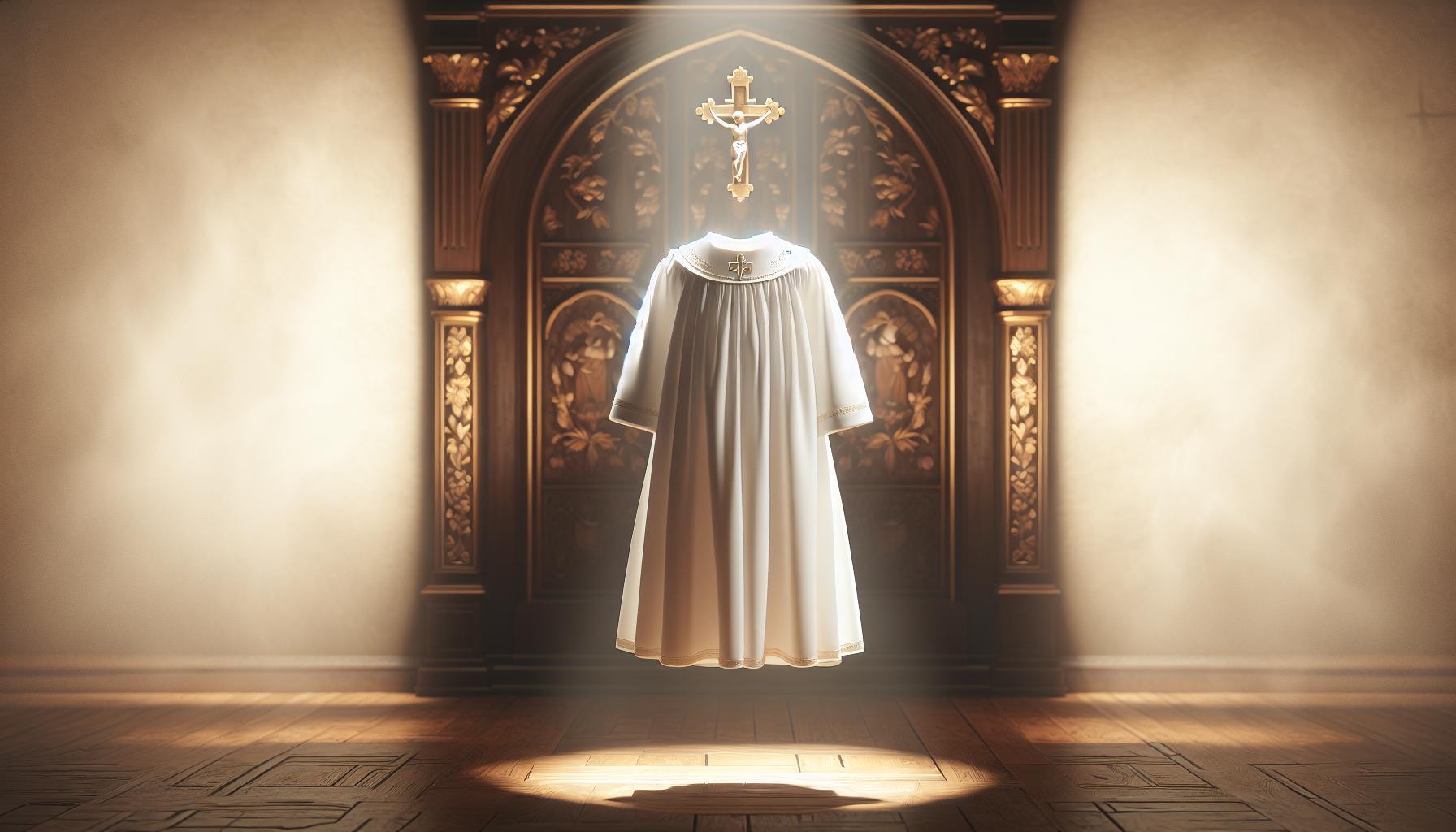
During the ceremony, certain key symbols enhance the experience. For instance, blessed salt may be placed in the child’s mouth, representing the spiritual wisdom imparted through baptism. Additionally, the white garment symbolizes purity and the new life in Christ, while the baptismal candle, lit from the Paschal candle, signifies the light of Christ that the newly baptized is called to carry into the world. Collectively, these elements frame the baptism as a moment of rebirth, acceptance, and empowerment within the Church’s fold.
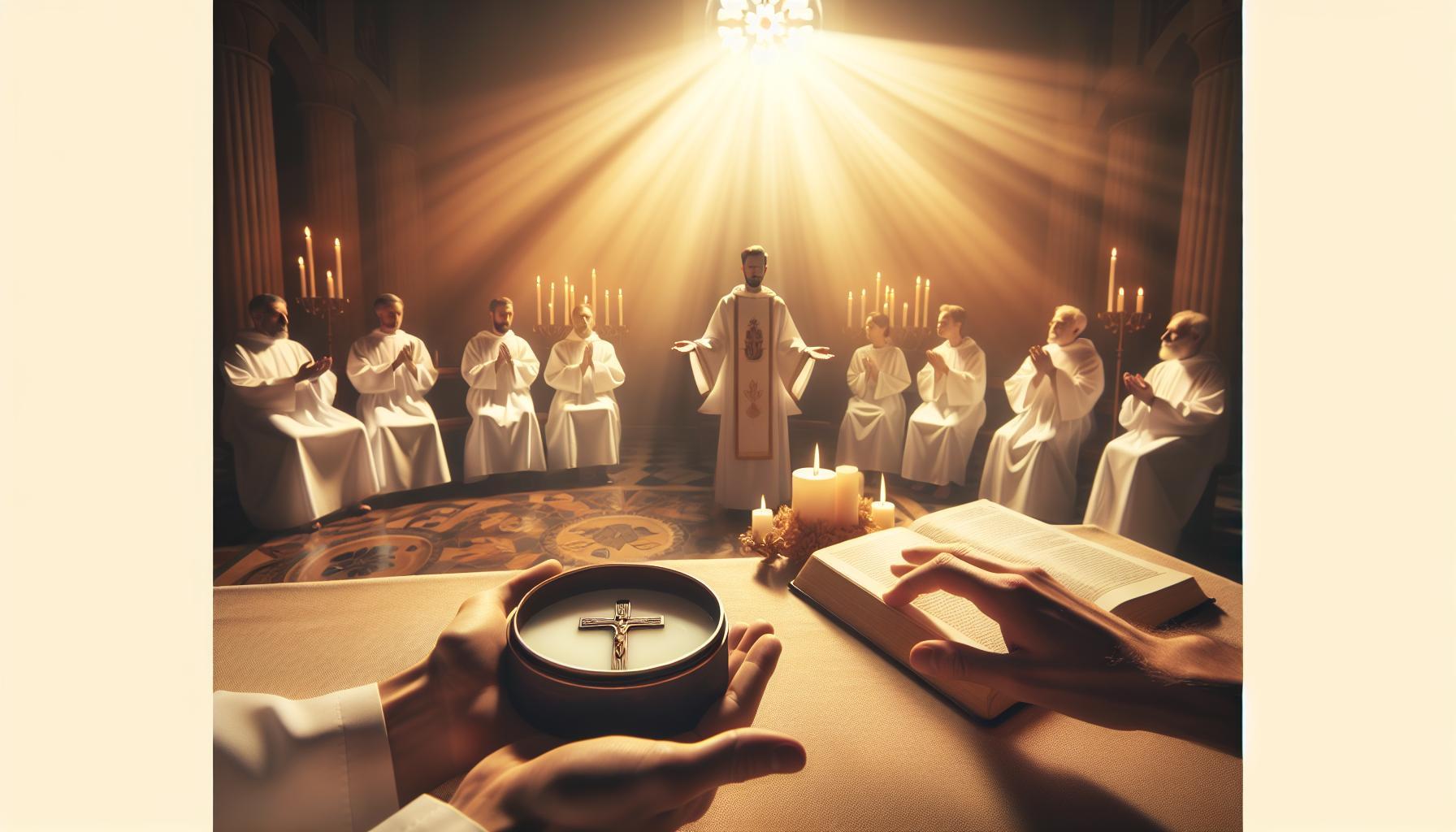
As the ceremony progresses, various prayers and blessings are offered, connecting the present moment to the long-standing traditions of the Church. Each segment of the liturgy holds a purpose—whether it is the anointing with chrism to signify the Holy Spirit’s presence or the reaffirmation of faith by the gathered community. This dynamic interplay not only reinforces the significance of the sacrament but also reaffirms the communal aspect of faith, where family and friends come together to support the individual in their spiritual journey.
In conclusion, the liturgy of baptism encapsulates a rich tapestry of symbols, actions, and communal support, all designed to mark a significant step in the faith journey of the baptized. Embracing the essence of “What Is Baptism Catholic? A Complete Guide to Catholic Baptism Traditions,” the ceremony serves as a powerful reminder of the Church’s role in nurturing both individual and communal belief through sacraments.
Life After Baptism: Embracing a New Spiritual Journey
Embracing the journey following baptism is a transformative experience, framing a believer’s new life within the context of faith and community. In the Catholic tradition, baptism is more than a mere ritual; it marks the beginning of one’s spiritual progression, aligning with the teachings outlined in “What Is Baptism Catholic? A Complete Guide to Catholic Baptism Traditions.” This sacrament symbolizes a decisive step where one accepts the grace of God and joins the Church’s mission.
After the baptismal waters cleanse one of original sin, the individual is called to deepen their relationship with God, engage with sacraments, and live according to Christ’s teachings. This commitment extends beyond personal faith; it invites participation in the Church’s family, which provides ongoing support and a collective mission. Engaging with this community can involve:
- Regular participation in Mass: Attending services provides spiritual nourishment and fosters a deeper understanding of the faith.
- Service opportunities: Many parishes offer volunteer programs where baptized members can contribute to the community, embodying Christ’s love in action.
- Faith formation activities: Joining study groups or adult education programs can enhance understanding of Catholic teachings and traditions.
Another significant aspect of life after baptism is the call to live a life reflective of one’s commitment to Christ. The teachings from “What Is Baptism Catholic? A Complete Guide to Catholic Baptism Traditions” emphasize the importance of practicing virtues such as love, charity, and forgiveness. Daily reflection on these principles, along with prayer and engagement in the sacraments, cultivates a robust spiritual life. The accompanying challenges and triumphs become avenues for spiritual growth and maturity.
Ultimately, the journey following baptism is an ongoing process of following Christ, growing in faith, and actively participating in the life of the Church. It is a time to explore one’s abilities to serve others, deepen personal faith, and build meaningful connections with fellow believers. This embrace of a new spiritual journey not only transforms the baptized individual but also enriches the entire community, echoing the Church’s core mission of love and service.
Common Questions About Catholic Baptism Traditions
Many people have questions about the rituals and significance surrounding Catholic baptism, a sacrosanct tradition that symbolizes the entry into the Christian faith. Understanding these practices can deepen one’s appreciation for the spirituality and communal aspects of this sacrament. Here, we address some common inquiries regarding baptismal traditions within the Catholic Church.
Why is Baptism Important?
Baptism is deeply rooted in scripture and tradition, representing the initiation of a person into the Church and the acceptance of God’s grace. According to Mark 16:16, Jesus stated, “Whoever believes and is baptized will be saved.” This highlights the necessity of baptism for salvation, ensuring that the spiritual journey begins as early as possible. The Catholic Church emphasizes that through baptism, individuals not only receive grace but also become members of the Church community, making it a vital aspect of faith.
Who Can Be Baptized?
In Catholic tradition, baptism is available to all, including infants. The Church believes in the concept of “original sin” and that every individual, regardless of age, should have the opportunity to receive the grace of this sacrament. Infant baptism underscores the Church’s mission to welcome everyone into the faith from the very beginning of life. For older children and adults, the preparation process may involve catechesis to ensure understanding of the sacrament’s significance.
What Does the Baptism Ceremony Entail?
The baptism ceremony typically occurs during a Mass where the candidate is anointed with chrism oil, symbolizing their identity as part of the royal priesthood of believers. The act of pouring water over the head or immersing the candidate signifies cleansing from sin and a new life in Christ. A community celebration is often central, with family and friends participating, reinforcing the collective support for the newly baptized.
What are Common Symbols Associated with Baptism?
Baptism is rich with symbolism, which includes:
- Water: Represents purification and new life.
- Oil of Chrism: Symbolizes the anointing of the Holy Spirit, marking the individual as a Christian.
- Candle: Signifies the light of Christ; it is often given to the baptismal candidate as a reminder to live in the light of faith.
- White Garment: Represents purity and the new identity of the baptized as a member of Christ’s body.
Through these symbols, the ritual of baptism serves as a profound declaration of faith and an invitation into the life of the Church, establishing essential connections within the Christian community. Understanding these facets can provide clarity for those exploring the sacrament in greater depth.
Frequently asked questions
What Is Baptism Catholic? A Complete Guide to Catholic Baptism Traditions
Catholic Baptism is a sacrament that initiates a person into the Christian faith, symbolizing their entry into the Church. Through this rite, one is cleansed of original sin and begins a life of grace, following the teachings of Jesus Christ.
Baptism involves the use of water, either by immersion or pouring, in the name of the Father, Son, and Holy Spirit. This act marks a person’s official entrance into the Catholic community and celebrates their commitment to leading a life reflective of Jesus’ teachings. For those looking to learn more about the sacrament, consider exploring this FAQ about baptism.
Why is Baptism important in the Catholic Church?
Baptism is vital as it signifies renewal and belonging.
In the Catholic faith, baptism represents spiritual rebirth, as it cleanses individuals from sin and integrates them into the body of Christ. It is seen as essential for salvation, as indicated in scripture.
By partaking in baptism, individuals affirm their commitment to a faith-based life, guided by the teachings of Jesus. This sacrament also establishes a foundational relationship with God and the broader Church community.
Can adults be baptized in the Catholic Church?
Yes, adults can be baptized through the Rite of Christian Initiation.
The Catholic Church warmly welcomes adult candidates to baptism, typically through a process known as the Rite of Christian Initiation of Adults (RCIA). This program prepares individuals for the sacrament by educating them about Church teachings and the significance of baptism.
Upon completion of the program, adults are baptized during the Easter Vigil, allowing them to join the Church and receive other sacraments such as Confirmation and Eucharist shortly thereafter.
How do Godparents function in Catholic Baptism?
Godparents play a crucial role in guiding the baptized individual.
In Catholic tradition, each baptized person is assigned a godparent who serves as a spiritual mentor. The *primary role* of godparents is to support the individual’s faith journey and ensure the commitment to live out the values of the Church.
Godparents must be confirmed members of the Catholic Church and should exemplify a life of active faith. They are asked to reaffirm their faith publicly during the baptism ceremony, symbolizing their ongoing responsibility for the spiritual growth of their godchild.
What are the requirements for Catholic baptism?
Requirements include parental consent and the presence of a godparent.
For infants, parental consent is mandatory. Parents must also be committed to raising their child in the Catholic faith, as baptism initiates a lifelong journey of spiritual development.
Additionally, at least one godparent must be appointed to guide the child in their faith. Adults seeking baptism must participate in the RCIA program to adequately prepare for the sacrament.
Why does the Catholic Church baptize infants?
The Church baptizes infants to cleanse them of original sin.
Infant baptism reflects the belief that all are born with original sin, and baptism serves as a means of grace and cleansing. The Church emphasizes that God’s love and grace are available to everyone, regardless of age.
By baptizing infants, the Church ensures that they enter the community of believers at the earliest opportunity, granting them access to Christ’s teachings and the chance for spiritual growth within the Church community.
What happens during a Catholic baptism ceremony?
The baptism ceremony includes several key rituals.
A typical Catholic baptism ceremony involves readings from Scripture, the anointing with oil, and the pouring or immersion in water. The minister then pronounces the baptismal formula, sealing the sacrament.
This gathering is often a celebration for family and friends, emphasizing the community’s role in supporting the newly baptized. Later, the baptized individual will usually receive Christ’s other sacraments, strengthening their connection to the faith.
The Conclusion
In conclusion, understanding Catholic baptism reveals its profound significance as a sacred sacrament that marks the initiation into the Christian faith. This journey begins with the belief rooted in Scripture, particularly in Mark 16:16, emphasizing the essential connection between faith and baptism for salvation. The practice of infant baptism reflects the Church’s commitment to inclusivity, ensuring the gift of grace is extended to all, regardless of age. Engaging with the traditions surrounding baptism—from the symbolism of the baptismal gown to the communal celebration—enhances appreciation for this vital rite.
For those who wish to delve deeper into the theological nuances, explore the rich history, or participate in the rituals, your journey continues here. May this guide serve as a resource for understanding and celebrating the sacrament of baptism, fostering unity and faith among diverse communities. Embrace the invitation to learn more and connect with others in this sacred aspect of Catholic life.
Get our latest guides, news, and insights highlighted in your Google Search & AI Overviews.