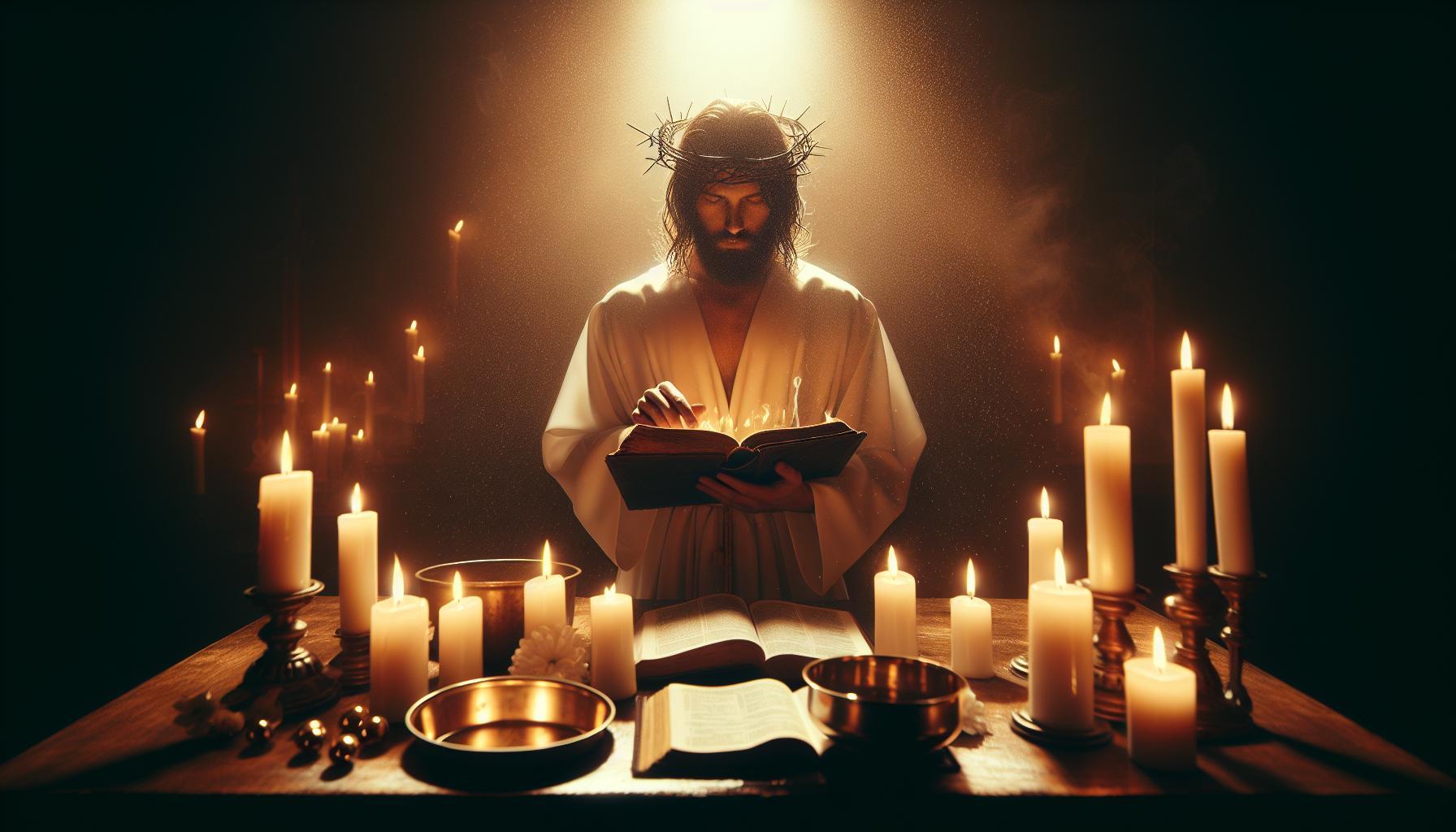

What does it truly mean to undergo a profound transformation through challenges? “Baptism by fire” symbolizes intense trials that forge resilience and character. This concept, rooted in various traditions, remains relevant today in personal and professional growth. Discover its origins, significance, and how it can inspire modern journeys toward self-improvement.
What is baptism by fire in the Bible? The biblical meaning of baptism by fire stems from John the Baptist’s proclamation in Matthew 3:11 and Luke 3:16, denoting both the sanctifying, purifying work of the Holy Spirit in a believer’s life and the eschatological judgment separating spiritual wheat from chaff.
What Does Baptism by Fire Mean in the Bible? Matthew 3:11 Explained
The biblical concept of baptism by fire originates in the powerful proclamation of John the Baptist in Matthew 3:11 and Luke 3:16: “I baptize you with water for repentance. But after me comes one who is more powerful than I… He will baptize you with the Holy Spirit and fire.” To fully comprehend what baptism by fire means in Scripture, one must examine both its immediate prophetic context and its wider theological resonance.
In biblical theology, John’s reference carries a vital dual significance:
- Spiritual Purification and Refining: Throughout Scripture, fire serves as a premier symbol of divine holiness and purification (Malachi 3:2–3, Zechariah 13:9). At Pentecost, the Holy Spirit manifested as tongues of fire (Acts 2:3), inaugurating an era where the Spirit purges moral impurity and empowers disciples for sacrificial Christian living.
- Eschatological Judgment and Accountability: In Matthew 3:12, John explains that Christ holds a winnowing fork to gather wheat into His barn while burning the chaff with unquenchable fire. Thus, for those who reject repentance, the baptism of fire denotes ultimate divine judgment and eternal truth.
Biblical Purification vs Cultural Idiom: A Comprehensive Breakdown
While Scripture treats the baptism by fire as a sacred spiritual reality of divine refinement and accountability, secular language has adopted the phrase as a widespread cultural idiom. Understanding the distinction between its biblical roots and modern idiomatic usage clarifies how the term functions in everyday conversation.
| Aspect | Biblical Meaning of Baptism by Fire | Modern Cultural Idiom |
|---|---|---|
| Scriptural Source | Matthew 3:11–12, Luke 3:16, Acts 2:3 | 19th-century military history & modern vernacular |
| Core Mechanism | Sanctification by the Holy Spirit & divine testing | A sudden crisis, difficult trial, or on-the-job pressure |
| Spiritual Purpose | Refining character, purging sin, divine empowerment | Testing resilience, endurance, and practical aptitude |
| Theological Depth | Eternal purification vs eschatological judgment | Secular resilience and performance under crisis |
Historically, the idiom evolved from military descriptions in the early 19th century—specifically referring to a soldier’s first experience under live enemy fire—into modern workplace and athletic vernacular describing an intense initial ordeal. However, for the Christian believer, encountering a true baptism by fire remains a sanctifying crucible: an invitation to rely not upon human strength, but upon God’s enduring grace.
Understanding the Concept of Baptism by Fire: A Spiritual Perspective
The concept often evokes deep reflection and evokes imagery of both theology and personal transformation. Baptism by fire, primarily associated with the Holy Spirit’s work, symbolizes a process of purification and empowerment. This rite is deeply rooted in biblical tradition, representing not just an initiation into faith but a complete immersion into a life that is fervently aligned with divine purpose. Many believers view this experience as a catalyst for spiritual renewal, which epitomizes a transformative journey rather than a mere ritualistic act.
Spiritual Significance
Baptism by fire is not just about intense emotion; it signifies a profound commitment to spiritual growth and the active work of the Holy Spirit in a believer’s life. It is characterized by an overwhelming sense of divine presence, often leading to a redefinition of personal goals and motivations. Such experiences may manifest during intense prayer sessions, worship, or life challenges where individuals feel an unmistakable shift in their spiritual thermometer. This spiritual fervor is conveyed through passionate worship, radical changes in behavior, and a robust desire to serve others.
Practical Implications
Understanding baptism by fire requires recognizing its implications for everyday life. Those who have undergone this spiritual experience often find themselves encouraged to pursue their calling with renewed vigor. Here are some actionable steps that can facilitate a deeper understanding and experience of this concept:
- Embrace Prayer: Invest time in personal and collective prayer, specifically asking for clarity and strength in your spiritual journey.
- Participate in Community: Engage in community activities that foster faith and encourage accountability, which is pivotal for growth.
- Reflect on the Scriptures: Dive deeper into biblical texts that discuss fire and the Holy Spirit, such as Acts 2, which depicts the Pentecost where the Holy Spirit descended like tongues of fire.
- Seek Spiritual Mentorship: Find mentors who have experienced this baptism and can provide guidance and insight.
As believers advance in their understanding of what baptism by fire truly encompasses, they begin to appreciate that it is not merely an event, but an ongoing journey of faith, trial, and transformation that leads to a more vibrant relationship with the divine. Through this lens, the meaning, origins, and modern relevance of baptism by fire become integral to the lived experience of faith today.
Historical Roots: Tracing the Origins of Baptism by Fire

In the vibrant tapestry of Christian rituals, the concept of baptism by fire stands out not only as a symbolic passage but also as a profound spiritual experience that has evolved throughout the centuries. This phrase, often associated with trials and purification, has its roots traced back to John the Baptist’s proclamation of Jesus as the one who would baptize with the Holy Spirit and fire (Matthew 3:11). While water baptism signifies a physical cleansing and introduction into the faith community, the fiery baptism embodies a transformative inner experience, marking a deeper commitment and empowerment through the Holy Spirit.
Biblical Foundations and Early Interpretations
The term “baptism by fire” illustrates a significant distinction within early Christian practice. Initially, John the Baptist introduced water baptism as a sign of repentance. However, he foretold a next step, emphasizing that Jesus would offer a baptism far greater than mere water immersion. This spiritual baptism, characterized by fire, suggests an intense experience of God’s presence, often associated with purification and the empowering of individuals for service in God’s mission.
In the New Testament, this concept of fire is intertwined with the idea of testing and refining believers’ faith. The apostle Peter speaks of fiery trials that test believers (1 Peter 1:6-7), implying that such experiences contribute to spiritual maturity. Thus, baptism by fire symbolizes not only initiation into the community but also the trials that believers endure, shaping their characters and strengthening their faith.
Historical Development in Early Christianity
Throughout early Christian history, the understanding of baptism by fire evolved as different theological traditions arose. The early Church Fathers recognized the significance of both the Holy Spirit’s empowerment and the personal trials believers face. They interpreted this baptism as essential for spiritual growth, often linking it with the practice of confirmation, where baptized individuals received the Holy Spirit’s fullness.
Moreover, fire as a metaphor for purification appeared prominently throughout Christian texts and teachings. It was often associated with the heating of metal in a furnace to remove impurities, paralleling the believer’s journey toward holiness. This understanding influenced various Christian denominations in their theological frameworks and liturgical practices surrounding baptism.
Modern Relevance
Today, the concept of baptism by fire resonates powerfully in contemporary Christian discourse. Many believers view their personal struggles and adversities as forms of this fiery baptism, recognizing the growth that can emerge from difficult situations. Churches continue to incorporate teachings on the power of the Holy Spirit, emphasizing the importance of engaging in life’s trials as opportunities for spiritual refinement.
In practical terms, engaging in community support, prayer, and mentorship can help individuals navigate their “baptism by fire.” Encouraging shared testimonies within faith communities can foster resilience and inspire transformation, enabling believers to embrace their challenges as divine opportunities for renewal and growth. Embracing this outlook not only enhances personal faith but also strengthens the communal fabric of the Church, reflecting the enduring legacy of baptism by fire throughout history.
Biblical Foundations: Key Scriptures and Their Significance

Throughout the Bible, the concept of fire carries profound significance, symbolizing purification, judgment, and the presence of God. In examining the essence of baptism by fire, it is essential to delve into key scriptures that elucidate its meaning, origins, and the relevance it holds in contemporary spiritual life. Each verse invites us to explore the transformative power of fire, leading to a deeper understanding of what baptism by fire entails.
Key Scriptures Illuminating Baptism by Fire
- Matthew 3:11-12: “I indeed baptize you with water unto repentance: but he that cometh after me is mightier than I, whose shoes I am not worthy to bear: he shall baptize you with the Holy Ghost and with fire.” This verse highlights the duality of baptism—physical water and spiritual fire—illustrating the deeper commitment and transformation that God’s presence instigates within believers.
- Luke 12:49: “I am come to send fire on the earth; and what will I, if it be already kindled?” Here, Jesus emphasizes the urgency and the necessity of spiritual awakening, aligning the concept of fire with divine energy that ignites a passionate commitment to God’s mission.
- Acts 2:3-4: “And there appeared unto them cloven tongues like as of fire, and it sat upon each of them. And they were all filled with the Holy Ghost…” This passage captures the moment of Pentecost, where the disciples experienced an empowering ‘baptism by fire,’ equipping them for their divine mandate to spread the gospel.
- 1 Corinthians 3:13: “Every man’s work shall be made manifest: for the day shall declare it, because it shall be revealed by fire; and the fire shall try every man’s work of what sort it is.” This verse indicates that fire serves a testing purpose, revealing the authenticity of one’s faith and actions before God.
The Significance of These Scriptures
The verses collectively illustrate that baptism by fire possesses myriad meanings—ranging from empowerment through the Holy Spirit, purification of the believer, and a clarion call for spiritual readiness. The transformative aspect of baptism by fire encourages believers to embrace trials and struggles as opportunities for spiritual growth and refinement. For modern believers, this concept emphasizes that genuine faith often requires a crucible of challenges that ultimately lead to a more profound relationship with God.
If you’re seeking to understand the relevance of baptism by fire in today’s context, consider the practical application of these scriptures in personal faith journeys. Engaging in prayer and reflection during challenging times can foster a spirit of resilience and dependence on God’s power, channeling the biblical understanding of such trials as moments of fiery purification. This proactive spiritual posture can ignite a deeper commitment to one’s faith, encouraging not just personal transformation but also a collective movement toward a more vibrant and resilient community of believers.
Theological Insights: What Does Baptism by Fire Mean Today?

The image of fire is often synonymous with purification and transformation, making the phrase “baptism by fire” resonate deeply in contemporary spiritual discussions. While this concept is not explicitly outlined in the New Testament, it draws from biblical principles of being refined or tested through difficult experiences. Many contemporary believers interpret baptism by fire as a representation of the trials and tribulations they face, which serve as a means of spiritual growth and fortification of their faith.
Understanding the Concept Today
In modern theology, baptism by fire signifies more than just acute hardships; it embodies a profound spiritual awakening propelled by challenges. These moments often reveal the strength of one’s character and faith. For example, believers might view periods of suffering or ethical dilemmas as opportunities for a “fiery” baptism, which refines their spiritual journey. Such transformative experiences can cultivate attributes like patience, endurance, and compassion, showcasing the believer’s transition into a renewed state of faith.
- Renewal Through Trials: Spiritual trials can foster a closer relationship with the divine and encourage personal reflection.
- Community Support: Engaging with a supportive faith community can be crucial during challenging times, helping individuals navigate their spiritual journeys.
- Purpose in Pain: Many find a deeper sense of purpose and understanding of God’s will through their experiences of suffering.
Practical Applications
Believers are encouraged to embrace their own “baptism by fire” experiences as opportunities for growth. Engaging in practices such as prayer, meditation, and community service during these times can enhance the transformational process. By reframing challenges as divine appointments for learning and growth, individuals can develop resilience and a more profound faith.
Ultimately, as believers navigate the complexities of life, understanding what baptism by fire means today offers valuable insights into personal resilience and spiritual depth. It encourages an approach to life’s adversities with the knowledge that they can lead to renewal and strength, helping form a foundation for a more profound relationship with God and fellow believers.
Personal Transformation: The Role of Baptism by Fire in Spiritual Growth
Experiencing spiritual transformation often involves a pivotal moment that redefines one’s purpose and connection to the divine. For many, this moment comes through the concept of baptism by fire, which signifies not only a trial but also a profound renewal of spirit. This term finds its roots in various biblical contexts, particularly where it describes the purification process facilitated by the Holy Spirit. Such baptism is seen as a means to forge a stronger believer, one tested and made ready for a more significant role in faith and community.
The Essence of Baptism by Fire in Spiritual Journeys
Baptism by fire is more than a metaphor; it embodies the trials and challenges faced on the path to spiritual enlightenment. These challenges often strip away superficial layers of self, revealing deeper truths and the essence of one’s relationship with God. The intense experience can lead to:
- Increased Faith: Individuals emerge from their trials with a fortified belief and trust in God.
- Renewed Purpose: The process ignites a passionate commitment to serving others and living out one’s faith.
- Enhanced Resilience: Those who undergo these experiences often develop a resiliency that helps them navigate future hardships.
Through the lens of baptism by fire, personal transformation can be likened to the process of refining gold. Just as gold is subjected to heat to remove impurities, individuals are often pushed through difficult circumstances that ultimately refine their character and deepen their spirituality.
Practical Steps Toward Embracing Baptism by Fire
Embracing the concept of baptism by fire in your spiritual journey can take tangible forms. Here are some actionable steps:
- Seek Community: Engage with a support group, such as a church or faith-based community, where shared experiences can strengthen your resolve.
- Reflect in Prayer: Utilize prayer as a tool for guidance and understanding, allowing you to confront and learn from your trials.
- Educate Yourself: Read stories of others who have undergone significant transformations through challenges; these narratives can inspire and offer insight.
- Be Open to Change: Maintain a mindset that welcomes change, viewing challenges as opportunities for growth rather than obstacles.
Ultimately, the journey through baptism by fire is about emerging transformed, armed with a deeper understanding of oneself and one’s relationship with the divine. This concept remains relevant today, challenging believers to step into their faith boldly and to embrace the refining fires that lead to growth and spiritual fulfillment.
Inclusive Practices: How Various Traditions Approach Baptism by Fire
The concept of baptism by fire transcends a single tradition, encompassing a diverse array of beliefs and practices across cultures and religions. This passionate rite, often associated with intense transformative experiences, highlights the universal human pursuit of renewal and spiritual awakening. From the early days of Christianity to contemporary spiritual movements, the practice takes on various forms, each reflecting the unique cultural contexts and theological interpretations behind it.
The Christian Perspective
In Christianity, baptism by fire often symbolizes the transformative power of the Holy Spirit. This notion finds its roots in biblical texts, particularly in the Gospel of Matthew where John the Baptist proclaims the coming of one who will baptize with the Holy Spirit and fire (Matthew 3:11). For many Christians, this fire is interpreted as a purifying force that refines one’s faith and commitment to God’s teachings.
- Purity and Transformation: The fire represents a trial or purification process, an essential step towards spiritual maturity.
- Empowerment: The experience of baptism by fire is seen as empowering believers to spread their faith with fervor.
Indigenous and Spiritual Traditions
Within many Indigenous cultures, fire holds profound spiritual significance, often seen as a source of life and a connection to the divine. Ceremonial fires used in rituals serve as a bridge between the physical and spiritual realms, facilitating personal and communal transformation. For example, some Native American tribes incorporate fire rituals to initiate individuals into adulthood, marking a painful yet essential transition.
| Tradition | Significance of Fire | Rituals |
|---|---|---|
| Native American | Connection to spirituality, purification, community bonding | Vision quests, sweat lodges |
| Hinduism | Transformation, sacrifice, enlightenment | Havan, Yajna ceremonies |
Modern Relevance
In today’s context, the concept of a baptism by fire has evolved, integrating psychological and developmental perspectives. Many contemporary self-help and spiritual movements refer to it as a metaphor for enduring trials that foster personal growth. Participants in such workshops often share their experiences of overcoming adversity, likening these challenges to a transformative fire that reveals inner strength and resilience.
- Personal Growth: Embracing challenges can lead to profound insights about oneself.
- Empathy and Understanding: Through shared experiences of hardship, communities can foster deeper connections and support networks.
By understanding the wide-ranging interpretations of baptism by fire, individuals can appreciate their unique journeys toward transformation while connecting with diverse cultural narratives that resonate with their personal experiences.
Implementing Baptism by Fire: Guidance for Pastors and Ministries
Implementing the concept of baptism by fire within ministry requires a thoughtful and guided approach that resonates with believers looking to deepen their faith. This transformative experience, often perceived as a rigorous and purifying process, offers a unique opportunity for personal and communal growth. By understanding its meaning and origins, pastors and church leaders can effectively guide congregants through this intense spiritual journey.
To effectively implement baptism by fire, leaders should focus on creating a nurturing environment where individuals feel secure in addressing the challenges they face during this process. One actionable step is to establish small groups, providing safe spaces where participants can share their experiences and testimonies. This fosters an atmosphere of trust and accountability, allowing members to support one another while navigating their spiritual transformations. Additionally, consider incorporating a series of workshops or sermon series that delve into the biblical foundations of baptism by fire, emphasizing its relevance in today’s context.
Another critical aspect is the encouragement of prayer and reflection. Pastors can implement a structured prayer plan that invites participants to engage in daily prayers focused on seeking divine guidance and strength through their trials. This might include writing prayer journals or participating in communal prayer nights, where congregants pray for one another’s growth and healing. By fostering a culture of prayer, ministries can help individuals feel the presence of the Holy Spirit empowering them during their transformative experiences.
Furthermore, providing educational resources can greatly enhance understanding and engagement with the baptism by fire concept. Pastors might consider developing a resource library that includes books, articles, and multimedia content that elaborates on the symbolism and significance of baptism by fire. This could also consist of testimonies from members who have undergone this process, offering relatable perspectives that inspire and encourage others. Such resources not only educate but also serve to build community as members share and discuss their learnings together.
In summary, implementing baptism by fire in ministry involves establishing supportive environments, encouraging spiritual practices like prayer, and providing comprehensive educational resources. By doing so, pastors can lead their congregations through this challenging yet fruitful journey, equipping them for a more profound experience of faith and transformation.
Frequently asked questions
What Is Baptism by Fire?
Baptism by fire refers to a spiritual purification or transformation through trials and challenges. This concept is often associated with the cleansing power of the Holy Spirit, which prepares individuals for a deeper relationship with God.
In biblical context, Baptism by Fire symbolizes a process of testing faith, as seen in Matthew 3:11-12, where John the Baptist speaks of Jesus baptizing with the Holy Spirit and fire. This notion encourages believers to embrace challenges as opportunities for personal and spiritual growth.
What Are the Origins of Baptism by Fire?
The origins of Baptism by fire can be traced back to the teachings of John the Baptist, who discussed a baptism of the Holy Spirit and fire in the New Testament.
John’s emphasis on fire signifies a cleansing process, separating the wheat from the chaff, serving as a metaphor for spiritual judgment. Early Church Fathers also interpreted this baptism as a means of refining believers through trials, paralleling the significance of traditional baptism in introducing individuals to Christianity.
How Does Baptism by Fire Differ from Water Baptism?
Baptism by fire and water baptism serve different purposes in Christian theology. While water baptism symbolizes outward cleansing and initiation into the faith, baptism by fire represents inner transformation through trials.
Water baptism is a physical act of obedience following Jesus’ command, while baptism by fire is about enduring and overcoming spiritual challenges. Both types are essential in the life of a believer, as they contribute to a more profound relationship with God.
Why Is Baptism by Fire Significant Today?
Today, Baptism by fire remains significant as it reflects the continuous journey of faith, emphasizing the need for perseverance through personal trials.
This concept resonates with many believers, as they encounter struggles that can lead to spiritual growth and deeper faith. Recognizing hardships as a form of baptism encourages individuals to seek God’s strength through challenging times and reinforces the idea that suffering can lead to transformation.
Can I Experience Baptism by Fire in My Life?
Yes, individuals can experience baptism by fire in their lives through trials that challenge their faith and character.
These experiences may manifest as personal loss, grief, or even spiritual doubts. By viewing these challenges as opportunities for growth, believers can cultivate a resilient faith. Engaging in prayer and seeking support from a faith community can enhance this transformative journey.
What Does the Bible Say About Baptism by Fire?
The Bible mentions Baptism by fire in Matthew 3:11-12, highlighting John the Baptist’s declaration of Jesus bringing both the Holy Spirit and fire.
Scripture further explains that each believer’s faith will be tested, akin to gold refined in fire (1 Peter 1:7). This metaphor illustrates the essential role of trials in shaping one’s spiritual life and preparing them for eternal life with God.
How Can I Prepare for Baptism by Fire?
To prepare for baptism by fire, focus on building a strong spiritual foundation through prayer, scripture study, and community involvement.
Recognizing that challenges are part of the faith journey is crucial. Cultivating a mindset that embraces difficulties can help believers view them as necessary for spiritual growth. Consider speaking to your pastor or joining a faith group for encouragement and support.
What Are Some Examples of Baptism by Fire?
Examples of baptism by fire include enduring the loss of a loved one, facing significant life changes, or overcoming serious health issues.
Each of these experiences can serve as a catalyst for spiritual awakening and deeper reliance on God. Many find that through such trials, they develop resilience and a more profound understanding of God’s love and grace, furthering their spiritual journey.
To Wrap It Up
In conclusion, “Baptism by Fire” encompasses profound spiritual significance, rooted in biblical texts and early church traditions. This concept represents not only a transformative experience through the Holy Spirit but also serves as a metaphor for spiritual purification and empowerment. The origins of this phrase and its scriptural implications invite us to reflect deeply on our faith journeys and the refining processes we undergo. As we explore the meanings and modern relevance of baptism by fire, we encourage you to engage with these sacred traditions and consider how they shape your relationship with the divine. Whether you are in ministry or seeking understanding, let this be a time of reflection and growth as you delve deeper into the rich tapestry of your faith. We invite you to share your thoughts and experiences as we continue this exploration together.
Get our latest guides, news, and insights highlighted in your Google Search & AI Overviews.