Water serves as a profound symbol in the sacrament of baptism, representing both cleansing and spiritual rebirth. Understanding its significance is crucial, as it not only signifies the forgiveness of sins but also marks the believer’s initiation into a new life in Christ. This exploration delves into the deeper meanings behind this sacred element, highlighting its transformative power.
The Symbolism of Water in Christian Baptism: An Overview

Water serves as a profound symbol in Christian baptism, representing a transformative spiritual journey that signifies both death and rebirth. As believers immerse themselves in water, they declare their faith in Jesus Christ and the salvation that flows from His resurrection. This act of baptism not only symbolizes the washing away of sins but also a commitment to living a new life in accordance with God’s will. The essential Christian doctrine is that just as Jesus was buried and raised, believers too are symbolically buried in the waters, emerging anew through faith.
Significance of the Water in Baptism
The act of baptism—submersion in water—carries layered meanings deeply woven into the fabric of Christian belief. Water is a powerful metaphor for several core spiritual concepts:
- Purification: Water signifies cleansing from sin, paralleling how Jesus cleanses believers through His sacrifice.
- Identification: Immersion serves as a public declaration of faith, identifying the believer with the death and resurrection of Christ (Romans 6:4).
- Transition: The waters represent a threshold from the old life of sin to a new life in Christ, symbolizing spiritual rebirth (John 3:5).
Real-World Applications of Baptism’s Symbolism
Embracing the significance of water in baptism can influence how individuals approach their faith. For instance, many congregations participate in communal baptism services where believers share testimonies of their faith transformations, strengthening community bonds. This public aspect of baptism acts as a reminder of the communal dimension of faith, aligning with the belief that baptism symbolizes unity with other believers (Ephesians 2:19).
By understanding the depth of what water signifies in baptism, individuals can appreciate their spiritual journey and commitment to following Christ. The act of baptism should be viewed not merely as a ritual but as a vital expression of one’s faith, reflecting a deliberate choice to walk in obedience and to fully trust in the redemptive power of Jesus.
Exploring the Biblical Foundations of Water in Baptism
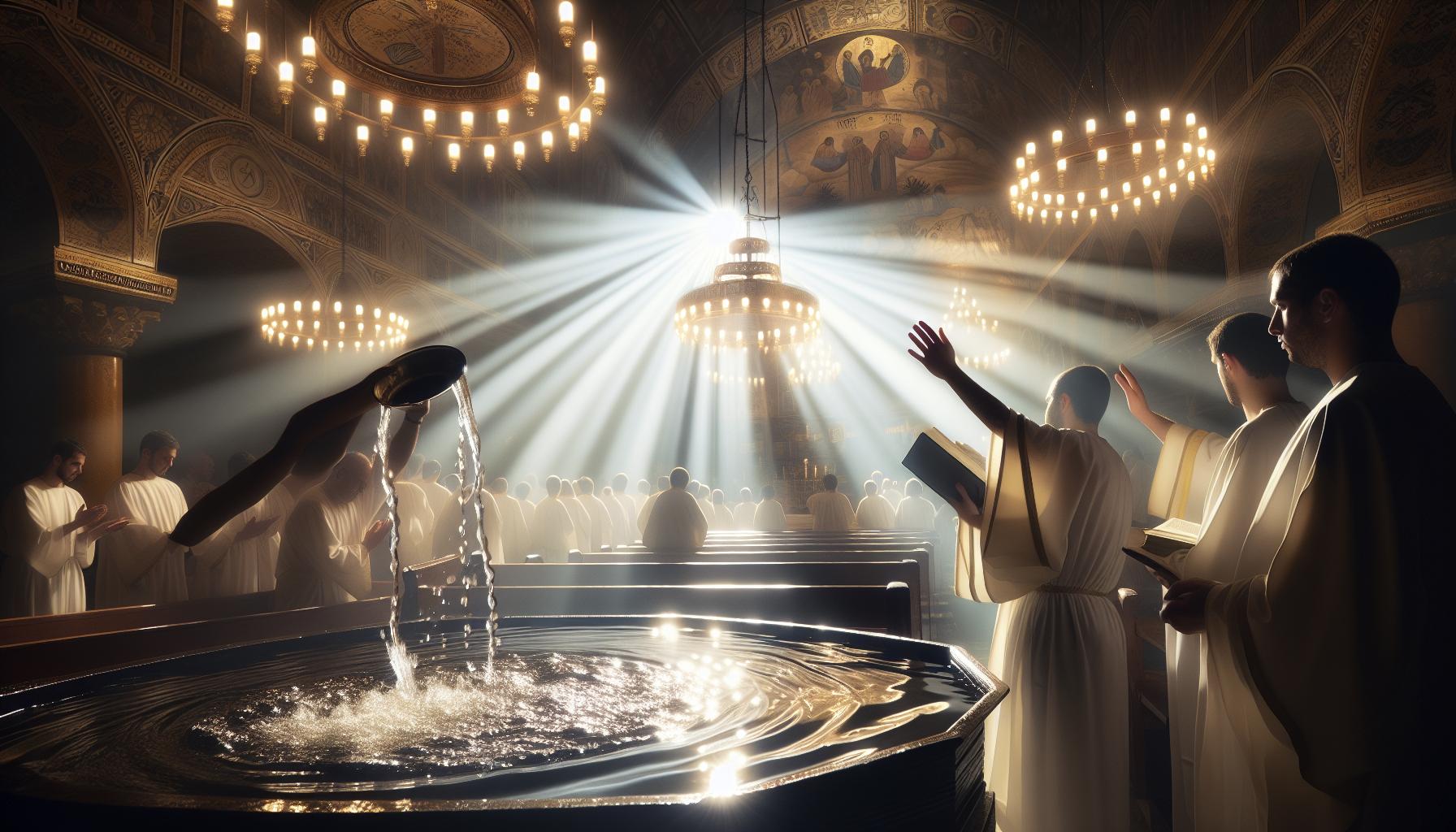
Water serves as a profound symbol within the Christian rite of baptism, embodying spiritual truths that transcend mere ritualistic practice. Its significance is woven throughout the fabric of Scripture, representing purification, new life, and a public declaration of faith. In , we uncover layers of meaning that highlight both personal transformation and communal identity in the body of Christ.
Purification and Renewal
In biblical traditions, water often signifies cleansing and renewal. The act of baptism, particularly in the New Testament, symbolizes a believer’s commitment to turning away from sin and embracing a new life in Christ. This theme is echoed in passages such as 1 Peter 3:21, where baptism is articulated as not merely a physical cleansing but a deeper appeal to God for a clear conscience through the resurrection of Jesus Christ [[2](https://www.openbible.info/topics/water_baptism)]. The immersion in water represents dying to one’s former self and being reborn into a new identity, aligning with the transformative experience of encountering the divine.
Unity in Christ
Water baptism also emphasizes the unity of believers within the Christian community. According to Ephesians 2:19, baptism signifies a believer’s incorporation into the Body of Christ, transcending cultural and ethnic boundaries. This unifying aspect of baptism is crucial, as it not only marks an individual’s dedication to faith but also represents their connection to a global family of believers, as highlighted by Galatians 3:27–28, which speaks of unity regardless of differences [[1](https://www.gotquestions.org/water-baptism.html)].
Declaration of Faith
Moreover, water baptism acts as a public assertion of one’s faith. It is an outward act that symbolizes an inward transformation, embodying what it means to follow Christ. The practice not only fulfills Jesus’ command (Matthew 28:19) but also serves as an ethical commitment to live according to His teachings. Believers are called to publicly announce their faith, drawing from the rich symbolism of water as a life-giving and renewing force [[3](https://thebibleverses.org/what-is-water-baptism/)].
Through the exploration of these elements, we can appreciate how water in baptism transcends its physical properties, embodying a deep spiritual narrative of purification, community, and faith declaration. This understanding encourages believers to reflect on their own baptism experiences and recognize their role within the collective mission of the Church.
The Spiritual Cleansing: Understanding the Role of Water

Water is universally recognized as a powerful symbol of cleansing and renewal, deeply embedded in various spiritual teachings and practices. In the context of baptism, it serves not just as a physical medium but as a profound representation of spiritual transformation. This holy act signifies a rebirth, where the individual undergoes a metamorphosis that transcends mere physical cleansing. It is a sacred moment of reconnecting with one’s spiritual essence, where the waters of baptism bring forth divine grace, forgiveness, and the promise of new beginnings.
Symbolism of Cleansing
The predominant theme of water in baptism is purification. In many religious traditions, water is regarded as a cleansing agent that washes away sins, impurities, and burdens. As described in various spiritual contexts, such as in Christian teachings, baptism symbolizes a believer’s identification with Christ’s death and resurrection, illustrating the profound belief in the regeneration of the spirit. This act of immersing oneself in water is akin to shedding the old self and embracing a renewed identity—free of guilt and full of potential.
Connection to the Divine
Engaging in this rite involves more than just an outward action; it is a deeply spiritual experience that fosters a connection with the divine. Water embodies the flow of life and the Holy Spirit’s presence, guiding individuals toward a transformative journey of faith. Through baptism, individuals not only commit to their spiritual pathways but also join a community that shares in this sacred symbolism, reinforcing their connection to others who have undergone similar spiritual journeys.
Practical Steps for Embracing the Spiritual Cleansing of Baptism
For those contemplating baptism or seeking to deepen their understanding of its significance, consider the following actionable steps:
- Reflect on your spiritual journey and what it means to you to partake in this ritual.
- Engage with your community to learn about the preparations and teachings associated with baptism.
- Find a Mentor who can guide you through the process and help you comprehend the depth of spiritual cleansing.
- Participate in discussions or study groups focused on the meanings of water in baptism and other spiritual practices.
By understanding these elements of baptism and the role of water, individuals can appreciate the transformative power of spiritual cleansing and embrace the enlightenment that comes from this sacred act. Through this journey, they embark on a path of emotional and spiritual renewal, embracing the essence of what water signifies in their faith.
Water as a Sign of New Life and Resurrection in Baptism
Water plays an integral role in the sacrament of baptism, symbolizing purification, renewal, and the profound transformation that comes with faith. As believers immerse themselves in water, they are not only engaging in a ceremonial act but also expressing a powerful message: through baptism, they embrace a new life in Christ and signify their resurrection from sin. This transformative event echoes the core tenets of Christian faith, illustrating the notion that just as water cleanses the body, baptism cleanses the soul.
Symbolism of Water in Baptism
Water is deeply rooted in biblical imagery, representing life and the Holy Spirit’s presence. When a person is baptized, they publicly declare their faith while also participating in Christ’s death and resurrection. Romans 6:4 emphasizes this point: “We were therefore buried with him through baptism into death in order that, just as Christ was raised from the dead through the glory of the Father, we too may live a new life.” This scripture highlights the dual symbolism of going under the water as a burial of the old self and emerging into the newness of life.
- Purification: Water cleanses from impurity, representing the removal of sin.
- Renewal: The act of being baptized signifies rebirth, marking a fresh start in the believer’s spiritual journey.
- Identification with Christ: Immersion illustrates unity with Jesus, reflecting His death and resurrection.
Practical Application of Baptismal Water
For believers, understanding what water signifies in baptism can deepen their spiritual experience. Here are some actionable steps to consider:
- Reflect on Personal Spiritual Journey: Before the baptism, individuals should meditate on their life stories and how they align with the symbolism of water. This reflection fosters a deeper connection during the ritual.
- Engage with Community: Participating in a baptism ceremony or being part of the church community during such events enables individuals to witness the collective declaration of faith, reinforcing the importance of communal support in spiritual growth.
- Continued Renewal Post-Baptism: Embrace practices that underscore the baptismal commitment—regular prayer, service within the church, and studying scripture to nurture the new life that baptism initiates.
By understanding and embodying the meanings associated with baptismal water, believers can fully appreciate its significance not just as a ritualistic practice but as a profound entry point into the journey of faith, symbolizing hope, cleansing, and the promise of eternal life.
The Importance of Intent and Community in Baptismal Water
The act of baptism is profoundly steeped in intention and communal significance, both of which enrich the ritual’s overall meaning. This sacred ceremony goes beyond mere symbolism; it is a pledge of faith that connects individuals not only to their personal beliefs but also to a wider community of believers. In many traditions, the significance of baptismal water is intertwined with the communal experience, serving as a public declaration of faith and an opportunity for the congregation to reaffirm its collective commitment to spiritual growth.
Intent Behind the Ritual
The intention behind baptism extends beyond a simple act of immersion or pouring of water. It encapsulates the believer’s desire for transformation and their understanding of their role within the community of faith. When individuals approach the baptismal font, they do so with an awareness of their commitment to follow the teachings of Christ. This intentional act signifies their readiness to enter into a covenant not only with God but with fellow believers. It is an embrace of the grace offered through faith, reflecting a conscious decision to articulate one’s spiritual journey and aspirations.
- Commitment to Faith: Each baptism is a commitment to live according to Christian values.
- Personal Transformation: It symbolizes an inward change marked by the outward act of baptism.
- Public Declaration: It serves as a public statement of one’s faith within the community.
Community Engagement in Baptism
The communal aspect of baptism is equally vital, as it highlights the interconnectedness of believers. When a person is baptized, the entire congregation witnesses and participates in this pivotal moment, reinforcing the notion that faith is not a solitary journey but a shared experience. This communal witnessing fosters a deeper sense of belonging and accountability, motivating the baptized individual to actively engage in the life of the church.
Moreover, the shared ritual strengthens relationships among congregation members, creating a support system for the newly baptized. The experience mirrors the teachings found in Scriptures, such as Ephesians 2:19, which emphasizes unity within the Body of Christ. This unity is often manifested in both joyous celebrations and collective responsibilities, urging each member to nurture the faith of others.
| Key Elements of Community in Baptism | Significance |
|---|---|
| Witnessing | Congregation affirms the baptism of new members. |
| Support | Encouragement and accountability within the faith community. |
| Celebration | Creates a joyful, inclusive atmosphere celebrating new life in Christ. |
In conclusion, understanding the importance of intent and community within baptismal water enriches the significance of the ceremony itself. Each act of baptism is not only a personal declaration of faith but also a vital connection to a broader network of believers, illustrating what water signifies in baptism—symbolism that embodies commitment, transformation, and unity in a shared journey of faith.
The Ritual of Baptism: How Water Connects Us to Tradition
Water is a profound symbol in the practice of baptism, representing purification, renewal, and the passage into a new life. This sacred element connects believers across various Christian traditions, embodying the deep-seated rituals and Christian beliefs that have endured through centuries. When individuals are immersed in water during baptism, they are not just participating in a ceremony; they are engaging in a ritual that traces back to foundational biblical narratives and the early church’s traditions.
The Role of Water in Baptism
Water signifies several critical aspects of spiritual life and rebirth in the context of baptism:
- Purification: Water is often seen as a cleansing agent, washing away sins and symbolizing the believer’s purification and redemption through Christ.
- New Life: Just as water is essential for physical life, it also represents spiritual rebirth. This act of immersion symbolizes dying to one’s old self and rising anew, akin to Jesus’ resurrection.
- Unity with Tradition: The act links contemporary believers to a rich historical tradition, mirroring Jesus’ own baptism by John the Baptist in the Jordan River.
The method of baptism can vary among denominations, from full immersion to sprinkling, but the essential connection to water remains. For example, many Protestant denominations emphasize total immersion, reflecting the New Testament accounts of baptism, where individuals went into the water to symbolize their commitment to faith.
The Spiritual Significance of the Waters
Across different cultures and expressions of Christianity, water’s symbolism remains remarkably consistent. It evokes a sense of community and shared experience among believers, reinforcing the notion that baptism is not just a personal commitment but a collective journey within the body of Christ. By stepping into the waters, individuals often feel a profound connection to those who have practiced this ritual before them, creating a timeless bond that transcends generations.
For those looking to deepen their experience of baptism, consider reflecting on the following points:
- Personal Reflection: Before baptism, take time to contemplate what the act signifies for your spiritual journey.
- Community Involvement: Engage with your church community and share stories of your faith journey with others who have undergone baptism, strengthening both personal and communal ties.
- Post-Baptism Commitment: After the ritual, it is vital to continue nurturing your faith through community participation, prayer, and study, embodying the new life that water symbolizes.
In essence, the ritual of baptism harnesses the elemental power of water to weave a narrative of transformation, belonging, and hope, highlighting its vital role in the lives of believers and their connection to a long-standing tradition.
Practical Reflections: Applying the Meaning of Water in Personal Faith
Water baptism is not merely a ritual; it’s a profound act of faith with deep symbolic significance. Understanding what water signifies in baptism can transform personal faith and enhance one’s spiritual journey. For many, this transformative experience symbolizes a commitment to follow Christ, showcasing a believer’s reliance on God’s grace and their desire to live in obedience. As believers reflect on the meaning of water in baptism, they can find practical steps to integrate this understanding into their daily lives.
Embracing the Symbolism of Water
The act of baptism provides a vivid representation of spiritual cleansing and renewal. This symbolism invites individuals to recognize areas in their lives where they might need purification or a fresh start. For instance, regularly reflecting on one’s journey—perhaps through journaling or prayer—can help believers identify burdens they wish to lay down. Embracing the cleansing aspect of water invites a continuous process of renewal, where individuals actively seek to let go of past mistakes and embrace a new identity in Christ.
Building Community through Baptism
Baptism also represents unity within the body of Christ. When believers gather to witness baptisms, it serves as a reminder of the community’s role in supporting each other in faith. Engaging with fellow believers can enhance one’s spiritual journey. Consider joining a small group or participating in church events that foster fellowship. Such communal faith experiences not only reinforce personal beliefs but also create an environment where discussions about the significance of baptism can flourish, deepening everyone’s understanding of this vital sacrament.
Living Out the Commitment
Furthermore, water as a symbol in baptism is an invitation to a lifestyle of obedience to God’s commandments. Practically, this can manifest in everyday choices—whether that’s showing love to neighbors, serving those in need, or pursuing honesty in all dealings. Each of these actions is a reflection of one’s baptismal commitment. Believers can establish personal goals that align with the spiritual truths represented by baptism, such as committing to acts of kindness or participating in service projects that reflect their faith in action.
Reflection and Growth
Finally, ongoing personal reflection is crucial. Taking time to meditate on what water signifies in baptism—cleansing, commitment, unity—can guide believers in their faith walk. Engaging in regular prayer or studying scripture pertaining to baptism can deepen understanding and help in applying these principles to daily life. Consider setting aside moments each week to reflect on the personal implications of baptism and the continual journey towards spiritual maturity it represents.
By integrating the meaning of water in baptism into everyday life, believers can experience a more vibrant faith that not only acknowledges their past decisions but also propels them toward a future characterized by commitment, community, and continual spiritual growth.
Respecting Diverse Perspectives: Water’s Role Across Denominations in Baptism
The significance of water in baptism varies widely across Christian denominations, each embodying unique interpretations and practices that underline their theological foundations. Understanding these diverse perspectives not only enriches one’s comprehension of baptism but also promotes respect and appreciation for different faith expressions. Water serves not just as a physical element in these rituals but as a profound symbol representing purification, rebirth, and commitment to a spiritual journey.
Different Denominational Views on Water Baptism
In many Protestant denominations, such as Baptists and Methodists, water baptism is seen as a declaration of faith and an essential step in the believer’s journey. The act symbolizes the washing away of sin and the beginning of a new life in Christ, as outlined in passages like Romans 6:4, which emphasizes being buried with Christ through baptism to walk in newness of life. Contrastingly, Catholic and Orthodox traditions view baptism as a sacrament that imparts grace. The water used in these baptisms symbolizes not only purification but also the incorporation of the believer into the community of faith. The significance of the water here reflects a covenant relationship with God, highlighting the transformative power of the Holy Spirit.
Understanding Infant Baptism vs. Believer’s Baptism
The topic of baptism also diverges sharply among denominations concerning the age and readiness of the individual being baptized. Infant baptism, practiced by many Catholic, Orthodox, and some Mainline Protestant churches, holds that children are baptized to cleanse original sin and initiate them into the faith community. This act signifies the hope and grace of God imparted even before conscious acceptance of faith. On the other hand, Believer’s baptism, favored by many Baptist and Evangelical groups, stipulates that individuals should first consciously accept Christ before undergoing baptism. This tradition emphasizes personal faith and repentance, aligning the act of baptism more closely with the responses of faith discussed in the Scriptures.
| Denomination | View on Baptism | Significance of Water |
|---|---|---|
| Catholic | Infant baptism as a sacrament | Symbol of purification and grace |
| Orthodox | Infant baptism with chrismation | Initiation into the faith community |
| Baptist | Believer’s baptism | Public declaration of personal faith |
| Methodist | Infant and believer’s baptism | Sign of God’s grace and covenant |
The Spiritual and Communal Aspects
Regardless of the approach, the practice of baptism across all denominations highlights communal aspects of faith. Water baptism is not only a rite of initiation; it often acts as a vital connection within the community, reinforcing bonds among believers. This communal experience is particularly visible during group baptisms, where the shared faith journey is celebrated collectively, echoing the theological understanding that baptism signifies an entry into a larger body of Christ. For many, water signifies not just a personal commitment to faith but a shared journey with others who are also seeking spiritual growth and fellowship.
In recognizing these differences, Christians can find a common ground in their shared belief in the importance of baptism as an outward expression of inward grace. By respecting these diverse perspectives on what water signifies in baptism, one can engage more deeply with the broader Christian narrative and appreciate the rich tapestry of faith that unites believers across varying traditions.
Frequently asked questions
What does water signify in baptism? Symbolism and deeper meaning?
Water in baptism symbolizes purification, rebirth, and the washing away of sins. It serves as a powerful reminder of the believer’s new life in Christ and their commitment to a faith journey.
The act of immersion or pouring water during baptism represents the believer’s identification with Jesus’ death and resurrection. As noted in Romans 6:4, being buried with Him through baptism showcases the profound transformation that occurs as one enters into a relationship with God.
Why is water used in baptism rituals?
Water is used in baptism rituals to symbolize both cleansing and renewal. It reflects the spiritual cleansing of the individual, representing the washing away of sin and the gift of new life.
This practice echoes biblical teachings, as seen in Acts 2:38, where Peter urges believers to repent and be baptized for the forgiveness of sins. Water serves as a tangible sign of an invisible grace received through faith.
How is water connected to the concept of rebirth in baptism?
Water in baptism signifies spiritual rebirth, often referred to as being “born again.” This connection emphasizes the transformative experience that occurs when an individual accepts Christ.
In John 3:5, Jesus speaks about being born of water and the Spirit, indicating that baptism is integral to the process of entering God’s Kingdom. This rebirth signifies a fresh start, moving from an old life of sin to a new life of faith.
Can I be baptized without water?
Traditionally, baptism requires water as a vital element, symbolizing purification and rebirth. However, some denominations emphasize the heart’s condition over the method.
While most faiths view water baptism as essential, understanding behind the ritual is crucial. Spiritually, the intention behind the baptism can often hold significant meaning, reminding believers of their commitment to Christ beyond the physical act.
What role does the water symbolize in the New Testament?
In the New Testament, water symbolizes both cleansing and the Holy Spirit. Baptism is viewed as a rite of initiation into the Christian faith, marking the believer’s acceptance of God’s grace.
Water’s significance is illustrated in Titus 3:5, which speaks of being saved through the washing of rebirth. The connection to the Holy Spirit indicates that baptism is not merely a physical act but a spiritual event that marks a person’s entry into the faith community.
How does baptism water connect to the Holy Spirit?
The water used in baptism is closely linked to the Holy Spirit, symbolizing the believer’s purification and empowerment through God. It signifies the moment when the Holy Spirit enters and dwells within the believer.
This connection is evident in Matthew 3:16, where the Spirit descends like a dove after Jesus’ baptism. This represents the divine affirmation of the relationship between water baptism and the outpouring of the Holy Spirit in a believer’s life.
Why do different denominations use various methods of baptism relating to water?
Different denominations employ various methods of baptism due to theological beliefs about what the ritual signifies. While some practice immersion, others may use pouring or sprinkling.
For instance, groups emphasizing the symbolic nature of baptism might prefer sprinkling or pouring, while those focusing on the act of burial with Christ often choose full immersion. These differences highlight the rich diversity within Christian practices, unified by the shared belief in the act’s spiritual significance.
In Conclusion
In conclusion, the symbolism of water in baptism is deeply profound, representing not only purification and renewal but also the believer’s identification with the death and resurrection of Jesus Christ. As we explored, water signifies a spiritual rebirth, a public declaration of faith, and a connection to the larger body of Christ, reflecting the essence of our commitment to a life transformed by grace. We invite you to reflect on your own understanding of baptism and its significance in your faith journey. Delve deeper into the rich traditions and diverse interpretations of this sacred rite, and consider how you can engage with the community around you in discussions about faith and spirituality. Whether you are preparing for baptism or seeking to support others in their journey, there is always more to learn and experience together.
Get our latest guides, news, and insights highlighted in your Google Search & AI Overviews.