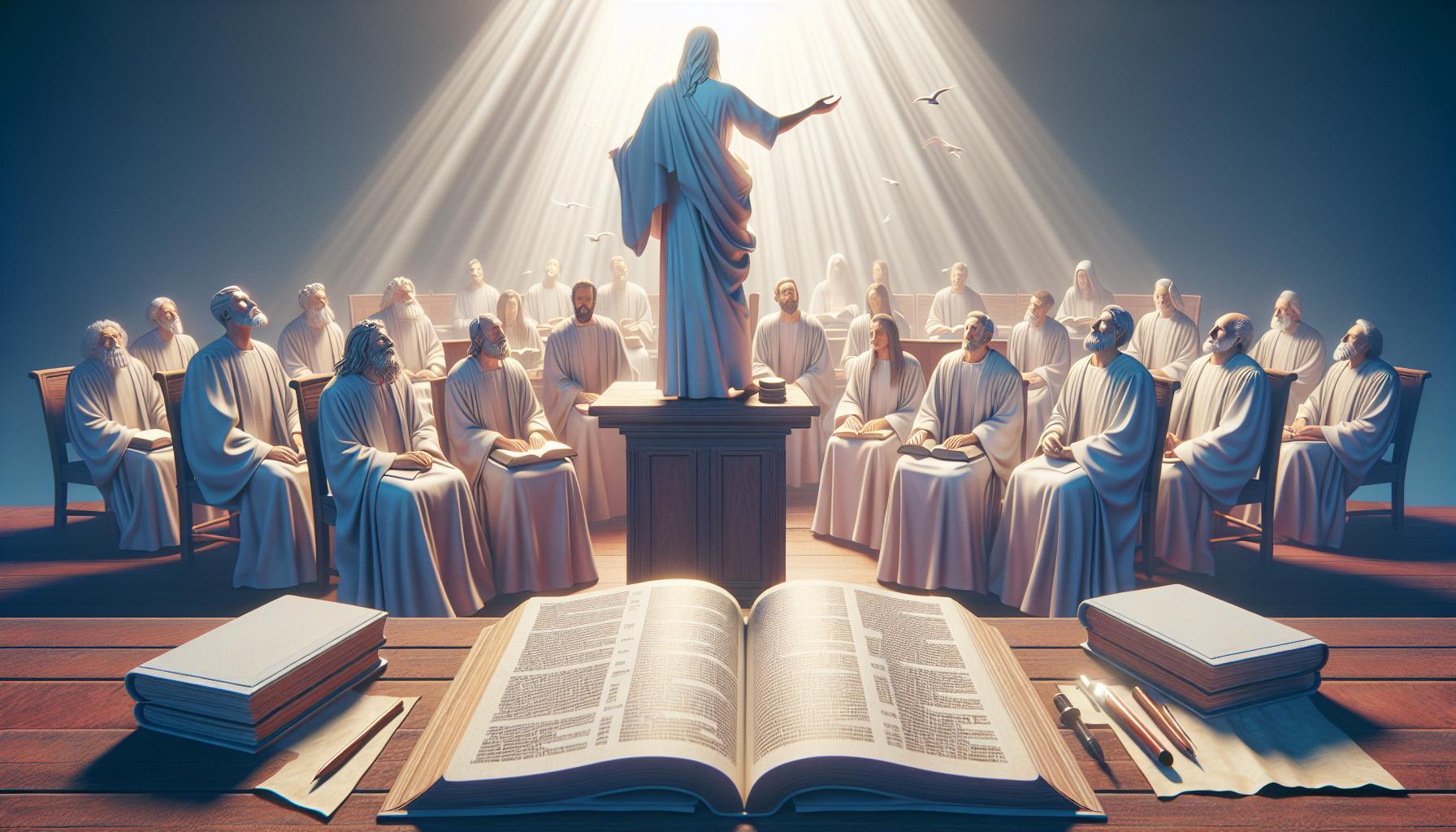

The role of women in preaching has sparked significant debate within Christian communities, raising questions about scriptural authority and gender roles. Examining biblical texts like 1 Timothy and Titus reveals varying perspectives, making this topic vital for understanding contemporary church leadership. Uncovering these insights can illuminate the ongoing discussion around women’s contributions in ministry today.
Historical Perspectives on Women in Ministry
The historical involvement of women in ministry showcases an enduring legacy that challenges conventional views regarding gender roles in religious leadership. Throughout biblical narratives, women have played critical roles, illustrating their significance not only as supporters but also as leaders and communicators of the faith. From Miriam, the prophetess who led Israel in worship after the Exodus, to New Testament figures like Priscilla, women have been integral to the church’s mission, often breaking societal barriers in the process.
Women in Early Christianity
In the early church, women were active in various ministries, including teaching, prophesying, and leadership. Historical accounts reveal that women such as Phoebe—deacon of the church at Cenchreae—and Junia, noted as “outstanding among the apostles,” played vital roles in the spread of the gospel. This active participation supports the scriptural insights into women’s capabilities as leaders within the church community. These examples serve to remind contemporary believers that women have historically held significant positions in ministry, advocating for their recognition today.
Impact on Church History
The influence of women has extended far beyond biblical times into the fabric of church history. Figures like Hildegard of Bingen and Sojourner Truth led reformations and movements that advocate for both spiritual and social justice, demonstrating the powerful impact of women in ministry. The legacy of these women is crucial in understanding the complex narrative of female leadership in church history. Their contributions laid foundational principles that resonate with today’s discussions about women’s roles in ministry, prompting an assessment of scriptural narratives that affirm women’s leadership.
Contemporary Implications
Understanding this historical perspective can transform modern views on women in ministry. As churches assess their practices and interpretations of scripture, reflecting on the active roles women have played historically encourages a reevaluation of contemporary church policies. Circular discussions surrounding what the Bible says about women preaching are enriched by these historical insights, illustrating that restrictions on female participation often stem from cultural and historical biases rather than biblical doctrine.
By recognizing the indispensable roles women have fulfilled throughout church history, congregations can foster a more inclusive ministry environment that embraces diverse leadership. Emphasizing this historical context not only strengthens arguments for women’s participation in ministry but also highlights the need for churches to align their practices with the profound scriptural insights concerning equality in leadership as outlined in Galatians 3:28.
Key Biblical Passages Addressing Women Preaching

The discussion about women’s roles in preaching is deeply rooted in scripture, reflecting the diverse ways that women have contributed to the ministry throughout Christian history. Key biblical passages provide insight into this debate, revealing not only the historical context but also the theological foundation supporting the active participation of women in sharing the Gospel.
Notable Scriptures on Women Preaching
Several verses highlight the significant roles women played in the early church and their gifts for ministry. For instance, Acts 2:17-18 prophesies that in the last days, God will pour out His Spirit on all people, and both sons and daughters will prophesy. This verse underscores the inclusivity of spiritual gifts and serves as a biblical affirmation of women participating in prophetic ministry, which can include preaching.
Another important reference is Romans 16:1-2, where Paul commends Phoebe, a deacon of the church in Cenchreae, and encourages the church in Rome to receive her. This acknowledgment of Phoebe’s leadership role indicates that women held significant positions in the church’s structure, capable of teaching and preaching.
1 Timothy 2:11-12 often comes into focus during discussions about women preaching. Paul instructs that women should learn quietly and not have authority over men. However, many theologians argue these verses are context-specific and reflect cultural norms of the time rather than universal church doctrine. This highlights the ongoing debate regarding how to interpret scripture in today’s context and the extent to which it applies to contemporary church practices.
Empowerment Through Biblical Narratives
Women such as Deborah in Judges 4-5 exemplified leadership and prophetic authority, leading Israel during a time of crisis. Similarly, the story of the Samaritan woman at the well (John 4:7-42) reveals her pivotal role in spreading the message of Jesus to her community after her encounter. These narratives offer compelling evidence of women not only preaching but also shaping their communities’ spiritual journeys.
Ultimately, the biblical foundation for women preaching invites churches to consider a broader interpretation of scriptural authority and leadership roles. Practical application can include fostering an environment where women are encouraged to take on preaching roles, offering leadership training, and recognizing their contributions to the ministry.
| Passage | Key Insight |
|---|---|
| Acts 2:17-18 | Prophecy as a role for both women and men, indicating active participation in ministry. |
| Romans 16:1-2 | Praise for Phoebe as a deacon, showing women’s roles in church leadership. |
| 1 Timothy 2:11-12 | Contextual debate on women’s authority within the church. |
| Judges 4-5 | Deborah’s leadership as a prophet, signifying women in strong roles. |
| John 4:7-42 | The Samaritan woman as an evangelist, proclaiming Christ to her village. |
These scriptural insights not only highlight the prominent roles that women can occupy in ministry but also encourage a more inclusive understanding of preaching within the church context today. Embracing these biblical truths can lead to more equitable practices in church leadership and foster a faith community enriched by diverse voices.
Interpreting Scripture: Context Matters

Interpreting biblical texts requires a careful consideration of cultural, historical, and literary contexts. When exploring what the scriptures indicate about women preaching, one must recognize the specific circumstances surrounding various passages. For instance, the apostle Paul’s letters, such as 1 Timothy 2:12, have been a focal point in discussions concerning women’s roles in church leadership. Some argue that Paul’s directives were intended for particular situations in the early church, especially given the unique issues faced by the Ephesian church at the time[[1]](https://www.gotquestions.org/women-pastors.html).
Context is Key
Understanding the societal norms of the ancient world sheds light on why certain instructions were given. In the Greco-Roman culture, women had limited rights and largely occupied domestic roles. This backdrop likely influenced Paul’s teachings, which some assert were meant to address specific local problems rather than to establish a universal prohibition against women in leadership roles[[2]](https://www.biblestudytools.com/bible-study/topical-studies/can-women-be-pastors.html). Thus, readers must differentiate between cultural directives and timeless principles.
A Broader Biblical Perspective
While specific passages may seem restrictive, other scriptures highlight women’s significant contributions within the church. For example, women like Phoebe, Lydia, and Priscilla played vital roles in the early Christian community, demonstrating leadership and discipleship. Notably, Acts 2:17-18 reiterates that in the last days, God’s spirit will be poured out on all people, regardless of gender, suggesting an expansive view of ministry opportunities for both men and women[[3]](https://biblestudyforyou.com/bible-verses-that-talk-about-women-preaching/).
The tension between these passages illustrates the importance of a comprehensive approach to biblical interpretation. It prompts believers to ask reflective questions about how the ancient texts apply to modern contexts and the misinterpretations that might arise from a narrow reading. Therefore, as individuals and congregations engage with the question, “What Does the Bible Say About Women Preaching? Uncover Scriptural Insights,” it is essential to embrace a holistic view that honors the diversity of God’s calling across genders in the contemporary church.
The Role of Cultural Influences in Understanding Women’s Leadership
In various cultures, the perception of women’s roles significantly influences their opportunities for leadership, particularly in spiritual contexts. The discussion surrounding women preaching often intersects with deep-seated cultural beliefs and traditions that shape the understanding of authority and influence. While the Bible provides insights into women’s contributions to ministry, cultural interpretations of these scriptures often create barriers to women’s leadership roles within religious communities.
Many societies have historically assigned women to subordinate positions, limiting their ability to express authority in spiritual settings. Such cultural norms may stem from traditional interpretations of scripture that emphasize male leadership. To navigate these cultural challenges, it’s essential to approach the topic of women in leadership through both biblical and cultural lenses. For instance, scriptural passages that highlight women’s leadership, such as Deborah in the Book of Judges (Judges 4-5) and Phoebe in the Book of Romans (Romans 16:1-2), can serve as powerful reminders of the biblical precedence for women in leadership roles. These examples defy the traditional hierarchies and underscore the potential for women to hold significant positions in religious contexts.
To foster a more inclusive environment, it is crucial for faith communities to reevaluate their cultural attitudes and interpretations of scripture regarding women in leadership. This can involve:
- Education and Awareness: Promoting knowledge about the contributions of women throughout biblical history can challenge misconceptions and foster appreciation for their roles.
- Mentorship Programs: Establishing mentorship initiatives where experienced women in ministry guide others can cultivate future leaders.
- Encouraging Open Dialogue: Creating platforms for discussions on gender roles within church settings can help address and dismantle cultural barriers.
By engaging with these strategies, religious communities can begin to align their practices with the broader biblical themes of equality and justice, creating a more supportive framework for women preachers. This evolution not only enriches the community’s spiritual life but also promotes a more equitable understanding of leadership that reflects divine intentions as outlined in scripture. The journey toward embracing women’s leadership in faith contexts is ongoing, and it requires commitment to both scriptural integrity and cultural transformation.
Modern Denominational Practices Regarding Women Preachers
The landscape of church leadership is evolving, especially regarding women’s roles in preaching and pastoral ministry. As society progresses, many Christian denominations are reconsidering traditional views on whether women can serve as preachers. This transformation is largely influenced by an ongoing exploration of biblical texts, alongside an increasing societal acceptance of female leadership. The debate often hinges on interpretations of scripture, cultural contexts, and historical precedents.
Varied Denominational Approaches
Different denominations maintain distinct stances towards women preaching, reflecting their unique theological frameworks and responses to contemporary cultural shifts. For instance, some denominations such as the United Methodist Church and the Episcopal Church have affirmed women in ordained ministry, providing them significant roles, including preaching from the pulpit. In these churches, women’s experiences and insights are viewed as valuable contributions to the faith community, supporting the belief that both men and women are called to ministry.
Conversely, more conservative groups, such as the Southern Baptist Convention, have taken a firm stance against the ordination of women. Their position is rooted in specific interpretations of scripture, emphasizing traditional male leadership within the church. The recent decisions by this denomination to disfellowship churches allowing women pastors illustrate the ongoing tensions within the broader Christian community regarding women’s roles in ministry[[2](https://mycharisma.com/spiritled-living/woman/why-wont-these-8-christian-denominations-allow-women-to-serve-as-pastors/)].
Practical Implications for Women in Ministry
As congregations grapple with their policies, many are finding practical paths to include women in preaching roles without formal ordination. Some churches opt for a model where women are allowed to lead Bible studies, teach Sunday school, or speak at special events, all of which serve to empower female voices while adhering to their denomination’s guidelines. This approach creates a collaborative ministry environment that acknowledges and utilizes the gifts of women within the church body.
For those searching for a supportive community, it may be beneficial to explore denominations actively discussing women’s roles in leadership and preaching. Factors such as local church practices and the overall attitude toward gender roles in ministry often vary widely even within a single denomination. Engaging with congregations that prioritize inclusivity can provide a more enriched spiritual experience for both men and women alike.
The exploration of women’s preaching in churches continues to be a dynamic and significant topic, inviting congregations to deeply reflect on their beliefs and practices, especially within the context of what the Bible says about women preaching. As various Christian communities strive to balance tradition with contemporary insights, the dialogue surrounding women’s role in ministry will likely evolve further[[3](https://biblicalpathway.com/what-does-the-bible-say-about-women-preaching-in-church/)].
Inspiring Examples of Women Leaders in the Church
In the evolving landscape of church leadership, many women have emerged as powerful voices, breaking traditional barriers and paving the way for future generations. These leaders not only demonstrate the significant impact women can have within the church but also serve as inspiring examples of how scripture can be interpreted to support their roles in ministry. Through their dedication and service, they highlight the vital contributions women bring to Christian communities.
One notable figure is Phoebe, who is recognized as a deacon in the early church. Mentioned in Romans 16:1-2, she exemplifies the role of women in church leadership, specifically in functions that involve both administrative and ministerial responsibilities. Her significant contributions remind us that the early church already showcased women’s leadership potential, suggesting that the question of women’s roles in ministry, as examined in resources like “What Does the Bible Say About Women Preaching? Uncover Scriptural Insights”, has historical roots in the New Testament.
Another inspiring example is Priscilla, who, alongside her husband Aquila, played a crucial role in instructing Apollos, a well-known preacher, in the ways of God (Acts 18:26). Priscilla’s involvement in teaching highlights the important role women can play in theological education and spiritual mentoring within the church, breaking the stereotype that preaching and teaching are exclusively male domains.
Additionally, contemporary leaders like Nathalie Becquart, who was appointed Undersecretary of the Synod of Bishops by Pope Francis, exemplify the shift towards inclusivity in church leadership. Her position underscores the church’s commitment to involving women in governance and decision-making roles, which could lead to a broader interpretation of women’s capabilities in ministry, aligning with the insights found in “What Does the Bible Say About Women Preaching? Uncover Scriptural Insights.”
By showcasing the dynamic roles of women like Phoebe, Priscilla, and Nathalie, we can see the increasing momentum towards gender equality and empowerment in church leadership. These examples serve as a source of encouragement and a call to action, inspiring both women and men to support inclusivity and recognize the diverse gifts women bring, ultimately enriching the church community.
Balancing Tradition and Innovation in Ministry Roles
In the modern church, navigating the dynamics between tradition and innovation can be a profound challenge, especially in ministry roles. As congregations grow more diverse and the world around them rapidly changes, ministries must find ways to integrate new ideas while respecting long-held beliefs. This balancing act is vital for fostering an engaging and inclusive environment that resonates with both long-standing members and newcomers seeking spiritual guidance.
Understanding the Biblical Context
To effectively balance tradition and innovation in ministry, it is crucial to explore what scripture says regarding women’s roles in preaching and leadership. Many congregations grapple with interpretations of biblical texts, such as those in the New Testament, that appear to limit women’s voices in the church. However, a closer examination often reveals narratives where women played pivotal roles. For instance, the stories of women like Priscilla and Junia highlight the significant contributions of women in the early church, suggesting that their voices and leadership are essential to fulfilling the mission of the ministry.
- Priscilla: Worked alongside her husband Aquila, teaching Apollos about Christ.
- Junia: Recognized by Paul as “outstanding among the apostles,” indicating a role of significant influence.
Integrating New Approaches with Established Practices
In blending tradition with innovation, ministries can adopt several actionable steps. Encouraging open dialogues about scriptural interpretations can help congregations understand the broader biblical context of women’s roles. This might involve:
- Hosting workshops or discussion groups focused on exploring scripture, emphasizing inclusive teaching.
- Inviting diverse speakers or leaders to share their insights in various church settings.
- Encouraging mentorship programs where experienced leaders guide emerging voices, particularly women.
Such initiatives not only honor tradition but also embrace the innovative practices that can revitalize the ministry and inspire future generations.
Real-World Applications
Ministries that successfully navigate this balance often become models for others. For example, churches that have integrated female leadership in various capacities—such as preaching, teaching, and administrative roles—have reported increased engagement across their congregations. By recognizing and utilizing the strengths of women in ministry, these churches not only adhere to scriptural values but also enhance their outreach and impact within their communities.
In conclusion, striking a balance between tradition and innovation in ministry roles is not merely about adapting to change; it involves a conscientious effort to reflect on foundational beliefs while actively embracing the diverse contributions of all members. As communities dive into discussions around what the Bible says about women preaching, they can foster a richer, more inclusive faith experience that aligns history with contemporary understanding.
Practical Insights for Supporting Women in Preaching Ministries
In many congregations, the voice of women in preaching roles remains an area of both celebration and contention. Recognizing the essential contributions of women in ministry can shape a church’s spiritual environment, promote inclusiveness, and honor Biblical teachings. Supporting women in preaching ministries allows for a broader interpretation of scripture and enhances the overall impact of the church community, reflecting the diverse body of Christ.
Encouraging Education and Training
Empowering women to take on preaching roles requires intentional efforts in education and training. Churches can offer educational programs, such as workshops or seminars, specifically designed to equip women with the skills needed for preaching. Consider the following strategies:
- Mentorship programs: Pair aspiring female preachers with experienced mentors who can provide guidance, feedback, and support.
- Public speaking workshops: Organize sessions focused on developing effective communication and preaching skills.
- Biblical studies courses: Encourage women to deepen their understanding of scripture through small group classes or intensive study programs.
By fostering an environment that values growth and learning, churches can cultivate confident female leaders ready to preach effectively.
Creating Platforms for Women to Preach
It’s essential to create tangible opportunities for women to take the pulpit. This can be accomplished through various methods tailored to different church contexts. Here are some practical actions:
- Designated preaching days: Establish specific Sundays or events where women lead worship and deliver sermons.
- Guest preaching roles: Invite female pastors from other congregations to share their sermons, bringing new perspectives and experiences.
- Open mic events: Host informal gatherings where women can share their testimonies or teachings in a supportive environment.
Such initiatives not only validate women’s voices but also enrich the spiritual life of the congregation, aligning with the insights of “What Does the Bible Say About Women Preaching? Uncover Scriptural Insights.”
Fostering an Inclusive Church Culture
Building a supportive environment for women in preaching goes beyond initiatives; it encompasses the overall church culture and attitudes towards female leadership. Leaders can implement the following practices:
- Address biases: Facilitate discussions around gender roles in church settings to raise awareness and eliminate stereotypes.
- Celebrate diversity: Regularly highlight the achievements and contributions of women in ministry during church services.
- Incorporate prayer: Engage the congregation in prayers specifically supporting women in ministry and their pastoral ambitions.
This shift towards inclusivity and acceptance can lead to a flourishing ministry that aligns with both scriptural insights and the contemporary mission of the church.
By implementing these strategies, churches can take significant steps towards recognizing and supporting women in preaching ministries, ultimately enriching the spiritual fabric of their communities.
Q&A
What does the Bible say about women preaching?
Women are depicted in the Bible in roles of leadership and preaching. Scripture highlights notable female figures who preached and shared God’s message. Instances in the New Testament illustrate that women were active in ministry and played significant roles in the early church.
For example, Deborah served as a judge and prophetess in Israel (Judges 4), demonstrating women’s leadership abilities. The New Testament includes women like Phoebe, a deacon, and Priscilla, who taught Apollos, indicating that women have vital roles within the church.
Can women hold leadership roles in the church according to the Bible?
Yes, many scripture passages indicate that women can hold leadership roles. The Bible showcases numerous strong women leading and teaching others in the faith, breaking the stereotypes that restrict women’s involvement in church leadership.
In Romans 16, Paul commends several women, emphasizing their contributions to ministry. These examples demonstrate that leadership is not restricted by gender but based on calling and spiritual gifts.
Why do some churches restrict women from preaching?
Some churches interpret certain biblical passages as restricting women from preaching. Notably, 1 Timothy 2:12 is often cited, where Paul instructs that women should not teach or have authority over men.
However, these interpretations are debated. Some scholars argue these texts were culturally specific to the early church. Conversely, verses like Galatians 3:28 highlight equality in Christ, suggesting women can preach and teach within the church setting.
What role did women play in the early church?
Women played crucial roles in the early church as leaders, educators, and supporters of the ministry. They were instrumental in spreading the gospel and nurturing the faith of believers.
For instance, Lydia, a seller of purple, was one of the first converts in Europe and hosted Paul and his companions in her home (Acts 16:14-15). This shows women’s significant contributions in establishing Christian communities.
How can I support women preaching in my church?
You can support women preaching by encouraging their gifts and involvement in ministry. Open dialogues about scripture and roles in ministry can foster inclusivity and empowerment for women leaders.
Providing training and leadership opportunities enhances their skills and confidence. Create spaces where women’s voices are valued and recognized, equally contributing to church growth and community outreach.
What does the Bible say about women’s gifts in ministry?
The Bible affirms that women possess diverse spiritual gifts for ministry. Recognizing and utilizing these gifts is vital for church health and mission.
In 1 Corinthians 12, Paul discusses spiritual gifts and emphasizes that they come from the same Spirit, highlighting that men and women alike are gifted to build up the church. Encouraging women to use their gifts is crucial for a vibrant church.
In Summary
In conclusion, the exploration of what the Bible says about women preaching reveals a rich tapestry of scriptural insights that affirm the vital role women play in proclaiming God’s message. From passages emphasizing the shared calling of all believers to the interpretations surrounding specific texts like 1 Timothy 2:12, we see a diverse understanding of women’s participation in ministry. The Bible offers multiple examples of women who preached and served in leadership roles, acting as pioneers of faith and exemplars of courage.
As you reflect on these insights, consider the call to cultivate an inclusive church environment that celebrates the contributions of all members, irrespective of gender. This discussion not only fosters greater unity within congregations but also encourages each individual to explore their unique spiritual gifts and calling. We invite you to delve deeper into these topics, engage with differing perspectives, and participate in conversations that celebrate the breadth of God’s work through women in ministry. Your journey in faith can inspire others, and together, we can continue to seek understanding in our diverse expressions of worship.
Get our latest guides, news, and insights highlighted in your Google Search & AI Overviews.