Understanding the various names for baptism pools, such as baptisteries and fonts, sheds light on their significance across different religious traditions. These sacred spaces serve not only as physical vessels for immersion but also symbolize spiritual renewal and community. Exploring these terms and their meanings reveals the rich tapestry of faith practices surrounding this ancient rite.
Understanding Baptism: The Significance of Baptisteries and Fonts
Baptism holds profound significance in various religious traditions, serving as a rite of passage, a symbol of purification, and a public declaration of faith. The physical embodiment of this sacred act often takes place in specially designed structures known as baptisteries and fonts. These sanctified spaces are not merely vessels for water but also rich with theological meaning and communal identity. Understanding the roles these baptismal settings play can illuminate the deeper spiritual journeys of congregants.
Baptisteries: Sacred Spaces for Immersion
Baptisteries are typically larger, often elaborate structures dedicated exclusively to the sacrament of baptism. They may be found adjacent to churches or as standalone buildings. Their design varies significantly across traditions, reflecting the cultural and historical contexts in which they were built. For instance:
- In Roman Catholicism: Baptisteries are often circular, symbolizing eternity, and feature stunning artwork, stained glass, and elaborate baptismal fonts at their center.
- In Eastern Orthodoxy: These spaces may include a large pool for full immersion, often adorned with significant iconography that depicts the theological underpinnings of baptism.
- In Protestant traditions: Baptisteries can range from simple, functional designs to ornate structures celebrating the transformative power of baptism.
The act of immersion in a baptistery evokes a profound sense of spiritual renewal, as believers are physically submerged and then emerge anew, symbolizing the death of their old selves and the birth of a new life in faith.
Baptismal Fonts: Versatile Vessels
In contrast, baptismal fonts are smaller vessels used for the sacrament of baptism, mainly for infants or those being baptized by pouring or sprinkling. Fonts can take various forms, from simple basins to intricately designed and sculpted pieces that serve as focal points in worship. Their significance often ties back to local traditions and liturgical practices.
| Tradition | Font Design Characteristics | Common Usage |
|---|---|---|
| Roman Catholic | Marble, often ornate with baptismal symbols | Infant and adult baptisms, typically held indoors |
| Anglican | Stone or wood, can be highly decorative | Infant baptisms and public displays in services |
| Baptist | Simple with a focus on immersion | Primarily for adult baptisms in church services |
Baptismal fonts are also a powerful visual reminder of the importance of community and familial bonds. They often become gathering points for worshippers, marking the beginning of a child’s journey in faith or an adult’s public commitment to their beliefs.
By considering both baptisteries and fonts, we appreciate the spiritual and communal essence of baptism across different traditions. These sacred spaces serve not just as physical locations for an event but are deeply intertwined with the narratives of faith, community identity, and individual transformation.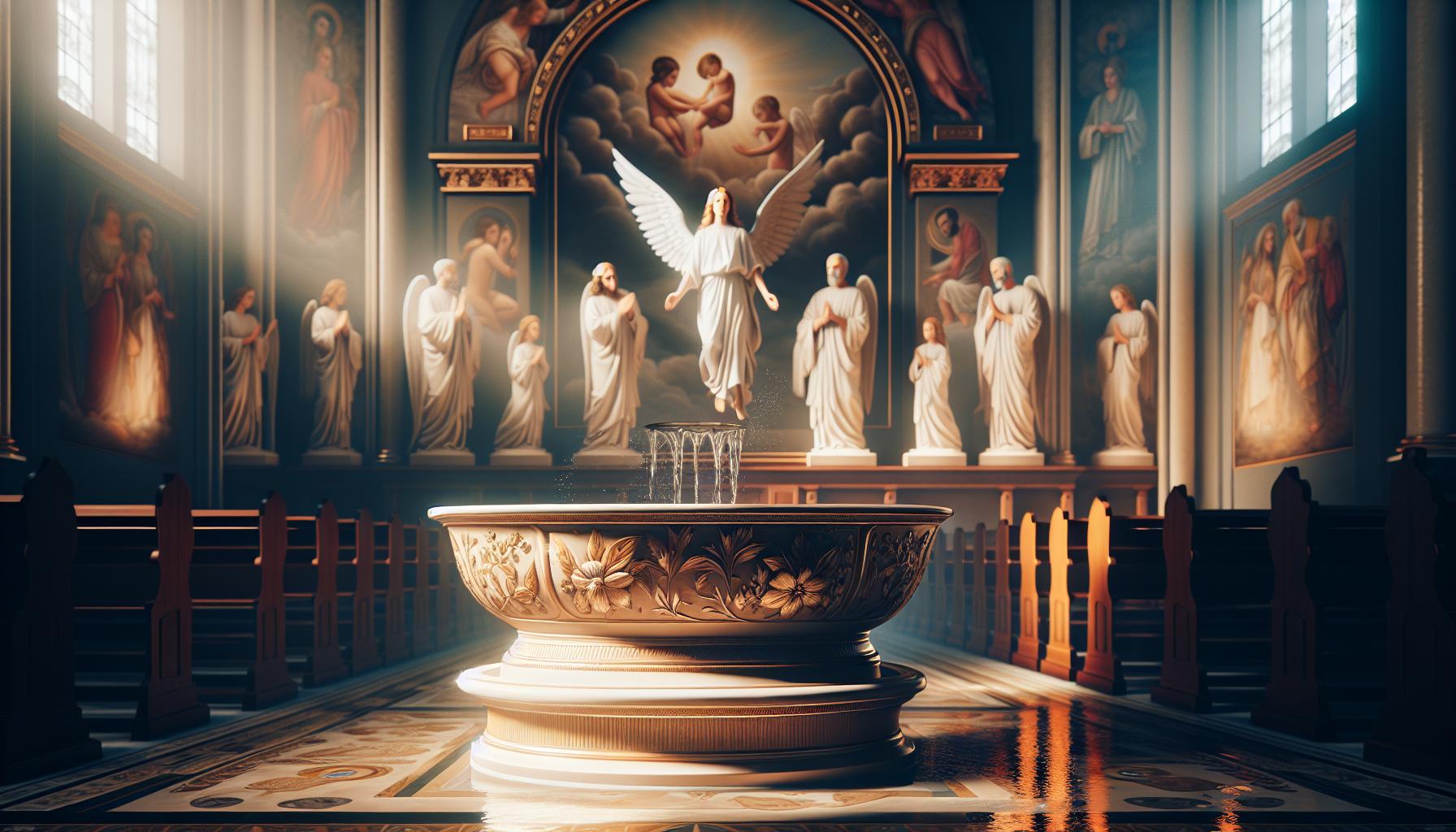
A Journey Through Time: Historical Perspectives on Baptism Pools
Throughout history, baptism pools, also known as baptismal fonts or baptisteries, have been central to the practice of Christian initiation, serving as sacred vessels for the ritual of baptism across various traditions. These structures have evolved significantly, reflecting the theological beliefs, architectural styles, and cultural contexts of the communities that built them. Historically, baptismal pools have been designed for immersion, a practice rooted in the early Church’s understanding of baptism as a total cleansing and rebirth.
Early Christian Traditions
In the early Christian era, baptisteries were often separate buildings, underscoring the importance of baptism as a distinct rite. These structures typically contained large pools designed for full immersion. For instance, the ancient baptistery in Ravenna, Italy, built in the 5th century, features an octagonal pool, symbolizing the resurrection. Church leaders believed that immersion in water represented dying and rising with Christ, a marking of spiritual rebirth that would shape the faith for centuries.
The Shift to Fonts
As Christianity spread and became more integrated into societal traditions, there was a gradual shift away from full immersion. By the Middle Ages, the use of the baptismal font became prevalent. Fonts were typically smaller and more adaptable for use in congregational settings, allowing for greater accessibility. They often took on elaborate designs, adorned with icons and carvings that told biblical stories. This shift reflects a change in the understanding of the ritual, where sprinkling or pouring became acceptable forms of baptism, particularly in regions with cultural customs that favored these methods.
Modern Innovations
The modern era has seen a revival of interest in the practice of immersion, with many churches investing in updated baptismal pools that blend tradition with contemporary aesthetics. Today, baptism pools come in various forms, from beautifully crafted stone tanks in historical churches to portable fiberglass models that allow flexibility for different worship settings. These innovations not only cater to practical needs but also seek to reconnect the act of baptism with its ritualistic origins.
In summary, the journey of baptism pools, or baptisteries, is a testament to the evolving understanding of this sacred rite. As communities grow and change, so too do their practices surrounding baptism, making each font or pool a reflection of the culture and theology that it encompasses. Embracing both history and modernity, baptism pools continue to facilitate profound moments of spiritual significance for individuals and congregations alike.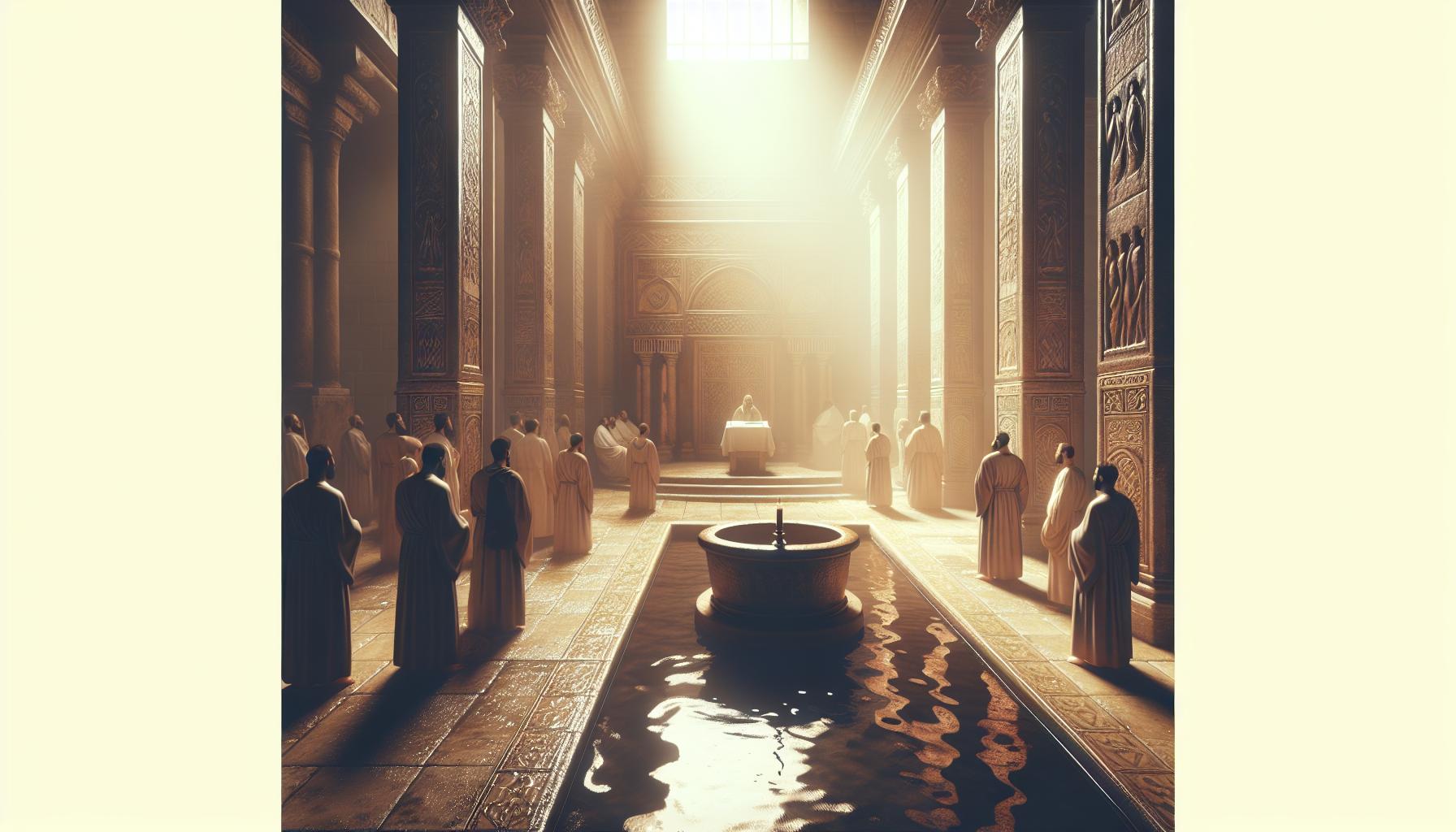
Architectural Diversity: Exploring Baptism Pools in Different Traditions
The diversity of baptismal pools around the world reflects the rich tapestry of religious tradition and practice, where the form and function of these sacred spaces vary widely. Each type of baptism pool serves not only as a physical space for immersion but also a symbolic reservoir of faith and cultural expression. For instance, the baptistery, common in many Christian denominations, often serves as an architectural focal point within churches, signaling its importance in the rites of initiation into the faith.
The Evolution of Baptisteries
In early Christian architecture, baptisteries were typically separate structures, designed with specific features that emphasized their sacred purpose. These edifices often featured a central baptistry that allowed for full-body immersion, echoing the practices of the early Church. Many of these historic sites remain prominent today, featuring intricate mosaics and ornate designs that attract both worshippers and tourists alike.
Key characteristics of traditional baptisteries include:
- Dome Structures: Many firms often employed dome ceilings to represent heaven, creating an ethereal experience.
- Octagonal Pools: The octagonal shape symbolizes rebirth, reflecting the transition from death to a new life in Christ.
- Natural Light: Strategically placed windows allowed for natural light, illuminating the waters during ceremonies.
Fonts in Different Traditions
In contrast to larger baptisteries, baptismal fonts are often found within the nave of the church and are typically used for infant baptisms. These may vary in style from simple stone basins to elaborately designed fixtures. In many traditions, the font is accompanied by a decorative cover, symbolizing the sacred nature of the baptismal act.
When considering baptismal installations, it’s essential to evaluate:
| Type of Baptismal Installation | Usage | Design Features |
|---|---|---|
| Baptistery | Adult baptisms, immersion | Full-body water, typically octagonal |
| Baptismal Font | Infant baptisms | Small basin, often with a decorative cover |
| Portable Baptistry | Flexible usage in various locations | Easy to set up, often includes steps |
Exploring the architectural diversity of baptismal pools enhances our understanding of how different faiths interpret the act of baptism. From grand baptisteries that stand as icons of communal belief to the intimate simplicity of fonts that cradle newborns into faith, these installations reflect a profound spiritual significance, varying across cultures and denominations.
Theological Insights: What Baptism Represents Across Denominations
Baptism, a rite steeped in tradition and meaning, serves as a cornerstone in the faith lives of countless individuals across various denominations. Though the specifics surrounding the practice may differ, the essence remains remarkably consistent: it symbolizes a profound transformation and a commitment to a spiritual journey. Exploring the theological insights regarding baptism uncovers its multifaceted nature and reveals how baptism pools, whether styled as baptisteries or fonts, serve as both physical and spiritual vessels for this sacred act.
A Symbol of New Life and Cleansing
Theological perspectives on baptism often center around themes of new life and purification. In many Christian traditions, water is emblematic of cleansing from sin, as seen in Romans 6:4, which states that Christians are “buried with him through baptism into death” to “live a new life.” This symbolic act is essential in conveying the transformative power of faith. Here are several theological interpretations found across different denominations:
- Catholicism: Baptism represents not only a personal commitment but also an entry into the body of Christ, symbolizing original sin’s cleansing.
- Orthodoxy: Rituals surrounding baptism emphasize death and resurrection, with a focus on the mystical union with Christ through immersion.
- Protestantism: Many denominations view baptism as an outward sign of an inward faith, highlighting individual choice and public declaration.
- Baptist tradition: Often practicing full immersion, it signifies a believer’s conscious commitment to faith and emphasizes a personal relationship with Jesus.
The Role of Baptism Pools
The architectural elements of baptism pools, known as baptisteries or fonts, also reflect the theological significance of the rite. These structures are more than mere conveniences; they symbolize the spiritual journey itself. Whether deep immersions or simple sprinklings, the design and use of baptismal spaces often amplify the understanding of baptism across traditions.
| Denomination | Type of Baptism Pool | Theological Significance |
|---|---|---|
| Catholicism | Baptistery | Initiation into the Church and remission of sin. |
| Orthodox | Large basin or immersion pool | Union with Christ and the Church; emphasis on the resurrection. |
| Protestantism | Various fonts and immersion sites | Public declaration of faith; signifies the believer’s commitment. |
| Baptist | Full-immersion pool | Symbol of the believer’s mode of faith and resurrection. |
In every tradition, baptism pools enhance the theology of baptism by serving as a unifying visual and spiritual element, reinforcing participants’ connection to their faith and community. Through these dedicated spaces, individuals are not just receiving a ritual but are engaging in a transformative experience that connects them with their spiritual heritage, offering a fresh start in their walk with God.
Practical Considerations: Choosing the Right Baptismal Space for Your Community
When considering the ideal baptismal space for your community, it’s essential to understand not only the physical dimensions but also the symbolic weight that the space carries. Traditionally, baptism pools, known as baptisteries or baptismal fonts, serve as more than mere vessels of water; they represent the threshold of transformation and spiritual renewal. Selecting the right design and location reflects your community’s beliefs and enhances the overall baptism experience.
Factors to Consider
When determining the appropriate baptismal space, consider the following aspects:
- Capacity: Assess the number of candidates likely to be baptized in your community. Will the space accommodate a large group for communal baptisms, or is an intimate setting more suitable?
- Accessibility: Ensure that the baptismal space is easily accessible for all participants, including those with mobility challenges. Locations with ramps and appropriate seating can promote inclusivity.
- Location: Where the baptismal font or baptistery is placed within the church can influence its visibility and significance. Front and center signals importance, while a more secluded area may create a private, reflective atmosphere.
- Type of Baptism: Depending on whether your community practices immersion, affusion, or aspersion, the design of the baptismal space will vary considerably. A large open pool is necessary for immersions, while a smaller bowl might suffice for sprinkling.
- Aesthetic and Symbolism: A thoughtfully designed baptismal area can enhance the spiritual experience, incorporating elements that resonate with your community’s theology and traditions.
Types of Baptismal Spaces
Various traditions around the world influence the design and use of baptismal spaces. Understanding these traditions can aid in making an informed choice. Here’s a brief overview of common baptismal structures:
| Type | Description | Common Denominations |
|---|---|---|
| Baptistery | An independent structure often separate from the main sanctuary, typically used for full immersions. | Eastern Orthodox, Roman Catholic |
| Baptismal Font | A smaller, usually ornate basin found within the church used for sprinkling or pouring water. | Anglican, Lutheran, Methodist |
| Immersion Pool | A dedicated pool built into the church for full immersion baptisms. | Baptist, Pentecostal |
| River or Natural Body of Water | Outdoor baptisms in rivers or lakes signify a return to the natural elements. | Various Christian denominations |
In essence, choosing the right baptismal space involves a combination of practical considerations and theological significance. Each option, from a grand baptistery to a simple baptismal font, provides unique opportunities for spiritual connection and community identity, ensuring that this sacred rite of passage resonates deeply within your faith community.
Traditions and Innovations: Modern Adaptations of Baptism Pools
Baptism, a ritual steeped in deep traditions, has evolved over centuries, leading to various interpretations and implementations across different cultures. As societies change, so do their sacred practices, including the use of baptism pools, commonly referred to as baptisteries and fonts. While historical designs often focused on permanence and grandeur, modern adaptations have introduced flexibility and accessibility, allowing more congregations to participate in this significant rite.
In contemporary settings, the portable baptistry has gained popularity, particularly among smaller churches or those in non-traditional venues. This innovation not only addresses space constraints but also reflects a modern convenience that allows full-immersion baptisms similar to traditional pools. These portable units often accommodate multiple candidates, emphasizing inclusivity during the baptism ceremony. Many options, such as the Portable Baptistry™, can easily support three individuals standing, creating an experience akin to that found in permanent baptismal pools while offering easier setup and breakdown for temporary locations[2].
Additionally, features like heating systems have become essential to enhance the experience during colder months. Modern baptistries are equipped with heaters that maintain optimal water temperatures, ensuring comfort for those being baptized. This combination of design and technology not only fulfills the functional needs of churches but also aligns with the growing expectation for congregational experiences that are both meaningful and accommodating.
The resurgence of fiberglass church baptistries offers another layer of innovation, allowing for elegant designs with viewing windows for congregants to witness the ceremony. Available in various sizes, these units enhance the visual and emotional impact of baptism, making it a communal affair. Churches can select from a variety of styles to best fit their worship environment while maintaining the sacredness of the act[3].
Ultimately, the evolution of baptism pools and their modern adaptations reflect a broader trend in religious practice—where tradition meets innovation. By embracing these changes, communities can foster deeper connections during one of the most significant rites in their spiritual journey.
Preparing for Baptism: The Role of the Church and Community
Preparing for baptism is not just an individual journey but also a rite deeply intertwined with the vibrancy and support of a community. As potential candidates for baptism approach this significant milestone, the church plays a crucial role in guiding them through both spiritual and practical preparations. The process often begins with a series of sessions where candidates learn about the significance of baptism, including the symbolism of the baptism pools, whether they be baptisteries or fonts, across various Christian traditions.
The Church’s Role
The church serves as a foundational support system during the baptism preparation process. Church leaders, including pastors and mentors, provide spiritual guidance, ensuring that candidates understand the commitment they are making. This often includes discussions about faith, forgiveness, and the transformative power of baptism. Regular attendance at church services and participation in community events can be encouraged to foster a deeper connection with the congregation.
In many communities, baptisms are celebrated collectively, which reinforces the importance of the church’s role. During the preparation phase, candidates are often invited to share their personal testimonies, fostering a sense of unity and resilience among participants. This communal approach not only enriches the baptism experience but helps to create lasting relationships within the church.
The Community’s Contribution
The baptism experience is also a reflection of the church community’s involvement. Friends and family are often encouraged to participate in the baptism ceremony, making it a more personal and memorable affair. Here are some ways the community can engage:
- Participating in Preparation Classes: Involving family and friends in educational sessions about baptism can deepen their understanding and commitment as supportive figures in the candidate’s spiritual journey.
- Offering Prayer Support: A church can create opportunities for members to pray over the candidates, fostering a supportive environment where individuals feel uplifted and encouraged.
- Celebrating the Occasions: Organizing a post-baptism reception not only celebrates the individual’s new commitment but also strengthens communal bonds.
By actively engaging in the baptism preparation process, both the church and community contribute to creating a profound experience for the baptized individual. The traditions surrounding baptism pools, whether they are known as baptisteries or fonts, further enhance this sacred occasion, reminding everyone involved of the rich history and significance of being part of a faith community.
Celebrating New Life: The Experience of Baptism from Various Viewpoints
The act of baptism marks a profound moment of transformation, embodying the beginning of a spiritual journey for many individuals across different cultures and faiths. Often celebrated with joyous gatherings and deep symbolism, this sacred ritual serves unique purposes, encapsulating faith, community, and rebirth. Whether performed in a humble font or an elaborate baptistery, the experience resonates deeply, reflecting diverse theological understandings and customs.
Perspectives from Different Traditions
In the Christian tradition, baptism is viewed as a sacrament essential to initiation into the faith, signifying purification and admission into the Church. For many denominations, the act of immersion, common in settings equipped with a baptism pool, emphasizes the complete renewal of the individual. For instance, the Eastern Orthodox Church views baptism as an act of regeneration, where water symbolizes the washing away of sin and the impartation of the Holy Spirit.
Conversely, the Roman Catholic Church typically utilizes a baptismal font, focusing on the pouring of water over the head of the infant or adult. This highlights the belief in original sin and the importance of community support in spiritual upbringing, as parents and godparents commit to guiding the newly baptized in their faith journey.
Rituals and Symbolism
The rituals surrounding baptism vary widely across cultures, yet they often include the following elements:
- Water: Symbolizes cleansing and rebirth across almost all traditions.
- Oil: Anointed to signify the Holy Spirit’s presence.
- White Garment: Represents purity and new life.
- Candle: Often lit to symbolize the light of Christ within the individual.
The settings for baptism also create meaningful experiences. For example, in some Indigenous Christian communities, the baptism might occur near a river or lake, underscoring the connection to nature and spirituality, while others utilize ornate church fonts that embody centuries of tradition and craftsmanship.
Community Involvement
The celebration of baptism is not merely an individual act; it springs from the community’s shared values and beliefs. Guests at a baptism often include family, friends, and church members, emphasizing the support system that upholds the newly baptized. The atmosphere is often festive, filled with music, prayer, and speeches that reflect the joy of welcoming a new member into the faith.
| Tradition | Baptism Setting | Symbolism |
|---|---|---|
| Eastern Orthodox | Baptistery | Regeneration and union with Christ |
| Roman Catholic | Baptismal Font | Forgiveness of sins, new life |
| Protestant | Various (Fonts, Rivers, Pools) | Public declaration of faith |
| Indigenous Christian | Natural Water Sources | Connection to creation and spirituality |
Understanding what baptism pools are called—be it baptisteries or fonts—reveals much about the sacred rituals surrounding this form of initiation. Celebrating new life through baptism invites inquiry into the practices, beliefs, and communal aspects of diverse traditions, showcasing the profound significance of this spiritual milestone.
Frequently asked questions
What Are Baptism Pools Called: Baptisteries & Fonts Across Traditions?
Baptism pools are commonly referred to as baptisteries or baptismal fonts. They serve as sacred spaces for the act of baptism across various Christian traditions. A baptistery is typically a larger pool designed for full immersion, while a baptismal font is often smaller and suitable for sprinkling or pouring water.
Each tradition may have specific designs and functions for these baptismal settings. For example, a Roman Catholic church might use a font for infants, while a Baptist church may favor a full-sized baptistery for immersion.
Why does the design of baptism pools vary?
The design of baptism pools varies due to cultural, theological, and practical factors specific to each denomination. For instance, some denominations emphasize full immersion as a symbol of rebirth and thus favor larger baptisteries.
In contrast, others may choose smaller baptismal fonts to accommodate different practices, such as infant baptism. These differences reflect the unique beliefs and traditions that shape how communities view the sacrament of baptism.
Can I use a portable baptistry for baptisms?
Yes, you can use a portable baptistry for baptisms, making it a versatile choice for various locations and occasions. These models often require no assembly and can be relocated as needed, providing flexibility for churches with space constraints.
Portable models typically include steps for access and safety features. They offer a practical solution for outdoor events or services in non-traditional venues, allowing congregations to celebrate baptism in a meaningful manner regardless of location.
What materials are baptismal fonts made from?
Baptismal fonts are made from various materials such as stone, wood, metal, or even glass, depending on the denomination and design preferences. The choice of material often reflects the tradition and aesthetic values of a particular community.
For example, many traditional churches use ornate stone fonts, which symbolize durability and permanence. In contrast, contemporary designs might favor clean lines and simpler materials, emphasizing accessibility and modernity in the practice of baptism.
What is the significance of baptism in different traditions?
The significance of baptism varies across traditions, often symbolizing initiation into the faith, purification, and spiritual rebirth. Many denominations view baptism as a vital sacrament that marks a person’s entry into the Christian community.
In some traditions, such as the Orthodox Church, baptism is part of a series of sacraments, while in others, like Baptist congregations, it is an external sign of an inward transformation and commitment to Christ. Understanding these nuances can enrich one’s appreciation for this sacred practice.
How can I choose the right type of baptism pool for my church?
Choosing the right type of baptism pool involves considering your church’s size, style preferences, and baptism practices. Assess the space available and the number of candidates you typically baptize to determine if a baptistery or a baptismal font is more appropriate.
Additionally, think about the baptism method your congregation embraces—full immersion requires a larger pool, while sprinkling or pouring may suit a compact font. Consulting with your church leadership can provide further guidance on selecting a baptismal setting that aligns with your community’s beliefs.
Closing Remarks
In conclusion, baptism pools, commonly referred to as baptisteries and baptismal fonts, serve as vital symbols of faith across various traditions. They embody the sacred act of baptism, reflecting theological significance while catering to practical needs within diverse worship settings. Whether through full-immersion baptisteries, portable options for varied church environments, or simpler fonts, each represents a unique expression of belief and community.
As you explore these beautiful traditions further, consider how the physical space for baptism informs not only the ritual itself but also the community’s spiritual journey. Embracing the rich history and diverse practices surrounding baptism can deepen your understanding and appreciation of this sacred rite. We encourage you to engage with your local faith community to discover how these elements are perceived and utilized, fostering both personal growth and collective worship.
Get our latest guides, news, and insights highlighted in your Google Search & AI Overviews.