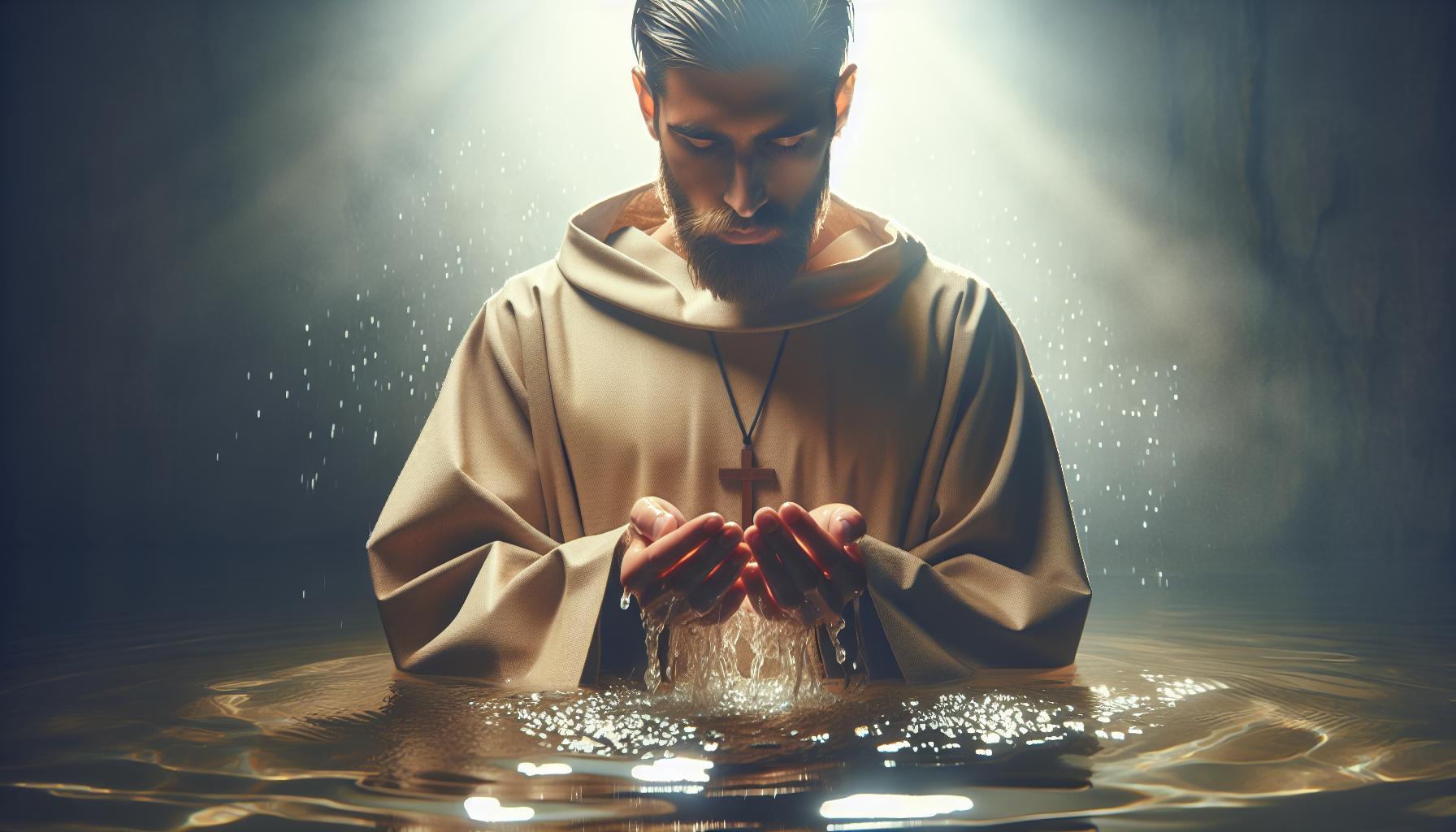
Baptism stands as one of the most significant rites in Christianity, yet its origins and practices raise important questions about its identity within Catholic and broader Christian traditions. Understanding how this sacred ritual varies across denominations not only illuminates its theological significance but also enriches the spiritual journey of believers worldwide. This exploration reveals baptism as both a Catholic sacrament and a fundamental Christian practice.
Understanding the Roots of Baptism: A Historical Overview
Understanding the origins of baptism reveals a rich tapestry woven from various cultural, religious, and historical threads. While often associated with Christianity, the practice of baptism predates the New Testament and is rooted in ancient traditions. In fact, the ritual of cleansing and initiation traces back to earlier religious customs, highlighting its significance across different faiths and epochs. This historical context allows us to explore the nuances and developments of baptism, prompting the question: Is baptism purely Catholic, or does its essence traverse a broader Christian landscape?
Early Practices and Influences
The concept of baptism-like rituals can be found in several ancient religions, indicating that the act of water purification has been a longstanding tradition. For instance, Jewish practices involved ritual washings, such as those used for purification before entering the Temple. This tradition laid the groundwork for John the Baptist’s ministry, where he utilized baptism as a powerful symbol of repentance and preparation for the coming Messiah. John’s baptism served as a pivotal moment, distinguishing it from the Jewish customs by emphasizing a new covenant relationship with God.
In the Hellenistic context, the Sethian Gnostic community offered a unique perspective on baptism through the ritual known as the Five Seals, which involved multiple immersions in running water. This rite exemplifies how baptism was not merely a Judeo-Christian phenomenon but also intertwined with philosophical and mystical beliefs of the time [[1](https://en.wikipedia.org/wiki/History_of_baptism)]. As Christianity emerged, it adopted and transformed these existing practices, giving baptism a more profound theological significance, connecting it with concepts of death and resurrection as seen in Romans 6:4.
Evolution Within Christianity
With the establishment of the early Church, the understanding of baptism evolved considerably. Early Christians viewed it as an initiation into the faith, publicly affirming one’s allegiance to Christ and the community of believers. The New Testament frames baptism as not just a ritual act but a vital component of salvation, encompassing themes of forgiveness and rebirth [[2](https://redeeminggod.com/history-of-baptism/)]. This theological shift aligns with the broader Christian narrative of grace and acceptance through faith.
As various Christian denominations emerged, interpretations and practices surrounding baptism diversified. For instance, Catholicism emphasizes baptism as a sacrament essential for salvation, typically administered to infants, symbolizing the belief in original sin. In contrast, many Protestant traditions advocate for believer’s baptism, viewing it as a conscious choice made by individuals recognizing their faith in Christ. This divergence illustrates the complexity of baptism’s significance across Christian traditions, raising essential questions for theologians and laypersons alike about its role within the wider faith community.
| Tradition | View on Baptism | Common Practices |
|---|---|---|
| Catholicism | Essential for salvation; removes original sin | Infant baptism; sacramental |
| Protestantism | Symbol of faith and obedience; may vary | Believer’s baptism; varies by denomination |
| Orthodox | Regeneration; mystery of faith | Infant baptism; full immersion |
Understanding baptism’s historical roots provides clarity on its significance in contemporary discussions of religious identity and practice. As we reflect on the question, “Is baptism Catholic or Christian?” it becomes evident that while baptism is integral to Christianity, its rich heritage spans multiple traditions and interpretations, allowing for a deeper appreciation of this sacred ritual.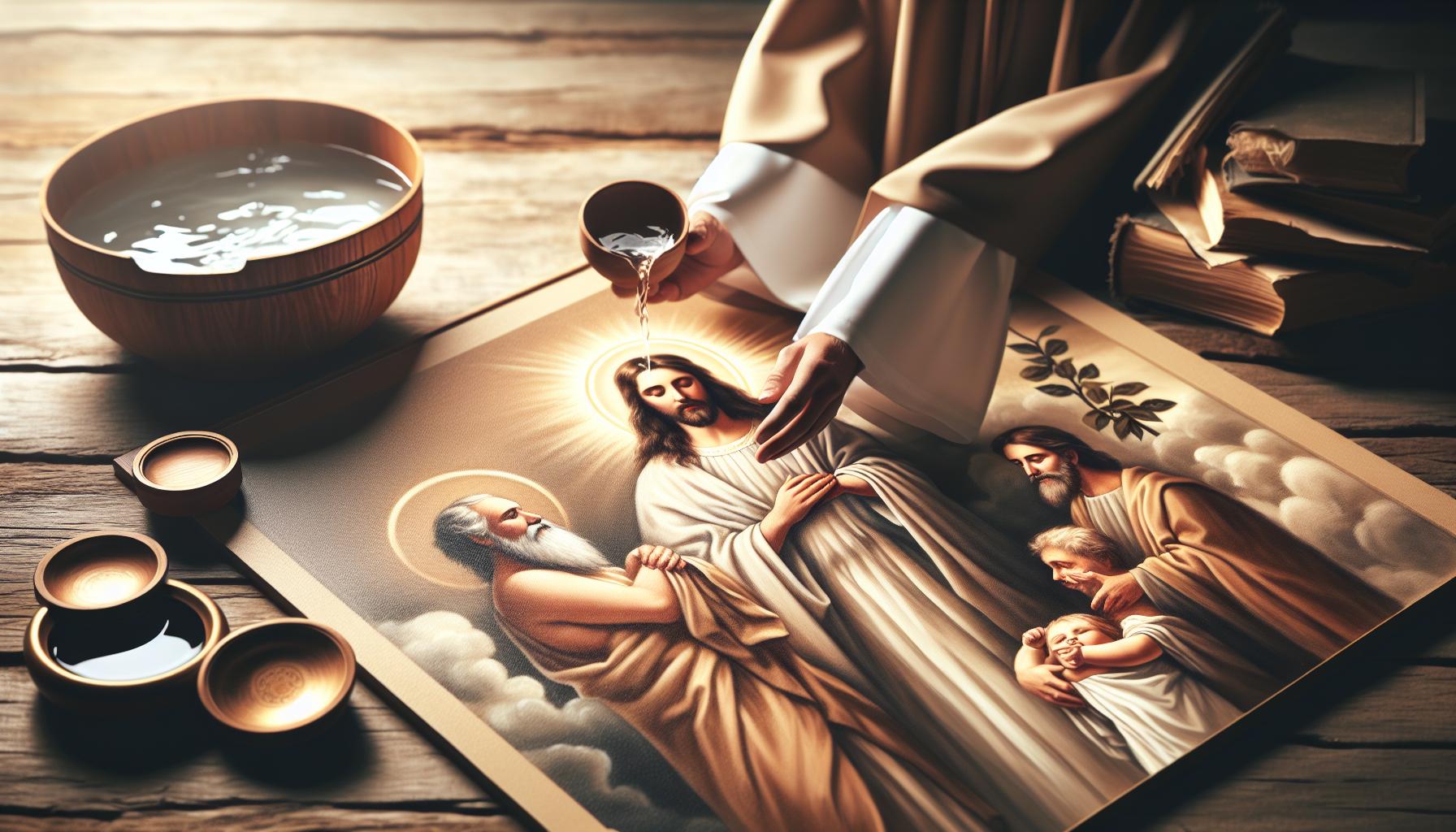
Catholic Perspectives on Baptism: Sacramental Significance and Rituals
The ritual of baptism is a profound and transformative event in the Catholic Church, often viewed as a fundamental rite of initiation into the Christian community. It is not merely a physical act but a deeply spiritual encounter that encapsulates profound theological truths. Across various traditions, the sacrament’s significance varies; however, in Catholic theology, baptism is essential for salvation and marks the beginning of one’s journey in faith. It is an indispensable channel through which believers receive grace and are welcomed into the Body of Christ.
Sacramental Significance
In Catholic teaching, baptism is considered the first sacrament, pivotal for starting a person’s spiritual life. According to the Catechism of the Catholic Church, this sacrament utilizes water, a rich symbol of grace, to signify both purification and the new life granted through Christ. Through baptism, individuals are not only cleansed of original sin but also empowered to live as active members of the Church. It is an act that allows one to enter into a covenant relationship with God, granting them access to the other sacraments and, ultimately, to eternal life [[1](https://www.catholicnewsagency.com/resource/55056/the-sacrament-of-baptism-catechism-of-the-catholic-church)].
Rituals and Practices
The baptismal ceremony includes several distinct rituals, each rich in symbolism and significance that collectively explain the core beliefs of the faith. Key elements of the baptismal rite include:
- Water: Central to the sacrament, it represents purification and the new life in Christ.
- Oil of Catechumens: Used to anoint the individual, symbolizing strength and the sealing of the Holy Spirit.
- White Garment: Symbolizes the purity and new life received through baptism.
- Candle: Represents the light of Christ, reminding the baptized to carry this light into the world.
During the baptism, the priest or deacon performs the essential act of pouring water over the person’s head while invoking the Holy Trinity: “I baptize you in the name of the Father, and of the Son, and of the Holy Spirit.” This formula is crucial, tying the sacrament to the Trinitarian belief that forms the foundation of Catholic understanding [[2](https://beginningcatholic.com/baptism)].
Moreover, it is notable that the Church encourages parents and godparents to understand their role as crucial in the upbringing of the child in the faith. Their commitment to the promises made during the baptism reflects the communal aspect of faith in Catholicism, as the entire Church community supports the newly baptized in their spiritual journey.
Through the exploration of these rituals and the sacramental significance, it becomes clear that baptism in the Catholic tradition is not just a formality but a vital, transformative process that opens the door to a life of faith and community. The rich layers of meaning embedded in the baptismal rite affirm its role as a cornerstone of Catholic identity and practice, shedding light on the question, “Is Baptism Catholic or Christian? Tracing This Sacrament Across Traditions.”
Baptism in Protestant Traditions: Variations and Interpretations
Baptism holds a significant place in Protestant traditions, reflecting a rich tapestry of beliefs and practices that vary widely among different denominations. While some traditions emphasize the act as an essential rite of initiation into the Christian faith, others may view it more as a symbolic expression of personal faith. Understanding these variations provides valuable insights into how Protestantism interprets and practices baptism compared to its Catholic counterparts, showcasing the theme of “Is Baptism Catholic or Christian? Tracing This Sacrament Across Traditions.”
In many Protestant communities, the mode of baptism is varied and can include immersion, affusion (pouring), and aspersion (sprinkling). Each method carries its symbolic significance; for example, full immersion is often seen as a representation of the believer’s identification with Jesus’ death and resurrection. This practice is particularly prevalent in denominations such as Baptists and Pentecostals, who typically reserve baptism for those who can make a conscious affirmation of their faith, often leading to the practice of dedicating infants rather than baptizing them immediately. This dedication underscores parental commitment to raising children in the Christian faith, aligning with the belief that personal faith must precede baptism [[1]](https://christian.net/theology-and-spirituality/what-are-the-protestant-beliefs-on-baptism/) [[3]](https://culturalatlas.sbs.com.au/religions/christianity-protestant/resources/christianity-protestant-rituals-and-practices).
Another critical dimension of baptism in Protestant traditions is the theological foundation that underpins the ritual. Many Protestants view baptism not as a sacrament that imparts grace but as an outward sign of an inward faith. This contrasts starkly with Catholic teachings, where baptism is considered a sacrament that conveys grace and is essential for salvation. Consequently, in Protestant circles, baptism serves as a public declaration of one’s faith rather than a necessary step for salvation [[2]](https://www.patheos.com/library/protestantism/ritual-worship-devotion-symbolism).
In summary, while baptism is a unifying practice across Christianity, its interpretation within Protestant traditions reveals deep theological variances. These differences not only highlight the diverse approaches to faith and community in Protestantism but also illustrate broader discussions about the sacramental nature of baptism vis-à-vis its perceived necessity in the Christian journey. Engaging with these beliefs equips individuals with a more rounded understanding of how rituals shape spiritual identities within the Christian faith.
Theological Foundations of Baptism: A Shared Christian Sacrament
Baptism serves as a profound theological cornerstone that unites various Christian traditions, despite their differing interpretations and practices. As a ritual steeped in symbolic meaning, it represents a believer’s public declaration of faith and initiation into the Christian community. This sacred act, while rooted in the teachings of Jesus Christ, has been embraced across denominations, leading to a rich tapestry of beliefs and practices surrounding its significance. For Christians, baptism is not merely a ceremonial act; it embodies a transformative experience of spiritual rebirth and commitment to a life of faith.
The Scriptural Basis for Baptism
At the heart of baptism lies the consensus among Christians regarding its scriptural foundation. Key biblical passages such as Matthew 28:19, where Jesus commands His followers to baptize in the name of the Father, the Son, and the Holy Spirit, highlight its importance as a divine mandate. Furthermore, Paul’s writings, particularly Ephesians 4:5, reinforce the concept of “one Lord, one faith, one baptism,” indicating that regardless of denominational differences, all Christians share a common theological understanding of baptism as a vital sacrament of faith [[1]](https://www.christianity.com/wiki/christian-terms/what-does-baptism-mean.html).
In various traditions, baptism is seen as an act of obedience and identification with Christ. For instance, Romans 6:3-4 illustrates the symbolic nature of baptism as a representation of dying to sin and rising anew in Christ. This notion of death and resurrection resonates deeply within many churches, emphasizing the transformative power of the sacrament [[2]](https://theologyalongtheway.org/2019/07/25/baptism-theological-reflections/). The theological interpretations may differ—some view baptism as essential for salvation, while others regard it as a public testimony of faith—yet, the underlying belief in its importance remains a shared tenet among Christians.
Diverse Practices and Common Themes
Across the Christian spectrum, baptism is practiced in various forms, from infant baptism in Catholic and Orthodox traditions to believer’s baptism in many Protestant denominations. Despite these differences, certain common themes emerge, demonstrating how baptism functions as a shared sacrament:
- Commitment to Faith: Regardless of age or method, baptism signifies a commitment to a life devoted to following Christ.
- Incorporation into the Church: Baptism is the rite through which individuals are welcomed into the broader Christian community.
- Symbol of Grace: Many see baptism as an outward sign of inner grace, symbolizing God’s love and forgiveness.
Even within traditions that emphasize different theological implications of baptism, the communal aspect remains a unifying feature. It represents a point of connection among believers, inviting them into shared worship and communal life.
The Continuing Conversation
As the question of whether baptism is Catholic or Christian continues to surface, it is essential to engage with the theological underpinnings that link all Christians. Recognizing baptism as a shared sacrament allows for greater dialogue and understanding among diverse traditions. Whether one participates in baptism as an infant or as a believer, its roots in faith, grace, and community are undeniable. This shared sacrament not only affirms individual identity in Christ but also reflects the collective journey of faith that transcends denominational boundaries[[3]](https://www.equip.org/articles/baptism-theology/).
In exploring the complexities surrounding baptism, Christians today are encouraged to appreciate both the similarities and differences that enrich their faith and ecclesial life, fostering unity in Christ through this sacred act.
The Role of Baptism in Faith Formation Across Different Denominations
Baptism stands as one of the most significant rituals across various Christian denominations, symbolizing a believer’s initiation into the faith and their commitment to a community of believers. The debate surrounding the nature of baptism—whether it is more aligned with Catholic, Protestant, or Orthodox identities—reveals deeper theological differences and unites followers through shared practices. Each denomination imparts unique meanings upon the act of baptism, affecting the faith formation journey of its members.
Baptism in Catholicism
In the Catholic tradition, baptism is seen as a sacrament essential for salvation. It serves as a rite of purification, marking the removal of original sin and the introduction of the individual into the Church community. This sacrament is generally administered to infants, ensuring they enter into the faith from an early age. The Church encourages ongoing faith formation through catechesis, guiding families in spiritual education and activities that reinforce their beliefs. The presence of godparents and commitment from parents to raise the child in faith emphasizes community responsibility, deepening the baptismal promise as a foundational aspect of Catholic life.
Baptism in Protestantism
Protestant denominations exhibit a more diverse understanding of baptism. Many view it as an important public declaration of faith rather than a sacrament tied to salvation. For instance, Baptists practice *believer’s baptism*, reserving the act for those who can consciously affirm their faith. This approach fosters a context where personal faith formation is emphasized, encouraging individuals to explore their beliefs actively. Through Bible studies and communal worship, the act of baptism is intertwined with ongoing spiritual growth, exemplifying the relationship between personal belief and community support.
Orthodox Baptism
In Orthodox Christianity, baptism is also regarded as a sacrament that involves not just water but also a profound mystery. The ritual often includes full immersion, symbolizing the believer’s death and resurrection with Christ. Orthodox traditions emphasize the importance of the entire process, including chrismation, where the baptized are anointed with holy oil, further integrating them into the Church. The communal aspects of baptism are highlighted, as the entire parish participates, reinforcing the idea that faith is lived out in community.
| Denomination | Understanding of Baptism | Target Participants | Community Involvement |
|---|---|---|---|
| Catholic | Sacrament for salvation, removal of original sin | Infants and adults | Parents and godparents take vows |
| Protestant | Public declaration of faith, varies by denomination | Believers, typically older children or adults | Focus on personal faith and communal support |
| Orthodox | Mystery involving immersion, death and resurrection | Infants and adults | Parish-wide participation |
In conclusion, while baptism is universally recognized across Christianity as a significant rite, its interpretation and implications for faith formation differ widely among denominations. Understanding these distinctions deepens appreciation for the sacrament’s role in the broader tapestry of Christian belief, illustrating how diverse practices can emerge from a shared commitment to faith. Emphasizing ongoing education and community involvement is key to nurturing faith in all traditions, reflecting the spirit of inquiry sparked by the question: Is baptism Catholic or Christian? Tracing this sacrament across traditions encourages a comprehensive exploration of faith development within each community.
Practical Guidance for Baptism: What to Expect and How to Prepare
Baptism is a significant milestone in many Christian traditions, representing a cherished initiation into the faith. Whether you are preparing for an infant’s baptism in a Catholic context or participating in a more evangelical setting, understanding what to expect and how to prepare can make the experience more meaningful. Exploring these elements can clarify the shared essence and unique practices that shape this sacred ritual.
To effectively prepare for baptism, it’s essential for parents and godparents to engage in thoughtful preparation. Here are a few practical steps to consider:
Understand the Requirements
Each denomination has specific requirements for baptism. For instance, in Catholicism, parents must usually attend a preparation class to understand the significance of the sacrament better. Many parishes offer these classes, which are not only informative but also foster a sense of community among families.
Gather Necessary Documentation
Most baptism ceremonies require specific documentation. This may include:
- The child’s birth certificate
- Proof of parenthood
- Information on the chosen godparents (who typically must be confirmed Catholics, if in a Catholic church)
Providing these documents in advance can help mitigate any last-minute complications.
Plan the Ceremony
The baptism ceremony can vary widely among traditions. Familiarize yourself with the order of the service, including key components such as readings, prayers, and the actual baptismal rite. If your child is being baptized in a Catholic tradition, expect rituals such as anointing with sacred oil and the lighting of the baptismal candle. Planning these details ahead of time will ensure everything flows smoothly on the day of the event.
Involve the Community
Celebrating baptism is not just a family affair; it’s a communal event. Consider inviting family, friends, and members of your church community to partake in this day. Many parents opt for a small reception after the ceremony to celebrate this joyous occasion and to thank those who played a part in it.
By knowing what to expect and preparing adequately, you can help ensure that the day of baptism is filled with joy and spiritual significance. This approach allows you to appreciate the deep-rooted traditions of baptism across different Christian communities, bridging the understanding of whether the sacrament is considered Catholic or Christian in nature.
Navigating Differences: Exploring Ecumenical Conversations on Baptism
Exploring the complexities of baptism reveals a fascinating tapestry of beliefs that span across Christian traditions. While the core practice of baptism can be seen as a unifying sacrament, the significant theological differences between various denominations highlight a rich diversity of understanding and interpretation. The dialogue surrounding baptism often centers on questions of its significance, the validity of different rites, and the essential role of faith in the act itself. In this context, ecumenical conversations become crucial avenues for fostering unity among believers while respecting distinctive traditions.
Varied Understandings of Baptism
Each Christian tradition approaches baptism through its own theological lens, which can lead to both enrichment and tension within ecumenical discussions. For example, the Catholic Church views baptism as a sacrament essential for salvation, emphasizing the role of grace conveyed through this rite. In contrast, many Protestant communities, particularly Baptists, hold a believer’s baptism approach, arguing that baptism should follow a personal confession of faith. This divergence often leads to intense theological discourse as congregations seek common ground.
The Role of Ecumenical Dialogue
The modern ecumenical movement has fostered a spirit of inquiry and collaboration among Christian denominations. Central to these discussions is the acknowledgement of a shared understanding of baptism, which has allowed historically separated Christian communities to contemplate aspects of communion together. According to documents such as the converging text “Baptism, Eucharist, and Ministry,” there is an emerging recognition of the importance of baptism across various traditions that paves the way for deeper unity while acknowledging the “real though incomplete communion” shared among them [[2](https://www.christianunity.va/content/dam/unitacristiani/Relazioni+ecumeniche/Sezione+occidentale/Dialogo+multilaterale/COE/JWG/Documents/2005+EN+Ecclesial+and+ecumenical+implications.pdf)].
Practical Steps for Navigating Differences
To effectively engage in ecumenical conversations about baptism, believers and leaders can consider the following approaches:
- Education and Awareness: Familiarize yourself with the theological foundations of baptism across different traditions. This understanding helps dispel misconceptions and builds respectful dialogue.
- Inclusive Participation: Encourage joint worship services that incorporate diverse baptismal traditions, providing opportunities for shared experiences.
- Shared Resources: Utilize documents and studies that address baptism from various perspectives, such as those produced by ecumenical councils, to foster informed discussions [[1](https://ecumenism.net/2024/04/baptism-in-ecumenical-dialogue-questions-about-the-trinitarian-formula.htm)].
- Focus on Commonalities: Emphasize the shared beliefs in the significance of baptism as a means of grace and incorporation into the Church, which can unify discussions.
As the conversations evolve, participants are encouraged to approach each discussion with grace, understanding that differences in baptism practices reflect rich histories and convictions that have shaped the Christian faith over the centuries. Through these dialogues, the question “Is baptism Catholic or Christian?” can lead to a broader exploration of what it means to be part of the global body of Christ.
Personal Reflections: The Spiritual Journey of Baptism Through a Christian Lens
The profound significance of baptism within the Christian faith resonates deeply, transcending mere ritual to become a pivotal spiritual milestone in one’s life. This sacrament, often described as a rite of passage, symbolizes not only the cleansing of sin but also the believer’s initiation into a lifetime journey of faith. As individuals approach this sacred ceremony, they embark on a transformation that connects them with Christ, communities, and the essence of their faith.
The Transformative Power of Baptism
Through baptism, believers experience a powerful moment of rebirth. This spiritual cleansing signifies more than the act of immersion in water; it embodies a personal declaration of faith and commitment. Followers become united with Christ, sharing in His death and resurrection, marking the beginning of a new life steeped in Christian values and teachings. This idea is reflected in the shared beliefs across various Christian traditions, from Catholicism to Protestantism, illustrating the sacrament’s universal importance regardless of denominational lines.
Spiritual Benefits and Lasting Effects
Engaging with baptism invites individuals to reflect on its lasting spiritual effects:
- Indelible Mark: The transformation wrought by baptism leaves a permanent spiritual mark on the individual, symbolizing their dedication and belonging to the Christian community.
- Forgiveness of Sins: Baptism offers profound cleansing, aligning oneself with divine grace and forgiveness.
- Community Membership: Becoming baptized fosters a sense of belonging to a larger faith family, encouraging communal support and spiritual growth.
These elements not only highlight the significance of baptism within different traditions but also affirm the power of the sacrament as a foundational aspect of Christian life.
Navigating Different Perspectives
Understanding the nuances between Catholic and other Christian traditions regarding baptism can enrich one’s spiritual journey. While the core meaning remains largely consistent—rebirth and commitment to faith—differences may arise in the baptismal practices and theological interpretations. For instance, Catholic baptism emphasizes original sin and often includes infant baptism, whereas many Protestant denominations favor believer’s baptism, which occurs after an individual has made a conscious, personal decision to follow Christ.
Engaging in discussions with leaders from various traditions can lead to a deeper appreciation of baptism’s role in each faith community. Exploring these differences promotes understanding and respect across denominations, reinforcing the sacrament’s fundamental essence as a gateway to a vibrant Christian life.
Ultimately, whether one views baptism through a Catholic lens or a broader Christian perspective, its spiritual relevance as a transformative journey is undeniable, encouraging reflection and commitment to the faith at every stage of life.
Frequently asked questions
What is the significance of baptism in Christianity?
Baptism is a vital sacrament in Christianity, symbolizing purification and initiation into the faith. This practice is rooted in Jesus’ teachings, particularly in Mark 16:16, where it is stated, “Whoever believes and is baptized will be saved.”
Across various Christian traditions, baptism signifies a commitment to faith and integration into the Church community. While many denominations embrace infant baptism, others, like Baptists, advocate for believer’s baptism, emphasizing personal faith as a prerequisite.
Is baptism considered a Catholic practice?
Yes, baptism is deeply embedded within the Catholic tradition, serving as a sacrament that initiates individuals into the Church. The Catholic Church practices infant baptism, ensuring that all have access to God’s grace from the very start of their lives.
The Catholic teaching highlights that through baptism, individuals receive not only spiritual cleansing but also are united with Christ. This belief is underscored by the Church’s understanding of baptism’s role in salvation, as articulated in scripture and tradition.
How does baptism differ across Christian denominations?
Baptism varies significantly among Christian denominations, particularly in method and timing. Some churches practice infant baptism, while others require a personal confession of faith, known as believer’s baptism.
For instance, Catholic and Orthodox churches typically use a trinitarian formula during baptism, whereas Oneness Pentecostals may baptize using Jesus’ name only. These divergent practices reflect broader theological differences regarding faith, grace, and community within Christianity.
Can baptism be performed in different ways?
Yes, baptism can be performed through various methods, including immersion, pouring, or sprinkling water. The method often depends on the tradition of the denomination.
Typically, baptism involves water, and in many denominations, it is a ritual of purification and initiation. Immersion is a prevalent form in Baptist communities, while Catholic and Orthodox traditions often use sprinkling, especially for infants.
Why do some Christians believe in baptism of desire?
The concept of baptism of desire refers to the belief that even those who seek God sincerely but cannot receive baptism can achieve salvation. This is particularly noted within Catholic theology.
It emphasizes the importance of one’s intentions and desire to follow Christ, suggesting that God’s grace extends beyond the sacramental act. This belief reflects a profound understanding of God’s mercy and the transformative power of sincere faith.
What is the historical background of baptism in Christianity?
Baptism has roots in the Jewish purification rituals and was notably practiced by John the Baptist before Jesus’ ministry. It signifies a turning point in an individual’s spiritual journey.
With Jesus’ own baptism, as recounted in the Gospels, this ritual evolved into a means of publicly affirming faith in Christ. Over centuries, baptism has remained a cornerstone of Christian identity across various traditions.
What role does baptism play in the Catholic Church?
In the Catholic Church, baptism is a sacrament that marks the beginning of a person’s Christian journey. It is considered essential for salvation and the entrance into the Church.
The sacrament conveys the grace necessary for a faithful life and is traditionally performed shortly after birth. Through baptism, individuals are cleansed of original sin and become members of the Church, fostering a lifelong commitment to the faith.
Closing Remarks
In concluding our exploration of whether baptism is Catholic or Christian, it is essential to recognize that this sacred sacrament transcends denominational lines, embodying a profound spiritual significance across various traditions. While deeply rooted in Christian doctrine, baptism manifests unique characteristics in Catholicism, as well as in other Christian denominations, each offering its perspectives on initiation, purification, and faith commitment.
As we have seen, the practice of baptism involves essential elements such as the use of water and the invocation of the Trinity, reflecting both unity and diversity in Christian belief. Different rituals and symbols further enrich this spiritual act, providing deeper meaning and connection to the faith.
We invite you to continue reflecting on these teachings and engage with your community in discussions about the importance of baptism in your own tradition. Whether you are preparing for baptism, involved in a ministry, or simply seeking to deepen your understanding, embracing this sacrament can foster a greater connection to your faith and to those who share your spiritual journey. Explore further and reach out to fellow believers to share insights and experiences that honor this sacred tradition.
Get our latest guides, news, and insights highlighted in your Google Search & AI Overviews.