
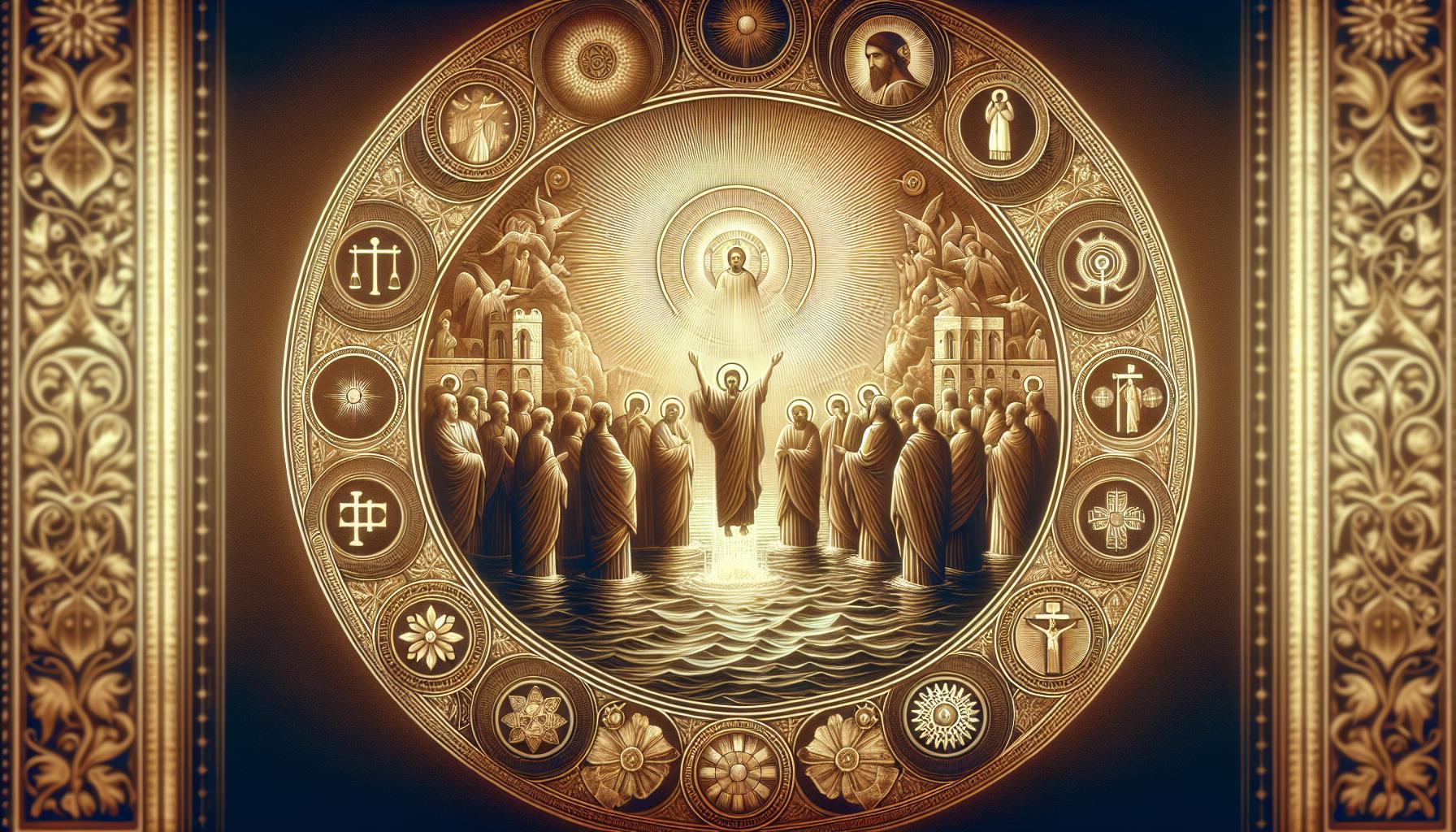

The moment of Jesus’ baptism marked the inception of His public ministry and holds profound significance in Christian faith. Understanding when this pivotal event occurred, along with its deep meanings and how it is celebrated today, reveals its lasting impact on both history and spiritual practice. Join us as we explore this foundational moment in the life of Christ.
Understanding the Biblical Timeline of Jesus’ Baptism
The Baptism of Jesus marks a pivotal moment in the New Testament, serving as a profound initiation of His public ministry. Understanding the timeline surrounding this event helps illuminate its significance both historically and theologically. According to the Synoptic Gospels, Jesus was baptized by John the Baptist in the Jordan River, an act that signifies not only His identification with humanity but also His preparation for the mission ahead.
Timeline of Events Leading up to the Baptism
Several key events set the stage for Jesus’ baptism:
- Isaiah’s Prophecy: The prophet Isaiah foretold the coming of a messenger (Isaiah 40:3) who would prepare the way for the Lord. This prophecy is crucial as it establishes the anticipated arrival of John the Baptist.
- Birth of John the Baptist: Long before Jesus’ own ministry, John was born to Zechariah and Elizabeth, and he grew up to become the forerunner of Christ.
- John’s Ministry Begins: John began preaching a message of repentance and baptism for the forgiveness of sins, drawing crowds to the wilderness.
- Jesus’ Arrival at the Jordan: At around 30 years of age, Jesus approached John to be baptized, marking the moment that would signal the commencement of His public ministry.
The significance of Jesus’ baptism is multifold. It serves as the inauguration of His ministry, provides an affirmation of His identity as the Son of God, and sets an example for believers regarding the importance of baptism. The moment is also marked by divine endorsement; the Gospels narrate that as Jesus emerged from the water, the heavens opened, and the Spirit of God descended like a dove, with a voice from heaven proclaiming, “This is my beloved Son, with whom I am well pleased” (Matthew 3:16-17).
Celebration of the Baptism
Each year, churches around the world commemorate this significant event through various observances:
| Celebration | Description |
|---|---|
| Epiphany | Many Christian denominations celebrate Epiphany on January 6, which includes the observance of Jesus’ baptism as a manifestation of His divinity. |
| Baptism of the Lord Sunday | Typically celebrated on the first Sunday after Epiphany, this day emphasizes the importance of baptism and Jesus’ example. |
Engaging in these celebrations allows believers to reflect on the profound meaning behind the Baptism of Jesus, the call to repentance, and the transformative power of baptism within their lives. Understanding the timeline and significance of this event enhances one’s appreciation of the overarching narrative of redemption throughout the Bible.
Theological Significance: What Jesus’ Baptism Reveals
The event of Jesus’ baptism stands as a pivotal moment in Christian theology, serving as a rich source of reflection and understanding of His mission on Earth. It not only marks the beginning of His public ministry but also encapsulates essential teachings about righteousness, humility, and the nature of God’s Kingdom. This moment deepens our grasp of His identity and the essential nature of the baptism itself, which was no ordinary act but a profound declaration of His solidarity with humanity’s sinful condition.
Symbolism of Identification
At the heart of the baptism is the powerful symbolism of identification. Jesus, though sinless, chose to be baptized by John, signifying His complete identification with the human condition. By stepping into the waters of the Jordan, He acknowledged the sins of the people and foreshadowed the redemptive work He would accomplish through His death and resurrection. This act demonstrated not just humility but a willingness to enter into our struggles and burdens. As noted, “His baptism symbolized the sinners’ baptism into the righteousness of Christ, dying with Him and rising free from sin” [[3]](https://www.gotquestions.org/Jesus-baptized.html).
The Fulfillment of Prophecy
Jesus’ baptism is also seen as a fulfillment of Old Testament prophecies and symbolism, highlighting His role as the Messiah. The act resonates with the spiritual rituals that precede His coming, acting as a bridge connecting prophetic traditions with their realization in Christ. It reflected the ceremonial cleansing of the priesthood and reinforced Jesus’ position as the ultimate High Priest, who would mediate between God and humanity. This fulfillment of the Law showcased His divine authority and righteousness, completing what was necessary for salvation.
Divine Approval and Empowerment
Moreover, the baptism serves as a moment of divine approval and empowerment. As Jesus emerged from the water, the heavens opened, and the Spirit of God descended like a dove, illustrating God’s affirmation of Him as His beloved Son. This divine endorsement underscores the Trinitarian nature of God and highlights the cooperative work within the Godhead. The event also imparts a crucial lesson on the importance of the Holy Spirit in the life of believers, emphasizing that like Jesus, we, too, receive guidance and empowerment for our spiritual journey.
In understanding these layers of significance, we can better appreciate the baptism of Jesus as a profound example of His mission and our call to follow Him in faith and obedience. The reflections on His baptism guide believers in witnessing their baptism in a new light—an intentional step of faith that identifies them with Christ’s work of redemption. Through grasping the theological implications inherent in the question of “When is the Baptism of Jesus?” we draw closer to the essence of what it means to participate in the life of Christ today.
Key Figures in Jesus’ Baptism: John the Baptist and Beyond
The moment when Jesus was baptized by John the Baptist stands as one of the pivotal events in Christian theology, marking the beginning of Jesus’ earthly ministry and serving as a profound symbol of humility and obedience. This significant event serves not only as a testament to Jesus’ dedication to fulfilling God’s will but also elevates the role of John the Baptist, a key figure in the narrative. John the Baptist, a prophetic precursor to Jesus, is often recognized for his role in preparing the way for the Messiah through his message of repentance and baptism.
John the Baptist: The Forerunner
John the Baptist, known for his ascetic lifestyle and fiery preaching, is described in the Gospels as a man who called people to repent for the kingdom of heaven was near (Matthew 3:2). He baptized people in the Jordan River as a sign of their repentance. John’s significance extends beyond merely performing baptisms; he embodies the prophetic tradition, heralding the arrival of a new covenant. His declaration, “Behold, the Lamb of God, who takes away the sin of the world!” signifies the moment he recognizes Jesus’ pivotal role in redemption (John 1:29). This proclamation not only affirms Jesus’ identity but also underscores John’s mission.
The Baptism: A Transformative Event
The baptism of Jesus, often seen as the ultimate act of solidarity with humanity, symbolizes the fulfillment of righteousness. Although Jesus was sinless, His choice to be baptized by John represents His embrace of human experience and His identification with sinners. This event is highlighted in all four Gospels, each offering a unique perspective yet united in their emphasis on its importance. According to Matthew, as Jesus emerged from the waters, the heavens opened, and a voice from heaven declared, “This is my beloved Son, with whom I am well pleased” (Matthew 3:17). This moment not only affirms Jesus’ divine sonship but also introduces the concept of the Trinity, as the presence of God the Father, Jesus the Son, and the Holy Spirit is distinctly noted in the account.
Beyond John: The Impact on Early Christianity
The baptism of Jesus also set a significant precedent for the early Christian community. Following His resurrection, Jesus commanded His followers to make disciples of all nations, baptizing them in the name of the Father, Son, and Holy Spirit (Matthew 28:19). This instruction reflects the transformative impact of Jesus’ baptism and the establishment of baptism as a fundamental rite in Christianity. In the early Church, baptism became a powerful symbol of faith, entry into the community of believers, and a reflection of personal commitment to living a life modeled after Christ.
The narrative around the baptism of Jesus serves as a rich source of theological reflection and practical application. By understanding the roles of key figures like John the Baptist and the significance of Jesus’ baptism, believers can deepen their appreciation for the sacrament of baptism in their own spiritual journeys, recognizing it as an essential step toward living out their faith.
Forms and Rituals: How Baptism is Celebrated Today
In many Christian communities, baptism is not merely a ritual; it is a profound expression of faith that echoes the momentous event of Jesus’ own baptism in the River Jordan. As believers commemorate this pivotal moment in history, the celebration of baptism today embodies rich traditions, meaningful symbols, and a sense of community that connects the present to the past.
Traditional Elements of Modern Baptisms
Baptism ceremonies today often incorporate a blend of tradition and personal significance, creating a memorable experience for families and congregations alike. Some of the common elements found in contemporary baptism practices include:
- Water: The use of water signifies purification and renewal, serving as a symbol of new life in Christ.
- Affirmation of Faith: Many baptisms involve a declaration by the parents or the individual being baptized, affirming their commitment to the Christian faith.
- Godparents: Traditionally, godparents are chosen to provide spiritual guidance and support, playing a vital role in the child’s religious upbringing.
- Candle Lighting: Often, a candle is lit during the ceremony, symbolizing the light of Christ entering the life of the baptized.
- Celebration with Community: After the ceremony, many congregations host gatherings that foster community and celebrate the new member’s inclusion.
The Flow of the Ceremony
While the specifics of baptism services can differ widely among denominations, most share a general structure that facilitates a deep spiritual experience. The following is a typical flow of a baptismal ceremony:
| Order of Events |
|---|
| 1. Welcome and Introduction |
| 2. Opening Worship or Message |
| 3. Presentation of the Candidate |
| 4. Baptism (immersion, pouring, or sprinkling) |
| 5. Prayer and Blessing |
| 6. Closing Remarks and Invitation for Celebratory Gathering |
As congregations celebrate the baptism of Jesus each year, many choose to reflect on its significance within their own lives. This can lead to a rich exploration of faith through a variety of communal activities—like group discussions, special services, or outreach projects—enhancing the sense of belonging and shared purpose that baptism embodies.
Incorporating these elements and structures not only honors the historicity of Jesus’ baptism but also refreshes the ritual for contemporary believers, ensuring that its meaning resonates deeply within today’s spiritual landscape.
Reflecting on the Meaning of Baptism in Our Lives
In the life of a believer, baptism serves as a profound milestone that marks a commitment to a faith journey. This sacred act not only symbolizes purification and rebirth but also signifies a personal declaration of faith and a desire to live in accordance with spiritual teachings. Reflecting on the meaning of baptism transcends mere ritual; it invites individuals to explore their personal relationship with the divine and the community that accompanies their spiritual path.
The Symbolism of Baptism
Baptism, as exemplified by the act of Jesus Christ, reflects the transition from an old way of life to one imbued with purpose and spiritual vitality. This immersion or dipping in water symbolizes a cleansing of past sins and a renewal of one’s commitment to following God’s will. To fully understand the significance, one must consider how this act resonates in daily life. It serves as a reminder that each believer is called to live out their faith actively and engage with their community through love and service.
- Commitment: Baptism is often seen as a formal commitment to a faith and community, reinforcing personal responsibility towards spiritual growth.
- Public Declaration: The act of being baptized publicly illustrates a believer’s commitment to their faith, serving as a witness to others.
- Spiritual Cleansing: It symbolizes the washing away of sins, allowing individuals to start anew in their spiritual journey.
Living Out the Meaning of Baptism
Understanding when the baptism of Jesus occurred sheds light on its significance today. The baptism of Jesus not only set an example to follow but also instituted a practice that calls for reflection and intentionality. Engaging with this tradition can inspire individuals to reaffirm their own commitments regularly. Consider the following practical steps to deepen your reflection on baptism:
| Step | Description |
|---|---|
| Personal Meditation | Take time to meditate on the significance of your own baptism and what it means in your current life. |
| Community Service | Engage in acts of service that reflect the love and commitment symbolized in your baptism. |
| Regular Reflection | Establish a routine of reflection to appreciate how baptism impacts your spiritual growth and relationships. |
Incorporating these practices can enhance one’s understanding and appreciation of baptism, making it a living part of faith rather than a distant memory. Embracing the essence of baptism enriches the believer’s journey, reinforcing the lifelong commitment to spiritual growth and community engagement inspired by the example set by Jesus Christ.
Insights for Ministers: Facilitating Meaningful Baptism Services
Understanding the significance of baptism in the Christian faith can enrich the experience for both the ministers conducting the service and the congregants preparing for it. The baptism of Jesus, a foundational event in the Christian tradition, offers profound insights into the origins and purpose of this sacrament. By reflecting on the timeline, meaning, and celebration surrounding His baptism, ministers can facilitate more engaging and spiritually fulfilling baptism services.
Connecting with the Symbolism of Baptism
Baptism not only commemorates the act of cleansing and initiation but also symbolizes an individual’s commitment to their faith. Reflect on the powerful imagery presented during Jesus’ baptism—where the heavens opened, and God’s voice affirmed His beloved Son. Incorporating such symbolism can enhance the worship experience. Consider these practical steps for facilitating meaningful baptism services:
- Use Visual Aids: Create banners or slides that illustrate key biblical themes related to baptism.
- Incorporate Scripture: Select passages that resonate with the message of baptism, such as Matthew 3:16-17, to reinforce the importance of this sacrament.
- Invite Personal Testimonies: Encourage candidates to share their stories, creating a personal connection to the congregation.
Setting the Tone for Celebration
Celebration is a critical aspect of baptism services, reflecting joy and community support. The atmosphere set during the service can significantly impact how candidates and their families experience this milestone. Here are two actionable suggestions to enhance the celebratory feel:
- Plan a Unified Ceremony: Consider organizing baptism services during congregational gatherings, allowing a larger community to witness and participate in the joy.
- Involve Music and Worship: Select hymns or worship songs that highlight themes of rebirth and renewal, encouraging participation from the congregation.
Building a Community of Support
Each baptism symbolizes an entry into the larger church community, making it essential for ministers to foster an environment of support for new members. Strengthen communal ties by implementing the following strategies:
- Follow-Up Programs: Create post-baptism classes or fellowship events to help newly baptized individuals integrate into church life.
- Mentorship Opportunities: Pair new members with seasoned congregants who can guide them through their spiritual journey.
By emphasizing the timeline, meaning, and celebration aspects of Jesus’ baptism, ministers can create impactful and memorable experiences for all involved. Fostering an atmosphere of joy, community, and personal connection can turn baptism services into cherished milestones in the lives of congregants while also honoring the profound legacy established by the baptism of Jesus.
Exploring Ecumenical Views on the Baptism of Jesus
Understanding the significance of Jesus’ baptism offers profound insights into Christian faith and tradition. This pivotal event marks the beginning of Jesus’ public ministry and is celebrated in various ways across different denominations. Each perspective enriches the overall understanding of its meaning and significance, encouraging a deeper exploration of ecumenical views.
Diverse Interpretations of Jesus’ Baptism
The baptism of Jesus invites a wide array of interpretations across the Christian spectrum. Here are some prominent views:
- Symbol of Humility and Identification: Many traditions highlight how Jesus’ baptism serves as an act of solidarity with humanity. By undergoing baptism, he identified himself with human sinfulness and the call to repentance.
- Initiation into Ministry: Another common view regards the event as the formal commencement of Jesus’ ministry. This perspective is especially emphasized in liturgical celebrations that mark the event’s anniversary.
- Affirmation of Trinitarian Belief: The presence of the Holy Spirit and the voice of God during Jesus’ baptism is seen as a foundational moment for Trinitarian doctrine. This fosters an understanding of the unity and distinct roles within the Godhead.
- Example of Obedience: For many believers, Jesus’ baptism exemplifies obedience to God’s will, setting a precedent for followers to participate in their own baptisms as a sign of faith and commitment.
The Ecumenical Celebration of Baptism
In addition to varied interpretations, the way baptism is celebrated also illustrates theological distinctions and commonalities among Christian denominations. Below is a brief comparison:
| Denomination | Baptism Practice | Theological Emphasis |
|---|---|---|
| Roman Catholic | Infant baptism, sacramental | Original sin and grace |
| Protestant | Believer’s baptism, usually immersion | Personal faith and commitment |
| Orthodox | Infant baptism, usually by full immersion | Salvation and community integration |
| Anglican | Infant and adult baptism | Grace, initiation into the church |
These differences highlight the tapestry of belief surrounding the baptism of Jesus, revealing how each tradition celebrates and emphasizes its significance. Regardless of the specific practices, the ecumenical engagement fosters unity among Christians seeking deeper connections grounded in the same foundational event, prompting a rich dialogue about the life and ministry of Jesus as well as its implications for believers today.
Frequently asked questions
When Is the Baptism of Jesus?
The Baptism of Jesus is believed to have occurred around A.D. 26-30, marking a significant event in the Christian narrative. This moment is traditionally celebrated by Christians on Epiphany, observed on January 6, commemorating Jesus’ revelation as the Son of God.
This baptism signifies the start of Jesus’ public ministry, fulfilling the prophecy of John the Baptist who preached a message of repentance. It is a pivotal moment, illustrating Jesus’ humanity and God’s affirmation of His divine mission. For more on baptism in the life of Jesus, consider reading our article on the significance of baptism.
What is the meaning of the Baptism of Jesus?
The meaning of the Baptism of Jesus encompasses themes of commitment, repentance, and divine approval. It represents Jesus’ identification with humanity and the initiation of His ministry.
During this event, the heavens opened, and the Holy Spirit descended like a dove, symbolizing the Holy Spirit’s presence. This moment highlights not only Jesus’ role as the Messiah but also serves as an example of humility and obedience. The baptism signifies a profound moment of connection between God and Jesus, affirming His mission to redeem humanity.
Why does the Baptism of Jesus matter?
The Baptism of Jesus matters as it showcases His commitment to God’s plan and sets the stage for His teachings and miracles. It emphasizes the importance of baptism in the Christian faith as an initiation into the community of believers.
This act illustrates the connection between divine authority and human experience. Understanding the baptism helps believers appreciate the significance of their own baptism and the call to live a transformed life in Christ. Reflecting on this event can deepen one’s spiritual journey and understanding of faith.
Can I celebrate the Baptism of Jesus?
Yes, you can celebrate the Baptism of Jesus in a variety of ways, including attending church services, engaging in prayer, and reflecting on its significance. Many communities observe this occasion with special liturgies or rituals.
Celebrating this moment can include personal reflection on your baptism and what it signifies in your faith journey. Participating in community gatherings or learning more about church traditions surrounding this event is encouraged. Explore different denominational practices to find meaningful ways to commemorate this sacred occasion.
How is the Baptism of Jesus commemorated in different denominations?
The Baptism of Jesus is commemorated differently across various Christian denominations. Most traditions celebrate it on Epiphany, while others may have specific services or events focusing on this aspect of Jesus’ life.
For instance, Catholic churches often highlight this event as part of the Christmas season culmination, while Protestant traditions may emphasize its role in the liturgical calendar. Observances may include scripture readings, hymns, and sermons centered on baptism’s implications, encouraging believers to renew their commitment to following Christ.
What can I learn from the Baptism of Jesus?
From the Baptism of Jesus, one can learn about the transformative power of obedience, humility, and the call to service. This act invites believers to reflect on their spiritual journey and commitment to God.
It illustrates the importance of community in faith, as Jesus publicly aligns Himself with humanity’s need for redemption. By examining this event, individuals can deepen their understanding of their own baptism and the significance it holds in following Christ’s example.
Is the Baptism of Jesus described in all four Gospels?
Yes, the Baptism of Jesus is described in all four Gospels: Matthew, Mark, Luke, and John, each providing a unique perspective on the event. These accounts serve to highlight different facets of Jesus’ identity and mission.
For example, Matthew emphasizes the dialogue between Jesus and John, while John focuses on the theological implications of this event. The consistency across the Gospels underscores its importance in the Christian faith, providing believers with rich narratives to explore and reflect upon in their spiritual lives.
Insights and Conclusions
As we reflect on the baptism of Jesus, it’s essential to consider its significance, both historically and spiritually. This pivotal event marks the commencement of Jesus’ public ministry and serves as a profound model for Christian baptism today, symbolizing repentance and the initiation into the faith community.
Jesus’ baptism took place in the Jordan River, performed by John the Baptist, and is recounted in three of the synoptic gospels—Matthew, Mark, and Luke. Each account highlights not only the act itself but also the divine affirmation Jesus received at this moment, emphasizing the revelation of His identity and mission (Mark 1:9-11; Matthew 3:13-17; Luke 3:21-22) [[2]][[3]].
The act of baptism, particularly in the context of Jesus, invites Christians to explore its deeper meanings—signifying spiritual renewal, obedience to God, and a commitment to live out one’s faith. For non-Christians or those investigating this rite, understanding the layers of meaning associated with baptism can provide rich insights into Christian beliefs and practices.
As you continue your journey through the timeline, meaning, and celebration of the baptism of Jesus, consider how this event shapes faith today. Whether you are participating in baptism or preaching about its significance, the stories and teachings surrounding this moment can deeply enrich your understanding and practice. We encourage you to delve deeper into this sacred tradition, reflecting on its implications in your life and community, and to embrace the shared values it represents across different denominations. Your exploration of baptism can lead to profound spiritual growth and a greater sense of connection with the body of believers worldwide.
Get our latest guides, news, and insights highlighted in your Google Search & AI Overviews.


