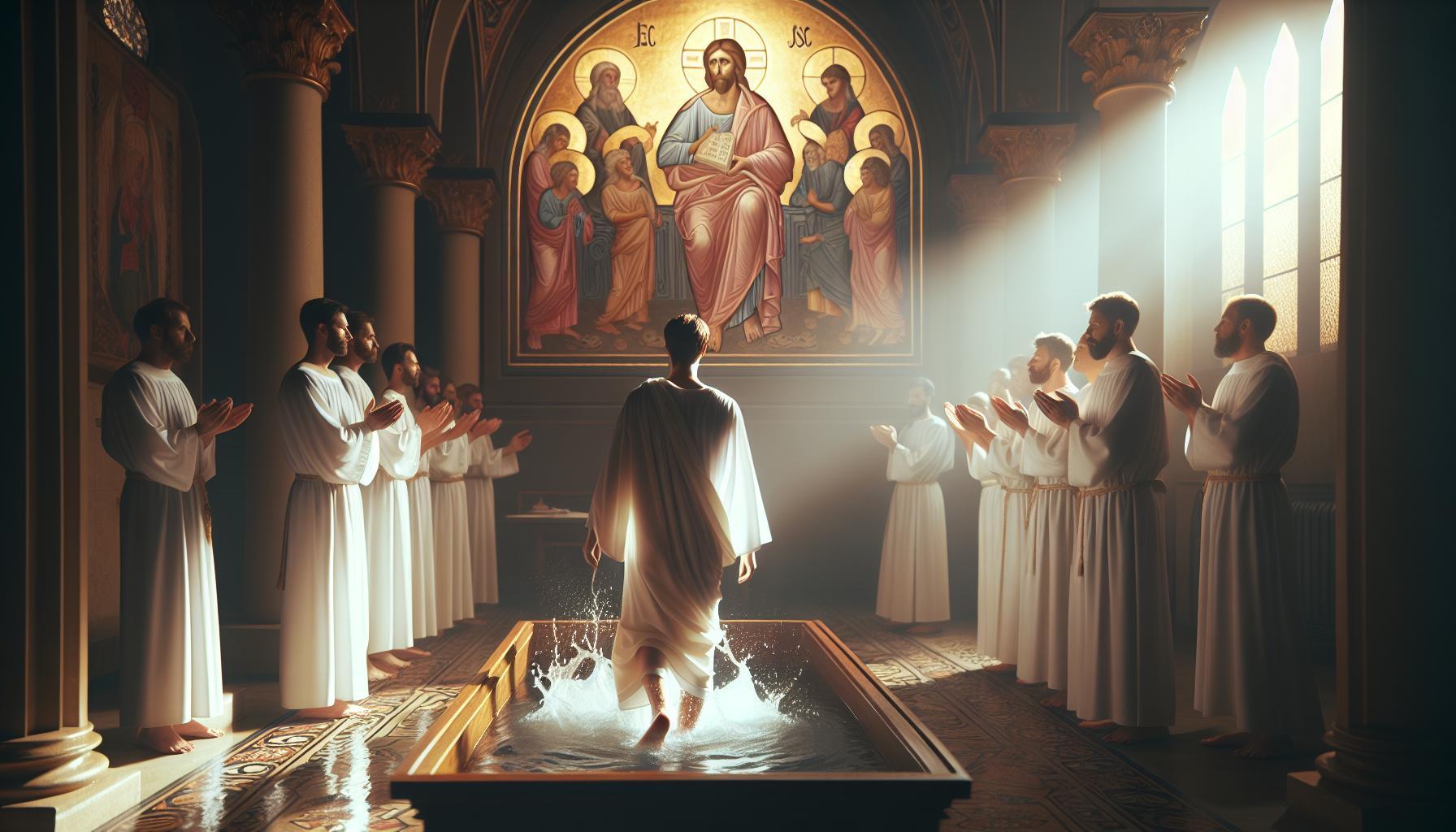

For many believers, the journey of faith begins with a simple yet profound act: baptism. This sacred tradition symbolizes not only a commitment to Christianity but also an individual’s entry into a supportive community. Understanding its significance reveals deeper insights into spiritual identity and communal bonds within the Christian faith.
The Biblical Foundations of Baptism: Exploring Scripture’s Teachings

Baptism stands as a monumental rite within Christianity, symbolizing a believer’s commitment to their faith and a transformative moment of significance. Rooted deeply in scripture, baptism serves both as an act of obedience to Jesus Christ’s teachings and a profound declaration of faith. During Jesus’ ministry, he underscored the importance of this sacrament when he instructed his followers to baptize all nations in the name of the Father, the Son, and the Holy Spirit (Matthew 28:19, 20). This pivotal command not only emphasizes the significance of baptism as a covenant with God but also illustrates its role in the believer’s journey toward salvation.
One of the essential biblical foundations for baptism can be traced back to John the Baptist, who called for a baptism of repentance in preparation for the coming of the Messiah (Matthew 3:11). This initial act of baptism was indicative of a broader spiritual transition, inviting individuals to reflect on their lives and prepare their hearts for God’s work. In doing so, the act of baptism transitioned from mere ritualistic washing to a deep expression of faith wherein individuals publicly declare their desire to align their lives with God’s will.
Moreover, the New Testament emphasizes that baptism is not just a public declaration but an integral part of the believer’s walk with God. As outlined in Romans 6:3-4, baptism symbolizes the believer’s identification with the death, burial, and resurrection of Jesus Christ. By being immersed in water and rising again, individuals partake in a new life empowered by the Holy Spirit, stepping away from their old selves and embracing their new identity in Christ. This profound transformation showcases why baptism is not merely an act of tradition but a vital component of a vibrant faith journey.
Many Christians also see baptism as the beginning of a lifelong relationship with God—serving as the foundation for spiritual growth and community within the church. As the apostle Paul emphasizes in Philippians 2:12, while baptism is a critical starting point, the journey of faith continues as one actively “works out their own salvation with fear and trembling.” This ongoing commitment to live out one’s faith daily must accompany the initial act of baptism to realize its full meaning and significance. Thus, baptism transcends mere tradition; it becomes a vital step in the believer’s continuous journey toward spiritual maturity and community connection.
The Spiritual Significance of Baptism: A Rite of Passage for Believers
Many Christians view baptism as a profound step in their spiritual journey, a visible declaration of their faith and commitment to follow Christ. The act itself, often involving water immersion or sprinkling, is rich in symbolism, signifying new beginnings and purification from sin. For believers, baptism is not merely a ritual or tradition; it engages them in a deeper understanding of their relationship with God, serving as a powerful rite of passage that reaffirms their identity within the Christian community.
Transformation and Renewal
At its core, baptism represents a transformative experience. Immersion in water embodies the death to old ways of living and the rebirth into a new life devoted to Christ. This process reflects Paul’s words in Romans 6:4, stating, “We were therefore buried with him through baptism into death in order that, just as Christ was raised from the dead, we too may live a new life.” By participating in baptism, believers partake in the narrative of Christ’s resurrection, affirming their faith in the promise of new life.
- Expression of Faith: It publicly declares one’s belief in Jesus as Lord and Savior.
- Symbol of Cleansing: Water symbolizes the washing away of sins and spiritual purification.
- Commitment to the Community: It signifies the individual’s entry into the faith community, fostering fellowship and accountability.
Connecting with Tradition
Baptism also holds deep roots in Christian tradition, echoing historical practices that date back to the early Church. As referenced in the article “Why Is Baptism Important to Christians? Faith and Tradition Explained,” the ritual connects contemporary believers with generations of Christians who have experienced the same rite. Historically, it was conducted as a crucial element of the initiation process in the Christian faith, often accompanied by catechism and preparation, reinforcing the communal aspect of faith and shared beliefs.
| Aspect of Baptism | Spiritual Significance |
|---|---|
| Symbolism of Water | Purification and Renewal |
| Public Declaration | Affirmation of Faith |
| Community Involvement | Connection with Fellow Believers |
| Historical Tradition | Continuity of Faith Practices |
Through baptism, believers not only embrace their personal faith but also engage in a spiritual practice that is interconnected with the wider church community. This rite serves as an ongoing reminder of their commitment to grow in faith, illustrating the importance of both individual and communal aspects in the journey of a Christian believer. Each baptism tells a story—a story of redemption, community, and the unyielding grace offered through faith.
Different Christian Denominations and Their Views on Baptism

The importance of baptism has sparked diverse interpretations among various Christian denominations, each reflecting unique theological foundations and traditions. Among the most significant aspects of baptism is its symbolism of purification and initiation into the Christian faith, which resonates through different belief systems. Understanding how these denominations view baptism can provide insights into their broader religious practices and beliefs.
Protestant Denominations
In Protestantism, views on baptism differ markedly. For many Baptists, baptism is a significant step that occurs only upon an individual’s confession of faith—a practice known as “believer’s baptism.” This contrasts with denominations like Methodists, who generally accept infant baptism, believing it represents the grace of God bestowed upon children before they develop the ability to make personal faith decisions. Overall, baptism in Protestant denominations symbolizes obedience to Christ’s command and the believer’s commitment to the faith.
Catholic and Orthodox Perspectives
In the Catholic Church, baptism is viewed as a sacrament essential for salvation. It is believed to cleanse individuals from original sin and incorporate them into the body of Christ. Similarly, the Eastern Orthodox Church regards baptism as an essential mystery, accompanied by chrismation (anointing with oil) to bestow the Holy Spirit. Both traditions emphasize the transformative nature of baptism as a rite of passage that not only marks the entry into the Church but also initiates a lifelong journey of faith.
Comparative Views and Practices
| Denomination | Type of Baptism | Age of Participants | Significance |
|---|---|---|---|
| Baptist | Believer’s Baptism | Post-conversion | Public declaration of faith |
| Methodist | Infant & Adult Baptism | Infants and adults | Grace of God and community welcome |
| Catholic | Infant Baptism | Infants | Removal of original sin; entry into Church |
| Eastern Orthodox | Infant Baptism | Infants | Transformation and Holy Spirit anointing |
Understanding these differences in baptism practices sheds light on each denomination’s core beliefs and the role baptism plays in the faithful’s journey. Recognizing these variations can deepen one’s appreciation for the rich tapestry of Christian faith and traditions, as discussed in the broader context of why baptism holds such paramount importance in Christianity.
The Role of Faith in the Baptismal Experience

When exploring the significance of baptism in the Christian faith, one cannot overlook the profound role that faith plays in this sacred experience. For many believers, baptism is not just a ritual; it is a personal declaration of faith and a commitment to a life dedicated to Christ. The connection between faith and baptism encapsulates the ethos of Christian belief, where the act of immersion in water symbolizes both spiritual death and rebirth.
The Essence of Faith in Baptism
Understanding why baptism holds such importance begins with the faith that underpins it. From a theological perspective, baptism is rooted in the belief that individuals are being cleansed of sin and welcomed into the community of believers. This transformative moment signifies an outward expression of an inner conviction.
- Symbol of New Life: Faith transforms the act of baptism into a symbolic representation of new life, as seen in Romans 6:4, which states that “we were therefore buried with him through baptism into death in order that, just as Christ was raised from the dead… we too may live a new life.”
- Public Declaration: It serves as a public affirmation of faith, allowing believers to share their commitment to following Christ, often witnessed by family, friends, and the church community.
- Connection to Tradition: Throughout Christian history, baptism has been a fundamental practice, emphasizing its significance within both personal faith journeys and the broader tradition of the church.
Faith as a Catalyst for Transformation
In practice, the baptismal experience can be a catalyst for personal transformation. Many individuals recount instances where their faith significantly deepened during or after their baptism. This newfound faith often acts as a foundation for a lifelong journey of spiritual growth. For example, someone who decides to be baptized may begin actively participating in church activities, engaging in Bible study, or seeking fellowship with other believers.
The importance of faith in this process cannot be overstated. It serves not only as the motivation behind the decision to be baptized but also as the sustenance that encourages continued growth and discipleship.
| Aspect of Baptism | Role of Faith |
|---|---|
| Symbolism | Represents the believer’s faith in Christ’s resurrection. |
| Community | Connects individuals to the body of Christ and their local church. |
| Personal Growth | Encourages believers to deepen their relationship with God. |
| Public Witness | Affirms one’s faith journey to the world. |
Through the lens of faith, baptism transforms from a mere tradition into a life-altering commitment. The importance of baptism is intricately tied to the heartfelt belief in Christ, making it a significant milestone in the life of a Christian. It is this very faith that breathes life into the ritual, turning it into a meaningful celebration of spiritual rebirth and communal belonging.
Understanding the Sacramental Nature of Baptism
The significance of baptism transcends mere ritual; it encapsulates a profound journey into faith and community for Christians. Often viewed as a sacred rite of passage, the sacramental nature of baptism represents an important spiritual milestone and holds deep theological implications. As believers immerse themselves in the waters of baptism, they are not only symbolically washed clean of sin but also welcomed into the larger body of Christ, forging connections that span generations.
The Symbolism of Water
Water serves as a powerful symbol in the sacrament of baptism, representing both cleansing and new beginnings. Here are some key aspects to consider:
- Spiritual Cleansing: The act of immersion signifies the washing away of sins and the start of a new life in Christ, echoing the understanding of purification found in both the Old and New Testaments.
- Death and Resurrection: Baptism symbolizes the death of the old self and the resurrection into a new life, mirroring the death and resurrection of Jesus (Romans 6:4).
- Community Acceptance: Through baptism, individuals are publicly declared members of the Christian community, reinforcing the idea that faith is shared and lived collectively.
Grace and Faith in Action
Beyond its symbolic elements, baptism is also viewed as a conduit of divine grace. The sacrament underscores critical Christian doctrines, affirming the belief that salvation and faith come through God’s grace. When a person undergoes baptism, they acknowledge their faith in Jesus Christ while simultaneously participating in a profound act of divine love. This is articulated beautifully in Ephesians 2:8-9, which highlights that salvation is a gift, received through faith.
To explore the sacramental nature of baptism further, consider these practical aspects:
| Aspect | Significance |
|---|---|
| Preparation | Classes or counseling sessions often help candidates understand the importance of the sacrament and its role in their faith journey. |
| Liturgical Context | Baptism is often incorporated into church services, signifying its collective importance in community worship. |
| Post-Baptismal Life | After baptism, individuals are encouraged to actively participate in church life and embrace spiritual growth through discipleship. |
Through these elements, it’s clear that the sacramental nature of baptism resonates on multiple levels—spiritually, communally, and personally. Understanding why baptism is important to Christians goes beyond the individual experience; it cultivates a robust faith tradition that binds believers together, impacting their lives and communities for generations to come.
Preparing for Baptism: What Candidates and Families Should Know
As candidates and their families prepare for the sacred rite of baptism, it’s essential to understand the profound significance this event holds within Christian faith and tradition. Baptism symbolizes a public declaration of faith, representing the believer’s identification with the death, burial, and resurrection of Jesus Christ. This ritual not only marks a pivotal step in the spiritual journey of the individual but also serves as a moment of celebration for the entire community.
Understanding the Process
To effectively prepare for baptism, both candidates and their families should familiarize themselves with the various aspects involved in the process:
- Spiritual Preparation: Engaging in personal reflection and prayer can enhance the spiritual significance of the baptism. Many churches offer pre-baptismal classes to help candidates understand the commitment they are about to undertake.
- Choosing Godparents: If the baptism involves a child, selecting appropriate godparents—who will guide the child in their faith—is a crucial step. It’s a role that comes with spiritual responsibility.
- Service Logistics: Families should discuss with their church leaders about the details of the baptism service, including timing, location, and any special customs or traditions that will be observed.
Involving the Family and Community
Baptism is not just a personal milestone; it represents a communal event that invites family and friends to partake in the journey of faith. Here are some ways to involve your community:
- Invite Loved Ones: Encourage family and friends to attend the baptism. Their support can reinforce the candidate’s commitment to their faith.
- Share the Journey: Document the preparations leading up to the baptism through photos and social media. This can inspire others to reflect on their faith journeys.
- Celebrate Together: Consider hosting a reception or gathering after the baptism to celebrate this significant milestone, reinforcing the bond of community.
| Key Areas of Focus for Candidates | Recommended Actions |
|---|---|
| Spiritual Understanding | Participate in classes on the meaning and responsibilities associated with baptism. |
| Logistical Arrangements | Meet with church leaders to clarify details of the ceremony. |
| Community Engagement | Invite family and friends to create a supportive environment during the baptism. |
As candidates and their families navigate this sacred journey, they will find that thorough preparation enhances both the individual experience and the communal aspect of this important ritual. Understanding why baptism is pivotal in Christian faith and tradition helps families approach this occasion with both reverence and joy.
The Community Aspect of Baptism: Joining the Body of Christ
Baptism is one of the most significant and celebrated rites within Christianity, often viewed as a personal declaration of faith. However, its implications extend far beyond the individual, fostering a communal bond among believers. When a person is baptized, they don’t just step into a water-filled font; they step into a vibrant and inviting community—a living testament to the belief that faith is not a solitary journey but a collective experience among the “Body of Christ.”
The Role of Community in Baptism
In the Christian faith, baptism signifies the entrance into the local and universal church, embracing an individual into the wider body of believers. It serves as a powerful reminder that faith is inherently communal. When a person is baptized, they become part of a support network, a group that celebrates together, prays together, and grows spiritually together. This interaction underscores several key aspects of community life:
- Spiritual Support: Newly baptized members can lean on their church family for guidance, encouragement, and accountability as they navigate their spiritual journeys.
- Shared Worship: Baptism ceremonies are often communal events, fostering unity as the congregation joins in celebrating the resolution of the newcomer.
- Discipleship Opportunities: The church community assumes the responsibility of helping new believers grow in their faith through teachings and mentorship.
This community aspect is especially crucial in today’s world, where many feel isolated or disconnected. By embracing baptism, individuals can find solace and connection, knowing they are part of something greater than themselves—a body united in faith.
Celebration and Affirmation
Another important dimension of baptism within the community is the public affirmation it represents, both for the individual and for the church. During baptism, witnesses have the opportunity to affirm their collective commitment to support the newly baptized member. This raises a vital question: How can existing church members actively participate in this affirmation process?
- Mentorship: Encourage experienced members to mentor those being baptized, guiding their spiritual growth.
- Prayer Partnerships: Create prayer groups to support individuals as they take this significant step.
- Celebration Events: Host communal events in conjunction with baptism services to reinforce the spirit of fellowship and joy in the church.
By taking these actions, established members can actively engage with both the new believers and the broader community, enhancing the impact of this cherished ritual.
| Benefits of Community During Baptism | Impact on the Individual |
|---|---|
| Support in Spiritual Growth | Confidence and direction in their faith journey. |
| Shared Joy in Worship | Feeling of belonging and celebration. |
| Accountability from Peers | Encouragement to maintain commitment to faith. |
In summary, the community aspect of baptism is integral to its importance in Christianity. It signifies not just an individual commitment but a collective journey of faith, reinforcing the idea that believers are united in the Body of Christ. As individuals step into this sacred rite, they are not just becoming part of a church; they are joining a family—a dynamic, loving community that supports and affirms one another through thick and thin. Understanding the significance of this collective aspect can deepen the appreciation of why baptism is invaluable to Christians, reflecting a commitment to faith, community, and discipleship.
Baptism’s Ongoing Impact: Spiritual Growth and Commitment in the Christian Life
Understanding the profound significance of baptism reveals not just a rite of passage but a lifelong journey of spiritual development and dedication for Christians. This sacred act marks the beginning of a believer’s relationship with Christ and ignites a transformative process that shapes their faith and actions. The importance of baptism extends far beyond the moment of immersion; it illustrates a commitment to living out the teachings of Jesus in everyday life.
Spiritual Growth Through Reflection
Baptism serves as a continual reminder of the promises made to God and the community of believers. For many, the act of being baptized prompts personal reflection and introspection about their spiritual journey. It is a call to examine life choices, cultivate virtues, and seek deeper knowledge of God. Regular participation in church activities, Bible study groups, or fellowship can enhance this reflective practice, helping individuals grow in their understanding of faith.
- Embrace Daily Devotion: Incorporate prayer and scripture reading into your daily routine to reinforce your commitment to faith.
- Seek Accountability: Join a group or partner with a mentor who can help keep you grounded in your spiritual walk.
- Participate in Service: Engage in community service projects or church missions as an expression of faith and a way to embody the teachings of Christ.
Commitment to Community and Service
The significance of baptism also extends to the believer’s commitment to the Christian community. This sacrament symbolizes the entry into a global family of faith, encouraging participation in communal worship and acts of service. Such engagement helps believers live out their faith in tangible ways, reinforcing the teachings surrounding love, charity, and support.
| Action | Impact |
|---|---|
| Joining a Church | Builds relationships and fosters spiritual growth among peers. |
| Participating in Outreach Programs | Demonstrates faith in action, enriching the lives of others. |
| Engaging in Prayer Groups | Encourages mutual support and cultivates a deeper relationship with God. |
By actively involving oneself in the faith community, believers not only solidify their commitment to Christ through baptism but also foster an environment where spiritual growth is a shared pursuit. This ongoing journey of faith manifests in personal transformation and collective impact, spotlighting the fundamental reasons why baptism holds such enduring importance in Christian beliefs and traditions.
Frequently Asked Questions
What is baptism and why is it important to Christians?
Baptism is a significant Christian ritual representing the believer’s initiation into the faith. It symbolizes purification, rebirth, and the acceptance of Jesus Christ as Savior. Baptism’s importance lies in its role as a public declaration of faith and a step towards spiritual salvation.
Through baptism, believers demonstrate their commitment to the teachings of Jesus and signify their acceptance of God’s grace. This sacrament varies among denominations in form and significance, but its core function remains the same: to signify a new beginning in the Christian journey. For more on the spiritual implications of baptism, visit our article on the significance of baptism in Christian tradition.
Why does baptism matter in different Christian denominations?
The importance of baptism varies across Christian denominations, reflecting different theological interpretations. While some view it as a prerequisite for salvation, others see it primarily as a symbolic act of faith.
For example, Catholicism teaches that baptism removes original sin and is essential for salvation, while many Protestant groups interpret it as an outward sign of an inward faith. These differences underscore the rich tapestry of Christian beliefs surrounding baptism. Understanding these differences helps in appreciating the diverse ritual practices within Christianity.
How do I prepare for baptism as an adult?
Preparing for baptism as an adult typically involves a combination of personal reflection, education, and counseling. This preparation helps deepen your understanding of the faith and the significance of this sacred act.
baptism class, where they learn about the theological and practical aspects of baptism. Additionally, speaking with a pastor or spiritual mentor can provide further insights and support as you approach this transformative step in your faith journey.
Can baptism be performed more than once?
Most Christian denominations believe that baptism is a once-in-a-lifetime event. It signifies a permanent commitment to faith and can’t be repeated, as authenticity is tied to its transformative nature.
However, some traditions may allow for reaffirmation of baptism or special blessings. This typically occurs during crisis moments or significant life changes, reflecting an ongoing journey of faith rather than a need for re-baptism. Understanding this can enhance your appreciation for the sacrament’s lasting effects.
Why do Christians baptize infants?
Infant baptism, or paedobaptism, is rooted in the belief that grace can be bestowed on infants, ensuring their acceptance into the Christian community. This practice highlights the importance of community in faith development.
Denominations that practice infant baptism, such as Catholics and many Lutherans, understand it as a means of including children in the covenant community, reflecting God’s promise of salvation. This tradition emphasizes the role of parents and the church in nurturing the child’s faith journey.
What does the Bible say about baptism?
The Bible speaks extensively about baptism, particularly in the New Testament. In Matthew 28:19-20, Jesus commands his disciples to baptize, emphasizing its significance in fulfilling the Great Commission.
Moreover, Acts 2:38 illustrates the early church’s belief in baptism for the forgiveness of sins. These scriptural foundations underscore baptism’s role as a critical expression of faith, aligning with the call to live as Christ’s disciples. For those looking to delve deeper, consider exploring our resources on baptism in scripture.
Why is baptism considered a rite of passage?
Baptism is considered a rite of passage because it marks a significant transition in a person’s spiritual journey. It symbolizes leaving behind an old life and embracing a new identity in Christ.
This transformation often leads to a deeper connection with the faith community and a commitment to living out Christian values. By participating in baptism, individuals acknowledge their faith publicly and celebrate a shared experience with fellow believers, reinforcing the sense of unity within the church.
In Retrospect
In closing, the significance of baptism in the Christian faith extends far beyond the act itself; it represents a profound commitment to living out one’s faith within a community. Through baptism, believers embrace a rich tapestry of tradition and scriptural foundation, uniting with Christ in His death and resurrection. As we reflect on its importance, it becomes clear that baptism serves as both a personal and communal experience, marking the entry into a life of discipleship, growth, and transformation.
We encourage you to delve deeper into this vital sacrament, exploring the varied expressions of baptism across different denominations and how they enrich our understanding of faith. Whether you’re considering baptism for yourself or seeking to support others in their spiritual journey, we invite you to engage with these sacred traditions and their significance.
Let this reminder of baptism’s meaning inspire you to reflect on your spiritual path, foster meaningful conversations within your community, and continue exploring the depths of faith that connect us all. Embrace the journey, nurture your understanding, and celebrate the grace that baptism represents in the lives of Christians everywhere.
Get our latest guides, news, and insights highlighted in your Google Search & AI Overviews.