


For centuries, the question of whether baptism effectively removes original sin has sparked debates among various faiths. Understanding this doctrine is crucial, as it influences beliefs about salvation and spiritual rebirth. This article delves into differing perspectives on baptism’s role in cleansing original sin, offering insights for seekers on their spiritual journey.
Understanding Original Sin: The Theological Foundations

Understanding the concept of original sin is crucial to grasping its implications on humanity’s spiritual journey. At its core, this theological doctrine suggests that all human beings inherit a fallen nature due to the transgression of Adam and Eve in the Garden of Eden. This notion emphasizes humanity’s intrinsic moral brokenness and the necessity for redemption, profoundly influencing various religious beliefs and practices, notably the sacrament of baptism.
As believers explore the question, *Does Baptism Remove Original Sin?*, it’s essential to recognize how different faith perspectives view this sacrament. Many Christian denominations assert that baptism serves as a means of cleansing original sin, symbolizing the individual’s rebirth and inclusion into the faith community. For instance, in the Catholic Church, baptism is seen as a vital sacrament that not only washes away original sin but also initiates the baptized into a life of grace and discipleship. The early Church Fathers articulated this belief, linking baptism directly to the remission of sin and the faithful’s incorporation into the Body of Christ.
The Scriptural Basis for Original Sin and Baptism
Beliefs regarding original sin can be traced back to key biblical passages that illustrate humanity’s fallibility. Romans 5:12 asserts, “Therefore, just as sin entered the world through one man, and death through sin, and in this way death came to all people, because all sinned.” This verse underscores the universality of sin, setting the stage for the sacrament of baptism as a remedy to this condition. Furthermore, in Matthew 28:19, Jesus commands His disciples to baptize “in the name of the Father and of the Son and of the Holy Spirit,” framing baptism as an essential rite that calls believers to reflect on their need for redemption.
To further contextualize baptism’s role in addressing original sin, it’s crucial to acknowledge the varying doctrinal interpretations across Christian denominations.
| Denomination | View on Original Sin | View on Baptism |
|---|---|---|
| Catholic | Universal inheritance, cleansed through baptism | Essential for the removal of original sin |
| Protestant | Varies greatly—some reject the concept | Sacramentally significant but not always necessary for salvation |
| Orthodox | Accepts the idea of original sin, emphasizes struggle against it | Used as a means to initiate believers into the faith community |
Through understanding the theological foundations of original sin, individuals can better appreciate the discussions surrounding baptism and its perceived power to cleanse sin. Ultimately, exploring these faith perspectives creates a richer dialogue about human nature, divine grace, and the transformative journey within the Christian tradition.
The Role of Baptism in Different Christian Traditions
The diverse landscapes of Christianity offer a fascinating tapestry of beliefs and practices around the sacrament of baptism. While some traditions view baptism as a means of removing original sin, others interpret its significance in various ways, revealing the rich theological debates that shape the Christian faith. Understanding these differing perspectives provides valuable insights into how baptism is perceived across different denominations.
Catholicism: Baptism as Purification
In Roman Catholicism, baptism holds a central role as the first of the seven sacraments and is regarded as essential for salvation. According to Catholic doctrine, baptism not only serves as a rite of initiation into the Church but also acts as a cleansing agent that removes original sin. This belief is rooted in the teachings of the Church Fathers and is affirmed in the Catechism of the Catholic Church, which states that “the sacrament of baptism is necessary for salvation.” During this ceremony, water is poured over the person or they are immersed, symbolizing a rebirth and a new relationship with God.
- Infant Baptism: Catholic doctrine includes the practice of infant baptism, reflecting the belief that all humans inherit original sin and need God’s grace from the earliest age.
- Ritual Significance: The sacrament incorporates prayers, anointing with oil, and the use of holy water, all aiming to purify the individual and incorporate them into the body of Christ.
Protestant Traditions: Symbolic vs. Sacramental
Protestant beliefs about baptism vary widely among different denominations. Generally, many Protestants view baptism primarily as a symbolic act that publicly declares faith rather than a sacramental means of grace. For example, in Baptist and evangelical circles, baptism is seen as a sign of repentance and identification with Christ’s death and resurrection.
| Denomination | View on Baptism | Original Sin Impact |
|---|---|---|
| Baptist | Symbolic act of faith | Not directly removed; faith essential |
| Lutheran | Sacramental, yet faith-dependent | Removes original sin |
| Methodist | Means of grace | Grace strengthens against sin |
While Lutheran traditions align more closely with Catholicism in perceiving baptism as a means of grace that removes original sin, Methodists take a more inclusive view, emphasizing God’s ongoing grace helping individuals to live righteously after baptism. This multifaceted understanding of baptism showcases how deeply ingrained theological beliefs influence the practice and understanding of this sacrament within Christianity.
Orthodox Christianity: Mystical Transformation
In Eastern Orthodox Christianity, baptism is viewed as a mystical transformation of the individual, intricately linked to both original sin and new life in Christ. Baptism is performed through full immersion and is often accompanied by chrismation (anointing with oil), highlighting the transformative power of the sacrament. Orthodox theology emphasizes that through baptism, individuals participate in Christ’s death and resurrection, effectively erasing the impact of original sin.
These variances in understanding baptism signify deeper theological implications within each tradition. For example, while the Catholic Church emphasizes the sacramental nature of baptism, many Protestant denominations operate on the principle of individual faith declaration, resulting in various practices and interpretations of what baptism signifies concerning original sin. Engaging with these differing perspectives enhances one’s understanding of Christian teachings and their practical implications on the faithful’s spiritual journey.
Faith Perspectives: Insights from Catholicism and Protestantism
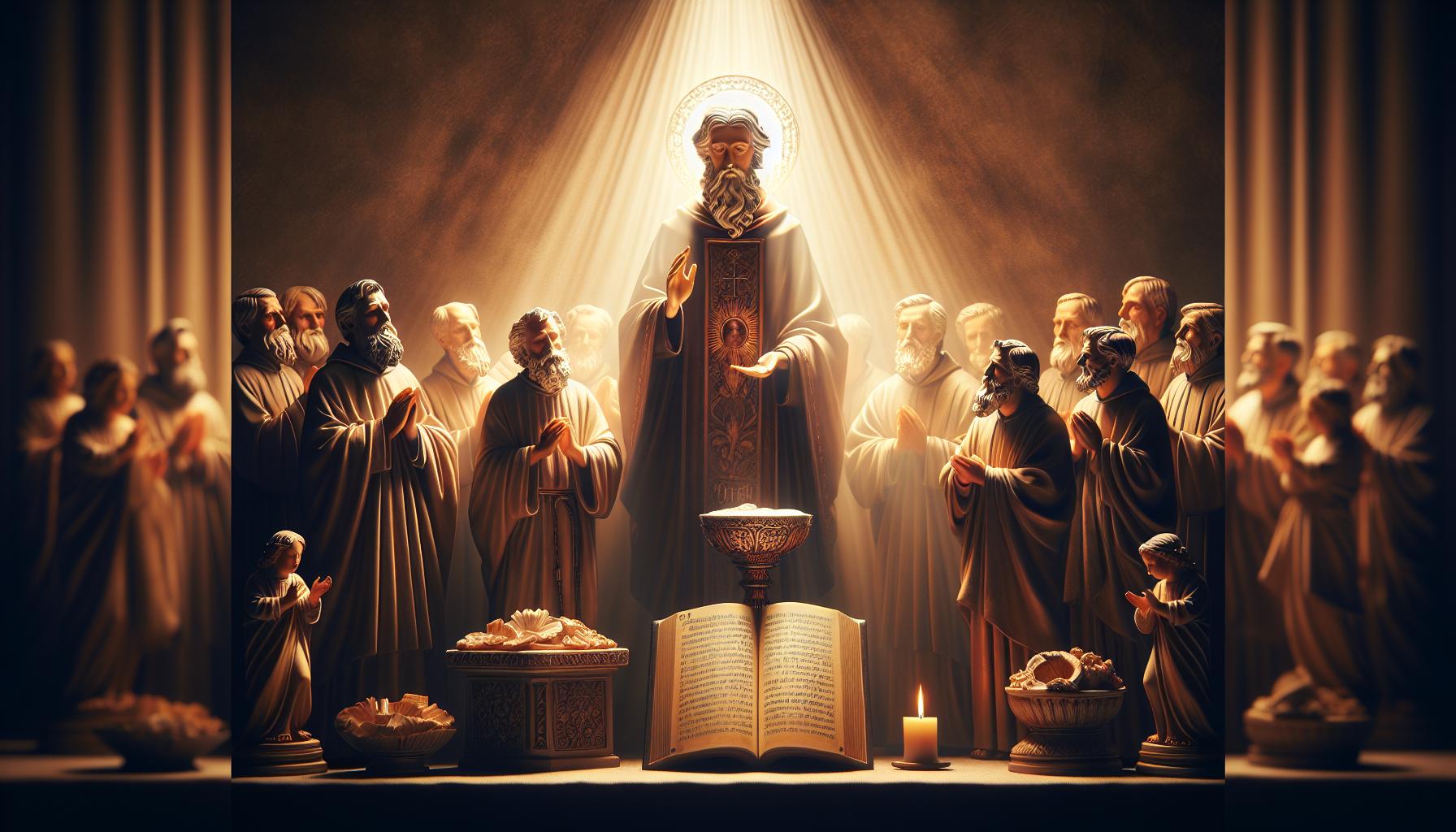
Exploring the profound topic of original sin and the sacrament of baptism reveals a rich tapestry of beliefs within Christianity. Both Catholicism and Protestantism offer distinctive insights and interpretations, sparking meaningful dialogue among their adherents. Understanding these divergent perspectives can deepen one’s appreciation of both traditions and their theological foundations regarding the nature of sin, grace, and the transformative act of baptism.
Catholic Perspective on Baptism and Original Sin
In Catholic teaching, baptism is a sacrament of initiation that holds profound significance in the journey of faith. Central to this belief is the concept of original sin—a condition inherited from Adam and Eve, which separates humanity from God’s grace. Catholics assert that baptism not only cleanses the baptized from original sin but also incorporates them into the Church. The process is summarized in key beliefs:
- Removal of Original Sin: Through the sacrament of baptism, original sin is washed away. This is often referenced in the Catechism of the Catholic Church, which states that baptism is necessary for salvation.
- Infant Baptism: The Catholic Church practices infant baptism, believing that even the youngest members of society inherit original sin and need God’s grace.
- Grace and Indelible Mark: Once baptized, individuals receive an indelible spiritual mark (character) that signifies their membership in the Church and their commitment to live according to Christ’s teachings.
The Catholic viewpoint emphasizes that while baptism is essential for salvation, it must be supported by a life of faith and meritorious actions to fully realize the grace conferred during the sacrament.
Protestant Understanding of Baptism
In contrast, many Protestant denominations offer varied interpretations of baptism and original sin, reflecting their diverse theological landscapes. While some align with the belief that baptism signifies the removal of original sin, others view it as a public declaration of faith rather than a sacramental act that changes one’s spiritual status.
- Baptism as Symbolic Act: Many Protestants see baptism primarily as an outward sign of an inward change—a testimony of faith rather than a means to cleanse original sin.
- Believer’s Baptism: Most denominations, such as Baptists, emphasize believer’s baptism, advocating that individuals should be baptized only after making a conscious decision to follow Christ, thus rejecting the necessity of infant baptism.
- Variety of Views on Original Sin: While acknowledging the concept of original sin, Protestants differ on its implications, with some arguing that faith alone is sufficient for forgiveness, without the sacrament of baptism being a prerequisite.
This divergence highlights a crucial aspect of Protestant faith: the emphasis on personal conviction and direct relationship with God, which informs their understanding of the role of baptism in spiritual life.
With these varying perspectives, one can appreciate the dialogue on whether baptism removes original sin across both traditions. As individuals navigate their spiritual journeys, understanding these theological nuances can enhance their faith experience and foster a deeper relationship with their communities.
How Baptismal Practices Reflect Beliefs About Sin
The significance of baptism in various faiths reveals the intricate relationship between religious beliefs and concepts of sin. In Christianity, especially within Catholicism, baptism is traditionally viewed as the sacrament that cleanses individuals from original sin, acting as a pivotal rite of initiation into the faith. This foundational understanding shapes not just the act of baptism itself but also the entire theological framework surrounding sin and redemption.
Baptism’s Role in Sin Remission
The belief that baptism removes original sin underscores the conviction that all humans inherit a sinful nature. This doctrine is most prominently held in Catholicism, where the act of baptism is seen as a necessary step for salvation. According to this perspective, baptism not only absolves individuals from original sin but also incorporates them into the body of Christ. This sacramental view suggests that through baptism, believers receive grace that empowers them to resist sin in their lives.
In contrast, many Protestant denominations interpret baptism differently. While some view it as an important public declaration of faith, they do not necessarily believe it removes sin. For instance, Baptists practice believer’s baptism, typically arguing that faith in Jesus Christ, rather than the act of baptism itself, is what leads to forgiveness of sins. Thus, the understanding of baptism as a ritual can vary significantly, influencing how each tradition perceives an individual’s relationship with sin.
Varied Perspectives on Original Sin
The beliefs surrounding original sin distinctly shape the practices related to baptism in different Christian denominations. Here’s a brief overview:
| Denomination | Baptism’s Role | View on Original Sin |
|---|---|---|
| Catholicism | Cleanses from original sin and incorporates into the Church | All humans inherit original sin |
| Baptist | Public declaration of faith; not necessary for salvation | Emphasis on personal faith, not inherited sinful nature |
| Lutheran | Washes away original sin; important for salvation | Original sin is present in every person |
| Orthodox | Transmits grace, removes obstacles to divine relationship | Sees sin as a separation from God, not just legal guilt |
Through these varying interpretations of baptism, it becomes evident how deeply entrenched beliefs about sin are within a faith’s practice. Each tradition navigates the complexities of sin and redemption in its own way, showing not only theological differences but also the broader implications for individuals within those communities. Understanding these nuances helps illuminate the rich tapestry of Christian sacramental theology, particularly in addressing the critical question: does baptism remove original sin? Through study and reflection, individuals can explore how these beliefs influence their spiritual journey and practice.
The Impact of Personal Faith on the Effectiveness of Baptism
The understanding of the relationship between personal faith and the efficacy of baptism is as diverse as the myriad traditions that practice this significant rite. For many believers, baptism is more than a mere ritual; it represents a profound commitment to their faith and community. This deep-seated belief dramatically shapes how they interpret the power of baptism, particularly concerning its role in removing original sin, a concept widely debated across various theological perspectives.
Faith as an Integral Component
Many Christian denominations affirm that the efficacy of baptism is intricately linked to the individual’s faith. In this view, the act of baptism serves as both an outward sign of an inward faith and a necessary step toward salvation. The belief that “faith completes what baptism signifies” emphasizes that the personal faith of the individual is crucial for the sacrament’s effectiveness. When baptized individuals approach their baptism with genuine faith, the transformative power of the sacrament can come to fruition. This connection can be summarized as follows:
- Faith Precedes Baptism: In many traditions, faith is seen as a prerequisite for baptism. This is often articulated through the belief that those who enter the waters of baptism must first have a firm belief in Jesus Christ.
- Faith Reinforces the Sacrament: A strong personal faith can enhance the meaning and power attributed to baptism, making it a more profound experience for the believer.
- Experience of Community: Baptism frequently takes place within a communal context, amplifying the faith experience. Witnessing a baptism can inspire and reinforce community members while serving as a testament to the transformative power of faith.
Real-World Interpretations and Practices
In practical terms, this dynamic between faith and baptism manifests differently across various Christian denominations. For instance, in Evangelical circles, the act of baptism is often preceded by a confession of faith and a personal testimony reflecting a profound belief in Jesus. In contrast, some denominations, such as the Catholic Church, teach that baptism imparts grace and thus has an inherent power to cleanse original sin, but they still value the personal faith of the individual.
To illustrate, consider a comparison of beliefs concerning baptism and original sin among different traditions:
| Denomination | View on Original Sin | Role of Personal Faith |
|---|---|---|
| Catholic | Baptism removes original sin | Essential for understanding the sacrament |
| Protestant (Evangelical) | Baptism as a confirmation of faith | Primary requirement for baptism |
| Lutheran | Baptism as a means of grace | Important, though not determinative |
Ultimately, the discussion surrounding whether baptism removes original sin hinges not only on doctrinal teachings but profoundly on personal belief and commitment. This intertwining of faith and sacrament demonstrates that each individual’s journey within their faith community can deeply influence their understanding and experience of baptism, showcasing the significance of personal conviction in the life-changing event of baptism.
Exploring Symbolism: Water, Cleansing, and New Beginnings
Water holds powerful significance across cultures and religions, often symbolizing purification, renewal, and transformation. Within the context of baptism, this elemental force is particularly pivotal, drawing a deep connection to the question, “Does Baptism Remove Original Sin? Faith Perspectives Explained.” The act of baptism is not merely a ritual of washing; it embodies a profound spiritual rebirth, marking the transition from an old existence into a new beginning.
Symbolism of Water
In many spiritual traditions, water represents life itself. It cleanses, refreshes, and revitalizes, evoking notions of rebirth and spiritual awakening. This cleansing aspect is at the heart of baptism, where the water symbolizes the washing away of original sin and personal transgressions. This view is particularly embraced in Christian faiths, where baptism signifies a believer’s commitment and renewal in their spiritual journey.
Water ceremonies often evoke a sense of community and spiritual connection. For example, in the context of baptism, individuals join a larger faith family, reinforcing the communal aspect of spiritual cleansing and the shared objective of pursuing a virtuous life. Engaging in this sacred act often encourages individuals to reflect on their lives, paving the way for profound shifts in behavior and belief.
Cleansing and New Beginnings
The concept of cleansing through water is not limited to Christianity. Many cultures have incorporated similar practices that symbolize new beginnings through purification. The imagery of water encourages personal introspection and a conscious effort to leave behind paths of negativity. Here are some key aspects to consider:
- Renewal: Just as spring rain rejuvenates the earth, baptism offers believers a chance to start anew, washed of their past sins.
- Cleansing: The water used in baptism symbolizes the washing away of impurities, both physical and spiritual, providing a fresh slate.
- Transformation: The act of being submerged or sprinkled with water mirrors the transformative journey of faith, highlighting a newly committed lifestyle.
The ritual of baptism, therefore, serves as a powerful moment of reflection and transformation, resonating deeply with the message that the original sin can be overcome through faith and intention. This deep symbolism of water fosters an environment where individuals can engage thoughtfully with their beliefs, moving forward into a life characterized by renewed purpose and community support. By embracing these spiritual facets, believers can find strength and clarity in their faith journey.
The Relationship Between Baptism and Spiritual Growth
Understanding the profound connection between baptism and spiritual growth can be likened to planting a seed in fertile soil. Just as a seed requires nurturing elements like water, sunlight, and earth to flourish, individuals baptized into their faith embark on a journey enriched by communal support, personal reflection, and spiritual guidance. This sacred rite acts as a catalyst for growth, grounding believers in their faith while simultaneously inviting them to explore deeper meanings and relationships within their spiritual context.
The Transformative Power of Baptism
Baptism is often viewed as an initiation into a faith community, signifying the washing away of original sin and the birth of a new spiritual identity. While various denominations may differ in their interpretations, the core belief remains that baptism is more than a mere ritual—it is a transformative experience. Participants frequently report a profound sense of peace, belonging, and purpose following their baptism, illustrating its role as a spiritual milestone.
- Communal Support: Being baptized usually signifies entry into a faith community, which can provide ongoing support and encouragement in one’s spiritual journey.
- Personal Commitment: The act of baptism often inspires individuals to reflect on their personal faith and commitment, leading them to deeper understanding and dedication.
- Spiritual Reflection: Individuals frequently engage in personal and communal reflection post-baptism, allowing them to grow in their awareness of God’s influence in their lives.
Baptism and Ongoing Spiritual Development
After baptism, believers are encouraged to continue their spiritual development through various practices such as prayer, reading sacred texts, and participation in community activities. These practices not only reinforce the significance of their baptism but also help in navigating the complexities of faith.
| Practice | Benefits |
|---|---|
| Prayer | Strengthens personal connection with the divine |
| Study of Sacred Texts | Enhances understanding of faith and doctrine |
| Community Engagement | Fosters fellowship and accountability among believers |
Ultimately, the journey that begins with baptism invites ongoing reflection and growth. It serves as a reminder that spiritual development is a lifelong process, one that thrives on active participation in both personal and communal life. By embracing the teachings and commitments that emerge from the initial act of baptism, individuals can cultivate a rich and fulfilling spiritual journey that not only addresses the question of whether baptism removes original sin but continually affirms their evolving relationship with faith and community.
Guidance for Parents and Pastors: Nurturing Faith Through Baptism
The moment of baptism is not just a rite of passage; it represents a profound spiritual transformation for individuals and communities. Understanding how this sacrament interacts with the concept of original sin offers an invaluable opportunity for parents and pastors to play a pivotal role in nurturing faith. As families embark on the journey of incorporating baptism into their spiritual lives, they can instill a deeper sense of purpose and belonging.
Understanding the Importance of Baptism
Baptism serves as the gateway to Christian faith, often symbolizing the washing away of original sin and the beginning of a new life in Christ. However, interpretations of this sacrament vary among different denominations. Parents and pastors should recognize these differences as they educate families about the significance of baptism. Consider the following approaches to foster a strong understanding of baptism’s role concerning original sin:
- Educational Workshops: Organize sessions to explain various perspectives on how baptism interacts with original sin. This can help families discern what baptism means within their tradition.
- Discussion Groups: Create forums where parents can share thoughts and inquiries on the topic, helping them articulate their beliefs and learn from each other’s experiences.
- Personal Testimonies: Encourage church members to share their baptism stories, highlighting how they felt before and after their baptism. This real-world connection may amplify its relevance and emotional weight.
Creating a Supportive Community
The journey to baptism can be enlightening and full of questions. Pastors and congregations play essential roles in guiding families through this process. They can foster a supportive community by:
- Mentorship Programs: Pair experienced members with families preparing for baptism. Mentors can provide valuable insights and offer support as families navigate this significant spiritual event.
- Family Celebrations: Plan gatherings after baptism services to celebrate the newly baptized individuals, creating a communal bond and reinforcing the significance of this milestone.
- Resource Distribution: Provide families with pamphlets or digital resources that articulate the relationship between baptism, faith, and original sin, ensuring that accurate information is readily available.
Encouraging Lifelong Faith Development
Baptism is not just an event; it is a starting point for lifelong faith development. Parents can nurture this growth by integrating faith into daily life. Here are practical tips to seamlessly weave faith into family routines:
- Daily Devotions: Engage in short daily readings centered on baptism, original sin, and the concepts of grace and renewal in Christian doctrine.
- Service Projects: Involve the family in community service to reinforce the values of compassion and empathy, connecting these acts with the teachings of Christ.
- Faith Conversations: Regularly discuss faith topics during family meals, creating an open environment for questions about baptism, faith, and beyond.
By actively engaging in these practices, parents and pastors can support families as they explore the significance of baptism, promote understanding across denominations, and demonstrate how this sacrament can be a profound source of grace in their spiritual lives. Embracing this journey together not only enriches individual faith but also strengthens the fabric of the faith community as a whole.
Frequently asked questions
Does Baptism Remove Original Sin?
Yes, baptism is traditionally believed to remove original sin. This belief is held across various Christian denominations, indicating that through baptism, individuals receive God’s grace that cleanses them from the sin inherited from Adam and Eve.
Within the context of Christian theology, original sin represents the fallen state of humanity. Many see baptism, especially in tradition-rich branches like Catholicism, as an initiation into the faith, where the baptized are made new creations in Christ. If you are exploring this topic further, you can read about the different baptism beliefs across denominations.
What is the significance of baptism in removing original sin?
Baptism signifies a person’s cleansing from original sin and their rebirth as a member of the Christian faith. It represents a spiritual renewal and acceptance into the community of believers, marking a profound moment in one’s faith journey.
By understanding the theological significance of baptism, individuals can appreciate it as more than a mere ritual. It embodies God’s promise of salvation and is often marked by joyous celebrations in the church community. This foundational rite underscores the transition from sin to grace, encouraging personal growth in faith.
Why do some denominations believe baptism does not remove original sin?
Some denominations, like most Protestants, believe that faith is pivotal for salvation rather than baptism itself. They hold that while baptism is important, it is one’s faith in Jesus Christ that truly removes original sin.
These perspectives emphasize a personal relationship with God over the sacrament itself. Thus, for believers in these traditions, baptism serves primarily as a public declaration of faith rather than a means of salvation. Understanding these differences is vital for appreciating the diversity within the Christian faith.
Can I be baptized more than once if I have doubts about original sin?
Generally, most Christian denominations teach that baptism is a one-time sacrament. The belief is that baptism is effective in its purpose to cleanse original sin, and thus re-baptizing is typically discouraged.
However, some traditions may allow for a re-baptism under specific circumstances or after a significant conversion experience. This is often seen in cases where individuals seek to reaffirm their faith. For those feeling uncertain, it’s essential to engage with local faith leaders who can provide guidance based on scriptural understanding.
How can baptism affect my spiritual journey?
Baptism can profoundly shape your spiritual journey. It marks the beginning of a new life in faith, providing a sense of belonging within the Christian community and a personal connection to God’s grace.
Through baptism, individuals often find renewed purpose and commitment to their faith. It serves as a milestone that encourages personal growth and engagement in church activities. Exploring the implications of baptism can deepen one’s understanding of spiritual identity and inspire a more vibrant faith experience.
What does the Bible say about baptism and original sin?
The Bible addresses baptism in various passages, notably in Acts 2:38, emphasizing its role in the remission of sins. This verse reflects the early church’s teachings on the significance of baptism in relation to sin.
Furthermore, Romans 6:4 connects baptism with the resurrection of Christ, suggesting that through baptism, believers share in this transformative experience. These Scriptural insights lay the groundwork for understanding how baptism serves as a means of grace and symbolizes the cleansing of original sin in the lives of believers.
Why is baptism explained differently across faith perspectives?
Baptism is viewed through various theological lenses, leading to different interpretations and practices. Factors such as tradition, scripture, and church governance shape how communities approach the significance of baptism and its role in relation to original sin.
This diversity illustrates the richness of the Christian faith, with each denomination highlighting different aspects of baptism, from its sacramental significance to its function as a public affirmation of faith. Engaging with these varied perspectives can enhance your understanding and appreciation of religious practices.
Concluding Remarks
In conclusion, our exploration of whether baptism removes original sin reveals a rich tapestry of theological perspectives shaped by tradition, scripture, and communal beliefs. We’ve seen how various faith communities interpret this sacrament’s significance, from its role as a cleansing act to its deeper implications for faith and community belonging.
As you reflect on these insights, consider how they resonate with your own beliefs or those of your community. Each viewpoint offers valuable lessons and a chance for deeper understanding, fostering respectful dialogue among diverse beliefs. Whether you’re new to baptism or seeking to deepen your understanding, we encourage you to continue this journey of faith exploration. Engage with your local faith community, discuss these concepts with spiritual leaders, and seek ways to embody the transformative power of baptism in your everyday life. Embrace the questions, share your experiences, and find unity in the shared journey of understanding faith and grace.
Get our latest guides, news, and insights highlighted in your Google Search & AI Overviews.


