Wondering if black attire is appropriate for a baptism? This common dilemma combines respect for tradition with personal style. Understanding the nuances of baptism etiquette is essential, as your choice of clothing can reflect both your support for the celebration and your own fashion sense. Explore our guide to make an informed and stylish decision.
Understanding the Significance of Baptism Attire

Choosing the right attire for a baptism is more than just a matter of personal style; it is a reflection of the cultural and spiritual significance of the occasion. Baptism represents a moment of profound commitment and transformation, making the choice of what to wear not just about aesthetics, but also about showing respect for the traditions and values associated with this sacred rite. can help guests avoid common faux pas and contribute to a meaningful celebration.
When considering baptism attire, the primary focus should be on the sentiments embodied by the event. Attire often varies depending on church culture, community preferences, and family traditions, but there are universal elements to consider. Here are some key points that highlight the significance of baptism attire:
- Reflecting Reverence: Wearing appropriate clothing demonstrates respect for the ritual and the individuals being baptized.
- Community Standards: Baptisms often bring together various family members and friends who may have differing views on dress codes, making it crucial to adhere to communal expectations.
- Cultural Sensitivity: Different religions and cultures have unique customs associated with baptism, meaning attire should align with those traditions to avoid offending anyone present.
- Personal Connection: Dressing appropriately allows you to connect with the ceremony’s spirit and adds to the overall experience, enriching both personal and collective memories.
Color Choices and Their Implications
While the question “Can I Wear Black to a Baptism?” might arise, it’s essential to recognize the meanings attributed to various colors in this context. Wearing lighter shades and softer tones is traditionally favored as they symbolize purity and new beginnings. However, understanding these choices can offer insights into how to navigate the dress code while remaining true to one’s preferences.
| Color | Significance in Baptism |
|---|---|
| White | Purity and new life, often worn by the baptized. |
| Pale Blue | Associated with tranquility and peace. |
| Black | Traditionally linked to mourning; best worn with consideration. |
| Pastel Shades | Welcoming and celebratory, embodying joy. |
Ultimately, when selecting attire for a baptism, consider the significance of what you wear and how it aligns with the values of the occasion. Striking the right balance between personal expression and respect for tradition will not only enhance your experience but also honor the momentous nature of the baptism itself.
The Role of Color in Religious Ceremonies

In many cultures and religions, colors carry deep symbolic meanings that can profoundly influence the atmosphere and significance of ceremonies. The selection of colors during religious rituals is not merely a matter of personal preference; it can communicate beliefs, evoke emotions, and create connections among participants. For example, attending a baptism often raises the question, “Can I wear black to a baptism?” This inquiry leads to broader considerations about the role of color in such sacred events.
The Symbolism of Colors in Religious Observances
Each color associated with religious ceremonies can evoke a different sentiment or signify particular attributes of faith. Here are some common colors and their typical meanings within various religious contexts:
- White: Often symbolizes purity, innocence, and new beginnings. It is a traditional color for baptisms, mirroring the fresh start that baptism signifies.
- Black: Generally associated with mourning and solemnity, it might not be the best choice for joyful occasions like baptisms. However, in some cultures, black can also signify strength and resilience.
- Red: This color often represents sacrifice, love, or the Holy Spirit. In many Christian traditions, red is used during Pentecost or for celebrating martyrs.
- Purple: Often linked to royalty and it signifies penance during Lent, making it a meaningful choice in specific church celebrations.
Understanding these associations can help attendees navigate what is deemed appropriate attire for occasions such as baptisms.
Cultural Variations and Their Influence
While certain colors maintain a consistent meaning across various religions, individual cultural interpretations can differ widely. For instance, in some cultures, wearing white might not only be acceptable but encouraged, while in others, it may stand in stark contrast to the beliefs surrounding the event.
| Culture/Religion | Preferred Baptism Color | Meaning |
|---|---|---|
| Christian | White | Purity and New Life |
| Hindu | Yellow | Knowledge and Learning |
| Jewish | Blue | Spirituality and Peace |
When considering attendance at a baptism, it’s essential to respect the customs and traditions laid out by the community hosting the event. Asking about color significance from the family or even the clergy can lead to insights regarding what is suitable attire.
In the end, while the question “Can I wear black to a baptism?” reflects an awareness of appropriate dress, it’s crucial to delve deeper into the interplay of color, tradition, and personal intention to fully appreciate the rich symbolism that color brings to these significant life events.
Fashion Choices: Black Attire and Its Cultural Interpretations
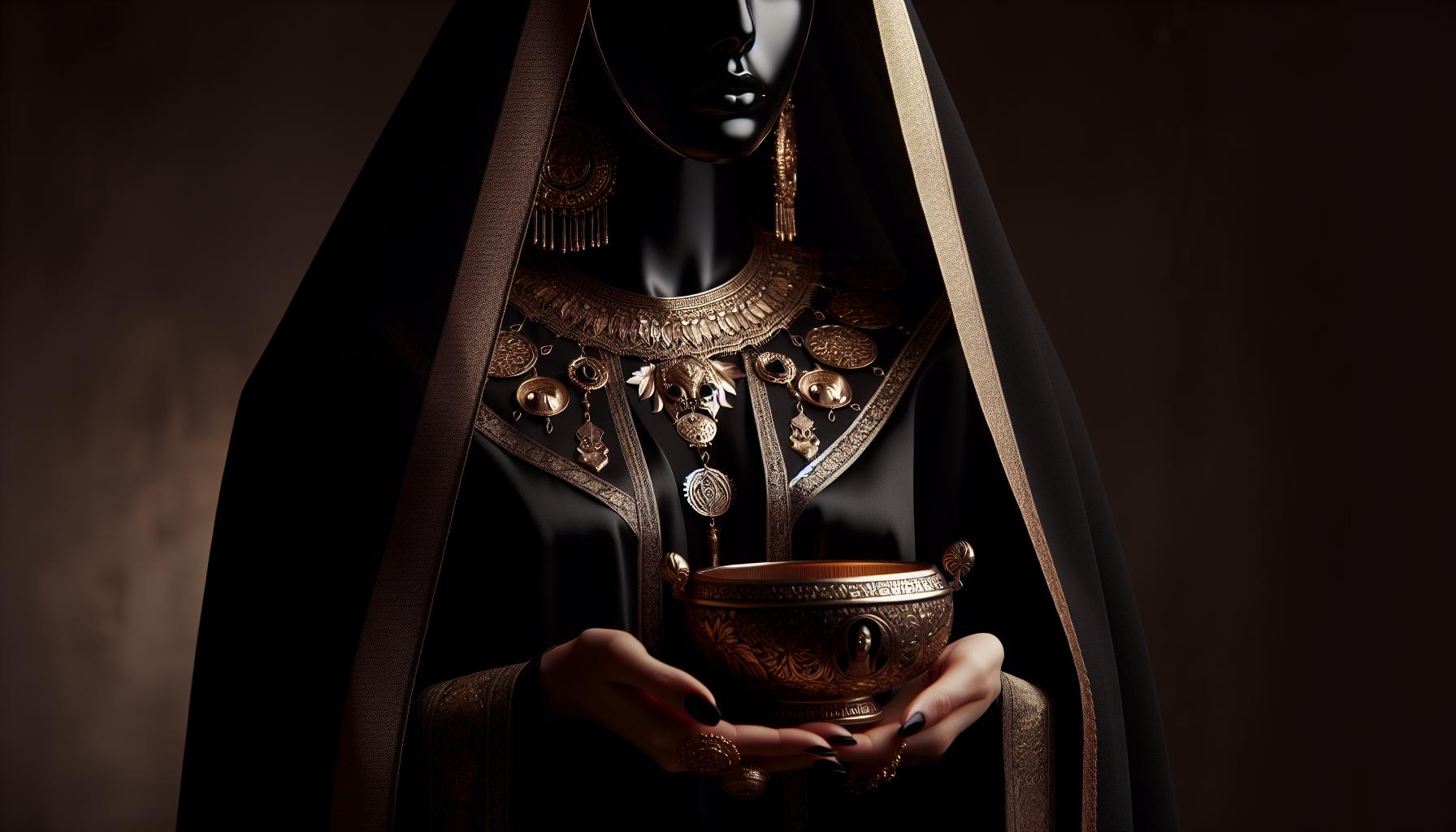
Wearing black to a baptism has often incited varying opinions, triggering discussions about cultural interpretations and the evolving perceptions of color in fashion. Traditionally associated with mourning and somber occasions, black attire has transitioned in contemporary contexts to symbolize elegance and strength. This shift has made the question of whether one can wear black to a baptism not only relevant but also richly layered with cultural nuances.
Cultural Interpretations of Black Attire
In many cultures, black is a color that conveys a range of meanings, from sophistication to rebellion. Attending a baptism, which is inherently a celebratory and sacred event, may prompt you to consider how your choice of black attire might be perceived. Here are some cultural interpretations of wearing black:
- Elegance and Formality: In Western cultures, black is often associated with formalwear, making it a popular choice for occasions like weddings or baptism receptions. A well-tailored black dress or suit can exude sophistication and respect.
- Rebellious Symbolism: In some contexts, black may evoke a sense of rebellion or nonconformity. If the baptism is steeped in traditional expectations, wearing black could be interpreted as a subtle form of protest or personal expression.
- Minimalism: The modern minimalist trend has embraced black as a staple color, highlighting simplicity and elegance. This approach can convey a thoughtful selection that aligns with the essence of the occasion, emphasizing the spiritual aspects over flamboyant attire.
Practical Tips for Choosing Black Attire
If you decide to don black for a baptism, here are some practical tips to ensure that you respect the occasion while still expressing your personal style:
- Opt for Lighter Fabrics: Choose fabrics like chiffon or lace that are airy and suitable for a solemn yet joyful event.
- Accessorize Wisely: Incorporate lighter, vibrant accessories such as floral pins, colorful shawls, or bright shoes to counterbalance the darkness of the attire.
- Consider the Setting: The venue and the specific traditions of the baptism may influence your choice. Outdoor events may lend themselves to more relaxed styles, while formal church settings could call for classic cuts and refined details.
Ultimately, the question of “Can I Wear Black to a Baptism? Etiquette and Fashion Advice” is less about strict rules and more about sensitivity to the event’s significance. Understanding the cultural interpretations of black attire can guide you in making a choice that feels both respectful and personally significant.
Navigating Dress Codes: What’s Acceptable at a Baptism?
When preparing to attend a baptism, guests often find themselves torn between personal style and social expectations. Dress codes for such events can vary significantly based on cultural traditions, regional customs, and the preferences of the family involved. While it’s essential to uphold the sanctity of the occasion, expressing your individuality through your attire can also be a key consideration. With this in mind, let’s explore what’s generally deemed acceptable and how to feel confident in your choices.
Understanding the Baptism Dress Code
Attending a baptism is typically a moment of joy and celebration, reflected in the attire of the guests. Generally, dress codes tend to lean towards modesty and respect, which raises the question: Can I wear black to a baptism? While traditionally associated with mourning, black can be acceptable in certain contexts, especially if styled appropriately. Here are factors to consider when determining your outfit:
- Formality of the Event: Baptisms may range from casual family gatherings to formal church ceremonies. Understanding the level of formality can guide your clothing choices.
- Cultural and Religious Customs: Some cultures celebrate baptisms with specific attire. It can help to consult with family members or organizers regarding expectations.
- Time of Day: The event’s timing can dictate your outfit. For instance, daytime baptisms may call for lighter colors while evening ceremonies might warrant richer hues.
Fashion Tips for a Baptism
Navigating the appropriate attire can be simplified by adhering to these fashion guidelines:
| Outfit Options | Acceptable Colors |
|---|---|
| Dress or Skirt | Pastels, Soft Colors, Black (when styled tastefully) |
| Dress Pants | Earth Tones, Navy, Grey |
| Accessories | Bright Accents (in moderation) |
To enhance your look while honoring the event’s significance, consider incorporating soft fabrics and delicate patterns. If opting for black, pair it with lighter or colorful accessories to soften the overall appearance, demonstrating a thoughtful approach that respects the joyous occasion.
In summary, the key to dressing for a baptism lies in balancing personal style with the traditions and preferences of the gathering. By considering the event’s formality, culture, and time of day, you can confidently curate an outfit that ensures you feel comfortable while also paying homage to this significant rite.
Expert Tips for Choosing the Right Outfit for a Baptism
When it comes to attire for an important occasion like a baptism, many people often find themselves grappling with choices that reflect both personal style and social norms. A baptism is more than just a religious event; it’s a celebration of faith, family, and community. Therefore, selecting the right outfit is essential—not just for your comfort, but also for showing respect to the ceremony and participants.
Understand the Dress Code
Before you finalize your outfit, it’s crucial to consider the specific guidelines that might be in place for the baptism you are attending. In some churches, formal attire may be expected, while others may lean towards a more relaxed approach. Always check with the hosts or the church to clarify what is appropriate. Few examples of dress codes include:
- Formal Attire: This often includes dresses for women and suits for men.
- Smart Casual: A nice blouse with tailored pants or a chic sundress may fit the occasion.
- Family Considerations: Multi-generational styles may have different expectations; coordinate with family members if necessary.
Color Choice Matters
The choice of color can significantly impact your outfit’s appropriateness for a baptism. The question, “Can I wear black to a baptism?” is common among guests. While black is traditionally associated with mourning, it can also be seen as stylish and elegant when accessorized correctly. If you opt for black:
- Incorporate colorful accessories to brighten the outfit.
- Choose lighter fabrics to soften the overall appearance.
If black feels too somber, consider soft pastels or floral patterns, as these colors evoke feelings of new beginnings, which aligns beautifully with the spirit of a baptism.
Pay Attention to Comfort and Fit
A baptism can involve extended periods of sitting, standing, or even participating in families’ activities, so it’s important to ensure your outfit allows for movement and comfort. Opt for garments that fit well without being overly tight or restrictive.
| Type of Garment | Pros | Cons |
|---|---|---|
| Dresses | Elegant and suitable for formal occasions | Can be difficult to move in if fitted |
| Pantsuits | Professional and comfortable | May feel too formal for some |
| Jumpsuits | Trendy and easy to style | Fit can vary greatly between brands |
Choosing the right outfit for a baptism is not just about following rules but also about reflecting your appreciation for the moment. With the proper approach to dress codes, color, and comfort, you’ll not only look good but also feel confident and respectful in this significant spiritual celebration.
Accessorizing with Sensitivity: How to Complement Your Baptism Attire
When it comes to dressing for a baptism, the right accessories can elevate your outfit while respecting the event’s solemnity. Even as you ponder the age-old question of whether it’s appropriate to don black attire at such a celebration, you can enhance your look with thoughtful complements that marry style with sensitivity. A carefully chosen accessory can speak volumes about your understanding of etiquette and your respect for the occasion, creating an ensemble that strikes the ideal balance between personal expression and reverence.
Focus on Meaningful Symbols
One effective strategy is to incorporate accessories that carry significance. For instance, wearing a delicate necklace with a cross or a charm symbolizing purity and faith can resonate with the occasion’s spiritual themes. Similarly, consider incorporating ancestral or family heirlooms into your look, such as a bracelet passed down through generations, which not only honors tradition but also adds a personal touch to your attire.
- Cross Necklaces: These can be elegant and understated, aligning with the baptism’s spiritual context.
- Heirloom Jewelry: Family pieces can add richness and storytelling to your outfit.
- Floral Accessories: A floral pin or hair accessory embodies new beginnings and celebrations.
Choosing the Right Footwear
Your choice of footwear can significantly impact your overall look, especially if you opt for more formal attire. Shoes that are both stylish and comfortable are crucial for events that may involve standing or walking. Consider classic options like low-heeled pumps or polished loafers. If the baptism takes place outdoors, stylish sandals may be a practical choice. Ensure that any footwear you select harmonizes with the rest of your look while maintaining a level of formality suitable for the occasion.
| Footwear Style | Occasion Suitability | Complementing Attire |
|---|---|---|
| Low Heeled Pumps | Ideal for Church Ceremonies | Complements dresses or tailored pants |
| Polished Loafers | Great for Family Gatherings | Pairs well with slacks or skirts |
| Stylish Sandals | Perfect for Outdoor Events | Works with flowy dresses |
Opt for Subtle Touches
When pondering how to accessorize your baptism attire amid questions like “Can I wear black to a baptism?” remember that subtlety often speaks louder than extravagance. Delicate earrings or a simple bracelet can add just the right amount of shine without overpowering your outfit. Keeping your accessories minimal not only aligns with the spirit of the event but also allows for your attire—and, more importantly, the occasion itself—to shine through.
Ultimately, accessorizing with sensitivity involves being mindful of the event’s significance while showcasing your style. By making thoughtful choices that blend elegance with respect, your ensemble will reflect the joy and spirituality of the baptism, reinforcing the importance of the moment while allowing you to express your fashion sensibility.
Embracing Individuality: Personal Style in Sacred Settings
Embracing personal style in sacred settings offers a unique opportunity to express individuality while still honoring the traditions and values of the occasion. Baptisms, often steeped in meaning and celebration, allow attendees to showcase their personality through clothing choices. While some may wonder, “Can I wear black to a baptism?”, it’s essential to approach this question with a mindset that balances personal expression with the sensibilities of the event.
When selecting an outfit for a baptism, consider the cultural context and the message behind this significant ritual. Baptisms typically symbolize new beginnings and purity, traditionally favoring lighter and softer colors. However, incorporating black or other darker shades can be done tastefully and respectfully. Here are some strategies to embrace your individuality while adhering to baptism etiquette:
- Combine Colors: Pairing black with lighter hues can create a harmonious look. For instance, a black dress adorned with a soft white or pastel cardigan can maintain elegance while allowing for personal flair.
- Accessorize Wisely: Individuality can shine through accessories. Consider adding unique jewelry, a standout hat, or colorful shoes to elevate a classic baptism outfit.
- Focus on Tailoring: A well-tailored outfit, regardless of color, conveys respect for the occasion. Invest in pieces that fit beautifully, as this can elevate any look, including those in traditionally darker shades.
When deciding on your attire, it’s essential to remember that personal style doesn’t have to clash with the formality of the setting. Elegant black outfits can be both sophisticated and appropriate, so don’t be afraid to explore them. If you opt for black, ensure the cut and fabric align with the occasion’s formality—lighter fabrics and polished silhouettes can soften the starkness associated with darker colors.
Ultimately, embracing individuality in sacred settings like baptisms is about striking a balance. You can express your personal style while being considerate of the event’s significance. By thoughtfully selecting your ensemble, you can confidently answer the question, “Can I wear black to a baptism?” with a resounding yes, blending respect and self-expression beautifully.
Respecting Traditions: Balancing Fashion with Reverence in a Baptism Ceremony
The nuances of dressing for a baptism can often lead to difficult fashion decisions, particularly when pondering the appropriateness of donning black attire. This contemplation goes beyond mere aesthetics; it is intertwined with a deep respect for the ceremonial significance of the event. Baptism is a sacred rite in many cultures, symbolizing purity and a fresh start, making it essential for guests to honor this context with their clothing choices.
Understanding the Significance of Colors
Different colors carry varying meanings across cultures and traditions. While black is commonly associated with mourning in Western societies, it may hold different connotations in other contexts. When attending a baptism, understanding these associations can guide your fashion choices to ensure they align with the joyous nature of the occasion.
- White: Often worn by the infant or the one being baptized, this color signifies purity and new beginnings.
- Pastels: Soft colors like light pink, baby blue, and lavender are popular choices that reflect celebratory feelings.
- Black: While traditionally avoided, wearing black can be acceptable when styled appropriately, perhaps by incorporating vibrant accessories to balance the somber tone.
Dressing with Intention
When contemplating whether to wear black to a baptism, it is crucial to approach the choice with intention. If you decide on a black outfit, consider pairing it with lighter elements. For example, a black dress can be enhanced with a colorful shawl or bright jewelry, striking a balance between elegance and the event’s celebratory essence.
| Outfit Element | Suggested Enhancement | Reason |
|---|---|---|
| Black Dress | Colorful Shawl | Adds vibrancy to the monochrome. |
| Black Suit | Bright Tie | Introduces a pop of color and personality. |
| Black Footwear | Bold Accessories | Elevates the overall look without overshadowing. |
Ultimately, the key is to respect the symbolism of the baptism while expressing personal style. Opt for outfits that reflect joy and celebration, ensuring that whatever color you choose, it resonates with the significance of the event. In this way, your attire becomes not just a fashion statement but also a symbol of your respect and reverence for the tradition being honored.
Frequently asked questions
Can I Wear Black to a Baptism? Etiquette and Fashion Advice?
Yes, you can wear black to a baptism, but consider the context. While black traditionally symbolizes mourning, many modern interpretations allow it as a fashion choice, especially if the outfit is appropriate and respectful.
When attending a baptism, personal comfort and the *cultural context* of the event are key. Some prefer lighter colors, while others embrace black as a sophisticated option. Always gauge the expectations of the family involved.
What is the significance of wearing black to a baptism?
Wearing black to a baptism can carry different meanings depending on cultural and individual perspectives. While it may symbolize mourning in some contexts, in others, it can represent elegance and formality.
It’s essential to understand that baptism is a *joyful occasion* celebrating new life and community. Therefore, your outfit should reflect the event’s significance, balancing personal style with *reverence* for the ceremony.
Why does baptism attire matter?
Baptism attire matters because it shows respect for the sacred nature of the ceremony. Choosing the right outfit reflects your acknowledgment of the event’s significance for the family and the congregation.
The attire is often a representation of *community values* and *individual beliefs*. By aligning your fashion choices with the traditions of the baptism, you participate meaningfully in the occasion and show your support for the spiritual journey being celebrated.
Can I wear a black dress to a baptism?
A black dress can be appropriate for a baptism if styled correctly. Opt for a dress that is modest and elegant to honor the significance of the event.
Consider pairing it with lighter accessories or a scarf to introduce a more festive element. Ultimately, your *fashion choices should prioritize respect and suitability for the occasion*.
What colors should I avoid wearing to a baptism?
While black may be acceptable, you might want to avoid overly dark colors like deep navy or grey, which can evoke somber feelings. Instead, choose colors that celebrate the joyous occasion.
Pastels or soft earth tones are often popular choices for baptisms, as they symbolize purity and new beginnings, aligning with the event’s essence. For more guidance on suitable outfits, check out our [baptism attire tips](/baptism-attire-tips).
What kind of shoes should I wear to a baptism?
For a baptism, opt for *closed-toe shoes* that are both stylish and respectful. High heels are acceptable, but ensure they are comfortable for standing or walking during the ceremony.
Consider moderate styles that maintain a polished look while prioritizing ease, especially if the baptism is held in a church setting or includes a reception following the ceremony.
How does cultural background influence baptism attire?
Cultural backgrounds often play a significant role in shaping attire expectations for baptisms. Different communities may have varied norms regarding acceptable colors and styles.
Researching the *family’s traditions* or the church’s requirements can be beneficial. When in doubt, *consult with the family* beforehand to ensure your outfit aligns with their customs and preferences.
To Conclude
As we conclude our exploration of whether it’s appropriate to wear black to a baptism, it’s essential to remember the heart of the occasion—celebrating new beginnings in faith. While the tradition often leans toward lighter, more festive colors, our understanding of dress can evolve, respecting both individual choice and cultural context.
By considering the theological significance of the event and the personal connections we have with our faith communities, we can make thoughtful decisions that reflect our beliefs while embracing personal style. Remember, the color we wear can express our values and witness to our commitment to the journey of faith, regardless of hue.
We encourage you to reflect on your own experiences and those of your community. Engage in conversations with family, friends, or members of your faith community about their views on baptism attire. This dialogue can deepen your understanding and appreciation for the diverse expressions of faith that exist within your circle.
We invite you to continue exploring the rich tapestry of baptismal traditions and their significance. Whether through further readings, discussions, or participating in future ceremonies, let this be an opportunity for growth and connection in your faith journey.
Get our latest guides, news, and insights highlighted in your Google Search & AI Overviews.