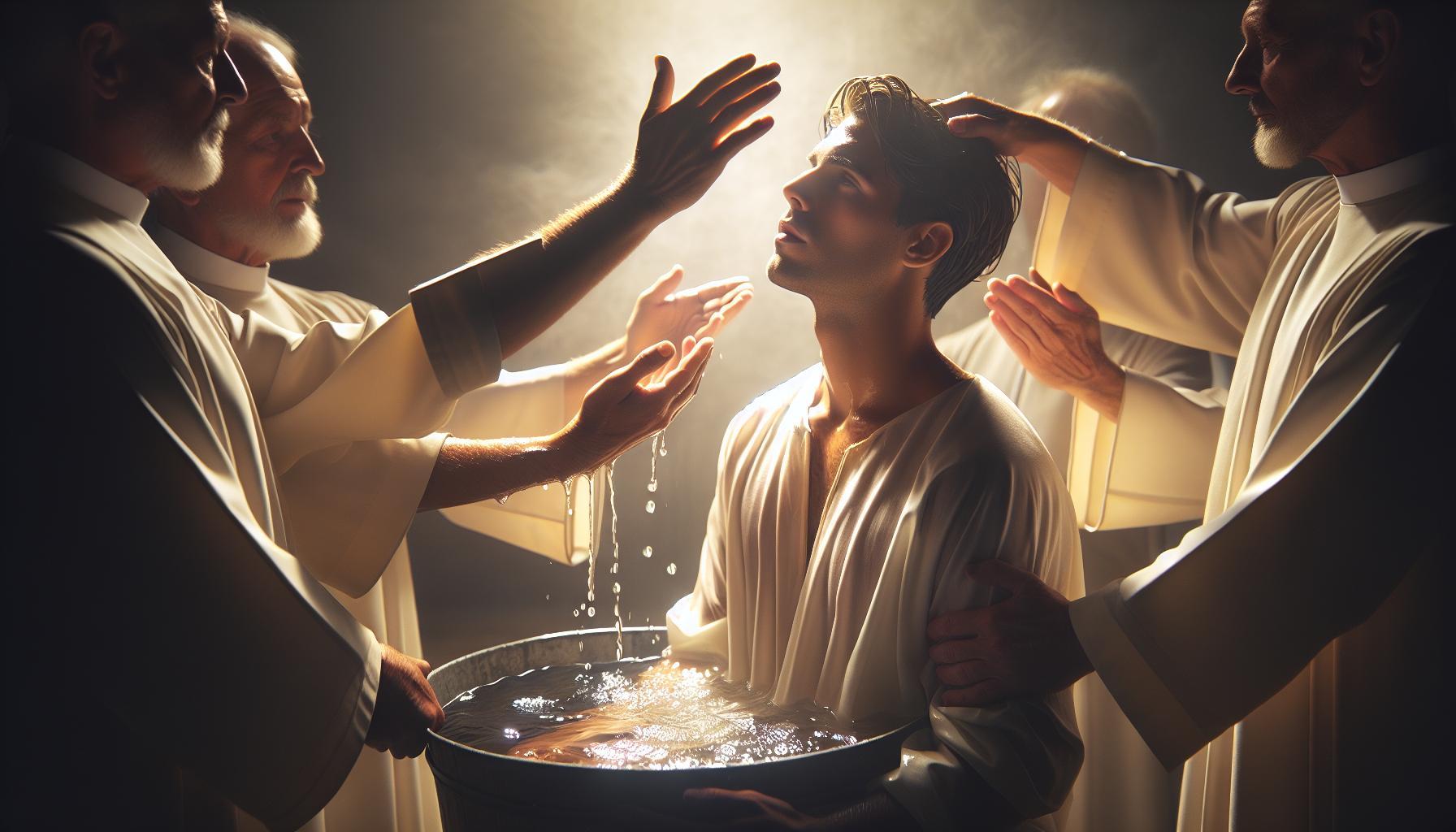
Confusion often surrounds the practices of christening and baptism, leading many to wonder if they are truly the same. Understanding these rituals is essential for new parents and individuals exploring their faith. This article unveils the myths and facts, clarifying the distinctions and meanings behind these significant ceremonies in the Christian tradition.
Understanding the Fundamental Differences Between Christening and Baptism

When delving into the worlds of religious traditions, especially those involving significant rites of passage, one might stumble upon the terms “christening” and “baptism.” While often used interchangeably in popular discourse, these terms encapsulate distinct practices with unique theological underpinnings. Understanding their differences can deepen one’s appreciation for various faith expressions and clarify misconceptions that may arise when discussing these sacred ceremonies.
Defining the Terms
At its core, baptism is a Christian sacrament that signifies spiritual rebirth through water. It is steeped in biblical mandates, with its roots traced back to the New Testament, where Jesus himself was baptized. The act symbolizes a believer’s faith, forgiveness of sins, and entrance into the Christian community, often accompanied by a public declaration of faith.
In contrast, christening typically refers to the naming ceremony held for infants within specific Christian denominations, notably in Anglican and Catholic traditions. The act may involve baptism, but its primary focus is on bestowing a name and blessing upon the child, often in the presence of godparents who will aid in the child’s spiritual upbringing.
Key Differences
To further illustrate the distinctions, here are some pivotal contrasts:
| Aspect | Baptism | Christening |
|---|---|---|
| Purpose | Spiritual rebirth and entry into the faith. | Name-giving and blessing, often for infants. |
| Age of Participants | Can be conducted at any age, including adults. | Mostly performed for babies or young children. |
| Significance in Faith | Primarily ceremonial with varying significance. | |
| Religious Context | Widely recognized across most Christian denominations. | More common in specific liturgical denominations. |
Contemporary Implications
Understanding these distinctions not only informs one’s knowledge of Christian practices but can also enhance social interactions within diverse communities. If you’re invited to a ceremony, recognizing whether it’s a christening or baptism can influence your approach to the event. For instance, attending a baptism might necessitate a different level of engagement, like preparing a personal testimony if called upon, compared to a christening where your role might be more observational.
Moreover, being aware of the nuances can aid in dispelling myths surrounding these traditions. Misunderstandings often arise from assuming they are the same, which can lead to awkward conversations or unintentional disrespect towards someone’s faith. In today’s multicultural world, such knowledge fosters inclusivity and respect, enabling deeper dialogues around religious practices and beliefs.
Historical Roots: The Evolution of Christening and Baptism Traditions

There’s a rich tapestry of history woven through the traditions of christening and baptism which stretches back centuries, offering a fascinating insight into cultural and religious beliefs. Understanding the evolution of these practices not only helps clarify their distinctions but also highlights how they reflect societal values over time. Both rituals serve as important rites of passage in various religious communities, but their meanings and practices have evolved in diverse ways that often lead to confusion.
Origins of Baptism
The practice of baptism can be traced back to ancient times, with roots in Jewish purification rituals. This form of ritual cleansing symbolized spiritual renewal and physical cleanliness. The act was transformed through the life and ministry of Jesus Christ, who himself was baptized in the Jordan River by John the Baptist. Early Christians adopted the rite as a way to symbolize an individual’s acceptance of faith and commitment to the teachings of Jesus, marking a significant shift from the traditional Jewish practices.
Baptism often signifies a more personal commitment to faith and community and is typically seen as a requirement for membership in many Christian denominations. Over time, the practice has manifested in various forms, including:
- Immersion: Complete submersion in water, symbolizing death and rebirth.
- Affusion: Pouring water over the head, common in many denominations.
- Infusion: A method where water is sprinkled on the head, often used in infant baptism.
Christening: A Cultural Adaptation
While baptism denotes a religious act of faith, christening—often used interchangeably with baptism—tends to connote a ceremonial aspect focusing on infants or children, particularly in certain Christian traditions. The term itself stems from the idea of ‘christening’ a child, formally naming them during the ceremony. This practice is commonly associated with Anglican and Catholic traditions and emphasizes the integration of the child into the religious community.
The christening ceremony may involve the following elements:
| Elements | Description |
|---|---|
| Godparents | Individuals chosen to guide the child in their spiritual journey. |
| Naming | The act of officially naming the child, often tied to family or cultural traditions. |
| Water Ritual | Similar to baptism, water is used to signify purification. |
| Community Support | A gathering of family and friends to celebrate the child’s entry into the faith. |
Understanding these historical roots not only dispels myths surrounding the question, “Are Christening and Baptism the Same?” but also showcases how these traditions continue to thrive and adapt in contemporary society. Whether as a deeply personal spiritual journey or a ceremonial rite celebrated with loved ones, both practices carry significant meaning for countless individuals and communities around the world.
Common Misconceptions: Debunking Myths Surrounding These Sacred Rituals

Despite the rich spiritual and cultural significance of christenings and baptisms, many myths persist that shape our understanding of these sacred rituals. By unpacking these misconceptions, we can better appreciate the nuances between these two practices and their shared foundations in faith.
Myth: Christening and Baptism Are Identical
One of the most prevalent beliefs is that christening and baptism are essentially the same event, used interchangeably within religious contexts. In truth, while both ceremonies serve to welcome an individual—often an infant—into a faith community, there are distinct differences. Baptism typically refers to the act of immersing or sprinkling with water, symbolizing purification and the individual’s commitment to their faith. In contrast, christening is often a term used to describe the naming ceremony that accompanies baptism.
- Baptism: Ritualistic act involving water, symbolizing rebirth and cleansing.
- Christening: Focuses on naming and welcoming the child into the church community.
Myth: You Must Be Immersed to Be Baptized
Another common misunderstanding involves the method of baptism. Many believe that full immersion in water is the only valid practice. While immersion is a powerful symbol of being buried and resurrected with Christ, baptism can also be performed through affusion (pouring water over the head) or aspersion (sprinkling water). Different denominations, including Catholicism and various Protestant sects, may adopt varied practices that align with their theological principles. This flexibility allows families to choose a method that resonates with their beliefs and traditions without diluting the ritual’s significance.
Myth: Baptisms Are Only for Infants
It’s a common misconception that baptism is exclusively for infants. While infant baptism is a widespread practice among several Christian denominations, including Catholicism and Anglicanism, many denominations, such as Baptists and Pentecostals, emphasize believer’s baptism, where the individual chooses to be baptized after reaching a certain age of understanding. This illustrates that baptism can be a deeply personal and conscious decision, rather than solely a ceremonial act performed on behalf of infants.
Myth: A Child Can’t Be Baptized If Parents Are Not Regular Churchgoers
Some may assume that a child’s baptism is contingent upon the spiritual practice of their parents. In reality, many churches offer baptisms based on the family’s desire for the child to be raised within the faith, regardless of the parents’ regular church attendance. The intention to nurture the child’s spiritual growth is often considered vital, rather than the frequency of participation in church activities. However, it is always wise to consult with the specific denominational guidelines regarding baptism to understand fully how they handle such requests.
| Misconception | Truth |
|---|---|
| Christening and baptism are the same | Christening refers to naming, while baptism is the act of purification. |
| Baptism requires immersion | Baptism can involve immersion, pouring, or sprinkling. |
| Only infants can be baptized | Baptism can be performed on individuals of all ages. |
| Parents must be active church members | Baptism is often available regardless of parental church attendance. |
Understanding these myths enables families to make informed decisions about their participation in these sacred rituals. By recognizing the deeper meanings behind christenings and baptisms, individuals can approach these moments with a renewed appreciation for their spiritual journey.
Theological Significance: What Christening and Baptism Mean Across Denominations
The act of entering the water, whether through immersion or sprinkling, is laden with profound meaning that transcends the mere physical act of baptism or christening. While at first glance, these two ceremonies may appear synonymous, a deeper dive reveals significant theological implications that vary across Christian denominations. Understanding these differences can illuminate the core beliefs and values that shape the practices of varying faith communities.
Denominational Perspectives on Baptism
In Christianity, baptism is often understood as a rite of passage, symbolizing purification and entrance into the faith. However, the interpretation and significance of this sacrament differ markedly among denominations:
- Roman Catholicism: Here, baptism is seen as essential for salvation, cleansing original sin. Infants are baptized to induct them into the church and ensure their spiritual wellbeing from an early age.
- Protestantism: Many Protestant denominations view baptism as an outward expression of inward faith. For instance, Baptists emphasize believer’s baptism, advocating that individuals should be of age to understand and accept the faith before being baptized.
- Orthodox Christianity: The Eastern Orthodox Church practices infant baptism and believes it imparts grace, initiating the child into the life of the Church. The baptism is often accompanied by chrismation, a confirmation ceremony that bestows the Holy Spirit.
Understanding Christening Through a Theological Lens
While commonly associated with the act of naming (typically infants), christening is also deeply spiritual in its implications. For many, particularly in Anglican and Methodist contexts, christening aligns closely with baptism’s purpose, serving as an initiation into the faith:
- Moral Responsibility: In many traditions, parents and godparents pledge to guide the child in their spiritual journey, emphasizing the communal aspect of faith.
- Community Support: Christening ceremonies often involve the whole church community, reinforcing the belief that faith is nurtured within a supportive environment.
Comparative Table of Christening and Baptism
| Aspect | Christening | Baptism |
|---|---|---|
| Common Practice | Primarily in Anglican and Methodist traditions | Widely practiced across many denominations |
| Age of Participants | Usually infants | Can be infants or older children/adults |
| Theological Focus | Naming, welcoming into church | Forgiveness of sins, new birth in Christ |
| Symbolism | Community pledges and responsibility | Death and resurrection, spiritual cleansing |
In summary, while the terms ‘christening’ and ‘baptism’ are often used interchangeably, their meanings are rich and complex, each contributing to a person’s spiritual journey in unique ways. By comprehending these distinctions, individuals can appreciate the diverse expressions of faith within Christianity, enriching their own understanding of these sacred rites. The myths surrounding these practices—be it about their equivalency or the age of participants—are demystified, inviting a broader conversation on faith and community.
Practical Guidance: Preparing for Your Child’s Christening or Baptism
To ensure your child’s christening or baptism is a memorable event, preparation is key. This ceremonial rite not only signifies the welcoming of your child into the faith but also marks an important milestone for the family. Investing time in planning can help alleviate stress and create a joyous atmosphere for both the ceremony and the celebration that follows.
Choosing the Right Venue
Selecting a location for the christening or baptism is crucial. While many families opt for a church, consider the symbolism of the space. Some may prefer a more personal environment, such as their own home or a scenic outdoor setting. Regardless of the choice, ensure that the venue is equipped to accommodate your guests comfortably. Here are a few considerations:
- Capacity: How many guests can the venue accommodate?
- Accessibility: Is the location easy for all family members and guests to access?
- Familiarity: Does the child’s family or extended family have a connection to the venue?
Choosing Godparents and Roles
The selection of godparents is a significant aspect of the ceremony. They are often viewed as spiritual mentors for the child. Here are some thoughtful criteria to consider when choosing:
- Faith Commitment: Do they share the same faith and values?
- Support: Will they be available for your child throughout their life?
- Family Connection: Are they connected to the family, either through blood or friendship?
Additionally, consider assigning roles to family and friends for the ceremony, such as scripture readers, musicians, or even ushers, which can foster a strong sense of community.
Planning the Ceremony and Reception
When it comes to the ceremony itself, collaboration with the officiant is essential. Prior to the big day, meet with them to discuss the key elements of the service. This could include selecting readings, hymns, or any special requests you might have. Here’s a brief checklist to guide you:
| Task | Status |
|---|---|
| Book the venue | Done |
| Select godparents | Pending |
| Discuss the ceremony details with the officiant | Scheduled |
| Plan after-ceremony celebration | In Progress |
The reception following the baptism should reflect a blend of your family’s traditions and personal touches. Consider dietary restrictions when planning the menu, and add personalized favors for your guests as a token of appreciation.
By approaching the preparation for your child’s christening or baptism with organization and thoughtfulness, you can create a meaningful experience that resonates with both the spiritual significance of the day and the joy of family celebration.
Inclusivity in Faith: Embracing Diverse Perspectives on Water Rituals
Engaging with the diverse practices of water rituals across various faiths reveals a tapestry of beliefs, traditions, and communities that highlight the importance of inclusivity in spiritual expressions. Water, often seen as a source of life and purity, takes on different meanings in rituals such as christening and baptism, deeply rooted in cultural and theological contexts. By exploring these diverse perspectives, we can cultivate a greater understanding among different faith traditions and foster a more inclusive dialogue within interfaith communities.
Understanding the Variations in Water Rituals
Every practice surrounding water rituals serves a unique purpose, influenced by historical, social, and theological factors. To illustrate the diversity, consider the following elements that differentiate practices like christening and baptism:
- Theological Significance: In many Christian denominations, baptism represents a sacrament of initiation, symbolizing the believer’s faith and acceptance into the Christian community. In contrast, a christening often serves as a naming ceremony, emphasizing the importance of community blessing rather than personal faith.
- Ritual Elements: While both rituals involve water, the methods can vary significantly. Baptism may include full immersion, pouring, or sprinkling, while christenings typically involve the sprinkling of water on the forehead of the child.
- Cultural Context: Different cultures place unique emphases on water rituals, with some families choosing to incorporate traditional customs, such as the inclusion of family heirlooms or communal gatherings, enriching the experience beyond mere religious significance.
Building Bridges Through Water Rituals
Encouraging dialogue around these sacred practices can lead to a deeper appreciation for the beliefs and values held by others. Here are some actionable approaches to promoting inclusivity when discussing water rituals:
- Community Interfaith Dialogues: Organize events that bring together representatives from various faith traditions to share their unique perspectives on water rituals, fostering mutual respect and understanding.
- Educational Workshops: Consider hosting workshops that invite participants to learn about the theological and cultural significance of baptism and christening in different contexts. This can include practical demonstrations, allowing attendees to experience diverse rituals firsthand.
- Collaborative Rituals: Create opportunities for collaboration among different faith communities by organizing joint celebrations that respect each tradition’s practices. Such events can highlight common values, emphasizing unity rather than division.
As we navigate the complexities of spirituality and ritual, the ever-evolving discussion about practices such as christening and baptism sheds light on the need for inclusivity within and beyond our faith communities. By embracing diverse perspectives, we enrich our spiritual lives and foster a sense of belonging among individuals from various backgrounds and beliefs.
The Role of Community in Christening and Baptism Celebrations
The beauty of Christening and Baptism celebrations often lies in their communal aspect, where family, friends, and the wider community come together to witness and participate in this significant spiritual milestone. These events are not merely individual rites; they are vibrant occasions that affirm the bonds that tie the community to the newly baptized or christened individual. When considering whether Christening and Baptism are the same, understanding the role of community becomes essential in appreciating the nuances of these ceremonies.
Strengthening Community Bonds
In many traditions, the act of Baptism or Christening serves as a reaffirmation of community values and beliefs. Family and friends gathered for these celebrations provide a support network that is crucial during a child’s early years. This gathering not only celebrates the spiritual journey of the individual but also reinforces the social fabric that imbues every participant with a sense of belonging. The promise made by parents and godparents during the ceremony emphasizes a collective responsibility in nurturing the child’s faith and character.
- Shared Values: These events allow participants to witness and engage in discussions about shared beliefs and values, thus fostering a deeper community connection.
- Support Networks: The presence of community members creates a support system for families, essential for raising children within a faith context.
- Tradition and Legacy: Each celebration serves as a reminder of cultural and religious traditions passed down through generations, linking the past with the present.
Creating Lasting Memories
The physical setting and social interactions during Baptism and Christening ceremonies can create unforgettable memories that resonate beyond the event itself. As families gather, they often share stories, laughter, and sometimes even tears, creating a rich tapestry of shared experiences. This collective sharing reminds everyone involved of the importance of faith and community, reinforcing the idea that each individual’s spiritual journey is much more significant when embraced by others.
Furthermore, incorporating various community traditions into the celebrations can add unique cultural elements that enhance the experience. Whether it’s through music, food, or specific rituals, these aspects can make the ceremonies more personal and inclusive.
| Community Element | Impact on Celebration |
|---|---|
| Gathering of Family and Friends | Strengthens personal and spiritual connections |
| Sharing of Traditions | Enhances understanding and appreciation of faith |
| Involvement of Godparents | Emphasizes shared commitment to the child’s spiritual growth |
In summary, the community plays a pivotal role in Christening and Baptism celebrations, offering both a framework of support and a rich tradition of shared beliefs that enhance the significance of the events. Embracing these communal aspects not only makes the ceremonies more meaningful but also sets a foundation for a child’s spiritual journey, reinforcing the idea that faith is best experienced in the context of a caring community.
Personal Reflections: The Impact of Christening and Baptism on Spiritual Journeys
The ceremonies of christening and baptism are often pivotal milestones in one’s spiritual journey, shaping beliefs and identity in profound ways. While many may consider these two events mere traditions, they serve as significant markers that can lead individuals to a deeper understanding of faith and community. Exploring the nuances of christening and baptism reveals not only their individual meanings but also the transformative potential they hold for participants and their families.
Understanding the Spiritual Significance
For many, christening is viewed as an initiation into the spiritual family, often celebrated in the presence of loved ones. This event typically involves the sprinkling of water and the naming of the child, serving as a public declaration of faith and commitment from parents and godparents. In contrast, baptism is generally associated with a more personal and profound expression of faith, often occurring later in life when individuals actively choose to embrace a spiritual path.
Both ceremonies resonate deeply at a communal level. They create bonds among participants and the congregation, fostering a sense of belonging. This collective experience can instill a stronger commitment to one’s faith journey, prompting individuals to engage more fully with their spiritual community.
Influence on Personal Faith and Community Engagement
The impact of these ceremonies extends far beyond the day of the event. Engaging with faith from a young age can shape one’s attitudes and behaviors toward spirituality. Here are a few ways that these experiences can influence personal faith journeys:
- Sense of Identity: Being publicly recognized in a faith community provides a sense of belonging and identity, forging connections that often last a lifetime.
- Mentorship and Guiding Relationships: Godparents or mentors gain their roles not only as caretakers but also as spiritual guides, providing support through various life stages.
- Community Obligations: The commitment to raise a child in faith generates generational bonds, reinforcing the responsibilities of community engagement and social support among members.
Real-World Examples of Transformation
Consider the journey of Anna, who was christened as an infant but chose to be baptized as a teenager. Her initial christening forged a connection to her faith community, providing a nurturing environment during her upbringing. However, it was through her later baptism that she affirmed her personal beliefs, marking a turning point in her understanding of faith and empowerment.
The act of baptism can catalyze significant life changes. Many individuals report a sense of clarity and purpose following their baptism. They often feel compelled to serve their communities, volunteer extensively, or engage in spiritual practices such as prayer and meditation more regularly. Such actions illustrate how these rites of passage serve as launching pads for deeper exploration and commitment to faith.
By understanding the distinctive roles of christening and baptism, individuals can appreciate how these events serve as foundational experiences that shape spiritual journeys. Whether someone views these practices through a lens of tradition or personal significance, their impact cannot be understated. Engaging deeply with the myths and facts surrounding these ceremonies allows individuals to embrace their spiritual paths more fully, creating meaningful connections with their communities and reinforcing their dedication to their faith.
Q&A
Are Christening and Baptism the Same? Myths and Facts Unveiled – FAQ
What is the difference between christening and baptism?
The terms christening and baptism are often used interchangeably, but they have different meanings. Baptism is a general term referring to the Christian sacrament of initiation, while christening specifically refers to the naming ceremony that usually occurs in conjunction with baptism.
Baptism can be practiced in various forms across denominations, but christening typically involves the pouring of water and the naming of a child in a religious service. Understanding these distinctions helps clarify many misconceptions surrounding these sacred traditions. For more information, you can read about the significance of baptism in our related articles.
Why do some people refer to christening as baptism?
Many people use the term christening as a synonym for baptism due to cultural and historical traditions. This usage stems from a general understanding of these practices in Christian communities, where both involve the introduction of an individual into the faith.
In some traditions, particularly in the Anglican and Catholic churches, christening is used to emphasize the naming aspect of the baptismal sacrament. Misunderstandings about these terms often arise, so it’s helpful to clarify their meanings within specific denominations.
Can I have a christening without baptism?
In most Christian traditions, a christening occurs as part of the baptism process, but individual practices may vary. It is rare to hold a naming ceremony without the accompanying baptism, as both are significant religious acts.
If you are considering a ceremony for your child that emphasizes naming without baptism, it is essential to discuss your options with your local religious leader. Each denomination has unique practices, and they can guide you on how to honor your family’s traditions.
What do different denominations believe about baptism and christening?
Diverse Christian denominations have varying beliefs about baptism and christening. For instance, denominations like Baptists perform believer’s baptism, while Catholics and Anglicans practice infant baptism alongside christening.
Understanding these differences can help you navigate these traditions more effectively. Clergy from different backgrounds may have different theological interpretations regarding the necessity, timing, and manner of baptism and christening. Conversations with local clergy can provide clarity on these practices.
Why does baptism hold significance in Christianity?
Baptism is a fundamental sacrament in Christianity, symbolizing the individual’s faith in Jesus Christ and their commitment to the church. It represents a spiritual cleansing and a new beginning in one’s faith journey.
Moreover, baptism is often associated with the teachings of Jesus, who himself was baptized, emphasizing its importance across denominations. Engaging in baptism can foster a deeper understanding of communal faith and individual commitment within the religion.
Are there any myths about baptism and christening?
Yes, there are several myths surrounding baptism and christening. A common misconception is that baptism automatically guarantees salvation, which is not universally accepted among all Christian traditions.
Another myth is that a specific method of baptism (like immersion versus pouring) is the only valid form. Various denominations validate different methods based on their interpretations of scripture and tradition. Clearing up these myths can lead to richer discussions about faith and personal beliefs.
Insights and Conclusions
In exploring the rich tapestry of Christian traditions, we see that the terms “Christening” and “Baptism” often stir up a mix of myths and misunderstandings. Throughout this article, we’ve delved into the theological distinctions and similarities between these sacred practices, uncovering the essence of their meanings across various denominations.
While Baptism serves as a profound rite of initiation into the Christian faith, often linked to the symbolism of new life and the grace of God, Christening frequently refers to the naming and welcoming of a child into the church community. These nuances hold significant meaning, reflecting both the individual and communal dimensions of faith.
As you continue to contemplate these sacred acts, we encourage you to engage further with your faith community—whether through discussion with clergy, participation in services, or personal reflection. Embracing these traditions can enhance not only your understanding but also your spiritual journey, fostering connections with others who share similar questions and experiences.
Let us walk together in this exploration, respecting the diversity of beliefs while seeking deeper insights into the profound significance of these rituals. Your journey in faith is uniquely yours, and the conversation surrounding such traditions is always open for further discovery and dialogue.
Get our latest guides, news, and insights highlighted in your Google Search & AI Overviews.