What does it truly mean to take the plunge in faith? Baptism serves as a powerful symbol of spiritual rebirth and transformation, marking a pivotal moment in one’s spiritual journey. Understanding its significance helps individuals recognize the profound life changes it can inspire, making this ancient rite more relevant than ever in today’s world.
Understanding the Theological Foundations of Baptism
In exploring the ritual of baptism, one uncovers a rich tapestry of theological beliefs that underscore its importance across various religious traditions. At its core, baptism symbolizes a transformative journey, marking a believer’s entrance into a deeper spiritual life. This sacrament is not merely a ceremonial act but is imbued with profound significance, representing purification, rebirth, and a covenant with the divine.
The Biblical Foundations of Baptism
The roots of baptism can be traced back to the New Testament, where it is intimately linked with the ministry of Jesus Christ. In the Gospels, Jesus himself was baptized by John the Baptist, a pivotal moment that signifies the importance of this act. This divine endorsement of baptism establishes its role as a foundational practice in Christianity. Key passages that shed light on this significance include:
- Matthew 28:19-20: The Great Commission where Jesus instructs his followers to baptize all nations.
- Romans 6:4: Emphasizes being buried with Christ in baptism and rising to a new life.
- Acts 2:38: Peter urges repentance and baptism for the forgiveness of sins.
These scriptures create a theological framework that illustrates baptism as a means of grace, showcasing the transition from a life of sin to one of righteousness.
The Symbolism of Water in Baptism
Water serves as a central symbol in the practice of baptism, representing multiple layers of meaning within the theological context. It evokes the imagery of cleansing, renewal, and life itself. Here’s how different elements of water enhance the understanding of baptism:
| Symbolic Aspect | Spiritual Meaning |
|---|---|
| Cleansing | Symbolizes forgiveness and purification from sin. |
| Death and Resurrection | Represents dying to the old self and being raised anew in Christ. |
| Life-giving | Water signifies the living water of the Holy Spirit, essential for spiritual sustenance. |
These aspects collectively highlight how baptism is not just an act of obedience but a profound inward transformation, aligning one’s life with the teachings of Jesus.
Ecumenical Perspectives on Baptism
Within the broader Christian community, different denominations hold varying views on the significance of baptism. For instance, some traditions view it as a required sacrament for salvation, while others see it as an important, yet symbolic, act expressing one’s faith. Understanding these diverse interpretations is essential for a holistic view of the practice:
- Roman Catholicism: Emphasizes baptism as the means by which original sin is cleansed and one enters into the Church.
- Protestantism: Generally regards baptism as a public declaration of faith and does not align it with salvific necessity.
- Orthodox Christianity: Views baptism as a mystery that confers grace and seals one’s commitment to God.
Each perspective contributes to a richer understanding of baptism’s spiritual meaning, illuminating its role as a catalyst for life change, uniting believers across denominational lines in their common pursuit of a deeper relationship with the divine.
In summary, the theological foundations of baptism encompass a wide array of interpretations and significances, fostering personal growth and affirming one’s faith in the transformative power of divine grace.
The Spiritual Journey: What Baptism Represents for Believers
Baptism is not merely a ritual; it is a profound symbol of transformation and commitment in the Christian faith. For many believers, this sacred act is seen as a pivotal moment in their spiritual journey, a tangible expression of their faith that marks the beginning of a life dedicated to following Christ. The significance of baptism stretches far beyond the act itself, resonating deeply within the hearts and minds of those who partake in it.
Symbol of New Life
One of the most potent representations of baptism is its symbolism of new life. Immersion in water signifies the cleansing of sin and the initiation into a new existence. This transformative act reflects the profound spiritual rebirth that occurs when one accepts Jesus Christ as their Savior. As the individual descends into the water, they are metaphorically buried with Christ, and upon emerging, they rise to new life, echoing Jesus’ resurrection. This powerful imagery serves as a reminder that, through baptism, believers are not only washed clean of their past but are also invited to walk a new path illuminated by faith.
- Spiritual Rebirth: Baptism marks the transition from the old self to the new self, as articulated in 2 Corinthians 5:17.
- Community Connection: It signifies an individual’s entry into the body of Christ, fostering a sense of belonging and support within the church community.
- Commitment to Faith: The act of baptism is both a personal declaration and a public affirmation of one’s belief in Jesus Christ.
Public Testimony of Faith
Baptism also serves as a public testimony of one’s faith, providing an opportunity for individuals to declare their beliefs to family, friends, and the church community. This communal aspect of baptism reinforces the importance of accountability and support in the believer’s journey. By openly sharing their commitment, baptized individuals encourage others to explore and deepen their own faith. This can lead to powerful connections within the community, as shared experiences and testimonies provide a solid foundation for mutual growth and encouragement among believers.
Steps to Engage in the Spiritual Journey of Baptism
For those considering baptism as part of their spiritual journey, a few practical steps can enhance the experience:
- Preparation: Understand the teachings about baptism through scripture and discussions with church leaders.
- Personal Reflection: Take time for prayer and reflection to evaluate your faith and readiness for this commitment.
- Engagement: Participate in baptism Classes or forums to connect with others who are on the same journey.
In conclusion, the spiritual journey represented by baptism is one of renewal, commitment, and community. The act of baptism is not just significant as a rite of passage; it encapsulates a believer’s transition into a life of faith and serves as an enduring source of inspiration in the ongoing journey of spiritual growth. The impact of this sacred symbol resonates throughout a believer’s life, reminding them of both their personal transformation and their connection to the greater body of Christ.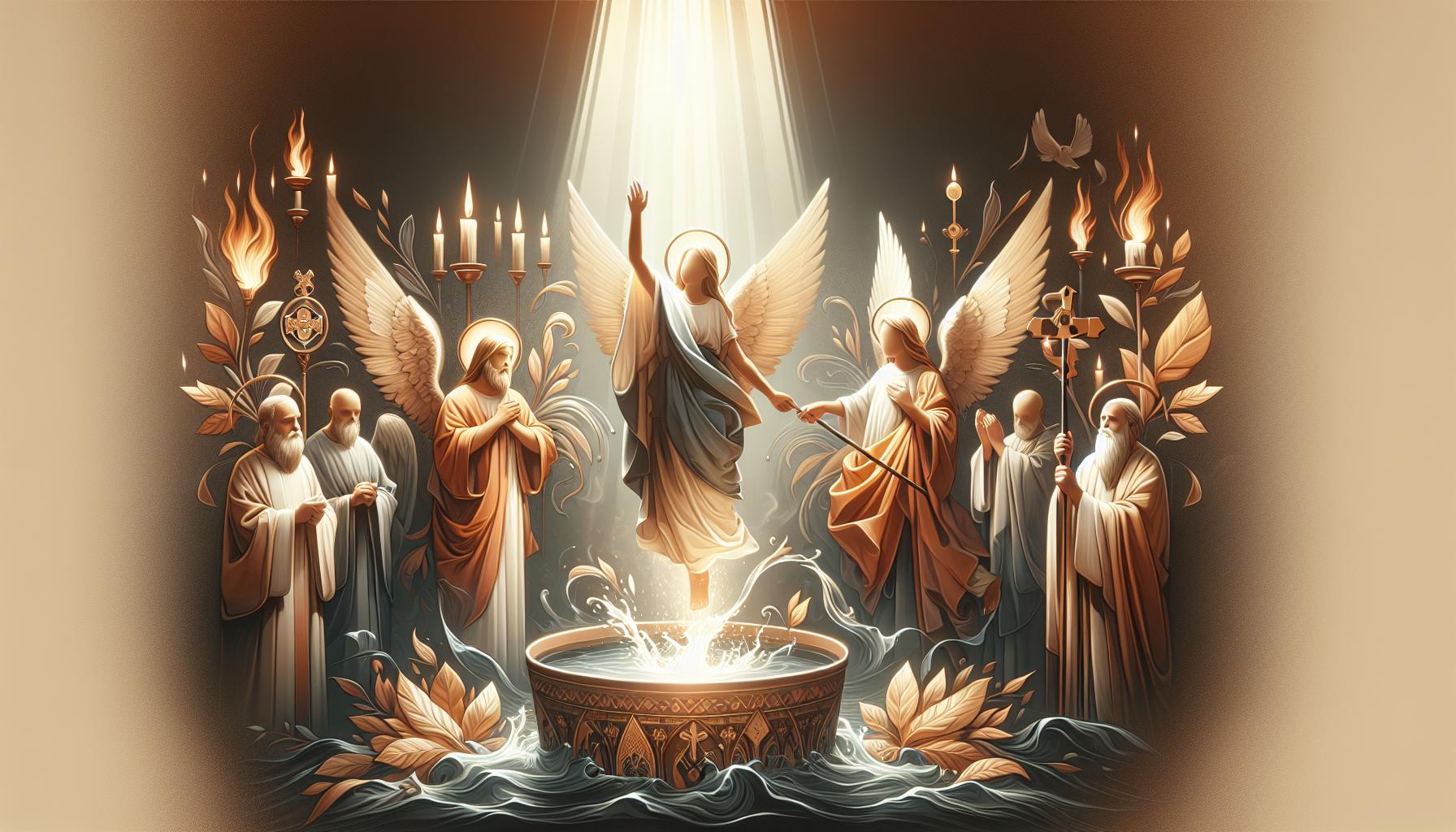
The Transformative Power of Baptism in Personal Lives
In the tapestry of personal journeys, few rites of passage hold as profound a significance as baptism. This ceremonial act transcends mere tradition, acting as a pivotal moment that can usher in transformative changes in one’s life. For many, baptism represents not just a religious obligation but a deeply spiritual milestone that can reframe their identities, instill a sense of community, and unlock a new chapter of purpose and belonging.
Spiritual Rebirth and Renewal
At the core of the baptism experience lies the concept of spiritual rebirth. This idea is especially resonant for individuals seeking personal transformation. Through the act of baptism, one symbolically dies to their former self and emerges anew, echoing the resurrection narrative. This renewal can lead to significant shifts in various aspects of life:
- Enhanced Sense of Purpose: Many who undergo baptism report a newfound clarity in their life goals and values, steering their actions toward a more meaningful existence.
- Forgiveness and Release: The act serves as a powerful acknowledgment of past mistakes, allowing individuals to embrace forgiveness — both for themselves and others.
- Strengthening of Faith: For those who partake in this significant act, their faith often deepens, providing a solid foundation during life’s trials.
Community and Belonging
Baptism is not merely a personal event; it signifies entry into a broader spiritual family. This moment of commitment attracts support and companionship from fellow believers, enhancing an individual’s sense of belonging and accountability.
A community around shared beliefs fosters an environment of mutual encouragement, which can be instrumental during personal challenges. Research shows that those connected to a faith community experience enhanced emotional support and stronger mental health outcomes.
| Benefits of Community in Baptism | Impact on Individuals |
|---|---|
| Support Networks | Access to emotional and spiritual support |
| Shared Experiences | Increased social interaction and connection |
| Accountability | Motivation to live by shared values |
| Opportunities for Service | Engagement in community outreach and charitable acts |
In essence, baptism fosters a dual transformation — an inward change of the heart and an outward connection to a community. Individuals often find themselves engaging in new activities, volunteering, or joining study groups, further enriching their lives and spiritual journey. Through the significance of baptism, people experience a holistic life change that can steer them towards greater fulfillment, purpose, and joy.
Community and Connection: Baptism’s Role in Faith Communities
When individuals take the step of baptism, they often find themselves embraced by a supportive and loving community, a phenomenon that significantly enhances their spiritual journey. This ritual, steeped in historical and spiritual significance, serves not just as a personal milestone, but as a cornerstone for connecting with fellow believers. Its role within faith communities extends beyond mere tradition; it imbues members with a sense of belonging and shared purpose, crafting bonds that can last a lifetime.
The Importance of Community in Baptism
Baptism is much more than an individual act; it symbolizes entry into a larger family of faith. For many, this public declaration of faith fosters connections that deepen as life’s journey unfolds. The following aspects highlight how baptism nurtures community ties:
- Shared Experiences: Participating in baptism ceremonies alongside others can create profound communal memories, whether enjoyed during individual services or celebrated in larger gatherings.
- Support Systems: Newly baptized individuals often receive guidance and encouragement from fellow members, strengthening their faith and commitment. This mentoring can manifest in various ways, from informal friendships to organized mentorship programs.
- Collective Worship: The act of celebrating baptism as a church brings everyone together in worship, enhancing a sense of unity and shared mission.
- Service and Outreach: Many faith communities harness the momentum of baptisms to inspire collective outreach efforts, encouraging newly baptized members to engage in service projects, which foster community spirit.
Real-World Example: Baptism and Community Engagement
In many congregations, baptism serves as a catalyst for social action. For instance, a church might organize a community service project following a baptism ceremony, inviting both new and existing members to participate. This hands-on approach not only reinforces the teachings of the faith but also helps establish lifelong relationships among members, proving that each baptism can initiate a ripple effect of positive change.
Action Steps to Enhance Community Connection During Baptism
To further enrich the community experience surrounding baptism, consider these practical approaches:
- Host Fellowship Events: After a baptism, organize gatherings that allow attendees to mingle and strengthen relationships.
- Incorporate Small Groups: Establish small group meetings where baptized individuals can share their experiences and support one another.
- Leverage Social Media: Create dedicated social media groups for new members to share their journeys and updates, fostering ongoing connection and support.
Ultimately, understanding the significance of baptism within faith communities can transform it from a solitary event into a communal celebration of faith and unity. As church members embrace those newly initiated, they reinforce the essence of belonging that enriches their spiritual lives. This community connection emphasizes that the significance of baptism transcends individual experiences, intertwining lives in a tapestry of faith and love.
Navigating Different Baptismal Traditions and Practices
In a world rich with varied spiritual practices and beliefs, baptism stands out as a profoundly significant ritual uniting many faith traditions. Across denominations, the essence and interpretation of baptism can differ dramatically, enriching the overall tapestry of religious experience. Understanding these diverse traditions not only sheds light on their spiritual meanings but also highlights their transformative power in the lives of individuals and communities alike.
Exploring Denominational Variations
Each Christian denomination places a unique emphasis on baptism, reflecting its theological perspectives and community beliefs. Here’s a quick overview of some major traditions:
| Denomination | Baptism Type | Key Beliefs |
|---|---|---|
| Roman Catholic | Infant Baptism | Initiation into the Church, removal of original sin. |
| Baptist | Believer’s Baptism | Emphasis on personal faith, usually performed by full immersion. |
| Orthodox | Infant Baptism | Incorporation into the Church through a sacramental rite involving immersion and anointing. |
| Methodist | Both Infant and Believer’s Baptism | Recognizes the grace of God in baptism, regardless of age. |
In the Catholic and Orthodox traditions, for instance, baptism is often viewed as a rite of initiation that grants grace and incorporates the individual into the larger faith community. In contrast, Baptist and Pentecostal denominations stress the importance of personal commitment and faith, advocating for baptism only after a conscious decision to follow Christ. This variation highlights how baptism is more than a ritual; it’s a pivotal life choice reflecting one’s spiritual journey and beliefs.
Cultural Influences on Baptismal Practices
Cultural context plays an integral role in shaping baptismal rites and practices. In some communities, baptism is celebrated with elaborate ceremonies, often including family gatherings and community celebrations, reinforcing communal bonds and shared faith. In other cultures, it may be a quiet, intimate affair, emphasizing personal reflection and connection with God.
When participating in a baptism, whether as a candidate or a supporter, consider the following practical steps to enhance your understanding and experience:
- Research Local Practices: Discover what baptism means within your community and the specific rituals involved.
- Engage with Leaders: Speak with church leaders to better understand the theological significance as explained within that tradition.
- Participate Actively: If involved in a baptism, engage fully in the preparatory and follow-up activities to enrich your spiritual journey.
These actions not only deepen your insights but also foster a sense of belonging, showing how baptism can serve as a bridge between individual faith and the collective experience of community worship and support.
Preparing for Baptism: Insights for Candidates and Sponsors
Baptism is a transformative journey that marks a significant milestone in a person’s spiritual life. For both candidates and sponsors, the preparations leading up to this sacred event can be filled with joy, anticipation, and reflection. Understanding the underlying significance of baptism, as well as the practical steps involved, can help ease any apprehensions and deepen the experience for everyone involved.
Understanding the Purpose of Baptism
Before stepping into the baptismal waters, it’s crucial for candidates to grasp the profound spiritual meaning behind this rite. Baptism serves multiple purposes:
- Public Declaration: It allows individuals to publicly announce their faith and commitment to follow in the teachings of their faith.
- Renewal of Spirit: It provides an opportunity for spiritual renewal, symbolizing the washing away of past sins.
- Community Bonding: The ritual fosters a connection not just with God, but also with fellow believers, emphasizing the communal aspect of faith.
Candidates should take time to reflect on these aspects, perhaps through journaling or discussing them with a mentor or pastor. This reflection can lead to a more meaningful experience on the day of baptism.
The Role of Sponsors
For sponsors, understanding their responsibilities is equally important. They act as spiritual guides and mentors, helping candidates navigate their faith journey. Key roles include:
- Supportive Presence: Being a source of encouragement, providing emotional and spiritual backing.
- Education: Assisting candidates in understanding the significance of their commitment by engaging in discussions and prayer.
- Example of Faith: Demonstrating a lifestyle that reflects the values of the faith being embraced.
Sponsors are encouraged to establish a collaborative relationship with their candidates, making themselves available for questions and discussions about faith, the significance of baptism, and what living a life of faith entails.
Preparation Steps for Candidates
To ensure candidates feel ready and empowered, consider these actionable steps in your preparation for baptism:
| Preparation Step | Description |
|---|---|
| Spiritual Reflection | Spend time in prayer or meditation, contemplating your faith journey and what baptism means to you. |
| Session with Sponsor | Meet regularly with your sponsor to discuss expectations, fears, and questions regarding baptism. |
| Baptism Class | Participate in any preparatory classes offered by your faith community to deepen your understanding. |
| Community Engagement | Engage with your faith community to build connections and feel supported as you approach baptism. |
By actively participating in each of these steps, candidates will not only prepare themselves for the rite of baptism but also lay a solid foundation for their ongoing spiritual journey. As you move closer to this significant day, remember that baptism is more than an event—it’s a commitment to a new way of living that resonates far beyond the ceremony itself.
After the Waters: Living Out the Commitment of Baptism
Baptism is often seen as a spiritual milestone—one that symbolizes one’s entrance into a life transformed by faith. However, the real journey begins after this sacred act. This commitment to change, driven by the significance of baptism and its profound spiritual meaning, offers a blueprint for a life redefined. Embracing this transformation is more than just a moment; it’s a continual process of growth, reflection, and community engagement.
Walking in Faith
Once baptized, individuals are called to live out their newfound identity. This means:
- Understanding Your Identity: Recognize yourself as a part of a larger family. Baptism signifies membership in a community of believers who support each other.
- Embodying the Teachings: Reflect on the lessons from scripture and apply them to daily life. This could mean practicing love, kindness, and forgiveness in all interactions.
- Engaging in Service: Find opportunities to serve within your community. Whether through volunteering at local shelters or helping a neighbor in need, living out your faith is active, not passive.
Building Spiritual Habits
To foster spiritual growth, developing intentional habits is crucial. Here are some actionable steps:
- Daily Prayer: Set aside time each day to connect with God. This could involve structured prayers, spontaneous conversations, or contemplative silence.
- Bible Study: Regularly engaging with scripture deepens understanding and helps reinforce teachings relevant to your spiritual journey.
- Join a Fellowship: Being part of a study group or church community enables connection, support, and shared growth with fellow believers.
Living Out the Commandments
Post-baptism, adhering to the commandments becomes essential. This can be summarized in a simple table highlighting the key areas of focus:
| Commandment | Application |
|---|---|
| Love Your Neighbor | Actively seek ways to help and uplift others in your community. |
| Seek Forgiveness | Practice reconciliation, both giving and receiving forgiveness. |
| Honor Your Commitments | Stay true to your promises and responsibilities to family, friends, and faith. |
Every action taken post-baptism echoes the significance of this sacrament. By actively embracing the changes that accompany this life-altering decision, individuals not only affirm their faith but also invite profound transformation that extends beyond themselves, impacting their surroundings with love and grace. Living out this commitment is a journey that unfolds daily, continually enriching one’s spiritual life and the lives of others in the community.
The Ongoing Relevance of Baptism in Modern Spirituality
In today’s rapidly evolving spiritual landscape, baptism remains a cornerstone practice that bridges ancient traditions with modern beliefs. Its significance transcends cultural and denominational boundaries, acting as a profound ritual of transformation and commitment. For many, baptism not only symbolizes purification and the washing away of sin but also serves as a powerful testimony of one’s personal spiritual journey, reflecting a deep-seated longing for connection and renewal.
The Ritual’s Enduring Importance
Understanding what is the significance of baptism today involves recognizing its multifaceted role in personal and communal spirituality. Here are some of the key aspects that underscore its ongoing relevance:
- Personal Transformation: Individuals often cite baptism as a pivotal moment in their lives, marking a significant turning point where they consciously decide to embark on a new spiritual path. This act of immersion, whether literal or metaphorical, can invite profound personal changes.
- Community Connection: Baptism fosters a sense of belonging. Being baptized often signifies entry into a faith community, where individuals find support, fellowship, and shared values. This connection can be crucial for emotional and spiritual well-being.
- Spiritual Awakening: For many, the act can serve as an awakening, providing clarity and purpose. It often prompts a deeper exploration of one’s beliefs, leading to enriched spiritual lives and practices.
- Cultural Significance: Various cultures incorporate baptism into life milestones, emphasizing its importance beyond religious confines. This universality allows it to resonate with those seeking community and identity.
Examples of Modern Baptism Practices
Contemporary expressions of baptism are diverse, adapting to the needs and values of today’s society. While traditional water baptism remains prevalent, alternative forms are emerging that reflect individual beliefs. Here are some notable examples:
| Type of Baptism | Description | Spiritual Purpose |
|---|---|---|
| Water Baptism | Immersion or sprinkling of water as a symbol of purification. | Represents the washing away of sins and entry into a community of faith. |
| Spiritual Baptism | A metaphorical experience of inner transformation. | Emphasizes spiritual awakening and personal commitment. |
| Affirmation of Faith | A public declaration of one’s beliefs without water. | Allows individuals to express their faith in a personal and meaningful way. |
Ultimately, understanding the spiritual meaning and life change encapsulated in baptism encourages individuals to reflect on their own journeys. Whether through traditional ceremonies or contemporary practices, the essence of baptism remains a vital expression of identity, faith, and community, continuing to inspire and transform lives across the globe.
Frequently Asked Questions
What Is the Significance of Baptism? Spiritual Meaning and Life Change?
Baptism is significant as a profound ritual that symbolizes spiritual rebirth and community inclusion. It represents a person’s commitment to their faith and a transformative experience that signifies the washing away of sins and a new beginning in their spiritual journey.
Within many religious traditions, baptism is viewed as a sacrament or ordinance that marks an essential step in one’s faith walk. This act is not only about water; it encompasses a spiritual covenant between the individual and God. For many, it serves as a powerful declaration of their beliefs, fostering deeper connections within their faith communities. If you’re exploring more about baptism, check out our comprehensive guide on its various aspects.
Why is baptism important in Christianity?
Baptism is central in Christianity as it signifies the acceptance of Jesus Christ as Lord and Savior. It is a public declaration of faith that illustrates a personal transformation and alignment with Christian teachings.
This rite of passage is deeply rooted in the teachings of Jesus, who Himself was baptized, setting an example for His followers. For many believers, being baptized is also an essential step of obedience that affirms their faith and dedication to living a Christ-centered life. Understanding its importance can enhance one’s personal faith journey and connection to the larger Christian community.
How does baptism symbolize spiritual rebirth?
Baptism symbolizes spiritual rebirth by illustrating the transition from old life to new life in faith. The act of immersion or pouring water embodies the washing away of past sins and a commitment to living a renewed life aligned with spiritual principles.
This symbolism is particularly powerful in Christianity, as it mirrors Jesus’s death and resurrection, making it a profound experience of renewal. Believers often feel a sense of relief and upliftment after baptism, marking a pivotal change in their spiritual journey and encouraging them to pursue a life of faith actively.
Can I get baptized more than once?
Yes, a person may choose to be baptized more than once, especially if they feel a significant shift in their faith or life circumstances. Different denominations have varying practices regarding re-baptism, often emphasizing the importance of intention behind the act.
While many traditions view baptism as a one-time event symbolizing entry into the faith, some believers see the act as a way to reaffirm their commitment to God after experiencing a transformative life event. Ultimately, the decision to re-baptize should reflect a genuine desire to renew one’s spiritual commitment and community presence.
What does baptism mean in different denominations?
Baptism carries various meanings across Christian denominations, shaped by theological beliefs and traditions. While all denominations acknowledge baptism’s significance, they differ in practices such as the method (sprinkling, immersion) and the timing (infant versus believer’s baptism).
For instance, in Protestant communities, baptism often represents an individual’s conscious choice to follow Christ, whereas in Catholicism, it cleanses original sin and welcomes a child into the faith. Understanding these diverse perspectives can enrich one’s appreciation for baptism’s role in the broader Christian experience and promote inter-denominational relationships.
What is the spiritual significance of water in baptism?
Water is spiritually significant in baptism as it symbolizes purification, life, and the Holy Spirit. Throughout the Bible, water represents life-giving and cleansing properties, embodying a transformative experience for the believer.
Not only does water cleanse physically, but it also signifies the inner cleaning from sin and a commitment to a new life. This symbolism is often echoed in scripture, reminding believers of the Holy Spirit’s role in baptism and their spiritual renewal. Exploring these themes can deepen one’s understanding of the act and its implications in faith practice.
How can baptism lead to life change?
Baptism can lead to life change by marking a significant spiritual milestone that inspires personal transformation. The commitment made during baptism often encourages individuals to embrace a values-based lifestyle and deepen their relationship with God.
Post-baptism, many believers encounter increased motivation to align their actions with their faith, engage in community service, and actively participate in their faith communities. It’s an awakening to their responsibilities as followers of Christ and a celebration of their new identity. Understanding these outcomes can help nurture one’s faith journey further.
To Wrap It Up
As we conclude our exploration of the significance of baptism, we’ve uncovered its profound spiritual meaning and the transformative life change it can inspire. From its roots in scripture to its varied expressions across denominations, baptism serves as a powerful symbol of faith, obedience, and community. It invites individuals to reflect on their personal journeys and the broader implications of their beliefs.
Whether you are considering baptism for the first time, supporting someone on their spiritual path, or simply seeking a deeper understanding, we encourage you to engage further with these themes. Each baptism is not only a personal milestone but a communal celebration that connects us all to a shared heritage of faith.
As you reflect on your own experiences and beliefs, consider discussing these insights with others in your community or church. Share your thoughts, ask questions, and continue exploring the rich tapestry of baptism and what it signifies in your life and the lives of those around you. Together, let’s embrace the journey of faith and the transformative power of this sacred tradition.
Get our latest guides, news, and insights highlighted in your Google Search & AI Overviews.