Baptism represents a profound transition, marking the beginning of a spiritual journey and communion with the Christian community. This sacrament not only signifies the cleansing of original sin but also initiates individuals into a life of faith, making its understanding vital for both new believers and those seeking deeper insights into their spiritual practices.
Understanding the Theological Foundations of Baptism
Baptism serves as a profound symbol within Christianity, signifying a believer’s initiation into the faith and their union with Christ. This sacred rite, regarded as one of the seven sacraments, is not merely a ritual; it represents a significant spiritual transformation. As described in various theological perspectives, baptism embodies the core tenets of faith, reflecting both the grace of God and an individual’s commitment to follow Christ. This understanding is anchored in scriptural references that emphasize its importance in the life of a believer, suggesting that baptism is an essential step towards spiritual rebirth and the forgiveness of sins.
The Biblical Basis for Baptism
The theological foundations of baptism are deeply rooted in the New Testament, where various passages illustrate its significance. In Acts 2:41, the early apostles baptized those who accepted the message of Jesus, reaffirming the belief that baptism is an outward expression of inner faith. Additionally, Romans 6:3-4 articulates the connection between baptism and the death and resurrection of Jesus, highlighting that through baptism, believers symbolize their own death to sin and rebirth into a new life. This transformative aspect serves as a powerful reminder of the ethical responsibilities taken on by believers, as they commit to living in alignment with the teachings of Christ.
Different Perspectives on Baptism
While the foundational meaning of baptism remains consistent, different Christian denominations emphasize various elements of the sacrament, leading to diverse interpretations of its necessity and practice. For instance:
- Churches of Christ and Christian Church: These groups maintain that baptism is not only a significant act of faith but also a requirement for the forgiveness of sins [[1](https://www.equip.org/articles/baptism-theology/)].
- Baptist Tradition: Many Baptists view baptism as a public declaration of faith rather than a means of salvation, often emphasizing believer’s baptism, where individuals are baptized upon personal confession of faith.
- Catholic View: The Catholic Church considers baptism a sacrament that grants grace, cleanses from original sin, and initiates one into the Church.
This diversity in interpretation showcases the richness of Christian thought surrounding baptism, underscoring its importance in shaping the faith journey of believers across different traditions.
Practical Implications for Believers
has practical implications for individuals and congregations alike. Engaging in this sacrament is often viewed as a vital step in spiritual maturity. Churches can facilitate deeper comprehension by:
- Holding educational sessions that explain the meaning and significance of baptism.
- Encouraging personal testimonies from those who have recently been baptized to illustrate the transformative power of this sacrament.
- Integrating baptism into church activities, allowing it to serve not just as a rite of passage, but as an ongoing celebration of faith.
These steps not only deepen individual understanding but also foster a communal appreciation for the sacrament, aligning with the broader question, “What Is the Sacrament of Baptism? Rituals, Meaning, and Practice?” Ultimately, baptism stands as a cornerstone of Christian faith, inviting believers into a deeper relationship with God and with one another.
The Symbolism Behind Water: Cleansing, New Life, and Spiritual Renewal
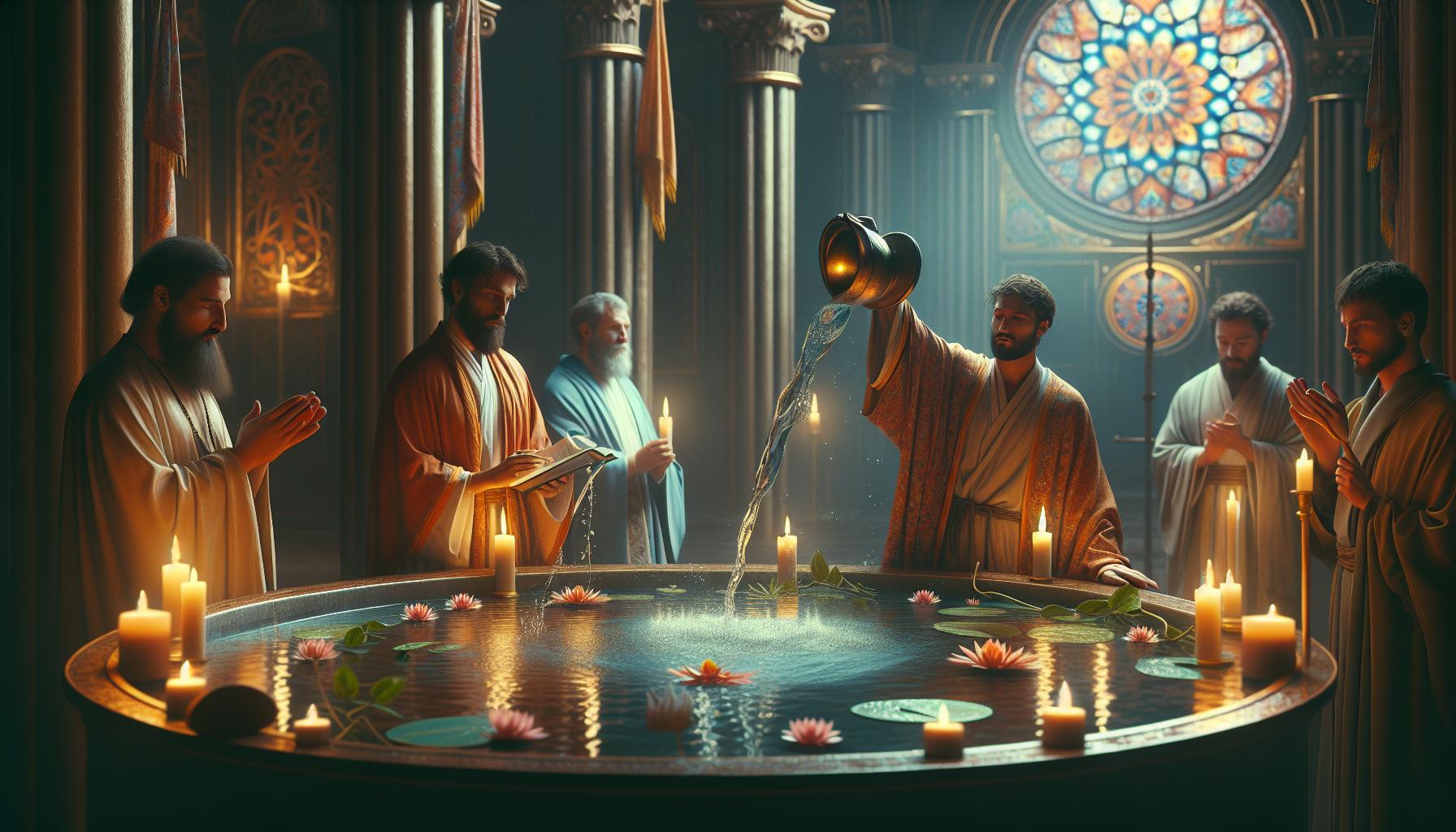
Water serves as a profound symbol across various cultures and religions, embodying themes of cleansing, new life, and spiritual renewal. At the heart of these meanings lies its essential role in sustaining life; without water, survival is impossible. This intrinsic connection between water and life is vividly illustrated through the sacrament of baptism, where the immersion in or pouring of water signifies a transformative entry into spiritual existence.
Cleansing and Purification
In many spiritual practices, water serves as a potent symbol of purification. The act of baptism is often seen as a rite that cleanses the participant from sin and impurities, allowing them to emerge renewed. This symbolism is grounded in the belief that water can wash away not only physical dirt but also spiritual blemishes. For example, in Christian traditions, the washing away of sins during baptism signifies the beginning of a new journey in faith, aligning closely with the notion that through this ritual, individuals are reconciled to God and provided with a fresh start.
New Life and Rebirth
The link between water and new life is also prevalent in discussions about the sacrament of baptism. Just as water is integral to physical life, it represents spiritual rebirth in many religious contexts. This idea is beautifully encapsulated in the metaphor of being “born again,” which is a fundamental aspect of Christian theology. When someone is baptized, they are believed to be initiating a new life of faith. This symbolic death and resurrection, mirrored by the act of being submerged in water and then reborn through it, exemplifies the spirit’s renewal and the start of a relationship with the divine.
Spiritual Renewal and Connection
Beyond cleansing and rebirth, water embodies a deeper spiritual connection. The act of baptism can also be viewed as a personal encounter with the sacred. For participants, this ritual often serves as a profound reaffirmation of faith, fostering a renewed sense of purpose and identity within the community of believers. Engaging with water during baptism can create an intimate link between the individual and the larger spiritual narrative, reinforcing the believer’s commitment to their faith journey.
In summary, water is a multifaceted symbol representing cleansing, new life, and spiritual renewal. Its role in the sacrament of baptism encapsulates its rich significance, making it a central element in understanding various spiritual practices. When contemplating the sacrament of baptism, one cannot overlook the transformative power of water, which signifies life’s inherent cycles of washing away the old and welcoming the new.
Rituals of Baptism: From Preparation to Celebration
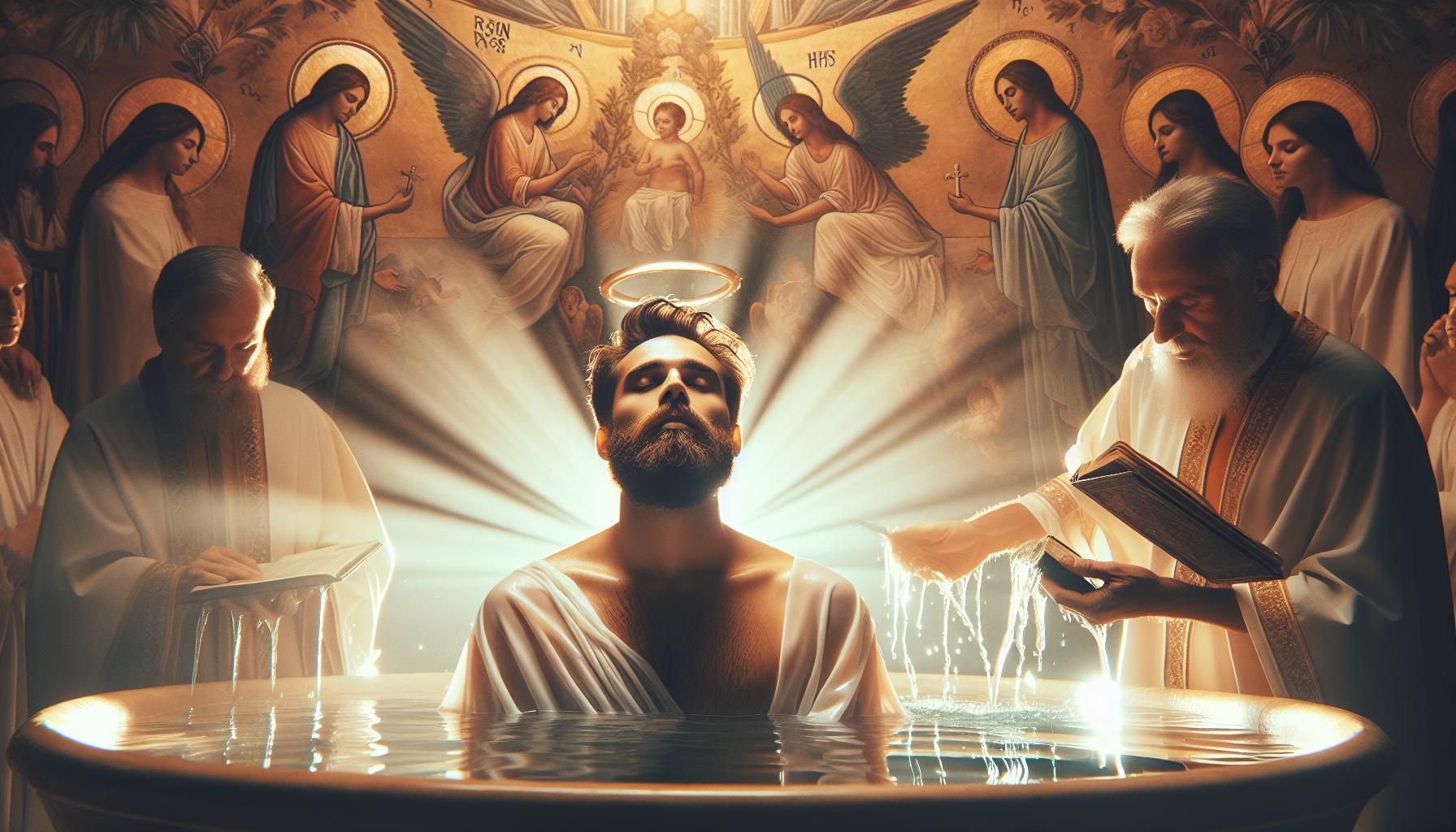
The journey of baptism is not merely a ceremonial act; it is deeply rooted in spiritual significance and community involvement. From the moment a family decides to pursue baptism for themselves or their child, a series of meaningful rituals begins that culminate in a celebratory ceremony that marks a profound spiritual milestone. Baptism signifies initiation into the Christian faith, serving as both a personal and communal affirmation of belief.
Preparation for Baptism
The preparation for baptism often involves reflection and education about the sacrament itself. Parents or candidates typically attend pre-baptismal classes offered by their church. These classes touch on the significance of baptism, its history, and the responsibilities that come with it, including the role of godparents. This stage fosters a deeper understanding of the commitment being made and helps solidify the faith that is being professed.
The Clothing Ritual
A key aspect of baptism is the clothing ritual, symbolizing purity and new life. For infants, this often takes the form of a white gown, which represents the washing away of sin and the new beginning that baptism signifies. Adults may wear similar garments or other formal attire, reflecting the seriousness and joy of the occasion.
- White Garments: Signify purity and the new life in Christ.
- Celebratory Elements: Flowers and decorations add to the atmosphere of joy.
The Baptism Ceremony
The ceremony itself typically includes several significant actions that encapsulate the meaning of baptism. The use of water is central, representing cleansing from sin. During the ceremony, a minister will immerse the candidate or pour water over their head, accompanied by the invocation of the Holy Trinity: the Father, the Son, and the Holy Spirit. This moment is both sacred and joyous, commonly marked by communal prayers and hymns sung by congregants.
Post-Baptismal Celebration
Following the baptism, it is customary to celebrate with family and friends. This celebration can take various forms, from a simple gathering with light refreshments to a larger reception. This not only honors the newly baptized but also reinforces the community’s role in supporting their spiritual journey.
In conclusion, the rituals encapsulating the sacrament of baptism are alive with symbolism and communal significance. From preparation to celebration, each step reflects a deep commitment to faith and a supportive network surrounding the individual being baptized.
The Role of Community in the Baptism Experience
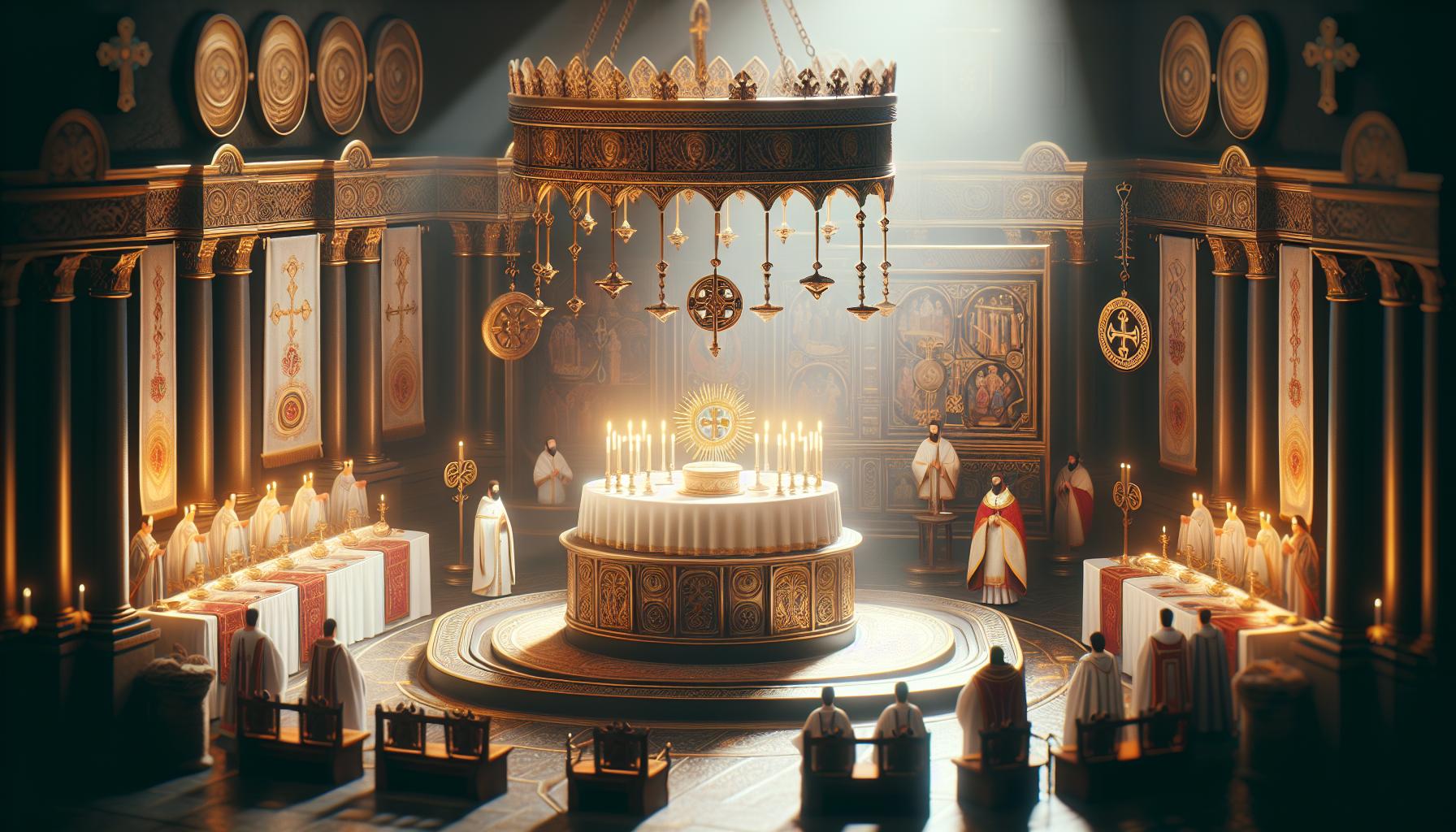
Baptism is not merely an individual act; it is deeply intertwined with the fabric of community life within the Church. When individuals choose to be baptized, they are not only making a personal declaration of faith but also entering into a communal relationship that embodies support, accountability, and shared belief. This communal aspect enriches the baptism experience, emphasizing the interconnectedness of believers and the collective journey of faith.
Significance of Community Support
is crucial. Believers who take this step are surrounded by their church family, which serves to affirm their decision and encourage them in their new spiritual journey. Community members witness the baptism, offering their support and celebrating the new life in Christ. This gathering of individuals is a living testament to the shared values and teachings of their faith. As stated in Matthew 18:20, “For where two or three gather in my name, there am I with them,” highlighting that Christ is present and actively working within the community during such sacred moments [[1]].
Cultivating Accountability and Growth
Beyond the celebration, community plays a vital role in maintaining accountability among believers. Churches often emphasize the importance of the body of Christ, where members can encourage one another in their faith journeys. Through small groups, mentorship, and fellowship, the baptized are reminded that they do not walk this path alone. This structure helps cultivate spiritual growth and resilience, as individuals are supported through challenges and encouraged in their faith.
In practice, successful integration into the community can look like:
- Participating in church events and services.
- Engaging in small group discussions or Bible studies.
- Establishing mentorship relationships with seasoned believers.
Community involvement fosters a deeper understanding of the sacrament of baptism and reinforces one’s commitment to living out the teachings of Christ within a supportive environment.
Following the Example of Jesus
The essence of baptism is connected to following the example set by Jesus, who was baptized in the presence of others. In the same way, believers today are called to make their faith public, receiving affirmation from their community. This public declaration not only solidifies their commitment but encourages others to examine their own spiritual journeys. The collective participation in baptism ceremonies serves as a powerful reminder of the shared mission of the Church: to make disciples and extend the love of Christ to all.
In conclusion, the baptism experience is profoundly impacted by the surrounding community, which nurtures, guides, and supports individuals in their new life in Christ. Emphasizing the communal aspect of this sacrament makes the act of baptism not just a moment of individual significance but a celebration of faith that bridges the gap between the individual and the body of Christ.
Exploring Different Baptism Practices Across Denominations
The significance of baptism transcends mere ceremony; it is a deeply rooted tradition within Christianity that varies widely across denominations. This sacred act, often symbolizing a person’s entry into the faith community, is practiced differently, reflecting diverse theological beliefs, cultural contexts, and interpretations of scripture.
Variations in Baptism Practices
Across Christian denominations, baptism can be classified into several primary practices:
- Infant Baptism: Predominantly observed in Catholic, Orthodox, and many Protestant traditions, infant baptism emphasizes the belief in God’s grace bestowed on the child, regardless of their ability to express faith. It is often accompanied by the anointing with oil and the giving of a cross necklace as a sign of faith.
- Believer’s Baptism: This practice, found mainly in Baptist and Anabaptist churches, requires a personal declaration of faith, typically performed through full immersion. It reflects the individual’s conscious decision to follow Christ, symbolizing a public profession of faith and identification with the death and resurrection of Jesus.
- Affusion and Aspersion: Some denominations, such as Methodists and Anglicans, adopt these methods, which involve pouring or sprinkling water on the person’s head. These practices highlight the sacrament’s spiritual significance rather than the physical act of immersion.
Theological Implications of Baptism
The theological motivations behind baptism can vary significantly:
- Sin Cleansing: In most traditions, baptism signifies cleansing from original sin and the beginning of a new life in Christ.
- Entrance into Church Community: Baptism often marks the individual’s official entry into a specific faith community, fostering a sense of belonging and responsibility.
- Symbol of Faith: Across various denominations, baptism serves as an outward symbol of inward faith, demonstrating one’s commitment to living according to Christian teachings.
Comparative Table of Baptism Practices
| Denomination | Method | Timing |
|---|---|---|
| Catholic | Affusion or Immersion | Infant |
| Orthodox | Full Immersion | Infant |
| Baptist | Full Immersion | Believers |
| Methodist | Affusion or Aspersion | Infant or Believers |
Understanding these differences in baptism practices not only highlights the rich tapestry of Christian traditions but also serves as a reminder of the shared core belief in the transformative power of this sacrament. Each denomination captures unique aspects of what baptism signifies, showcasing a spectrum of faith expression, communal relationships, and individual commitment within the Christian faith.
Preparing for Baptism: Guidance for Candidates and Families
To embark on the profound journey of baptism, candidates and their families must approach this step with a sense of purpose and preparation. Baptism is not merely a ritual; it signifies a pivotal moment in the believer’s life. Understanding the significance behind this sacrament is essential for both candidates and their loved ones, providing a deeper appreciation for what it represents in the Christian faith. It symbolizes a public declaration of one’s faith in Christ, reflecting His death, burial, and resurrection, and marks an individual’s commitment to living a life dedicated to Him.
Understanding the Meaning of Baptism
Before the baptism, it is crucial for candidates to grasp its spiritual implications. This includes recognizing that baptism is a representation of being united with Christ – being “buried” with Him through water and raising up “alive” as a new creation (Romans 6:3-4). It is a declaration of turning away from a life of sin and embracing a life led by the Holy Spirit. This transformative act can be enlightening for families, allowing them to support and encourage candidates in their spiritual journeys.
Preparing Mentally and Spiritually
Preparation involves spiritual reflection and personal commitment. Candidates are encouraged to consider the following before their baptism:
- Self-Assessment: Reflect on personal faith and spiritual beliefs.
- Educate Yourself: Learn about the history and significance of baptism in your faith community.
- Engagement in Community: Involve family and friends in the journey, sharing the excitement of this significant milestone.
Having open discussions with pastors or mentors can also provide clarity and answer any lingering questions about the baptism process, helping to cement the candidate’s understanding and readiness.
Practical Considerations for the Day of Baptism
On the day of the baptism, practical arrangements play a critical role in ensuring a smooth experience. This includes:
| Item | Details |
|---|---|
| Attire | Wear a modest outfit that is comfortable for immersion. |
| Family Involvement | Invite family and friends to witness this meaningful event. |
| Photographs | Consider arranging for someone to take pictures to capture the moment. |
| Post-Baptism Celebration | Plan a small gathering to celebrate with loved ones. |
Completing these practical details helps create a memorable environment that reinforces the importance of the sacrament. Families should view baptism not just as an event but as a celebration of faith and a meaningful step in the spiritual life of the candidate. By preparing thoughtfully, both candidates and families can embrace the fullness of the sacrament, reinforcing its importance long after the ceremony has taken place.
The Impact of Baptism on Personal Faith Journeys
Baptism is more than just a ritual; it serves as a transformative event that significantly influences an individual’s faith journey. For many, the act of baptism represents a profound moment of commitment and connection to the Christian faith, marking a point where one publicly declares their allegiance to Christ. This transition is encapsulated in various teachings and traditions that emphasize the importance of baptism, highlighting its role in initiating believers into a life centered around faith and community.
When a person is baptized, they are not just undergoing a ceremonial wash; they are embracing a new identity as a member of the Body of Christ. This sacrament symbolizes a new birth and signifies the start of a spiritual journey that is enriched by fellowship with other believers and participation in the Church. As the Apostle Paul conveys, through baptism, individuals are united in one faith and one baptism, creating a bond that transcends personal differences and backgrounds. This unifying aspect can inspire a deeper commitment to living out one’s faith actively and sharing that journey with others, fostering a sense of belonging in a larger community of believers [3[3].
Moreover, baptism typically serves as a catalyst for spiritual growth. Just as water cleanses the body, this sacrament cleanses the soul from original sin, allowing individuals to start anew. It encourages the faithful to seek spiritual disciplines such as prayer, scripture study, and service, thus enhancing their personal faith journeys. The transformative power of baptism encourages ongoing reflection and connection with God, nurturing a lifelong commitment to growth and discipleship.
In addition to personal renewal, the impact of baptism extends to communal dimensions. It acts as a public confession of faith, symbolizing the believer’s acceptance of Christ’s teachings and commitment to live in accordance with them. This open declaration can inspire others to explore their faith, creating a ripple effect that may lead friends and family members to consider their own spiritual journeys. As such, baptism is not merely a personal milestone; it is also a testimony that can lead to broader conversations about faith and spirituality within one’s community [2[2].
In summary, is profound and multifaceted. It signifies not only the beginning of a spiritual transformation and a new identity in Christ but also fosters community engagement, inspiring others to explore their own faith journeys. Embracing the sacrament of baptism can lead to renewed dedication, spiritual growth, and an enriched connection within the church community.
Continuing the Journey: Living Out Your Baptismal Promises
The path illuminated by the sacrament of baptism is not merely a one-time event; it marks the beginning of a lifelong journey filled with commitment and spiritual growth. Living out your baptismal promises necessitates an active engagement with the faith, an understanding that these promises are a daily call to embody the values of love, service, and compassion in a tangible way.
Embracing a Life of Faith
Baptism initiates individuals into a community of believers, where mutual support and guidance are essential. As newly baptized members, individuals are called to actively participate in the life of their church. This can include regular attendance at worship services, involvement in study groups, and opportunities for fellowship. By re-committing to these practices, one not only strengthens their faith but also adheres to the promises made at baptism, which include rejecting sin and embracing the teachings of Christ.
Living the Promises
To genuinely live out these promises, individuals can focus on specific actions that reflect their commitment. Consider the following suggestions:
- Create a Personal Prayer Routine: Regular prayer can deepen one’s relationship with God and provide clarity on how to live out one’s baptismal promises.
- Engage in Community Service: Volunteering in local charities or church initiatives fosters a spirit of service and compassion, embodying the call to love one another.
- Participate in Sacraments: Regular participation in the Eucharist and other sacraments strengthens one’s faith and enhances the journey started at baptism.
- Mentor Others: Sharing your faith journey with others can help both parties grow spiritually and reinforce the community aspect of the promises made.
In essence, living out your baptismal promises transforms each moment into an opportunity for spiritual practice. By fostering connections within the community, expressing faith through actions, and embracing a lifestyle grounded in love and service, the essence of baptism continues to be a guiding light.
Reflection and Renewal
Regular reflection on one’s baptismal promises can serve as a powerful motivator. Setting aside time for contemplation, perhaps during Lent or personal retreats, allows individuals to assess their journey and renew their commitments. Such moments can reveal both growth and areas needing improvement, ensuring that the spirit of baptism remains alive and vibrant. Through ongoing reflection and action, the journey that begins with the initiation of baptism can lead to profound personal and communal transformation.
Faq
What Is the Sacrament of Baptism?
The Sacrament of Baptism is a significant Christian rite that symbolizes the initiation of a believer into the faith of Jesus Christ. It typically involves the immersion in or pouring of water and is performed in the name of the Father, Son, and Holy Spirit.
This sacrament is not only a declaration of faith but also marks the believer’s formal entry into the Christian community. In various traditions, baptism represents the cleansing of sin and the beginning of a transformed life as a child of God, highlighting its importance in Christian practice.
Why Is Baptism Important in Christianity?
Baptism is essential in Christianity as it signifies obedience to Jesus’ command and symbolizes the believer’s commitment to their faith. It is seen as an act of faith that reflects acceptance of divine grace.
Through baptism, individuals receive spiritual rebirth and are welcomed into the community of believers. This practice is deeply rooted in scripture, where Jesus emphasized its importance in Matthew 28:19, commanding disciples to baptize all nations.
Can I Be Re-Baptized?
In most Christian traditions, re-baptism is not required if the first baptism was performed in accordance with the faith. However, some denominations may allow it if the individual has since found a deeper understanding of their faith.
This practice reflects the belief that a person’s initial baptism remains valid as it is based on faith and not just the act itself. If considering re-baptism, it is often advised to speak with a spiritual leader for guidance.
What Are the Rituals Involved in Baptism?
The rituals associated with baptism can vary between denominations but commonly include the pouring or immersing in water, the pronouncement of the Trinity, and sometimes anointing with oil. These elements signify cleansing, renewal, and the Holy Spirit’s presence.
Different traditions may also include additional elements such as formal vows of faith from the individual or their sponsors, showcasing the communal aspect of baptism as a shared journey of faith.
Who Can Be Baptized?
Baptism is available to anyone who wishes to follow Christ, regardless of age. Many denominations practice infant baptism, while others may require a conscious decision from young adults or adults, affirming their faith before the sacrament.
Ultimately, the primary requirement is a sincere intent to follow Christ, highlighting the sacrament’s role as a personal commitment to the Christian faith.
What Is the Meaning of Baptism Beyond Ritual?
Beyond its ritualistic significance, baptism symbolizes spiritual transformation and the believer’s identification with Christ’s death, burial, and resurrection. It represents a commitment to live a life reflective of Christian values.
Baptism also serves as a profound expression of communal faith, uniting individuals with fellow believers and showing their readiness to engage in the life of the community. This understanding enriches the sacrament beyond mere tradition and fosters a deeper spiritual journey.
How Does Baptism Relate to Salvation?
Baptism is often described as the gateway to receiving God’s grace, marking the transition from a life of sin to one of salvation. While essential, it is understood in many traditions as a symbolic act that complements one’s faith.
It signifies a believer’s acceptance of Jesus Christ as Lord and Savior and reflects the internal transformation already occurring in the individual’s heart. Thus, while baptism is important, it is one aspect of a larger, ongoing faith journey.
Concluding Remarks
In conclusion, the sacrament of baptism serves as a profound expression of faith, representing initiation, purification, and a deepened commitment to the spiritual journey. Throughout this exploration, we have highlighted the rich theological foundations, the diverse rituals and symbols that accompany baptism, and the personal significance it holds for individuals and communities alike. As you reflect on these elements, we encourage you to engage further—whether through participation in a baptismal ceremony, deeper study of your specific denominational practices, or discussions with clergy and fellow congregants. Together, let us honor this sacred tradition, fostering an understanding that embraces the unique paths of believers while reinforcing our shared commitment to faith and community. Join us in continuing this journey of discovery and connection as we delve into the meaningful practice of baptism in our lives and churches.
Get our latest guides, news, and insights highlighted in your Google Search & AI Overviews.