What deeper significance lies beneath the surface of water in baptism? This sacred ritual represents more than a simple act; it embodies themes of cleansing and rebirth that resonate across cultures and religions. Understanding this symbolism is essential for grasping the transformative power of baptism and its enduring relevance in spiritual journeys.
Understanding Water’s Role in Baptism: A Sacred Tradition
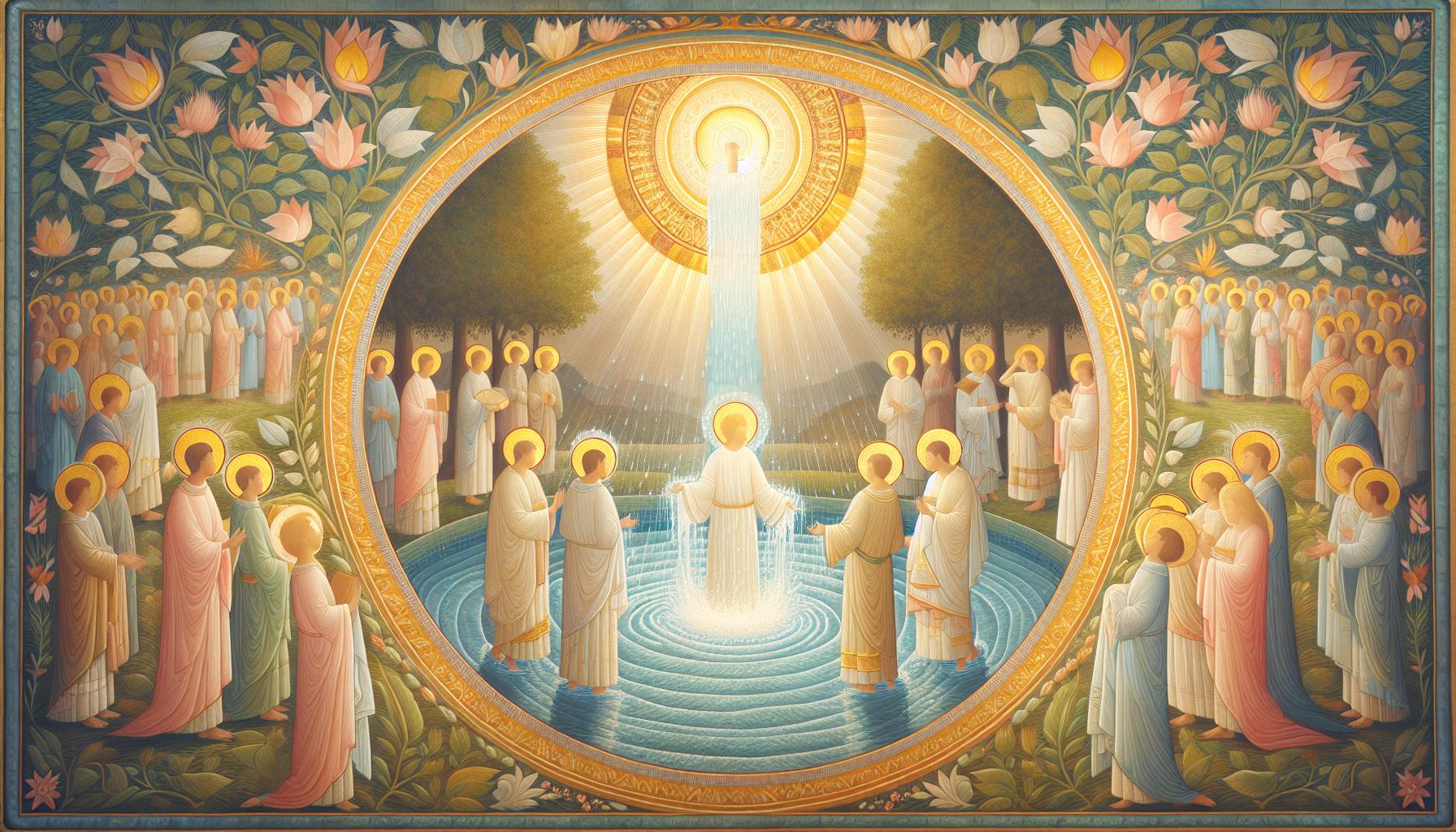
The significance of water in baptism extends far beyond its physical properties; it embodies deep spiritual truths and rich cultural traditions that have been observed for centuries. From ancient rituals to modern church practices, the use of water serves as a powerful symbol of cleansing and rebirth, inviting believers to reflect on their spiritual journey and renewal.
The Symbolism of Water in Baptism
At its core, water symbolizes purification and the washing away of sin. This perspective is rooted in various religious texts, where water is often associated with fresh starts and divine intervention. For instance, in Christianity, the act of baptism signifies not only the forgiveness of sins but also a commitment to a new life in Christ. Here are some key attributes of water’s role in this sacred tradition:
- Cleansing: Water is the essential element that represents cleansing from impurities, both physical and spiritual.
- Rebirth: Immersion in water symbolizes death to an old way of life and the emergence into a new one, mirroring Christ’s resurrection.
- Connection: The act of baptism builds a connection between the individual and the community of believers, as well as with God.
A Historical Perspective
Historically, many cultures view water as a sacred element. Ancient rituals both in the Judeo-Christian tradition and other faiths involve purifying practices with water, painting a landscape where this ritual is universally recognized as essential for spiritual growth. For example, in the Hebrew Scriptures, the ritual of Mikveh represents purification through water, signifying a spiritual cleansing process that paves the way for new beginnings.
A comparative analysis of various traditions regarding water’s purifying qualities reveals fascinating insights:
| Tradition | Meaning of Water |
|---|---|
| Christianity | Signifies cleansing from sin and rebirth in Christ. |
| Judaism | Represents purification and spiritual renewal. |
| Hinduism | Symbolizes spiritual cleansing and the cycle of life, death, and rebirth. |
| Buddhism | Represents the flowing nature of life and the purification of the mind. |
Understanding this multi-faceted symbolism provides a richer appreciation for the act of baptism itself. It invites individuals to not only partake in a ceremony but to embrace the profound transformation that accompanies it, ultimately leading to a renewed identity within their faith community. By engaging thoughtfully with the meaning of water in baptism, participants can deepen their spiritual experience and connection to the divine presence in their lives.
The Symbolism of Cleansing: Purification in Water
Water has long been regarded as a source of life, but its transformative qualities extend far beyond mere hydration. In many cultures and religious traditions, water serves as a potent symbol of purification and renewal. Within the context of baptism, the act of immersing oneself in water stands as a powerful metaphor for cleansing: washing away the impurities of the past and emerging reborn into a state of grace and enlightenment. This ancient ritual, a cornerstone in various spiritual practices, encapsulates a profound journey of self-renewal, making the symbolism of water in baptism noteworthy for both the initiated and the curious alike.
The Cleansing Power of Water
Throughout history, water has been associated with cleansing in both physical and spiritual senses. Its role in baptism is a clear enactment of this principle. By submerging or sprinkling water on the individual, a spiritual metamorphosis occurs. This act can be understood through several key symbolic interpretations:
- Physical Cleansing: The water represents the removal of sin and guilt, allowing individuals to physically manifest their desire for spiritual cleanliness.
- Emotional Renewal: Water’s soothing properties foster feelings of tranquility and peace, enabling deeper introspection and emotional release.
- Spiritual Rebirth: Emerging from the water symbolizes a new beginning, akin to a fresh start in one’s spiritual journey.
Further, the act of baptism using water emphasizes the importance of communal participation. Just as rivers and oceans connect us all, the act of baptism brings individuals into a shared experience, linking them to a broader faith community and reaffirming their journey towards purification and renewal.
Ritual Context and Cultural Variations
The diverse expressions of water’s cleansing symbolism can be witnessed in various cultural customs. For instance:
| Culture/Religion | Water’s Symbolism | Ritual Practice |
|---|---|---|
| Christianity | Forgiveness and rebirth | Baptism by water as a rite of passage |
| Hinduism | Sacred purification | Sipping or bathing in holy rivers |
| Islam | Spiritual cleanliness | Wudu (ablution) before prayers |
| Buddhism | Mindfulness and cleansing of the mind | Water offerings as a sign of purification |
These examples illustrate how water’s power as a cleansing agent transcends individual belief systems, highlighting a universal desire for purification and rebirth. By participating in such rituals, individuals connect with their heritage while also partaking in a timeless expression of humanity’s search for renewal and redemption.
Through understanding the multifaceted symbolism of water in baptism, individuals can not only appreciate the depth behind this sacred ritual but also reflect on the broader implications of purification in their spiritual lives. Whether through a formal rite or personal practice, embracing the lessons of cleansing and rebirth can foster a deeper connection to oneself and the community at large.
Rebirth Through Water: New Life in Christ
The act of baptism, an age-old ritual embraced by numerous faiths, serves as a profound symbol of purification and renewal. As water flows over the newly baptized, it signifies more than just a physical cleanse; it embodies the transformative journey of rebirth in Christ, offering believers a chance to shed their old identities and emerge renewed.
The Symbolism of Water in Baptism
Water plays a crucial and multifaceted role in the significance of baptism, acting as a conduit for spiritual transformation. For many, this sacred rite is not merely a tradition but a pivotal moment in their spiritual journey. Here are a few key elements of what water represents in this context:
- Cleansing: Water symbolizes purity and the washing away of sins. Just as water removes dirt from the body, baptism represents the washing away of spiritual impurities.
- Rebirth: Immersion in water signifies a new beginning, mirroring Christ’s own resurrection. This act of being submerged and then rising again highlights the believers’ emergence into a new life of faith.
- Community: The act of baptism creates an unbreakable bond within the body of believers, showcasing one’s commitment to a faith community and Christ himself.
Practical Steps to Embrace Your Rebirth
Engaging with the symbolism of water in baptism can be a transformative experience. Here are some actionable steps to help deepen your understanding and embrace this powerful moment in your faith journey:
- Reflect on Personal Significance: Spend time in prayer or meditation, contemplating what your baptism represents in your life.
- Connect with Scripture: Delve into passages such as Romans 6:4, which highlights how baptism symbolizes the death and resurrection of Christ, encouraging newness in life.
- Engage with the Community: Participate in church groups that discuss the importance of baptism, sharing experiences with others who have also gone through this transformative act.
- Celebrate Anniversaries: Mark the anniversary of your baptism each year as a reminder of your commitment to your faith and the new life you have embraced.
Understanding the meaning of water in baptism can invigorate your spiritual experience, reminding you of the fresh start that comes with faith in Christ. Whether you are preparing for baptism or reflecting on a past experience, recognizing the cleansing and rebirth symbolism in this sacred rite is vital for nurturing your spiritual journey.
Theological Foundations: Water as a Sign of Grace
Water, a foundational element of life, carries profound significance in various cultures and religions. It is not merely a substance but also a powerful symbol steeped in meaning, particularly within Christian theology. In the context of baptism, water serves as a central conduit for understanding concepts like cleansing and rebirth, epitomizing divine grace and the transformative journey of faith. Each droplet encapsulates narratives of renewal, highlighting how individuals are washed free of sin and embraced into a new identity within the community of believers.
Symbolism of Cleansing
One of the most striking aspects of water in baptism is its role as a symbol of cleansing. In many scriptures, water represents purification, a restoration to a state of holiness. Through immersion or sprinkling, the act of baptism signifies the believer’s internal washing away of past transgressions. This cleansing is not just physical; it is deeply spiritual. Here’s how it unfolds:
- Forgiveness of Sins: Water in baptism illustrates the washing away of sin, reflecting passages like Acts 2:38, where repentance is linked with baptism for the forgiveness of sins.
- Renewal of Spirit: As one emerges from the water, it symbolizes a new creation in Christ, drawing from 2 Corinthians 5:17 where believers are described as “new creations.”
- Community Inclusion: The act serves as an initiation, welcoming individuals into the fellowship of the Church, thus reinforcing community bonds anchored in shared beliefs.
The Rebirth Narrative
Extended beyond cleansing, water embodies the theme of rebirth. This profound transformation is highlighted in John 3:5, where Jesus speaks of being “born of water and the Spirit.” This passage underscores the notion that participation in baptism is akin to being reborn into a life saturated with the Holy Spirit’s presence.
The dual representation of water as both a cleansing agent and a life-giver resonates with the early Church’s practices and teachings. Early Christians viewed baptism as an entry point not only to forgiveness but also to a life enriched with purpose and meaning. The act symbolizes a profound shift in identity, where individuals are no longer defined by their former lives but are reborn into a vibrant relationship with God and the Christian community.
Practical Steps for Embracing This Symbolism
To fully appreciate the theological significance of water in baptism, individuals and communities can take practical steps:
| Step | Description |
|---|---|
| Reflect on Personal Experiences | Consider how moments of personal struggle and renewal can parallel the act of baptism. |
| Participate in Community Baptisms | Engage with others in community baptism services to witness and share in the transformative power of grace. |
| Educate About Baptism | Organize classes or small groups to delve deeper into the meaning of baptism and its implications for a believer’s life. |
In conclusion, the theological foundations rooting water in the context of baptism extend far beyond its physical properties. It encapsulates the profound messages of grace, cleansing, and rebirth that resonate with every believer’s journey of faith, emphasizing how this sacred act serves as an indelible mark of transformation and community.
Practical Reflections: Preparing for Baptism
Reflecting on the sacred act of baptism can ignite profound personal growth and transformation. As you prepare for this significant milestone, contemplating the meaning of water in baptism is essential. Traditionally viewed as a symbol of cleansing and rebirth, water in the baptismal ceremony serves as a physical representation of spiritual renewal and a fresh beginning in one’s faith journey. Engaging with this symbolism can deepen your understanding and enhance the experience.
Understanding Your Spiritual Journey
Before stepping into the waters of baptism, take time to engage in personal reflection. Consider the following:
- What does this commitment signify for you personally?
- How have your beliefs evolved leading up to this moment?
- In what ways do you hope to live out your faith after baptism?
These questions encourage a journey of self-discovery and fortification of your faith. It’s not just about the act itself but understanding how the cleansing nature of water symbolizes the purification of your heart and spirit. For many, this preparation involves prayer, conversations with mentors or spiritual leaders, and immersion in scriptural texts that resonate with themes of renewal and transformation.
Practical Preparations
As you approach baptism, practical preparation can enhance both your spiritual readiness and the celebration itself. Here are some actionable steps to consider:
- Educate Yourself: Invest time in understanding the biblical significance of baptism, focusing on how water acts as a conduit for cleansing and rebirth. Consider attending classes or discussions at your church.
- Connect with the Community: Forge connections with others who are also preparing for baptism. Community support can lead to meaningful conversations and shared experiences.
- Plan Your Ceremony: Discuss with your church leaders about the particulars of the baptism, including the setting, the role of family and friends, and any personal vows or statements you wish to share.
- Set Intentions: Write down your intentions and what you hope to achieve through this sacrament. This will serve as a guide for your spiritual journey moving forward.
Embracing the Moment
When your baptism day arrives, embrace the experience fully. The act of immersing yourself in water not only cleanses your body but also your spirit, marking the end of one chapter and the beginning of another. As you enter the waters, visualize the washing away of past burdens and the welcoming of new life in faith.
Many find that incorporating traditions or personal touches, such as sharing a favorite verse or bringing a family heirloom, can enhance the experience. Building a personal narrative around the act of baptism reinforces its significance and allows the symbolism of cleansing and rebirth to resonate more powerfully in your heart and community.
In summary, preparing for baptism entails both spiritual and practical reflections. By engaging in thoughtful contemplation of the meaning of water in baptism, you can approach this sacred ritual with a heart open to renewal and transformation, paving the way for a faithful and vibrant journey ahead.
Water in Different Faith Traditions: A Comparative Perspective
Water serves as a profound symbol across a myriad of faith traditions, often representing purification, life, and spiritual rebirth. This elemental substance takes on unique and varied meanings, reflecting the beliefs and practices deeply embedded in religious and spiritual contexts. Consequently, understanding how water influences different belief systems provides insight into its significance beyond mere physical necessity.
Water in Christianity
In Christianity, water is most prominently featured in the sacrament of baptism, which is pivotal for believers. The act symbolizes the cleansing of sin and the emergence of a new spiritual life. Drawing from biblical narratives, such as the baptism of Jesus in the Jordan River, water represents both purification and the commitment to a life of faith. The ritual not only signifies an individual’s entry into a community of believers but also highlights themes of rebirth and renewal.
Water in Hinduism
Similarly, in Hinduism, water is associated with vital concepts of life and purification. Sacred rivers, such as the Ganges, are revered for their ability to cleanse individuals of sins. The act of bathing in these waters is believed to ensure spiritual renewal, demonstrating the connection between physical cleanliness and spiritual health. Rituals such as *Tarpan* involve pouring water as an offering to ancestors, emphasizing its role in both sacred rituals and familial devotion.
Water in Buddhism
In Buddhism, water embodies wisdom and tranquility. The element is often used in rituals to cleanse and bless spaces, as well as individuals, facilitating the removal of negative energies. The imagery of water in Buddhist teachings signifies the flow of life and the need for adaptability. Monasteries may include water features, symbolizing peace and reflection, contributing to the serene atmosphere essential for meditation and contemplation.
Comparative Overview
To better understand these diverse interpretations of water across different faiths, the following table presents key aspects:
| Faith Tradition | Symbolism | Associated Rituals |
|---|---|---|
| Christianity | Purification, Rebirth | Baptism |
| Hinduism | Life, Spiritual Cleansing | Bathing in Sacred Rivers |
| Buddhism | Wisdom, Tranquility | Water Offerings, Cleansing Rituals |
In conclusion, the significance of water transcends its physical properties, weaving through both ritualistic practices and beliefs in various faith traditions. Each tradition’s interpretation of water carries its unique essence, underscoring its role as a fundamental symbol of life, purity, and spiritual transformation. Embracing these diverse perspectives on water not only enriches our understanding of individual faiths but also fosters interfaith compassion and appreciation for shared spiritual values.
Embracing the Journey: Personal Stories of Transformation
Water, a fundamental element of life, holds profound significance across cultures and religions, especially when it comes to the practice of baptism. As this ancient ritual unfolds, transformation often occurs—one that transcends mere physical cleansing. Individuals emerge from the waters not just free of sin but rejuvenated and reborn into a new understanding of themselves and their faith. Personal stories of transformation tied to the meaning of water in baptism reflect the universal quest for renewal and hope.
The Stories Behind the Symbolism
Many individuals who undergo baptism recount moments of reflection, decision, and ultimate change. For some, the experience serves as a milestone marking their spiritual journey, while for others, it represents a deeply personal rebirth. Here are a few poignant examples:
- Emily’s Journey of Forgiveness: After years of struggling with feelings of guilt and shame, Emily found solace in the ritual of baptism. Immersed in water, she felt the burdens of her past wash away. “Coming up from that water,” she shares, “I felt a sense of freedom that I had never known before. It was as if I was given a second chance.” This personal transformation empowered her to extend forgiveness to others, reshaping her relationships and self-worth.
- Mark’s Path to Belonging: Mark, who had long felt alienated from his faith community, found a home through baptism. The act of being submerged in water represented his acceptance and commitment to a community that embraced him. “The water was like a bridge,” he explains. “It connected my past struggles with a hopeful future. I finally felt like I belonged.” His story highlights how baptism can serve as a tool for fostering connection and acceptance.
- Sarah’s Renewal of Faith: After facing life-altering challenges, Sarah sought baptism to symbolize her renewed faith. The experience allowed her to publicly affirm her beliefs, signaling the start of a new chapter. “When I rose from the water, it felt like my old life was behind me,” she reflects. “I was ready to live out my faith actively.” Sarah’s transformation exemplifies the idea that baptism is more than a ritual; it’s a declaration of one’s commitment to a life of faith and purpose.
The Transformative Power of Water
The deeply rooted symbolism of water in baptism is often linked to cleansing, renewal, and rebirth. Within the sacred waters, many find not only a physical cleansing but an opportunity to shed old identities and embrace new beginnings. The act intertwines tradition with individual significance, as each participant interprets its meaning through their life experiences.
To truly embrace this journey, consider the following actionable steps for those contemplating baptism or reflecting on their experiences:
| Action Step | Description |
|---|---|
| Reflect | Take time to journal or meditate on what transformation you seek and what baptism means to you. |
| Connect | Discuss your feelings and thoughts with a mentor, pastor, or those who have gone through the baptism experience to gain insights. |
| Prepare | Involve yourself in classes or study engagements related to the meaning of baptism, enhancing your understanding. |
| Experience | When the time feels right, take the step to get baptized or renew your baptism, commemorating your personal transformation. |
Through these personal journeys, individuals come to realize that the waters of baptism offer much more than sporadic drops of water; they symbolize profound cleansing and rebirth, echoing the deep-seated human desire for renewal and a fresh start in the spiritual realm. As we delve deeper into personal stories of transformation, we recognize that each story is unique yet collectively resonates with the universal themes of hope, acceptance, and radical change.
The Community’s Role: Supporting Baptismal Candidates
In the journey of faith, the role of community embodies a profound responsibility, particularly when it comes to guiding and supporting baptismal candidates. The sacrament of baptism symbolizes much more than a ritual; it represents a new beginning, a cleansing of the spirit, and the embracing of a larger faith community. Understanding this significance allows the community to foster an environment conducive to spiritual growth, love, and encouragement.
Fostering Connection and Belonging
A supportive community not only welcomes baptismal candidates but also helps them feel a strong sense of belonging. Here are some essential ways the community can play an active role in this transformative experience:
- Mentorship: Pairing candidates with mentors can provide personalized guidance, fostering deeper connections and understanding of the baptismal vows.
- Education: Organizing preparatory classes or study groups where candidates can learn about the meaning of water in baptism, especially its cleansing and rebirth symbolism, enhances their knowledge and confidence.
- Inclusivity: Incorporating candidates into community activities, such as service projects or fellowship events, allows them to build relationships before and after their baptism.
Creating an Atmosphere of Celebration
Baptism is a monumental event, both for the candidates and the community. Celebrating this milestone can significantly impact candidates’ spiritual journeys. The following actions can help create an environment of joy and support:
- Organized Events: Host a pre-baptism celebration that brings together family, friends, and church members, emphasizing collective joy and support.
- Public Acknowledgment: During worship services, acknowledge baptismal candidates, allowing the congregation to witness their commitment and pledge their support.
- Follow-Up: After baptism, continue to engage with candidates through regular check-ins, helping them transition into active community members and encouraging ongoing spiritual development.
Building a Spiritual Support Network
Support doesn’t end with the baptism ceremony; it unfolds into a deeper spiritual journey. Communities can establish frameworks that nurture candidates long after they’ve been baptized, reinforcing the idea that they are now a vital part of the faith community. For instance, implementing small groups or prayer circles can foster communal prayer and discussion around the shared faith journey.
Consider the following components to build a supportive network:
| Component | Description |
|---|---|
| Monthly Gatherings | Facilitating regular meetings for new members to interact with seasoned church members. |
| Bible Study Groups | Encouraging candidates to engage in scriptural study that deepens their understanding of cleansing and rebirth symbolism. |
| Volunteer Opportunities | Helping candidates serve in community outreach programs, reinforcing their faith through active participation. |
By nurturing an environment of support, education, and celebration, the community plays a critical role in assisting baptismal candidates as they embark on a life-transforming journey, richly intertwined with the symbolism of water in baptism and its essential meaning of cleansing and rebirth.
Frequently Asked Questions
What is the Meaning of Water in Baptism? Cleansing & Rebirth Symbolism?
The meaning of water in baptism symbolizes cleansing and rebirth, embodying the transformative journey of faith. It represents the washing away of sin and the beginning of a new life in Christ.
In Christian traditions, water in baptism is seen as a conduit of divine grace. By immersing or pouring water over individuals, believers acknowledge their acceptance of Christ’s sacrifice. This act signifies not just purification but also a commitment to live a renewed life. For more insights on its theological implications, see our article on baptism symbolism.
Why is water essential in the sacrament of baptism?
Water is essential in baptism as it embodies the ritual of cleansing and serves as a powerful symbol of the believer’s rebirth into the faith community.
The use of water in this sacrament connects believers to the ancient practice of ritual purification found in various religions. In Christianity, it signifies entry into a new relationship with God. This physical element reflects the spiritual transformation that accompanies the act of faith.
How does baptism represent cleansing and rebirth?
Baptism represents cleansing by symbolically washing away sins, while rebirth signifies the individual’s acceptance as a member of the faith community.
Through the act of baptism, believers declare their intention to turn away from past sins, embracing a new path guided by faith. This dual symbolism is rooted in scripture, such as in Acts 2:38, where Peter encourages repentance and baptism for the forgiveness of sins.
Can I choose to get baptized as an adult if I wasn’t baptized as a child?
Yes, adults can absolutely decide to be baptized, embracing its cleansing and rebirth symbolism, regardless of prior baptisms as children.
Many faith traditions emphasize that personal choice and belief are crucial for baptism. This adult baptism often signifies a deeper understanding of one’s faith and a renewed commitment to live according to spiritual principles.
What are the different methods of baptism, and do they affect its symbolism?
The various methods of baptism—immersion, pouring, or sprinkling—carry similar symbolism of cleansing and rebirth, each expressing an individual’s covenant with God.
Immersion symbolizes complete immersion into faith, while pouring and sprinkling highlight the grace of God washing over an individual. Regardless of method, baptism remains a powerful expression of faith’s transformative power. Each tradition provides unique insights on how the act deepens one’s spiritual journey.
Why do some denominations view baptism differently?
Different denominations have varying interpretations of baptism, based on theological perspectives, age of accountability, and the significance of water.
While some see baptism as necessary for salvation, others view it as a public declaration of faith. These differences can influence how communities understand the meaning of water in baptism, yet they all celebrate the essential themes of cleansing and rebirth.
What scriptures support the significance of water in baptism?
Scriptures such as Matthew 28:19 and Acts 2:38 highlight the significance of water in baptism, underscoring its cleansing and rebirth symbolism.
These passages emphasize the importance of baptizing in the name of the Father, Son, and Holy Spirit. They affirm that through baptism, individuals identify with Christ’s death and resurrection, confirming their new life of faith in the community.
Future Outlook
In conclusion, the symbolism of water in baptism embodies profound themes of cleansing and rebirth, serving as a powerful reminder of the transformative nature of faith. Whether viewed through the lens of ancient traditions or contemporary practice, water represents not just purification from sin, but also the joyous renewal of life that accompanies a deeper commitment to spiritual growth.
As you reflect on these concepts, consider how they resonate within your own faith journey or within your ministry. The act of baptism invites us to embrace not only our own rebirth but also to support one another in this sacred process. We encourage you to engage further with these themes—whether in study, conversation, or service—as they enrich our understanding of community and connection in the spirit of love and acceptance.
May this exploration inspire you to delve deeper into the meaning of baptism, both personally and collectively, fostering a spirit of inclusion and understanding among all who seek to celebrate this significant rite of passage. Join us in this journey, and discover the profound significance water holds in your life and the lives of those around you.
Get our latest guides, news, and insights highlighted in your Google Search & AI Overviews.