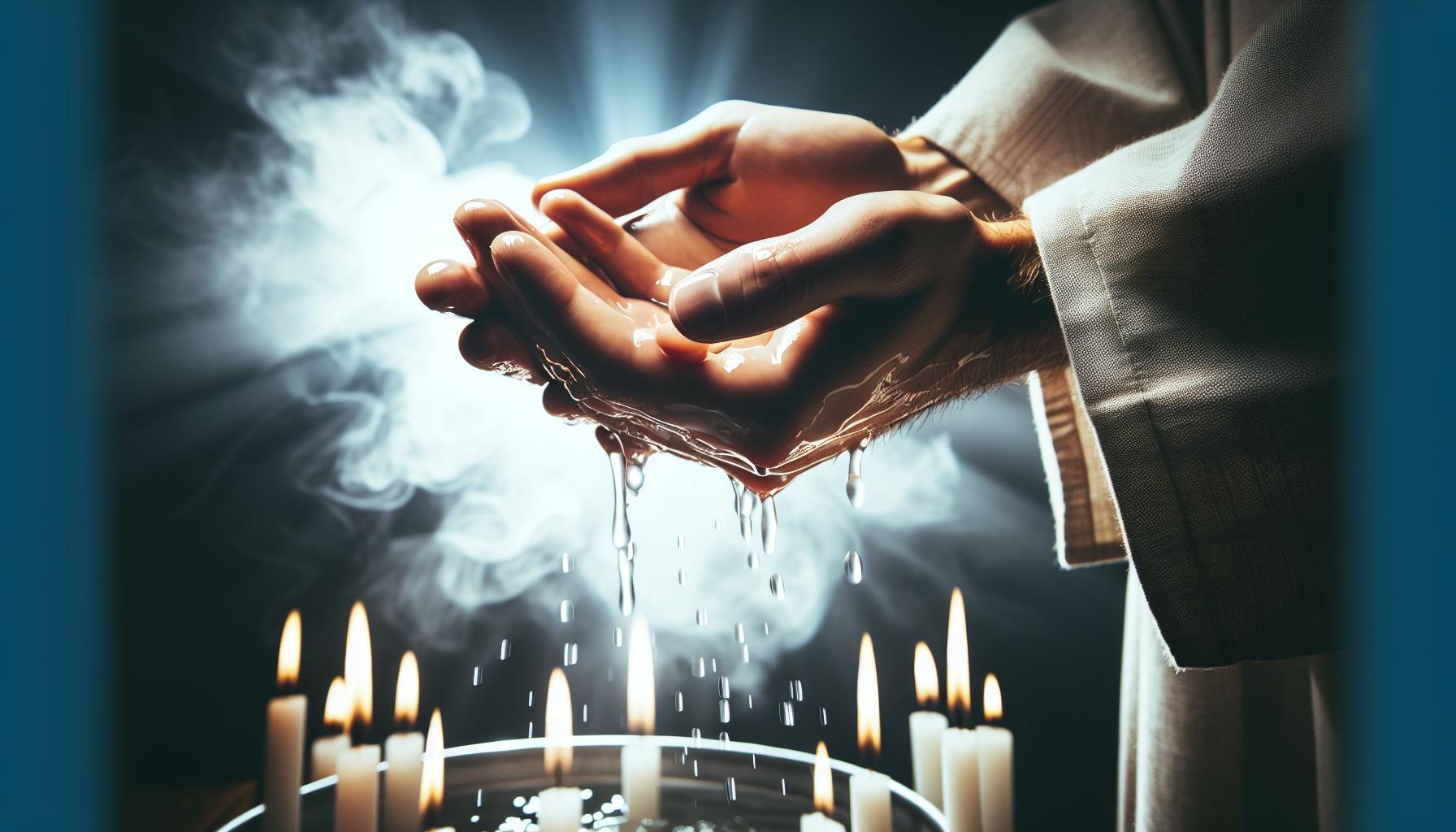
What does it truly mean to be baptized within the Christian faith? This sacred ritual symbolizes a believer’s initiation into a life of faith, representing cleansing, renewal, and a deep commitment to spiritual growth. Understanding its significance not only enriches one’s faith journey but also unveils the profound connections shared in a global community of believers.
The Historical Roots of Christian Baptism: A Journey Through Time
Understanding the journey of Christian baptism involves delving deep into its historical roots, which are rich and multifaceted, shaped by countless theological interpretations and cultural influences over the centuries. The practice, grounded in both the New Testament teachings and ancient rituals, symbolizes a profound transformation that echoes throughout Christian traditions.
Ancient Beginnings
Before the advent of Christianity, purification rituals involving water were prevalent in various cultures. The Jews engaged in ceremonial washings, called *mikvah*, which served as a ritual cleansing before significant religious events. Baptism, as adopted by early Christians, drew from these historical precedents, evolving from a practice of purification into a pivotal rite of initiation.
- John the Baptist emerged as a key figure, utilizing water baptism for repentance and preparing the way for Jesus.
- Jesus’ own baptism in the Jordan River marked a transformative moment, setting a model for Christian believers.
- The Great Commission, where Jesus instructed his disciples to baptize all nations, solidified baptism as a fundamental sacrament within Christianity.
As Christianity expanded across the Roman Empire, the practice of baptism evolved to encompass broader meanings, intertwining with communal identity and theological insights.
Theological Evolution
Throughout history, denominations have interpreted the significance of baptism differently, shaping its theological foundations.
| Denomination | View on Baptism |
|---|---|
| Catholicism | Baptism is a sacrament that cleanses original sin and incorporates individuals into the Church. |
| Orthodox | Baptism is seen as a mystery through which believers enter the body of Christ, entailing a threefold immersion. |
| Protestantism | Generally viewed as a sign of faith rather than a means of grace; can be performed through various methods (e.g., immersion, sprinkling). |
These distinct perspectives illustrate how historical context and theological developments have shaped the understanding of what Christian baptism means today, fostering a rich landscape of belief and practice. From early church traditions to contemporary expressions, the act of baptism remains a solemn and celebratory milestone in a believer’s spiritual journey, signifying commitment, community, and faith.
As individuals seek to grasp the sacred significance of baptism, exploring these historical roots not only enhances their appreciation of the rite but also encourages a deeper connection to its enduring legacy within the Christian faith.
Understanding the Symbols: Water, Spirit, and Community in Baptism
The sacred act of baptism serves as a profound initiation into the Christian faith, symbolizing a believer’s acceptance and purification. Each element of the baptismal ceremony embodies deep spiritual significance, particularly the symbols of water, the Spirit, and the community. Understanding these symbols provides insight into the rich tapestry of Christian belief and identity, revealing how they interact to form a holistic expression of faith.
Water: The Essence of Renewal
Water, perhaps the most recognizable symbol of baptism, is fundamentally linked to the concepts of cleansing and rebirth. Throughout the Bible, water represents both physical and spiritual purification. In baptism, it signifies the washing away of sins and the beginning of a new life in Christ. Just as the Israelites crossed the Red Sea to freedom, the act of being submerged in water represents liberation from the bondage of sin and a transition into a new life filled with hope and promise.
In many traditions, the act of pouring or immersing in water highlights the individual’s commitment to the faith. This symbolism underscores the collaborative nature of salvation, involving both divine grace and human response. The refreshing quality of water evokes a sense of rejuvenation, urging the newly baptized to embrace their spiritual journey with renewed vigor and purpose.
The Spirit: Divine Empowerment
Baptism is not solely a physical act; it also invites the presence of the Holy Spirit. This divine element is integral to the baptismal experience, as it signifies God’s active role in the life of a believer. The imposition of hands and the invocation of the Holy Spirit during baptism reflect the import of spiritual empowerment and guidance that the newly baptized will receive.
The Spirit is often depicted as a dove, reference that echoes Jesus’ own baptism in the River Jordan, where the Spirit descended upon Him. This moment illustrates the transformative power of the Holy Spirit in believers’ lives, empowering them to live according to God’s will, engage in acts of love, and spread the message of the Gospel.
Community: The Body of Christ
Baptism also emphasizes the communal aspect of faith. The presence of family, friends, and the church community during the ceremony signifies the collective nature of Christian life. This gathering of people serves as a reminder that faith is not a solitary journey but a shared experience within the Body of Christ. As members of this body, the baptized are welcomed into a larger family that provides support, accountability, and encouragement on their spiritual journey.
Engaging with the community post-baptism is crucial for spiritual growth. Newly baptized individuals are encouraged to participate in communal worship, fellowship, and service as a means of nurturing their faith. Through these interactions, they can explore their identity in Christ and contribute to the life of the church, further enriching their understanding of what baptism signifies.
In summary, the symbols of water, Spirit, and community in baptism intricately weave together to create a profound and meaningful experience. Understanding these elements helps to unpack the sacred significance of Christian baptism, inviting believers to reflect on their personal journey and the commitment they have made to embrace a life of faith.
The Theological Importance of Baptism in the Christian Faith
In the Christian faith, baptism stands as a profound rite that transcends the act itself, embodying a multitude of spiritual truths and theological principles. At its core, this sacrament serves as a doorway to the Christian community, signifying not just an individual’s commitment to follow Christ but also their integration into the Body of Christ. The waters of baptism carry a weighty theological significance, representing themes of cleansing, rebirth, and the promise of eternal life.
Baptism as a Symbol of Regeneration
Baptism is often described as a symbol of regeneration and a transformative spiritual rebirth. In the New Testament, Jesus identifies the necessity of being “born again,” which is closely tied to the act of baptism. This rebirth signifies a spiritual awakening, where the believer sheds their old life and rises anew in Christ.
- Spiritual Cleansing: The immersion in water represents the washing away of sin, as highlighted in passages like Acts 22:16.
- New Identity: Paul writes in Galatians 3:27 that those who are baptized into Christ have “clothed themselves with Christ,” indicating a new identity and purpose.
- Commitment to Faith: Baptism underscores a believer’s commitment to living a Christ-centered life, marking the beginning of their journey in faith.
Connecting with the Historical Church
Moreover, baptism connects individuals with the historical church and the broader narrative of salvation history. Early Christians practiced baptism as a public declaration of faith, a tradition that continues today. This communal aspect of baptism fosters a sense of belonging and accountability within the Christian community, reinforcing the idea that faith is not just an individual journey but a collective experience.
| Historical Significance | Modern Implications |
|---|---|
| Practiced by the Early Church as an initiation rite | Modern believers view baptism as a significant milestone in their faith journey. |
| Symbolized both personal faith and communal identity | Fosters a connection with local and global church communities. |
In essence, understanding the theological importance of baptism reveals its multifaceted role in the Christian faith. It acts as a visible sign of an invisible reality— the covenant between God and humanity facilitated through Jesus. Grasping this significance invites believers to reflect on their own baptism, renewing their commitment to live in accordance with the transformative power of the Holy Spirit.
Different Perspectives: How Various Denominations View Baptism
Understanding how various Christian denominations interpret baptism can illuminate the diverse beliefs and practices that characterize the faith. This sacrament is not merely a ritual; it symbolizes a profound commitment and relationship with God. Each denomination offers a unique perspective shaped by scriptural interpretation, theological emphasis, and spiritual tradition.
Distinct Views on Baptism
Baptism carries different meanings and practices across Christian denominations. Here’s an overview of how major branches of Christianity approach this sacred rite:
| Denomination | Baptismal Practice | Theological Emphasis |
|---|---|---|
| Roman Catholic | Infant baptism is common; performed with water and often includes confirmation | Original sin is cleansed, initiating a saving relationship with Christ |
| Orthodox | Baptism of infants by triple immersion; often includes chrismation | Emphasis on theosis and becoming part of the Body of Christ |
| Protestant (Lutheran) | Infant and adult baptism; water combined with the Word | Baptism is a means of grace marking entry into the community |
| Protestant (Baptist) | Believer’s baptism by full immersion; requires personal faith | Baptism symbolizes public profession of faith and obedience |
| Methodist | Both infant and adult baptism; often sprinkled or poured | Baptism is a sign of God’s grace and new life |
Cultural and Contextual Variations
Beyond theological differences, culture and community context play significant roles in how baptism is perceived and enacted.
- Congregational Influence: In some communities, baptism may be a grand ceremony that showcases a family’s commitment to their faith, while in others, it may be a more subdued personal event.
- Rites of Passage: Some denominations view baptism as a rite of passage akin to a milestone in a person’s spiritual journey, often coinciding with pivotal life stages like adolescence.
- Ecumenical Variations: As denominations engage in ecumenical movements, there are attempts to find common ground in baptismal practices, fostering greater unity among Christian communities.
Exploring these different perspectives on baptism not only reveals the rich tapestry of Christian beliefs but also encourages deeper conversations about faith and commitment among believers. Each tradition invites participants to interpret their experience and understanding of what Christian baptism means, becoming an integral part of their spiritual journey.
Preparing for the Rite: Practical Steps for Candidates and Families
Engaging in the journey of Christian baptism not only marks an individual’s commitment to faith but also involves careful preparation for both candidates and their families. Understanding the significance of this rite—what it means to embrace such a profound step—can enhance the experience immeasurably. Candidates and families are encouraged to approach this sacred occasion thoughtfully, ensuring that they are fully aligned in their spiritual intentions and emotional readiness.
Steps for Candidates
To prepare effectively for the baptismal rite, candidates should consider the following practical steps:
- Spiritual Readiness: Engage in prayer and reflection to understand the personal meaning of baptism. Reading scripture like Matthew 28:19 can inspire thoughts on the significance of this commitment.
- Educational Materials: Familiarize yourself with teachings about baptism, such as those found in Ephesians 4:5. Understanding the theological implications and importance of this act in the context of Christian faith is crucial.
- Discussion with Leaders: Meet with a church leader or mentor to discuss any questions or concerns you may have. This dialogue can help clarify beliefs and expectations surrounding baptism.
- Family Involvement: Invite family members into the discussion. Their support can enhance your experience and provide a shared understanding of this commitment.
Steps for Families
Families play a vital role in supporting candidates during this transformative process. Here are steps families can take to prepare:
- Open Communication: Discuss the meaning of baptism as a family. This helps create a supportive atmosphere where candidates feel loved and understood.
- Creating a Supportive Environment: Consider organizing gatherings to celebrate the candidate’s forthcoming baptism. It fosters a sense of community and reinforces their commitment.
- Shared Prayer: Engage in prayer as a family, asking for guidance and strength for the candidate. This spiritual unity can be uplifting and affirming.
- Celebration Plans: Plan for the post-baptism celebration. This can include a gathering with friends and family, emphasizing the joy of the occasion and acknowledging the candidate’s commitment.
Through these practical steps, both candidates and families can enrich their understanding of what Christian baptism means. By preparing thoughtfully, they honor the sacred significance of this rite, making it a profound milestone in their spiritual journeys.
The Role of Baptism in Spiritual Growth and Life Transformation
Starting a journey of faith through Christian baptism can be one of the most transformative experiences in a believer’s life. This sacred act does not only signify entry into the Christian community, but it also serves as a vital catalyst for spiritual growth and personal transformation. The significance of baptism transcends mere ritual; it embodies a deep commitment to a new way of living, often leading to profound changes in one’s values, behaviors, and relationships.
The Spiritual Significance of Baptism
Baptism is much more than a ceremonial act; it represents a profound spiritual rebirth. In many Christian traditions, it is viewed as a symbol of cleansing from sin and an initiation into a life guided by faith. By being submerged in water, individuals publicly express their willingness to die to their old selves and rise anew, echoing the resurrection of Jesus Christ. This powerful imagery encapsulates the essence of transformation, prompting believers to evaluate their lives and align their actions with their faith.
- Symbol of Cleansing: Represents washing away of sin.
- Public Declaration: A commitment to live a life of faith.
- Connection to Community: Becoming a part of the larger body of Christ.
Facilitating Personal Transformation
The act of baptism can instigate a new perspective on life, sparking an inner desire for spiritual maturity. Many believers report experiencing a greater sense of purpose and belonging post-baptism, which can lead to a more engaged and meaningful life. Engaging in spiritual disciplines like prayer, scripture reading, and community service often follows this decisive moment, as individuals seek to deepen their faith and enhance their spiritual growth.
| Aspect of Life | Transformation through Baptism |
|---|---|
| Self-Identity | Enhanced understanding of one’s worth and purpose. |
| Relationships | Increased focus on love, forgiveness, and service to others. |
| Daily Choices | A shift towards ethical and moral living according to Christian teachings. |
In the context of spiritual growth, baptism acts as both a beginning and an invitation. It encourages believers to move towards a more profound engagement with their faith, inspiring ongoing reflection and commitment. This transformative journey often includes forming meaningful bonds within the faith community, as shared experiences in faith fortify individual and collective growth. Therefore, understanding the essence behind Christian baptism is essential to appreciate its role in fostering personal transformation and spiritual development.
Incorporating Baptism into Church Life: Best Practices for Ministry
In the life of a church, baptism serves not just as a rite of passage, but as a focal point for spiritual community and growth. When effectively integrated into church life, it can become a catalyst for deeper faith and stronger bonds amongst congregants. Understanding the real significance of this sacred practice—as explored in “What Is Christian Baptism Mean? Unpacking Its Sacred Significance”—is crucial in shaping a vibrant ministry. Here, we explore best practices for incorporating baptism into the fabric of church life.
Creating a Culture of Baptism
To embed baptism into the church’s ethos, it’s important to cultivate a culture that emphasizes the meaning and significance of this sacrament. Here are actionable steps that can help:
- Teach Biblical Foundations: Regular preaching and teaching sessions should include biblical narratives and theological teachings on baptism, highlighting both its symbolism and its role in spiritual rebirth.
- Personal Testimonies: Encourage individuals who have been baptized to share their stories during services or small groups. Personal experiences underscore the transformative nature of baptism and inspire others on their faith journey.
- Special Baptism Services: Organize periodic baptism ceremonies that celebrate new believers. These events can be designed to be festive occasions that involve the whole congregation, strengthening communal ties.
Engaging All Ages
Baptism should not be limited to a select group; it can and should involve the entire church community, including children. Here are ways to engage all ages:
- Children’s Classes: Implement classes for kids that teach the significance of baptism in an age-appropriate manner, fostering understanding from a young age.
- Involve Youth Groups: Encourage youth ministries to participate actively in baptism services, allowing young people to be involved in mentorship roles or in the organization of the event.
Post-Baptism Follow-Up
The journey doesn’t end at the baptismal waters. Effective follow-up ensures that this sacred event leads to ongoing discipleship and community involvement:
- Discipleship Programs: Establish programs that continue nurturing the newly baptized individuals in their faith, helping them integrate into the church community.
- Connect with Mentors: Pair new believers with a mentor from the congregation who can provide guidance, encouragement, and accountability.
| Best Practices | Description |
|---|---|
| Teach Biblical Foundations | Focus on the scriptural basis and spiritual significance of baptism. |
| Personal Testimonies | Encourage sharing of stories to inspire and connect. |
| Special Baptism Services | Organize community events celebrating new believers. |
| Discipleship Programs | Continue nurturing faith post-baptism with structured classes. |
| Connect with Mentors | Pair new believers with mentors for guidance. |
By implementing these best practices, the act of baptism transcends a mere tradition, evolving into a profound expression of faith that strengthens both individuals and the church as a whole. Preparing the community for a deeper appreciation of what Christian baptism means ultimately enhances the efficacy of ministry, making every baptism an opportunity for transformation and renewal.
Frequently Overlooked Aspects: The Emotional and Spiritual Impact of Baptism
Baptism often unfolds in the context of a joyful community celebration, yet beneath the surface lies a deeper emotional and spiritual journey that many may overlook. While the act of immersion or pouring signifies physical cleansing and initiation into the faith, the transformative power of baptism extends far beyond mere ritual. This sacred event profoundly impacts the individual’s emotional state and spiritual identity, resonating with their innermost beliefs and sense of belonging within the Christian community.
The Emotional Journey of Baptism
For many, the emotional preparation for baptism can be a turbulent experience. It signifies a transition not only in faith but also in one’s personal story. Key emotional aspects include:
- Anticipation: The journey toward baptism often ignites feelings of excitement and hope.
- Fear and Doubt: It is natural to experience uncertainty about one’s faith and readiness for such a significant step.
- Relief and Joy: Completing the baptismal process can lead to a profound sense of relief and overwhelming joy, as individuals recognize their newfound identity in Christ.
- Connection: Being baptized often strengthens bonds with family, friends, and the church community, fostering an environment of shared beliefs.
The emotional tapestry woven during the baptism experience can create lasting memories that shape one’s relationship with faith and community. Those who undergo the sacrament frequently describe a sense of peace and purpose that persists long after the ceremony, marking a pivotal chapter in their spiritual narratives.
Spiritual Significance and Transformation
From a spiritual perspective, baptism transcends a simple ritual to embody a covenant with God. It signifies a rebirth, allowing individuals to shed the burdens of their past lives and step into a renewed existence grounded in faith. Important spiritual implications include:
- Faith Commitment: Baptism symbolizes a personal commitment to follow the teachings of Christ, leading to a deeper involvement in spiritual practices and community life.
- Identity Formation: Through baptism, individuals embrace a new identity as members of Christ’s body, fostering a sense of belonging that shapes their spiritual journey.
- Empowerment: The act serves as a declaration of faith that calls individuals to cultivate their spiritual gifts, take on responsibilities within their community, and share the gospel message.
- Transcendence: Many believers feel a connection to something greater than themselves, experiencing a deepened spirituality that invites them to engage more thoughtfully with the world.
As confirmed by various studies and testimonials, the psychological and sociocultural dimensions of baptism play an equally important role in shaping one’s journey. Those immersed in the experience often report shifts in their emotional well-being and improved mental health, linking their spiritual commitment to increased resilience and hope.
This profound blend of emotional and spiritual impact underscores that baptism is much more than a traditional rite; it’s a pivotal moment brimming with the promise of transformation and grace. Embracing these aspects can lead to a more enriched understanding of what baptism signifies in the wider Christian faith and within individual lives, offering an invitation to engage more deeply with personal beliefs and community support.
FAQ
What is Christian baptism mean?
Christian baptism represents an essential ritual symbolizing spiritual rebirth and the believer’s faith in Jesus Christ. It signifies the washing away of sin and the beginning of a new life in faith.
Through baptism, individuals publicly declare their commitment to follow Jesus, aligning with biblical teachings found in Matthew 28:19-20. This sacrament serves as a profound reminder of Jesus’ own baptism and reflects the transformative power of accepting God’s grace. For more insights, you can visit our article on the significance of baptism in faith.
Why does baptism hold sacred significance in Christianity?
Baptism is significant because it embodies the covenant between God and humanity. It is a moment of grace where believers acknowledge their faith and receive community support.
This sacred act symbolizes not only personal transformation but also integration into the Christian community. It acts as a spiritual milestone that strengthens one’s relationship with God and fellow believers, reinforcing the shared values of love and service. For more exploration of these themes, check our section on community and baptism.
Can I be baptized more than once?
Generally, Christians believe in one baptism for the forgiveness of sins. However, variations in belief exist among denominations regarding re-baptism.
For instance, some churches recognize re-baptism as a reaffirmation of faith, especially after significant life changes or spiritual awakenings. Understanding local traditions on baptism can provide clarity. If you’re exploring this for personal reasons, consider discussing it with a pastor or church leader for guidance.
What are the different methods of baptism?
Christian baptism can be performed through various methods, including *immersion*, *pouring*, and *sprinkling*. Each tradition reflects different theological perspectives.
Immersion involves fully submerging the individual in water, emphasizing burial and resurrection with Christ. Pouring or sprinkling water symbolizes cleansing from sin and the Holy Spirit’s presence. The method chosen often reflects a church’s theological stance, and it’s worthwhile to explore the *symbolic meaning* behind each practice, potentially through local church teachings.
How does baptism relate to salvation?
Baptism is closely related to salvation as it signifies the acceptance of Jesus Christ as Lord and Savior. It’s often seen as an outward expression of an inward faith.
While some denominations view baptism as essential for salvation, others consider it a vital step following a personal decision to follow Christ. The act itself symbolizes the believer’s covenant with God, as articulated in scriptures like Acts 2:38. For a deeper dive into this topic, see our discussion on faith and baptism.
What is the role of baptism in different Christian denominations?
The role of baptism varies across Christian denominations, often reflecting theological beliefs about salvation, grace, and community.
For example, Baptists practice *believer’s baptism*, emphasizing personal faith before the act, while Catholics practice infant baptism, viewing it as a gateway into the Christian community. Understanding these differences enriches the appreciation of baptism’s role in the broader context of faith and tradition.
What should I expect during a baptism ceremony?
During a baptism ceremony, expect a *worshipful atmosphere*, with readings from Scripture and often a speech about the significance of baptism.
The actual baptism may involve the pastor or priest saying specific words accompanied by the baptismal act, whether immersion, pouring, or sprinkling. It’s often a moment filled with joy and celebration, marking a new chapter in the participant’s spiritual journey. Family and friends usually gather to witness and support this sacred commitment.
Wrapping Up
In conclusion, as we explore the profound meaning of Christian baptism, we’ve delved into its rich theological foundations and practical implications. Baptism is not merely a ritual; it is a sacred act of obedience, a public declaration of faith, and a powerful symbol of spiritual rebirth and renewal. Each denomination may emphasize different aspects, but the core significance remains rooted in the life-transforming grace of Christ.
We invite you to reflect on your own experiences and understanding of baptism—whether you are considering baptism for the first time, preparing to perform baptisms, or simply seeking to deepen your appreciation of this sacred tradition. May this exploration not only enhance your own faith journey but also inspire you to engage in meaningful conversations with others about their baptismal experiences. We encourage you to continue exploring the theological depths, sharing insights, and embracing the communal aspect of this sacred rite. Your journey matters, and we are grateful to be part of it together.
Get our latest guides, news, and insights highlighted in your Google Search & AI Overviews.