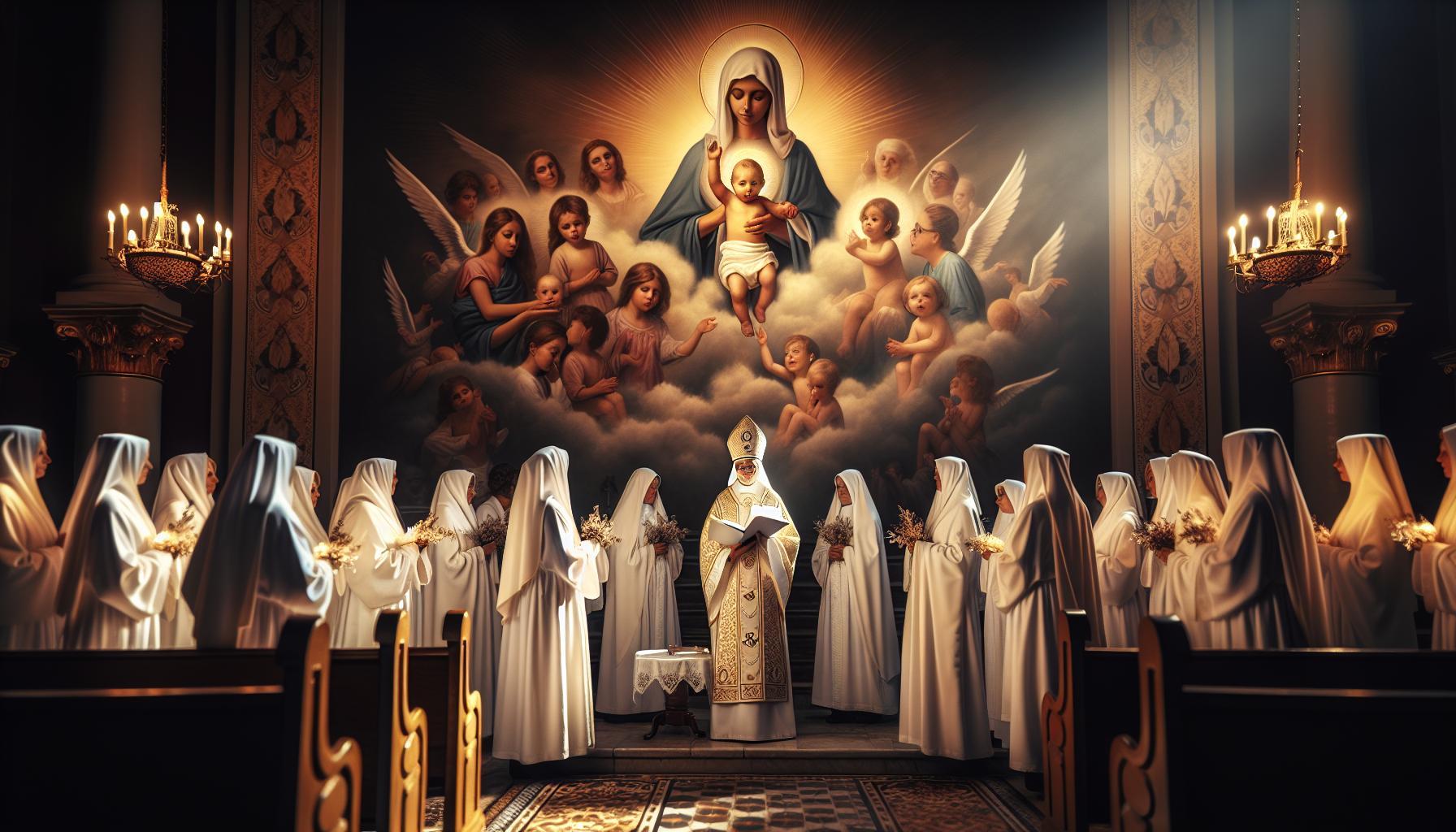
Baptism holds profound significance in Christian faith, yet many still grapple with its true meaning. As a symbol of rebirth, purification, and commitment, understanding what baptism represents can deepen one’s spiritual journey and strengthen community bonds. Explore the powerful imagery behind this sacred rite and its lasting impact on believers today.
The Biblical Foundations of Baptism: Exploring Scriptural Roots
Baptism is not merely a ritual confined to the walls of a church; it is a profound act steeped in ancient traditions that bring together communities, signify transformational journeys, and reflect the core tenets of the Christian faith. To understand its significance fully, we must delve into the rich biblical foundations that illuminate the meaning behind this sacred practice. Throughout Scripture, baptism reveals layered meanings, from cleansing to initiation, all distinctly tied to God’s call.
Scriptural Insights on Baptism
The Scriptures present baptism as a multifaceted symbol, interwoven with themes of faith, repentance, and the embodiment of new life in Christ. Here are some key passages that elucidate the significance of baptism:
- Matthew 28:19-20: The Great Commission charges believers to go forth, baptizing disciples in the name of the Father, Son, and Holy Spirit. This indicates baptism’s role as an initiation rite into the Christian community.
- Acts 2:38: Peter calls upon those who hear his message to repent and be baptized for the forgiveness of sins. This connects baptism to personal transformation and divine forgiveness.
- Romans 6:3-4: Here, Paul emphasizes that through baptism, believers are united with Christ in His death and resurrection, symbolizing the death of the old self and the birth of the new life.
These passages underscore how baptism serves as an entry point into a deeper relationship with God, marked by repentance and renewal.
The Role of Baptism in Early Christianity
In the context of early Christianity, baptism was integral to the faith community’s identity and practice. It signified inclusion and acceptance within the body of Christ and often involved communal celebrations. The act of baptism also captivated significant attention in the ministry of John the Baptist, who called people to prepare their hearts for the coming Messiah through the cleansing act of water baptism. This radical notion of purification through water was deeply rooted in Jewish traditions, reinforcing the understanding that entering into a covenant relationship with God required both physical and spiritual preparations.
Baptism today continues to channel these biblical truths, serving as a visible bond between believers in Christ and the rich heritage of faith. As churches worldwide uphold the practice, they draw upon these foundational scriptures to teach and remind congregants of the transformative power of their faith journey. Not only does baptism signify an individual’s commitment, but it also reflects the community’s embrace, reinforcing belonging in the larger story of redemption.
The meanings intertwined within baptism demonstrate a tapestry of God’s redemptive intention for humankind, inviting believers to partake actively in this ancient yet profoundly relevant practice. By exploring the biblical roots, one can gain a fuller appreciation of what baptism symbolizes and its powerful representations in Christian faith.
The Spiritual Journey: What Baptism Means for the Believer
In the realm of Christian faith, baptism stands as a profound milestone, representing not only a ceremonial rite but a transformative spiritual journey. For believers, this sacred act embodies a declaration of faith and an intimate connection with the teachings of Jesus Christ. As individuals are submerged in water, they symbolically participate in the death, burial, and resurrection of Christ—signifying a rebirth into a new life guided by faith.
The Symbolism Behind Baptism
Baptism serves as a multifaceted ritual, encapsulating various meanings that resonate deeply with those who embrace it. Below are some of the prominent themes associated with this sacred act:
- Forgiveness of Sins: The immersion in water signifies the washing away of past sins, granting the believer a fresh start and a purified spirit.
- Identification with Jesus: It is an expression of one’s commitment to follow Christ, marking the believer as part of the body of Christ and the broader Christian community.
- Reception of the Holy Spirit: Many traditions see baptism as the moment believers invite the Holy Spirit into their hearts, guiding and empowering them in their spiritual walk.
Additionally, baptism can symbolize a public commitment, much like a wedding ceremony. This act of faith is often witnessed by family, friends, and congregants, reinforcing the social and communal aspect of spiritual life. Through this communal experience, believers find support and encouragement as they embark on their sacred path.
The Journey of Faith Post-Baptism
The significance of baptism goes beyond the moment of immersion. For many, it marks the beginning of a lifelong spiritual journey filled with growth and discovery. Here’s what believers typically experience following their baptism:
- Enhanced Spiritual Awareness: Followers often report an increased understanding of their faith and a deeper connection to God following their baptism.
- Commitment to Discipleship: The event serves as a catalyst for believers to engage more actively in church life, nurturing not only their own faith but also helping others on their journeys.
- Opportunities for Service: Newly baptized individuals often feel called to serve their communities, embodying the teachings of Christ through actions that reflect love and compassion.
The journey doesn’t have to be undertaken alone. Many churches offer mentorship programs and small groups that guide new believers in their understanding of Christian doctrines and provide opportunities for fellowship and community service.
Incorporating baptism into one’s faith life symbolizes much more than a single event; it signals a pivot towards a richer, more meaningful existence in alignment with Christian principles. As individuals embrace the powerful representations in Christian faith that baptism symbolizes, they are reminded that this spiritual journey is one of continuous growth, ever deepening their relationship with God and their calling to the world around them.
Symbols of Cleansing: Understanding the Role of Water in Baptism
Water holds profound significance within the sacrament of baptism, embodying the essence of cleansing and renewal in the Christian faith. As the primary element used during this sacred ritual, water symbolizes not only the purification from original sin but also the deeper spiritual rebirth that believers undergo. This transformative aspect of water reflects ancient traditions, where it has been associated with life, death, and resurrection throughout various cultures and religious practices.
The Symbolism of Water in Baptism
In Christian doctrine, water signifies a transition from the old to the new life. During baptism, water is poured over the individual or they may be immersed, making a powerful statement about washing away sins and being reborn in Christ. This ritual action highlights several key themes, including:
- Purification: Water is an agent of cleansing, representing the washing away of sin and impurity.
- Rebirth: Immersion in water symbolizes death to the old self and resurrection to a new life in faith.
- Holy Spirit: Water is often associated with the Holy Spirit, which is said to cleanse and sanctify the believer.
Real-World Applications of Water’s Symbolism
Understanding the role of water in baptism can deepen one’s faith and appreciation for this sacred rite. For instance, many congregations incorporate significant communal aspects into their baptismal services, where the act of baptism takes place in a larger setting, such as a river or baptismal pool, symbolizing the community’s role in supporting the individual’s faith journey.
Moreover, exploring the element of water can offer practical insights for those preparing for baptism. Engaging in discussions about the meaning behind the ritual or participating in preparatory classes can enrich the experience, helping candidates understand that baptism represents a commitment not only to their faith but also to the community of believers.
Ultimately, water plays a crucial role in what baptism symbolizes: a profound representation of transformation, purification, and new beginnings in the life of every individual who embraces the Christian faith. It is through this sacred element that believers embark on their journey, marked by the powerful representations of cleansing and renewal inherent in the sacrament.
Community and Connection: Baptism as a Rite of Passage
Baptism serves as a profound moment in the lives of many Christians, not only as a personal declaration of faith but also as a pivotal communal event. This sacred ceremony fosters a sense of belonging and connection among individuals, families, and congregations, emphasizing that this rite of passage encompasses both personal commitment and communal support. The communal aspect of baptism underscores the idea that, while the act represents one’s covenant with God, it simultaneously welcomes the individual into a larger faith community, fostering relationships grounded in shared beliefs and values.
The Symbolism of Community in Baptism
When an individual is baptized, they are not only expressing their faith but also embracing a new identity within the Church. This ritual marks entry into a community rich in traditions and shared experiences. Here are several significant aspects of how baptism symbolizes community connections:
- Shared Faith Journey: Through baptism, individuals unite with others on a spiritual journey, fostering a collective support system. This shared experience cultivates deep relationships, encouraging fellowship and spiritual growth.
- Covenantal Relationship: Baptism signifies a commitment to God and to one another. It strengthens the family of believers, affirming that individuals are not alone in their spiritual walk.
- Celebration of New Life: The act of baptism is a celebration, often involving the congregation’s participation. This shared joy reinforces community ties and involves the wider Church in the individual’s faith journey.
Real-World Connections
Many churches mark baptisms with celebrations that emphasize community ties. For example, a local congregation might organize a “Baptism Sunday” where multiple individuals are baptized together, showcasing the communal aspect of the ritual. During such events, testimonies might be shared, allowing each individual to tell their story, thus highlighting the distinct journeys within the common faith. This not only helps the congregation connect more deeply with the individuals being baptized but also encourages others within the community to reflect on their own faith journeys.
| Community Involvement | Baptism Ceremony Format | Benefits |
|---|---|---|
| Congregational Participation | Group Baptism Services | Strengthens bonds; encourages support |
| Sharing Personal Stories | Testimonies and Celebrations | Inspires others; highlights diversity of faith |
| Mentorship Programs | Pairing New Members with Mentors | Provides guidance and support for newcomers |
In essence, baptism transcends mere ritual; it is a celebration of faith that reinforces the network of support vital for personal and spiritual development. By participating in this rite of passage, individuals weave their narratives into the broader tapestry of faith, solidifying communal bonds that last a lifetime. The rich symbolism inherent in baptism, outlined in discussions of “What Does Baptism Symbolize: Powerful Representations in Christian Faith,” continues to nourish faith communities, fostering a nurturing environment where believers can thrive together.
The Trinity in Baptism: A Sacred Covenant
The act of baptism is profoundly steeped in tradition and theological significance, representing an individual’s commitment to their faith and embodying the essence of the Christian doctrine. At its core, this sacred rite serves as a multifaceted symbol of the Trinity: the Father, the Son, and the Holy Spirit. This divine relationship underscores the covenant between humanity and God, a promise that encapsulates redemption, guidance, and eternal life.
The Role of the Trinity in Baptism
Baptism is not merely a ritual but a powerful initiation into the Christian faith that firmly roots the believer in a relationship with the Triune God. Here are a few key representations of the Trinity as seen in baptism:
- The Father: In baptism, God the Father is acknowledged as the creator and the source of all life. The act symbolizes a divine invitation to enter into a relationship characterized by love, protection, and guidance.
- The Son: Jesus’ sacrifice on the cross is central to the baptismal rite. By being baptized, believers publicly declare their faith in Christ’s death and resurrection, symbolizing their own spiritual rebirth.
- The Holy Spirit: During baptism, the Holy Spirit is believed to descend upon the individual, marking them as a child of God and empowering them to live a life that reflects their faith through deeds and actions.
The Significance of the Covenant
The baptismal covenant is a sacred promise, not only between the believer and the Trinity but also within the Christian community. This covenant signifies several pivotal aspects:
- Community and Support: Upon baptism, the individual is welcomed into the body of believers, fostering a sense of belonging and responsibility among the congregation.
- Commitment to Faith: Baptism serves as a public declaration of one’s intention to lead a Christian life, embracing the teachings of Jesus and the message of the Gospel.
- Transformation and Renewal: Immersion in water symbolizes death to sin and rebirth in Christ, a critical transformation that signifies the beginning of a new spiritual journey.
The imagery of water in baptism distinctly links back to the New Testament, where Christ instructed His followers to “go and make disciples, baptizing them in the name of the Father, and of the Son, and of the Holy Spirit” (Matthew 28:19). This command encapsulates the essence of what it means to be a follower of Christ, emphasizing the collective and personal dimensions of faith.
The sacred act of baptism, enriched by the doctrine of the Trinity, stands as a crucial initiation into a life of faith. Each immersion is a reminder of the profound transformations that occur when individuals align themselves with God’s purpose, thereby participating in His everlasting covenant. Through understanding what baptism symbolizes within the Christian faith, believers are empowered to embrace their identity in Christ and foster deeper connections within their faith communities.
Walking in Newness of Life: Transformation Through Baptism
In the profound journey of faith, few experiences stir the hearts of believers quite like baptism. Intended not just as a ritual but as a transformative act, baptism symbolizes the believer’s commitment to a new way of life, deeply rooted in Christian teachings. It embodies the scriptural promise of renewal, serving as a vivid reminder of the life-changing power of faith. Understanding what baptism symbolizes can shed light on its significance in a believer’s spiritual evolution, marking a definitive break from the past and an embrace of a future filled with purpose and hope.
The Power of New Beginnings
The act of baptism is much more than mere water immersion; it is a profound declaration of faith. In Romans 6:4, the apostle Paul writes, “We were therefore buried with him through baptism into death in order that, just as Christ was raised from the dead through the glory of the Father, we too may live a new life.” This scripture encapsulates the core message of transformation through baptism. As individuals are submerged in water, they symbolically die to their old selves, emerging reborn and unshackled from past mistakes and sins.
- Spiritual Cleansing: Baptism signifies the washing away of sins, allowing individuals to start anew free from the stain of their past.
- Public Declaration: It serves as a powerful public affirmation of one’s faith, inviting community support and accountability.
- Connection to Community: Baptism fosters a sense of belonging within the Christian community, emphasizing the collective journey of faith.
Embracing a New Identity
Emerging from the waters of baptism symbolizes the adoption of a new identity as a follower of Christ. This transition is pivotal, representing a shift from worldly values to a life characterized by love, service, and obedience to God’s will. A strong community support system is vital in this transformative journey. Engaging with a local congregation can facilitate this process, offering mentorship and fellowship opportunities.
For many, the impact of their baptism is often reinforced through personal stories that highlight transformative moments in their spiritual lives. Consider the journey of individuals who, after baptism, found renewed purpose in community service or strengthened relationships. Real-world examples from church congregations frequently illustrate how the act of baptism propels individuals into an active faith life, prompting participation in ministry and outreach.
| Transformation Aspect | Example |
|---|---|
| Forgiveness of Sins | Maria felt released from her past after baptism, enabling her to reconcile with estranged family members. |
| Community Involvement | John joined the church’s outreach program, inspired by his commitment made during baptism. |
| Personal Growth | Aisha started a Bible study group, empowering herself to deepen her faith after her initial baptism experience. |
Baptism, therefore, is the entrance into a transformative journey that renews the heart and mind. By understanding what baptism symbolizes, individuals can fully embrace this profound ritual as not only a personal milestone but as a pivotal moment that can alter the course of their lives and impact those around them profoundly.
Baptism Across Denominations: Diverse Practices and Shared Beliefs
Baptism serves as a profound and transformative ritual in the Christian faith, symbolizing a believer’s initiation into the community of faith, the cleansing of sin, and the embrace of new life in Christ. Despite the shared significance, the practices surrounding baptism can vary widely across different denominations. This diversity reflects the unique theological, cultural, and historical contexts that shape each community’s understanding of this sacred rite.
Different Approaches to Baptism
Across Christian denominations, baptism manifests in various forms, each embodying vital symbolism and intent. Here are some of the primary practices observed:
- Infant Baptism: Common in Catholic and Orthodox traditions, this practice underscores the belief in original sin and the need for divine grace from the earliest moments of life.
- Believer’s Baptism: Emphasized by Baptists and many Evangelical groups, this form occurs only after a person has made a conscious decision to follow Christ, symbolizing personal faith and commitment.
- Sacraments of Initiation: In traditions like Anglicanism and Methodism, baptism is part of a sacramental system that includes confirmation and communion, highlighting the community aspect of faith.
- Spirit Baptism: Seen in Pentecostal movements, this baptism is focused on receiving the Holy Spirit and is often portrayed as an empowering experience for ministry.
Shared Beliefs in the Symbolism of Baptism
Despite differing rituals, there are core beliefs that unite these practices. Most denominations identify baptism as a way to symbolize:
| Symbolism | Description |
|---|---|
| Cleansing from Sin | Baptism represents the washing away of sin and the beginning of a new, righteous life in Christ. |
| Death and Resurrection | The act of immersion or pouring water signifies the believer’s identification with Christ’s death and glorious resurrection. |
| Membership in the Church | Baptism serves as a formal entry into a faith community, signifying acceptance and belonging. |
| Faith and Trust in God | For many, baptism is an outward expression of inner faith and reliance on God’s grace for salvation. |
This shared symbolism demonstrates that while the practices may vary, the underlying beliefs about what baptism represents remain deeply rooted in the Christian idea of renewal and commitment to a faith journey. Understanding these diverse approaches and common beliefs can enhance one’s appreciation of baptism’s sacred significance throughout the Christian tradition.
Preparing for Baptism: A Guide for Individuals and Families
Preparing for baptism is an enriching journey that holds significant meaning in Christian faith, symbolizing purification, renewal, and a deep commitment to following Jesus Christ. For individuals and families, this process offers an opportunity to reflect on their beliefs, understand the profound implications of the ceremony, and create memorable experiences that bond them together in faith. By engaging with the preparatory steps, participants can embrace the full significance of what baptism represents in their spiritual lives.
Understanding the Importance of Baptism
Before entering the waters of baptism, it is crucial to grasp what this sacred rite symbolizes. It serves as a declaration of faith, showing a commitment to a new life in Christ. Many churches view baptism as a sacrament that signifies the washing away of sins and the beginning of a transformative journey. Engaging with the scriptural teachings on baptism can deepen this understanding, encouraging individuals to contemplate their personal faith stories.
Preparation Steps for Individuals and Families
Preparation for baptism can be structured and thoughtful. Here are some actionable steps for families and individuals:
- Attend Pre-Baptism Classes: Many churches offer lessons or informational classes about the meaning of baptism, its rituals, and what it signifies for believers.
- Engage in Prayer: Spend time in prayer as a family, seeking guidance and reflecting on your personal and collective faith journeys.
- Share Personal Testimonies: Encourage each member of the family to share their faith story, highlighting their reasons for wanting to be baptized and what it means to them.
- Choose Godparents or Sponsors: Selecting individuals who will support the baptized person’s spiritual growth can be pivotal. Discuss their roles and responsibilities in fostering the faith journey.
Creating a Meaningful Baptism Experience
As the baptism date approaches, think about how to create a memorable experience that resonates with your faith community. This can include:
- Incorporating Personal Elements: Customize the baptism service by including special readings, music, or rituals that reflect your family’s values and traditions.
- Invite Family and Friends: Gather loved ones to witness and celebrate this important milestone, reinforcing the communal nature of faith.
- Plan Post-Baptism Celebrations: Consider hosting a gathering after the ceremony to reflect on the day and strengthen bonds with family and friends.
Being well-prepared for baptism not only enhances the experience but also instills a lasting appreciation for its significance—a symbol of rebirth and commitment in the Christian faith that will guide individuals throughout their spiritual journeys.
FAQ
What Does Baptism Symbolize: Powerful Representations in Christian Faith?
Baptism is a profound symbolic act in Christianity that represents purification, rebirth, and initiation into the community of faith. It signifies one’s commitment to following Christ and embracing the teachings of Christianity.
In Christian tradition, baptism is often seen as the marking of a new beginning in one’s spiritual journey. Through water, believers express their faith, marking the transition from an old life to a new one, aligning with Jesus’ own baptism and his call to make disciples of all nations.
Why Does Baptism Hold Such Importance in the Christian Faith?
Baptism is significant because it embodies the essentials of the Christian experience: faith, repentance, and grace. It serves as an outward declaration of an inward transformation.
Additionally, baptism is rooted in the teachings of Jesus, who himself was baptized. This act of obedience sets an example for believers, highlighting its importance as a sacrament that conveys God’s love and the promise of eternal life.
How is Baptism Practiced Differently Among Christian Denominations?
Baptism practices can vary significantly among Christian denominations, such as infant baptism in some traditions versus believer’s baptism in others. Regardless of the method, the core symbolism remains consistent.
For example, while Catholics may baptize infants to cleanse original sin, Baptists typically reserve baptism for individuals who can consciously profess their faith. Understanding these differences can enhance one’s appreciation for the immersive nature of Christian unity.
Can I Be Baptized More Than Once?
In most Christian denominations, it is generally accepted that baptism is a one-time event, as it symbolizes an irreversible commitment to Christ. However, individuals may choose to renew their commitment through other means.
This practice of reaffirmation allows believers to signify growth and deeper faith without repeating baptism. It emphasizes the importance of ongoing spiritual development in the Christian life.
What Biblical References Highlight the Importance of Baptism?
Biblical references to baptism highlight its significance; for instance, in Matthew 28:19, Jesus commands his followers to baptize nations. This emphasizes the sacrament’s role in spreading the gospel.
Another essential reference is Acts 2:38, where Peter urges repentance and baptism in Jesus’ name. This reinforces the understanding that baptism is tied closely to the themes of forgiveness and new life in the Christian faith.
How Does Baptism Connect with the Concept of New Life?
Baptism symbolizes spiritual rebirth, acting as a ceremony that signifies dying to one’s former life and rising anew. It embodies the essence of being a new creation in Christ.
This connection to new life is rooted in Scripture, particularly in 2 Corinthians 5:17, which proclaims that in Christ, we are made new. This newness not only transforms individual lives but also builds the Church as part of a larger community of believers.
Why Do Some People Choose Not to Get Baptized?
Some individuals may choose not to get baptized due to personal beliefs or misunderstandings about the significance of baptism. Others might feel unprepared or unworthy of the act.
It’s crucial to engage in conversation about these views, as understanding the importance of baptism can lead to a more profound appreciation of one’s faith journey, prompting reconsideration of their relationship to this foundational practice.
Key Takeaways
As we conclude our exploration of what baptism symbolizes within the Christian faith, we are reminded that this sacred act holds deep significance for individuals and communities alike. From its roots in repentance and purification to its embodiment of new life in Christ, baptism serves as a powerful representation of God’s love and grace.
Through the water, we witness not just a physical act but a profound spiritual truth—the commitment to a life transformed by faith and the call to walk in the light of Christ. Whether you are preparing for your own baptism, participating as a supporter, or delving deeper into its theological meaning, we encourage you to embrace this journey with an open heart and curious mind.
May this reflection inspire further study, conversation, and engagement within your faith community. As you continue to explore the rich meanings behind baptism, consider how these teachings can enhance your understanding and practice, enriching your spiritual life and reinforcing the bonds of fellowship. Embrace the invitation to delve deeper, share your insights, and connect with others as you navigate this beautiful expression of faith.