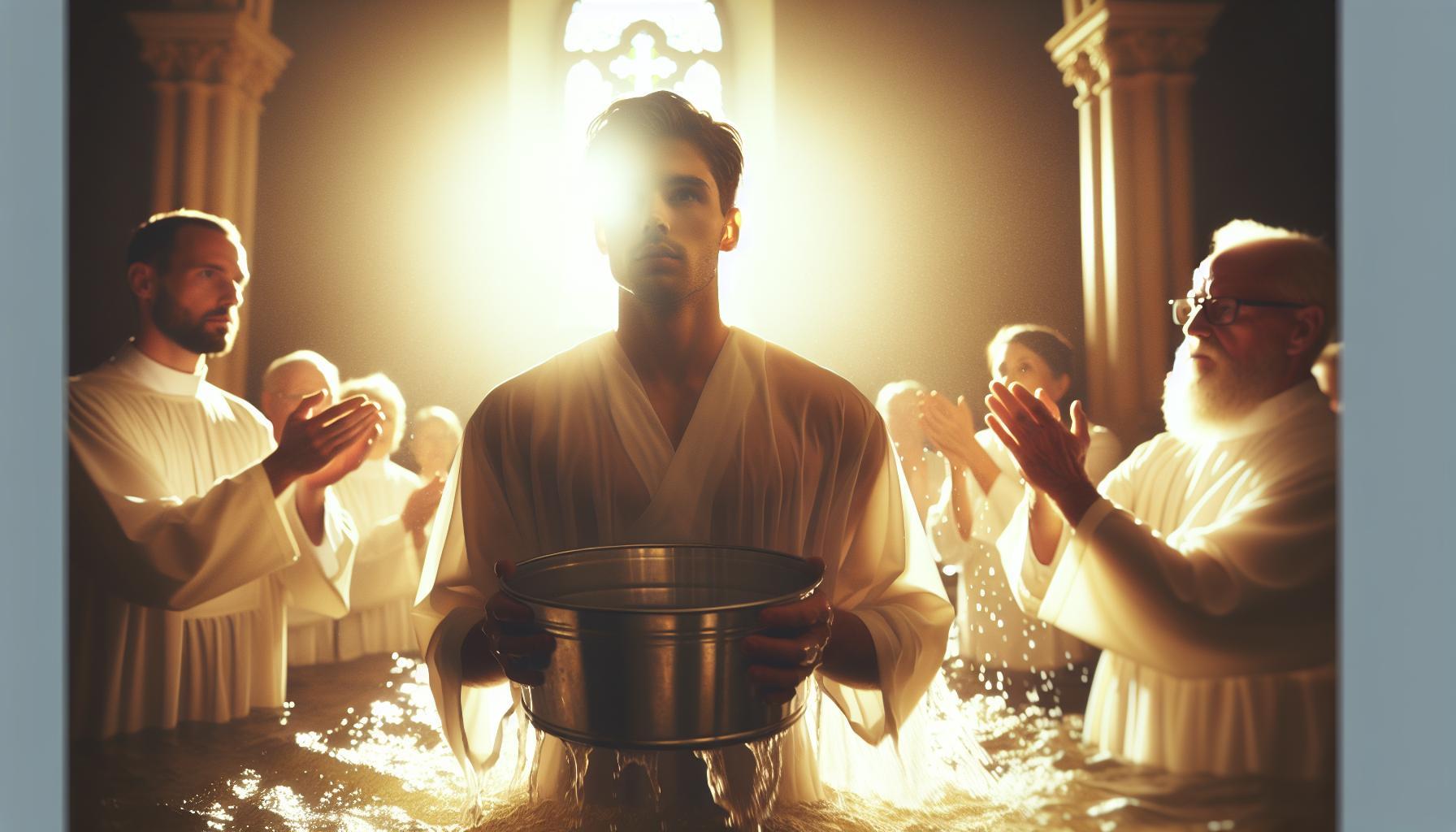
Many believers grapple with the significance of the baptism of the Holy Spirit, often questioning its purpose and impact on their spiritual journey. Understanding this transformative experience is crucial, as it empowers individuals to live out their faith authentically and dynamically. Dive into the meaning and implications of this vital aspect of Christian life.
Understanding the Baptism of the Holy Spirit: A Theological Overview
Experiencing the baptism of the Holy Spirit is often described as a life-altering moment, a powerful encounter that equips believers for deeper faith and purpose. This event, deeply rooted in biblical tradition, is not merely a one-time occurrence but a distinct work of the Holy Spirit that transforms lives. Understanding the baptism of the Holy Spirit involves exploring its scriptural foundations, significance, and practical implications for believers today.
Scriptural Foundations
The concept of the baptism of the Holy Spirit is anchored in scripture, foretold by both John the Baptist and Jesus Christ. In Mark 1:8, John proclaims that he baptizes with water, but one greater will come to baptize with the Holy Spirit. This prophecy was fulfilled on the Day of Pentecost as described in Acts 2:1-4, where the disciples received the Holy Spirit and began to speak in different tongues. This pivotal moment marked the inauguration of a new era for the Church, where believers would be permanently indwelt by the Spirit of God, empowering them for ministry and witness.
Significance of the Baptism
Experiencing the baptism of the Holy Spirit goes beyond initial conversion; it signifies the believer’s entrance into a dynamic relationship with God. It symbolizes a spiritual empowerment that enables believers to live according to God’s will and to bear fruit in their lives. This baptism is critical not only as an affirmation of faith but also as a foundation for spiritual gifts, service in the Church, and boldness in evangelism. As believers understand what baptism of the Holy Spirit means, they can unlock its transformative power for personal growth and community impact.
Practical Implications
For believers looking to experience the fullness of the Holy Spirit, several practical steps can help facilitate this transformative process:
- Seek God earnestly: Foster a heart of prayer and openness to God’s presence.
- Study Scripture: Engage deeply with biblical texts related to the Holy Spirit to gain insight and understanding.
- Participate in community: Get involved in a church that emphasizes the work of the Holy Spirit and engages in prayer for empowerment.
- Practice obedience: Live out your faith actively, as obedience to God’s commands nurtures spiritual growth and receptiveness to the Spirit.
By taking intentional steps, believers can move toward a more profound understanding of what does baptism of the Holy Spirit mean, unlocking its power and purpose in their daily lives. Each believer’s journey is unique, yet the promise of empowerment through the Holy Spirit is available to all who sincerely seek it.
The Significance of Pentecost: Roots of the Baptism Experience
The event of Pentecost holds a transformative significance in the Christian faith, marking not only the birth of the Church but also the initiation of the baptism of the Holy Spirit. This pivotal moment is described in the Book of Acts, where believers were filled with the Holy Spirit, empowering them to speak in various languages and boldly proclaim the message of Jesus Christ. This experience, often referred to as the baptism of the Holy Spirit, is crucial for understanding the deeper implications of faith and spiritual empowerment.
Understanding the Baptism of the Holy Spirit
The baptism of the Holy Spirit is distinctly different from water baptism. While traditional baptism symbolizes repentance and initiation into the Christian community, the baptism of the Holy Spirit represents empowerment and equipping for service. John the Baptist articulated this separation when he stated, “I baptize you with water, but He will baptize you with the Holy Spirit” (Mark 1:8). This prophecy was fulfilled on the day of Pentecost, as the disciples received the Holy Spirit, which enabled them to spread the gospel effectively and with conviction.
This baptism is not merely symbolic; it is an active and ongoing experience that plays a vital role in believers’ lives. Acts 1:8 states, “But you will receive power when the Holy Spirit has come upon you, and you will be my witnesses.” This empowerment is essential for living a victorious Christian life and is seen as a divine catalyst for personal and communal transformation.
The Practical Impact of Pentecost
The significance of Pentecost extends beyond historical events; it offers practical insights for today’s believers. Understanding what baptism of the Holy Spirit means unlocks a host of spiritual benefits, including:
- Increased Spiritual Awareness: Pentecost emphasizes the importance of being attuned to the Holy Spirit’s guidance and presence in everyday life.
- Empowerment for Service: Individuals are empowered to fulfill their God-given purpose, whether in ministry, workplace, or community service.
- Enhanced Community Building: The collective experience of baptism in the Holy Spirit encourages unity and collaboration within the Church.
Incorporating the facets of the baptism of the Holy Spirit into daily practices, such as prayer and communal gatherings, can lead to a more dynamic spiritual experience, allowing believers to operate in the fullness of God’s purpose for their lives. The celebration of Pentecost is therefore not just a historical remembrance but a powerful reminder of the ongoing work of the Holy Spirit within the hearts of those who believe.
Understanding and embracing this baptism can fundamentally transform how Christians perceive their relationship with God and their role in the world, highlighting the enduring relevance of Pentecost in the contemporary Christian experience.
Common Misconceptions: Debunking Myths About the Holy Spirit’s Baptism
Many Christians grapple with misunderstandings regarding the baptism of the Holy Spirit, leading to confusion and misapplication of its significance. One prevalent myth is that receiving Jesus as Savior automatically means one has experienced the baptism of the Holy Spirit. While accepting Christ is foundational, the baptism in the Holy Spirit is often depicted in Scripture as a subsequent, transformative experience that empowers believers for ministry and deepens their relationship with God. Understanding this distinction is vital for spiritual growth and effectiveness.
Misconceptions Surrounding Baptism in the Holy Spirit
- Myth 1: Water Baptism Equals Baptism of the Holy Spirit
Many people mistakenly believe that being baptized in water automatically correlates with receiving the Holy Spirit’s baptism. However, these two events serve different purposes: water baptism symbolizes cleansing and commitment, while baptism in the Holy Spirit signifies empowerment for service and the indwelling of God’s Spirit (as seen in Matthew 28:19 and Acts 1:8). - Myth 2: Speaking in Tongues is the Only Evidence
Although speaking in tongues is one manifestation of the Holy Spirit’s work, it is not the sole indicator of having received the baptism of the Holy Spirit. The New Testament highlights various spiritual gifts and experiences that demonstrate this baptism’s effect, promoting a more comprehensive understanding of spiritual empowerment (1 Corinthians 12:4-11). - Myth 3: The Baptism of the Holy Spirit is Only for the Early Church
Some Christians believe that the Holy Spirit’s baptism was limited to the apostles and early believers. However, scriptural evidence and ongoing testimonies in contemporary churches affirm that this baptism is available to all believers today, providing ongoing empowerment for a vibrant Christian life (Acts 2:38-39).
By rectifying these misconceptions about what baptism of the Holy Spirit truly means, believers can unlock its transformative power and purpose in their lives. This deeper understanding encourages individuals to seek a genuine encounter with the Holy Spirit, leading to greater spiritual maturity and effectiveness in fulfilling the Great Commission. Engaging in prayer, studying Scripture, and actively participating in community worship are practical steps for those looking to experience the fullness of the Holy Spirit.
The Transformative Power: How the Holy Spirit Empowers Believers
The Holy Spirit’s transformative power is a profound aspect of the Christian faith, enabling believers to experience genuine change in their lives. When individuals engage with the concept of the Baptism of the Holy Spirit, they unlock a reservoir of strength and capabilities that transcend human limitations. This empowerment is not merely about personal improvement; it’s about divine enablement that equips believers to face life’s challenges and fulfill God’s mission on earth.
Significance of Empowerment
Through the Baptism of the Holy Spirit, believers are endowed with unique gifts and abilities that enhance their spiritual journey. These gifts serve various purposes, from fostering community within the church to enhancing personal and communal worship experiences. For instance, someone who may have struggled with sharing their faith can find newfound boldness and a compelling voice for evangelism, reflecting the dynamic nature of the Holy Spirit’s influence. Engaging actively with the Holy Spirit not only fosters personal growth but also furthers the collective mission of the church.
Living Victoriously
Living a victorious Christian life is a cornerstone of the faith, and the Holy Spirit plays an instrumental role in this pursuit. Empowered by the Holy Spirit, believers can confront adversity with courage and resilience. This empowerment manifests in various ways, such as through the fruits of the Spirit—love, joy, peace, patience, kindness, goodness, faithfulness, gentleness, and self-control—enabling believers to respond to life’s trials with grace. As believers tap into the power of the Holy Spirit, they discover that they can live out the teachings of Christ with authenticity and effectiveness.
Practical Steps to Embrace Empowerment
To truly harness the transformative power of the Holy Spirit, believers can take several actionable steps:
- Seek Regular Communion with God: Daily prayer and scripture reading cultivate an awareness of the Holy Spirit’s presence.
- Participate in Community: Engage with fellow believers through church activities and small groups where spiritual gifts can be shared and nurtured.
- Practice Spiritual Disciplines: Disciplines such as fasting, worship, and meditation open avenues for deeper connection with the Holy Spirit.
By embracing these steps, individuals can continually access the transformative power available through the Holy Spirit, enabling them to navigate life’s complexities with divine support and guidance. Understanding what the Baptism of the Holy Spirit means becomes not just an academic exercise but a vital component of a believer’s life filled with purpose, strength, and spiritual fulfillment.
Practical Steps to Seek the Baptism of the Holy Spirit
Seeking the baptism of the Holy Spirit can be one of the most transformative experiences in a believer’s spiritual journey. This profound encounter isn’t reserved for a select few; it’s available to anyone who genuinely desires a deeper relationship with God. Many believers report feeling empowered, renewed, and equipped to live out their faith with greater fervor after experiencing this baptism. Understanding the steps to pursue this gift can lead to significant spiritual growth and a more vibrant faith life.
Steps to Seeking Baptism of the Holy Spirit
To effectively seek the baptism of the Holy Spirit, consider the following practical steps:
- Develop a Relationship with God: Spend time in prayer, worship, and reading Scripture. Understanding the character and purpose of the Holy Spirit as revealed in the Bible lays a strong foundation for seeking this baptism. Scriptures like Acts 1:5 and the fulfillment in Acts 2 emphasize the role of the Holy Spirit in empowering believers.
- Be Open and Expectant: Approach the experience with an open heart and a willingness to receive. Allow yourself to foster an expectation that God will meet you in this pursuit. Faith plays a crucial role as highlighted in Galatians 3:14, reminding us that faith leads to blessings, including the Holy Spirit.
- Seek Guidance from Spiritual Leaders: Engage with leaders or mentors in your church community who can guide you through the process. This could involve attending classes, prayer meetings, or retreats focused on the Holy Spirit. Their insights and experiences can provide encouragement and clarity.
- Ask for the Baptism: Pray earnestly for the baptism of the Holy Spirit. Jesus encourages believers in Luke 11:13, affirming that our Heavenly Father desires to give good gifts, including the Holy Spirit, to those who ask. Be specific in your prayers and ready to receive.
Additionally, joining a community group that focuses on spiritual growth can provide mutual support. Surrounding yourself with fellow seekers can create a conducive environment for shared experiences and testimonies that reinforce the pursuit of the Holy Spirit’s baptism.
Remember, the baptism of the Holy Spirit is not just an event; it’s about an ongoing relationship. As you engage in these steps, remain vigilant and open to continual outpourings of the Spirit in your life, recognizing that this experience can be renewed and deepened in daily faith practice. The fulfillment of understanding what baptism of the Holy Spirit means unfolds in the everyday actions of faith, service, and connection to God’s divine purpose for your life.
The Role of Community in Experiencing Spiritual Baptism
The transformative experience of spiritual baptism is often amplified through communal engagement. When individuals undergo the baptism of the Holy Spirit, it is not merely a personal encounter; rather, it is an invitation into a vibrant community that fosters growth, accountability, and shared faith. The power of the Holy Spirit, as revealed through baptism, resonates deeply in the lives of believers when supported by their collective journey. This communal aspect serves as a powerful testament to how faith can be nurtured and sustained through relationships that reflect Christ’s love and support.
Community as a Catalyst for Spiritual Growth
Being part of a faith community creates a fertile ground for experiencing the full implications of what spiritual baptism entails. Within these groups, believers share testimonies, pray together, and engage in Bible studies, facilitating an environment where the results of the baptism of the Holy Spirit can be fully realized. These interactions help individuals understand their spiritual gifts and affirm their identities in Christ, enhancing their contributions to the community. As Paul states in 1 Corinthians 12:12-14, just as a body has many parts that operate together, so too does the Church flourish when each member participates actively, reflecting the unique gifts endowed by the Holy Spirit.
- Mutual Encouragement: When individuals witness the transformative work of the Holy Spirit in their peers, it inspires them to seek deeper encounters with God.
- Accountability: Regular fellowship provides a platform for believers to encourage one another to live according to their spiritual commitments, strengthening their resolve.
- Shared Worship: Communal worship experiences, particularly those emphasizing the presence of the Holy Spirit, can lead to profound collective encounters with God.
Celebration of Baptism in Community
The communal celebration of baptism itself is often a pivotal moment that encapsulates the essence of what it means to be spiritually baptized. Pentecost, for instance, is celebrated as a foundational moment for the Church, highlighting the significance of the Holy Spirit’s outpouring on a unified community. Such events create opportunities for believers to reflect on their own baptismal experiences and the new life that follows. It is through these communal celebrations that individuals can articulate how the Holy Spirit is active in their lives, making the theology of spiritual baptism more tangible and relatable.
In essence, cannot be overstated. By engaging in regular fellowship, participating in shared rituals, and embracing one another’s spiritual journeys, believers can unlock the power and purpose of the Holy Spirit in their lives. The question of what baptism of the Holy Spirit means transcends individual understanding; it becomes a communal journey toward deeper faith and collective empowerment. Through this relational dynamic, members grow not just as individuals but as a united body, strengthened by their shared convictions and experiences of divine grace.
A Journey of Faith: Personal Testimonies of the Holy Spirit’s Influence
The experiences of individuals who encounter the transformative power of the Holy Spirit reflect a variety of journeys that can bring profound change to their lives. Many believers describe the moment of Holy Spirit baptism as a catalyst that ignites their faith, revealing a deeper connection to God and a stronger commitment to living out their spiritual purpose. These testimonies not only highlight personal experiences but also serve as powerful reminders of the Holy Spirit’s ongoing influence.
Through heartfelt narratives, countless believers have conveyed how the baptism of the Holy Spirit has equipped them with newfound courage and guidance. For instance, one testimony shares how a young woman, after experiencing the Holy Spirit’s baptism, felt an overwhelming urge to step into leadership roles within her church. This empowerment not only affected her confidence but also inspired those around her to pursue their spiritual gifts. Such stories reflect the essence of what baptism of the Holy Spirit means—an outpouring of divine strength that transforms the mundane into the miraculous.
Highlighting Real-World Examples
Many people recount moments in their lives where the Holy Spirit’s influence became a clear and undeniable source of strength. Examples include:
- Renewed Purpose: A man who faced depression found clarity and joy post-baptism, engaging in community service with an enthusiasm he hadn’t felt in years.
- Healing and Restoration: An individual shared their journey of overcoming addiction, attributing their recovery to the empowering presence of the Holy Spirit guiding them towards healthier choices.
- Inspiration for Creative Expression: Artists and musicians have reported experiencing a surge of creativity following their baptism, leading to work that resonates with deeper spiritual themes.
These testimonies underline the power and purpose behind the baptism of the Holy Spirit, painting a picture of renewal and empowerment that resonates with individuals seeking a deeper relationship with God. Each story enriches the understanding of how this sacred experience can serve not just the individual but also extends its reach into the community, fostering a culture of faith, hope, and love.
Living in the Spirit: Daily Applications of Baptismal Power
Living in the fullness of the Spirit is not just an event; it’s a daily purpose and commitment. Understanding the implications of the baptism of the Holy Spirit allows believers to tap into a transformative power that redefines their everyday interactions and spiritual growth. This baptism, a significant occurrence that marks the believer’s initiation into a life empowered by the Spirit, is intended to be experienced and applied daily, enhancing relationships, decision-making, and moral integrity.
The Daily Walk in Spiritual Power
To harness the transformative aspects of the Holy Spirit’s baptism, consider integrating practical steps into your daily routine. Begin each day with intentional prayer, inviting the Holy Spirit to guide your actions and thoughts. Reflect on scriptures that relate to the Spirit’s empowerment, such as Galatians 5:22-23, which outlines the fruits of the Spirit. This practice cultivates an awareness of the Spirit’s presence and prepares you for opportunities to live out your faith.
- Prayer: Start your morning with a prayer specifically asking for guidance and wisdom.
- Scripture Reflection: Dedicate time to read and meditate on the Word, focusing on passages about the Spirit.
- Mindfulness: Throughout the day, remain mindful of the Spirit’s role in your decisions and interactions.
Engaging with fellow believers can also foster a deeper understanding and application of this baptismal power. Participating in small groups or church activities provides a supportive environment where experiences can be shared and encouragement offered. Together, you can explore how being filled with the Holy Spirit influences your lives, deepening the collective journey of faith.
Real-World Applications
Implementing the power of the Holy Spirit in daily life can manifest in various practical ways. For instance, you may find yourself more compassionate and patient in stressful situations, responding to challenges with grace rather than frustration. This shift is a direct result of the Holy Spirit operating within you, exemplifying Christ-like characteristics. Moreover, your ability to witness to others becomes more pronounced. When you interact with people from a place of Spirit-led authenticity, those around you are likely to notice and may be drawn to the hope and joy that come from living in accordance with the Spirit’s guidance.
In summary, the baptism of the Holy Spirit is not just a single moment in time but an ongoing experience that empowers believers to live a vibrant and impactful faith. By committing to daily practices that align with the gift of the Spirit, individuals can unlock its true power and purpose, making every day an opportunity to reflect God’s love and grace in the world.
Faq
What Does Baptism of the Holy Spirit Mean?
What does Baptism of the Holy Spirit mean? It refers to the spiritual experience where believers are filled with the Holy Spirit, signifying their initiation into the Christian faith and empowering them for service. At conversion, every believer receives this baptism, which marks their new identity in Christ.
The Baptism of the Holy Spirit is significant because it not only solidifies our relationship with God but also equips us for Christian living. As noted in Christian teachings, this baptism is linked to being incorporated into the Body of Christ, granting believers access to spiritual gifts and a deeper understanding of God’s purpose for their lives.
How do I know if I have received the Baptism of the Holy Spirit?
Many believers feel they have received the Baptism of the Holy Spirit through an inner sense of peace, joy, or spiritual empowerment. These feelings often accompany a personal relationship with Jesus Christ, marked by a desire to serve and witness to others.
It can also manifest through spiritual gifts, such as speaking in tongues or prophetic utterance. Engaging with spiritual communities and seeking guidance from mentors can help in recognizing and understanding this transformative experience.
Why does Baptism of the Holy Spirit matter?
Baptism of the Holy Spirit matters because it empowers believers for effective Christian living. It equips them to fulfill the Great Commission and live out their faith with boldness and clarity.
This experience not only deepens one’s relationship with God but also enhances the ability to exhibit the fruits of the Spirit, leading to a life that positively influences others. Understanding its purpose helps Christians embrace their vocation with confidence and spiritual authority.
Can I seek the Baptism of the Holy Spirit?
Yes, believers are encouraged to seek the Baptism of the Holy Spirit through prayer and a desire for a deeper relationship with God. This involves asking the Holy Spirit to fill and guide them in their spiritual journey.
Many traditions prompt individuals to engage in prayer, worship, or community gatherings where they can experience this baptism collectively. Fostering a heart open to receiving the Spirit can lead to profound transformation and empowerment.
What is the relationship between conversion and Baptism of the Holy Spirit?
Conversion and Baptism of the Holy Spirit are closely linked, as the latter occurs at the moment of true faith in Christ. This initiation allows believers to be marked and sealed by the Holy Spirit.
As described in the Scriptures, once converted, believers receive the Holy Spirit as a guarantee of their inheritance in Christ. This powerful connection underlines the significance of the Holy Spirit in guiding and nurturing their faith journey.
What are the spiritual gifts associated with the Baptism of the Holy Spirit?
The Baptism of the Holy Spirit often results in the manifestation of spiritual gifts. These can include gifts such as prophecy, healing, tongues, and wisdom.
These gifts are meant to edify the church and serve others in love. Each believer may receive different gifts, providing a rich diversity that enhances community and mission. For believers, discovering these gifts is essential for fulfilling their God-given purpose.
To Conclude
In exploring the profound significance of the Baptism of the Holy Spirit, we encounter a transformative experience central to the Christian faith. This baptism represents a deeper immersion into the life of Christ, establishing believers firmly within the family of God (Colossians 2:12) and empowering them for effective ministry.
The act of receiving the Holy Spirit is rooted in faith and grace, revealing how individuals are placed in Christ through divine love. It’s essential to understand that this baptism not only occurs at the moment of conversion but can also be repetitively experienced, leading to ongoing empowerment in the Christian journey (1 John 4:15) [1].
For many, the distinctions between various forms of baptism—such as “baptism with” and “baptism by” the Spirit—further illuminate the diverse experiences of receiving the Holy Spirit as described in Scripture (1 Corinthians 12:13). It’s crucial to navigate these theological nuances with care, ensuring clarity and depth while fostering a welcoming atmosphere across traditions [2].
Ultimately, the Baptism of the Holy Spirit unlocks not only our identity as followers of Christ but also the dynamic power to live out our faith courageously. As we engage with this topic, we invite you to continue exploring Scripture and learning from the rich tapestry of Christian thought. Reflect on how this baptism shapes your ministry and personal journey, and consider the ways in which you can share this empowering message with others.
We encourage you to engage with this subject further—whether through study, prayer, or discussion—with the aim of deepening your understanding and experience of this sacred gift. May your exploration be blessed and transformative!