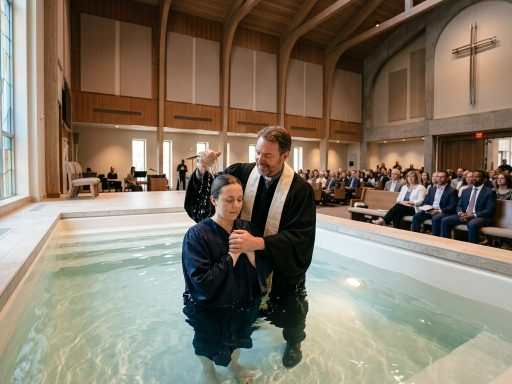
What does it truly mean to be baptized? This ancient ritual holds profound spiritual significance while also serving practical purposes within faith communities. Understanding baptism is essential for those exploring their faith or seeking deeper connections with their spiritual journey, as it symbolizes renewal, commitment, and belonging in a diverse world of beliefs.
The Historical Significance of Baptism: A Journey Through Time
Throughout history, baptism has transcended its ritualistic boundaries, evolving into a profound symbol of faith, community, and identity across various religions. Its roots can be traced back to ancient practices of purification, with evidence indicating that water rituals existed long before Christianity came into prominence. These rites, often aimed at cleansing individuals spiritually and physically, paved the way for baptism as we understand it today—a cornerstone of Christian initiation into the faith.
The Evolution of Baptism Across Cultures
Baptism is steeped in historical significance, reflecting diverse cultural interpretations and practices. For instance, in Judaism, the ritual of *mikvah* involves immersion in water for purification, which carries over into Christian traditions. Here are some pivotal moments in the historical journey of baptism:
- Early Church Practices: In the early Christian church, baptism was often a public declaration of faith, symbolizing a believer’s acceptance of Jesus Christ. The New Testament highlights the importance of baptism, with figures like John the Baptist paving the way for this practice.
- Council of Nicea (325 AD): This significant gathering established guidelines and formalized the practices associated with baptism, emphasizing its role in salvation and integration into the Christian community.
- Medieval Developments: During the Middle Ages, the theology surrounding baptism expanded, incorporating elements of infant baptism and the sacramental view, whereby baptism was seen as an essential means of grace.
- Reformation Changes: In the 16th century, reformers such as Martin Luther and John Calvin revisited the concept of baptism, arguing against the heavy reliance on ritual and instead emphasizing personal faith and understanding.
Baptism in Different Denominations
The interpretation and significance of baptism varies widely among Christian denominations, each shaping its practices and beliefs around this fundamental rite. The table below showcases how various branches of Christianity approach baptism:
| Denomination | Understanding of Baptism | Method of Baptism |
|---|---|---|
| Roman Catholic | Sacramental act of grace, removes original sin | Infant baptism; usually performed by pouring water |
| Orthodox | Integral to salvation; requires threefold immersion | Full immersion, typically in the name of the Trinity |
| Baptist | Believer’s baptism only; personal faith is necessary | Full immersion, typically performed in water |
| Methodist | Baptism signifies God’s grace; can be infant or believer’s baptism | Poured, sprinkled, or immersed |
Examining the rich historical tapestry of baptism reveals its multifaceted significance—it is not merely a ritual but a vital expression of community, reconciliation, and divine grace. Understanding the origins and evolution of baptism deepens one’s appreciation of what baptism means in both spiritual and practical terms. As believers reflect on their own baptismal journeys, they connect with centuries of tradition, embracing the communal and transformative power that this sacred act signifies.
Theological Insights: Understanding the Meaning Behind the Ritual

Understanding the significance of baptism extends far beyond its physical act; it encapsulates deep theological concepts that resonate through various faith traditions. This rite of passage symbolizes a profound transformation in the life of a believer and serves as a powerful reminder of their faith journey. For many, baptism represents an entry point into a community of faith, marking not only a personal commitment but a collective affirmation of shared beliefs and values.
The Spiritual Dimensions of Baptism
The spiritual insights associated with baptism are critical to grasping its broader meaning. Here are some important theological concepts that elucidate this sacred ritual:
- Initiation into Community: Baptism is often viewed as a pivotal moment that welcomes individuals into a church community. It fosters fellowship, creating bonds that extend beyond the sacrament itself.
- Identification with Christ: In many Christian traditions, the act of baptism signifies belief in Jesus’ death, burial, and resurrection, symbolically uniting the believer with Christ’s transformative power.
- Cleansing and Renewal: Operating on a metaphorical level, baptism represents the cleansing of sins and a renewed commitment to ethical living. This aspect of purification is a turning point where old ways are relinquished for a new life of virtue.
- Grace: The ritual signifies not just a personal decision but the reception of divine grace. It suggests that through baptism, individuals are met with unearned favor from God, which empowers them on their spiritual journey.
Practical Value of Baptism
In the practical realm, baptism serves as a powerful reminder of the commitments involved in one’s faith. Key aspects include:
| Aspect | Meaning |
|---|---|
| Public Declaration: | Baptism acts as a public statement of faith, encouraging others to witness and potentially reflect on their own spiritual journeys. |
| Personal Accountability: | Participants often feel accountable to the commitments they’ve made during the baptismal ceremony, fostering spiritual growth. |
| Ritual of Commitment: | The act signifies a dedication to live according to spiritual teachings and moral values, motivating community support for the individual. |
Navigating the waters of baptism, both literally and figuratively, provides believers with an opportunity to reflect on their spiritual state, commit to growth, and embrace the support of their faith community. In understanding what baptism means through these theological insights, individuals can appreciate the depth of its significance, enhancing both their personal faith practice and the community’s collective journey.
The Role of Community in Baptism: Bonding Through Shared Faith
When considering the profound act of baptism, it’s easy to focus solely on its individual significance; however, one cannot overlook the pivotal role that community plays in this sacred rite. Baptism is not just a personal declaration of faith but a communal experience that bonds believers together in a shared commitment to spiritual growth and fellowship. This interconnectedness reinforces the idea that faith is not a solitary journey but a collective pilgrimage where individuals are supported and nurtured by one another.
Strengthening Community Bonds
The act of baptism often serves as a celebration within the community, marking the newest member’s entry into the faith. It invites family, friends, and fellow congregants to partake in a ritual that symbolizes acceptance, love, and spiritual rebirth. This communal aspect can be further emphasized through gatherings such as:
- Pre-baptism classes: These sessions encourage dialogue about the meaning of baptism, allowing participants to bond as they share their personal stories and backgrounds.
- The baptism ceremony itself: Witnessing this sacred moment together creates a profound sense of unity among participants, strengthening the relational fabric of the community.
- Post-baptism celebrations: Hosting social events following the ceremony allows attendees to rejoice together, symbolizing the new member’s inclusion and the community’s support.
The Lifelong Commitment
Beyond the initial day of baptism, the commitment to support one another persists throughout the believer’s life. Communities often engage in regular practices that foster spiritual growth and connection, such as:
| Community Practices | Description |
|---|---|
| Mentorship programs | Connecting new members with seasoned believers to guide them in their faith journey. |
| Service projects | Collective efforts that not only serve the community but also encourage teamwork and strengthen bonds. |
| Bible study groups | Regular gatherings that promote discussion, reflection, and deeper connections with one another. |
This ongoing relationship reinforces the idea that baptism is not merely an isolated act but a vital step into a lifelong family of faith. It signifies an invitation to embrace shared beliefs, values, and missions, ultimately enriching the spiritual journey of each individual involved. As congregations come together to uplift and support their members, the essence of what baptism means—both spiritually and practically—expands to include a communal identity that fosters love and growth among all.
Practical Considerations: Preparing for the Baptism Experience

When preparing for baptism, whether it’s your own or that of a loved one, understanding the spiritual significance of this rite can enhance the experience tremendously. Baptism symbolizes a new beginning, a cleansing of the past, and an entry into a community. To make this momentous occasion truly meaningful, there are various practical considerations to keep in mind to ensure everything goes smoothly.
Choosing the Right Setting
The environment in which the baptism takes place can have a profound impact on the experience. Here are some factors to consider when selecting a venue:
- Religious Affiliation: Ensure that the church or gathering reflects your spiritual beliefs and values. It may be a local parish, a family church, or an outdoor setting that holds significance.
- Capacity: Consider the number of attendees. Will the venue accommodate everyone who wants to witness the baptism?
- Aesthetic Appeal: Look for a place that provides a visually pleasing backdrop for photos and memories.
Preparation of Participants
Preparing everyone involved in the baptism is also vital for its success. This includes not only the individual being baptized but also the family and godparents.
- Spiritual Readiness: Encourage discussions about the meaning and importance of baptism. This often includes prayer or even attending a preparatory class offered by many churches.
- Selection of Godparents: Choosing suitable godparents is crucial, as they will take on a spiritual guidance role. Consider individuals who share your beliefs and values.
- Dress Code: Decide on the attire beforehand. Traditional options include white garments symbolizing purity, but it’s also important to consider comfort and personal style.
Logistics and Coordination
Managing the logistical details can alleviate stress on the day of the baptism. Here’s a quick checklist:
| Task | Status |
|---|---|
| Book the venue | [ ] |
| Send invitations | [ ] |
| Confirm godparents | [ ] |
| Arrange attire | [ ] |
| Plan for photos/video | [ ] |
| Prepare a small gathering/party | [ ] |
Celebrating After the Ceremony
The baptism ceremony is just the beginning. Celebrating this memorable occasion with family and friends is equally important. Consider planning a small reception to honor this significant milestone. It can range from a simple get-together at home to a more elaborate gathering at a venue, reinforcing the communal aspect of this sacred ritual and making it an unforgettable day.
Symbolism in Baptism: Water, Purity, and New Beginnings

The ritual of baptism holds a profound significance that transcends mere tradition; it resonates deeply with the human experience of transformation and renewal. At the heart of this sacred practice lies the powerful symbolism of water, which serves as a universal element representing life, purity, and a fresh start. Exploring what baptism means in this context unveils its spiritual and practical values, making it a cornerstone of many faith journeys.
Water: The Element of Life
Water is essential for physical life, and throughout various cultures and religions, it has been associated with creation and nourishment. In Christianity, the act of baptism involves immersing a person in water or sprinkling water upon them, signifying profound rebirth. This immersion in water symbolizes the cleansing of sin and the washing away of previous life, mirroring the biblical significance of Jesus’ own baptism in the Jordan River. It’s a powerful reminder that just as water sustains life, it also offers the potential for spiritual renewal and growth.
Purity: A New Identity
The symbolism of purity is intricately linked with baptism, as the act itself represents the purification of the individual from past transgressions. When one emerges from baptism, it symbolizes not only the washing away of sins but also the adoption of a new identity as a member of a spiritual community. This transformation is essential, as it marks the start of a journey toward living in alignment with one’s faith.
- Forgiveness and Redemption: Baptism serves as an acknowledgment of divine forgiveness, allowing individuals to embrace their past and move forward without the weight of guilt.
- Community and Belonging: Being baptized often signifies acceptance into a faith community, providing support and fellowship that enhances spiritual growth.
New Beginnings: The Promise of Transformation
For many, baptism represents a significant milestone—a rebirth into a life filled with purpose and direction. This promise of transformation is not just a personal commitment but also a public declaration of faith. It encourages individuals to embark on a path that promotes personal growth, ethical living, and the pursuit of spiritual fulfillment.
| Elements of Baptism | Spiritual Meaning |
|---|---|
| Water | Life, cleansing, and renewal |
| Immersion/Sprinkling | Public declaration of faith |
| Community Presence | Support and belonging in faith |
Whether approached as a traditional sacrament or an essential rite of passage, the multifaceted symbolism embedded in baptism continually enriches one’s journey of faith. Understanding what baptism means in terms of water, purity, and new beginnings not only provides insight into its spiritual significance but also its practical relevance in fostering meaningful relationships and life transformations.
Navigating Different Denominational Perspectives on Baptism
Understanding the diverse perspectives on baptism across various Christian denominations is crucial for anyone looking to grasp its deeper meaning and significance. Baptism is a potent symbol of faith and initiation, yet interpretations can widely differ, revealing rich theological tapestries. This exploration dives into how different faith traditions approach this sacred rite, shedding light on the varied beliefs about its spiritual and practical value.
Distinct Beliefs Among Denominations
Each Christian denomination approaches baptism with unique theological underpinnings, reflecting their understanding of grace, salvation, and the role of the church. Here’s a brief overview:
- Baptists: Most Baptist churches practice believer’s baptism, emphasizing a personal faith decision prior to the act. They see baptism as an outward sign of an inward change—an essential step in the believer’s faith journey instead of a means of salvation.
- Catholics: In contrast, the Catholic Church views baptism as a sacrament that initiates one into the Church. It is believed to cleanse original sin and confer grace—thus being seen as necessary for salvation, even for infants.
- Methodists: Similar to Catholics, Methodists practice infant baptism but also acknowledge the importance of personal commitment later in life. They view baptism as a sign of God’s grace, a public declaration of faith that invites individuals into a lifelong journey of spiritual growth.
- Lutherans: Lutheran theology underscores baptism’s role as a means of grace. They uphold both infant and believer’s baptism, teaching that faith, rather than the age of the individual, determines the necessity for baptism.
The Journey to Understanding Baptism
To navigate through these varying beliefs effectively, one practical step is to engage in conversations with members of different denominations. This not only expands knowledge but also fosters understanding and respect for differing practices. Participating in interdenominational services can offer firsthand experience of how baptism is celebrated and the communal values tied to it.
Additionally, reviewing resources such as FAQ sections on church websites, podcasts from theologians, and academic articles can provide further insights into what baptism means within different traditions.
| Denomination | View on Baptism | Infant Baptism | Significance |
|---|---|---|---|
| Baptist | Believer’s baptism as a public profession of faith | No | Outward sign of inward faith |
| Catholic | Sacrament for cleansing of sin and initiation into the Church | Yes | Necessary for salvation and grace |
| Methodist | Sign of God’s grace and invitation to a faith journey | Yes | Public commitment to faith |
| Lutheran | Means of grace for all ages | Yes | Faith based, not age specific |
By understanding how different denominations perceive baptism and putting yourself in a position to learn from each perspective, you will gain valuable insights into not only what baptism means but also the larger narrative of faith that shapes communities worldwide. This journey will undoubtedly enrich your own spiritual experience and understanding of this vital rite.
Supporting Loved Ones Through the Baptismal Journey
To walk alongside a loved one on their baptismal journey is to take part in a powerful transformation deeply rooted in faith and community. Understanding what baptism signifies—from its spiritual essence to its practical implications—can help you offer the right kind of support. Whether the individual preparing for baptism is a child, a teenager, or an adult, your encouragement can significantly enhance their experience and deepen their commitment to this meaningful rite.
Emotional and Spiritual Support
Offer emotional reassurance as your loved one approaches this pivotal moment. Share in their anticipation, and remain open to discussing their feelings about baptism. This journey is as much about personal reflection as it is about communal celebration. Here are a few ways you can provide emotional and spiritual support:
- Engage in Conversations: Discuss the significance of baptism, exploring what it means to them personally. Listening actively to their thoughts can foster a deeper understanding.
- Prayer Together: If your loved one is comfortable, consider engaging in prayer or reflection together. This can provide peace and a sense of shared purpose.
- Attend Preparatory Classes: Participate in any pre-baptism classes or discussions. Your presence can be a source of comfort, and you’ll gain insights into the process.
Practical Involvement
Your role doesn’t end with emotional support; practical involvement also plays a significant part in the experience. From helping with logistics to celebrating the occasion, here’s how you can lend a hand:
- Plan the Celebration: Whether it’s a small gathering or a larger reception, coordinating the post-baptism celebration can lift some burden off your loved one. Help choose the venue, decor, and food.
- Gather Necessary Supplies: Assist in gathering items needed for the baptism, such as a garment for the ceremony, candles, or a special gift like a family Bible.
- Create a Keepsake: Consider making a memento of the day, like a photo album or scrapbook that they can look back on. Documenting the event in this way can add to its significance.
Celebrate the Transformation
Finally, remember that the baptismal journey is just the beginning. Celebrate the transformation and commitment that comes with this rite of passage. Recognize milestones in their spiritual growth afterward, and keep the lines of communication open to discuss experiences in their faith journey. Your ongoing support will not only reinforce the significance of what baptism means but also strengthen your bond as you walk this path together.
The Continuing Importance of Baptism in Today’s Spiritual Landscape
In an era characterized by rapid change and shifting belief systems, the relevance of baptism endures firmly within the spiritual landscape. This sacred rite, which symbolizes not just a transition but a commitment to faith, continues to resonate with individuals seeking deeper meaning and community in their lives. As millions around the world embrace or rekindle their spiritual journeys, understanding the significance of baptism can provide insight into its lasting impact.
The Spiritual Significance of Baptism
Baptism serves as a profound symbol of initiation and transformation. For many, it represents:
- A Public Declaration of Faith: Engaging in baptism is often a personal statement before friends, family, and the community, affirming one’s decision to follow a specific faith.
- Spiritual Cleansing: This act is perceived as a form of purification, washing away past transgressions and enabling believers to start anew.
- Emphasis on Community: Baptism typically occurs within a church setting, reinforcing the importance of communal support in one’s spiritual journey.
Such elements contribute to the enduring appeal of baptism, as they align with the human desire for renewal and connection.
Practical Applications of Baptism in Modern Faith Communities
Aside from its theological foundation, baptism has practical implications in contemporary faith communities. Understanding how baptism manifests in various contexts can enrich one’s perspective on the ritual:
| Aspect | Traditional Context | Modern Adaptation |
|---|---|---|
| Ceremony | Often held in a church with clerical leadership. | Can occur in various settings, including outdoor retreats or home gatherings, promoting a more personal touch. |
| Target Audience | Primarily focused on infants or new converts. | Welcoming individuals of all ages, including those interested in adult baptism, to foster inclusivity. |
| Symbolism | Primarily understood within the framework of Christian doctrine. | Enhancing the dialogue around spiritual practices by incorporating interfaith perspectives and practices. |
This evolving understanding reflects a growing interest in personal spirituality and interreligious dialogue. Typically, individuals exploring their faith may participate in baptism at different life stages, reflecting personal readiness and commitment rather than adhering strictly to traditional timelines.
Baptism remains integral to personal and communal identity, serving as both a spiritual milestone and a practical expression of faith in today’s world. As individuals search for meaning and belonging in an ever-complex society, the timeless essence of baptism, as explored in “What Baptism Means? Unpacking Its Spiritual and Practical Value,” continues to offer pathways for transformation, connection, and growth.
Frequently asked questions
What is baptism and what does it symbolize?
Baptism is a Christian sacrament that symbolizes the believer’s faith in Jesus Christ and their commitment to follow Him. It represents spiritual cleansing, rebirth, and entry into the Christian community.
In essence, baptism serves as an outward sign of an inward change. When an individual is baptized, they publicly declare their decision to embrace a new life in Christ, often marked by water immersion, which signifies death to self and resurrection in faith. For more details on its significance, explore our article on spiritual practices in Christianity.
Why does baptism hold spiritual value?
Baptism is cherished for its profound spiritual significance, marking the believer’s initiation into the faith and connection with God. It encapsulates themes of redemption and grace.
The act of baptism is seen as a transformative experience that symbolizes the washing away of sins and the restoration of one’s relationship with God. Many Christians view it not only as an individual act but also as a communal celebration that connects them to the wider body of Christ.
How can I prepare for baptism?
Preparation for baptism typically involves understanding its significance and often includes attending classes or meeting with a spiritual leader. This helps ensure a personal commitment to faith.
Consider reflecting on your spiritual journey and discussing any questions you may have with a pastor. Engaging in prayer and studying relevant scripture can also help deepen your understanding of what baptism means in the context of your faith.
Can baptism be performed in different ways?
Yes, baptism can be performed through various methods, including immersion, pouring, or sprinkling, reflecting some denominations’ traditions and preferences.
The choice of method often relates to theological beliefs about the act of baptism itself. For instance, some view immersion as an essential representation of Jesus’ death and resurrection, while others may choose pouring or sprinkling as equally valid alternatives. Understanding these differences can enrich your appreciation of this sacred ritual.
What does the Bible say about baptism?
The Bible contains numerous references that highlight the importance of baptism, particularly in the New Testament, where Jesus Himself was baptized, setting an example for believers.
Passages such as Matthew 28:19-20 emphasize the command to baptize as part of making disciples. This scriptural foundation underlines the belief that baptism is a necessary expression of faith, inviting believers into a deeper relationship with God and the community of faith.
Why do different denominations view baptism differently?
Different Christian denominations have varying interpretations of baptism’s meaning and significance, which influences practices and beliefs surrounding the sacrament.
For example, some denominations, like Baptists, advocate for believer’s baptism—only baptizing those who are old enough to make a conscious decision about their faith. In contrast, other traditions like Catholics practice infant baptism, believing it initiates the child into the faith community. Understanding these differences can illuminate the rich diversity of Christian practice.
How does baptism relate to spiritual growth?
Baptism can act as a catalyst for *spiritual growth* by affirming one’s faith journey and creating a strong foundation within the community of believers.
After baptism, individuals are often encouraged to engage in ongoing discipleship and community involvement, helping them grow in their understanding of faith. This connection fosters *discipleship*, promoting habits that nurture a lifelong commitment to spiritual development and service.
The Conclusion
In conclusion, baptism stands as a profound act rich in both spiritual significance and practical implications. It serves as an emblem of faith, an invitation to a deeper relationship with the divine, and a celebration of communal belonging across the diverse tapestry of Christianity. This sacred tradition transcends denominational boundaries, offering a shared moment of grace and renewal for all who partake in it.
Whether you are contemplating baptism for the first time, supporting someone about to take this significant step, or engaged in preaching and ministry, understanding the multifaceted meaning of baptism can enrich your journey. As we delve deeper into these sacred waters, let us embrace the opportunity to explore how baptism not only marks a new beginning but also calls us to live out the transformative love at the heart of our faith.
We invite you to continue this exploration—seek out experiences, engage with your community, and reflect on your personal journey. Your insights and questions are invaluable as we foster a space of learning and growth together. Embrace the journey of understanding baptism, and may it inspire you and those around you to a vibrant expression of faith in action.
Get our latest guides, news, and insights highlighted in your Google Search & AI Overviews.