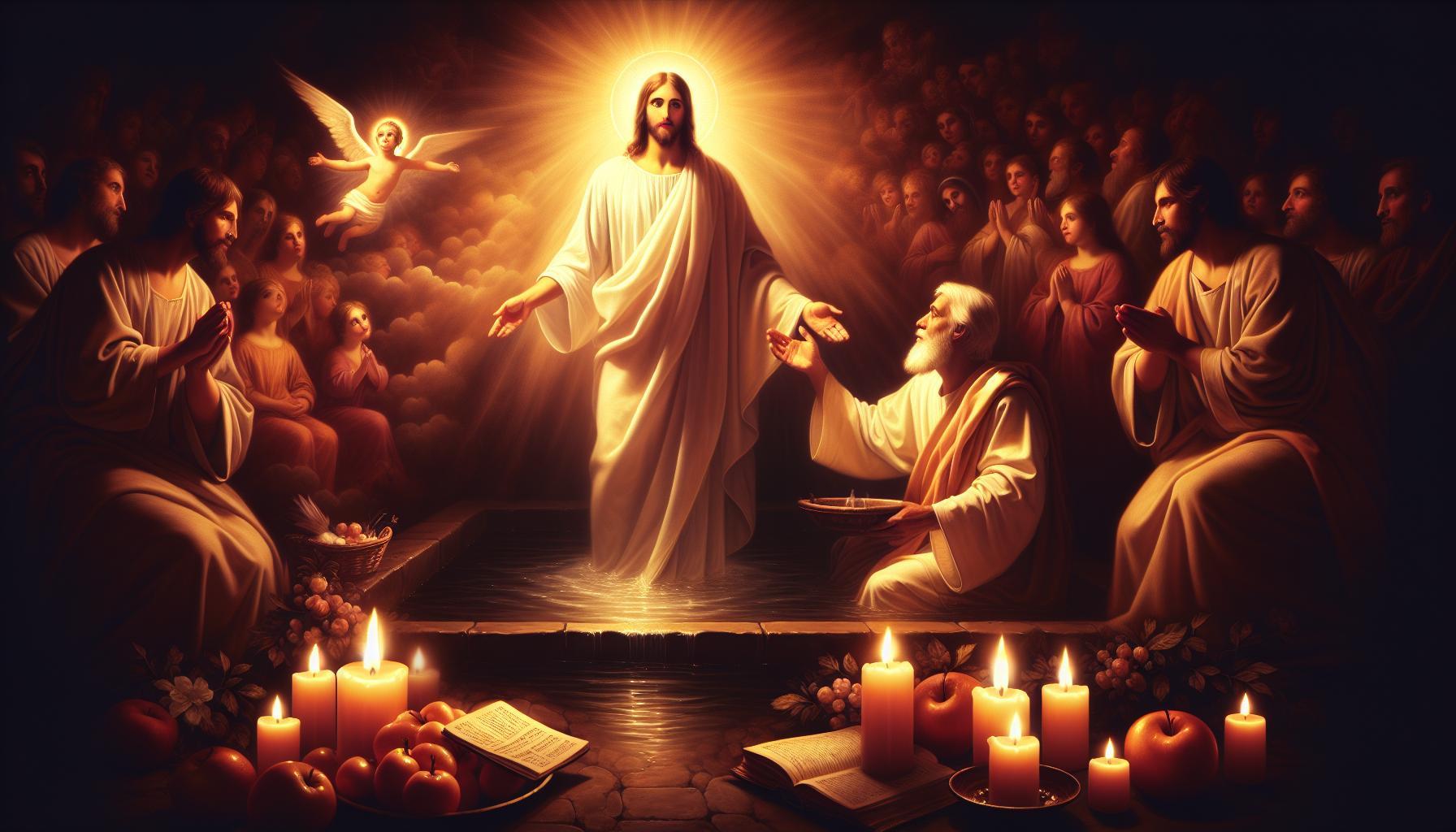
Baptism stands as a pivotal ritual in many faith traditions, yet its significance can vary widely across denominations. Understanding whether this practice qualifies as a sacrament illuminates its profound spiritual role and societal impact. Delving into the nuances of baptism reveals its vital importance in fostering community and personal commitment to faith.
Understanding Baptism: A Universal Rite or a Unique Sacrament?
The ritual of baptism is one of the oldest and most sacred traditions observed around the world, transcending cultures and religions. Interestingly, while many view it as a singular rite of passage, the way baptism is interpreted and practiced varies significantly among different faiths. This divergence raises an essential question: is baptism a universally recognized rite, or does it hold a unique sacramental significance within specific religious contexts?
Baptism Across Different Faiths
To grasp the multifaceted nature of baptism, it’s useful to look at how various traditions approach this practice. Here’s a brief examination of how baptism is perceived in a few major religions:
| Tradition | Meaning & Purpose | Significance |
|---|---|---|
| Christianity | Initiation into the Church, symbolizing purification and rebirth. | Often regarded as a sacrament, it signifies the believer’s faith and inclusion in the Christian community. |
| Judaism | While not baptisms in the Christian sense, rituals like Mikvah signify spiritual cleansing and renewal. | Key in conversion and spiritual growth, reflecting an internal journey rather than communal initiation. |
| Hinduism | Samskaras like Jatakarma and Namakarana can be seen as rites that purify and welcome a child into the community. | Emphasize the importance of life-cycle events and familial connections rather than salvation. |
In Christianity, particularly within denominations such as Roman Catholicism and Orthodoxy, baptism is commonly seen as a sacrament—an outward sign of inward grace intended to cleanse original sin and initiate individuals into the faith. Conversely, Protestant denominations might view baptism more as an important ritual that represents a personal declaration of faith rather than a sacramental act with salvific power.
The Cultural and Spiritual Dimensions
For many, baptism is not merely a religious duty; it’s also a cultural ceremony often celebrated with family gatherings and communal support. This societal aspect brings to light an essential dimension—baptism as a rite of passage that connects individuals to their heritage, fostering a sense of identity and belonging. For instance, in many Christian communities, the celebration of a child’s baptism is a significant event where families come together, reinforcing community bonds and shared beliefs.
Ultimately, the question of whether baptism is a universal rite or a unique sacrament invites deeper reflection on the beliefs and practices that shape our understanding of spirituality. By recognizing the diverse interpretations of baptism, one can appreciate its profound role in personal faith journeys and communal traditions alike.
Theological Foundations: What Does Scripture Say About Baptism?
The significance of baptism in Christian theology draws deeply from scriptural teachings, reflecting a rich tapestry of beliefs across various traditions. At its core, baptism serves as a profound expression of faith, signifying repentance, purification, and initiation into the community of believers. The various interpretations and practices surrounding baptism can often lead to questions about its role as a sacrament, highlighting the need for a closer examination of what Scripture conveys about this sacred rite.
Key Scriptural Passages
Baptism is woven throughout the teachings of the New Testament, with several key passages illuminating its importance:
- Matthew 28:19-20: In what is known as the Great Commission, Jesus commands His disciples to baptize all nations, emphasizing the act as integral to the message of salvation.
- Acts 2:38: Peter’s exhortation to “repent and be baptized” illustrates the connection between baptism and the forgiveness of sins, highlighting its role as both a communal and personal phenomenon.
- Romans 6:3-4: Paul discusses baptism as a participation in the death and resurrection of Christ, framing it as a transformative act that signifies spiritual rebirth.
- 1 Peter 3:21: This passage speaks of baptism as “not the removal of dirt from the body but the pledge of a clear conscience toward God,” indicating its spiritual significance beyond mere ritual.
Each of these verses underscores different facets of baptism, ranging from its commandment by Christ to its role in the believer’s life as a symbol of spiritual transformation.
Theological Interpretations Across Traditions
The understanding of baptism varies significantly among Christian denominations, resulting in diverse theological frameworks. Here are three broad perspectives:
| Tradition | Baptismal Theology | Practical Implications |
|---|---|---|
| Catholicism | Baptism is viewed as a sacrament necessary for salvation, marking the individual’s entry into the Church and the washing away of original sin. | Infants are baptized shortly after birth, emphasizing the belief in grace bestowed through the sacrament. |
| Protestantism | In many Protestant denominations, baptism is seen as an ordinance that symbolizes an individual’s faith and commitment to Christ, rather than a means of grace. | Baptism usually occurs after personal confession of faith, and can be performed on infants or adults, varying by tradition. |
| Orthodoxy | Baptism is a sacrament that fully integrates the believer into the life of the Church, incorporating a chrismation ceremony for additional grace. | Typically includes catechism before baptism, and emphasizes the communal aspect of the Church. |
Understanding the scriptural basis and theological implications of baptism across these traditions not only deepens one’s appreciation for the rite itself but also fosters ecumenical dialogue. The Scriptures invite believers to explore the depths of their faith through baptism, enriching their spiritual journey while adhering to the core tenets of their respective traditions.
Variations in Practice: How Different Traditions Interpret Baptism
Understanding baptism invites us into a world where sacred rituals hold profound meaning across diverse faiths. While some traditions view baptism as a fleeting ceremonial act, others regard it as an essential sacrament filled with theological significance. The variations in practice and interpretation reveal how deeply cultural and doctrinal factors influence the understanding of this timeless rite.
Catholic Interpretation
In Roman Catholicism, baptism is a fundamental sacrament—considered a necessary means for salvation. This rite is typically performed on infants, signifying the removal of original sin and initiation into the Church. The ritual includes the use of holy water, anointing with chrism, and the invocation of the Holy Spirit. Here, the Trinitarian formula is essential, as the priest repeats the words, “I baptize you in the name of the Father, and of the Son, and of the Holy Spirit.” This rite is celebrated with sacramental grace, providing believers a lifelong participation in divine life.
Protestant Perspectives
In the diverse landscape of Protestantism, interpretations of baptism vary significantly. Many denominations, such as Baptists, emphasize believer’s baptism—performing the rite only when a person can consciously affirm their faith. This practice involves full immersion in water, symbolizing identification with Christ’s death and resurrection.
Conversely, Lutheran traditions maintain that baptism is an essential means of grace, performed on both infants and adults. The act is viewed as a divine promise rather than merely a human response, underscoring the belief in God’s initiative in salvation.
- Baptism by Affusion: Used in many Reformed churches, where water is poured over the head.
- Sprinkling: A common practice in Methodism where water is sprinkled on the person being baptized.
Eastern Orthodox Practices
For Eastern Orthodox Christians, baptism is infused with mystical dimensions. The sacrament is often part of a larger initiation that can include chrismation and the Eucharist. This triple immersion baptism, usually conducted by plunging the candidate three times into the baptismal font, symbolizes the Holy Trinity and the death and resurrection of Christ. The Eastern tradition places great emphasis on the transformative aspect of baptism, regarding it as a rebirth into spiritual life.
Non-Christian Contexts
Interestingly, rituals akin to baptism exist outside of Christianity, reflecting a universal human desire for purification and new beginnings. In Judaism, the mikvah is a ritual bath symbolizing spiritual cleansing and is utilized for various purposes, including conversions. Similarly, in Hinduism, water rituals performed in sacred rivers are believed to cleanse sins and bestow spiritual merit.
| Tradition | Baptism Type | Key Beliefs |
|---|---|---|
| Catholic | Infant Baptism | Removal of original sin; initiation into the Church. |
| Baptist | Believer’s Baptism | Full immersion; conscious affirmation of faith required. |
| Lutheran | Infant/Adult Baptism | Means of grace; divine promise irrespective of age. |
| Orthodox | Triple Immersion | Spiritual rebirth; initiation through multiple rituals. |
The interplay of baptismal practices across various traditions underscores its significance as more than just a ritual. Each interpretation offers a unique lens through which believers can understand their faith and relationship with the divine, revealing the rich tapestry of human spirituality.
The Role of Baptism in Community and Personal Faith Journeys
Baptism is more than just a ritual; it is a profound event that shapes both community ties and individual spiritual journeys. In various religious traditions, the act symbolizes a range of significant meanings—purification, initiation, or even rebirth. For many, the question of whether baptism serves as a sacrament captures its essence and importance. By examining its role within faith communities, we can better understand its impact on personal belief and collective identity.
Community Bonds and Belonging
Baptism often acts as a rite of passage, marking an individual’s formal entry into a religious community. This collective experience fosters a sense of belonging among members, which can be particularly vital in an increasingly fragmented society. Here are some key aspects of how baptism reinforces community bonds:
- Shared Faith: Participants in baptismal ceremonies usually share common beliefs and values, strengthening communal ties.
- Cultural Traditions: Rituals surrounding baptism often draw on cultural heritage, creating a sense of continuity and belonging.
- Support Networks: Newly baptized individuals are embraced by their faith community, offering emotional and spiritual support.
In practice, many churches hold communal baptism services, where multiple individuals are baptized at once. This shared experience encourages congregational unity, celebrating not only the individual’s commitment but also the faith community’s collective strength.
Personal Transformation and Spiritual Growth
On a personal level, baptism often acts as a catalyst for spiritual growth and transformation. For individuals, it serves as a profound declaration of faith and commitment to a religious journey. Here are a few ways baptism influences personal faith:
- Symbol of Renewal: The act represents a fresh start or a new chapter in one’s life, allowing believers to leave behind past burdens.
- Spiritual Milestone: Baptism is frequently viewed as a significant milestone in one’s faith journey, marking a moment of spiritual awakening.
- Enhanced Faith Practice: Post-baptism, individuals often feel motivated to deepen their faith through prayer, scripture study, and active participation in community life.
For example, consider a young adult who, after undergoing baptism, becomes actively involved in community outreach programs. This transformation can strengthen their faith while also inspiring others in the congregation to engage in similar acts of service.
Conclusion
In summary, baptism serves not only as a personal affirmation of faith but also as a vital component of communal identity. Understanding these dynamics can deepen our appreciation for the question, “Is baptism a sacrament? Meaning and Importance Across Traditions,” and its implications for both personal and collective journeys of faith. The interplay of individual and community experiences highlights how this sacred rite can foster deeper connections with both the divine and each other.
Baptism’s Historical Evolution: From Early Church to Modern Practices
The practice of baptism is a rich tapestry woven throughout Christian history, marked by varying interpretations and significance across different traditions. This act, deeply rooted in the teachings of Jesus Christ, has evolved remarkably from its early church origins to contemporary practices observed in diverse denominations today. Understanding this evolution provides valuable insight into the question of “Is Baptism a Sacrament? Meaning and Importance Across Traditions,” highlighting the theological frameworks and communal roles that baptism has played.
Early Church Practices
In the nascent stages of Christianity, baptism symbolized a profound transformation—an initiation into the faith and a public declaration of belief. The earliest practices were often characterized by full immersion in water, reflecting descriptors found in the New Testament. Early Christians utilized rivers or natural bodies of water, emphasizing a return to purity and spiritual cleansing. This practice was so vital that it is noted in texts like the Didache (a first-century Christian manual) which provided guidelines on how and when to perform baptisms. The transition from this personalized immersion to designated baptismal fonts in church buildings marked a significant shift towards institutionalization and ritualization.
As time progressed and Christianity became the state religion of the Roman Empire, baptism’s role expanded further. The Council of Carthage in 397 AD solidified the understanding of baptism as essential for salvation. By this time, infant baptism emerged as a common practice, partly influenced by theological beliefs concerning original sin and the importance of receiving grace from an early age. This shift emphasized the sacramental nature of baptism, leading many to ask, “Is Baptism a Sacrament? Meaning and Importance Across Traditions” as they sought to understand how this rite connected individuals to divine grace and communal identity.
Medieval to Reformation Changes
During the medieval era, baptism took on various cultural dimensions, influenced by local traditions and the growing power of the Church. The rite began to incorporate additional elements, such as the anointing with oil and the use of salt, which were believed to offer further spiritual protection and strength. It was also during this time that baptism began to be viewed not just as a personal act but as a communal sacrament, reinforcing social bonds within Christian communities.
The Protestant Reformation in the 16th century challenged many established practices regarding baptism. Reformers like Martin Luther and John Calvin reaffirmed the essential nature of baptism while questioning certain doctrines like the efficacy of infant baptism. This led to the rise of various denominations and interpretations, including believer’s baptism, which argued that individuals should consciously affirm their faith before being baptized. This was a significant departure from the sacramental view traditionally held by the Catholic Church.
Modern Practices and Continuing Debates
Today, baptism remains a pivotal rite across Christian denominations, albeit with considerable variety in practice and belief. Some churches strictly adhere to infant baptism, while others advocate for the baptism of believers only, asserting its personal significance as an act of faith. Each tradition, whether Catholic, Orthodox, or Protestant, brings forth unique theological reflections on the question, “Is Baptism a Sacrament? Meaning and Importance Across Traditions.”
The modern discourse around baptism often intertwines with broader questions of identity, community, and grace. Practical aspects, such as how baptism is conducted—whether through immersion, pouring, or sprinkling—can reflect deeper theological convictions. Furthermore, the advent of interdenominational dialogue has fostered an environment of exploration, prompting congregations to engage with one another on baptism’s theological implications and communal practices.
As baptism continues to evolve, understanding its historical journey not only illuminates its significance within the Christian faith but also invites individuals to reflect on personal beliefs and community connections. Exploring these dimensions enriches the ongoing conversation about the relevance and meaning of this enduring sacramental practice across traditions.
The Significance of Baptism: Spiritual and Social Implications
Understanding baptism’s significance transcends mere ritual; it serves as a transformative experience that holds profound spiritual and social meanings across various traditions. Historically, this sacred act has been observed in countless faiths, echoing a universal desire for connection with the divine and community. The act of baptism not only signifies purification and rebirth but also marks an individual’s formal entry into a faith community, highlighting its dual role as a spiritual milestone and a social rite.
Spiritual Implications
Baptism is often seen as a divine ordinance, rich with theological meaning. In Christianity, it symbolizes the believer’s identification with the death, burial, and resurrection of Jesus Christ. This sacramental act embodies the principles of repentance and forgiveness, inviting individuals to embrace a new identity in their spiritual journey. Key spiritual implications include:
- Forgiveness of Sins: It represents a cleansing from sin, providing believers with a fresh start.
- Affirmation of Faith: Through baptism, individuals publicly affirm their faith and commitment to a spiritual path.
- Empowerment of the Holy Spirit: Many believers view baptism as the moment they receive the Holy Spirit, facilitating personal transformation and spiritual growth.
Social Implications
Beyond its spiritual dimensions, baptism plays a crucial role in community dynamics. It acts as a communal recognition of an individual’s faith journey, fostering a sense of belonging and accountability within the religious community. The social implications are equally significant:
- Initiation into Community: Baptism often serves as a rite of passage, formally welcoming individuals into a faith community where they can find support, guidance, and fellowship.
- Cultural Identity: In many cultures, baptism is intertwined with ethnic and familial traditions, reinforcing cultural heritage and shared beliefs.
- Building Relationships: The ceremony often brings families and friends together, strengthening social ties and creating a network of relationships centered around shared values.
To illustrate the multifaceted nature of baptism, consider a comparative framework reflecting its significance across diverse traditions. The following table summarizes how different faiths approach baptism and its implications:
| Faith Tradition | Purpose of Baptism | Social Role | Spiritual Significance |
|---|---|---|---|
| Christianity | Initiation, purification | Community integration | Identification with Christ |
| Judaism | Ritual purification | Family and community bonding | Spiritual renewal |
| Islam | Ritualistic cleansing (Taharah) | Family and community recognition | Submission to God |
Through this lens, it’s clear that baptism is more than a rite; it is a pivotal point of intersection where spiritual journeys and social identities converge, highlighting its importance across diverse traditions. Understanding these layers of meaning can inspire deeper appreciation for the ritual and its implications in the lives of individuals and communities.
Preparing for Baptism: Guidelines for Individuals and Congregations
Effective preparation is essential for both individuals and congregations when approaching the sacred act of baptism. Not only does this rite symbolize a profound spiritual transformation, but it also creates a meaningful connection within the broader faith community. Whether one is contemplating baptism as a personal commitment or facilitating the process within a congregation, understanding the underlying significance is key to a fulfilling experience.
For Individuals: Key Steps to Prepare
If you are an individual preparing for baptism, consider these guidelines to ensure a spiritually enriching experience:
- Reflection and Understanding: Spend time in prayer and study to comprehend the theological implications of baptism. Reflect on the question, “Is baptism a sacrament?” and engage with the teachings specific to your faith tradition.
- Mentorship: Seek guidance from a pastor or mentor who can provide insights and answer any questions you may have. Engaging in discussions about the meaning and importance of baptism across various traditions can deepen your understanding and commitment.
- Community Involvement: Start to cultivate relationships with members of your congregation. Joining a small group or participating in fellowship activities can create a supportive environment as you prepare for this significant milestone.
- Health Checks: Consider your physical and emotional health as part of your preparation. Engaging with a trusted counselor or spiritual advisor may also help address any fears or concerns about the baptism itself.
For Congregations: Facilitating the Process
Congregations play a pivotal role in guiding individuals through the preparation for baptism. Here are practical steps that churches can implement:
- Educational Workshops: Organize sessions that explore the meaning and importance of baptism across different traditions. Provide resources and materials that address common questions and concerns.
- Encouraging Personal Stories: Host testimony nights where baptized members share their experiences. This can inspire candidates and build a sense of belonging within the community.
- Designate Mentors: Assign mentors who will guide candidates through the preparation process, helping to bridge the gap between personal faith and communal support.
- Celebration Planning: Ensure that the actual baptism event is a joyous congregation-wide celebration. Involve the community in planning, creating an atmosphere that emphasizes the significance of the occasion.
By thoughtfully preparing for baptism—whether as an individual or congregation—one can navigate this sacred journey with joy and reverence. Each step taken is not merely routine but an intentional practice to acknowledge the sacrament’s deep-rooted significance across various faith traditions.
Navigating Questions of Eligibility: Who Should Be Baptized?
Baptism is often viewed as a pivotal rite of passage within various religious frameworks, yet questions about who is eligible for this sacred ceremony can ignite passionate discussions. Across different traditions, the criteria for baptism can vary significantly, reflecting theological beliefs, cultural practices, and historical contexts. Understanding who should be baptized not only delves into doctrinal specifics but also invites deeper conversations about faith initiation and community belonging.
Defining Eligibility Criteria
In many Christian denominations, baptism serves as a means of entering into the faith community. The criteria for eligibility typically include but are not limited to:
- Age and Understanding: Many traditions argue that individuals must possess a certain level of understanding of the faith before baptism. This often translates to the concept of “age of accountability,” which varies widely among sects.
- Belief and Faith: A common requirement in many denominations is a personal declaration of faith. This is especially true in Evangelical circles, where an individual’s conscious commitment to follow Christ is considered essential.
- Covenant Community: For some, particularly in Reformed and Presbyterian traditions, baptism signifies inclusion in the covenant community, hence infants are baptized as a symbol of God’s promise to the children of believers.
- Repentance: In traditions such as Baptist and Pentecostal circles, a clear sign of repentance and transformation is expected before one undergoes the sacrament.
The eligibility for baptism often reflects broader theological principles within a particular denomination or faith tradition. For example, while infant baptism is prevalent in Roman Catholicism and Orthodoxy—emphasizing God’s grace and the believing community’s role—traditions like Anabaptists and Baptists view baptism as only valid when a person has made a conscious decision to follow Christ.
Baptismal Practices in Different Traditions
To better understand the landscape of baptismal eligibility, it’s helpful to examine how different faith traditions approach the sacrament:
| Tradition | Eligibility Criteria | Baptism Type |
|---|---|---|
| Roman Catholic | Infants and adults; no age restriction | Affusion or immersion |
| Baptist | Believers only; must be of age to understand | Immersion |
| Orthodox | Infants and adults; includes godparents | Triple immersion |
| Methodist | Infants and believers; understands grace | Affusion or immersion |
Ultimately, navigating the questions of who should be baptized requires a careful consideration of each tradition’s theological grounding and community practices. Engaging in dialogues with local faith leaders or participating in preparatory classes can empower individuals and families to understand and embrace the rituals and responsibilities that accompany baptism. Whether one leans toward infant baptism rooted in tradition or believer’s baptism emphasizing personal commitment, the journey toward baptism remains one of profound significance and spiritual exploration.
Frequently asked questions
What is the meaning of Baptism as a sacrament?
Baptism is often seen as a sacrament in many Christian traditions, symbolizing purification and initiation into the faith community. It signifies the believer’s commitment and marks a transformative moment in their spiritual journey.
Across various denominations, like Catholicism and Protestantism, baptism holds significant theological importance. For example, in Catholic teaching, it removes original sin, while in many Protestant traditions, it represents an individual’s personal commitment to God. Understanding its meaning helps bridge perspectives within Christianity.
Why is baptism considered important in different traditions?
Baptism’s importance varies across traditions, emphasizing a personal relationship with God and community belonging. It serves as a rite of passage, illustrating one’s faith and commitment to following Christ.
Some traditions see baptism as essential for salvation, while others view it as a public declaration of faith. This diversity reflects the varied expressions of Christian faith, yet all acknowledge baptism as a crucial step in discipleship.
Can I be baptized multiple times?
In most cases, baptism is intended to be a one-time sacrament, as it’s viewed as an irreversible commitment to faith. However, some individuals may choose to be baptized again, often due to personal significance or a change in faith.
For instance, denominations such as Baptists may re-baptize individuals who feel they were not genuinely committed during their first baptism. Understanding your own tradition’s view on re-baptism can guide this deeply personal decision.
How does baptism differ among Christian denominations?
Baptism practices greatly vary among Christian denominations, reflecting differing theological beliefs. While some see it as essential for salvation, others consider it more of a ceremonial practice for new believers.
For instance, Catholics practice infant baptism and view it as a means of grace, while many Protestants, like Baptists, advocate for believer’s baptism, which is performed when an individual can consciously affirm their faith. These differences are pivotal in understanding the meaning and importance of baptism across traditions.
What are the common symbols used in baptism?
Common symbols in baptism include water, which represents cleansing and new life, and oil, symbolizing the Holy Spirit. These elements highlight the spiritual significance of the act within Christian contexts.
In many traditions, the use of water also signifies rebirth, as noted in passages like John 3:5. Consequently, the symbolism reinforces a believer’s transformation and initiation into the faith community, enhancing the overall experience of baptism.
Why is baptism performed in a community setting?
Baptism is often conducted in a community setting to symbolize the individual’s entry into the faith community. It highlights the support and witness of fellow believers, reinforcing shared faith values.
The communal aspect of baptism reflects the notion that faith is not only a personal journey but also a communal responsibility. This practice serves to welcome individuals into the church family, providing them with a network of support in their spiritual growth.
What does the New Testament say about baptism?
The New Testament emphasizes baptism as a crucial aspect of the Christian faith, with several references to its practice as an initiation into the faith community. It represents obedience to Jesus’ command and a symbol of repentance.
Key passages, such as Matthew 28:19-20, highlight its importance in the life of a believer. Additionally, stories of baptism in Acts showcase the transformative power of this sacrament. For a deeper understanding, explore more about its biblical foundations and significance.
Insights and Conclusions
In conclusion, the sacrament of baptism holds profound significance across various religious traditions, symbolizing purification, initiation, and the embrace of divine grace. Whether viewed as a rite of passage, a moment of rebirth, or an essential step in spiritual formation, baptism serves as a sacred act that connects believers to their faith communities and the greater tapestry of religious expression. We encourage readers to delve deeper into the diverse interpretations and practices surrounding baptism, considering how this ancient ritual speaks to personal faith journeys and collective identities. Feel free to explore the rich theological foundations and practical applications of baptism, fostering a greater understanding and appreciation of its importance in shaping lives and communities across the world.
Get our latest guides, news, and insights highlighted in your Google Search & AI Overviews.