Baptism often sparks debate: is it merely a formal ritual, or does it signify a profound spiritual transformation? Understanding this distinction is crucial as it shapes beliefs and practices within various faiths. Delving into the essence of baptism illuminates its dual role as both a sacred ceremony and a catalyst for personal spiritual renewal, resonating with many believers today.
Understanding the Essence of Baptism: A Sacred Tradition
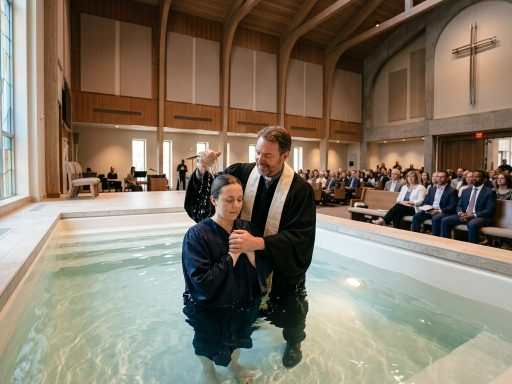
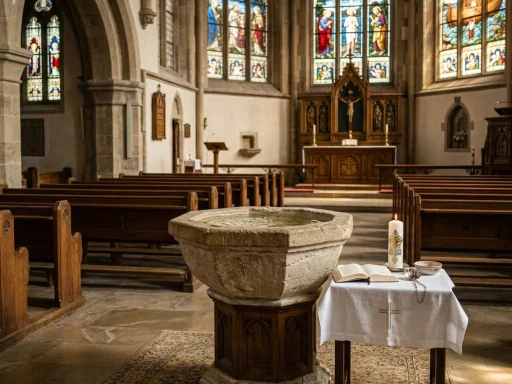
In the rich tapestry of Christian practices, baptism stands out not just as a ritual, but as a profound expression of spiritual transformation and communal identity. This sacred ceremony, often involving water in varied forms—be it immersion, pouring, or sprinkling—serves as a visual enactment of deeper theological truths. It reflects initiation into the faith community, symbolizing a believer’s acceptance of God’s grace and commitment to a new life in Christ. The diverse practices across denominations underscore baptism’s role as both a tradition and a personal milestone that marks the beginning of a believer’s journey.
The Dual Nature of Baptism
Baptism embodies a dual nature that many struggle to reconcile: it is both a ritual and a catalyst for spiritual transformation. As a ritual, it follows established forms and is steeped in religious significance. Most Christian churches adhere to the Trinitarian formula, invoking the Father, Son, and Holy Spirit during the act. For many congregants, this ceremonial aspect reinforces community bonds and provides a palpable connection to their faith heritage. On the other hand, the spiritual transformation that baptism signals is internal and deeply personal. It symbolizes rebirth and a conscious choice to follow Christ, affirming one’s identity as a member of the faith community.
- Ritual as Community Expression: Each baptism represents not just an individual’s commitment but also the collective endorsement of their faith community.
- Spiritual Transformation: The act of baptism is often viewed as a watershed moment where an individual publicly declares their beliefs and experiences a spiritual rebirth.
- Theological Implications: Many scholars point out that such traditions aren’t merely symbolic; they invoke transformation that connects believers to the divine.
Real-World Examples and Practical Insights
Consider the various denominations and their approaches to baptism: while Baptist churches emphasize believer’s baptism, wherein individuals choose to be baptized upon expressing faith, many other traditions practice infant baptism, viewing it as the initiation into the covenant community. This variation leads to rich discussions about faith, choice, and the communal responsibility of raising a child in the faith.
Furthermore, incorporating baptism into a believer’s life can offer practical steps for growth in faith. For instance:
- Engage in Church Community: Participating in church activities post-baptism can enhance one’s faith journey.
- Continuous Education: Attending classes or small groups can deepen one’s understanding of baptism’s significance in spiritual life.
- Mentorship: Finding a mentor within the community can provide guidance and strengthen the believer’s walk.
By exploring the nuances between baptism as a ritual and its role in spiritual transformation, individuals can appreciate this practice not only as a tradition but as a dynamic journey into faith that evolves over time.
Ritual vs. Transformation: The Dual Nature of Baptism
Rituals often stand at the intersection of personal belief and communal practice, and baptism epitomizes this dynamic beautifully. While the act of baptism may be perceived strictly as a ritual—an outward ceremony devoid of inner significance—its true essence lies in the transformative power it holds over the individual. Engaging in this sacred ceremony is not merely about tradition; it is about embracing a profound shift in one’s spiritual journey, often described as a rebirth or renewal of faith. Understanding the dual nature of baptism helps illuminate how a seemingly simple act can yield deep personal and communal implications.
The Ritual of Baptism
At its core, the ritual of baptism can be viewed as a formal and symbolic cultural act with deep historical roots. This ceremony usually involves immersing, sprinkling, or pouring water over the individual, signifying purification and the washing away of sins. Within many faith traditions, this ritual acts as a rite of passage, marking significant transitions in one’s spiritual life, such as entering a religious community or affirming one’s faith publicly. It fosters a sense of belonging and unity among believers, enhancing spiritual fellowship within the community. This aspect of baptism, as an organized ceremonial practice, highlights its communal significance and the shared values it represents.
Spiritual Transformation
Conversely, baptism embodies a transformative experience that transcends its ritualistic components. It serves as an awakening, pushing individuals to reflect on their life choices, beliefs, and spiritual commitments. As described in various spiritual and theological perspectives, baptism catalyzes a profound inner change. This transformation is significant as it not only involves a public declaration of faith but also encourages individuals to develop a more profound relationship with the Divine. The act of baptism can usher believers into a path of spiritual growth, urging them to cultivate qualities such as compassion, humility, and a deeper understanding of their spiritual journey.
- Inner Reflection: Engaging in the ritual prompts believers to introspect their beliefs and intentions.
- Commitment to Change: The act symbolizes a pledge towards personal evolution and spiritual commitment.
- Community Integration: As individuals undergo this transformation, they find greater unity within the community.
In synthesizing these perspectives, baptism illuminates the tension between ritual and transformation, showcasing its comprehensive role in both individual spirituality and community identity. Baptism, therefore, is not merely a ceremonial act but a deeply personal journey marked by significant inner change, inviting believers to explore their faith more fully and commit to a lifelong path of spiritual maturity. This dual nature of baptism reinforces the idea that while rituals can serve as key triggers for change, the real impact lies in the transformation they inspire within each individual.
Theological Perspectives: What Does Scripture Say About Baptism?
The significance of baptism within Christian doctrine extends far beyond mere ritual; it encapsulates profound theological implications woven throughout Scripture. This sacred ceremony, often perceived as a ritualistic act, is, in fact, deeply rooted in the transformative journey of faith. According to the New Testament, baptism serves as a powerful public declaration of one’s allegiance to Christ, symbolizing spiritual rebirth and the cleansing of sins, a notion that resonates with believers across various denominations.
The Meaning and Purpose of Baptism
Baptism is recognized as one of the seven sacraments instituted by Jesus Christ, representing a visible sign of God’s grace and the initiation of a believer into the Christian community. The apostle Paul encapsulates the essence of baptism in Ephesians 4:5, stating that there is “one Lord, one faith, one baptism.” This unity in belief underscores the idea that baptism is not merely a tradition but a vital step in one’s spiritual journey. It acts as a communal affirmation, identifying the individual with Christ and His Church.
Furthermore, Scriptures such as Acts 2:38 emphasize the necessity of baptism for the forgiveness of sins, illustrating its pivotal role in salvation. This perspective aligns particularly with the teachings of the Churches of Christ and the Christian Church, which assert that baptism is essential for receiving grace and entering into a relationship with God [2[2].
Spiritual Transformation vs. Ritual
In examining whether baptism is purely a ritual or a pathway to spiritual transformation, it’s essential to recognize that while rituals can be significant, the emphasis in Scripture is consistently on the transformative power of this act. Baptism reflects a believer’s commitment to forsake their old life of sin and embrace a new life in Christ, as highlighted in Romans 6:4. This passage presents baptism not just as an external act but as a profound internal reality—dying to self and being reborn through Christ.
Moreover, Jesus’ own baptism marks a critical moment of identification with humanity. As He submitted to baptism despite having no sin, He set an example of humility and obedience that His followers are called to emulate. This theological perspective invites believers to see baptism as a bridge to a deeper relationship with God, affirming that it is not just about the water used or the ceremony itself but about the intent and transformation occurring within the individual.
In conclusion, baptism embodies both a sacred ceremony and a profound spiritual transformation, reflecting biblical teachings that underscore its essential role in the faith journey of every believer. As Christians engage in discussions about “Is Baptism a Ritual? Exploring Sacred Ceremony vs. Spiritual Transformation,” it becomes evident that the scriptural foundation for baptism emphasizes the latter, intertwining doctrine with personal experience in a transformative faith journey.
The Role of Community in the Baptism Experience
The act of baptism transcends mere tradition; it embodies a collective expression of faith that is deeply interwoven with community. As individuals step forward to declare their commitment to Christ, they do so within a supportive environment that amplifies the significance of this sacred moment. According to various religious perspectives, baptism serves not only as a personal declaration but also as an invitation to connect with others in the faith journey, reinforcing the idea that no one walks this path alone.
The Collective Celebration
When someone is baptized, the ceremony often transforms into a communal celebration that fosters connections among believers. Loved ones gather to witness and support the individual, creating an atmosphere rich with joy and shared purpose. This public demonstration of faith serves as a catalyst for greater community engagement, as it encourages others to reflect on their personal beliefs and consider their own baptism journey. The participation of the community can take many forms, such as:
- Testimonies highlighting the individual’s story and transformation.
- Shared music and prayers that uplift the spirit of the congregation.
- Post-baptismal gatherings that foster fellowship and relationship-building.
These elements enhance the experience by reinforcing the belief that baptism is not just about the individual’s faith but also about the larger body of Christ, united in purpose and support.
Encouraging Accountability and Growth
Incorporating the community into the baptism experience also emphasizes accountability among congregants. A newly baptized person is welcomed into a network of support that not only celebrates their decision but also encourages continued spiritual growth. This shared commitment among community members helps ensure that spiritual transformation remains an ongoing journey—a crucial aspect discussed in the context of “Is Baptism a Ritual? Exploring Sacred Ceremony vs. Spiritual Transformation.” The very act of gathering to witness baptism symbolizes a promise of support, guidance, and encouragement.
Through shared experiences such as group Bible studies, mentorship opportunities, and community service, the baptized individual gains strength to navigate the challenges of their faith journey. For instance, small groups can play a pivotal role in processing the significance of baptism, allowing new believers to ask questions and receive insights from those seasoned in their faith. This dynamic creates a rich tapestry of learning and support that highlights the community’s role in individual transformations.
In embracing both the ritualistic and transformational aspects of baptism, communities not only uphold traditions but also cultivate an environment conducive to spiritual growth. Each baptism represents a unique journey, and when celebrated among fellow believers, it underscores the profound impact of shared faith on an individual’s life. This communal support is essential for fostering lasting change, illustrating that while baptism may be a pivotal moment, it is one of many steps within the broader continuum of communal faith development.
Personal Reflection: Preparing Your Heart for Baptism
Baptism holds profound significance, embodying a transformative journey that transcends mere ritual. Understanding this transition may enrich one’s experience, encouraging a heartfelt connection to the sacrament. Reflecting on the internal and external preparations for baptism can foster a deeper understanding of its transformative power, encouraging individuals to approach this sacred ceremony with open hearts and minds.
Before participating in baptism, it’s essential to engage in personal reflection. Consider the following aspects:
- Intentionality: Reflect on why you are seeking baptism. What does this act signify for you personally? This introspection can help clarify your spiritual goals.
- Community Connection: Acknowledge the community aspect of baptism. Building relationships with fellow believers can enhance your sense of belonging within the Church.
- Spiritual Readiness: Assess your current spiritual state. Are there practices, such as prayer or meditation, that you can undertake to prepare your spirit for this significant event?
- Personal Growth: Consider how this sacrament can propel you toward personal transformation. What changes or commitments might arise from this new chapter in your faith journey?
As you prepare your heart for baptism, nurturing a mindset of openness and receptivity is vital. Engage with scripture, participate in worship, and consider discussing your feelings and thoughts with a mentor or spiritual guide. These strategies can frame baptism not merely as a ceremonial act but as a pivotal point of spiritual rebirth and renewal.
Embracing baptism as a vital part of your faith journey invites significant transformation—not just in the moment of the ceremony but throughout your spiritual life. In nurturing this perspective, you will discover that the journey extends well beyond the ritual, paving the way for a profound connection with your faith and the community that surrounds it.
Navigating Different Denominations: Baptism Across Faiths
Baptism, as a ritual, holds significant meaning across various Christian denominations, often serving as a profound expression of faith and community belonging. The understanding and practice of baptism can vary dramatically between traditions, reflecting their unique theological perspectives and historical developments. This diversity prompts an exploration of not only the ceremonial aspects but also the deeper spiritual transformations that these practices are meant to signify.
Understanding the Spectrum of Baptism Practices
Across the Christian faith, baptism is typically regarded as a fundamental ordinance. However, different denominations approach it from distinct angles. For instance, most churches view baptism as a critical component of the faith journey, but the timing and method can differ based on theological beliefs. Some denominations, such as the Baptists and Pentecostals, practice believer’s baptism, which is reserved for those who can consciously express their faith, while others, such as Catholics and many Protestant groups, embrace infant baptism as a means of initiating children into the faith community.
- Believer’s Baptism: Commonly practiced by Baptists, Pentecostals, and some other Protestant denominations, this baptism occurs only after an individual has the capacity to make a personal faith commitment.
- Infant Baptism: This practice is prevalent in traditions such as Catholicism and Lutheranism, where it is believed that baptism cleanses original sin and brings the child into the church community.
The Theological Implications of Different Practices
The differences in baptismal practices often reflect broader theological principles. In traditions that practice infant baptism, such as the United Church of Christ, the ritual symbolizes an outward sign of inward grace. Conversely, denominations that advocate for believer’s baptism highlight the necessity of personal faith and repentance as prerequisites for the rite. This tension between institutional membership and personal faith commitment raises essential questions about the nature of spiritual transformation which baptism symbolizes.
| Denomination | Baptism Type | Method | Theological Emphasis |
|---|---|---|---|
| Baptists | Believer’s Baptism | Immersion | Personal Faith Commitment |
| Catholics | Infant Baptism | Affusion | Salvation and Church Membership |
| United Church of Christ | Infant Baptism | Immersion, Affusion, Aspersion | Symbol of Inward Grace |
| Churches of Christ | Believer’s Baptism | Immersion | Repentance and Salvation |
In summary, navigating the various practices of baptism across different Christian denominations reveals a rich tapestry of beliefs, each offering unique insights into the intersection of sacred ceremony and spiritual transformation. These diverse expressions not only highlight the multifaceted nature of baptism as a ritual but also invite a deeper understanding of each tradition’s view on faith, community, and personal commitment. Each ritual, while outwardly similar in practice, is imbued with theological significance that shapes the faith experience of its believers.
Practical Guidance for Participating in Baptism Ceremonies
Participating in a baptism ceremony is a profound and transformative experience that goes beyond mere ritual; it marks a significant milestone in one’s spiritual journey. Whether you are the one being baptized or supporting someone through the process, understanding the practical aspects of the ceremony can enhance both the experience and its meaning. Here are some key elements to consider when preparing for a baptism.
Preparation and Reflection
Before the ceremony, engage in personal reflection to understand the significance of baptism in your life. This can involve:
- Reading relevant scriptures, such as Romans 6:3-4, which explains the symbolism of death, burial, and resurrection through baptism.
- Participating in discussions with a pastor or spiritual mentor to clarify any questions about the baptismal process and its meaning.
- Considering the commitment you are making and how it aligns with your faith and life moving forward.
Additionally, practical preparation includes selecting appropriate attire. Many choose to wear comfortable clothing that can get wet, often a simple white garment symbolizing purity.
During the Ceremony
On the day of the baptism, it’s essential to be mentally and spiritually present. Here are some steps to make the most of the ceremony:
- Arrive early: This allows time for any last-minute questions and for you to settle into the environment.
- Be mindful: Take a moment to meditate or pray, focusing on the commitment you are making and the support you feel from your community.
- Participate actively: Engage with the process, responding to affirmations asked by the officiant, and express your own intentions clearly.
New believers, in particular, may feel nervous; however, it’s important to remember that this act signifies your personal journey of faith.
Post-Baptism Reflection
After the baptism, take time to reflect on the experience and what it means for your spiritual life going forward. Some ways to do this include:
- Journaling: Write down your feelings about the event and your hopes for the future.
- Connect with others: Share your experience with friends and family or within your faith community, as communal sharing can reinforce the commitment you’ve made.
- Set spiritual goals: Now that you’ve taken this significant step, consider what actions and attitudes you want to cultivate in your faith journey.
These reflections will help solidify the transformation that baptism represents, creating a lasting impact on your spiritual growth.
Overall, participation in baptism ceremonies serves as a powerful reminder of faith and commitment, making it a vital aspect of spiritual transformation. Engaging fully in both the preparation and reflection stages ensures that you embrace the ceremony’s depth and importance in your life.
The Lasting Impact of Baptism: Beyond the Ceremony
Baptism is more than just an event; it marks a pivotal transformation in an individual’s spiritual life. This sacred ceremony often serves as a profound declaration of faith, with its impact echoing through time well beyond the moment of immersion. For those who embrace the beliefs surrounding it, baptism signifies an essential commitment to a new way of living—a journey that encompasses both personal and communal dimensions.
The spiritual transformation associated with baptism encompasses a multitude of significant changes, fundamentally altering the character of individuals. Not only does it symbolize cleansing from sin and impurities, but it also establishes a new identity in the eyes of the faith community. As Christians believe, baptism is an act of obedience commanded by Jesus, serving as a public confession that unifies believers under the same faith and purpose. This act is often the first step in a lifelong journey of spiritual growth and connection with God, offering a tangible sense of belonging to a larger family of believers.
Additionally, the lasting effects of baptism extend into the believer’s everyday life. It represents a turning point that encourages a lifestyle characterized by values such as love, service, and commitment to one’s faith. The sacrament provides spiritual fortitude, enabling individuals to face life’s challenges with an unwavering spirit. Those who have undergone baptism often report feeling a new sense of hope and purpose, significantly influencing their relationships and contributions to their communities.
Ultimately, the essence of baptism transcends the mere ritualistic act; it embodies an invitation to a transformative life experience that reshapes individuals’ understanding of themselves and their place in the world. Engaging fully with this spiritual milestone requires ongoing reflection and commitment to living out its implications, demonstrating that genuine transformation is a continuous journey rather than a singular event. This perspective allows for a deeper exploration of ‘Is Baptism a Ritual? Exploring Sacred Ceremony vs. Spiritual Transformation,’ prompting believers to consider how they can embody the principles instilled during their baptism throughout their lives.
Frequently asked questions
What is the significance of baptism?
Baptism is a profound spiritual ceremony signifying the transformation that occurs when one accepts Jesus Christ as their Lord and Savior. It marks the beginning of a believer’s journey in faith. For detailed guidance and best practices, see our complete guide on significant spiritual meaning.
While often perceived as a ritual, baptism embodies significant spiritual meaning, representing purification, rebirth, and the public declaration of faith. Many traditions, such as in the New Testament, illustrate how believers were baptized soon after professing their faith.
Is baptism considered a ritual in all religions?
Not all religions view baptism as a ritual. In many denominations, it serves as a sacred ceremony that symbolizes a deep spiritual transformation rather than mere tradition.
For instance, while Christians regard baptism as a vital expression of faith and commitment to Christ, some other faiths may not incorporate a similar practice. Thus, understanding baptism through various lenses is essential for respecting diverse beliefs.
Why is baptism important in Christianity?
In Christianity, baptism is crucial as it signifies the believer’s initiation into the faith, representing purification from sin and the reception of the Holy Spirit.
It reflects the dying and rising with Christ, paralleling His resurrection. This sacrament fosters a sense of community and belonging among believers, reinforcing the notion of being part of the body of Christ.
How does baptism represent spiritual transformation?
Baptism symbolizes a deep spiritual transformation, reflecting an individual’s commitment to live according to Christ’s teachings. It is an outward demonstration of the inward change that faith brings.
This transformation includes the forgiveness of sins and receiving new life, echoing themes found in passages like Romans 6:4, which emphasizes being raised to walk in a new way of life. Such expressions inspire believers to embrace their faith actively.
Can I be baptized more than once?
While many traditions suggest that baptism is a once-in-a-lifetime act, some believe it can be repeated if one has drifted from their faith and seeks renewed commitment. Rebaptism reflects a profound change in one’s life.
It’s essential to discuss the implications of rebaptism with a spiritual leader to understand its significance in your faith tradition. Regardless, the heart of baptism remains the seeker’s sincere devotion and transformative journey.
How is baptism performed in different denominations?
Baptism practices vary across denominations, yet all focus on its symbolic nature. Some, like the Catholic Church, adhere to infant baptism, while others, such as Baptists, practice believer’s baptism.
In every case, the act serves as a public declaration of faith, embodying the essential elements of repentance and acceptance of Christ. Understanding these variations helps to appreciate the common values that unite believers across Christian traditions.
What questions should I ask before my baptism?
Before baptism, it’s wise to ask about the meaning of the ritual, the responsibilities it entails, and how it fits within your faith journey. Consider discussing your spiritual beliefs and the importance of community.
Informed questions, such as how baptism reflects your personal relationship with Jesus and the expected post-baptism involvement in church life, can help prepare you mentally and spiritually for this important milestone.
In Retrospect
In conclusion, the exploration of baptism as both a sacred ritual and a profound spiritual transformation unveils the rich tapestry of meanings embedded in this ancient practice. Across various theological perspectives, baptism is a ceremonial act laden with significance, serving as a public declaration of faith and a vital step in one’s journey with the Divine.
As you reflect on the distinctions between ritual and spiritual transformation, consider engaging with your own faith community to deepen your understanding of baptism’s role within your tradition. This dialogue not only enriches personal faith but also fosters connections across different beliefs.
We encourage you to explore additional resources and perspectives that can enhance your appreciation for this sacred rite. Whether you’re preparing for baptism yourself or supporting others through this meaningful experience, embracing the depth of this ceremony can lead to transformative encounters with spirituality and community. Keep seeking, learning, and engaging with the rich heritage of baptism—it is a journey that invites all to participate in the love and grace it represents.
Get our latest guides, news, and insights highlighted in your Google Search & AI Overviews.