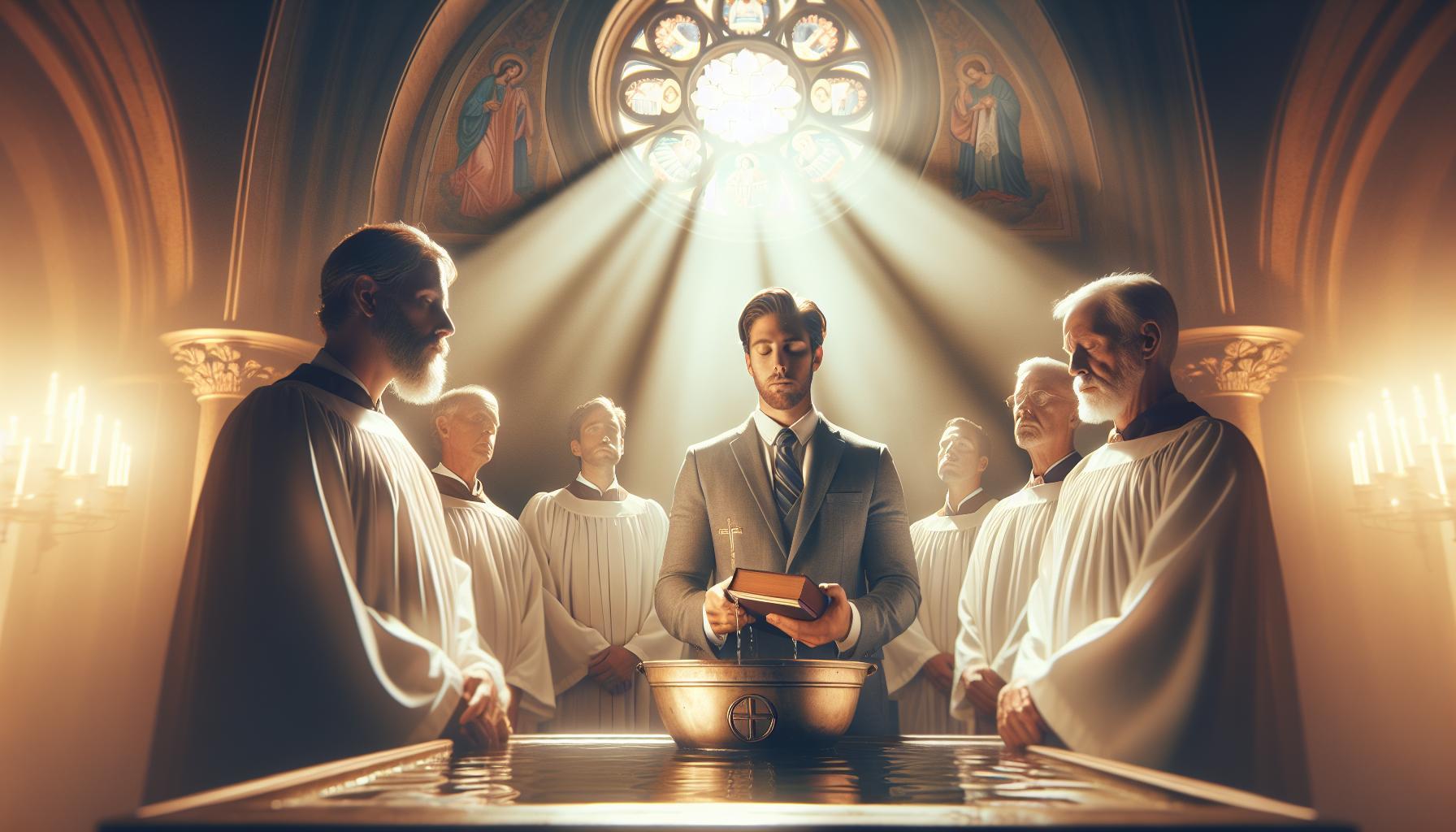
The Core Difference Between Baptism and Christening Explained
Understanding the theological and historical difference between baptism and christening helps eliminate common confusion among believers and families planning a church service. While both terms are frequently used interchangeably in everyday conversation, they denote distinct theological dimensions, liturgical frameworks, and historical origins.
Definitive Summary: The core difference between baptism and christening lies in theology versus tradition. Baptism is the universal Christian sacrament (sacred rite) symbolizing spiritual rebirth, purification from sin, and formal initiation into the Body of Christ. In contrast, christening is an ancient cultural and liturgical naming ceremony traditionally held alongside infant baptism in traditions such as the Anglican and Catholic churches.
Etymological Breakdown: Greek Baptizo vs. Old English Cristnian
To grasp why is christening different from baptism, one must examine their linguistic and historical roots:
- Baptism: Originates from the ancient Greek verb baptizein or baptizo, meaning “to immerse,” “to submerge,” or “to wash.” In the New Testament, baptism describes the theological sacrament commanded by Jesus Christ (the Great Commission in Matthew 28:19) representing death to sin and resurrection to new life.
- Christening: Derives from the Old English cristnian, literally translating to “to make Christian” or “to dedicate to Christ.” Historically, this term emerged in medieval England and Western European liturgy to designate the moment a newborn was given their “Christian name” (first name) before the congregation.
Sacrament vs. Naming Ceremony: Paedobaptism vs. Credobaptism
The practice of baptism spans across two foundational theological paradigms:
- Paedobaptism (Infant Baptism): Practiced in liturgical traditions such as Catholicism, Anglicanism, Lutheranism, and Presbyterianism, where infants are baptized into the covenant community of the church. In these traditions, the event is frequently termed a “christening” because it unites the sacramental pouring of water with the formal proclamation of the child’s given name and appointment of godparents.
- Credobaptism (Believer’s Baptism): Prevalent in Baptist, Non-Denominational, Evangelical, and Pentecostal traditions, where baptism is reserved exclusively for individuals who have made a conscious, personal confession of faith in Jesus Christ. In credobaptist theology, the term “christening” is not used, as baptism requires personal faith and adult immersion rather than infant dedication.
Can Adults Be Christened or Only Baptized?
A common inquiry is whether adults can undergo a christening. Liturgically, adults are baptized, not christened. Because christening is tied to infant naming rites and parental/godparent sponsorship on behalf of a minor, an adult who professes faith receives the sacrament of baptism (often through full immersion), signifying personal repentance and spiritual rebirth.
Comparative Matrix: Sacramental Meaning vs Naming Tradition
Here is a detailed baptism vs christening comparison outlining liturgical elements, biblical foundations, and denomination practices:
| Feature & Attribute | Christian Baptism | Infant Christening |
|---|---|---|
| Biblical Status | Direct sacrament/ordinance established by Jesus Christ in Scripture | Liturgical and cultural naming tradition developed in church history |
| Primary Theological Goal | Spiritual regeneration, remission of sin, union with Christ’s death & resurrection | Formally bestowing the Christian name and dedicating an infant to God |
| Eligible Recipients | Infants (in liturgical churches) and Believing Adults / Youth (in all traditions) | Primarily newborns and infants (rarely applied to conscious adults) |
| Mode of Water Application | Full Immersion, Affusion (pouring), or Aspersion (sprinkling) | Typically Affusion (pouring over the forehead) or Aspersion |
| Role of Godparents / Sponsors | Spiritual mentors who witness the public vow and faith confession | Legal and spiritual guardians making baptismal promises on the baby’s behalf |
| Common Denominations | Universal across Catholic, Orthodox, Protestant, and Evangelical churches | Prominent in Anglican (Church of England), Catholic, and traditional Episcopalian rites |
What is the actual difference between baptism and christening?
Baptism is the universal Christian sacrament of initiation and spiritual rebirth using water, while christening refers specifically to the infant baptism ceremony that often includes the formal naming of the child and appointment of godparents.
Understanding the Terminology: Baptism vs. Christening
When exploring the rich traditions of religious rituals, many people find themselves asking whether baptism and christening are essentially the same practice. This question invites a deeper understanding of two concepts that are often intertwined in Christian communities but carry distinct meanings and implications. While both ceremonies signify a welcoming into the Christian faith, the terms themselvesΓÇöbaptism and christeningΓÇöactually refer to different aspects of this joyful rite.What is Baptism?
Baptism is primarily viewed as a sacred ordinance or sacrament that symbolizes a person’s initiation into the Christian faith. This act typically involves the application of water, either through immersion, pouring, or sprinkling, representing purification and rebirth. Here are some key characteristics that define baptism:- Timing: Baptism can be performed at various stages of life, most commonly during infancy, childhood, or adulthood.
- Symbolism: The water used in baptism represents the washing away of sin and a commitment to a life following Christ.
- Congregational Aspect: Baptism is often performed in the presence of a church community, emphasizing the significance of entering a faith community.
What is Christening?
In contrast, christening is commonly associated with the baptism of infants, specifically focusing on the naming aspect of the ceremony. While a christening often incorporates the elements of baptism, it highlights the importance of naming the child in the presence of God and the church family. Key points about christening include:- Infants: Typically, christenings are reserved for babies, marking an early introduction to Christianity.
- Naming Ceremony: The primary purpose is to officially name the child, an act that provides spiritual significance alongside the baptismal rite.
- Parental Commitment: It often involves parents or guardians making a commitment to raise the child in the Christian faith.
Comparative Summary
To help clarify the differences between baptism and christening, the following table summarizes their key aspects:| Aspect | Baptism | Christening |
|---|---|---|
| Target Age | Infants, children, and adults | Typically infants |
| Main Focus | Initiation into the faith | Naming and dedication |
| Ritual Element | Water for purification | May include baptism but emphasizes naming |
| Parental Role | Show commitment to faith | Parents pledge to raise the child in faith |

Theological Foundations: What Each Ceremony Represents
The rich tapestry of Christian traditions reveals that the meaning behind ceremonies can significantly differ, even when the terms seem synonymous. Understanding the theological underpinnings of baptism and christening not only clarifies their unique roles within the Christian faith but also deepens the appreciation of these sacred practices.Baptism: A Symbol of Faith and Commitment
Baptism fundamentally represents an individual’s public declaration of faith, symbolizing entry into the Christian community. It signifies a transformative moment, marking the believer’s acceptance of Jesus Christ and the covenant of faith. This ceremony includes a spiritual cleansing, where water is often used to signify rebirth and salvation.- Faith Expression: Baptism acts as an outward expression of an inward faith, demonstrating a believer’s commitment to following Christ.
- Community Emphasis: It welcomes individuals into the church community, reinforcing that the faith journey is a shared experience.
- Original Sin Cleansing: Many denominations believe that baptism cleanses individuals from original sin, making it essential to the initiation of a true spiritual life.
Christening: A Rite of Passage for Infants
On the other hand, christening is often understood as a ceremony for infants, although it encapsulates broader meanings depending on church tradition. It frequently involves naming the child in a church setting, accompanied by the parents making commitments to raise the child in the faith.- Name Designation: The act of christening typically emphasizes the naming aspect, often calling upon godparents to guide the child in their faith journey.
- Parental Responsibility: Parents and godparents make promises to nurture and guide the child spiritually within the community.
- Faith Introduction: Through christening, the child is introduced to the Christian faith, usually before they can make personal commitments.
| Aspect | Baptism | Christening |
|---|---|---|
| Age Group | Generally for adolescents and adults | Typically for infants |
| Main Focus | Personal faith and public declaration | Name and parental commitments |
| Water Usage | Full immersion or sprinkling | Primarily sprinkling |
| Community Role | Entry into the faith community | Connection between family and church |
Variations Across Denominations: How Practices Differ
Exploring the rich tapestry of Christian traditions reveals intriguing distinctions in how rituals are observed across various denominations, particularly when it comes to what many wonder: is a baptism and a christening the same thing? While both terms relate to the initiation of individuals into the Christian faith, the nuances in their practices can vary significantly. Understanding these differences enhances not only personal knowledge but also respect for the theological and cultural diversity within Christianity.Different Interpretations and Practices
In the realm of Christianity, baptism and christening may carry distinct meanings depending on the denomination. HereΓÇÖs a closer look at how different branches of Christianity approach these rituals:- Catholicism: In the Catholic Church, the term “christening” is often used interchangeably with “baptism,” reflecting the ceremony of welcoming an infant into the church. The sacrament involves anointing with chrism oil and may be accompanied by the lighting of a baptismal candle.
- Orthodox Christianity: Orthodox traditions also employ both terms but emphasize baptism as a complete immersion in water as a sign of rebirth. This rite is usually performed shortly after birth and is accompanied by the anointing in the sacrament of chrismation.
- Protestantism: Many Protestant denominations practice ΓÇ£believer’s baptism,ΓÇ¥ which entails baptizing individuals who express their faith rather than infants. Christening, in their context, may refer to a family blessing, but not in the same sacramental sense as understood in Catholicism.
- Anglicanism: The Church of England typically uses both terms, viewing christening as a colloquial term for the baptismal service. It often includes a commitment from parents and godparents to nurture the child’s spiritual growth.
| Denomination | Baptism | Christening |
|---|---|---|
| Catholic | Infant baptism with sacramental rites | Often used synonymously with baptism |
| Orthodox | Complete immersion; sacrament of chrismation | Similar usage to Catholicism; emphasizes the rebirth |
| Protestant | BelieverΓÇÖs baptism; often age-specific | May denote a family blessing, not sacramental |
| Anglican | Includes parental and godparent commitments | Commonly used for baptism services |

The Role of Godparents: Significance in Christening
The role of godparents during a christening is steeped in rich tradition and holds profound significance for families and their faith communities. While many may ponder whether a baptism and a christening are the same thing, understanding the distinct duties and responsibilities of godparents can shed light on the deeper meaning behind this cherished ritual. Godparents serve not just as honorary attendees at the ceremony; they play an integral role in the spiritual upbringing of the child.Key Responsibilities of Godparents
Becoming a godparent is both an honor and a commitment. Typically, godparents are expected to:- Support the Christian upbringing: They are responsible for guiding the child in their faith journey, providing spiritual support, and introducing them to the church community.
- Be role models: Godparents should exemplify Christian values and ethics, serving as a living testament to the faith they want the child to embrace.
- Participate in significant milestones: Beyond the christening, godparents are encouraged to take part in the child’s sacraments, such as First Communion and Confirmation, nurturing their connection to the church.
How to Choose the Right Godparent
When considering potential godparents, families often focus on a variety of factors to ensure a good fit. These may include:- Religious commitment: Can the potential godparent demonstrate a sincere dedication to their faith?
- Emotional support: Will they offer love, encouragement, and guidance as the child grows?
- Availability and involvement: Are they prepared to actively participate in the child’s life and significant religious events?
Conclusion
Godparents are much more than just participants in a christening ceremony. Their influence and responsibility extend well beyond the day of the christening, bridging a lifelong commitment to guiding the child in their religious journey. While exploring the differences between baptism and christening, recognizing the pivotal role godparents play can enrich the understanding of these sacred rites and deepen family bonds within the community.Timing and Age Considerations: When to Baptize or Christen
Deciding when to baptize or christen a child can be a deeply personal choice, and often comes with a range of cultural and religious considerations. Many parents grapple with the timing of this significant event, wondering about the most appropriate age and the traditions that accompany it. In many Christian denominations, baptism is viewed as an important rite of initiation into the faith, while christening typically refers to the naming ceremony that often accompanies it. Understanding these nuances can help guide your decision-making process.Infancy to Early Childhood
Most Christian denominations recommend baptism for infants or young children, usually within the first year of life. This practice underscores the belief in a child’s inherent connection to the faith and the importance of community support in their spiritual upbringing. Consider the following points when contemplating early baptism:- Cultural Traditions: Many families observe cultural traditions that dictate a specific age for baptism, usually ranging from a few weeks to months.
- Religious Instruction: Some denominations emphasize the need for parental education on faith principles before baptism, advocating for a ceremony that benefits both the child and the family.
- Community Engagement: Early baptism fosters a sense of belonging within the church community, involving godparents and family in the spiritual growth of the child from a young age.
Older Children and Adolescents
Baptism can also be an option for older children and adolescents, particularly in traditions that practice believer’s baptism. This form of baptism typically requires the individual to reach a developmental level where they can comprehend the significance of the act. When considering baptism for older children, keep the following in mind:- Comprehension of Faith: The child should be able to articulate their faith and personal decision to follow the teachings of Christ.
- Parental Involvement: Parents may wish to engage in discussions with their child on the meaning of baptism and preparation classes offered by the church.
- Timing of the Ceremony: It is common to align the baptism with significant life events like a confirmation or during special religious seasons, creating a memorable experience.
Adulthood and Personal Choice
Baptism is not restricted to a particular age; many individuals choose to be baptized in their adulthood, either as a reaffirmation of their faith or as a first-time commitment. This can be an empowering and transformative experience, marked by a heartfelt understanding of what it means to be part of the Christian community. In such cases, consider the following steps:- Personal Reflection: Take time to understand your faith journey and what baptism represents to you personally.
- Seek Guidance: Speak with your pastor or spiritual leader to discuss your desires and to understand the process within your church context.
- Celebrate with Community: Involve friends and family in your baptism ceremony, emphasizing the communal aspect of faith.
Cultural Perspectives: Local Traditions and Practices
Exploring the intricate world of local traditions surrounding religious ceremonies reveals a rich tapestry of beliefs and practices. While many people may conflate the terms ‘baptism’ and ‘christening’, cultural perspectives shed light on the distinct significance each holds, emphasizing the unique rituals that different communities cherish. Understanding how various cultures interpret and practice these rites can deepen appreciation for their historical and spiritual contexts.Regional Variations in Baptism and Christening
In numerous cultures, the terms ‘baptism’ and ‘christening’ are often used interchangeably; however, distinct differences exist based on local customs and religious doctrines. Here are some key perspectives:- Western Christianity: In many Western traditions, ‘baptism’ refers to the act of purification and acceptance of faith, often emphasizing the spiritual rebirth of the individual. In contrast, ‘christening’ typically signifies the naming ceremony in which a child is formally presented to God and the church community.
- Eastern Orthodox: In Eastern Orthodox churches, baptism is seen as a sacrament that involves complete immersion in water, symbolizing death and rebirth in Christ. Following this, the child is also anointed with holy oil, but the act of naming does not hold the same distinct significance as in some Western traditions.
- Catholic Tradition: Catholicism also views baptism as a foundational sacrament for infants, ensuring they are cleansed from original sin. The christening ceremony, often intertwined with baptism, highlights the role of godparents and their commitment to guide the child in faith.
- Protestant Perspectives: Many Protestant denominations celebrate both baptism and christening, with variations in practice. Here, baptism may occur at an older age based on personal faith, diverging from traditional infant christening practices.
Rituals and Customs Around the World
The rituals associated with baptism and christening can vary dramatically across cultures, incorporating unique elements that reflect local beliefs and social customs. Consider these specific practices:| Culture | Baptism/Christening Rituals | Key Elements |
|---|---|---|
| Latin American | Baptism | Festive celebrations often include elaborate gatherings involving family and friends, and a traditional meal. |
| Jewish | Brit Milah (Circumcision) and Simchat Bat | Boys are circumcised on the eighth day, while girls are welcomed in a similar naming ceremony. |
| Indian | Namkaran | A naming ceremony involving prayers and rituals performed in front of family members to bless the child. |
| Scottish | Baptism/Christening | Often includes a celebration with a special dress for the child, commonly a white gown, symbolizing purity. |
Preparing for the Ceremony: What to Expect
Preparing for a baptism or christening can be a deeply meaningful experience, blending spiritual significance with family traditions. Understanding what to expect at this vital ceremony is essential for both parents and sponsors, particularly when distinguishing between baptism and christening. While both terms are often used interchangeably, they carry unique implications and procedures. A baptism typically welcomes an individual into the Christian faith, whereas a christening is often associated with the naming of an infant during this ritual.Before the Ceremony
Prior to the ceremony, families should engage in several preparations to ensure a smooth experience. Here is a checklist of key steps to consider:- Choose the Right Tradition: Depending on your faith, determine whether the ceremony will be a baptism or a christening. Activities may differ based on religious customs; for example, a christening in Anglican or Catholic contexts usually involves naming the baby and includes family involvement.
- Selecting Godparents: If applicable, select godparents who will support the childΓÇÖs spiritual journey. Ensure they understand their responsibilities, which may include participating in the ceremony and guiding the child in faith.
- Arrange the Venue: Book a church or a suitable location for the ceremony. Verify with the parish about any specific requirements or available dates.
- Prepare Traditional Attire: Decide on special outfits for the child, often a christening gown or a white robe, symbolizing purity and commitment to God.
During the Ceremony
On the day of the baptism or christening, attendees should prepare for a variety of ceremonial elements. Here are some aspects to anticipate:- Rituals and Prayers: Both ceremonies typically include prayers, hymns, and blessings. Familiarize yourself with any specific prayers that may be recited during the service.
- Water Element: Water plays a crucial role in baptism, which symbolizes spiritual cleansing. In christening, this may occur alongside the naming process, where water is gently sprinkled or poured over the infant’s head.
- Family Participation: Expect active involvement from family members, especially when it comes to vows taken by godparents or parents during the ceremony.
After the Ceremony
The celebration continues beyond the spiritual event itself. Consider planning a gathering afterward:- Reception Planning: Organize a small reception to celebrate the occasion with friends and family. This can be an intimate gathering at home or a more elaborate event, depending on your preference.
- Personal Touches: Incorporate personal elements such as a customized cake, keepsakes, or a photo display to commemorate this special day.
The Spiritual Journey: Lifelong Significance of Baptism and Christening
The act of baptism or christening is not merely a ritual; it is a profound milestone in the spiritual lives of individuals. Across various denominations, both practices signify the initiation into a community of faith and the grace extended through one’s relationship with the divine. Despite their interchangeable use in some contexts, understanding the nuanced differences can illuminate the significance of these rites, enriching oneΓÇÖs spiritual journey.The Meaning and Purpose Behind Baptism and Christening
While baptism is broadly recognized as the act of immersing or sprinkling water on a person to symbolize purification and admission into the Christian faith, christening is often associated with the naming aspect of the ceremony. This distinction can influence one’s spiritual significance. Christening ceremonies typically emphasize the naming of the child and often take place in a congregational setting, where family and friends gather to witness the event.- Baptism: Generally focuses on the spiritual rebirth and entrance into the faith.
- Christening: Often highlights the naming of the child and can be viewed as a community celebration.
Lifelong Implications of the Rites
Both baptism and christening carry lifelong significance, embedding themselves in personal narratives and community ties. As individuals reflect on their faith, they may also see these ceremonies as touchpoints, moments when they consciously step into their religious life.| Aspect | Baptism | Christening |
|---|---|---|
| Spiritual Entry | Marks entry into faith | Focus on naming and community |
| Community Aspect | May not emphasize community | Heavily community-oriented |
| Frequency | Typically a one-time event | Can be repeated with subsequent children |
Frequently Asked Questions
Is a Baptism and a Christening the Same Thing?
No, a baptism and a christening are not exactly the same thing. While both terms often refer to the same Christian ritual of initiation, baptism typically emphasizes the act of being immersed in water, whereas christening specifically refers to naming the child during the ceremony.
What is the significance of baptism and christening?
Baptism is considered a sacrament in many Christian denominations. It symbolizes a person’s admission into the Christian faith and their cleansing from sin. In contrast, christening, usually aimed at infants, emphasizes the importance of the name given, invoking blessings upon the child.
Why do some denominations use the term ‘christening’ while others prefer ‘baptism’?
The use of ‘christening’ or ‘baptism’ often depends on religious tradition. Anglican and Catholic churches typically use ‘christening.’ In contrast, many Protestant denominations prefer ‘baptism’ to highlight its symbolism of faith and personal commitment.
Can I choose to have a baptism instead of a christening?
Yes, you can choose either a baptism or a christening based on your preferences and religious beliefs. It’s important to consult your local clergy to understand the significance and requirements of each ceremony.
What age is appropriate for baptism or christening?
The age for baptism or christening varies among denominations. Infants can be christened in many traditions; however, some groups prefer ‘believer’s baptism,’ which occurs when an individual is old enough to understand and commit to their faith.
Do I need to be a member of a church to have my child baptized or christened?
Most churches require at least one parent to be a member for baptism or christening. This process helps ensure that the child is brought up within the faith, aligning with the church’s values and community.
What is the difference between baptism and dedication?
Baptism involves water and a spiritual commitment, while dedication is more of a parental promise. Dedicating a child does not involve the same sacramental elements and is more about committing to raise the child in faith.
Wrapping Up
As we conclude our exploration of the distinctions between baptism and christening, it’s clear that both practices hold significant meaning within the Christian faith. While baptism is widely recognized as a sacrament of initiation and spiritual rebirthΓÇöoften accompanied by the immersion or pouring of waterΓÇöchristening frequently refers to the practice of naming a child within the context of this sacred rite.Understanding these differences not only deepens our appreciation for these traditions but also highlights the rich tapestry of beliefs across various denominations. Whether you are participating in these rites as a parent, godparent, or church leader, approaching both with reverence can foster a greater sense of community and belonging.We invite you to delve deeper into the theological underpinnings and diverse practices related to these sacred traditions. Explore how various faith communities honor and interpret baptism and christening, and consider how you can engage with these rituals in a way that resonates with your own beliefs and values.We encourage you to share your thoughts and experiences in the comments below, fostering a respectful dialogue that enriches our understanding of these meaningful milestones in the Christian journey. Your unique insights are valuable contributions to this ongoing conversation.Related reading: Who is Bob Joyce the Preacher? Facts & Ministry Insights
Get our latest guides, news, and insights highlighted in your Google Search & AI Overviews.