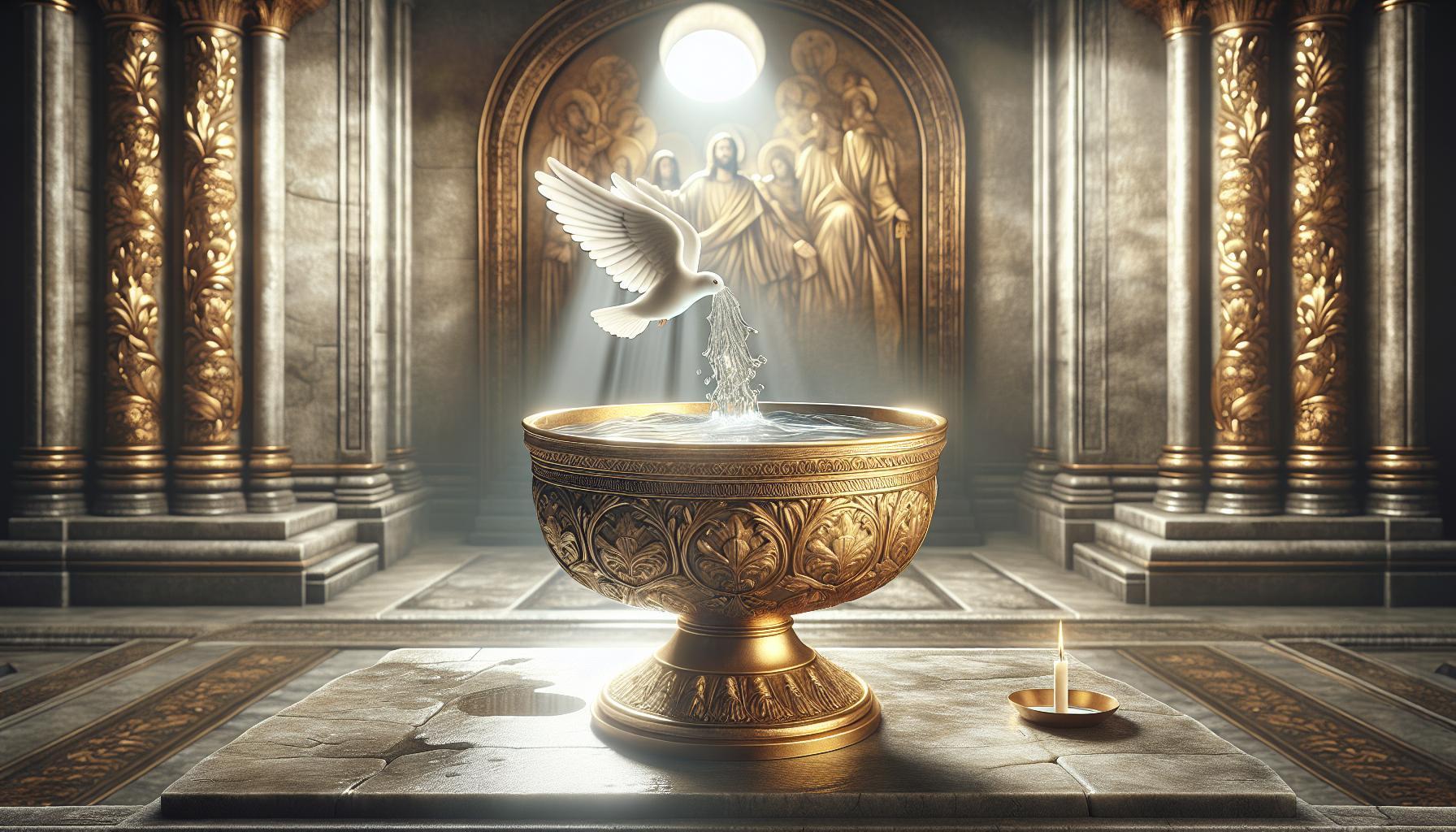

Are you seeking a transformative experience that deepens your faith and empowers your spiritual journey? Understanding the steps to receive the Holy Spirit’s baptism is essential for believers looking to be filled with divine strength and purpose. This intimate encounter not only enhances your relationship with God but also equips you for impactful service in the world.
Understanding the Holy Spirit: A Biblical Foundation

The role of the Holy Spirit in the life of a believer is both profound and transformative. Understanding this divine presence begins with recognizing the baptism of the Holy Spirit, which signifies a believer’s initiation into deeper spiritual realities and communal unity within the body of Christ. This baptism is not merely a symbolic act; it represents the moment in which the Holy Spirit acts as an agent of empowerment, ensuring that believers are fully equipped for their spiritual journeys and various callings.
When one embraces the concept of the Holy Spirit’s baptism, it becomes clear that it serves as a means of connecting with God’s power and guidance. According to scripture, all believers are united in this experience, as emphasized in 1 Corinthians 12:13: “For we were all baptized by one Spirit so as to form one body.” This highlights the idea that receiving the Holy Spirit is not an isolated event but a shared experience among the faithful, fostering a sense of community and shared purpose. As believers engage with this transformative process, they often discover unique spiritual gifts that are intended to build up the church and extend God’s love to the world.
In practical terms, how does one receive this baptism of the Holy Spirit? First, it’s essential to cultivate an open heart and hunger for God’s presence through prayer and personal devotion. Engaging with biblical teachings provides a solid foundation for understanding how to receive the Holy Spirit baptism. Community worship and fellowship play significant roles, as being surrounded by fellow believers can enhance the atmosphere of expectation and faith. Here are some actionable steps to consider:
- Prayer: Regularly seek the Holy Spirit through prayer, inviting His presence into your life.
- Study Scripture: Immerse yourself in biblical texts that discuss the Holy Spirit’s role, such as Acts 2 and John 14.
- Participate in Community: Engage in a local church or study group where discussions about the Holy Spirit are encouraged.
- Practice Faith: Trust the process and be open to the ways the Holy Spirit may guide and empower you.
Embracing these steps can lead to a richer understanding of the Holy Spirit’s baptism, ultimately fostering a deeper relationship with God and a more vibrant expression of faith in daily life. As believers experience this baptism, they are not only equipped for personal empowerment but are also united with others in fulfilling the mission of Christ within the world.
Preparation for Baptism: Cultivating an Open Heart

Preparation for baptism in the Holy Spirit is not merely a series of actions; it is a profound journey of the heart. As individuals approach this transformative experience, they must cultivate a space within themselves that is ripe for openness and receptivity. It’s akin to preparing soil for seed—without the right conditions, spiritual growth may remain stunted. Embracing this preparation fosters a deeper connection with God and enhances the experience of receiving the Holy Spirit.
Reflection and Self-Assessment
To ready the heart for baptism in the Holy Spirit, one should engage in meaningful self-reflection. This can include:
- Identifying Areas for Growth: Spend time in prayer, asking God to reveal personal weaknesses or areas in need of transformation.
- Confession and Forgiveness: Releasing burdens through confession allows for spiritual cleansing. Forgiving others can open your heart further.
- Setting Intentions: Clearly define what receiving the Holy Spirit means to you. Write down specific intentions or desires regarding this encounters.
Such self-assessment not only prepares the heart but also aligns personal desires with God’s will, paving the way for the Holy Spirit’s influence.
Engaging in Prayer and Worship
Prayer serves as the backbone of spiritual preparation. It’s one of the most effective ways to cultivate an open heart and deepen your relationship with God. Establishing a regular habit of prayer can significantly enhance the experience of baptism by:
- Creating a Dialogue: Treat prayer as a conversation with God—voice your thoughts, concerns, and hopes.
- Practicing Gratitude: Incorporate thanksgiving into your prayer life. Reflecting on past blessings can shift your focus positively and prepare your spirit.
- Engaging in Worship: Participating in worship music can uplift your spirit, opening your heart to the movement of the Holy Spirit.
Worshiping in community or alone can help facilitate an atmosphere conducive to receiving spiritual gifts, making it easier to attune yourself to the divine.
Seeking Guidance and Community Support
Connecting with a spiritual community can amplify the journey toward receiving the Holy Spirit’s baptism. Surrounding yourself with like-minded believers provides encouragement, accountability, and insights that can be invaluable. Consider these steps:
- Join a Study Group: Engage in Bible studies focusing on the Holy Spirit’s role in baptism and everyday life.
- Speak with Spiritual Leaders: Seek advice from pastors or mentors who can offer wisdom and support tailored to your spiritual journey.
Sharing your journey with a community creates a network of support, enriching the path to a fulfilling baptism in the Holy Spirit. As you grow closer with others in faith, you will find encouragement and momentum that can make the experience even more profound.
Empowering your preparation through reflection, prayer, and community creates a fertile environment for receiving the Holy Spirit baptism. By approaching this sacred moment with an open heart, you can experience the fullness of spiritual transformation as outlined in “How to Receive the Holy Spirit Baptism? Steps and Spiritual Insights.”
Steps to Receiving the Holy Spirit: A Guided Journey
To embark on a transformative journey toward receiving the Holy Spirit, it’s essential to approach this experience with both openness and intention. Many believers seek this profound connection not only for personal spiritual growth but also to empower their service within the community. The steps to receiving the Holy Spirit baptism are rooted in faith, prayer, and preparation, allowing individuals to immerse themselves fully in this divine experience.
Preparation for the Journey
Before seeking the baptism of the Holy Spirit, it is crucial to prepare spiritually and emotionally. Begin by engaging in reflective practices such as:
- Prayer: Spend time in prayer, inviting God to prepare your heart. Ask for clarity in your intentions and openness to receive.
- Study Scripture: Familiarize yourself with Bible passages related to the Holy Spirit, such as Acts 2 and Galatians 5:22-23, which discuss the gifts and fruits of the Spirit.
- Repentance: Seek forgiveness for known sins. This process of humility can create a clearing for deeper spiritual engagement.
Seeking Community Support
Connecting with other believers can be an essential part of the process. Engaging with a community fosters encouragement, guidance, and shared experiences. Consider:
- Join a prayer group: Find a local or online group specifically focused on praying for the baptism of the Holy Spirit.
- Attend church services: Participate in services that emphasize the work of the Holy Spirit, particularly ones that offer teachings on spiritual gifts.
- Talk to a mentor: Seek advice and guidance from a spiritual leader or experienced mentor who has navigated the journey of receiving the Holy Spirit.
Moving Toward Baptism
Once you feel prepared and supported, the next natural step is to actively seek the baptism. Here are practical actions to take:
- Ask God: In prayer, directly ask for the Holy Spirit to fill you. Be specific in your request and remain open to how God responds.
- Participate in a worship event: Engage in a time of worship, praise, and surrender, allowing the atmosphere to help facilitate your experience.
- Expect the unexpected: Be prepared for various responses, whether that be a feeling of peace, a physical manifestation, or an inner change in your heart.
By understanding and implementing these steps, you set a course for a profound encounter with the Holy Spirit. This journey is not just about receiving but also about becoming an active participant in the body of Christ, empowered for service and transformed for a life of abundance. Each individual’s experience may vary, but the essence remains the same: a heartfelt desire to connect deeply with God through His Holy Spirit.
The Role of Faith and Community in Baptism
Baptism stands as a profound act of faith that not only symbolizes an individual’s commitment to their spiritual journey but also fosters a deep connection within a community of believers. Throughout history, baptism has served as a rite of passage that marks entry into a community where values, beliefs, and shared experiences are rooted in faith. This communal aspect is particularly important when exploring how to receive the Holy Spirit baptism, as it emphasizes the collective support and encouragement found within a faith community.
Faith as a Collective Experience
When individuals seek to understand how to receive the Holy Spirit baptism, they often look to the support of their faith community. Each baptismal experience is enriched by communal prayers, shared testimonies, and celebrations. This collective faith reinforces the belief that baptism is not just a personal endeavor; it is also an invitation for others to participate in one’s spiritual journey. The presence of fellow believers allows individuals to witness the power of God’s grace at work in their lives, which strengthens their resolve and enhances their understanding of faith.
- Encouragement: Engaging with community members who have undergone similar experiences can provide reassurance and inspire individuals during their baptism journey.
- Guidance: Accessing the wisdom of mentors or faith leaders can help clarify doubts and lead to a deeper understanding of spiritual concepts.
- Shared Celebrations: The communal celebration of baptism reinforces its significance, emphasizing that each baptism contributes to the larger narrative of faith within the community.
The Spirit of Community in Spiritual Growth
The process of seeking the Holy Spirit’s baptism is often accompanied by teachings and discussions within one’s faith community. This collaborative exploration can lead to transformative spiritual insights. Together, believers can participate in activities such as prayer circles, study groups, and worship services where discussions around the Holy Spirit’s role in their lives take center stage. This communal engagement not only enhances individual experiences but also cultivates a shared understanding of their faith journey.
| Community Activities | Spiritual Insights Gained |
|---|---|
| Prayer Meetings | Heightened awareness of the Holy Spirit’s presence |
| Bible Study Groups | Deeper interpretation of scriptures related to baptism |
| Worship Services | Collective worship expounding on the significance of the Holy Spirit |
The journey of receiving the Holy Spirit baptism is profoundly enhanced by the faith and support of a community. Each shared moment strengthens bonds and reinforces the sacred commitment that baptism represents. By looking beyond the individual, one can appreciate how interconnected each believer’s journey is, showcasing a tapestry of faith and community that transcends personal experiences.
Experiencing the Holy Spirit: Signs and Spiritual Gifts
Experiencing the presence of the Holy Spirit is often marked by profound signs and the manifestation of spiritual gifts. For many believers, receiving the baptism of the Holy Spirit can lead to powerful encounters that significantly enhance their spiritual walk. These experiences can vary widely, but they often include speaking in tongues, prophetic insights, and a deepened sense of faith and connection with God. Understanding these signs not only enriches personal faith but also empowers individuals to serve their communities through uniquely given spiritual gifts.
Recognizing Signs of the Holy Spirit
The signs that accompany the baptism of the Holy Spirit are essential for believers to recognize. Common signs include:
- Speaking in Tongues: This is a spontaneous, supernatural form of communication, often considered a direct expression of worship and praise.
- Prophecy: Through prophetic words, individuals may convey messages from God to others, providing encouragement, guidance, or correction.
- Healing: Some may experience or be empowered to perform healings, which serve as a testament to God’s power and love.
- Transformational Joy: Many report an overwhelming sense of peace and joy following their baptism in the Spirit, reflecting a deepened relationship with God.
These manifestations are not just for personal edification; they are intended for the greater good of the church community, supporting Paul’s teaching in 1 Corinthians 12, where he explains that the body of Christ functions through various gifts endowed by the Holy Spirit for the benefit of all believers [[1]].
Spiritual Gifts to Empower and Serve
The baptism of the Holy Spirit introduces believers to various spiritual gifts, which play a crucial role in personal and communal spiritual health. These gifts are unique abilities provided by the Holy Spirit to enable individuals to fulfill their calling within the church. According to scripture, there are several categories of gifts that one can receive:
| Gift | Description |
|---|---|
| Teaching | Communicate God’s truth and wisdom to others effectively. |
| Faith | A strong, unwavering belief in God’s promises, inspiring others. |
| Healing | The ability to heal physical or emotional wounds through prayer. |
| Discernment | Recognizing truth from falsehood, particularly in spiritual matters. |
By understanding these gifts detailed in Romans 12:6-8 and 1 Corinthians 12, believers can actively seek to develop and use them for the benefit of the church and the wider community [[2]]. For instance, participating in a church study group can provide opportunities to identify and use one’s spiritual gifts, fostering a supportive environment where believers can encourage one another.
In conclusion, experiencing the Holy Spirit’s baptism offers transformative signs and a diverse range of spiritual gifts. Engaging with these manifestations not only amplifies individual faith but also strengthens the larger church body, facilitating a deeper experience of God’s love and purpose through united service and worship.
Navigating Doubts and Questions about the Holy Spirit
Understanding the complexities of the Holy Spirit can often lead to a myriad of questions, especially for those seeking spiritual growth and understanding. It’s not uncommon to encounter doubts regarding how to receive the Holy Spirit baptism and what it truly means to have the Holy Spirit in one’s life. Engaging with these questions opens doors to deeper spiritual awareness and fosters a more profound connection with God.
The Role of the Holy Spirit
The Holy Spirit serves as a vital catalyst for spiritual transformation. When individuals seek the Holy Spirit baptism, it is essential to recognize that this experience brings about a significant change in one’s life. The Holy Spirit illuminates the mind, helping believers comprehend spiritual truths and developing a yearning for a closer relationship with God. This divine presence assures us that we are not alone in our spiritual journey, but rather supported and guided daily. As depicted in biblical texts, such as Genesis 1:2, the Spirit of God actively participates in the creation and ongoing work in the world, making understanding His role crucial to navigating doubts about receiving His baptism.
Steps to Overcome Doubts
If you find yourself struggling with doubts about receiving the Holy Spirit baptism, consider the following actionable steps:
- Engage in Prayer: Open your heart to God through prayer, asking for guidance and clarity regarding the Holy Spirit’s role in your life.
- Study Scripture: Familiarize yourself with biblical passages relating to the Holy Spirit. Texts from the New Testament, for instance, highlight the importance of the Holy Spirit in the believer’s life.
- Seek Community: Join a local church or group focused on spiritual growth to discuss your questions and receive encouragement from others who share similar experiences.
- Reflect on Experiences: Consider past experiences where you felt spiritual guidance or conviction. Recognizing these moments can affirm the Holy Spirit’s presence in your life.
Addressing Common Misconceptions
Many misconceptions surround the Holy Spirit, which can contribute to doubts about its baptism. For instance, some may view the Holy Spirit merely as a mystical force rather than a personal guide. Understanding that the Holy Spirit is God in action, as delineated in Christian doctrine, shifts this perspective. Additionally, acknowledging that the Holy Spirit is a loving presence that desires to help and guide believers can alleviate fears and uncertainties associated with receiving His baptism.
Incorporating these insights will enable those who seek the Holy Spirit baptism to navigate their doubts effectively. Knowing that the Holy Spirit actively works in the hearts of believers not only fosters confidence in spiritual pursuits but also enriches the journey of faith.
The Transformative Power of the Holy Spirit in Daily Life
The presence of the Holy Spirit in our daily lives is nothing short of transformative; it empowers individuals to lead lives filled with purpose, joy, and resilience. Many believers experience a profound change after receiving the Holy Spirit, often noted during or after the spiritual act of baptism. The baptism of the Holy Spirit is not just a ceremonial event; it is a life-altering experience that opens the door to deeper faith and personal growth by fostering a genuine relationship with God.
When individuals receive the Holy Spirit, they often describe a heightened sense of awareness and connection to divine guidance. This transformative power manifests in various ways, including an enhanced ability to discern between right and wrong, a surge in compassion for others, and an overarching sense of peace amidst life’s challenges. Each of these aspects serves as a testament to how to receive the Holy Spirit baptism, leading to a more intentional and vibrant life.
Practical Steps to Embrace the Holy Spirit’s Power
To fully embrace the transformative power of the Holy Spirit, consider the following actionable steps:
- Engage in Prayer: Regular communication with God fosters a deeper relationship and invites the Holy Spirit into your heart.
- Study Scripture: Delving into the Bible cultivates understanding and wisdom, enhancing the Holy Spirit’s ability to guide you.
- Participate in Community Worship: Surrounding yourself with like-minded believers can ignite your passion and reinforce your faith journey.
- Reflect and Meditate: Carving out quiet moments to contemplate your experiences allows the Holy Spirit’s influence to gently reshape your thoughts and actions.
The commitment to these practices cultivates an environment where the Holy Spirit’s influence can thrive, leading to noticeable shifts in attitude and behavior. Many report that as they commit to these steps, they not only experience personal growth but also become conduits of love and guidance to those around them.
Assimilating the transformative power of the Holy Spirit into daily life calls for openness and a willingness to embrace change. Even small shifts in mindset and behavior can result in significant breakthroughs, leading to a more purposeful existence. As individuals learn how to receive the Holy Spirit baptism, they become emboldened to share this transformative journey with others, demonstrating that empowerment and renewal are accessible to all who seek it.
Embracing the Call: Ongoing Growth in the Spirit
Embracing the divine call to an ongoing relationship with the Holy Spirit is foundational for any believer seeking to deepen their spiritual journey. The baptism of the Holy Spirit is not merely a one-time event; it is the beginning of a transformative experience that invites continual growth and empowerment in faith. As believers learn how to receive the Holy Spirit baptism, they should also cultivate an attitude of openness and receptivity to the Spirit’s ongoing work in their lives.
To truly embrace this call, it is vital to engage in practices that strengthen your connection with the Holy Spirit. Consider integrating the following spiritual disciplines into your daily routine:
- Prayer: Commit to regular and fervent prayer, asking the Holy Spirit to guide and fill you anew.
- Scripture Reading: Dive deeply into the Word of God. The Scriptures provide insight and wisdom on the nature of the Holy Spirit and His role in your life.
- Worship: Participate in communal worship where the presence of the Holy Spirit is often most palpable. Singing and praising God can open your heart to His influence.
- Fellowship: Engage with other believers who can encourage you and provide support on your spiritual journey.
These practices foster an environment where the Holy Spirit can operate freely, encouraging personal growth and community building within the body of Christ. Furthermore, it’s essential to be mindful of the gifts of the Spirit, which can manifest in various ways, including wisdom, knowledge, healing, and prophecy. As you discover and embrace these gifts, your ministry and service to others will flourish, reflecting the transformative power of your baptism in the Holy Spirit.
Taking Action for Growth
Practical steps to embrace this ongoing growth include participatory community service, where you put the gifts of the Spirit into action. Consider joining outreach programs or church ministries that resonate with your spiritual gifts. This active involvement not only blesses others but also enhances your own growth and understanding of the Holy Spirit’s work in your life.
Ultimately, embracing the call into the ongoing growth of the Spirit requires both a heart willing to receive and a commitment to actively engage in the life of faith. As you learn how to receive the Holy Spirit baptism and nurture this relationship, prepare to experience profound changes in your life, deepening your faith and expanding your capacity to love and serve as Christ did.
Frequently Asked Questions
How to Receive the Holy Spirit Baptism? Steps and Spiritual Insights?
Receiving the Holy Spirit baptism typically begins with sincere prayer and a desire for a deeper relationship with God. Acknowledge your need for the Holy Spirit, as this is often seen as a vital step toward spiritual empowerment.
The process involves repentance, seeking God’s presence through prayer, and being open to the Holy Spirit’s guidance. Many believers find that worshiping, reading Scripture, and participating in community prayer groups can enhance their experience. It’s important to remember that this baptism is seen as a gift from God, initiated through faith.
What is the significance of the Holy Spirit Baptism?
The significance of the Holy Spirit baptism lies in its transformative power, empowering believers for service and spiritual growth. It is considered an essential experience that enhances one’s faith journey.
This baptism signifies being filled with the Holy Spirit, which provides strength, guidance, and spiritual gifts to the believer. According to tradition, it is also linked to the events of Pentecost, where the apostles received the Holy Spirit and began performing miracles and spreading the Gospel.
Why does one need to be baptized in the Holy Spirit?
Baptism in the Holy Spirit is important for believers seeking to fully engage in their Christian faith and live out their calling. It equips individuals with power for Christian witness and service.
This experience is believed to deepen one’s relationship with God, foster spiritual maturity, and activate spiritual gifts. Many Christians view it as a vital component for boldness in evangelism and effective service in the community.
Can I receive the Holy Spirit baptism more than once?
While many believe the baptism of the Holy Spirit is a one-time event, some Christians report multiple experiences that renew and deepen their connection with the Holy Spirit throughout their lives.
These renewed experiences may occur during significant spiritual moments, such as retreats or intense prayer times. The ongoing journey of faith often involves continual filling of the Holy Spirit to empower believers anew for challenges they face.
What are the signs of receiving the Holy Spirit Baptism?
Common signs of receiving the Holy Spirit baptism include speaking in tongues, increased boldness in faith, and a profound sense of peace and joy. Others may experience enhanced spiritual insight.
These signs may vary by individual and denomination. However, the core sign is usually a transformative experience that leads to living out one’s faith more passionately. Engaging with communities that support experiencing the Spirit can also help in this journey.
How does the Holy Spirit baptism differ from water baptism?
Water baptism is an outward sign of faith and obedience, while Holy Spirit baptism is considered an inward experience of spiritual empowerment. Both are important within the Christian faith.
Water baptism symbolizes cleansing from sin and public declaration of faith. In contrast, the Holy Spirit baptism signifies receiving spiritual gifts and empowerment for ministry, enabling believers to live out their faith authentically.
What role does prayer play in receiving the Holy Spirit baptism?
Prayer is crucial for receiving the Holy Spirit baptism, serving as a means to express one’s desire and openness to God. It fosters a personal connection that invites the Holy Spirit.
Through prayer, believers seek understanding and readiness for this spiritual experience. Engaging in collective prayer can also amplify this pursuit, as many find comfort and strength in community worship.
In Conclusion
In conclusion, receiving the baptism of the Holy Spirit is a profound and transformative spiritual experience that many believers seek to deepen their faith and witness. Throughout this article, we’ve explored the scriptural foundations, such as Jesus’ promise of empowerment in Acts 1:8 and the important role of the Holy Spirit in the lives of believers, demonstrating that this baptism is not only a moment of spiritual renewal but also a commissioning for service.
We encourage you to engage deeply with the steps outlined—prayer, seeking God earnestly, and understanding your identity in Christ. As you embark on this journey, remember to approach it with a heart open to God’s leading, ready to embrace His presence and guidance in your life.
We invite you to explore further through prayer and fellowship with others who share in this journey, acknowledging that the baptism in the Holy Spirit is a shared experience across various denominations that can enrich our understanding of God’s work in our lives. May your pursuit of the Holy Spirit lead to greater understanding and connection with the divine, empowering you to be a witness of His love and grace in the world.