Are you yearning for a deeper connection with the divine? Experiencing the baptism of the Holy Spirit can transform your spiritual journey, empowering you with strength, gifts, and a closer relationship with God. In this guide, discover how to seek this profound Pentecostal experience and embrace a life filled with the Spirit’s presence.
Understanding the Holy Spirit: A Theological Overview
Embracing the Holy Spirit in one’s life is more than just a theological concept; it’s an invitation to a dynamic relationship that transforms believers from the inside out. At the heart of this experience is the understanding of baptism in the Holy Spirit, a profound act that signifies empowerment, spiritual renewal, and a deeper connection to God. This event is often characterized by an experience of divine presence, leading to speaking in tongues, prophecies, and an increased boldness in faith and ministry, as highlighted by the events at Pentecost described in Acts 2.
The theological framework surrounding the baptism of the Holy Spirit indicates it as a pivotal moment in a believer’s journey. This baptism is distinct from water baptism and is understood as Jesus bestowing the Holy Spirit upon believers, initiating them into a life marked by spiritual gifts and service. As seen in Acts 1:8, the promise of power to be witnesses follows this baptism, suggesting that the Holy Spirit equips individuals not only for personal spiritual growth but also for active participation in the mission of the Church (source: [1](https://www.learnreligions.com/baptism-in-the-holy-spirit-700716)).
The Role of the Holy Spirit in the Believer’s Life
Understanding how to receive the Holy Spirit’s baptism requires recognizing its role in uniting believers with Christ. Through this sacramental experience, individuals become part of the Church, the body of Christ, and gain access to the myriad blessings of salvation. The transformational nature of this baptism fosters an environment where spiritual growth and active participation in the Christian community flourish (source: [2](https://www.logos.com/grow/min-baptism-of-the-holy-spirit/)).
- Personal Empowerment: The Holy Spirit revives and empowers believers to live out their faith with courage and conviction.
- Community Building: Through spiritual gifts bestowed via the Holy Spirit, believers can serve the Church effectively, creating a strong body of Christ.
- Evangelistic Zeal: The baptism energizes believers to witness to the world, fulfilling the great commission of spreading the Gospel.
Ultimately, understanding the baptism in the Holy Spirit is vital for any believer seeking a deeper relationship with God. This is not just an abstract concept but an actionable experience that can reshape how individuals live out their faith in practical, everyday contexts. Whether you are seeking clarity on how to get the Holy Spirit baptism or wanting to explore its implications further, engaging deeply with this subject opens up a treasure trove of spiritual wisdom and empowerment.
The Role of Faith and Surrender in Receiving the Holy Spirit
Faith and surrender play foundational roles in the transformative journey of receiving the Holy Spirit. For many believers seeking a deeper connection through the baptism of the Holy Spirit, understanding the importance of these two aspects can significantly enhance their spiritual experience. Without faith, the process can feel stagnant, as it is the trust in God’s promises that unlocks the door to His gifts. As expressed in biblical teachings, such as in Proverbs 3:5, true trust involves reliance on God’s character rather than one’s own understanding, paving the way for divine encounters.
Faith as the Key
To embark on the journey of receiving the Holy Spirit, it is essential to cultivate a strong faith that acknowledges the power and presence of God. This faith is characterized by a heartfelt assurance that God is ready and willing to fill believers with His Spirit. For instance, the early Christians in Acts 2:1-4 experienced the outpouring of the Holy Spirit as they gathered in unity and faith, expecting God’s promises to be fulfilled. This moment exemplifies how faith acts as a conduit for the miraculous, emphasizing that when believers gather in earnest expectation, extraordinary spiritual experiences occur.
The Act of Surrender
Equally important is the aspect of surrender, which involves letting go of personal agendas and fully yielding to God’s will. When individuals are willing to submit their desires and lives entirely to God’s control, they create space for the Holy Spirit to work unhindered. This act of surrender can be facilitated through practices such as prayer, reflection, and worship. Believers can try dedicating specific times each day to pray for the Holy Spirit’s guidance, surrendering their fears and uncertainties, and inviting the Spirit to lead them.
Practical Steps to Cultivate Faith and Surrender
Incorporating faith and surrender into your spiritual practice can be approached through intentional steps:
- Prayer for Clarity: Begin each day with a prayer asking for clarity on what true surrender looks like in your life.
- Biblical Meditation: Reflect on passages that illustrate God’s promises, such as 1 John 5:14-15, to bolster your faith.
- Worship and Community: Engage with a community of believers who encourage and uplift each other in faith, fostering an environment ripe for the Holy Spirit’s presence.
- Action in Obedience: Take small steps of obedience in your daily life, trusting that each act of faith brings you closer to the fullness of the Holy Spirit.
By actively participating in faith and surrender, believers not only prepare their hearts to receive the Holy Spirit but also open themselves up to a life enriched with spiritual gifts and transformative experiences. Seeking a Pentecostal experience is ultimately about yielding to God’s love and presence, allowing faith to guide and empower the journey.
Preparing Your Heart for the Experience of Baptism in the Spirit
Approaching the experience of Spirit baptism can be both exhilarating and daunting, akin to standing on the edge of a diving board, knowing that a leap into the deep waters of faith awaits. Many believers seek the Pentecostal experience not only to enhance their spiritual connection but also to empower their everyday lives through a deeper understanding of their faith. To prepare your heart for this transformative encounter with the Holy Spirit, consider the following foundational steps that create a fertile environment for spiritual growth.
Open Your Heart and Mind
Before embarking on this spiritual journey, it’s vital to cultivate an open heart and mind. The experience of receiving the Holy Spirit baptism often requires a willingness to set aside preconceived notions of what this encounter should look like. Engage in prayer that specifically asks the Holy Spirit to guide your understanding and expectations. You might find these practices helpful:
- Daily Prayer: Dedicate time each day for intimate conversations with God, inviting the Holy Spirit into your life.
- Bible Study: Immerse yourself in Scripture, focusing on passages related to the Holy Spirit to deepen your insight.
- Journaling: Write down your thoughts, prayers, and any stirrings that arise in your spirit during this preparatory phase.
Embrace a Spirit of Expectancy
Entering this experience with a spirit of expectancy is crucial. Approach with faith, anticipating that God will meet you in your journey, as He has promised. Cultivating an attitude of expectation prepares your heart to receive the unimaginable. Consider joining a local group or community where you can share your hopes and experiences with others. Their testimonies can inspire and ignite a deeper longing for your own encounter.
Practical Steps to Foster Expectancy:
| Activity | Description |
|---|---|
| Seek Prayer Partners | Identify friends or church members who can pray with you, sharing in the spiritual journey. |
| Participate in Worship | Engaging in worship can open your spirit to God’s presence, creating a conducive environment for baptistic experiences. |
| Attend Services or Revival Meetings | Join gatherings where the Holy Spirit is actively sought to enhance community and deepen your faith. |
By concentrating on these essential steps—opening your heart, cultivating expectancy, and engaging with community—you’re laying a spiritual foundation that encourages the Holy Spirit’s work in your life. As you prepare for the profound experience of Spirit baptism, remain steadfast in your pursuit, knowing that this journey is one of both receiving and giving, transforming you for your spiritual walk ahead.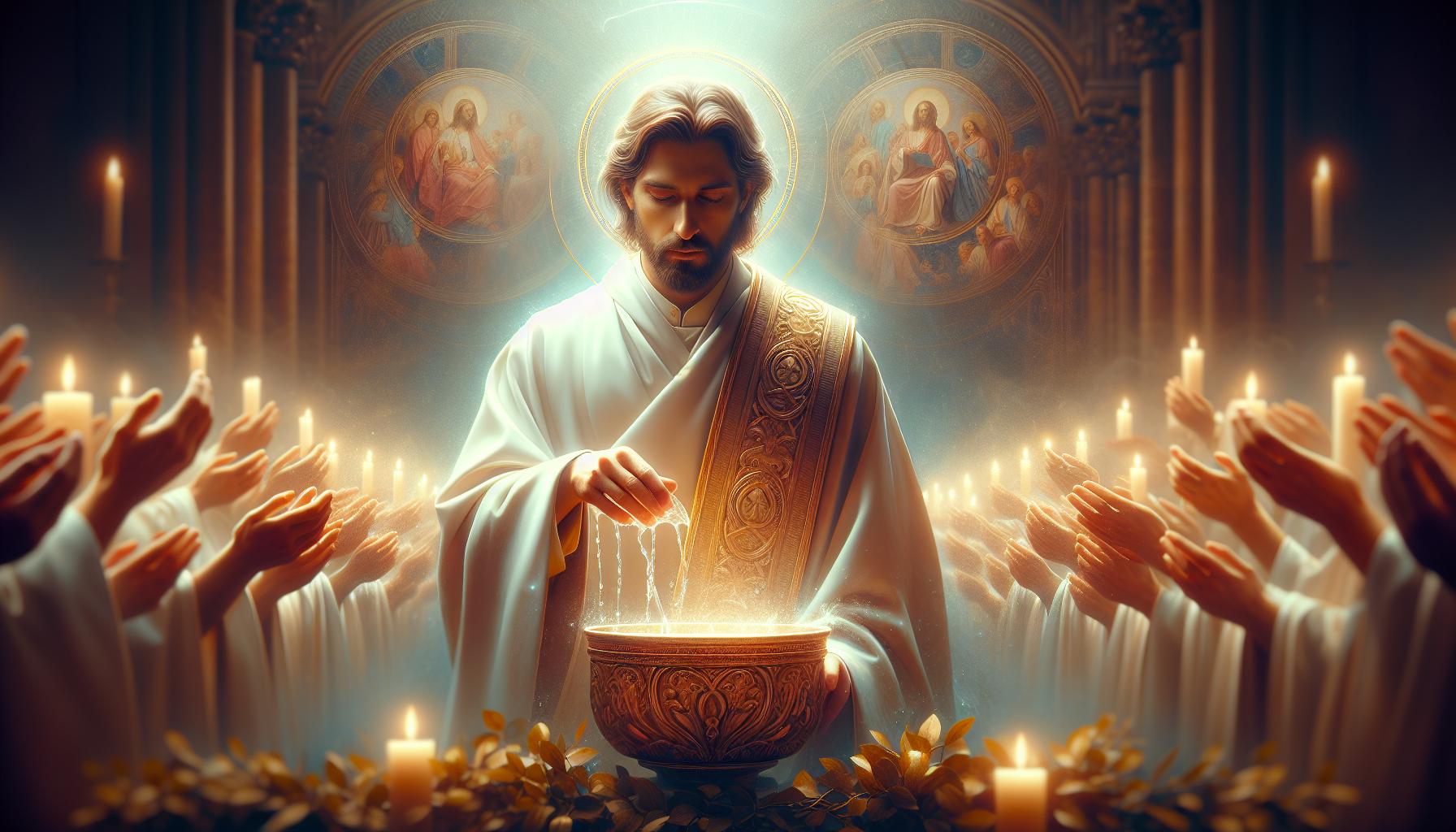
Cultivating an Atmosphere for Encounter: Prayer and Worship Practices
Creating an environment conducive to spiritual encounters is essential for those seeking a deeper relationship with God and desiring the transformative experience of Holy Spirit baptism. Engaging in meaningful prayer and worship practices lays the groundwork for inviting the Holy Spirit into your life. When individuals gather with earnest hearts and open minds, they create a collective atmosphere that enhances spiritual sensitivity and draws them closer to divine connection.
The Role of Collective Prayer
Collective prayer serves as a powerful catalyst for the Holy Spirit movement. When believers come together in unity and purpose, their collective faith strengthens the environment. To cultivate this atmosphere, consider the following practices:
- Schedule Regular Prayer Meetings: Set aside dedicated times each week for group prayer. Consistency fosters community and builds spiritual momentum.
- Engage in Prayer Partners: Find a prayer partner or small group to confide in and pray with regularly, deepening personal and communal connections.
- Incorporate Scripture Reading: Start meetings with scripture that emphasizes the nature of the Holy Spirit, encouraging reflection and discussion.
Worship as a Means of Encounter
Worship is an essential practice in creating an atmosphere ripe for encountering the Holy Spirit. It transcends words and taps into the collective heart of believers. Here are some actionable steps to enhance worship experiences:
- Use Contemporary Worship Music: Incorporate songs that resonate with the current themes of your community, fostering a sense of relevance and intimacy with God.
- Incorporate Creative Elements: Utilize art, dance, or drama in worship services to engage multiple senses and enhance the overall experience.
- Encourage Personal Expression: Allow individuals to express their worship freely, whether through raising hands, kneeling, or other forms that feel authentic to them.
Creating Sacred Spaces
Physical spaces also play a role in spiritual encounters. Designating areas specifically for prayer and worship can enhance the sense of holiness and preparedness for the Holy Spirit. Consider implementing these ideas:
| Element | Purpose |
|---|---|
| Altar or Prayer Station | Create a focal point for prayer, encouraging individuals to approach the Divine with their requests and confessions. |
| Aromatherapy | Use scents like frankincense or myrrh to evoke a sacred atmosphere, akin to biblical times in worship settings. |
| Lighting | Dim the lights during worship to promote an intimate setting conducive to reflection and connection. |
Through cultivating an atmosphere grounded in prayer and worship, individuals open themselves to the profound movement of the Holy Spirit. By fostering a communal spirit, enhancing worship time, and designing sacred spaces, believers can create an environment where they are more likely to experience the baptism of the Holy Spirit, aligning with their heartfelt desire for a Pentecostal experience.
The Community Connection: Finding Support in Your Journey
Finding a supportive community is an essential aspect of seeking a profound spiritual experience, particularly when exploring how to receive the Holy Spirit baptism. Engaging with others who share similar beliefs and goals can greatly enrich your journey, providing encouragement, fellowship, and shared wisdom. The journey is often as important as the destination, and surrounding yourself with like-minded individuals can help foster a deeper understanding and connection with your faith.
Connect with Local Churches
One of the most effective ways to find support is to connect with local Pentecostal churches. These congregations often host regular services and community events where you can meet individuals who have had similar experiences. Look for opportunities to participate in prayer meetings, Bible study groups, and discussion forums. Engaging in these activities can provide practical insights into how others have sought and received the Holy Spirit baptism.
- Attend new member orientation sessions to learn more about the church community.
- Participate in workshops or seminars focused on spiritual growth and baptism experiences.
- Engage in fellowship activities to build relationships and find mentors.
Online Support Groups
In addition to local congregations, the internet offers a wealth of resources for individuals seeking companionship in their spiritual journey. Online forums dedicated to Pentecostal experiences can be valuable for connecting with others who share your desire for deeper spiritual fulfillment. Platforms like Facebook, Reddit, and specialized Christian forums provide spaces where you can ask questions, share experiences, and receive guidance from those who have undergone the baptism of the Holy Spirit.
Benefits of Online Communities
Participating in online discussions allows you to:
- Access diverse perspectives from believers around the world.
- Share personal testimonies and learn from the experiences of others.
- Find resources, such as prayer guides and recommended readings, to support your quest.
Prayer Partners and Mentorship
Establishing a prayer partnership or seeking a mentor within your community can significantly enhance your journey toward the Holy Spirit baptism. Finding someone with experience and a strong faith can provide the accountability and encouragement you need. This mentor can help guide you through the process, offer personalized prayers, and share their own testimonials of how they experienced the Holy Spirit’s presence.
In your quest for spiritual fulfillment, remember that each journey is unique. By seeking out support from both local and online communities, you can deepen your understanding and connection to the Holy Spirit, making your experience richer and more transformative. Through shared experiences, encouragement, and guidance, you will find the companionship necessary to navigate your path in seeking the baptism of the Holy Spirit.
Signs and Wonders: Recognizing the Evidence of the Holy Spirit
Experiencing the Holy Spirit baptism can manifest in various tangible signs and wonders that affirm an individual’s transformative encounter with God. This divine interaction often goes beyond mere feelings, producing observable changes and gifts that signify the presence and empowerment of the Holy Spirit in a believer’s life. Throughout the history of Pentecostal movements, these signs have served as key indicators of a person’s spiritual awakening and readiness to live out a vibrant faith.
Common Signs of the Holy Spirit Baptism
When seeking this profound experience, it’s essential to recognize the signs that can accompany the baptism in the Holy Spirit. Here are some common manifestations:
- Speaking in Tongues: One of the most recognized signs is the ability to speak in unknown languages. This phenomenon is often described as an ecstatic utterance that serves as a personal prayer language or a communal prophetic declaration.
- Boldness in Witnessing: A marked increase in courage to share one’s faith can occur. Individuals empowered by the Holy Spirit often feel a compulsion to evangelize, reflecting the promise found in Acts 1:8: “You will receive power when the Holy Spirit comes on you; and you will be my witnesses.”
- Spiritual Gifts: Recipients may discover or experience activation of spiritual gifts such as healing, prophecy, or discernment. These gifts are intended for building up the church and aiding in its mission.
- Fruits of the Spirit: An increase in observable virtues—love, joy, peace, patience, kindness, goodness, faithfulness, gentleness, and self-control—may also serve as evidence of the Holy Spirit’s work within (Galatians 5:22-23).
Real-world Examples
Many who have sought the Holy Spirit baptism report life-altering experiences that include profound peace, a renewed sense of purpose, and tangible changes in their relationships. For instance, someone may have struggled with addiction but found freedom and the ability to serve others after this baptism, showcasing the transformative power of the Holy Spirit.
Encouragement in Seeking
If you are on the journey of understanding how to get the Holy Spirit baptism, consider creating a space for prayer and worship where these signs can manifest. Engage in community settings that prioritize seeking the Holy Spirit, as collective faith can amplify individual experiences. Don’t hesitate to express your desire for deeper spiritual engagement, allowing the Holy Spirit to lead you into an enriching Pentecostal experience.
In conclusion, recognizing the evidence of the Holy Spirit involves both personal and communal experiences. A broad array of signs, from speaking in tongues to genuine acts of kindness, can serve as markers of a life transformed by the Holy Spirit, inviting others to witness God’s work in not only your life but the world around you.
Navigating Different Perspectives: Embracing Diverse Pentecostal Traditions
Understanding Pentecostal traditions can feel like navigating a vibrant tapestry woven from the threads of personal experience, scriptural interpretation, and cultural expression. The diversity within the Pentecostal movement is not only vast but also enriching, reflecting a variety of approaches to understanding the Holy Spirit baptism and how to seek a transformational experience. This variety invites believers to explore the richness of faith, highlighting that there is no single path to experiencing the Holy Spirit.
Exploring Distinct Traditions
The core belief in the baptism of the Holy Spirit as a separate and distinct experience from initial salvation is foundational across Pentecostal denominations; however, the nuances in practice and doctrine can vary significantly. Here are a few predominant perspectives within the Pentecostal framework:
- Classical Pentecostalism: This approach often emphasizes a post-conversion experience evidenced by speaking in tongues (glossolalia). Churches in this tradition typically conduct revival meetings, where individuals are encouraged to seek the baptism of the Holy Spirit actively.
- Charismatic Movement: Emerging from mainline Protestant denominations, the Charismatic tradition shares many Pentecostal beliefs but places a stronger focus on the integration of spiritual gifts within worship settings, promoting a more liturgical approach to seeking the Holy Spirit.
- Oneness Pentecostalism: Different from traditional Trinitarian beliefs, this tradition emphasizes the singular nature of God. The approach to the Holy Spirit is often centered around baptism in Jesus’ name and emphasizes the necessity of both water and Spirit baptism for salvation.
Practical Steps for Engaging with Diverse Perspectives
As individuals seek to immerse themselves in the Pentecostal experience of the Holy Spirit, it is essential to not only understand these differences but also engage with them meaningfully. Here are some actionable steps to facilitate personal exploration:
- Attend Various Services: Visit different Pentecostal congregations. This allows you to witness various expressions of worship and teaching, deepening your understanding of how diverse traditions engage with the baptism of the Holy Spirit.
- Participate in Workshops or Retreats: Many churches offer programs focused on prayer, worship, and the gifts of the Spirit. Engaging in these settings can provide practical experience and deepen your spiritual journey.
- Read Diverse Literature: Explore books and resources from influential figures across the spectrum of Pentecostal thought. Understanding their interpretations will provide a broader view of how to get the Holy Spirit baptism and what it means within different contexts.
- Engage in Community Discussion: Join discussion groups or forums that explore Pentecostal beliefs. Sharing experiences with others can reveal insights and provide support as you navigate your own journey toward seeking a more profound Pentecostal experience.
By embracing this diversity within the Pentecostal tradition, believers can cultivate a richer, more encompassing understanding of the Holy Spirit’s work, leading to transformative experiences that resonate deeply both personally and communally.
Living a Spirit-Filled Life: Practical Steps Beyond Baptism
The journey towards living a Spirit-filled life continues well beyond the moment of baptism in the Holy Spirit. This experience is often described as a transformative encounter that empowers believers to reflect Christ’s nature more profoundly in their everyday lives. Achieving this deeper spiritual connection requires intentional steps that nurture and sustain the work of the Holy Spirit within us.
Embrace Continuous Spiritual Growth
Embracing spiritual growth is critical to maintaining a Spirit-filled life. This can be accomplished through regular prayer, Bible study, and fellowship with other believers. Engaging with Scripture enables you to understand God’s purposes and teachings more deeply, while prayer is a direct line of communication with God. Consider setting aside dedicated time each day for these activities. For example, a structured schedule such as:
| Time | Activity |
|---|---|
| 7:00 AM | Prayer and Meditation |
| 7:30 AM | Scripture Reading |
| 8:00 AM | Journal Reflection |
| 8:30 AM | Community Fellowship |
Such a routine not only reinforces personal faith but also cultivates a Spirit-filled community around you, providing mutual support and encouragement.
Practicing the Fruits of the Spirit
Living out the fruits of the Spirit—love, joy, peace, patience, kindness, goodness, faithfulness, gentleness, and self-control—can be a transformative practice. These characteristics are evidence of a Spirit-led life and should be actively sought and demonstrated in your interactions. For instance, choose one fruit to focus on each week; perhaps dedicate the week to patience. Notice how it affects your reactions to daily challenges and interactions with others.
Seeking Spiritual Gifts
In addition to the fruits of the Spirit, the pursuit of spiritual gifts is a vital aspect of living a Spirit-filled life. Paul emphasizes the importance of these gifts in the Church for the edification of its members. It is commendable to regularly pray for the gifts of the Spirit, like wisdom, prophecy, or discernment. Actively seek opportunities to use these gifts in service to others, be it through teaching, volunteering, or building community within your church.
- Find Opportunities: Join a ministry team or small group.
- Learn from Others: Seek mentorship from spiritually mature individuals.
- Reflect: Take time to consider where your passions and gifts align.
By taking these steps—committing to continuous growth, practicing and embodying the fruits of the Spirit, and seeking to discover and develop spiritual gifts—you can ensure that your life remains vibrant and empowered by the Holy Spirit, allowing your baptism experience to lead you into a deeper relationship with Christ and a more impactful presence in the world.
Frequently asked questions
What is the Holy Spirit Baptism and why is it important?
The Holy Spirit Baptism, often referred to as the experience of being filled with the Holy Spirit, is crucial for empowering believers in their spiritual journey. This event signifies a deeper relationship with God and equips individuals for service within the church.
According to scripture, the baptism of the Holy Spirit occurs when believers receive the Holy Spirit, typically at conversion or through subsequent experiences like those seen in Pentecost (Acts 2). It enhances the gifts of the Spirit in a believer’s life, leading to transformation and boldness in faith.
How to Get the Holy Spirit Baptism: Seeking Pentecostal Experience?
To receive the Holy Spirit Baptism, begin with sincere prayer and a heart open to God’s leading. Engage in worship and community with other believers, which can create an environment conducive to this experience.
Many people experience this during prayer meetings or church services dedicated to the Holy Spirit. Seeking guidance from pastoral leaders can also provide support. Remember, each individual’s experience may vary significantly.
Can I pray for the Holy Spirit Baptism?
Yes, you can and should pray for the Holy Spirit Baptism. Asking God earnestly for this gift is an important step in your spiritual journey.
In your prayer, express your desire for a closer walk with God and openness to the Holy Spirit’s work in your life. Scriptures such as Luke 11:13 emphasize that God delights in giving the Holy Spirit to those who ask.
Why does the Holy Spirit Baptism matter to Christians?
The Holy Spirit Baptism matters because it empowers Christians for service and personal growth. This experience brings about a deeper understanding of God’s presence, enhancing spiritual gifts like wisdom and discernment.
Being filled with the Holy Spirit helps believers live out their faith actively. As mentioned in Ephesians 5:18, this continual filling leads to a more vibrant and effective Christian life.
When did the Holy Spirit Baptism first occur?
The Holy Spirit Baptism first occurred at Pentecost, as described in Acts 2, when the disciples were filled with the Holy Spirit and began to speak in different tongues.
This event marks the birth of the Church and represents the fulfilling of Jesus’ promise to send the Comforter. It’s a pivotal moment in Christian history, symbolizing God’s empowerment for witness and mission.
What should I expect during the Holy Spirit Baptism?
During the Holy Spirit Baptism, many individuals report feelings of overwhelming peace, joy, or even physical manifestations like speaking in tongues. However, experiences vary widely.
Expect a personal encounter with God that deepens your faith and connection to the church community. This is a transformative experience that often leads to greater clarity in your spiritual path.
Can anyone receive the Holy Spirit Baptism?
Yes, anyone can receive the Holy Spirit Baptism who has placed their faith in Jesus Christ. This promise is for all believers, transcending denominational boundaries.
As seen in Acts 2:39, the gift of the Holy Spirit is available to everyone who calls on Jesus. Openness, faith, and a desire to grow closer to God are key components in this journey.
How can I prepare for the Holy Spirit Baptism?
Preparation for the Holy Spirit Baptism involves prayer, repentance, and a commitment to spiritual growth. Creating a heart posture of humility and seeking God’s will is vital.
Participate in Bible study and fellowship with other believers, seeking their support and guidance. Additionally, consider fasting to focus your spirit and remove distractions, making you more receptive to the Holy Spirit’s work.
Concluding Remarks
In conclusion, the quest for the Holy Spirit baptism is a profound journey rich with theological significance and spiritual vitality. Engaging with this sacred tradition invites believers into a deeper relationship with Christ and the transformative power of the Holy Spirit. Key points to consider include the understanding that this baptism is often viewed as an initial empowering experience marked by spiritual gifts and a profound connection to the Christian community.
As you continue your exploration of this enriching subject, reflect on John the Baptist’s proclamation that Jesus baptizes with the Holy Spirit (Matthew 3:11). Embrace the diversity of interpretations while seeking personal and communal experiences that resonate with your faith journey. We encourage you to engage with your local church community, participate in prayer groups, and immerse yourself in the Scriptures to cultivate a rich understanding of the Holy Spirit’s role in your life. Open your heart to the moving of the Spirit, and you may find yourself transformed in ways you have yet to imagine. Let this journey inspire not only personal growth but also a deeper connection with others who share your spiritual thirst.