


The phrase “born of water” sparks intense debate among theologians and believers alike. Does it signify baptism, or does it carry a deeper spiritual meaning? Exploring scriptural interpretations offers clarity on this pivotal question, shedding light on its implications for faith and practice in contemporary Christianity. Understanding this concept is vital for anyone seeking deeper religious insight.
Understanding the Phrase: “Born of Water” in Scripture
The phrase “born of water” holds profound significance in various scriptural contexts, particularly within the Christian faith. Understanding its implications requires us to delve beyond surface interpretations and examine the theological, historical, and cultural layers that shape this phrase. Many interpretations arise from a singular question: does “born of water” mean baptism? The answer is nuanced, reflecting the depth and variety of biblical scholarship.
Contextual Background
To grasp the full meaning of being “born of water,” we must first understand the context in which this phrase appears. The term prominently features in John 3:5, where Jesus tells Nicodemus, “Unless one is born of water and the Spirit, he cannot enter the kingdom of God.” Here, the juxtaposition of water and Spirit suggests an essential transformation necessary for spiritual rebirth.
Additionally, examining ancient Jewish texts reveals a cultural context where water represented purification and renewal. For instance, mikvah baths were used in Jewish traditions for ritual cleansing, signifying a transition into a state of holiness. This background supports the interpretation of “born of water” as symbolic of purification, emphasizing a deeper spiritual awakening that goes hand in hand with the rebirth represented by receiving the Holy Spirit.
Interpretations and Debates
- Baptism as Water: One of the most common interpretations equates water with the act of baptism, viewing it as a necessary ordinance for salvation in many Christian denominations. This belief upholds the view that baptism is not merely a ritual but a vital step in the journey of faith.
- Natural Birth: Some theologians argue that “water” refers to natural birth, suggesting that being born of water denotes physical birth before a spiritual rebirth can occur. This interpretation emphasizes the duality of existence—being born into the physical world before experiencing spiritual awakening.
- Symbolism of Purity: Others interpret “water” symbolically, as representing spiritual purification and the cleansing of sin. This view aligns with the notion of repentance and the transformative process that accompanies a genuine relationship with God.
Exploring these interpretations, Christians and scholars alike find rich theological discussions surrounding the nature of rebirth. The phrase “born of water” is more than a straightforward commandment; it invites deeper reflection on how physical and spiritual worlds intertwine in relationships with the divine.
Practical Reflections
Grasping what it means to be “born of water” today encourages personal introspection for believers. Here are some actionable steps to explore this concept further in daily life:
| Action Step | Description |
|---|---|
| Engage in Prayer and Reflection | Spend time in prayer specifically contemplating your spiritual rebirth and what it signifies in your life. |
| Participate in Community | Join a study group focused on the New Testament, encouraging discussions around baptism and spiritual transformation. |
| Study Scripture | Look into biblical passages that discuss water and spirit, reflecting on their meanings within both historical and contemporary contexts. |
By pondering the significance of being “born of water,” individuals deepen their understanding of spiritual growth and the transformative power inherent within faith practices. Whether viewed through the lens of baptism, physical birth, or purification, this phrase encourages believers to embrace a journey of continual renewal and exploration.
Historical Context of Baptism in Judeo-Christian Traditions
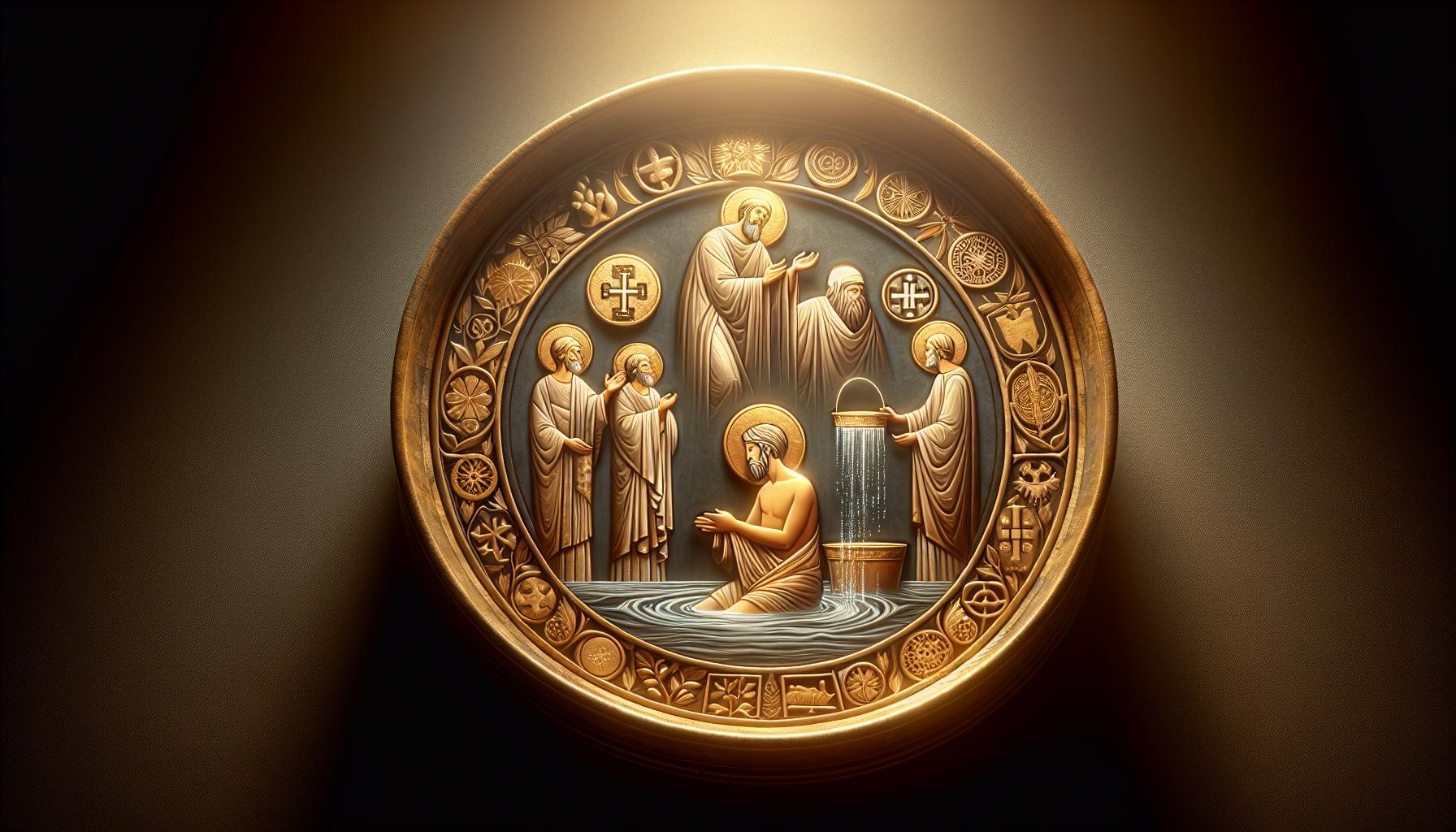
The practice of baptism holds profound significance within Judeo-Christian traditions, often representing rebirth, purification, and entry into a community of faith. Throughout the ages, the interpretation of “born of water” has spurred considerable theological discussion, particularly in connection with its implications for baptism, as explored in various scriptural contexts. Understanding its historical backdrop not only sheds light on this rite but also illuminates how its meaning has evolved and been reaffirmed across different sects of Judaism and Christianity.
Roots in Judaism
In ancient Israel, ritual washing and purification rites were prevalent, rooted in the tradition of mikvah. This practice involved full-body immersion in water to achieve a state of spiritual purity, particularly before significant religious events such as festivals or entering the Temple. Key elements include:
- Mikvah: A ritual bath used for purification, crucial for maintaining spiritual cleanliness.
- Symbolism: Water was seen as a means to cleanse sins and symbolize rebirth, serving as a precursor to later Christian baptism.
- Consecration: The act of immersing in water connoted preparation for divine acceptance and rejuvenation.
As Judaism engaged with Hellenistic and early Roman practices, the concept of water as a purifying element began to take on additional philosophical and allegorical meanings, paving the way for future theological interpretations.
The New Testament and Early Christianity
The advent of Jesus Christ brought further dimensions to the understanding of “born of water.” His ministry included significant ritual baptisms, drawing upon Jewish customs while introducing new theological insights. Notably, Jesus himself was baptized by John the Baptist, marking a foundational moment for the practice in the Christian faith. Essential points to consider include:
- John the Baptist: He emphasized the need for repentance and the imminent Kingdom of God, using water as a physical symbol of spiritual cleansing.
- Jesus’ Command: The Great Commission (Matthew 28:19) instructed his followers to baptize in the name of the Father, the Son, and the Holy Spirit, solidifying the act’s importance in Christian doctrine.
- Theological Implications: The early Church interpreted baptism not just as a rite of passage but as a transformative experience, symbolizing death of the old self and rebirth in Christ (Romans 6:4).
These developments illustrate a remarkable shift where “born of water” transcends mere physical immersion, becoming a powerful metaphor for spiritual renewal and acceptance within a community of faith.
Modern Interpretations and Practices
Across various denominations today, baptism serves as a cornerstone ritual, distinct yet united in its essence. The continued interest in interpretations, such as those articulated in discussions around “Does Born of Water Mean Baptism? Scriptural Interpretations Explored,” highlights the ongoing theological discourse.
| Denomination | View on Baptism | Significance of Water |
|---|---|---|
| Roman Catholic | Sacramental, cleansing original sin | Essential for sanctification and initiation |
| Protestant | Symbolic of faith and commitment | Represents purification and rebirth |
| Orthodox | Integral part of salvation, communal | Facilitates divine grace and renewal |
The diverse understandings of baptism reflect the broader historical context within which these traditions have evolved. As believers engage with their faith, the scriptural interpretations surrounding “born of water” continue to resonate, fostering both unity and theological diversity in the pursuit of spiritual authenticity.
Different Interpretations of Water Symbolism in the Bible

Water is one of the most essential elements in the Bible, serving as a powerful symbol that extends beyond its physical properties. Throughout scripture, water often represents various spiritual truths and can be interpreted in numerous ways depending on the context. Understanding these interpretations provides deeper insight into biblical teachings, particularly regarding the phrase “born of water” and its implications related to baptism.
Symbol of Purification
One of the primary interpretations of water in the Bible is its role in purification. In many instances, water is associated with cleansing, both in a physical and spiritual sense. For example, in the Old Testament, ritual washings and the use of the water from the bronze basin (the laver) in the temple signified the need for purification before approaching God (Exodus 30:18-21). This concept aligns with Christian baptism, as seen in John 3:5, where Jesus mentions being “born of water,” often interpreted to signify spiritual cleansing through baptism.
Symbol of Life and Renewal
Another significant interpretation of water is its connection to life and renewal. Water is frequently depicted as a source of sustenance and spiritual life. In John 4:14, Jesus describes the “living water” that quenches spiritual thirst, suggesting that accepting Christ brings about a renewal of life. This relationship highlights the transformative power of faith mirrored in the act of baptism, where the old self is symbolically laid to rest, and one is reborn into a new life.
Metaphorical Interpretations
The metaphorical use of water in scripture also extends to ideas of the Holy Spirit and grace. In various passages, water symbolizes the work of the Spirit in the believer’s life. For instance, in Acts 2:17, the outpouring of the Spirit is likened to water, representing the abundant grace available to all who believe. Thus, the interpretation of being “born of water” may also encompass receiving the Holy Spirit, emphasizing both baptism and spiritual rebirth as integral to Christian faith.
These provide profound insight into the multifaceted meanings of being “born of water.” Understanding these layers can enhance one’s appreciation for scriptural teachings and the significance of baptism, ultimately leading to a more enriched faith journey.
The Role of Baptism in Spiritual Rebirth and Community
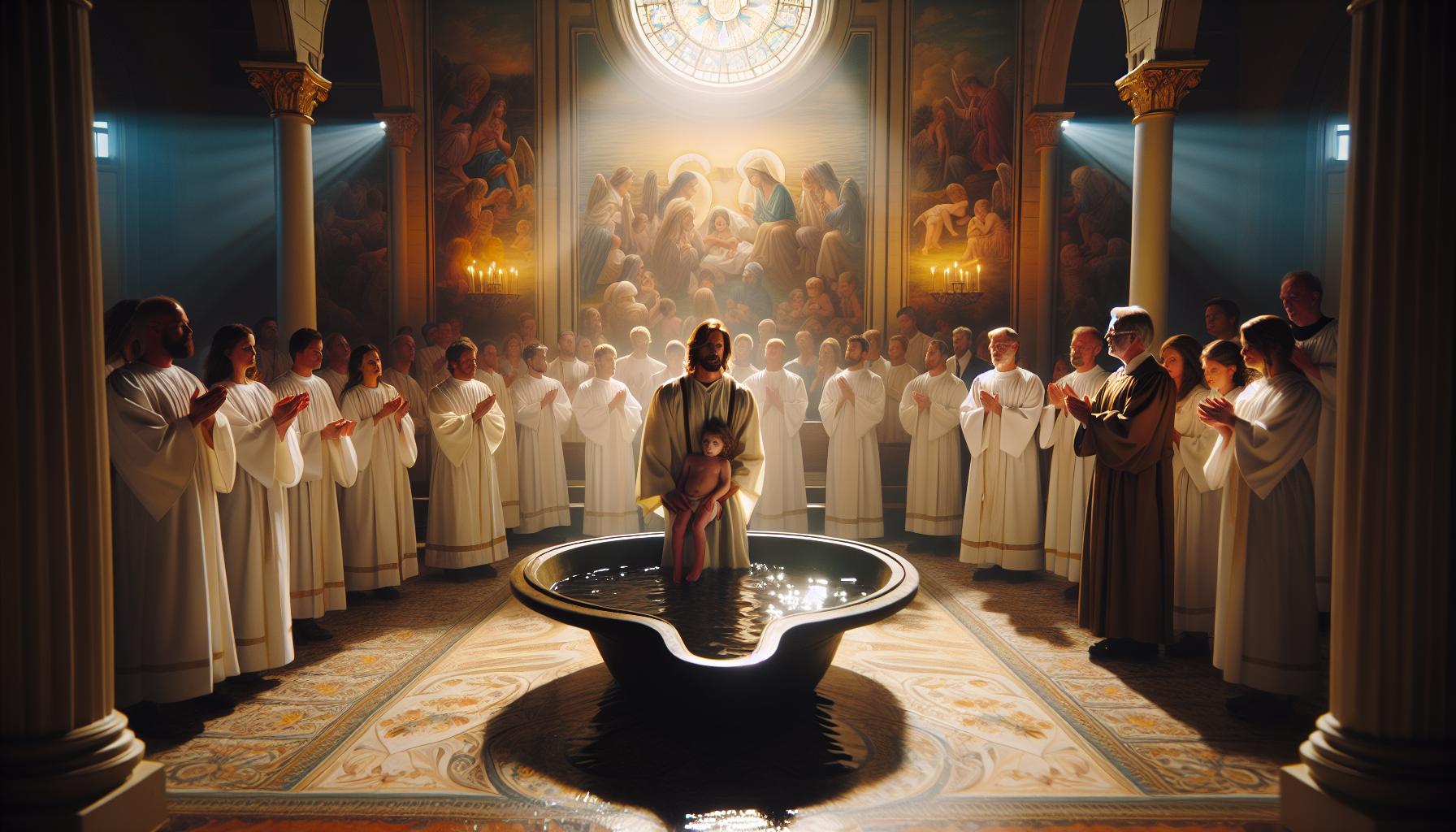
Immersion in water, a powerful symbol of faith, serves as a gateway to spiritual rebirth and community within many religious frameworks. The act of baptism is more than a mere ritual; it signifies a profound transformation and a commitment to live in harmony with spiritual principles. In exploring whether “born of water” refers to baptism, we find that this sacred tradition not only highlights individual dedication to God but also fosters a sense of belonging to a larger, united community.
The Meaning and Significance of Baptism
Baptism represents an intentional choice to align one’s life with divine will and to embrace the teachings of faith. This transformative experience often involves full immersion in water, symbolizing the washing away of past transgressions and the emergence of a new, purified self. For many, such as adherents of Jehovah, baptism is viewed as an essential step for those wishing to cultivate a relationship with God. This public declaration of faith is a tangible expression of one’s commitment to spiritual goals, highlighting the importance of community support in one’s spiritual journey.
Spiritual Rebirth Through Baptism
The concept of spiritual rebirth is intricately linked to baptism. A pivotal moment of realization occurs when individuals recognize that their past self no longer reflects their new convictions and moral standards. This metamorphosis is encapsulated in the act of baptism, symbolizing both a physical cleansing and a deeper, more meaningful internal change. When individuals emerge from the waters, they are not only revitalized in spirit but also equipped to live out their beliefs among fellow believers.
Community Connection and Support
Beyond the individual aspect, baptism fosters a sense of connection with a broader community. Joining a faith-oriented group signifies the commitment to collective values and beliefs, creating a supportive environment where members uplift one another. As expressed in the teachings of various faith traditions, including Jehovah’s Witnesses, baptism signifies entry into a global family united by similar moral philosophies [[1]]. This communal aspect plays a crucial role in reinforcing one’s spiritual journey, as shared experiences and encouragement create a nurturing space for growth.
In essence, the ritual of baptism not only embodies the act of “born of water” but also stands as a critical practice that enhances both personal transformation and community cohesion. Engaging in this sacred tradition allows individuals to reaffirm their faith and commitment, paving the way for a life that reflects shared values and community support.
A Comparative Look: Baptism Across Various Denominations
Baptism remains one of the most significant rites within Christianity, serving as a powerful symbol of faith and spiritual rebirth. Yet, its interpretation and practice vary widely across different denominations. Understanding how each tradition views baptism can shed light on the question, “Does born of water mean baptism?” and reveal the complexities surrounding this essential sacrament.
Catholicism
In the Catholic Church, baptism is viewed as a sacrament essential for salvation. The church teaches that through baptism, one is cleansed of original sin and initiated into the Christian community. This rite is performed using water, typically administered by a priest who pours water over the candidate’s head three times, invoking the Holy Trinity. The Church emphasizes that this sacrament is a divinely instituted means of grace, consistent with the idea of being “born of water.”
Orthodoxy
Orthodox Christianity holds baptism in equally high regard, seeing it not only as a cleansing ritual but as the initiation into the life of the Church. Similar to Catholic practices, Orthodox baptism involves full immersion in water, representing death to sin and rebirth in Christ. The ritual often includes a lengthy ceremony that may also feature the anointing with holy oil. In this tradition, the phrase “born of water” aligns closely with the physical act of immersion, deeply rooted in scriptural origins.
Protestantism
The interpretation of baptism among Protestant denominations shows marked diversity. Many, such as Baptists, emphasize what is known as “believer’s baptism,” which requires an individual to consciously accept Christ before being baptized. Water is a central element, and the act is typically done through full immersion, signifying the believer’s commitment and faith. Conversely, denominations like Methodists practice infant baptism, which they view as a covenantal sign of God’s grace.
- Baptists: Emphasize believer’s baptism through immersion.
- Methodists: Practice infant baptism as a sign of grace.
- Anglicans: Combine infant and adult baptism, often sprinkling or pouring water.
| Denomination | View on Baptism | Mode of Administration |
|---|---|---|
| Catholic | Initiation into the Church, cleansing of sin | Poured water (affusion) |
| Orthodox | Death to sin, rebirth in Christ | Full immersion |
| Baptist | Believer’s baptism, sign of faith | Full immersion |
| Methodist | Covenantal sign of grace (both infant and believer) | Sprinkling or pouring |
As these denominational practices illustrate, interpretations about baptism and the phrase “does born of water mean baptism?” vary significantly. Where some strongly tie the act of baptism to the notion of personal faith and commitment, others see it as an inherent grace received from God, often independent of individual belief. This diversity of thought enriches the broader understanding of baptism within Christianity, allowing adherents to engage deeply with their faith and the implications of this sacred rite.
Practical Guidance for Baptismal Practices in Modern Faith Communities
Understanding how to approach the sacrament of baptism can deeply influence the life of a faith community. As we explore the nuances behind the phrase “Born of Water” in scriptural contexts, faith communities today find themselves at a crossroads. It becomes essential to establish meaningful practices that resonate with doctrine and the lived experiences of believers.
Creating a Framework for Baptismal Practices
When developing baptismal practices, faith communities can benefit from a well-structured framework. This should include:
- Scriptural Foundation: Grounding the practice in scripture, including interpretations of phrases like “Born of Water,” helps clarify the significance of baptism. Offer classes or discussions to dive deep into various interpretations, ensuring everyone understands the theological underpinnings.
- Inclusive Practices: Emphasizing the heart of baptism as a welcoming gesture invites members from diverse backgrounds, fostering a sense of belonging. Consider guidelines that honor different traditions while maintaining unity in purpose.
- Community Involvement: Encourage congregational involvement in baptism ceremonies. This could include mentorship programs for baptism candidates, allowing established members to guide them through their spiritual journey.
- Follow-Up Support: Establish a system for ongoing discipleship following baptism. This can take the form of small groups, mentorship pairs, or continued education on what it means to be a baptized member of the faith.
Real-World Examples of Effective Practices
Many faith communities are adopting innovative ways to articulate and celebrate baptism, inspired by varied interpretations of baptismal significance. For example, some churches host “Baptism Sundays,” where entire congregations celebrate individuals being baptized, incorporating testimonies and worship into the service. This transforms the ritual into a communal experience, aligning with the idea that baptism is not just a personal rite but also a collective affirmation of faith.
Another model worth considering is the use of symbolic water elements in the baptism process. This could be through immersing candidates in a river or using seashells or other natural water symbols during a blessing ceremony. These practices echo the interpretative discussions around “Born of Water,” providing a tactile, memorable way for congregants to connect with the meaning of their baptism.
Measuring the Impact of Baptismal Practices
To ensure that baptismal practices continue to resonate within your community, consider periodically assessing their impact. This could include:
| Assessment Strategy | Description |
|---|---|
| Feedback Surveys | Distribute surveys to new members and their families, asking for their insights on the baptism experience and its integration into their faith journey. |
| Focus Groups | Assemble small focus groups to discuss the community’s baptismal practices, allowing for open dialogue and suggestions for improvement. |
| Milepost Evaluations | Establish specific timeframes (e.g., quarterly or bi-annually) to review the effectiveness of baptismal initiatives and make necessary adjustments. |
By implementing these strategies, faith communities can cultivate an enriching baptismal experience grounded in the scripture and reflective of contemporary understanding. Each baptism holds the potential to strengthen the community’s collective faith, encouraging deeper exploration of what it means to be “Born of Water.”
Theological Insights: Water as a Symbol of Purity and Renewal
Water holds a significant position in various religious traditions, often representing more than just the physical substance that quenches thirst or supports life. In the context of spiritual discourse, it serves as a profound symbol of purity and renewal, reinforcing its importance in rituals, including baptism. This notion raises compelling questions: Does Born of Water Mean Baptism? Scriptural Interpretations Explored delves into the layers of meaning tied to water within scripture, and how it relates to the themes of cleansing and rebirth.
Water as a Symbol of Purity
Throughout scripture, water is frequently depicted as a medium of purification. In various texts, such as Exodus 30:18-21, the washing of hands and feet in water symbolizes moral and spiritual cleanliness, reinforcing the idea that coming into the presence of the divine requires a state of purity. This ritualistic use of water can be seen as a precursor to the practice of baptism, where individuals not only physically cleanse themselves but also engage in a deeper act of spiritual renewal.
- Old Testament References: Water is used in numerous purification rituals, signifying the need for a clean heart (Psalm 51:7).
- New Testament Connections: Jesus’ dialogue with Nicodemus in John 3:5 further illustrates how being “born of water” can represent the necessity of spiritual rebirth alongside physical baptism.
- Symbolic Significance: The transition from physical to spiritual cleansing highlights the evolving understanding of water as a medium for both literal and symbolic purity.
Water as a Symbol of Renewal
In addition to purity, water is emblematic of renewal and new beginnings. It is through the act of baptism that believers signify their commitment to a new life in Christ. This transformative experience parallels physical acts of cleansing, which emphasize turning away from past sins and embracing a renewed spirit. Scriptural interpretations often discuss how water is not simply a cleansing agent but a conduit for grace and regeneration.
Consider passages like Romans 6:4, which speaks of being “buried with Him through baptism into death” and then raised to walk in newness of life. This imagery of death and rebirth through water allows believers to grasp the profound significance of their baptismal commitment – a literal and metaphorical immersion that embodies a complete transformation.
| Concept | Scripture Reference | Meaning |
|---|---|---|
| Purity | Exodus 30:18-21 | The requirement of cleanliness for divine service. |
| Renewal | Romans 6:4 | Symbolizes a new life in Christ through baptism. |
| Rebirth | John 3:5 | The necessity of spiritual birth in connection with water. |
In summary, exploring the theological insights surrounding water reveals its dual role as both a symbol of purity and renewal, essential to understanding the broader context of baptism. By examining the scriptural interpretations related to water, believers can gain a deeper appreciation for the significance of their spiritual practices, thereby answering the question: Does Born of Water Mean Baptism?
Engaging with the Community: Questions and Reflections on Baptism
Baptism is one of the most significant rites in Christian tradition, often surrounded by deep theological implications and personal reflections. The question of whether the phrase “born of water” pertains specifically to baptism invites a myriad of interpretations, sparking discussions among believers and scholars alike. Engaging with the community is invaluable, as diverse perspectives can enrich our understanding of such profound concepts.
Questions to Ponder
To foster a meaningful dialogue about baptism and its relation to the phrase “born of water,” consider the following questions that encourage deeper reflection and conversation:
- What personal experiences have shaped your understanding of baptism? Reflecting on personal encounters can uncover insights that academic interpretations may overlook.
- How do different denominations interpret “born of water” in the context of baptism? Understanding variances in beliefs can promote openness and respect among differing faith practices.
- What role does baptism play in your community or faith tradition? Discussing the importance of baptism can reveal how it functions differently across cultures and communities.
- Can baptism be viewed as a purely symbolic act, or does it carry deeper spiritual significance? Engaging with this question can lead to a rich exploration of faith and ritual.
Reflections for Personal Growth
Engaging with community reflections can also serve as a catalyst for personal growth. A few areas to explore include:
- Understanding Scriptural Context: Dive into further scriptural interpretations to comprehend how the phrase “born of water” has been understood across timelines.
- Community Invitations: Seek out local discussions or forums dedicated to baptism. Engaging in conversations allows for the sharing of experiences and beliefs.
- Prayer and Contemplation: Take time for individual prayer on what baptism means to you personally and consider journaling these thoughts.
Real-World Examples
Engagement with your community can lead to shared experiences that deepen your understanding of baptism. For instance, many churches hold community events where individuals share their baptism stories, creating a tapestry of personal testimonies that illustrate varied beliefs and experiences.
Moreover, organizing study groups focused on scriptural interpretations related to baptism can provide a supportive space to explore the context of “born of water” alongside others. Such discussions can often clarify ambiguities and inspire collective insights.
| Interpretation | Description | Denomination Examples |
|---|---|---|
| Baptism as Initiation | Baptism serves as an entry into the faith community. | Roman Catholicism, Orthodox Churches |
| Baptism as Symbolic Act | Represents a personal commitment to faith but is not required for salvation. | Baptist, Evangelical Churches |
| Spiritual Rebirth | Refers to the inner transformation of an individual. | Methodist, Pentecostal Churches |
By engaging with these reflections and questions within your community, you can contribute to, and gain from, a collective pursuit of understanding the profound nature of baptism, while exploring the implications of “born of water” through both personal and communal lenses.
Q&A
Does Born of Water Mean Baptism?
Yes, many theologians interpret “born of water” as a reference to baptism in John 3:5. This interpretation connects spiritual rebirth through water to the act of baptism, reflecting the importance of this sacrament across various Christian traditions.
The view that birth from water signifies baptism is prevalent in Christian theology. It embodies the significance of water in the cleansing and initiatory process of entering the Christian faith. By emphasizing both physical and spiritual meanings, this interpretation encourages a deeper understanding of the sacrament.
What is the significance of baptism in relation to being born of water?
Baptism holds profound significance as a ritual of initiation and purification, aligning closely with the concept of being “born of water.” This reflects the transformative power of faith as outlined in scripture.
Baptism serves as an outward expression of inner faith, marking the moment a believer transitions to a new life in Christ. It symbolizes repentance and the cleansing of sin, affirming the believer’s commitment. The connection to being born of water emphasizes that this act is pivotal for spiritual renewal and community integration.
Why does the phrase “born of water” appear in the Bible?
The phrase “born of water” appears in John 3:5 within the context of Jesus’ teaching about spiritual rebirth. It highlights the necessity of baptism for entry into the Kingdom of God, illustrating the importance of this sacrament.
In theological discussions, this phrase is often seen as embracing both a literal and metaphorical sense of water. Water represents purity, cleansing, and life, making it a fitting symbol for baptism. These elements together highlight the transformative journey of faith and the beauty of being spiritually reborn through baptism.
Can I be saved without baptism if born of water means baptism?
Many traditions believe that while baptism is essential, God’s grace allows for exceptions. Thus, being “born of water” encompasses both the sacrament and personal faith.
Different denominations have varying views on the necessity of baptism for salvation. Some theology emphasizes an individual’s faith and relationship with God over ritual practices. Thus, while baptism is important, it is not the sole requirement for salvation, as God’s grace could encompass those unable to fulfill that sacrament.
How do different denominations interpret “born of water”?
Denominations vary significantly in their interpretations of “born of water.” While some, like Catholics and Lutherans, view it as directly linked to baptism, others see a broader interpretation encompassing the Holy Spirit’s work.
For example, Pentecostal and Baptist traditions emphasize personal faith alongside baptism. In contrast, some non-denominational groups interpret it as a figurative expression of spiritual renewal rather than a literal requirement. This diversity illustrates the rich tapestry of Christian belief and the importance of ongoing dialogue about these fundamental truths.
What does scripture say about the role of water in baptism?
Scripture extensively discusses the role of water in baptism, portraying it as a cleansing agent and a symbol of rebirth. For instance, Acts 2:38 emphasizes baptism for the remission of sins.
The connection between water and baptism in scripture signifies both an outward act and an inward transformation. This underscores the need for believers to engage fully in their faith journey, affirming their commitment to live a life reflective of their baptismal vows.
Why is baptism considered essential in Christianity?
Baptism is considered essential in Christianity as it signifies initiation into the faith and community and symbolizes repentance, forgiveness, and acceptance of God’s grace.
This sacrament connects believers to the death and resurrection of Jesus, reinforcing the significance of their spiritual rebirth. Over centuries, baptism has remained a central practice, highlighting its theological importance across various Christian traditions.
Insights and Conclusions
In conclusion, our exploration of the phrase “born of water” has illuminated the rich tapestry of scriptural interpretations surrounding baptism. We have seen how different theological perspectives provide insights into the significance of this sacred rite within various traditions. Whether you resonate with the symbolism of spiritual rebirth, the call to obedience, or the community’s role in the sacrament, each interpretation invites deeper reflection on your faith journey.
As you consider the implications of baptism in your life or ministry, take time to engage with the scriptures, seeking personal understanding and communal wisdom. We encourage you to delve further into the vast array of resources available, connect with fellow believers across denominations, and foster discussions within your community. The journey does not end here; rather, it is an invitation to explore the depths of grace, renewal, and the shared commitment to embodying Christ in the world.
May this article inspire you to reflect on your beliefs, engage with your faith community, and embrace the transformative power of baptism—whatever it may mean for you. We welcome your thoughts and reflections as we continue this meaningful conversation together.
Get our latest guides, news, and insights highlighted in your Google Search & AI Overviews.


